Blog

  • Warm and Aesthetic Kitchen Decor Ideas

    Warm and Aesthetic Kitchen Decor Ideas

    Introduction

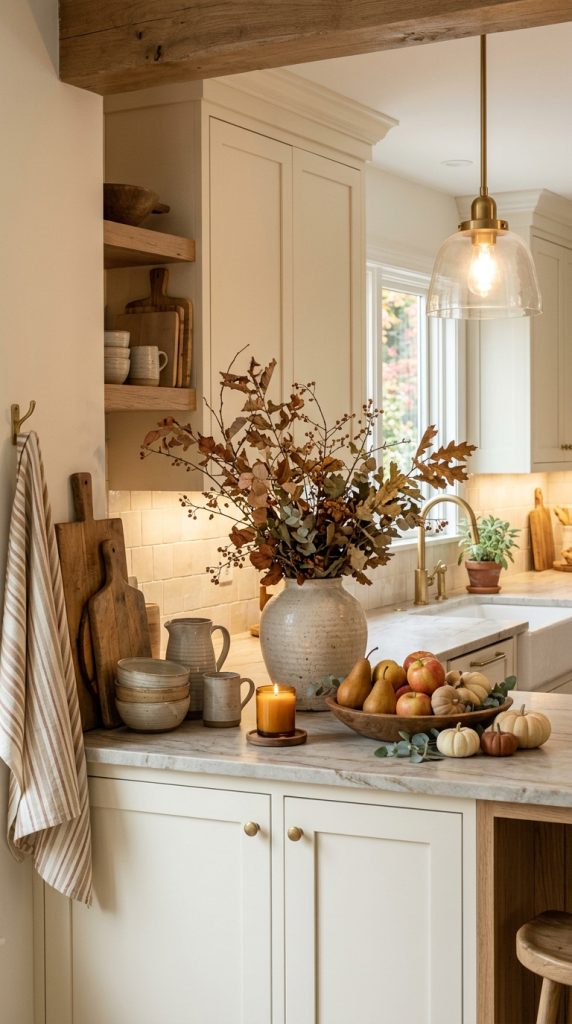
    A warm and aesthetic kitchen is one of the most inviting spaces you can create in your home. Unlike decorating styles that focus only on appearance, a warm kitchen combines beauty with comfort, functionality, organization, and personality. It should be a place where you genuinely enjoy preparing meals, having morning coffee, gathering with family, or simply spending time at the end of a long day. The right combination of warm colors, natural materials, soft lighting, beautiful storage, and carefully chosen accessories can transform even a basic kitchen into a cozy and Pinterest-worthy space.
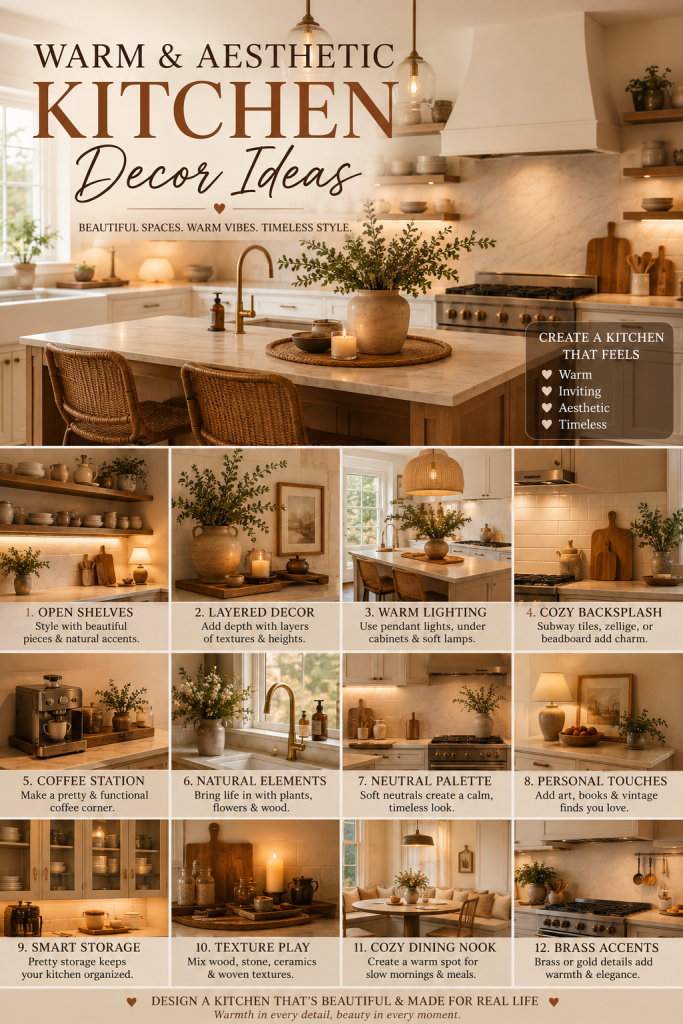
    The good news is that creating a warm aesthetic kitchen does not necessarily require a renovation. You do not have to replace your cabinets, install expensive countertops, or purchase designer appliances. Often, the biggest transformation comes from small decorative changes. Adding a wooden cutting board, displaying attractive ceramic dishes, changing kitchen textiles, organizing countertops, introducing warm lighting, or creating a dedicated coffee corner can completely change how the room feels.

    Color is one of the most important elements. Cool whites and stark gray tones can sometimes make kitchens feel clinical, especially when combined with bright overhead lighting. Warm neutrals create a much softer atmosphere. Think creamy white, ivory, beige, taupe, caramel, walnut brown, warm gray, muted terracotta, soft tan, and subtle earthy shades. These colors can be introduced through accessories rather than permanent features, making them ideal for renters and homeowners alike.

    Natural materials are another major part of the warm aesthetic. Wood is especially useful because it immediately introduces warmth into modern kitchens. Wooden cutting boards, bowls, trays, stools, shelves, and utensils can create visual softness against white cabinets or stone countertops. Woven baskets, rattan accessories, linen-style textiles, ceramic pieces, and glass containers add additional layers of texture.

    The secret is not simply adding more objects. A beautiful kitchen needs balance. Too many decorative pieces can make countertops look crowded and make everyday cooking difficult. Instead, choose a few meaningful focal points and allow empty space around them. A large wooden board leaning against the backsplash can often have more visual impact than a dozen small decorations.

    Lighting deserves special attention because it can completely change the atmosphere. A kitchen with beautiful decor can still feel cold under harsh white lighting. Warm pendant lights over an island, under-cabinet lighting, soft lamps, and carefully positioned decorative lights can create a comfortable evening environment. You can even make a rental kitchen feel dramatically different with rechargeable lighting solutions that do not require permanent electrical work.

    Storage can also become part of the aesthetic. Instead of hiding everything, display attractive everyday objects while organizing less attractive items. Glass jars can hold dry ingredients, woven baskets can hide packets and miscellaneous items, and wooden trays can group coffee supplies. When everything has a visual home, the kitchen naturally feels calmer.

    Open shelving is another opportunity for decorating. Rather than treating shelves as extra storage space that must be completely filled, think of them as curated displays. Combine ceramic plates, bowls, mugs, wooden boards, glass jars, cookbooks, and one or two decorative objects. Vary the heights and leave empty areas between groups. This gives the shelves an intentional designer appearance.

    Textiles can make an enormous difference as well. A textured runner can soften hard kitchen floors, while linen-style towels and neutral fabric accessories can introduce warmth. Choose washable materials for areas that receive frequent spills. Practicality should always be considered alongside appearance.

    Plants and natural elements can also add life to the kitchen. A small herb corner near a suitable window can be both beautiful and functional. Fresh fruit in a wooden bowl creates natural color without looking overly decorative. Dried branches can provide height and texture when fresh plants are not practical.

    For a truly aesthetic result, think about repetition. If you use walnut wood on the countertop, repeat a similar tone in a cutting board, stool, tray, or shelf. If you introduce muted terracotta through a towel, repeat the shade in a ceramic bowl or mug. Repeated colors make separate objects feel like part of the same design.

    This approach is especially valuable for Pinterest because cohesive spaces are visually satisfying. A strong Pinterest image should have one obvious focal point, a clear color story, attractive textures, realistic styling, and enough visual interest to make viewers stop scrolling. A kitchen should look aspirational but still attainable.

    The ten ideas below are designed to help you create exactly that kind of space. Each idea can stand alone, or you can combine several to create a complete kitchen transformation. They are practical, beginner-friendly, budget-conscious, and flexible enough to work with modern, farmhouse, vintage, Scandinavian, transitional, or contemporary interiors.

    1. Create a Warm Neutral Kitchen With Natural Wood

    A warm neutral kitchen is one of the easiest and most timeless ways to create an aesthetic space. The style works particularly well if your existing kitchen has white, cream, beige, or light-colored cabinets because natural wood accessories can immediately make the room feel warmer.

    The first step is to establish a simple color palette. Choose three to five shades that work together. A beautiful combination is warm white, cream, beige, walnut brown, and muted caramel. If you want a slightly more colorful appearance, introduce a small amount of terracotta.

    Once your palette is established, remove unnecessary objects from the countertop. A warm aesthetic kitchen should not feel crowded. Keep the appliances and items you use daily, but consider storing everything else.

    Now introduce natural wood. Place one or two wooden cutting boards vertically against the backsplash. Add a wooden bowl or tray nearby. Wooden utensils can be displayed in a ceramic container rather than hidden inside a drawer.

    The contrast between smooth countertops and natural wood creates visual interest. If your kitchen has glossy cabinets, wood can soften the overall appearance. If your kitchen already has wooden cabinetry, choose accessories that complement rather than compete with the existing tones.

    Ceramics can add another layer. Choose cream, ivory, beige, or warm gray pieces. A ceramic utensil holder, bowl, vase, or pitcher can make the countertop look curated.

    Materials and Things to Use

    • Natural wooden cutting boards
    • Wooden bowl
    • Wooden utensils
    • Cream ceramic vase
    • Ceramic utensil holder
    • Wooden tray
    • Neutral kitchen towels
    • Beige or cream runner
    • Glass storage jars
    • Warm lighting

    Step-by-Step Styling

    1. Clear unnecessary countertop clutter.
    2. Select three to five coordinated colors.
    3. Add one large wooden cutting board.
    4. Introduce a wooden bowl or tray.
    5. Add cream or neutral ceramics.
    6. Display attractive utensils in one container.
    7. Add one textured textile.
    8. Introduce warm lighting.
    9. Leave empty space around the main arrangement.

    One common mistake is adding too many wooden objects. The purpose of natural wood is to provide warmth, not to turn the kitchen into a wood showroom. Choose different shapes and sizes and give each piece enough breathing room.

    Another mistake is mixing too many colors. A warm kitchen usually looks more expensive when the palette is restrained. You can always introduce small seasonal colors later through towels, flowers, mugs, or ceramics.

    For Pinterest styling, photograph the kitchen from a slightly angled viewpoint that captures the countertop, cabinets, lighting, and one clear decorative focal point. The composition should feel bright enough to reveal details but remain warm and cozy.

    2. Create a Cozy and Aesthetic Coffee Station
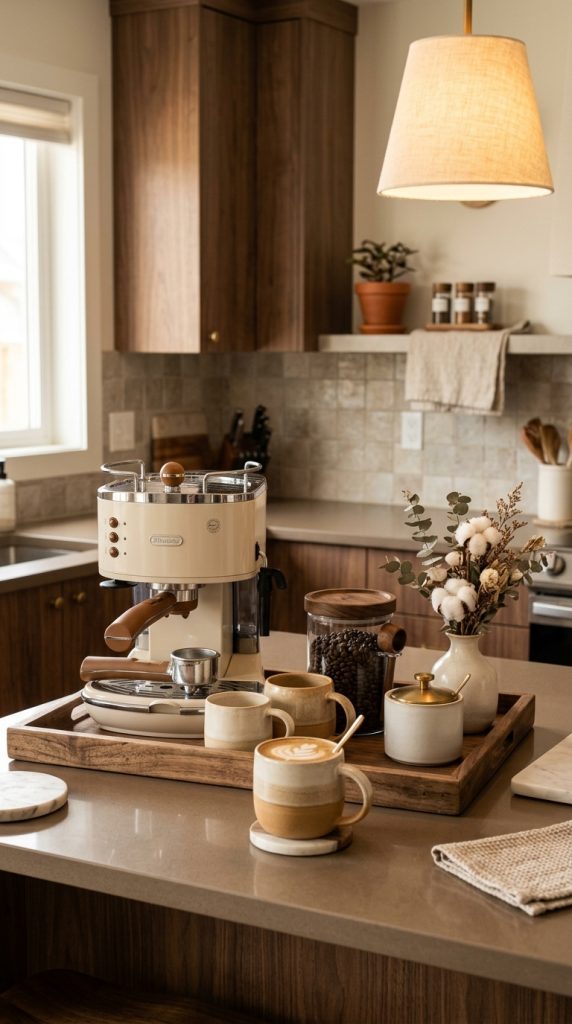
    A kitchen coffee station is both practical and decorative, making it one of the most save-worthy ideas for Pinterest. It gives you a dedicated area for your morning routine while creating a visually attractive corner that can be changed seasonally.

    Start by choosing the location. A section of countertop near an electrical outlet is ideal. If you have a small kitchen, do not sacrifice valuable preparation space. A narrow corner is enough.

    Use a wooden or ceramic tray to visually define the coffee station. This is important because a tray prevents several small objects from appearing randomly scattered across the counter.

    Place the coffee machine or coffee maker at the back if space allows. In front or beside it, arrange your favorite mugs. Cream, beige, brown, or handmade-looking ceramic mugs create a warm appearance.

    Use glass containers for coffee beans, sugar, tea, or other dry ingredients. Matching containers immediately make the space look more organized.

    A small ceramic vase can add softness. If you have a suitable location, use a small natural arrangement. Avoid adding too many decorative objects because the station should remain functional.

    You can also add a small wooden sign or framed artwork if you like personalized decor, but keep written elements minimal if your goal is a clean Pinterest aesthetic.

    Materials and Things to Use

    • Wooden or ceramic tray
    • Coffee maker
    • Ceramic mugs
    • Glass coffee container
    • Sugar container
    • Small spoon
    • Ceramic vase
    • Wooden accessory
    • Small artwork
    • Warm lamp or lighting

    Step-by-Step Styling

    1. Choose a small dedicated countertop area.
    2. Remove unnecessary objects.
    3. Place a tray as the foundation.
    4. Position the coffee maker.
    5. Arrange two to four attractive mugs.
    6. Add matching glass containers.
    7. Introduce one ceramic or wooden accessory.
    8. Add warm lighting if appropriate.
    9. Keep enough space for comfortable use.

    The most beautiful coffee stations often look like they belong naturally in the kitchen. Avoid creating a display that is so decorative that you cannot use it.

    If you want to change the look seasonally, keep the foundation neutral and change only small details. During autumn, you might add a cinnamon-colored mug. During winter, use cream textiles. During spring, introduce softer colors.

    This makes the coffee station a long-term decorating feature rather than a temporary trend.

    For a Pinterest image, make the coffee station the main focal point. Use soft natural light during the day or warm ambient lighting for an evening aesthetic. Include enough surrounding kitchen detail to give viewers context.

    3. Transform the Kitchen With Warm Layered Lighting
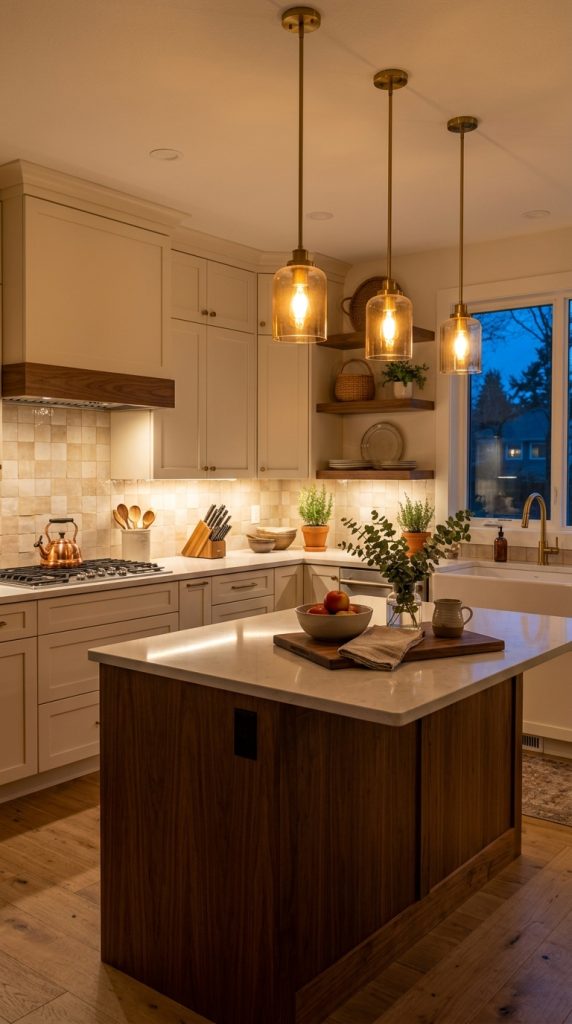
    Lighting is one of the most powerful tools for creating a warm kitchen. You can have beautiful cabinets, countertops, accessories, and furniture, but if the lighting is too harsh, the entire space may feel cold.

    The goal is to create layers rather than depending on one ceiling fixture.

    Begin with your main overhead lighting. If the fixture is extremely cool or harsh, consider warmer bulbs where compatible with your fixtures. Warm white lighting can create a more comfortable atmosphere.

    Next, introduce task lighting. Under-cabinet lights are particularly useful because they illuminate countertops while also creating a beautiful glow after dark.

    If you have a kitchen island, pendant lights can become an important design feature. Choose fixtures that complement your overall style. Natural woven shades can add warmth, while simple glass or metal fixtures can create a more modern aesthetic.

    Small lamps can also work in larger kitchens or open-plan spaces, provided they are positioned safely away from water and cooking areas. A compact lamp can make a kitchen feel connected to a nearby living area.

    Materials and Things to Use

    • Warm LED bulbs
    • Under-cabinet lighting
    • Rechargeable cabinet lights
    • Pendant lights
    • Small table lamp
    • Decorative lantern
    • Dimmer where compatible
    • Candles for safe decorative use

    Step-by-Step Lighting Plan

    1. Identify the darkest areas.
    2. Improve the main lighting if necessary.
    3. Add under-cabinet illumination.
    4. Use pendant lights over an island if available.
    5. Add a small decorative lamp in an appropriate dry location.
    6. Keep light temperatures visually consistent.
    7. Use dimmable lighting where possible.
    8. Create softer evening illumination.

    Avoid mixing extremely cool blue lighting with warm yellow lighting unless there is a deliberate design reason. Inconsistent lighting can make the kitchen feel visually disconnected.

    The ideal warm kitchen should be functional during the day and atmospheric at night.

    For Pinterest, lighting is especially important. Warm evening lighting can make an ordinary kitchen look luxurious and inviting. However, make sure the image is not so dark that viewers cannot see the decor. The best visual balance is soft, warm, and detailed.

    4. Style Open Shelves Like a Designer
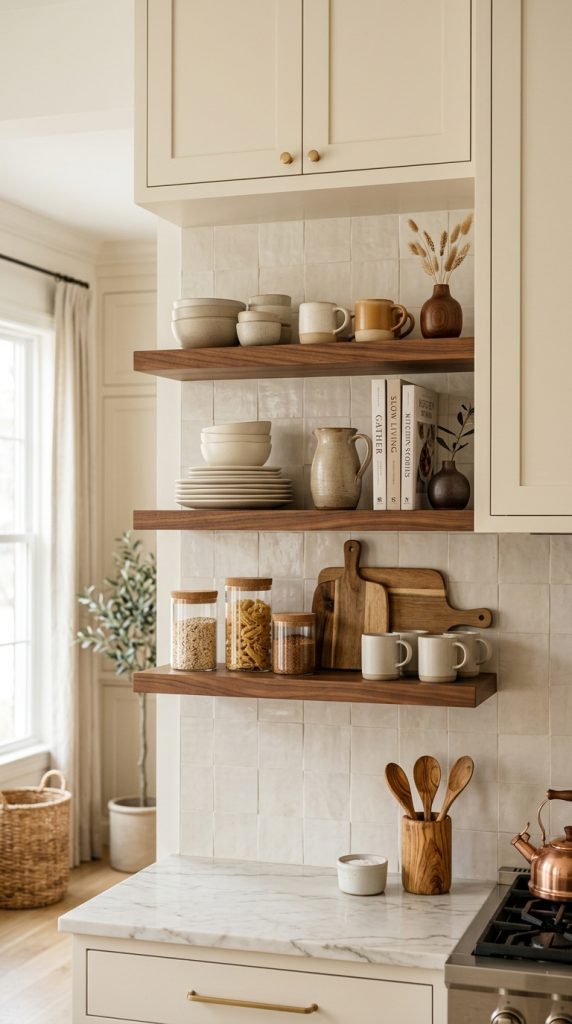
    Open shelves can be one of the most attractive features in an aesthetic kitchen, but they need careful styling. If shelves become storage for every random item, they can quickly make the kitchen feel messy.

    Treat open shelving as a curated display.

    Start by selecting your main materials. A combination of cream ceramics, natural wood, clear glass, and a small amount of earthy color works beautifully.

    Place the largest pieces first. A wooden cutting board can lean vertically against the wall. Stack a few ceramic plates beside it. Add bowls on top of the stack.

    Next, introduce mugs. Place several together rather than scattering them across the shelf.

    Glass jars can provide visual transparency and keep ingredients accessible. Cookbooks can be stacked horizontally or positioned vertically.

    Materials and Things to Use

    • Ceramic plates
    • Ceramic bowls
    • Neutral mugs
    • Wooden cutting boards
    • Glass jars
    • Cookbooks
    • Ceramic pitcher
    • Small vase
    • Decorative bowl
    • Small framed artwork

    Step-by-Step

    1. Remove everything from the shelves.
    2. Group items by color and material.
    3. Place large objects first.
    4. Add stacked plates and bowls.
    5. Arrange mugs together.
    6. Introduce wooden boards for height.
    7. Add glass jars.
    8. Include one or two decorative pieces.
    9. Leave intentional empty space.

    Varying heights is extremely important. If everything is the same height, the shelf can appear flat.

    Use the rule of visual grouping. Instead of placing one plate, one mug, one bowl, and one jar repeatedly, create small collections. A stack of plates, three mugs, and a vase can form one visual group.

    Avoid overcrowding. Empty space makes the displayed objects more noticeable.

    If you have very small shelves, reduce the number of objects. The goal is not to demonstrate how much storage you have but to create a beautiful composition.

    5. Design a Cozy Kitchen Island Focal Point

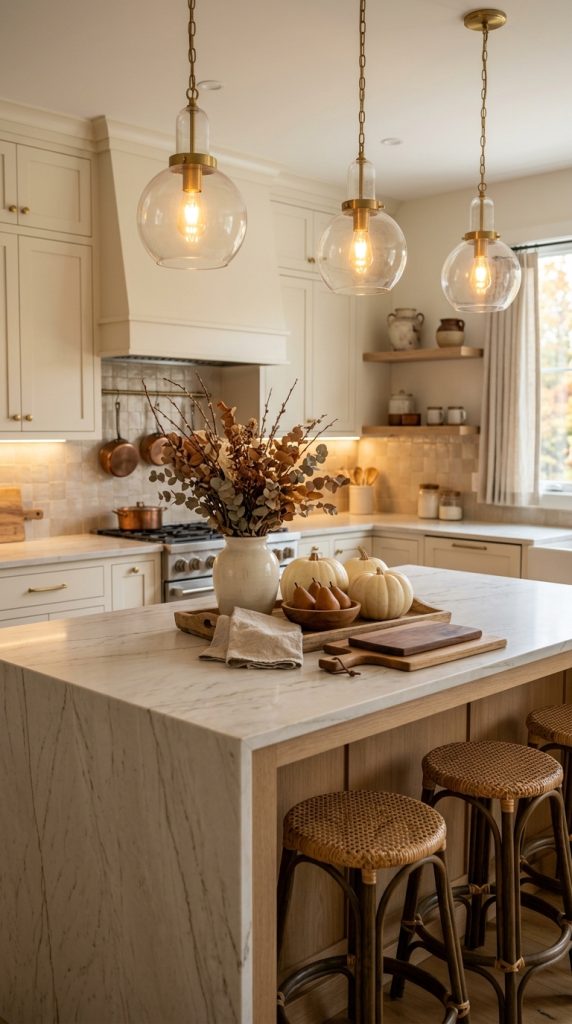
    A kitchen island naturally attracts attention, so it should be styled intentionally. However, the island must remain functional. It should still provide enough room for preparing food, serving meals, and completing everyday tasks.

    Start with one large tray. The tray provides a visual boundary and makes it easier to move the arrangement when you need the entire island.

    Add a ceramic vase as the tallest object. Next to it, place a bowl filled with fresh fruit. You can also add a wooden cutting board or a small serving dish.

    If the island is large, divide the surface into two visual areas rather than placing everything in the center. For example, one side can hold a decorative arrangement while the opposite side remains completely open for preparation.

    Materials and Things to Use

    • Large wooden tray
    • Ceramic vase
    • Fresh fruit bowl
    • Wooden cutting board
    • Ceramic serving bowl
    • Small cookbook
    • Natural wood accessory
    • Warm pendant lighting

    Step-by-Step

    1. Clear the island.
    2. Decide how much working space must remain available.
    3. Choose one main focal arrangement.
    4. Add the tallest object first.
    5. Place a bowl or tray beside it.
    6. Introduce one wooden element.
    7. Keep the rest of the island open.
    8. Check the arrangement from different angles.

    Fresh fruit is particularly useful because it adds natural color without feeling like artificial decoration.

    If your kitchen has a small island, keep the arrangement very simple. A vase and bowl may be all you need.

    The island should look styled but not staged. A completely empty island can feel sterile, while an overcrowded one becomes impractical.

    For Pinterest, photograph the island at an angle that also shows the pendant lights and surrounding cabinetry. This creates depth and makes the image feel like a complete kitchen rather than a close-up of one surface.

    6. Add Natural Textures With Wood, Woven Pieces, and Ceramics
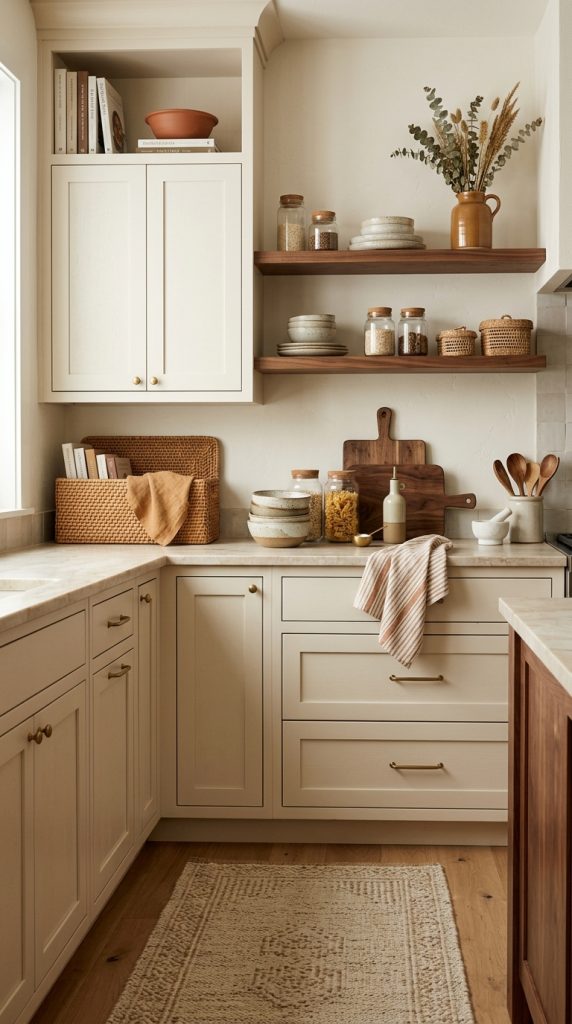
    Warmth often comes from texture rather than color. A kitchen can use a neutral palette and still feel rich if different materials are layered thoughtfully.

    Wood provides warmth. Woven baskets provide softness. Ceramic adds handmade character. Glass introduces transparency. Linen-style textiles add subtle softness.

    Start by choosing one piece from each category rather than purchasing many accessories.

    A wooden bowl can sit beside a smooth ceramic vase. A woven basket can hold kitchen towels. A textured runner can soften the floor.

    Materials and Things to Use

    • Wooden bowl
    • Natural cutting boards
    • Woven basket
    • Ceramic vase
    • Ceramic bowls
    • Glass jars
    • Textured runner
    • Linen-style towels
    • Woven placemats
    • Wooden utensils

    Step-by-Step

    1. Identify areas that feel visually cold.
    2. Add natural wood.
    3. Introduce one woven item.
    4. Add ceramic pieces.
    5. Use glass for storage.
    6. Add a soft textile.
    7. Repeat one or two materials elsewhere.

    The key is contrast. Smooth ceramic looks more interesting next to rough wood. Clear glass looks beautiful beside woven textures.

    Avoid using too many competing patterns. If your backsplash is highly patterned, choose simpler accessories.

    Texture is especially valuable for neutral kitchens because it creates visual depth without requiring strong colors.

    A warm aesthetic kitchen should feel appealing not only because it looks beautiful but because viewers can almost imagine touching the materials. This tactile quality is one reason natural textures perform so well in interior photography.

    7. Create a Beautiful and Organized Kitchen Pantry
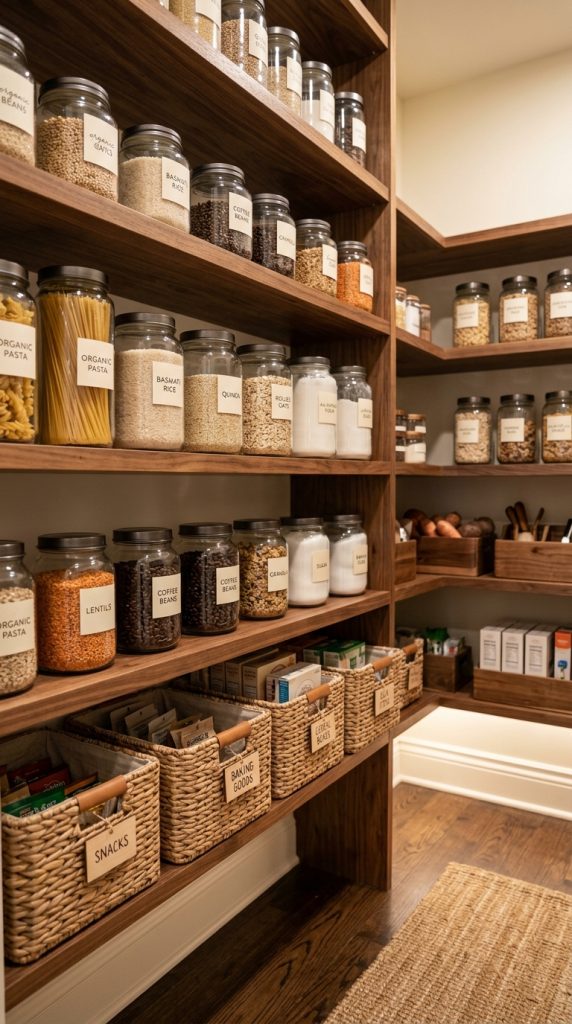
    Organization can be decorative when it is approached intentionally. A beautiful pantry makes everyday cooking easier while creating the clean, satisfying aesthetic that performs well on Pinterest.

    Begin by removing expired or unnecessary items. Then group similar ingredients together.

    Glass jars are useful for dry goods because they allow you to see what is inside. Use containers that are practical for your household and suitable for food storage.

    Woven baskets are useful for packaging that you do not want displayed individually. They can hold snacks, packets, baking supplies, or other small items.

    Materials and Things to Use

    • Glass storage jars
    • Airtight containers
    • Woven baskets
    • Wooden bins
    • Simple labels
    • Shelf risers
    • Small trays
    • Storage boxes

    Step-by-Step

    1. Empty one pantry section at a time.
    2. Check expiration dates.
    3. Group similar ingredients.
    4. Select suitable storage containers.
    5. Transfer appropriate dry goods.
    6. Add simple labels where useful.
    7. Place frequently used items at accessible heights.
    8. Use baskets for miscellaneous packaging.
    9. Leave small amounts of visual breathing room.

    Do not transfer every food item into matching containers simply for appearance. Organization should remain practical.

    A pantry can look beautiful without becoming complicated. The strongest aesthetic usually comes from consistency.

    Use similar containers, repeat materials, and avoid excessive labels or decorative signs.

    For Pinterest imagery, an organized pantry should look satisfying but realistic. Include enough variation to show that it is a working kitchen rather than a showroom.

    8. Add a Cozy Breakfast Nook
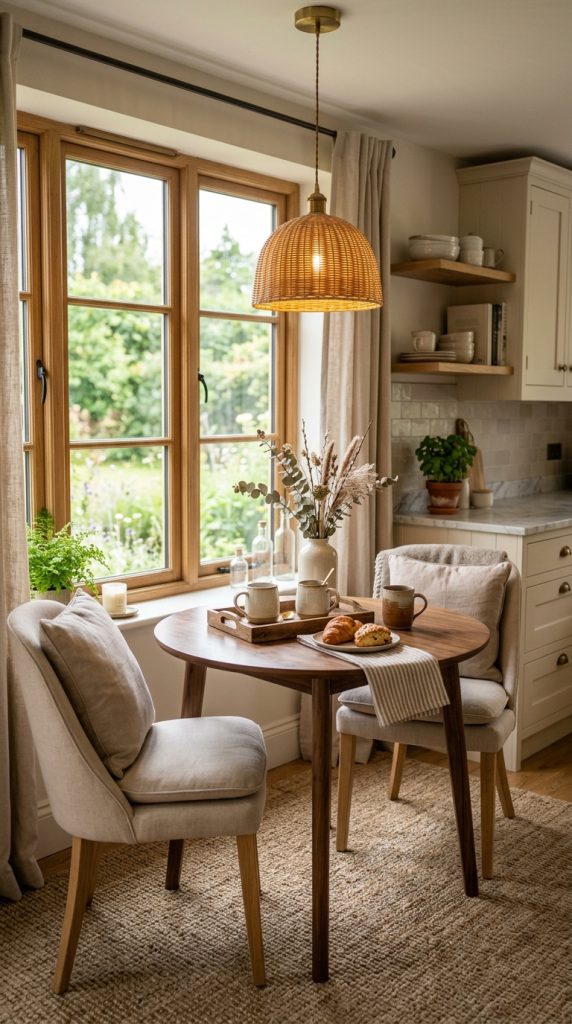
    If your kitchen has a small unused corner, turn it into a breakfast nook. This can add personality while making the kitchen more functional.

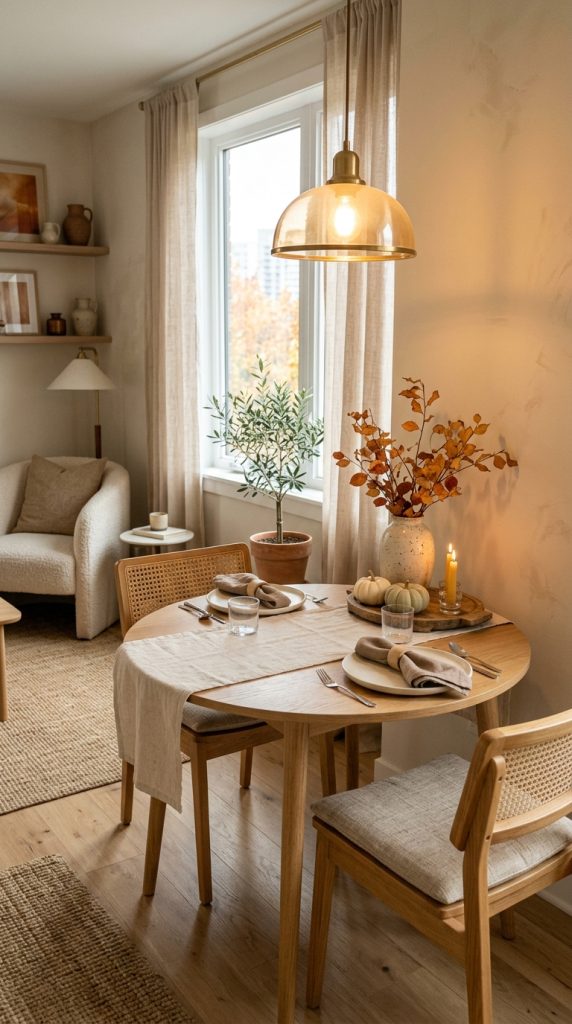
    A round table is often ideal for small spaces because its shape allows easier movement around the edges. Choose a natural wood table for warmth or a neutral table for a softer appearance.

    Comfortable chairs are essential. Add cushions if the chairs are hard.

    A small rug can define the dining area and create visual separation from the kitchen. Choose a washable or easy-care material if possible.

    Materials and Things to Use

    • Small round dining table
    • Comfortable chairs
    • Neutral cushions
    • Small rug
    • Ceramic vase
    • Wooden tray
    • Warm pendant light
    • Simple artwork
    • Ceramic mugs

    Step-by-Step

    1. Measure the available space.
    2. Choose furniture that leaves comfortable walking room.
    3. Position the table near natural light if possible.
    4. Add comfortable seating.
    5. Introduce a small rug.
    6. Style the table with one centerpiece.
    7. Add suitable warm lighting.
    8. Keep the area uncluttered.

    The breakfast nook should feel like an extension of the kitchen rather than a separate room.

    A ceramic vase with dried stems can become a simple centerpiece. A wooden tray with mugs can add a practical decorative detail.

    This space can serve multiple purposes. It can become a breakfast area, work corner, homework station, or place for evening tea.

    For Pinterest, focus on the relationship between the table, chairs, lighting, and surrounding kitchen. A cozy breakfast nook is most attractive when viewers can imagine themselves using it.

    9. Make a Small Kitchen Look Warm and Expensive

    Small kitchens can be extremely attractive when decoration is carefully controlled. The biggest mistake is trying to add too much.

    Begin by removing anything that does not need to remain on the countertop. Then identify one or two focal areas.

    Use light warm colors to keep the room visually open. Cream, ivory, beige, and light wood can make the kitchen feel spacious while still providing warmth.

    Vertical storage is especially useful. Open shelves, wall hooks, rails, and cabinets can move items away from the countertop.

    Materials and Things to Use

    • Light wooden cutting board
    • Small ceramic vase
    • Glass storage jars
    • Compact wooden tray
    • Neutral kitchen towel
    • Small woven basket
    • Warm lighting
    • Simple runner
    • Wall shelf

    Step-by-Step

    1. Declutter countertops.
    2. Select a limited color palette.
    3. Add one wooden element.
    4. Introduce matching storage containers.
    5. Use vertical storage.
    6. Add a small textile.
    7. Improve lighting.
    8. Create one focal point.
    9. Keep surrounding areas open.

    To create an expensive appearance, focus on consistency rather than quantity.

    Matching glass jars can look more polished than a collection of colorful packaging. A single beautiful ceramic vase can look more sophisticated than many small decorations.

    Lighting also makes a major difference. Under-cabinet illumination can make even a basic kitchen feel more luxurious.

    Avoid oversized decor. Small kitchens need appropriately scaled accessories.

    The final room should feel calm and organized rather than empty. The best small kitchen designs demonstrate that limited space can still have plenty of personality.

    10. Create a Complete Warm and Aesthetic Dream Kitchen
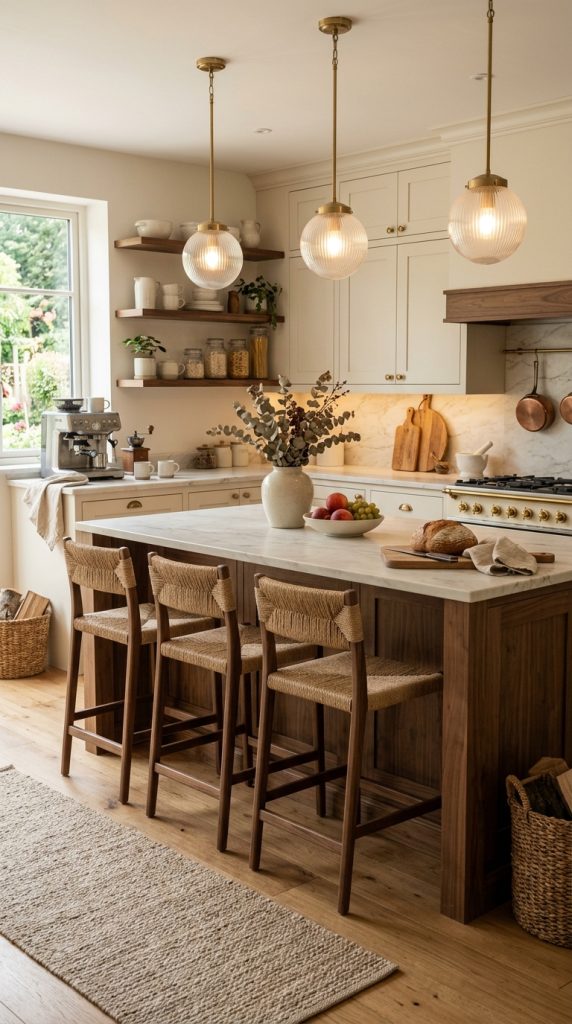
    If you want a complete transformation, combine the strongest elements from the previous ideas into one cohesive design. The goal is not to use every possible decoration. Instead, build a kitchen where every feature supports the same visual story.

    Start with a warm neutral foundation. Cream or warm-white cabinetry creates a soft backdrop. Natural walnut or oak elements add depth. Stone countertops provide a refined surface.

    Create a clear island focal point. Use a wooden tray, ceramic vase, and fruit bowl, but keep enough space available for cooking.

    Style open shelves with cream ceramics, wooden cutting boards, glass jars, and a few carefully selected cookbooks.

    Create a coffee station in one corner. Keep it functional and visually organized.

    Introduce woven baskets for storage and a textured runner for softness.

    Finally, focus on lighting. Warm pendant lights, under-cabinet illumination, and soft ambient lighting should work together.

    Materials and Things to Use

    • Warm cream cabinetry
    • Natural wood accessories
    • Stone-look countertop
    • Wooden cutting boards
    • Ceramic bowls and mugs
    • Glass storage jars
    • Woven baskets
    • Textured runner
    • Wooden tray
    • Ceramic vase
    • Fruit bowl
    • Coffee station accessories
    • Warm pendant lighting
    • Under-cabinet lighting
    • Neutral kitchen towels
    • Simple artwork

    Step-by-Step Complete Kitchen Styling

    Start by decluttering. Remove everything that does not need to be visible.

    Next, establish your color palette. Choose approximately four primary shades and repeat them throughout the room.

    Add natural wood through cutting boards, bowls, trays, shelves, stools, or utensils.

    Introduce ceramics in cream, ivory, beige, or another coordinated neutral.

    Organize everyday supplies using trays and containers.

    Style the island as the primary focal point.

    Decorate open shelves carefully if you have them.

    Create a small coffee station or beverage area.

    Add a runner and coordinated textiles.

    Finish with layered warm lighting.

    Finally, step back and evaluate the room as a whole. Look for areas that feel too empty and areas that feel crowded. Move objects until the composition feels balanced.

    The most important rule is to maintain functionality. Your kitchen is not a museum. You should be able to cook, clean, prepare food, and move around comfortably.

    For the ultimate Pinterest aesthetic, combine beauty with realism. A bowl of fruit, a few mugs, a cookbook, and a wooden cutting board make the kitchen feel lived-in. Perfectly empty countertops can look beautiful but may not communicate the warm lifestyle viewers are searching for.

    Final Thoughts

    Creating a warm and aesthetic kitchen does not have to mean spending thousands of dollars or completely remodeling the room. The most effective transformations often come from thoughtful styling decisions.

    Start with your color palette. Warm white, cream, beige, caramel, walnut, muted brown, and subtle terracotta are excellent foundations. Then introduce natural materials such as wood, ceramic, woven fibers, glass, and soft textiles.

    Focus on organization as much as decoration. A clear countertop, attractive storage containers, and thoughtfully styled shelves can make a kitchen feel instantly more sophisticated.

    Lighting should never be overlooked. Warm, layered illumination can turn the same kitchen from cold and functional during the day into intimate and inviting in the evening.

    Most importantly, remember that aesthetic does not mean impractical. Your kitchen should still work for everyday life. The most successful decorating approach combines beauty, comfort, organization, personality, and functionality.

    For Pinterest, focus on creating a strong visual story. Use one clear focal point, repeat your color palette, mix textures, include natural materials, and avoid overcrowding the frame. A beautiful kitchen should make viewers immediately imagine themselves living in the space.

    Whether your kitchen is large or tiny, modern or traditional, rented or owned, these ideas can be adapted to fit your home. You can start with something as simple as a wooden cutting board and a warm kitchen towel, then gradually build the look with better lighting, organized storage, ceramics, textiles, and carefully selected accessories.

    The result should not simply be a kitchen that looks attractive in a photograph. It should be a kitchen that feels warm every time you walk into it.
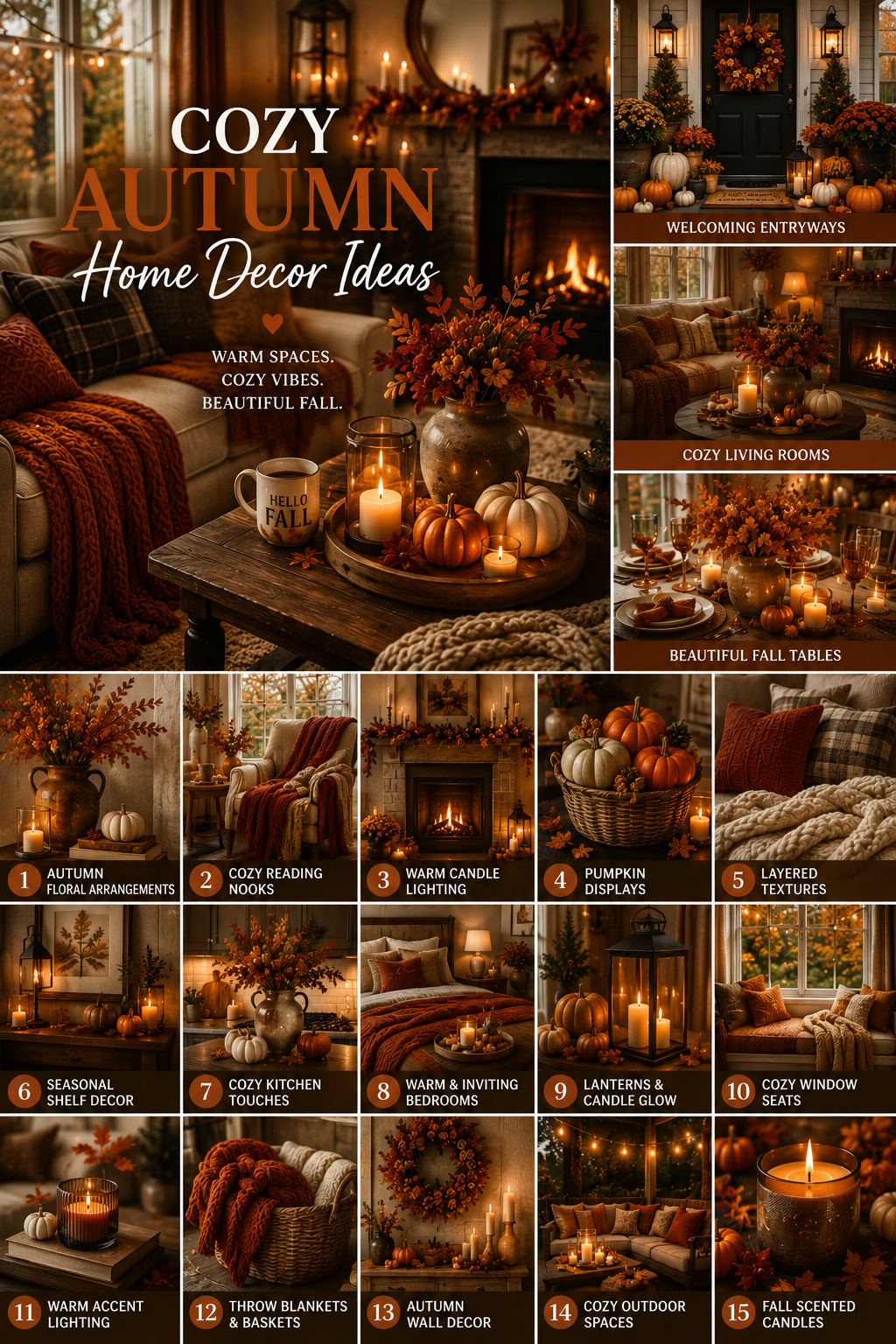

  • Cozy Autumn Home Decor Ideas

    Cozy Autumn Home Decor Ideas

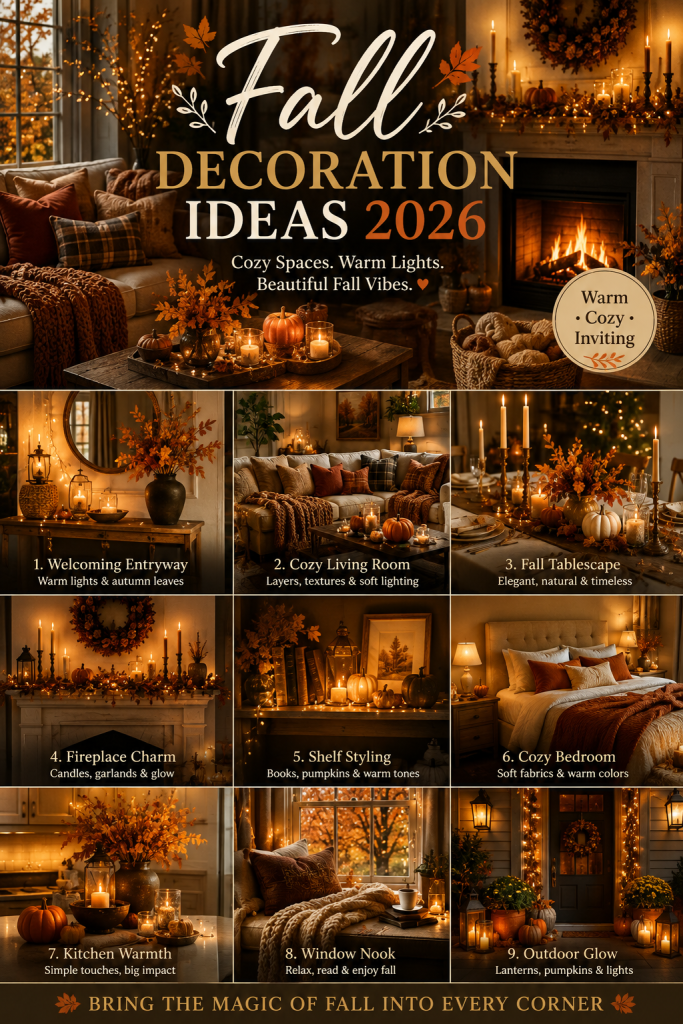
    Autumn is one of the easiest seasons to bring into your home because its decorating style is naturally warm, layered, inviting, and comfortable. As the weather becomes cooler and the days gradually become shorter, our homes become more important places for relaxing, gathering, reading, drinking warm beverages, and enjoying quiet evenings. This makes autumn the perfect time to create interiors that feel cozy without completely changing your existing furniture or spending a large amount of money. The secret to beautiful autumn home decor is not filling every corner with pumpkins and seasonal accessories. Instead, it is about creating an atmosphere through warm colors, soft textures, natural materials, gentle lighting, and carefully selected decorative accents.

    Cozy autumn home decor can work with almost any interior style. A modern home can become warmer with textured throws, wooden accents, amber lighting, and neutral fall colors. A traditional home can embrace richer shades such as rust, burgundy, caramel, and deep brown. Even a minimalist apartment can achieve an autumn feeling with a few thoughtfully placed pieces rather than an overwhelming collection of decorations. This flexibility makes fall decorating particularly popular for homeowners and renters who want a seasonal refresh without making permanent changes.

    One of the most effective ways to decorate for autumn is to work with layers. Start with your existing room and gradually introduce seasonal elements. A neutral sofa can instantly feel more autumnal with a chunky knitted throw and two rust-colored pillows. A plain coffee table can become a seasonal focal point with a wooden tray, a candle, a small ceramic pumpkin, and a few dried stems. Similarly, an ordinary bedroom can feel dramatically cozier by adding heavier bedding, warm bedside lighting, textured cushions, and soft curtains.

    Color also plays an important role. You do not necessarily need traditional orange everywhere. Modern autumn palettes often combine warm neutrals with muted terracotta, cinnamon, caramel, cream, olive-inspired tones, walnut brown, dusty burgundy, and soft beige. These colors are easier to blend with existing furniture and can remain attractive throughout the entire season. If you prefer a sophisticated look, use one or two autumn colors as accents against a neutral background rather than decorating the entire room in bright seasonal colors.

    Texture is equally important. Autumn is a season associated with tactile comfort, so materials such as chunky knit, boucle, linen, velvet, wool, cotton, rattan, wood, ceramic, and woven fabrics can immediately make a room feel more inviting. Combining different textures creates visual depth even when your color palette remains simple. For example, a cream boucle cushion, knitted throw, wooden bowl, woven basket, and ceramic vase can create a beautiful fall atmosphere without using obvious seasonal decorations.

    Lighting can completely change the mood of an autumn room. Harsh overhead lighting often makes interiors feel less intimate, while table lamps, floor lamps, candles, lanterns, and warm decorative lights create a softer evening atmosphere. You can also use lighting strategically around reading corners, fireplaces, entryways, dining tables, and bedroom nightstands.

    Natural elements are another simple way to bring autumn indoors. Dried branches, pampas-inspired grasses, pinecones, acorns, seasonal foliage, wooden accessories, and woven baskets can provide an organic feeling. They are particularly useful when you want autumn decor that looks elegant rather than overly themed. Instead of decorating with dozens of small seasonal objects, choose a few larger natural elements and arrange them thoughtfully.

    The best autumn decorating ideas also consider everyday practicality. A beautiful home should still be comfortable and functional. Baskets can hide blankets, trays can organize coffee tables, benches can provide seating and storage, and seasonal textiles can be changed easily when winter arrives. This approach allows your decor to be both Pinterest-worthy and realistic for everyday living.

    The following 15 cozy autumn home decor ideas are designed to help beginners create a warm seasonal home using simple decorating techniques. Whether you are refreshing one room, decorating an apartment, preparing your home for guests, or simply looking for inexpensive fall inspiration, these ideas can be adapted to your personal style and budget.

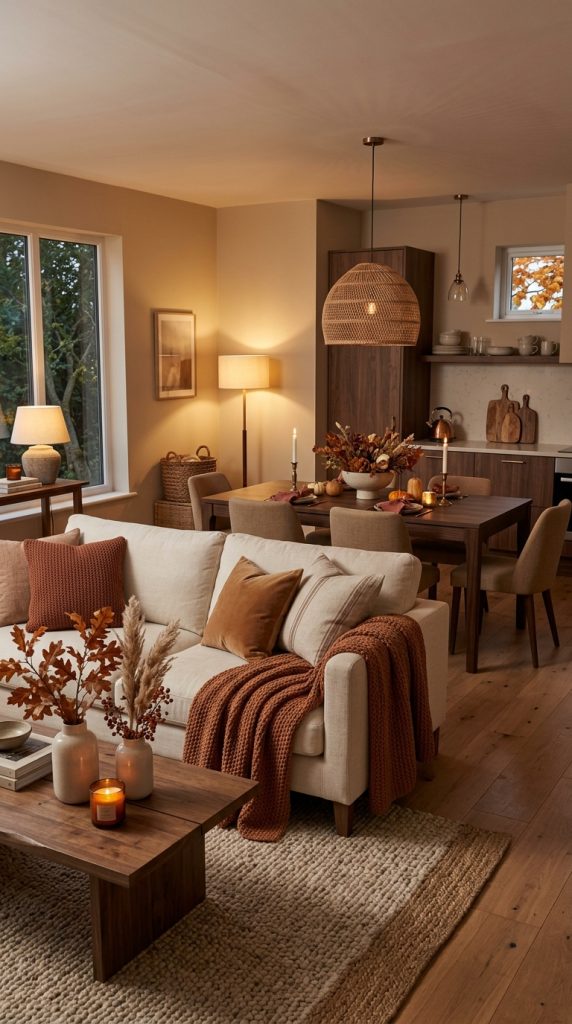
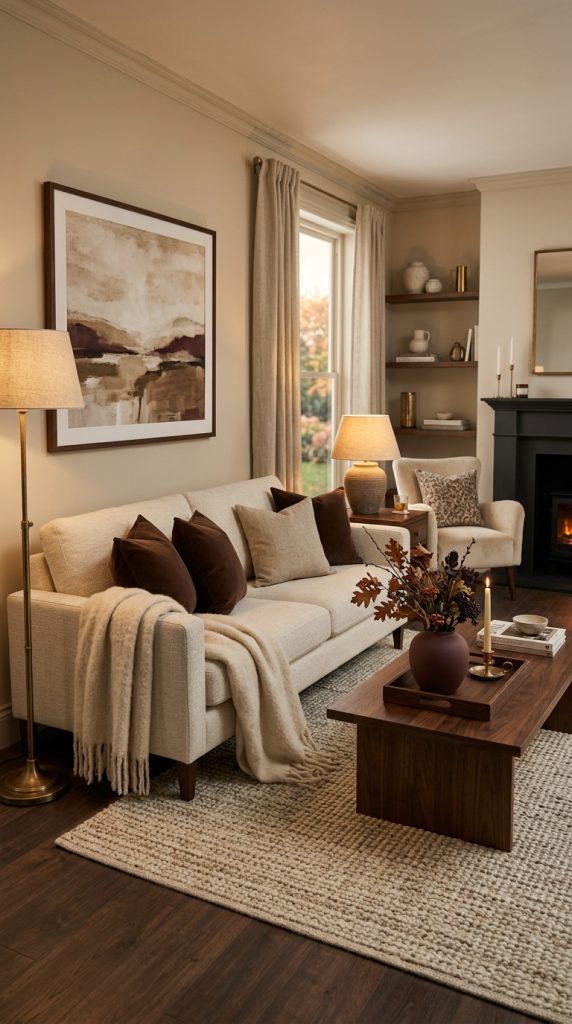
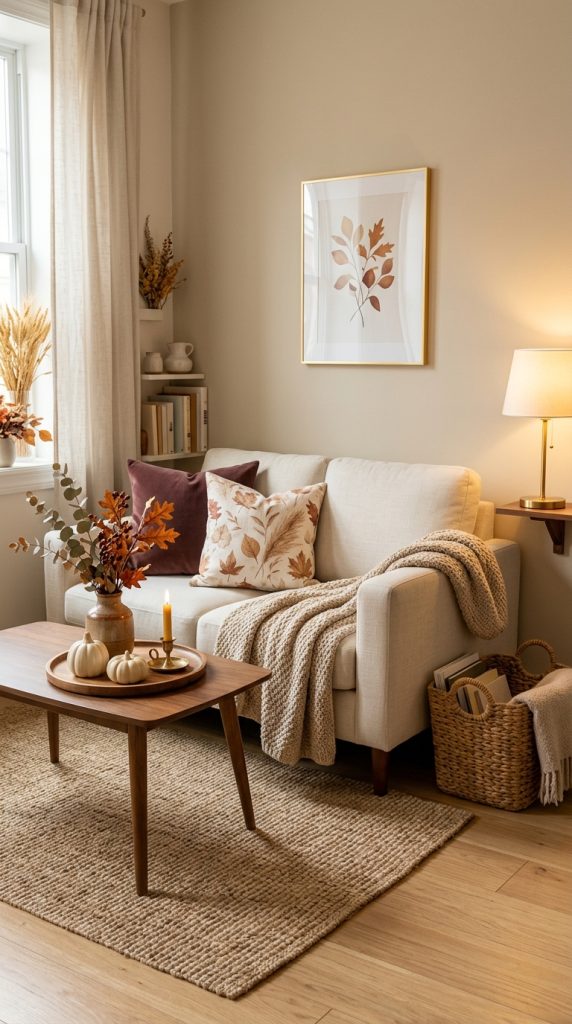
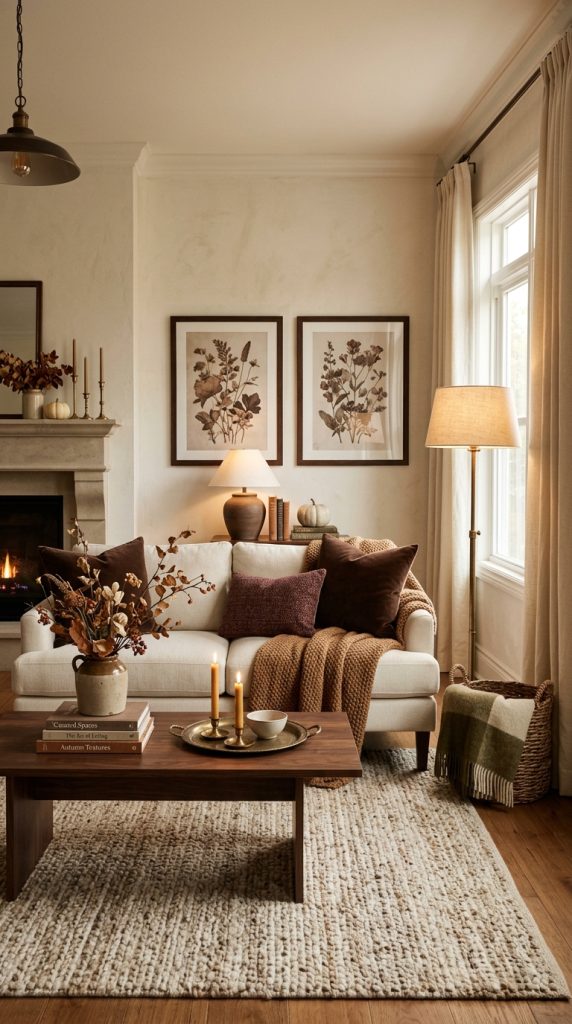
    1. Create a Warm and Cozy Autumn Living Room

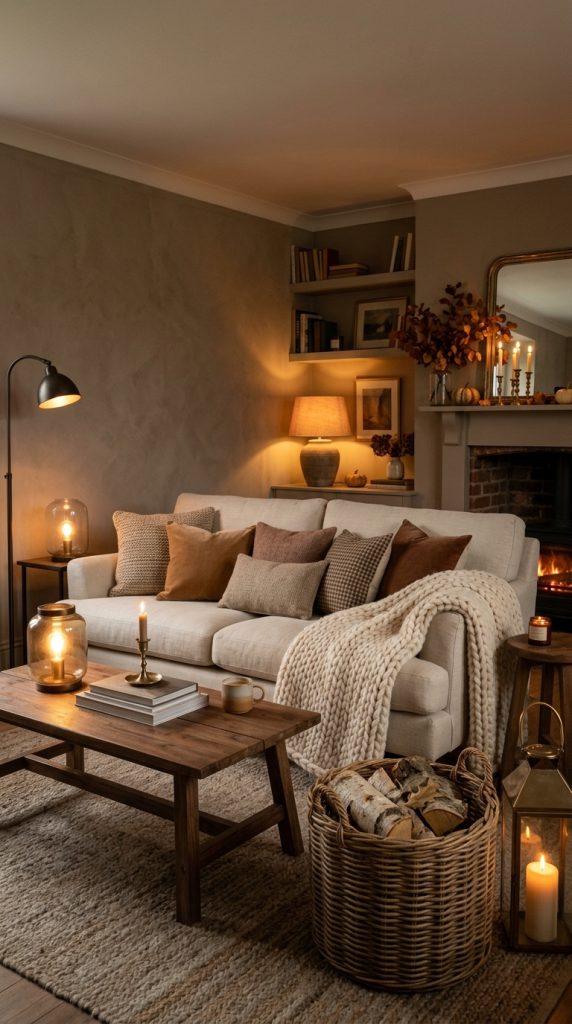
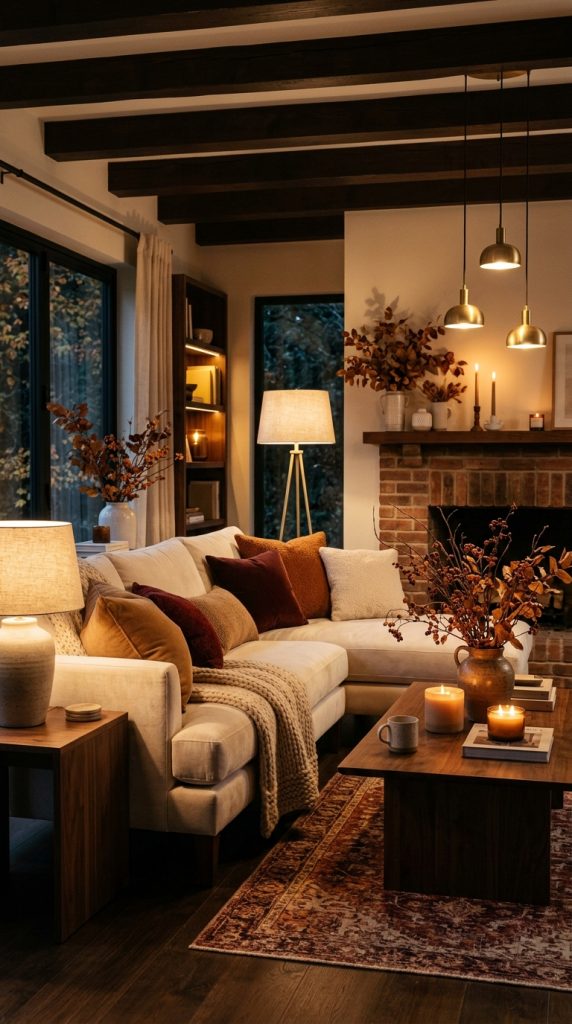
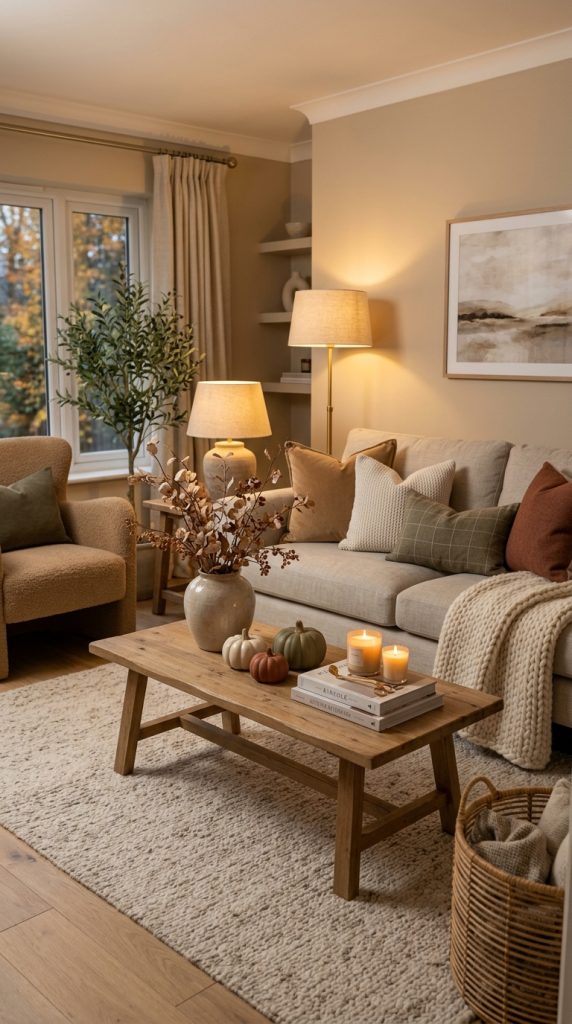
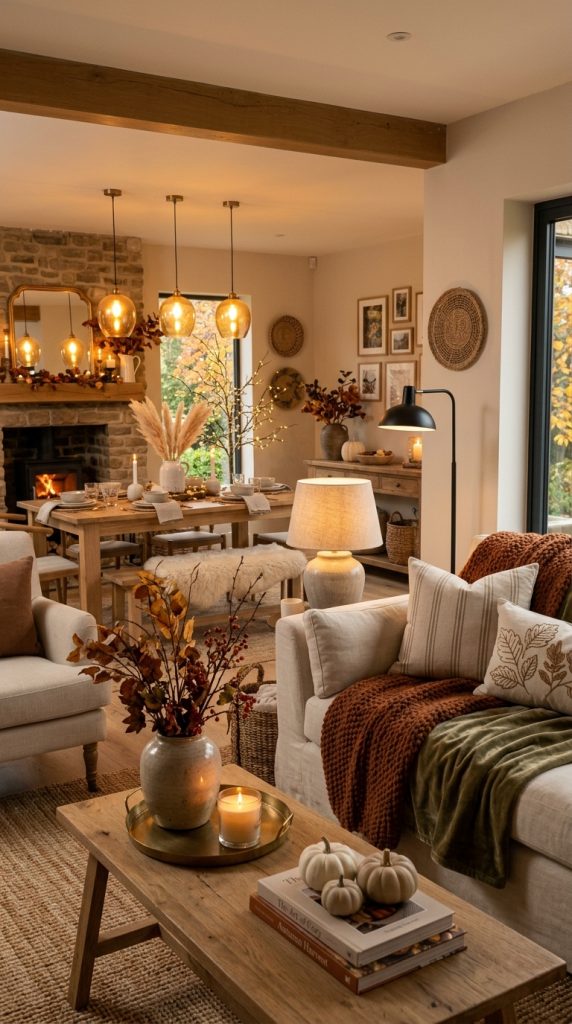
    The living room is one of the best places to begin an autumn decorating transformation because it is usually where family and guests spend the most time. The goal is to make the room feel warm, comfortable, and inviting without making it look overly decorated. Instead of replacing furniture, focus on changing textiles, lighting, accessories, and small focal points.

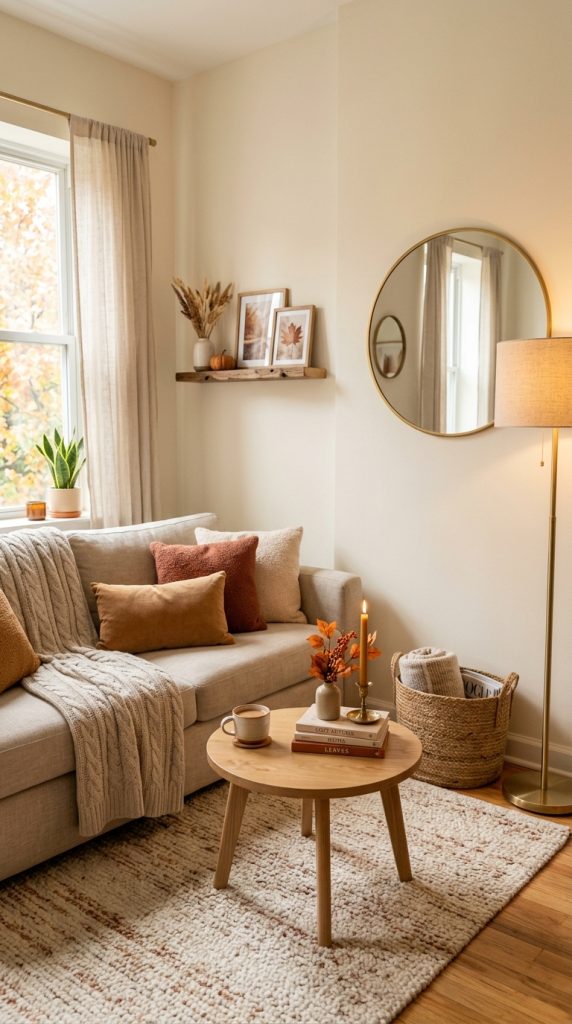
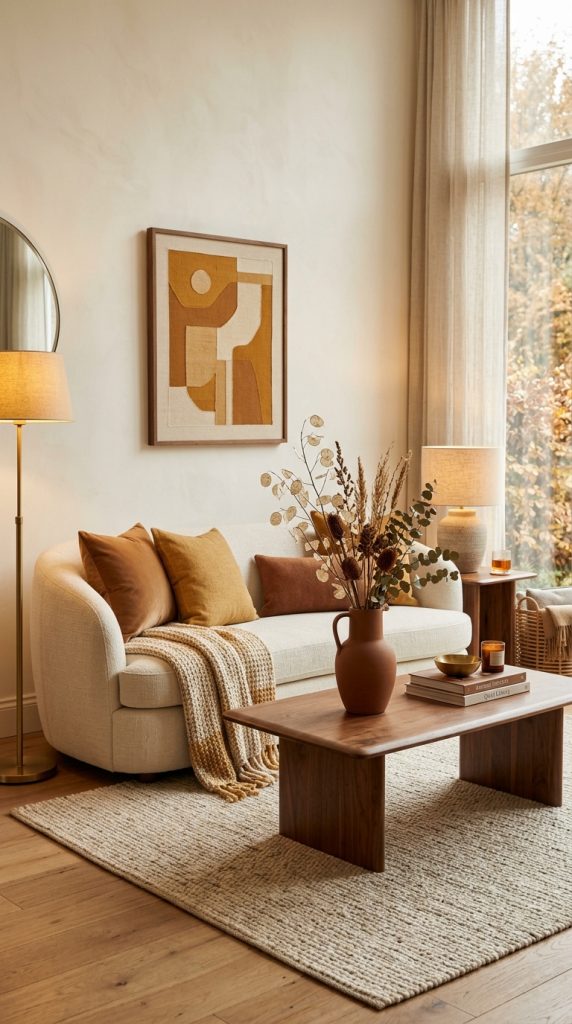
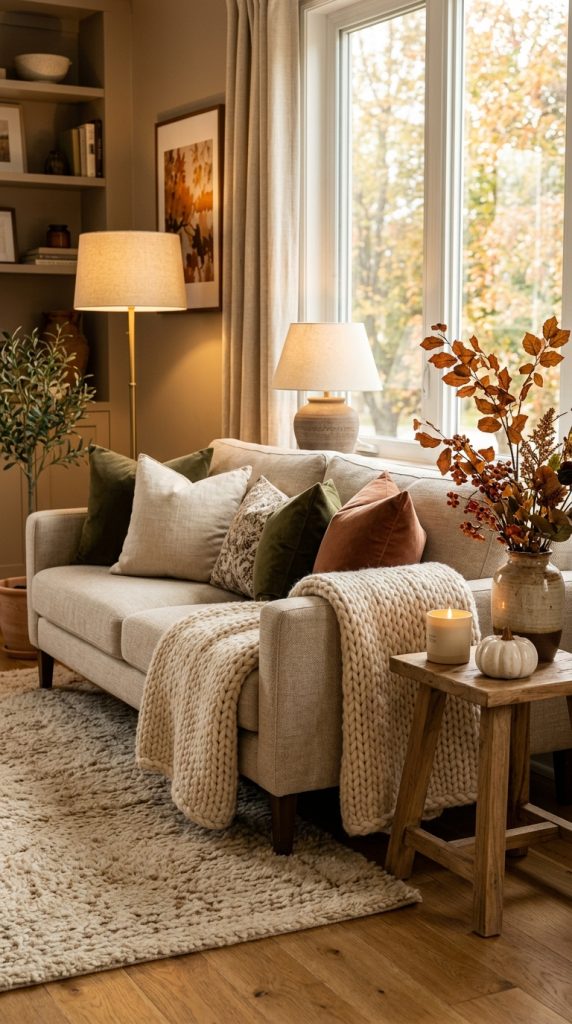
    Begin with your sofa. Add two or three seasonal cushions in colors such as warm beige, rust, caramel, cinnamon, muted burgundy, or cream. Avoid using too many matching pillows because mixing textures generally creates a more sophisticated appearance. A knitted cushion can be paired with a linen-style cushion and a subtle patterned pillow.

    Next, add a cozy throw. Drape a chunky knitted or woven blanket casually over the arm or back of the sofa. This instantly communicates comfort and gives the room a layered autumn appearance.

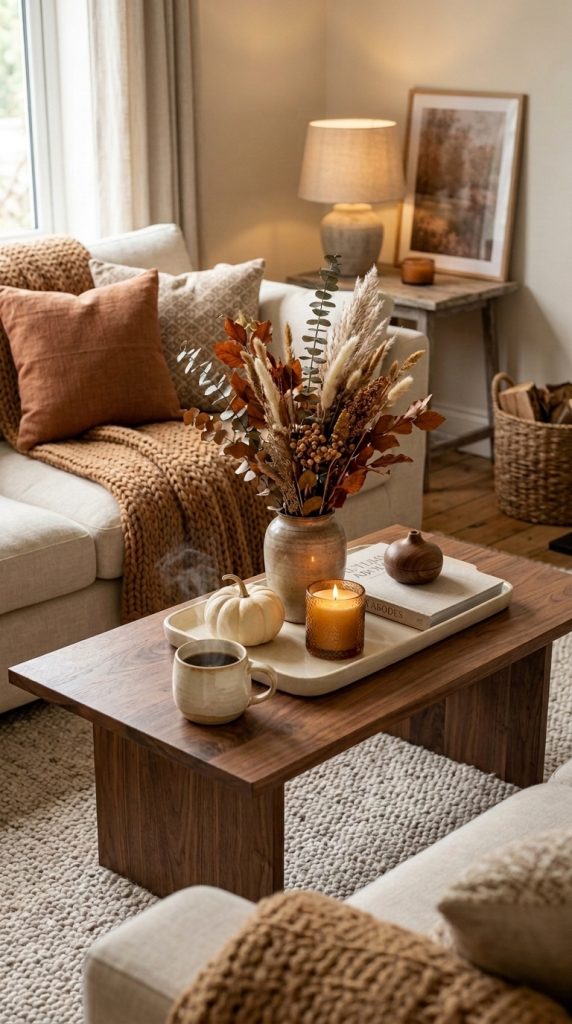
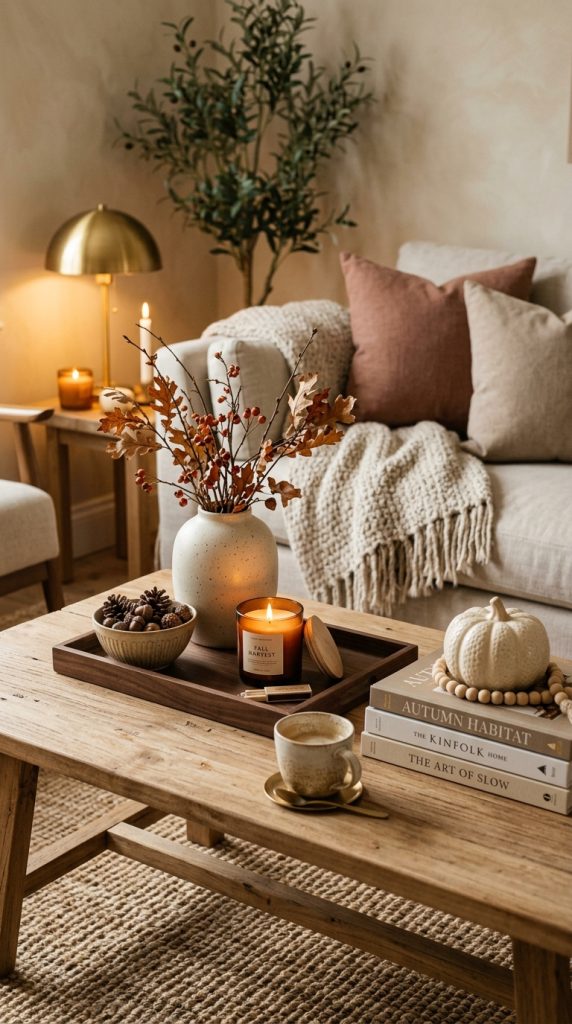
    The coffee table should have one simple seasonal arrangement rather than many scattered decorations. Place a wooden or ceramic tray on the table and add a candle, small vase, decorative pumpkin, and perhaps a stack of neutral books. Keeping the arrangement contained makes the room feel organized.

    Materials and Things to Use

    • Knitted throw blanket
    • Neutral or autumn-colored cushions
    • Wooden tray
    • Ceramic vase
    • Small decorative pumpkins
    • Scented or unscented candles
    • Warm table or floor lamp
    • Woven basket
    • Neutral rug
    • Dried branches or seasonal stems

    Step-by-Step Styling

    1. Remove a few existing decorative accessories to create space.
    2. Choose two or three autumn colors.
    3. Add seasonal cushions to the sofa.
    4. Place a textured throw where it is easy to reach.
    5. Create one coffee-table centerpiece.
    6. Add warm lighting near the seating area.
    7. Place a basket beside the sofa for blankets.
    8. Finish with one natural decorative element.

    The most important principle is restraint. Cozy does not mean crowded. Leave enough open space around furniture so the room remains relaxing and functional. For Pinterest-worthy styling, photograph the room from a corner where the sofa, coffee table, lighting, and seasonal accents are visible together.

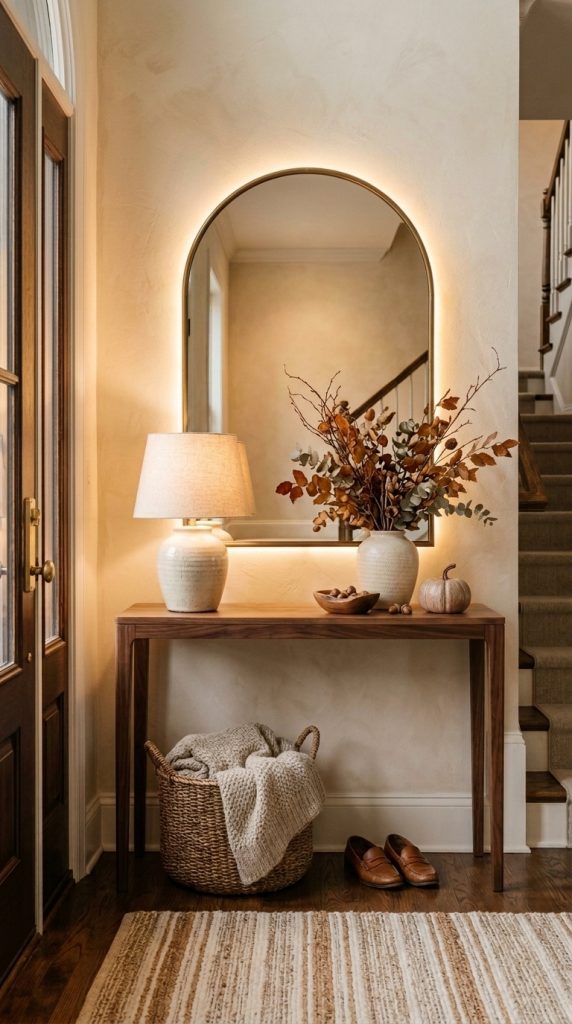
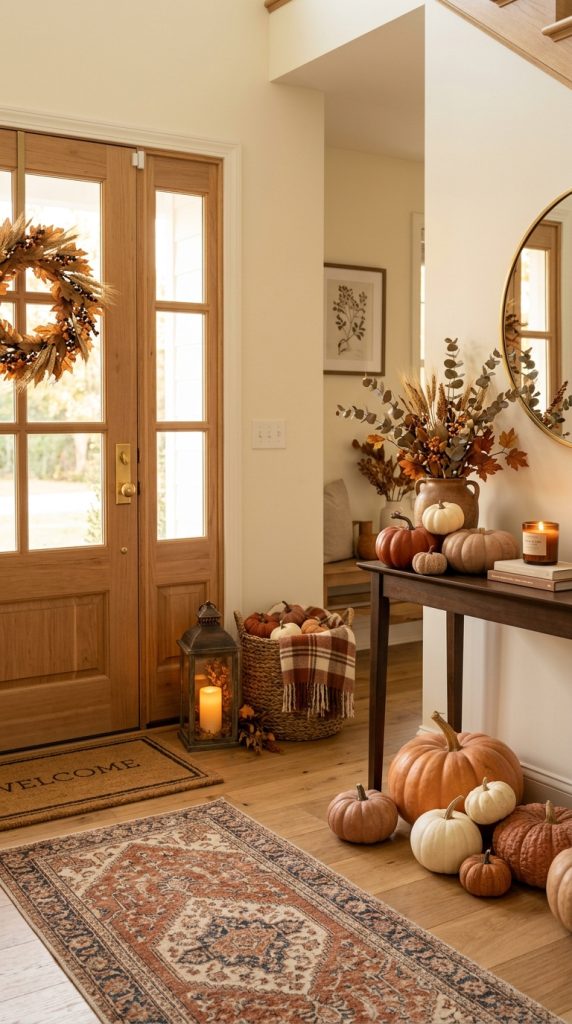
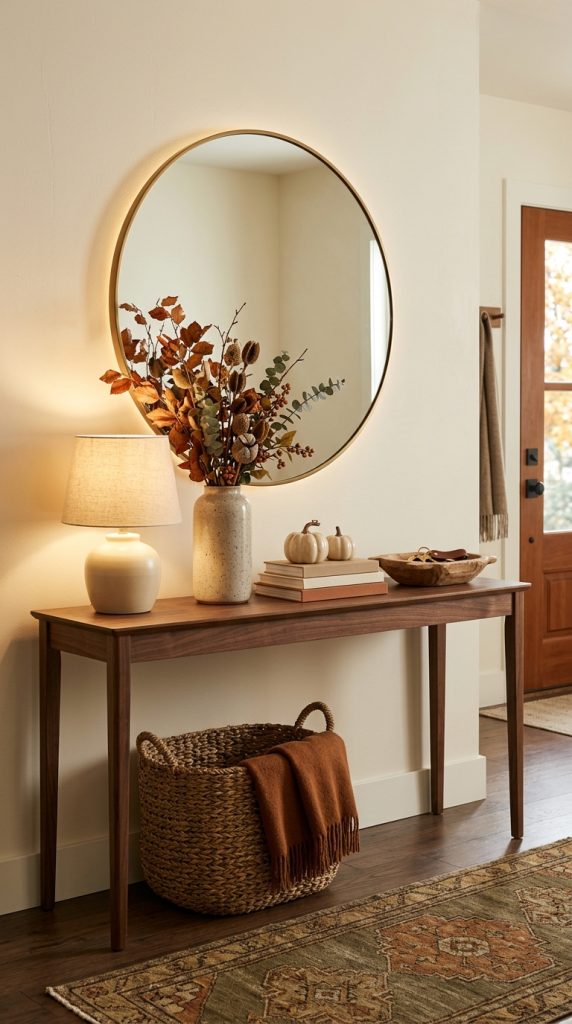
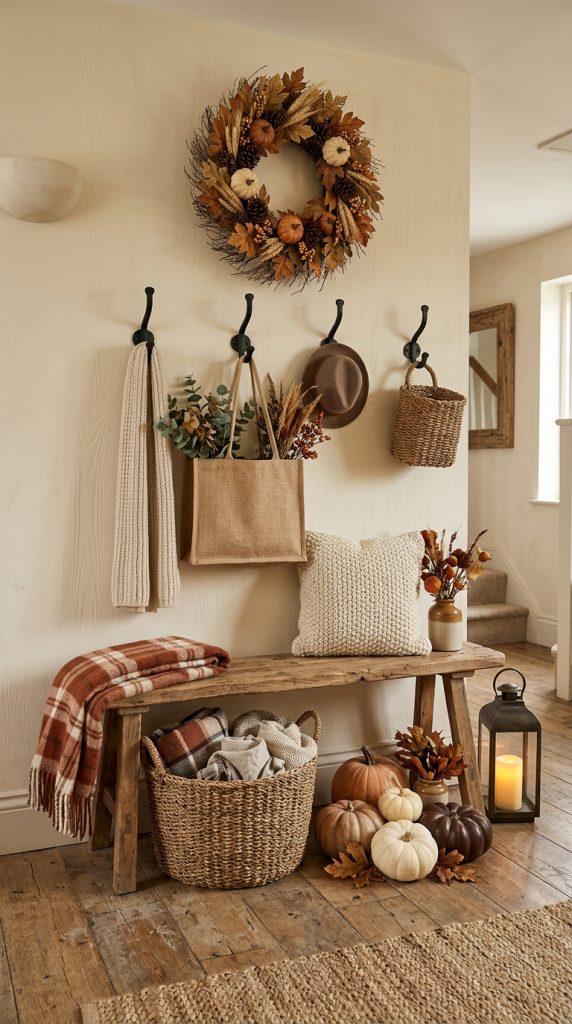
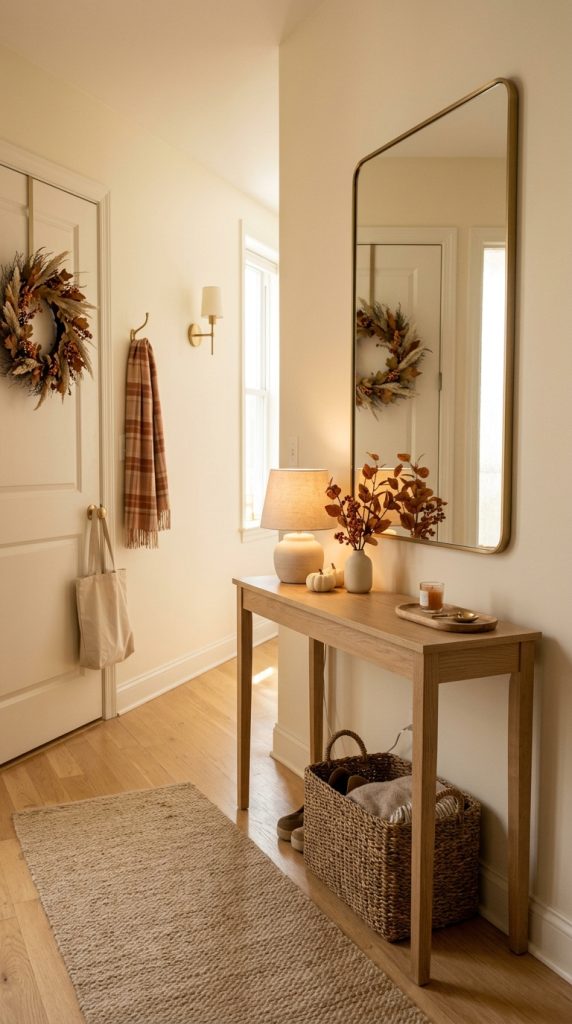
    2. Style an Elegant Neutral Autumn Entryway

    Your entryway creates the first impression of your home, making it an excellent place for subtle autumn decorating. Instead of filling the entrance with obvious seasonal decorations, create an elegant composition using warm neutrals, natural textures, and a few fall-inspired details.

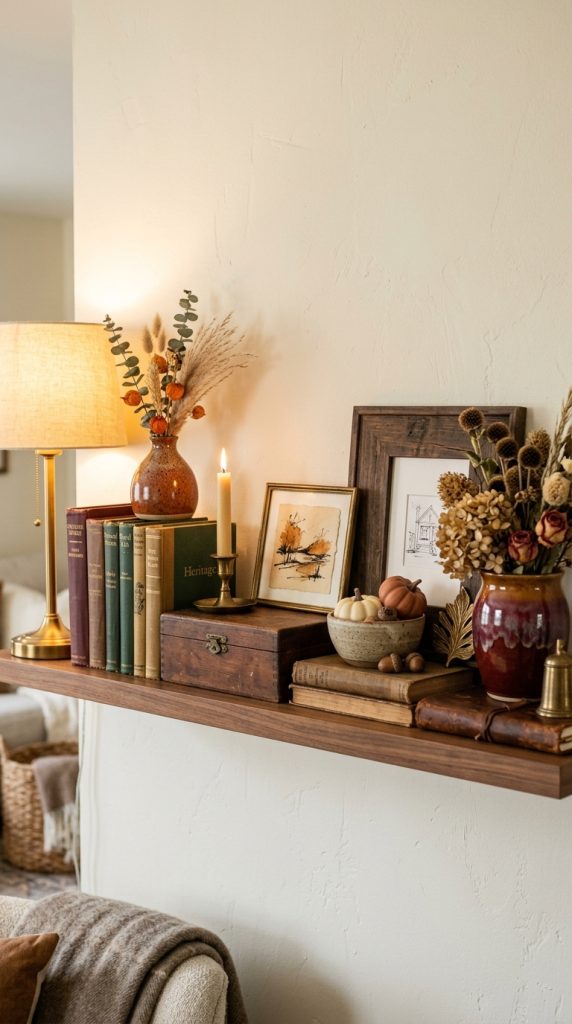
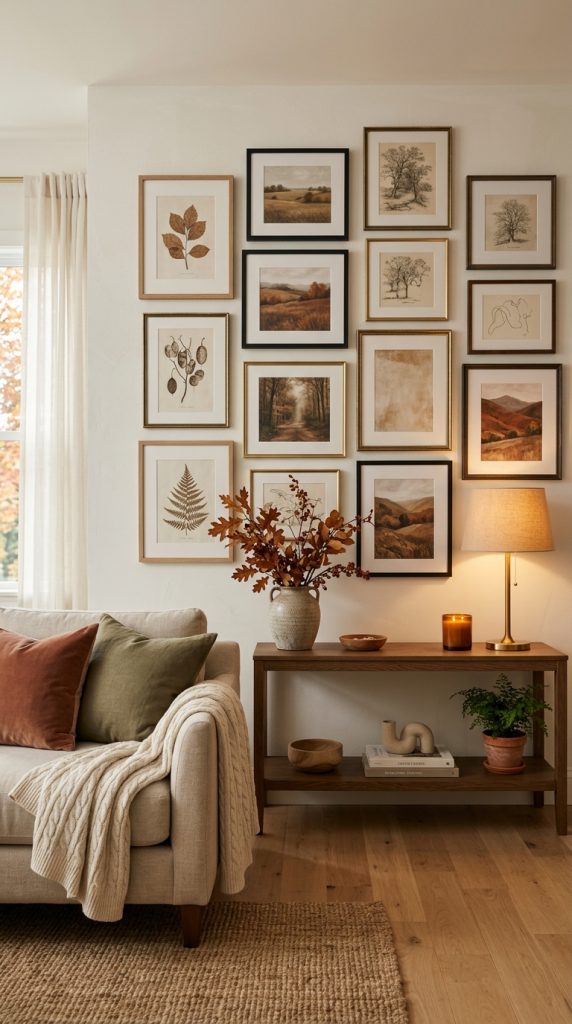
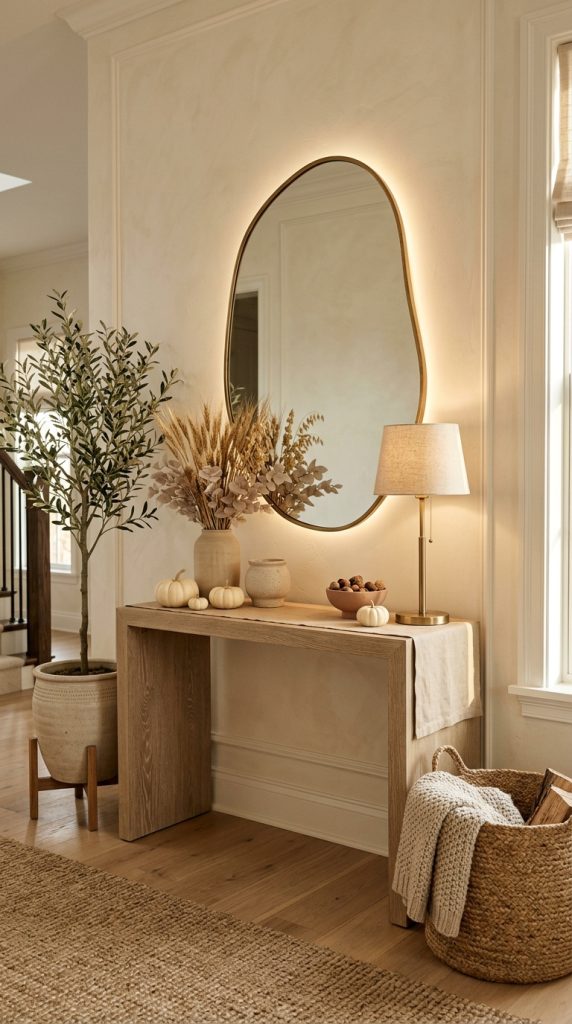
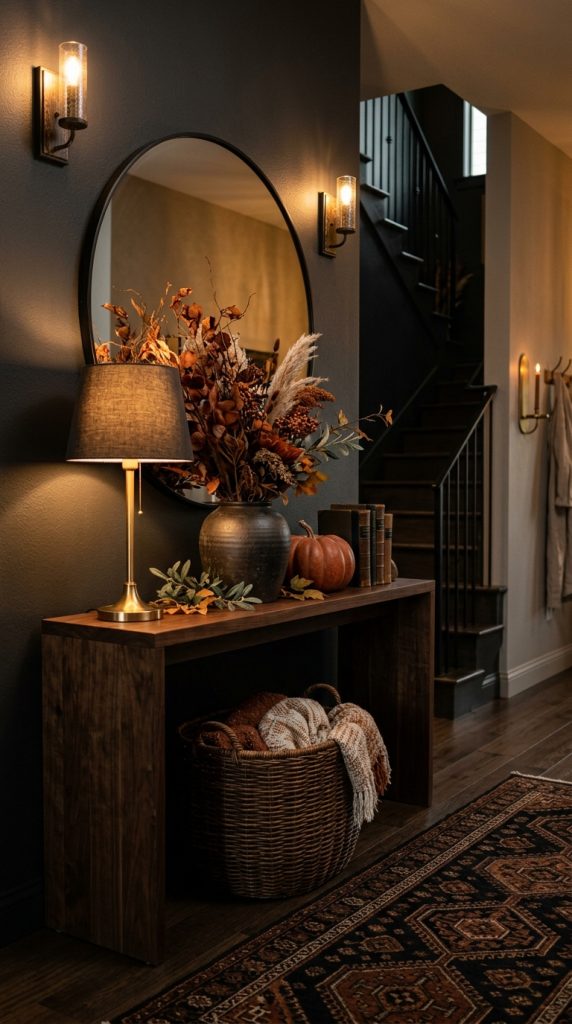
    Start with a console table, bench, or narrow shelf. If you have limited space, even a small floating shelf can become an attractive seasonal display. Add a ceramic vase containing dried branches or soft seasonal stems. Beside it, place a small wooden bowl for keys or everyday items.

    A mirror above the console can make the entryway appear larger and brighter. Add a warm lamp if electrical space allows, or use a small decorative lantern for a cozy evening effect.

    A woven basket underneath the console is both attractive and useful. It can hold shoes, scarves, umbrellas, or extra seasonal accessories. If you have a bench, place a textured cushion on it and add a folded blanket.

    Materials and Things to Use

    • Console table or entryway shelf
    • Round or rectangular mirror
    • Ceramic vase
    • Dried branches
    • Wooden bowl
    • Woven basket
    • Small lamp or lantern
    • Neutral cushion
    • Seasonal decorative pumpkin
    • Textured runner

    How to Create the Look

    Begin by keeping the background simple. Neutral walls and furniture provide the perfect foundation. Add one tall element, such as branches, to create height. Then introduce a few shorter objects around the vase.

    Use the rule of three when arranging accessories: combine objects with different heights and shapes. For example, a tall vase, medium-sized candle, and small ceramic pumpkin create balance.

    Avoid placing too many tiny decorations in the entryway because small spaces can quickly appear cluttered. The strongest autumn entryways usually have one clear focal point and a few supporting accents.

    This idea works particularly well for renters because none of the changes need to be permanent. You can simply remove the seasonal textiles and accessories when autumn ends.

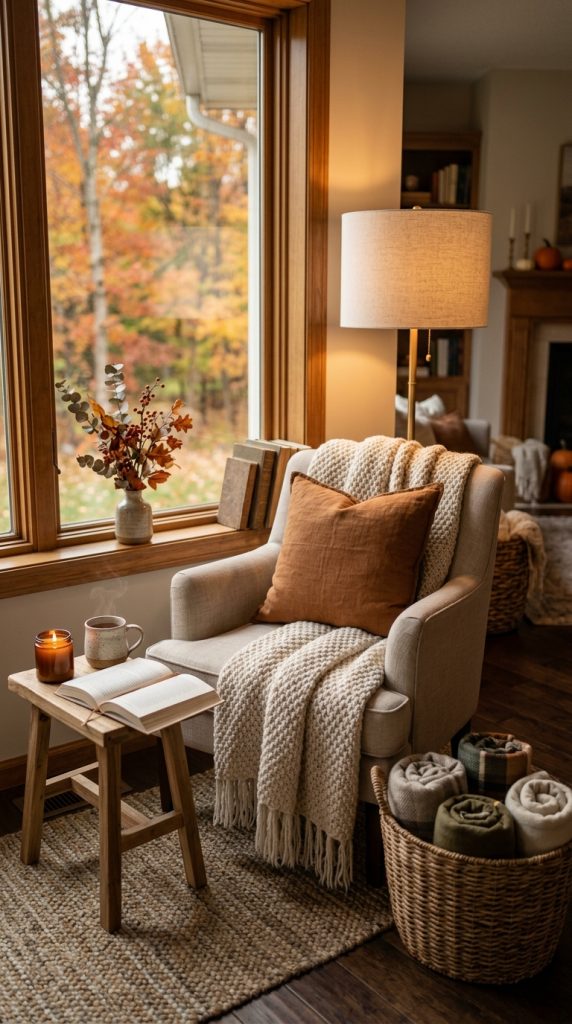
    3. Add a Cozy Autumn Reading Nook

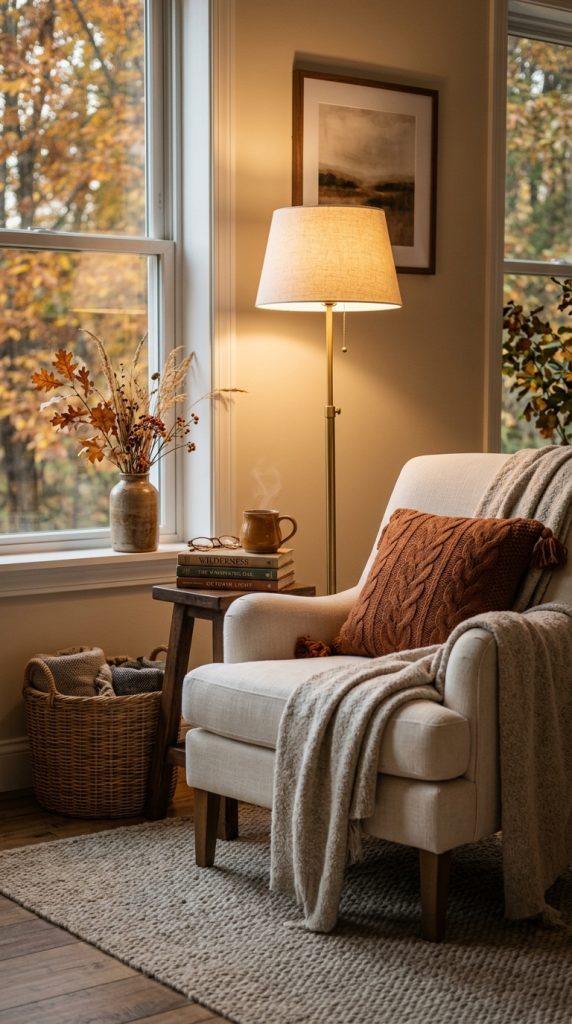
    A reading nook can become one of the most charming autumn features in your home. You do not need an entire room. A comfortable chair positioned beside a window, bookshelf, or quiet corner can become a beautiful seasonal retreat.

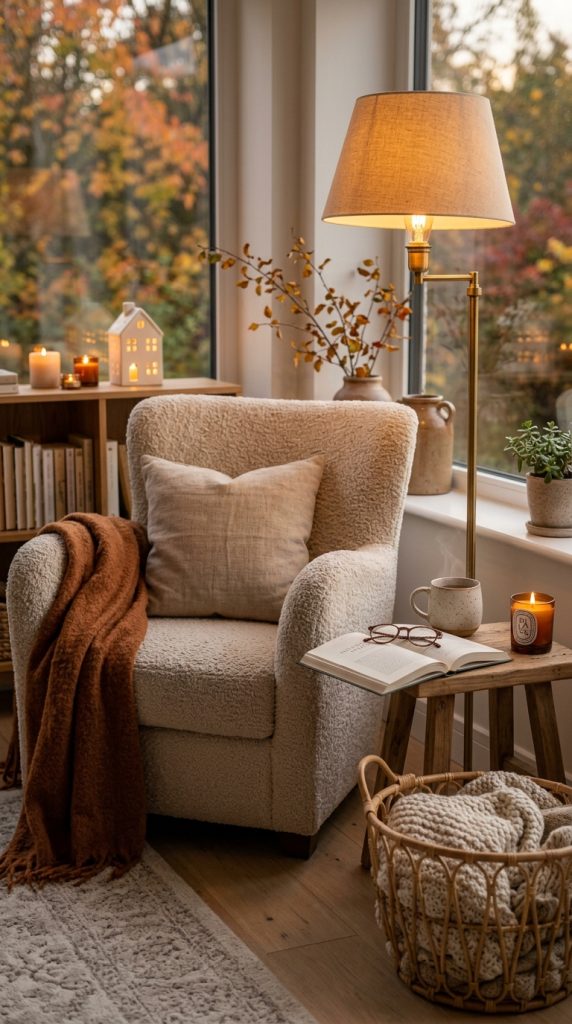
    Choose a comfortable armchair in a neutral color if possible. Add a soft throw and one textured cushion. Position a small side table nearby so you have somewhere to place a cup of tea, book, or candle.

    Lighting is essential. A floor lamp with a warm glow works particularly well beside a reading chair. If the nook is near a window, take advantage of natural daylight during the afternoon and use a lamp in the evening.

    A small rug beneath the chair can visually define the space. Add a basket nearby to hold blankets or books.

    Materials and Things to Use

    • Comfortable armchair
    • Soft throw blanket
    • Textured cushion
    • Small side table
    • Floor or table lamp
    • Small rug
    • Woven basket
    • Favorite books
    • Ceramic mug
    • Decorative candle

    Step-by-Step

    1. Choose a quiet corner.
    2. Position the chair toward the best natural light.
    3. Add a small rug underneath.
    4. Place a side table within easy reach.
    5. Add a warm lamp.
    6. Drape a blanket over the chair.
    7. Add one or two cushions.
    8. Keep several favorite books nearby.
    9. Finish with a small seasonal accessory.

    The result should feel personal rather than staged. A reading nook becomes more inviting when it looks like someone genuinely uses it. A book left on the side table, a folded blanket, and a warm mug can communicate the cozy autumn lifestyle beautifully.

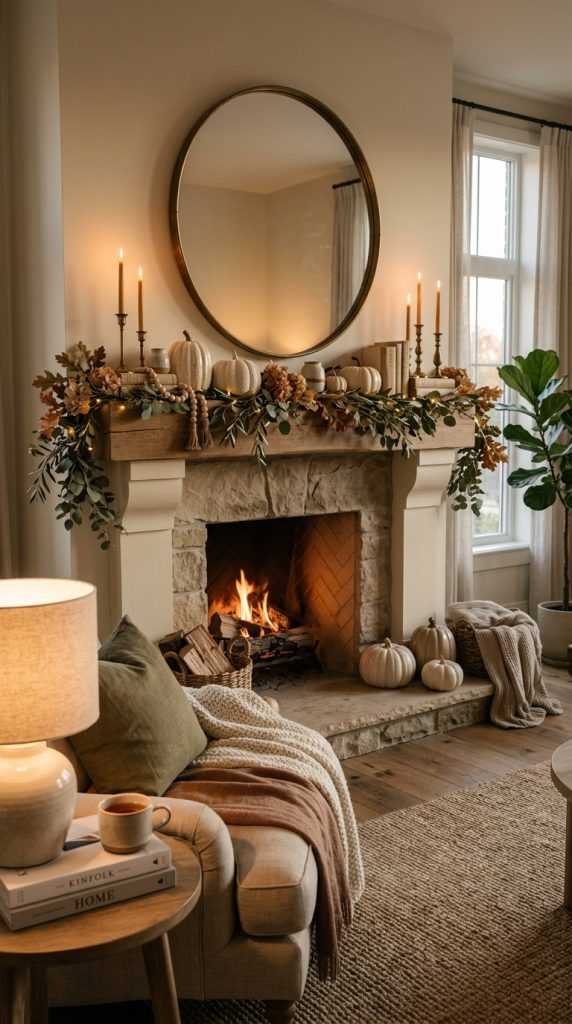
    4. Decorate Your Fireplace Mantel for Autumn

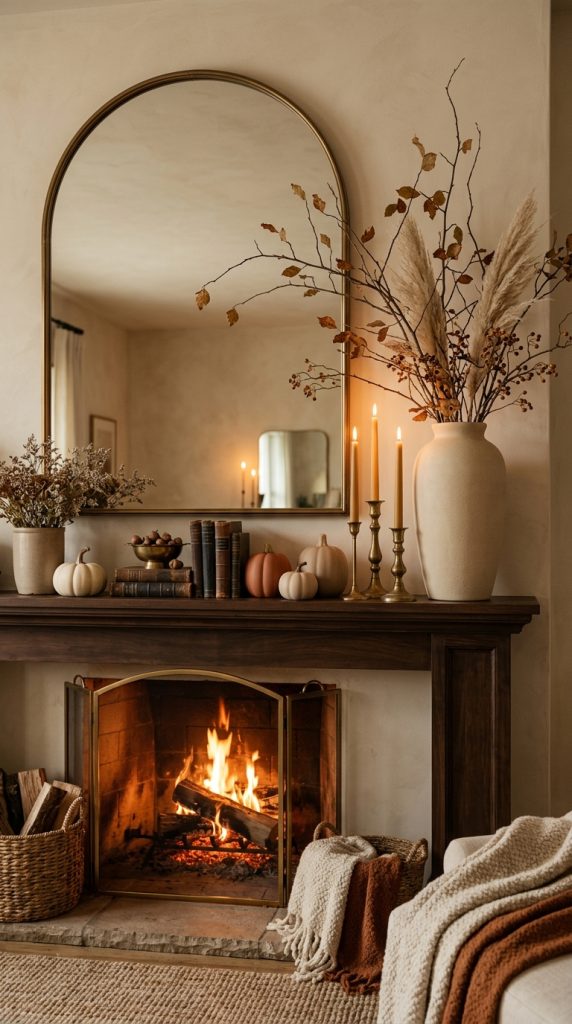
    A fireplace naturally becomes a focal point during autumn, so the mantel is an excellent place to introduce seasonal styling. Even if your fireplace is decorative or non-functional, you can still create an inviting fall display.

    Start with a mirror or artwork above the mantel. Then introduce greenery-free autumn elements such as dried branches, pinecones, ceramic pumpkins, wooden objects, candles, and warm-toned accessories.

    Use varying heights to prevent the display from looking flat. Place taller branches on one side and balance them with smaller objects on the other. You can also create symmetry if you prefer a more traditional appearance.

    Materials and Things to Use

    • Mirror or artwork
    • Ceramic pumpkins
    • Dried branches
    • Candles
    • Wooden accents
    • Pinecones
    • Small lantern
    • Neutral vase
    • Seasonal garland
    • Decorative books

    Styling Method

    First clear the mantel completely. This allows you to see the available space and prevents old decorations from competing with the autumn theme.

    Choose one dominant element, such as a large mirror or vase. Then build outward from it. Keep the color palette limited to approximately three or four shades.
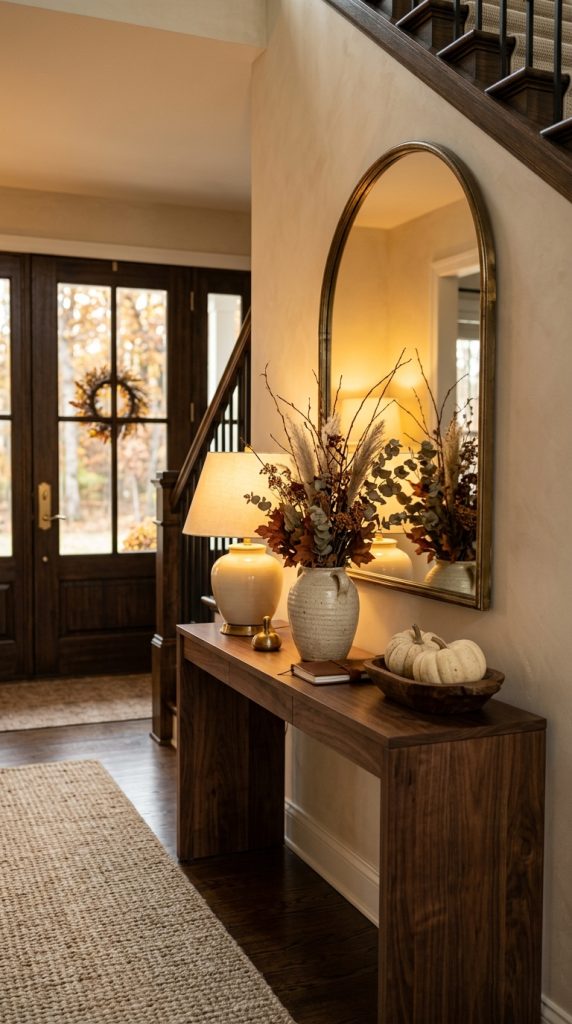
    For a sophisticated Pinterest aesthetic, combine cream, walnut, caramel, and muted rust rather than using bright orange everywhere.

    If you have a television above the fireplace, keep the mantel particularly simple. A few larger objects will generally look better than a collection of small accessories.

    The key is to create balance rather than perfect symmetry. Slightly uneven arrangements often feel more natural and relaxed.

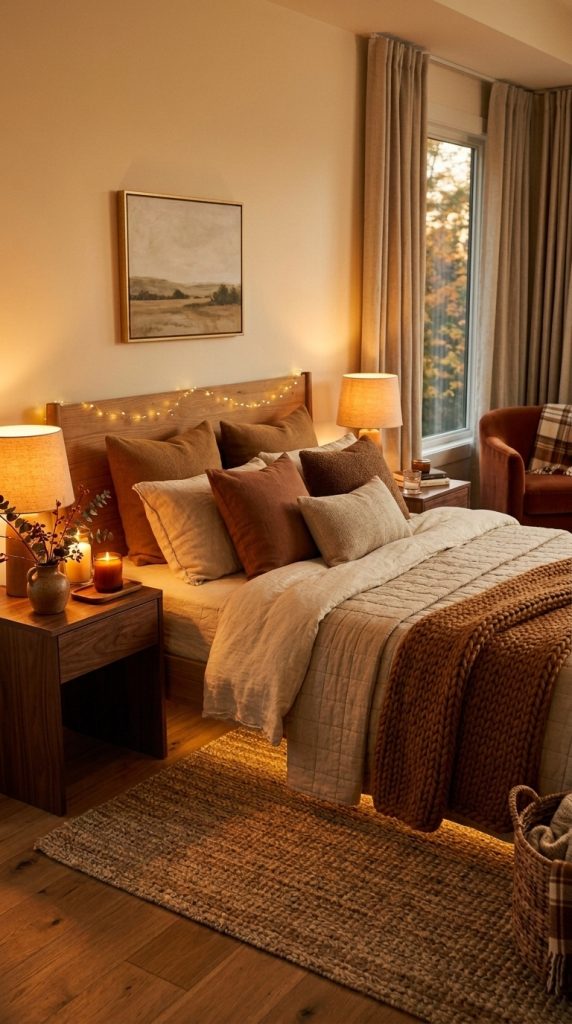
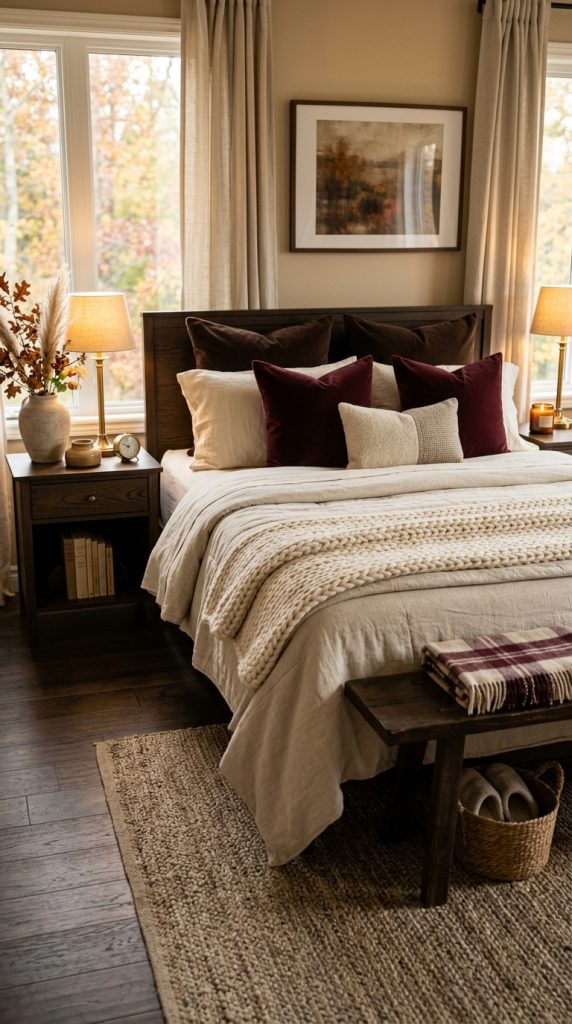
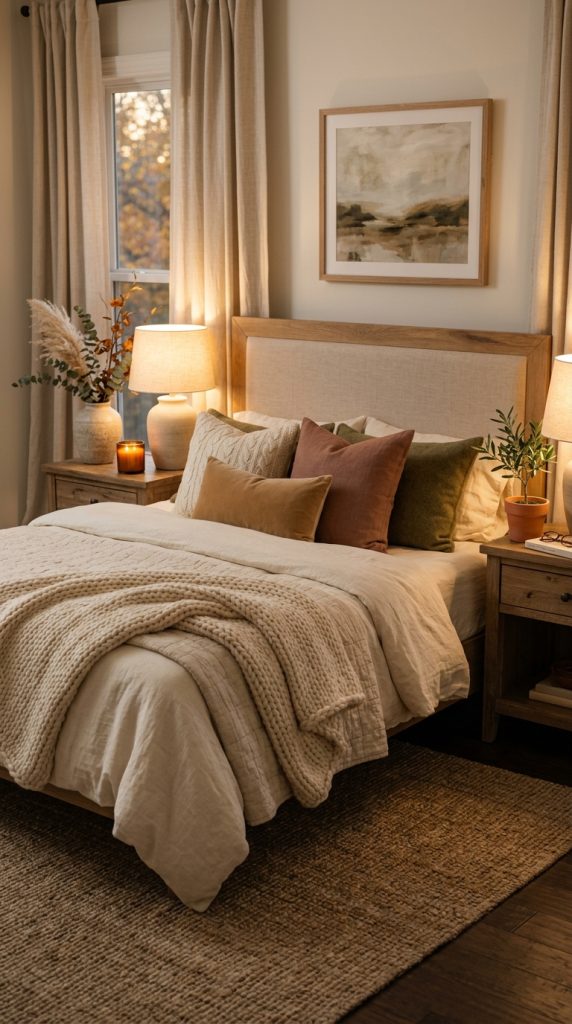
    5. Transform the Bedroom Into a Cozy Autumn Retreat

    Your bedroom should feel especially comfortable during autumn because cooler evenings naturally encourage softer and heavier bedding. You can create a seasonal bedroom without buying a completely new bedding set.
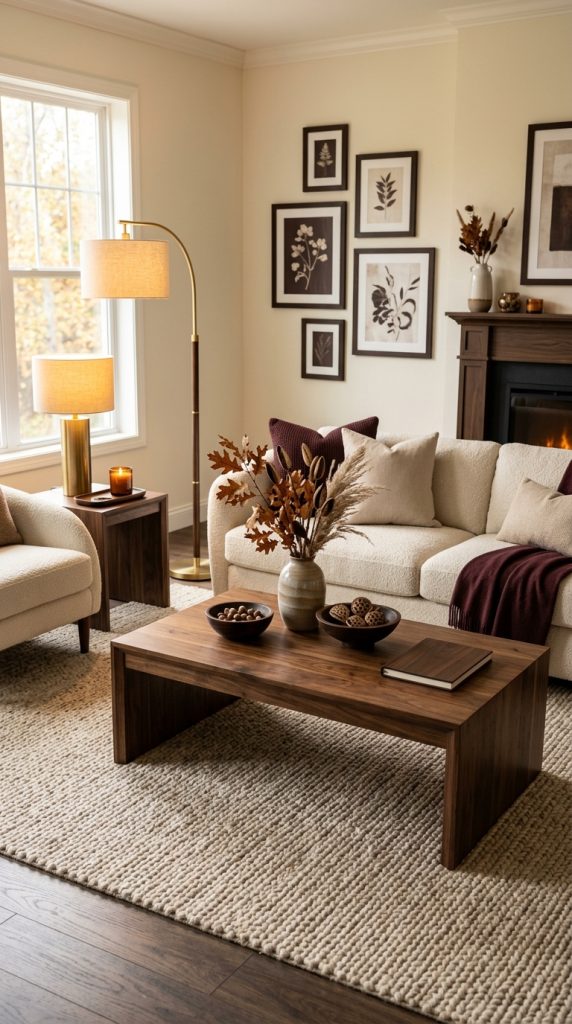
    Begin with the bed, which should remain the main focal point. Layer a neutral duvet or comforter with a quilt or textured blanket folded near the bottom. Add pillows in warm autumn colors.
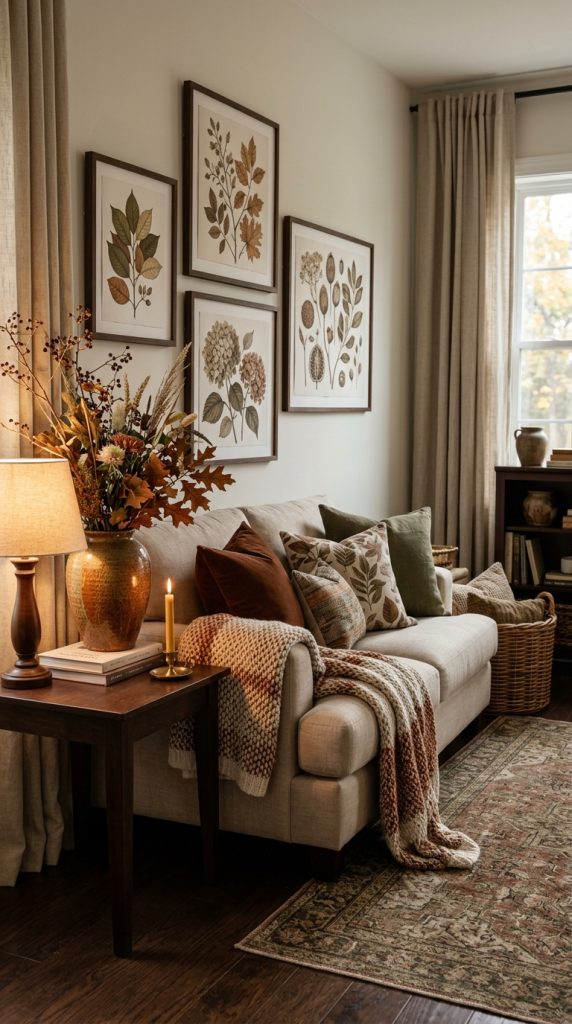
    Choose fabrics that look soft and tactile. Knitted blankets, quilted covers, cotton bedding, linen-style pillowcases, and textured cushions can make the bed look luxurious while remaining comfortable.

    Materials and Things to Use

    • Neutral duvet
    • Quilted blanket
    • Knitted throw
    • Decorative cushions
    • Warm-toned pillowcases
    • Bedside lamps
    • Small ceramic vase
    • Wooden tray
    • Seasonal candle
    • Soft rug

    Step-by-Step Bedroom Refresh

    1. Start with clean, neutral bedding.
    2. Add a folded textured blanket.
    3. Layer two or three decorative cushions.
    4. Use warm-toned pillowcases.
    5. Replace harsh lighting with warmer lamps.
    6. Add a small natural accent.
    7. Place a rug beside or beneath the bed.
    8. Remove unnecessary clutter.

    Keep the bedroom color palette calm. Soft beige, cream, taupe, caramel, brown, and muted terracotta work beautifully together.

    Instead of covering every surface with autumn decorations, let the bedding provide most of the seasonal atmosphere. This makes the room feel timeless and relaxing rather than themed.

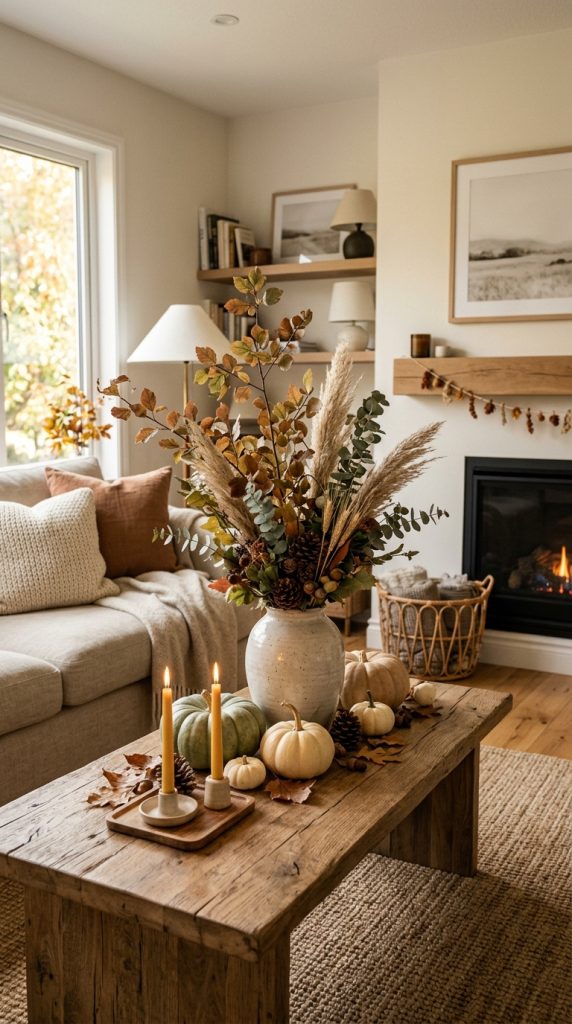
    6. Create an Autumn Coffee Table Centerpiece

    You do not need to redecorate an entire room to make a visible seasonal change. A carefully styled coffee table centerpiece can become an instant autumn focal point.

    Begin with a tray. Wooden trays work particularly well because their natural material complements fall decorating. Add a ceramic vase with dried branches, one or two candles, a small decorative pumpkin, and a coffee-table book.

    Vary the height and shape of the objects. A tall vase beside a low tray and small rounded pumpkin creates visual interest.

    Materials and Things to Use

    • Wooden tray
    • Coffee-table book
    • Ceramic vase
    • Dried stems
    • Small decorative pumpkin
    • Candle
    • Small bowl
    • Natural wooden accessory

    Step-by-Step

    Place the tray slightly off-center rather than directly in the middle if your table is large. Add the largest object first. Then add the book and decorative pieces around it.
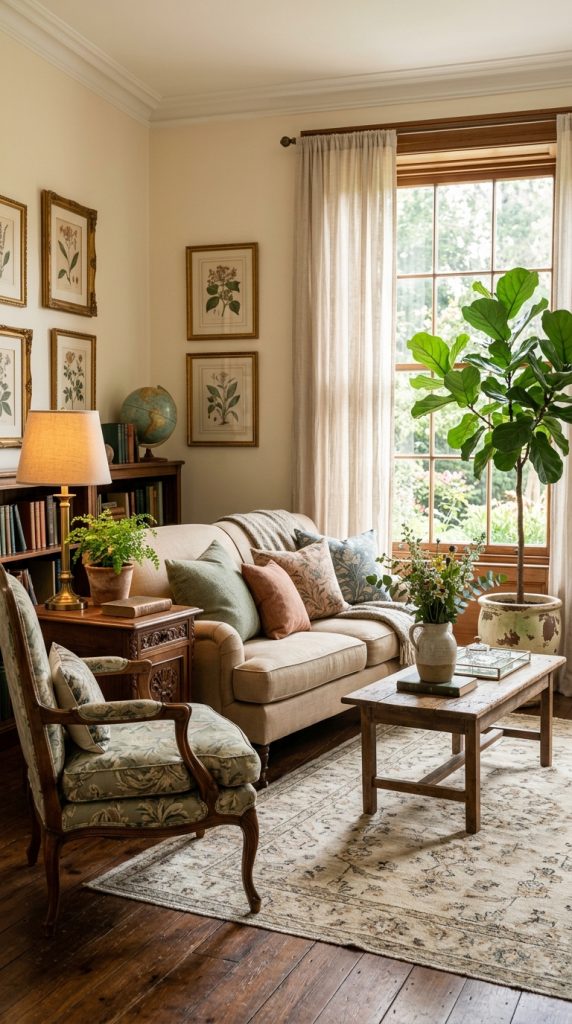
    Do not fill every inch of the tray. Empty space allows each object to remain visible.

    For small coffee tables, use fewer objects. A candle, small vase, and decorative pumpkin may be enough.

    The advantage of this idea is its affordability. You can create an attractive autumn centerpiece using objects you already own and only purchase one or two seasonal additions.

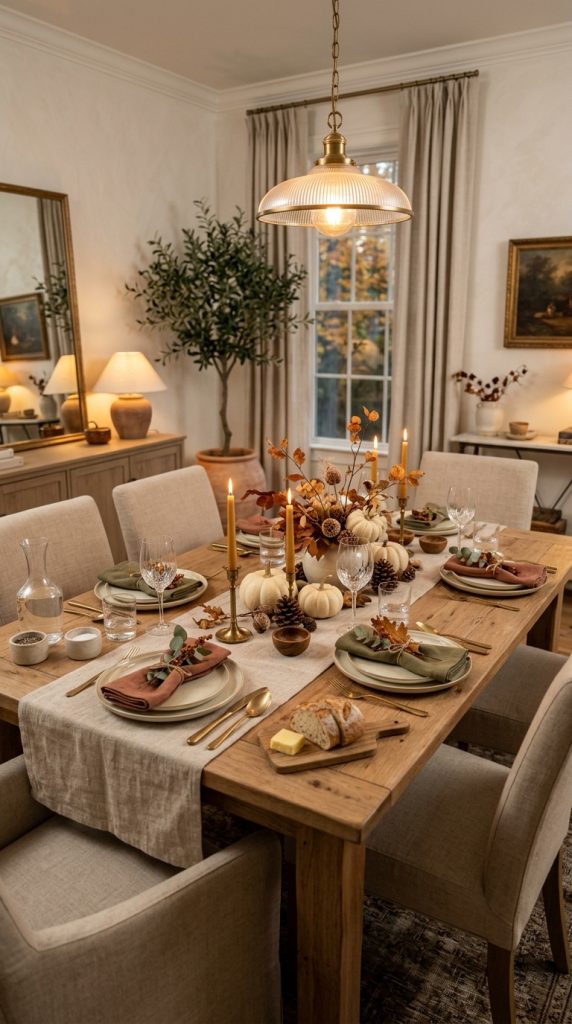
    7. Bring Autumn Into the Dining Room

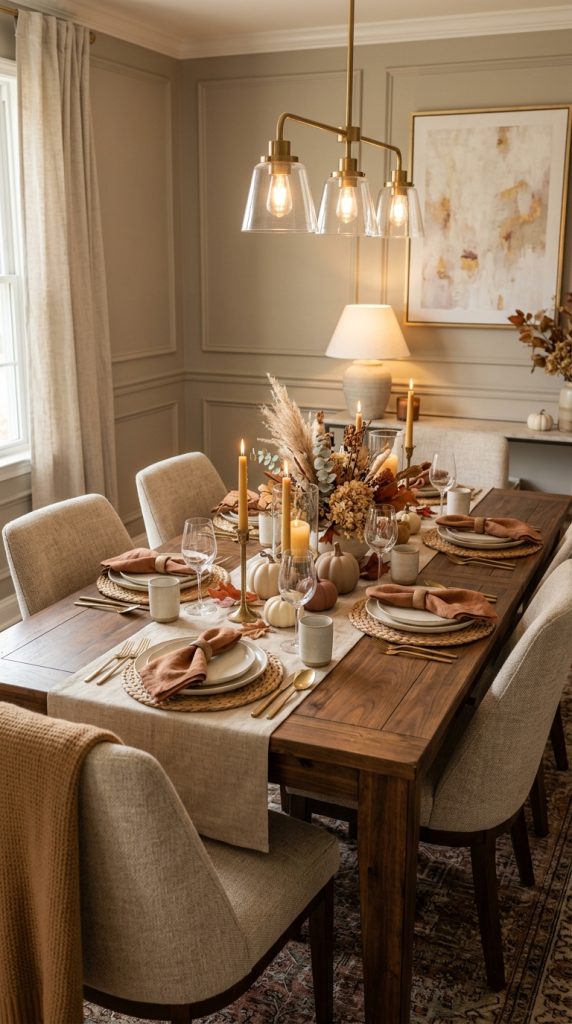
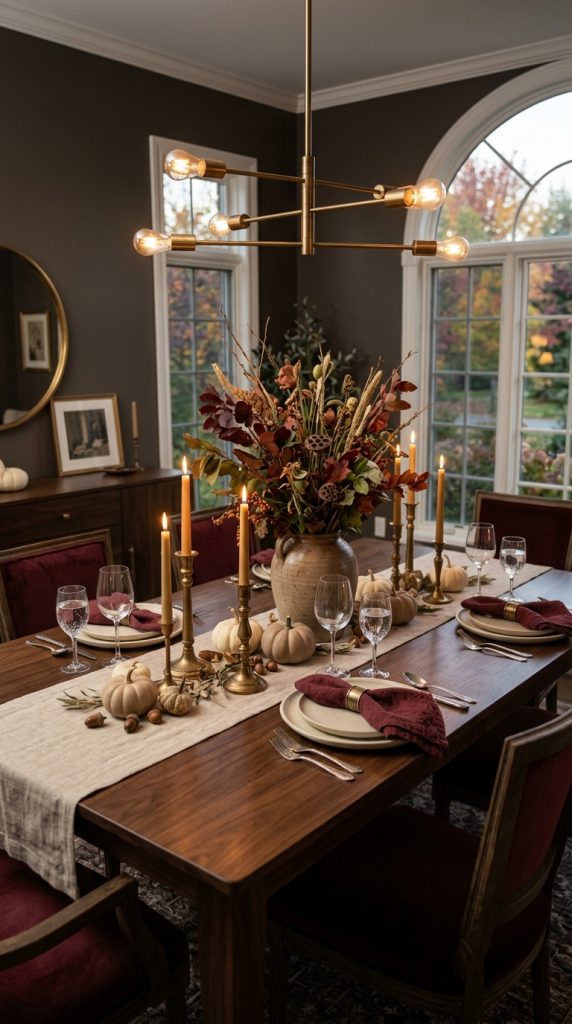
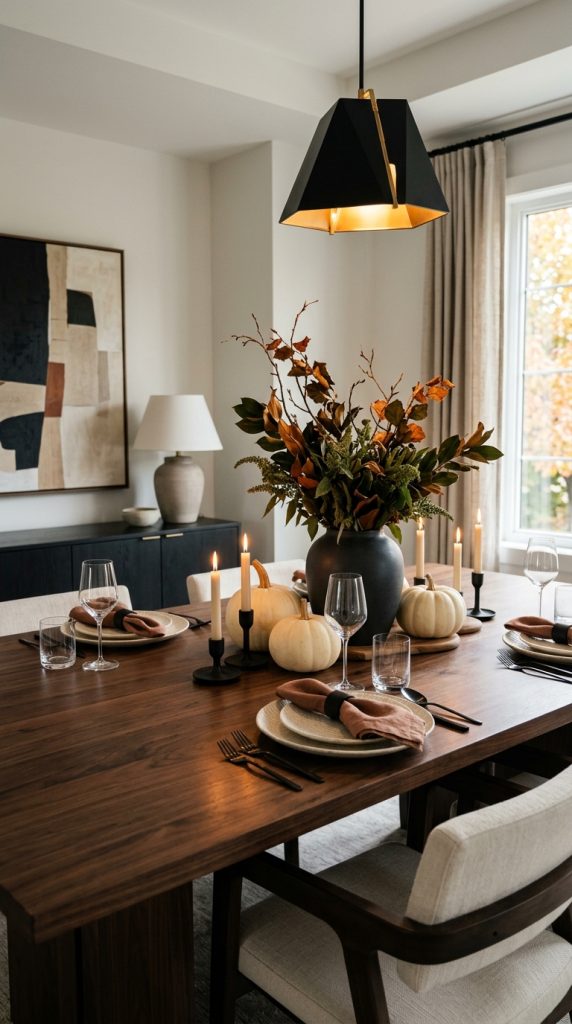
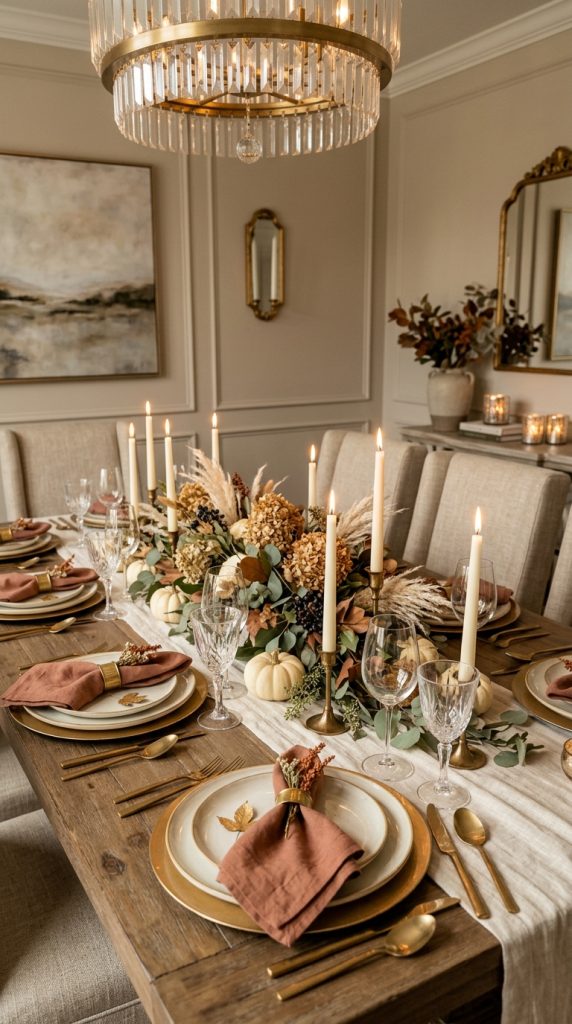
    The dining room can become especially inviting during autumn because warm seasonal colors naturally complement dinner gatherings and family meals. You can create an elegant autumn tablescape without making it feel like a holiday display.

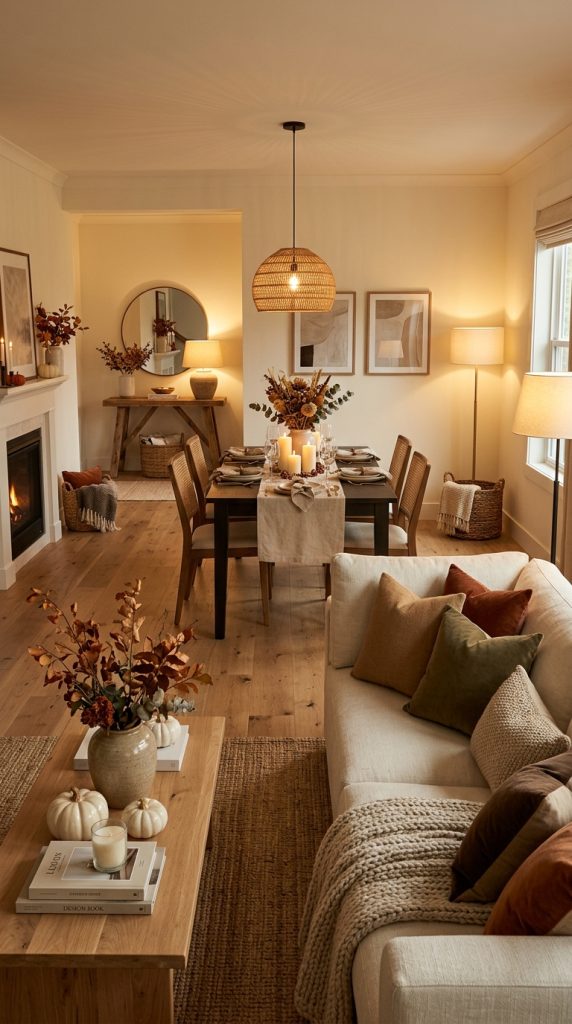
    Start with a neutral table runner. Add natural wooden or ceramic serving pieces. Use simple dinnerware in cream, beige, white, or muted earthy colors.

    For the centerpiece, use a long arrangement of dried stems, candles, and small seasonal objects. Keep the arrangement low enough that guests can still see one another across the table.

    Materials and Things to Use

    • Neutral table runner
    • Ceramic dinnerware
    • Wooden serving board
    • Linen-style napkins
    • Candles
    • Candle holders
    • Dried branches
    • Small pumpkins
    • Glassware
    • Woven placemats

    Styling Steps

    1. Begin with a clean table.
    2. Add the runner.
    3. Position dinnerware evenly.
    4. Fold or loosely arrange napkins.
    5. Create a low centerpiece.
    6. Add candles for evening warmth.
    7. Introduce one autumn color through napkins or accessories.

    For a Pinterest-friendly appearance, avoid excessive decorations. The most attractive tablescapes usually combine simple dishes with beautiful textures and natural materials.

    8. Use Warm Lighting to Create an Autumn Atmosphere

    Lighting may be one of the easiest ways to change the mood of a room. During autumn, warm and layered lighting can make even a simple interior feel cozy.

    Instead of relying entirely on one overhead fixture, create several smaller sources of illumination. Use a table lamp near the sofa, a floor lamp beside a chair, and small lanterns or candles on surfaces.

    Materials and Things to Use

    • Table lamps
    • Floor lamp
    • Warm-toned bulbs
    • Lanterns
    • Candles
    • Small decorative lights
    • Ceramic candle holders

    How to Layer Lighting

    Start with your main lighting. Then identify dark areas that could benefit from softer illumination.

    Place a lamp beside the sofa or reading chair. Add another light source near the entryway or dining area if necessary.

    Candles can provide an especially intimate atmosphere in the evening. Place them on trays or stable surfaces away from fabrics and high-traffic areas.

    The goal is not to make the room extremely bright. Autumn interiors generally look best with soft, comfortable illumination that creates depth.

    This idea can also save money because you can transform the atmosphere without buying large furniture pieces or extensive seasonal decorations.

    9. Decorate With Natural Autumn Textures

    Texture is one of the most powerful tools for creating a cozy home. Autumn decorating becomes more convincing when you can visually imagine the softness and warmth of the room.

    Introduce materials such as knitted fabric, woven baskets, wood, ceramic, cotton, wool-inspired textiles, and textured upholstery.

    Materials and Things to Use

    • Chunky knit blanket
    • Woven baskets
    • Wooden bowls
    • Ceramic vases
    • Textured cushions
    • Woven rug
    • Linen-style textiles
    • Natural decorative branches

    How to Layer Textures

    Begin with large textures, such as a rug or sofa throw. Then add medium textures through cushions and baskets. Finally, introduce smaller tactile accessories.

    Avoid using the same texture everywhere. Contrast is what makes the room interesting.

    For example, a smooth ceramic vase looks beautiful beside a rough woven basket. A soft knitted blanket contrasts with a wooden coffee table.

    This technique is particularly helpful if you prefer neutral decor. Even without strong colors, varied textures can make the space look rich and layered.

    10. Create a Cozy Autumn Kitchen Corner

    The kitchen does not need extensive seasonal decorations to feel ready for autumn. A small coffee or tea station can become a charming focal point.

    Use a wooden tray to organize mugs, a small jar, coffee or tea supplies, and a seasonal accessory. Add a ceramic vase or small bowl nearby.

    Materials and Things to Use

    • Wooden tray
    • Ceramic mugs
    • Glass jar
    • Coffee or tea supplies
    • Small vase
    • Dried stems
    • Wooden cutting board
    • Seasonal towel

    Step-by-Step

    Clear a small section of your counter. Place a tray there to create visual boundaries. Add the everyday items you actually use.

    Choose mugs in cream, brown, beige, or muted autumn colors. Hang a textured kitchen towel nearby.

    A wooden cutting board leaning against the backsplash can provide height and warmth. Add one small vase with dried stems to complete the arrangement.

    Keep the station functional. The best kitchen decor should still allow you to prepare meals comfortably.

    11. Add Cozy Autumn Decor to a Small Apartment

    Small homes and apartments can look incredibly cozy during autumn when decorating is approached strategically. The key is to use pieces that serve more than one purpose.

    Choose baskets that provide storage, throws that add warmth, rugs that define areas, and decorative trays that organize accessories.

    Materials and Things to Use

    • Foldable or woven baskets
    • Small rug
    • Textured throw
    • Cushions
    • Compact lamp
    • Wall mirror
    • Wooden tray
    • Small seasonal decorations

    Small-Space Strategy

    Do not attempt to decorate every surface. Choose two or three focal areas, such as the sofa, coffee table, and entryway.

    Use vertical space when possible. A mirror or wall artwork can add visual interest without taking up floor space.

    Neutral backgrounds are particularly useful in small rooms because they prevent the space from feeling visually crowded.

    Choose a limited autumn palette and repeat those colors through small accessories. Repetition creates cohesion without requiring many decorations.

    12. Make a Cozy Autumn Floor Corner

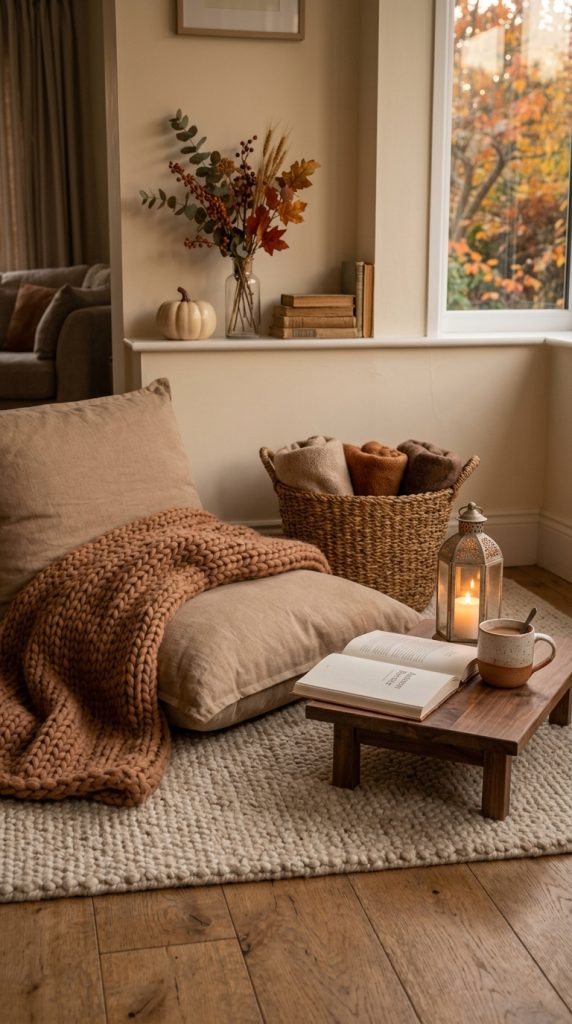
    Floor-level decorating can make a room feel relaxed and informal. Create a small cozy corner with a floor cushion, soft rug, blanket basket, and low table.

    This works especially well in family rooms, bedrooms, children’s reading areas, or relaxed lounge spaces.

    Materials and Things to Use

    • Soft floor cushion
    • Small rug
    • Woven basket
    • Throw blanket
    • Low wooden table
    • Books
    • Lantern
    • Seasonal decorative accent

    Step-by-Step

    Place the rug first to define the area. Add a floor cushion and a basket filled with blankets.

    Position a small low table nearby. Keep books or magazines within reach.

    Add a warm lantern or lamp nearby for evening use.

    The space should remain uncluttered and comfortable. This decorating approach is especially appealing for autumn because it encourages slow, relaxed activities such as reading, journaling, drinking tea, or spending time with family.

    13. Style an Autumn Bathroom With Simple Details

    Bathrooms are often overlooked when decorating for autumn, but a few small changes can make them feel much warmer.

    Instead of filling the bathroom with seasonal objects, focus on textiles, natural materials, and subtle color changes.

    Materials and Things to Use

    • Warm-toned hand towels
    • Woven basket
    • Wooden tray
    • Ceramic container
    • Small dried arrangement
    • Neutral bath mat
    • Amber-toned accessories
    • Candle or decorative light

    How to Decorate

    Replace bright summer-colored towels with cream, beige, brown, muted terracotta, or warm neutral options.

    Add a woven basket for towels. A wooden tray can organize everyday bathroom products while making the counter look more intentional.

    If you have enough space, add a small vase containing dried branches.

    Avoid placing unnecessary objects near water sources. Practicality and safety should always come before decoration.

    The result should be subtle. A beautifully styled bathroom does not need to announce that it is decorated for autumn; it simply needs to feel warmer and more inviting.

    14. Create an Expensive-Looking Autumn Decor Style on a Budget

    Autumn decorating does not have to be expensive. In fact, some of the most sophisticated seasonal interiors rely on simple materials and thoughtful arrangements rather than large amounts of decor.

    The most important budget principle is to decorate selectively. Instead of purchasing twenty seasonal objects, invest in a few versatile pieces that can work throughout the season.

    Materials and Things to Use

    • Secondhand wooden tray
    • Neutral cushions
    • Knitted blanket
    • Ceramic vase
    • Dried branches
    • Candles
    • Woven basket
    • Small decorative pumpkins
    • Thrifted artwork
    • Existing books

    Budget Decorating Strategy

    First, shop your own home. Move lamps, vases, baskets, books, and textiles between rooms.

    Next, identify what you actually need. You may only need a new throw or a few cushions to completely change the atmosphere.

    Use inexpensive natural materials where possible. Dried branches can create a large visual impact without requiring a large arrangement.

    Thrift stores can also be useful for finding wooden bowls, ceramic vessels, frames, baskets, and vintage accessories.

    The key to an expensive-looking result is not price. It is composition. A small number of coordinated objects arranged with enough breathing room often looks much more sophisticated than a crowded collection of expensive decorations.

    15. Create a Complete Cozy Autumn Home With One Consistent Palette

    If you want your entire home to feel connected, choose one autumn-inspired color palette and repeat it throughout the rooms. This creates a polished appearance and prevents every room from looking like a separate decorating project.

    A sophisticated palette might combine cream, warm beige, walnut brown, muted rust, and soft caramel. Another option could use taupe, burgundy, brown, ivory, and subtle terracotta.

    Materials and Things to Use

    • Neutral cushions
    • Autumn-toned throws
    • Ceramic vases
    • Wooden accessories
    • Woven baskets
    • Candles
    • Dried branches
    • Seasonal artwork
    • Textured rugs
    • Warm lighting

    Step-by-Step Whole-Home Approach

    Start with the living room because it is usually the largest shared space. Introduce your primary autumn color through cushions and textiles.

    Move the same color into the bedroom using bedding or a throw.

    In the entryway, repeat the palette through a vase, runner, or small decorative object.

    Use the dining room to introduce another shade through napkins or table accessories.

    Finally, add small details to the kitchen and bathroom rather than attempting major transformations.

    The result will feel cohesive because the same colors and materials appear throughout the home.

    This approach is especially useful for Pinterest-inspired interiors because cohesive color repetition creates a visually pleasing overall aesthetic. Instead of thinking about each decoration individually, think about how every room contributes to one larger seasonal story.

    Final Thoughts

    Cozy autumn home decor is ultimately about creating a feeling rather than simply displaying seasonal decorations. Warm lighting, comfortable textiles, natural materials, muted colors, layered accessories, and thoughtfully arranged focal points can transform an ordinary home into a welcoming autumn retreat.

    You do not need a large budget or a completely new interior to achieve the look. Start with one room, remove unnecessary clutter, choose a small autumn color palette, and introduce seasonal details gradually. A simple knitted throw, warm lamp, wooden tray, ceramic vase, and a few carefully selected accents can have a surprisingly dramatic effect.

    For a Pinterest-worthy result, remember the most important decorating principles: layer textures, repeat colors, vary heights, create focal points, leave breathing room, and prioritize comfort. The most save-worthy autumn interiors usually look beautiful while still appearing genuinely livable.

    Whether you prefer modern autumn decor, rustic fall interiors, neutral seasonal styling, vintage-inspired rooms, or cozy apartment decorating, these ideas can be adapted to suit your home. The goal is to create spaces that make you want to slow down, get comfortable, and enjoy the season.


  • 10 Cozy & Elegant  outdoor fall decore Ideas

    10 Cozy & Elegant outdoor fall decore Ideas

    Fall is one of the most inspiring seasons for decorating because it naturally brings a sense of warmth, comfort, beauty, and togetherness into the home. While indoor fall decorating often receives most of the attention, outdoor spaces can create an equally beautiful seasonal experience. Your front porch, patio, balcony, backyard, garden, walkway, and front entrance are the first areas guests see, making them perfect places to introduce the cozy atmosphere of autumn. For Fall 2026, outdoor decorating is becoming more thoughtful and sophisticated, with an emphasis on creating spaces that feel warm, inviting, natural, personal, and genuinely usable rather than simply covering every corner with seasonal decorations.

    The biggest shift in outdoor fall decorating is moving away from excessive seasonal clutter. Instead of filling a porch with dozens of pumpkins, artificial leaves, signs, and decorations, homeowners can create a more polished appearance by using a smaller number of beautiful elements. Natural textures, rich autumn colors, comfortable outdoor furniture, layered lighting, vintage-inspired accessories, oversized planters, dried foliage, and carefully selected pumpkins can create a stronger visual effect. This approach is particularly useful for anyone who wants their home to look elegant and expensive while still maintaining the cozy charm associated with fall.

    Color is an important part of the Fall 2026 outdoor decorating aesthetic. Traditional orange is still beautiful, but it does not have to dominate the entire space. Richer colors such as chocolate brown, burgundy, caramel, cinnamon, rust, warm cream, muted orange, deep green, and natural wood tones can create a more sophisticated autumn palette. A cream pumpkin beside a dark wooden planter can look much more refined than a large collection of identical bright-orange pumpkins. Similarly, burgundy cushions on an outdoor chair or a deep red wreath on the front door can introduce seasonal color without making the space feel overly themed.

    Natural materials are another excellent way to make outdoor fall decor feel authentic. Dried branches, ornamental grasses, wheat, pinecones, wooden crates, woven baskets, ceramic planters, stone, linen, and natural wood can add texture and depth. These materials work especially well outdoors because they connect the decoration with the surrounding landscape. Rather than making the porch look completely separate from the garden, natural elements help the seasonal styling feel like an extension of nature.

    Lighting is equally important. Outdoor fall decorating should not only look beautiful during daylight hours. As autumn days become shorter, the evening atmosphere becomes an important part of the experience. Warm lanterns, outdoor string lights, illuminated planters, candles where safely appropriate, and soft accent lighting can completely transform a porch or patio after sunset. The goal is not harsh brightness. A gentle golden glow creates the cozy atmosphere people associate with crisp fall evenings, warm drinks, outdoor conversations, and relaxing weekends.

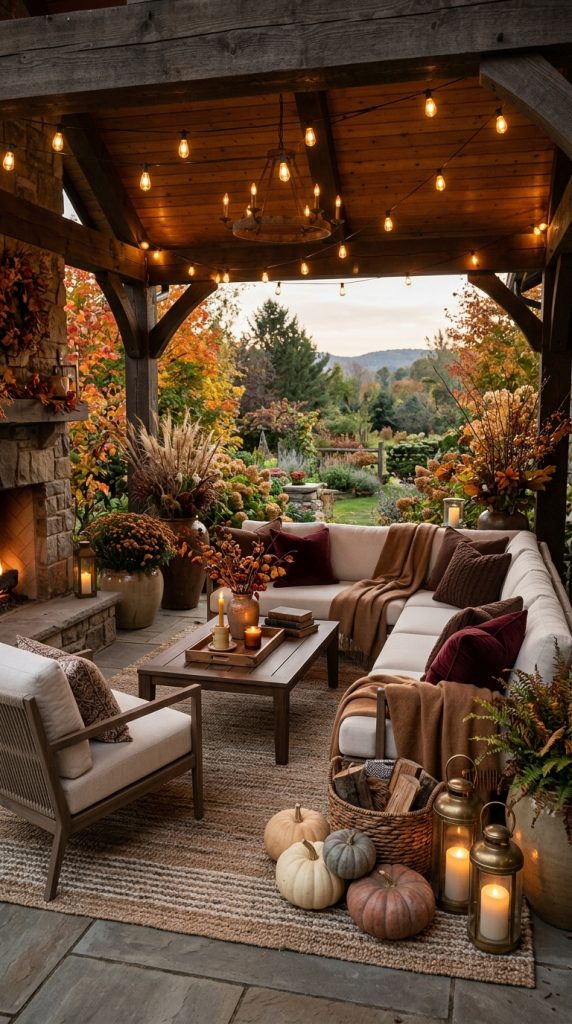
    Another major direction is creating outdoor spaces that are actually functional. Instead of decorating a patio only for photographs, consider turning it into an outdoor living room. Comfortable chairs, weather-resistant cushions, soft throws, outdoor rugs, small tables, fire pits, and warm lighting can make the area useful throughout the season. A decorated porch becomes much more appealing when it also provides a comfortable place to sit with coffee, read a book, entertain guests, or enjoy an autumn evening.

    Small spaces should not be overlooked either. Apartments, balconies, narrow front steps, and compact porches can look incredibly attractive with the right approach. A single comfortable chair, a small side table, one lantern, a mini pumpkin arrangement, and a warm throw can create a beautiful seasonal corner without taking up much space. Vertical decorating can also be useful, particularly for balconies and small entrances. Wreaths, hanging planters, wall baskets, and vertical foliage allow you to add seasonal character without overcrowding the floor.

    For homeowners who love an elegant or luxury aesthetic, Fall 2026 provides many opportunities to create expensive-looking outdoor decor without spending a fortune. The secret is not necessarily buying more expensive decorations. Instead, focus on scale, balance, color coordination, and texture. Large planters can create more impact than many small accessories. A beautiful wooden bench can become both furniture and decoration. A few carefully arranged heirloom-style pumpkins can look more sophisticated than a large pile of inexpensive seasonal objects. Warm lighting can make even simple materials appear dramatically more inviting in the evening.

    Vintage-inspired outdoor decorating is also an excellent direction. An old-fashioned lantern, weathered wooden stool, antique-style planter, vintage chair, ceramic pitcher, or aged metal accessory can introduce character. Mixing these pieces with newer outdoor furniture creates a collected appearance that feels personal rather than mass-produced. This is especially effective for Pinterest because viewers are often drawn to spaces that have a strong visual identity and can inspire them to recreate a particular atmosphere at home.

    One of the most important principles for Fall 2026 is personalization. Your outdoor space does not need to look exactly like a professionally staged porch. Add elements that reflect how you actually use your home. If you love entertaining, focus on outdoor dining and comfortable seating. If you enjoy quiet mornings, create a coffee corner. If you love gardening, make planters the focal point. If you enjoy cozy evenings, prioritize warm lighting and a fire-pit seating area. Decorating becomes much more meaningful when it supports your lifestyle.

    The ultimate goal is simple: make your outdoor space feel like somewhere you genuinely want to spend time. Combine natural materials, cozy textures, sophisticated autumn colors, comfortable furniture, and soft warm lighting, and even the simplest porch or patio can become a beautiful autumn retreat.

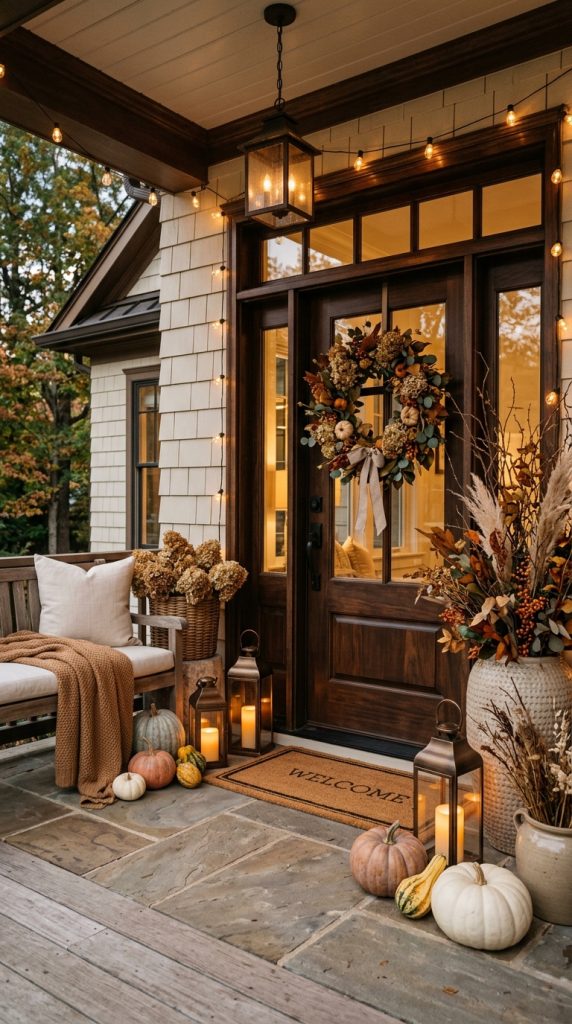
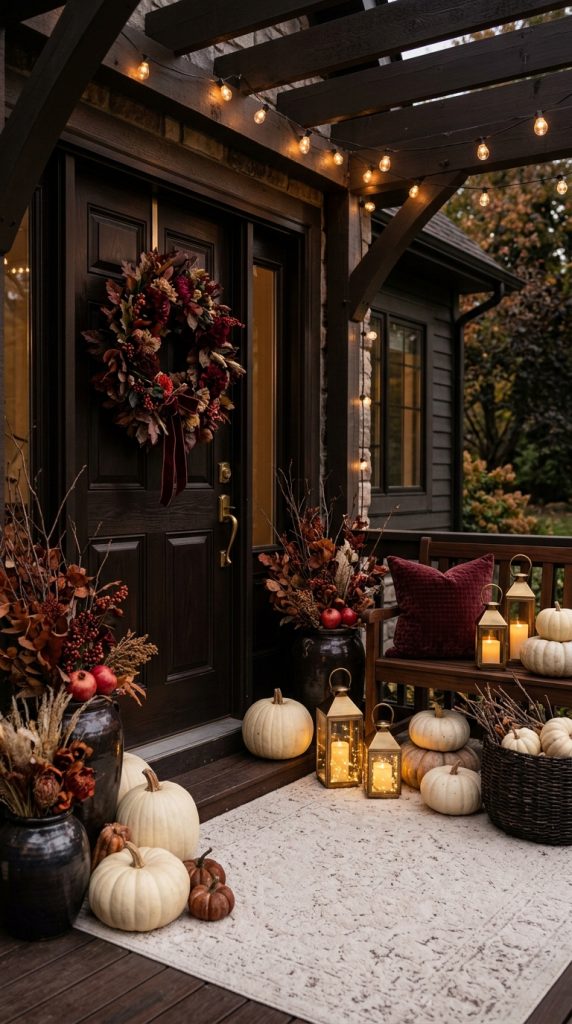
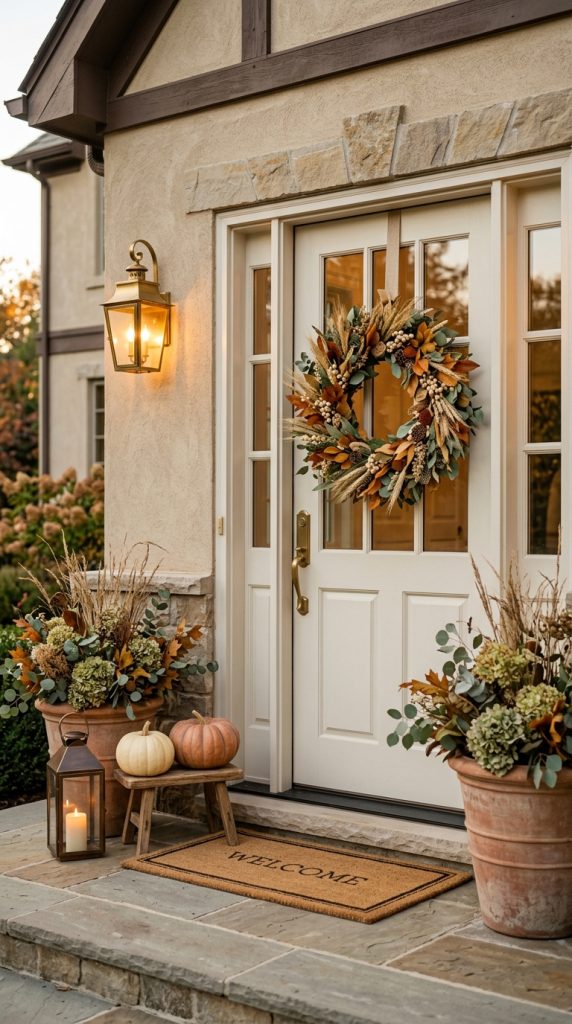
    1. Create an Elegant Fall Front Porch With Warm Lanterns

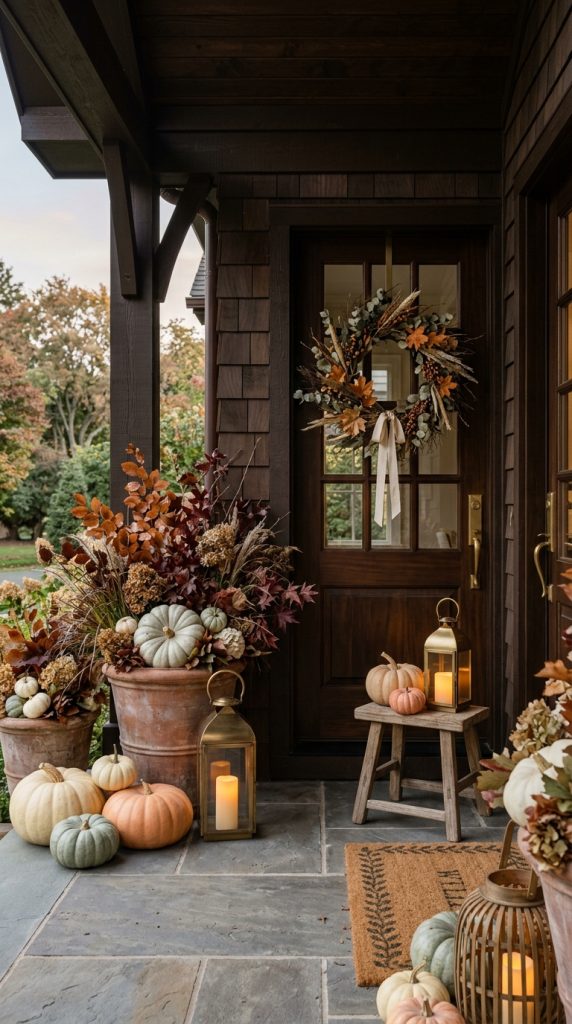
    Your front porch is one of the best places to begin your fall decorating because it creates the first impression of your home. A beautifully decorated entrance immediately communicates warmth and seasonal personality before anyone even walks through the door. For Fall 2026, the most attractive approach is to create an elegant composition rather than simply placing as many seasonal decorations as possible around the entrance.

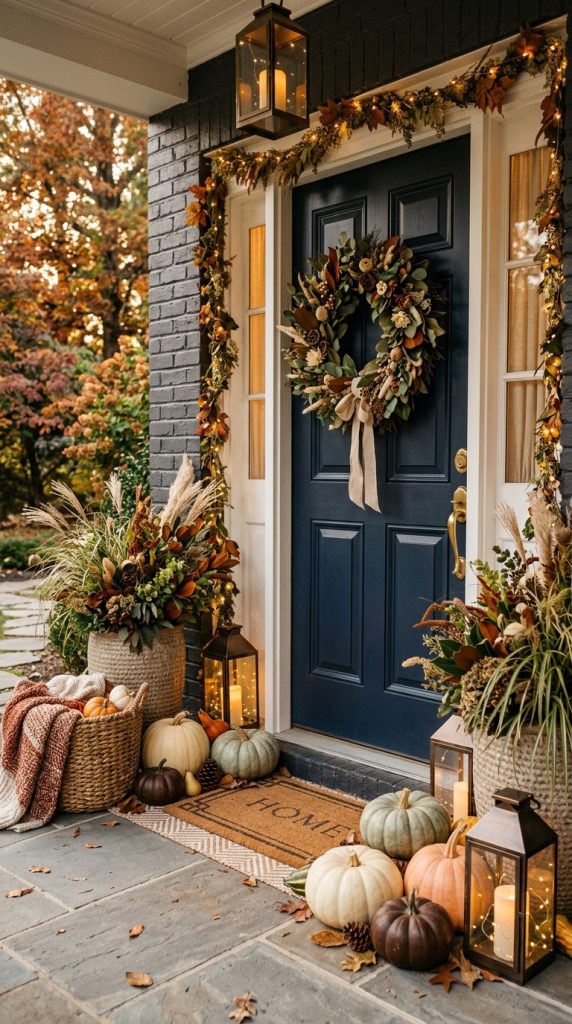
    The foundation should be your front door. Start with a beautiful autumn wreath featuring dried leaves, branches, berries, grasses, wheat, muted flowers, or other natural-looking materials. Choose colors that complement the existing color of your door. A light-colored door can look stunning with burgundy, rust, brown, and deep green. A dark door can benefit from cream, tan, muted gold, and natural foliage.

    Next, introduce height using planters. Large planters positioned on both sides of the door immediately make an entrance feel more substantial. You can fill them with seasonal flowers, ornamental grasses, branches, or foliage. If you already have permanent planters, simply refresh the arrangement for autumn instead of purchasing new containers.

    Now add pumpkins. Rather than creating a straight line of pumpkins across every step, arrange them in natural groups. Use different shapes and sizes to create visual depth. Cream, tan, muted orange, and heirloom-style pumpkins can make the porch look much more sophisticated.

    The most important finishing element is lighting. Warm lanterns placed beside the door or along the steps create a beautiful evening glow. Use warm LED candles or outdoor-rated lighting and position the lights at slightly different heights.

    A small bench can complete the scene if space allows. Add a weather-resistant cushion and a folded autumn-colored throw for a cozy touch.

    Materials to Use

    • Autumn wreath
    • Large planters
    • Seasonal foliage
    • Ornamental grasses
    • Cream pumpkins
    • Heirloom pumpkins
    • Lanterns
    • Warm LED candles
    • Outdoor doormat
    • Wooden bench
    • Weather-resistant cushion
    • Outdoor throw

    Step-by-Step Decorating Process

    Begin by completely clearing the porch.

    Sweep the floor and clean the door.

    Look at the architecture of the entrance and decide where the main focal point should be.

    Hang the fall wreath at eye level.

    Place two large planters on either side of the entrance.

    Fill them with foliage that provides height and texture.

    Create one large pumpkin grouping near one side of the door.

    Add a smaller grouping on the opposite side.

    Place lanterns around the pumpkin groupings.

    Add a textured doormat.

    If there is enough room, position a bench against one wall.

    Finish with a cushion and throw.

    Before you stop, take a few steps away from the entrance and look at it from the street. Remove anything that looks unnecessary.

    The goal is to create a porch that feels welcoming from a distance and interesting up close.

    How to Make It Look More Expensive

    The easiest way to make a porch look expensive is to focus on scale.

    One large ceramic planter will usually create more impact than five tiny plastic pots.

    One substantial wreath can become a stronger focal point than several small decorations.

    Choose a limited color palette and repeat it throughout the entrance.

    For example, combine:

    Cream + Chocolate Brown + Burgundy + Natural Green

    or

    Tan + Rust + Walnut + Warm Ivory

    Avoid mixing every fall color together.

    Keep the walkway clear and leave some empty space between decorative groups.

    This creates the polished, editorial quality that performs well visually on Pinterest.

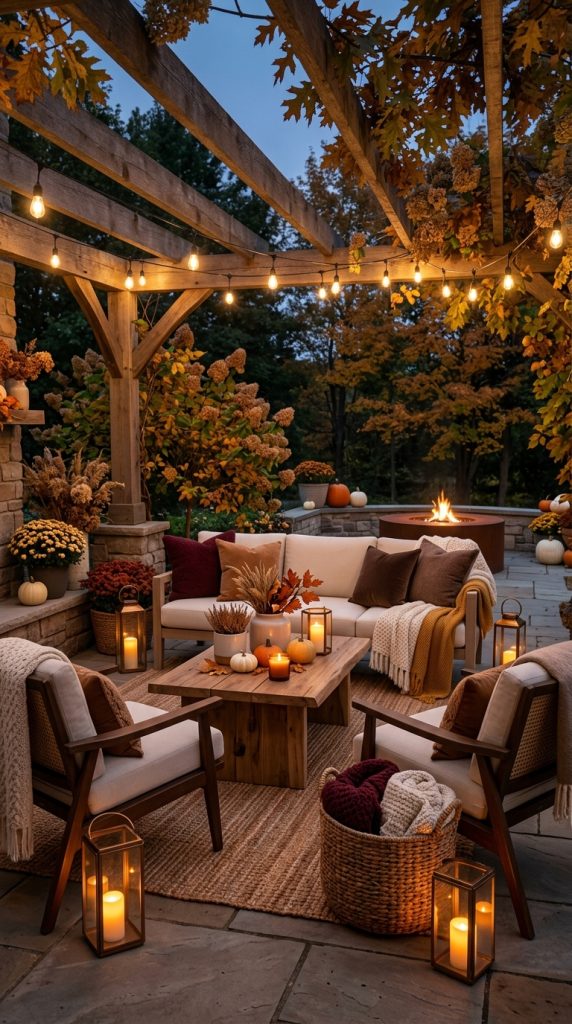
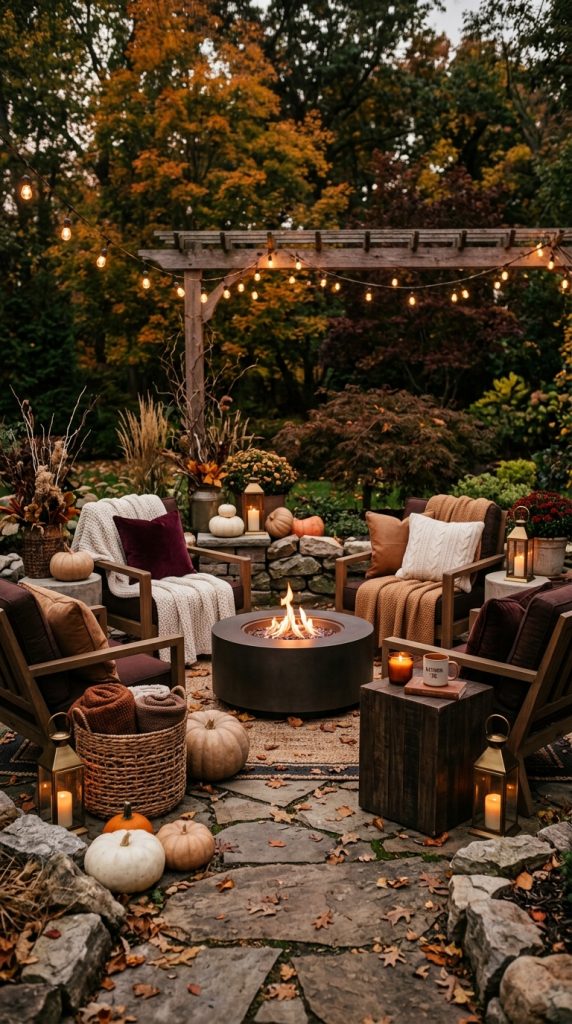
    2. Transform Your Patio Into a Cozy Fall Outdoor Living Room

    A patio does not need to become unused when summer ends. Fall can actually be one of the most enjoyable seasons for outdoor living because cooler temperatures make outdoor seating, warm beverages, fire pits, blankets, and evening lighting especially appealing.

    For Fall 2026, think of the patio as an extension of your indoor living room.

    Start with comfortable furniture. If you already have an outdoor sofa, clean it thoroughly and refresh it with new weather-resistant cushions. If you have individual chairs, arrange them around a central coffee table.

    Add an outdoor rug underneath the furniture. The rug visually connects separate pieces and makes the patio feel like a defined room.

    Next, introduce fall colors. You do not need to replace all your cushions. Simply add a few pillow covers in burgundy, caramel, chocolate brown, rust, or warm cream.

    Texture is important. Add one or two weather-appropriate throws. A woven basket placed beside the seating area can hold blankets while also functioning as decoration.

    Lighting should be layered. If you have a pergola, hang warm string lights above the seating area. Add lanterns around the edges. A table lamp specifically designed for outdoor use can provide another soft light source.

    If you have a fire pit, position the seating so that the fire becomes the central focal point.

    Decorate around the space rather than overcrowding the seating area. A large ceramic planter, wooden tray, dried branches, and a few neutral pumpkins are enough.

    Materials to Use

    • Outdoor sofa
    • Lounge chairs
    • Outdoor cushions
    • Weather-resistant pillows
    • Outdoor rug
    • Warm throws
    • Woven basket
    • Wooden coffee table
    • Ceramic planter
    • Neutral pumpkins
    • Lanterns
    • Warm string lights
    • Fire pit if available

    Step-by-Step Process

    First, clean the entire patio.

    Remove summer accessories that no longer fit the season.

    Wash or replace cushion covers.

    Place the outdoor rug.

    Arrange seating around the main focal point.

    Add cushions in autumn colors.

    Drape one or two throws casually.

    Place a basket near the seating area.

    Add a coffee table.

    Style the table with a wooden tray and small ceramic vase.

    Add a few pumpkins.

    Install warm outdoor lighting.

    Place lanterns around the perimeter.

    If you have a fire pit, check that all surrounding decorations are positioned at a safe distance.

    The finished patio should feel comfortable enough that someone could sit there for an hour without feeling like they are sitting inside a seasonal display.

    Pinterest Styling Tip

    Photographs of outdoor fall patios are especially attractive when they show both the furniture and the lighting atmosphere.

    For a Pinterest pin, the visual concept should immediately communicate:

    โ€œI want to sit here.โ€

    Comfort is therefore just as important as decoration.

    3. Decorate With Burgundy, Chocolate Brown and Cream

    If you want your outdoor fall decor to feel sophisticated, consider replacing the traditional orange-heavy palette with a richer combination of burgundy, chocolate brown, cream, caramel, and natural wood.

    This color combination works particularly well with dark doors, brick houses, neutral siding, wood exteriors, and modern architecture.

    Burgundy provides depth.

    Chocolate brown provides warmth.

    Cream creates balance.

    Natural wood adds texture.

    Start with one burgundy focal point. This could be a wreath, outdoor cushion, large planter, or seasonal floral arrangement.

    Next, add chocolate brown through furniture or wooden accessories.

    Use cream pumpkins as visual highlights.

    Then introduce natural textures through baskets, dried foliage, wood, and woven materials.

    The important principle is repetition. If burgundy appears in the wreath, repeat it subtly in one cushion or planter arrangement. If chocolate brown appears in the furniture, repeat it through a basket or wooden tray.

    This creates visual harmony.

    Materials to Use

    • Burgundy wreath
    • Burgundy outdoor cushions
    • Chocolate-brown planter
    • Dark wooden bench
    • Cream pumpkins
    • Caramel throw
    • Woven basket
    • Natural wood tray
    • Dried foliage
    • Warm lanterns
    • Outdoor rug

    Step-by-Step Process

    Choose your three primary colors.

    Keep the largest surfaces neutral.

    Introduce burgundy through one major accent.

    Add chocolate brown through furniture or containers.

    Place cream pumpkins near darker objects.

    Add natural foliage.

    Introduce woven texture.

    Add warm lighting.

    Step back and look at the composition.

    If the burgundy feels too strong, remove one item rather than adding more cream.

    If the porch feels too dark, introduce a lighter rug or additional cream-colored accessories.

    Why This Works

    This palette feels seasonal without being overly obvious.

    It also photographs beautifully because the darker colors create contrast while cream objects provide highlights.

    For Pinterest, this is an excellent angle for searches such as:

    Elegant Fall Porch Decor

    Burgundy Fall Decor

    Luxury Fall Outdoor Decor

    Dark Fall Porch Ideas

    Sophisticated Fall Decorating Ideas

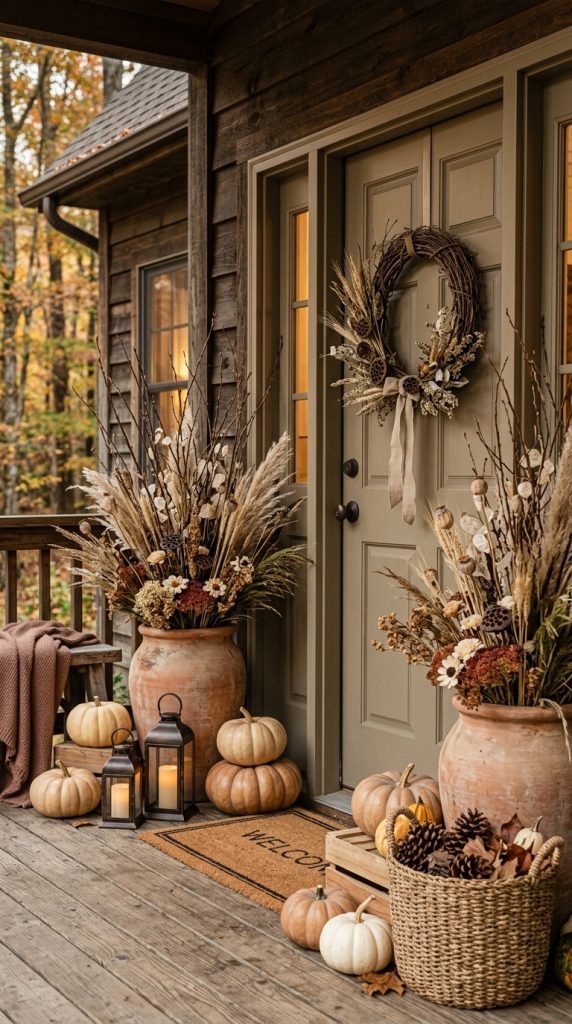
    4. Create a Natural Fall Porch With Dried Foliage

    Natural fall decorating is perfect for anyone who prefers an organic, understated appearance.

    Instead of filling the porch with artificial seasonal objects, allow nature-inspired materials to become the main decoration.

    Dried branches are particularly useful because they provide height without requiring large amounts of color.

    Ornamental grasses can add movement.

    Wheat can create a classic autumn feeling.

    Dried flowers can introduce softness.

    Pinecones and seed pods can provide small details.

    Start with large containers. Ceramic urns, terracotta pots, woven planters, or wooden containers can all work.

    Fill them with tall branches and grasses.

    Do not make the arrangement perfectly symmetrical. Slight irregularity often looks more natural.

    Place the containers near the entrance.

    Then introduce pumpkins around the base.

    Choose neutral or muted varieties so that the foliage remains the visual star.

    A wooden crate can elevate one pumpkin grouping.

    A woven basket can hold a folded blanket.

    A lantern can provide evening warmth.

    Materials to Use

    • Large ceramic planters
    • Terracotta pots
    • Dried branches
    • Wheat stems
    • Ornamental grasses
    • Dried flowers
    • Seed pods
    • Pinecones
    • Wooden crates
    • Woven baskets
    • Neutral pumpkins
    • Lanterns
    • Warm LED candles

    Step-by-Step Process

    Begin with the largest containers.

    Place them where they frame the door.

    Insert tall branches first.

    Add grasses around them.

    Fill visual gaps with smaller dried flowers.

    Step back to check the shape.

    Add pumpkins at ground level.

    Place a wooden crate beneath selected pumpkins.

    Add a woven basket.

    Position lanterns around the arrangement.

    Keep the colors natural.

    Beginner Tip

    If you are unsure how to create a dried arrangement, start with one type of tall branch, one grass, and one smaller filler material.

    Three materials are often enough.

    You do not need to purchase ten different types of foliage.

    Pinterest Advantage

    Natural fall decor works extremely well with neutral interiors and exteriors.

    It can also be marketed with several highly searchable concepts:

    Natural Fall Porch Decor

    Organic Fall Decorating Ideas

    Neutral Fall Outdoor Decor

    Minimalist Fall Porch

    Rustic Elegant Fall Decor

    5. Create a Cozy Fall Balcony for a Small Outdoor Space

    You do not need a large porch or backyard to enjoy beautiful fall decorating.

    A small balcony can become one of the coziest areas of your home when you use the available space carefully.

    The first rule is to avoid overcrowding.

    Begin with one comfortable chair.

    If there is enough room, add a small round or square side table.

    Place a small outdoor rug beneath the seating arrangement.

    The rug creates a visual boundary and instantly makes the balcony feel more like an outdoor room.

    Add one warm throw.

    Choose one autumn-colored cushion.

    On the side table, create a miniature seasonal display.

    A small ceramic vase containing dried flowers can sit beside a cream pumpkin.

    Add a mug or small tray if the area is designed as a coffee corner.

    Lighting is particularly important on balconies.

    Use a small lantern or a short strand of warm outdoor lights.

    If floor space is limited, take advantage of vertical surfaces.

    Hang a wreath.

    Use a wall-mounted planter.

    Install a vertical basket.

    This allows you to add seasonal decoration without sacrificing valuable floor space.

    Materials to Use

    • Compact outdoor chair
    • Small side table
    • Outdoor rug
    • Weather-resistant cushion
    • Warm throw
    • Mini pumpkins
    • Small ceramic vase
    • Dried flowers
    • Lantern
    • Warm string lights
    • Hanging planter
    • Small basket

    Step-by-Step Process

    Measure the balcony.

    Decide how much floor space must remain open.

    Choose the smallest furniture that still feels comfortable.

    Place the rug.

    Add the chair.

    Position the side table.

    Add one cushion.

    Drape a throw over the chair.

    Style the table with a small vase.

    Add one or two mini pumpkins.

    Use a lantern for warm lighting.

    If possible, add vertical decoration.

    Stop before the balcony feels crowded.

    How to Make a Small Balcony Look Bigger

    Use light-colored furniture.

    Avoid too many large objects.

    Keep the floor visible.

    Choose furniture with slim legs.

    Use one large visual focal point instead of several small ones.

    Keep decorations at the edges.

    Use warm lighting to create depth.

    A small balcony can feel extremely luxurious when it is edited carefully.

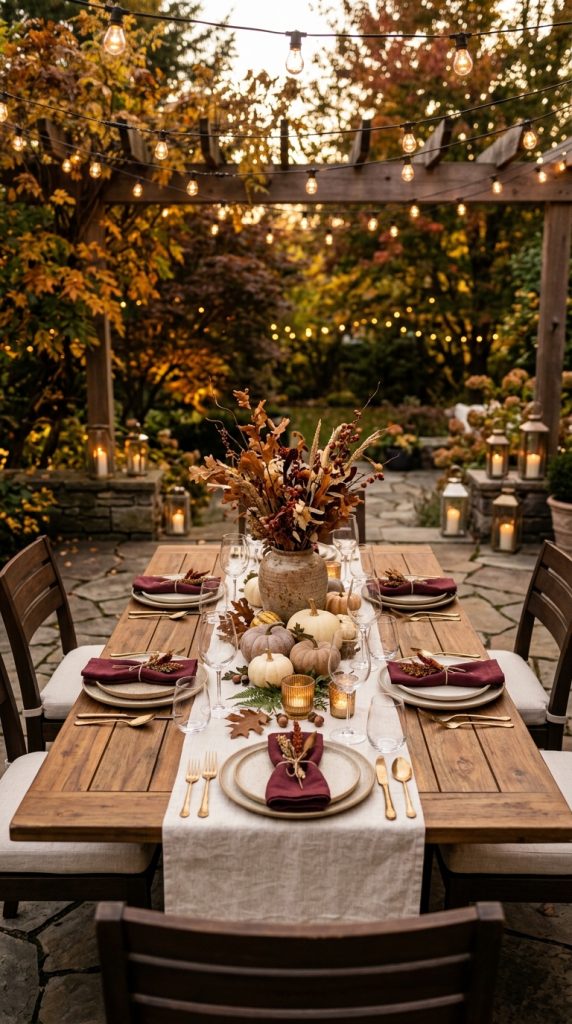
    6. Create an Elegant Outdoor Fall Dining Table

    Outdoor entertaining becomes especially beautiful during fall because the cooler atmosphere naturally encourages longer dinners, warm drinks, and relaxed conversations.

    An outdoor dining table can therefore become a major seasonal decorating feature.

    Begin with the table itself.

    A natural wood table provides an excellent foundation.

    If your table is metal or another material, introduce wood through serving boards, trays, or centerpieces.

    Use a linen table runner.

    Choose cream or neutral dinnerware.

    Add burgundy, rust, or caramel napkins.

    For the centerpiece, avoid creating something too tall.

    Guests should be able to see each other across the table.

    A long wooden tray can form the base.

    Place a ceramic vase in the center.

    Fill it with dried branches.

    Surround it with small pumpkins.

    Add a few candle holders.

    For evening dining, use warm lanterns around the table.

    The lighting should be gentle rather than extremely bright.

    Materials to Use

    • Outdoor dining table
    • Linen runner
    • Neutral plates
    • Neutral bowls
    • Burgundy napkins
    • Rust napkins
    • Wooden serving boards
    • Wooden tray
    • Ceramic vase
    • Dried branches
    • Mini pumpkins
    • Candle holders
    • Lanterns
    • Warm outdoor lights

    Step-by-Step Process

    Clean the table.

    Place the runner.

    Arrange plates evenly.

    Add napkins.

    Choose the center point.

    Place the wooden tray.

    Add the ceramic vase.

    Insert dried branches.

    Arrange pumpkins around the vase.

    Add candle holders.

    Place lanterns around the dining area.

    Turn on warm lighting before guests arrive.

    Keep It Practical

    Never make the centerpiece so large that it interferes with conversation.

    Do not use delicate decorations where they can easily fall.

    For outdoor dining, secure lightweight objects if the area is exposed to wind.

    Use weather-appropriate textiles.

    If candles are used, follow safe outdoor candle practices and never leave flames unattended.

    Pinterest Content Angle

    This idea can target:

    Outdoor Fall Tablescape

    Fall Outdoor Dining Ideas

    Elegant Fall Table Decor

    Cozy Autumn Dinner Party

    Fall Patio Entertaining Ideas

    These phrases provide excellent opportunities for multiple seasonal pins.

    7. Design a Cozy Fall Fire Pit Area

    A fire pit can transform a backyard into a destination during the fall.

    Instead of treating the fire pit as an isolated feature, build an entire seating experience around it.

    Start with the seating.

    Arrange outdoor chairs in a circle or semicircle.

    Make sure there is enough distance from the fire according to the fire pit manufacturer’s safety requirements.

    Use weather-resistant cushions.

    Add warm blankets to baskets beside the chairs.

    A wooden side table can hold mugs, books, or snacks.

    Lighting should surround the area rather than compete with the fire.

    Warm string lights can be installed overhead where suitable.

    Lanterns can be positioned farther away from the fire.

    The fire itself becomes the central light source.

    Keep seasonal decorations around the perimeter.

    A few pumpkins, dried branches, or planters can add autumn atmosphere.

    Avoid placing combustible decorations too close to the fire.

    Materials to Use

    • Fire pit
    • Outdoor chairs
    • Weather-resistant cushions
    • Outdoor blankets
    • Woven baskets
    • Wooden side tables
    • Outdoor rug
    • Lanterns
    • Warm string lights
    • Seasonal planters
    • Neutral pumpkins

    Step-by-Step Process

    Start by checking the fire pit and surrounding area.

    Remove unnecessary furniture.

    Arrange chairs around the fire.

    Add an outdoor rug if appropriate for the setup and fire-safe conditions.

    Place baskets beside the seating.

    Fill them with outdoor blankets.

    Add side tables.

    Install warm lighting at a safe distance.

    Place seasonal decorations around the outer edges.

    Check that walkways remain clear.

    Make It More Comfortable

    Comfort should be the main priority.

    Choose deep seating if possible.

    Use supportive cushions.

    Have blankets readily available.

    Add small tables so people do not have to place drinks on the ground.

    If local conditions and equipment allow, consider appropriate outdoor heating solutions.

    The finished space should feel like an autumn gathering area rather than a decorated fire pit.
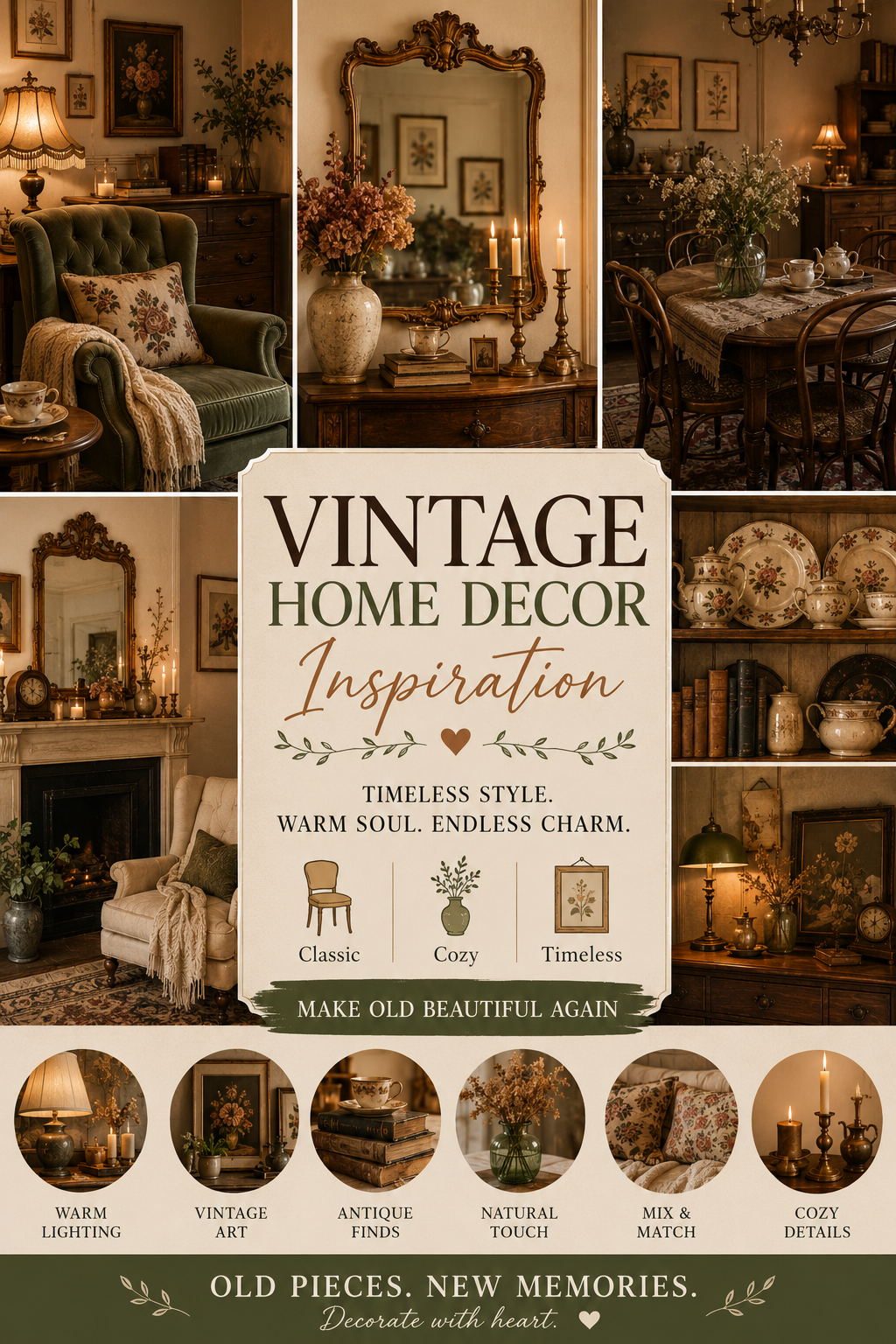
    Pinterest-Friendly Visual Concept

    The strongest visual composition would show:

    A glowing fire pit in the center.

    Comfortable chairs surrounding it.

    Cream and burgundy blankets.

    Dark wood furniture.

    Warm string lights overhead.

    Lanterns glowing in the background.

    A few pumpkins near the perimeter.

    This creates the emotional message:

    โ€œI want to spend my fall evenings here.โ€

    8. Create a Neutral Pumpkin Display That Looks Expensive

    Pumpkins remain one of the easiest ways to communicate fall instantly, but the way you arrange them can determine whether the final result looks sophisticated or cluttered.

    For Fall 2026, consider using a neutral pumpkin palette.

    Cream, ivory, beige, tan, muted orange, and heirloom varieties can create an elegant appearance.

    The first rule is variation.

    Use different sizes.

    Mix round pumpkins with elongated shapes.

    Combine smooth and textured surfaces.

    The second rule is grouping.

    Instead of spacing one pumpkin every few inches, create small clusters.

    For example, place three large pumpkins near the door.

    Then add two smaller pumpkins nearby.

    Add dried foliage between them.

    A wooden crate can elevate a few pumpkins and create a second level.

    A planter can provide another vertical element.

    Use the steps, porch corners, and doorway as separate zones.

    Do not decorate every inch.

    Materials to Use

    • Cream pumpkins
    • Ivory pumpkins
    • Beige pumpkins
    • Muted orange pumpkins
    • Heirloom pumpkins
    • Wooden crates
    • Ceramic planters
    • Dried foliage
    • Woven baskets
    • Lanterns
    • Outdoor rug

    Step-by-Step Process

    Choose your color palette.

    Purchase or collect pumpkins in different sizes.

    Place your largest pumpkins first.

    Create a cluster near the entrance.

    Add medium pumpkins.

    Add small pumpkins last.

    Insert dried branches between selected groups.

    Use wooden crates to create height.

    Add one or two lanterns.

    Step back and evaluate the composition.

    Remove approximately one or two unnecessary pieces if the display feels crowded.

    Why Less Can Be More

    A common decorating mistake is assuming that more seasonal objects automatically create more impact.

    The opposite can often be true.

    A small number of larger pumpkins can look much more luxurious than dozens of tiny pumpkins.

    Negative space allows each object to stand out.

    This is especially important in Pinterest photography because a clean composition makes the main decorating idea easier to understand immediately.

    9. Turn a Pergola Into a Cozy Fall Outdoor Room

    A pergola is one of the most useful outdoor structures for seasonal decorating because it naturally creates the feeling of a room.

    Begin by defining the function.

    Will it be used for dining?

    Relaxing?

    Reading?

    Entertaining?

    Once you know the purpose, select furniture accordingly.

    For a lounge area, use a sofa and two chairs.

    For dining, use a wooden table and comfortable chairs.

    For a mixed-use space, choose flexible furniture.

    Add an outdoor rug underneath.

    The rug creates a visual foundation.

    Next, introduce autumn colors.

    Cream can form the base.

    Burgundy can provide contrast.

    Chocolate brown and natural wood can add warmth.

    Caramel and rust can be used as smaller accents.

    Lighting is where the pergola can become especially magical.

    Hang warm string lights across the structure.

    Use a loose arrangement rather than making the lights too dense.

    Add lanterns at ground level.

    You can also add outdoor-rated accent lights where appropriate.

    Materials to Use

    • Outdoor sofa
    • Lounge chairs
    • Outdoor dining table
    • Outdoor rug
    • Weather-resistant cushions
    • Fall pillows
    • Warm throws
    • Wooden coffee table
    • String lights
    • Lanterns
    • Large planters
    • Dried foliage
    • Neutral pumpkins

    Step-by-Step Process

    Clean the pergola.

    Remove summer accessories.

    Place the outdoor rug.

    Arrange furniture.

    Add cushions.

    Introduce fall-colored pillows.

    Drape throws over seating.

    Hang warm string lights.

    Place planters at the corners.

    Fill planters with seasonal foliage.

    Add lanterns.

    Place a few pumpkins near the edges.

    Keep the center open.

    Create an Outdoor Room Feeling

    The secret is zoning.

    Furniture creates the first zone.

    The rug defines it.

    Lighting creates the ceiling effect.

    Plants create the walls.

    Decorative objects create personality.

    This makes the pergola feel like an actual room without constructing anything.

    10. Create the Ultimate Lived-In Luxury Fall Outdoor Retreat

    If you want one outdoor decorating concept that combines the strongest Fall 2026 ideas, create a lived-in luxury outdoor retreat.

    This style is about making your outdoor area beautiful without making it look artificial.

    Start with comfortable furniture.

    Choose a cream or neutral outdoor sofa.

    Add dark wood or walnut-toned furniture.

    Introduce burgundy cushions.

    Layer a chocolate-brown or caramel throw.

    Place a woven basket nearby.

    Add an outdoor rug underneath.

    Then introduce natural elements.

    Large ceramic planters filled with dried branches can create height.

    Cream pumpkins can sit around the planters.

    A wooden tray can hold seasonal accessories.

    Vintage-inspired lanterns can provide character.

    Now focus on lighting.

    Warm string lights can be installed overhead.

    Place lanterns around the seating area.

    Use warm outdoor lamps if available.

    The lighting should create multiple levels rather than one bright source.

    Materials to Use

    • Neutral outdoor sofa
    • Lounge chairs
    • Dark wood coffee table
    • Outdoor rug
    • Burgundy cushions
    • Chocolate-brown cushions
    • Caramel throw
    • Woven basket
    • Large ceramic planters
    • Dried branches
    • Cream pumpkins
    • Wooden tray
    • Vintage-inspired lanterns
    • Warm string lights
    • Outdoor-rated lamps

    Step-by-Step Process

    Begin by completely clearing the outdoor space.

    Clean furniture and flooring.

    Decide what the main function will be.

    Create the furniture arrangement.

    Place the outdoor rug.

    Add neutral cushions.

    Introduce burgundy.

    Add chocolate brown.

    Layer warm throws.

    Place woven storage baskets.

    Add large planters.

    Fill them with dried branches.

    Create small pumpkin groupings.

    Add a wooden tray to the coffee table.

    Place lanterns around the seating area.

    Install warm lighting.

    Turn on the lights during the evening.

    Look at the area from several viewpoints.

    Remove anything that appears unnecessary.

    Create a Balanced Color Palette

    A beautiful Fall 2026 palette could be:

    Cream โ€” 45%

    Use this for the largest surfaces.

    Natural Wood โ€” 25%

    Use it for furniture and accessories.

    Chocolate Brown โ€” 15%

    Use it for cushions and smaller furniture.

    Burgundy โ€” 10%

    Use it as the main seasonal accent.

    Rust/Caramel โ€” 5%

    Use it in small decorative details.

    This prevents the outdoor space from becoming visually chaotic.

    Add Personal Details

    Lived-in luxury does not mean everything needs to be perfectly matched.

    Add objects that make the space feel personal.

    A stack of favorite books.

    A handmade ceramic bowl.

    A vintage lantern.

    A favorite outdoor mug.

    A woven basket.

    A small collection of seasonal objects.

    A comfortable blanket.

    These details communicate that the space is actually used.

    That emotional quality can make a Pinterest image much more appealing than an overly staged outdoor scene.

    How to Make Outdoor Fall Decor Look Expensive in 2026

    Creating expensive-looking outdoor fall decor is primarily about editing, scale, texture, and lighting.

    You do not need to buy everything new.

    Begin with the furniture you already have.

    Clean it thoroughly.

    Replace only the accessories that look worn or overly summery.

    Choose a small number of high-impact pieces.

    An oversized planter can create more visual impact than many small decorations.

    A large wreath can become the focal point of a door.

    A substantial wooden bench can provide both seating and decoration.

    Lighting is another major factor.

    Warm light immediately adds atmosphere.

    Use multiple light sources instead of relying on one bright fixture.

    Combine overhead string lights, lanterns, and subtle accent lights.

    Texture is equally important.

    Mix:

    • Wood
    • Ceramic
    • Woven fibers
    • Linen
    • Metal
    • Glass
    • Wool-style textiles
    • Dried foliage

    Do not use every texture in one tiny area.

    Spread them throughout the space.

    Best Fall 2026 Outdoor Color Combinations

    Chocolate Brown + Cream + Burgundy

    Sophisticated and luxurious.

    Perfect for front porches and covered patios.

    Natural Wood + Ivory + Caramel

    Warm and organic.

    Excellent for rustic-modern homes.

    Rust + Beige + Walnut

    Classic autumn with a modern feel.

    Ideal for patios and outdoor dining areas.

    Burgundy + Cream + Antique Brass

    Elegant and dramatic.

    Perfect for evening entertaining.

    Deep Green + Burgundy + Natural Wood

    Rich and botanical.

    Works especially well with gardens and natural landscaping.

    Muted Orange + Tan + Cream

    Traditional but softer than a bright orange palette.

    Perfect for family-friendly fall decorating.

    Budget-Friendly Outdoor Fall Decorating Tips

    You can create beautiful seasonal outdoor decor without spending a lot.

    Start by using what you already own.

    Move indoor baskets outside if they are suitable for the environment.

    Reuse wooden trays.

    Refresh existing planters.

    Change cushion covers rather than replacing cushions.

    Use branches and dried foliage.

    Purchase pumpkins from local seasonal sources.

    Look for secondhand wooden furniture.

    Thrift stores can be excellent sources for vintage lanterns, baskets, ceramic containers, and wooden stools.

    Instead of buying an entire outdoor furniture set, improve your current arrangement with textiles and lighting.

    Lighting can create one of the biggest transformations for the lowest cost.

    A simple seating area can become dramatically more attractive when warm string lights and lanterns are added.

    Outdoor Fall Decorating Mistakes to Avoid

    Using Too Many Decorations

    A crowded porch can hide the architecture of your home.

    Choose focal points.

    Using Only Bright Orange

    Orange is beautiful, but mixing it with cream, brown, burgundy, tan, and natural wood can create a more sophisticated appearance.

    Ignoring Lighting

    A beautiful daytime porch can look completely different after sunset.

    Always consider evening atmosphere.

    Blocking the Entrance

    Never allow pumpkins, baskets, planters, or furniture to obstruct the walkway.

    Ignoring Weather

    Outdoor textiles and decorations need to be appropriate for your local conditions.

    Protect fragile pieces from rain, wind, and extreme temperatures.

    Making Everything Match

    Perfectly matching decorations can make a space feel mass-produced.

    Mix materials and styles.

    Decorating Without Function

    A beautiful patio should still be comfortable enough to use.

    Leave room for movement.

    Keep seating practical.

    Make tables accessible.

    Final Conclusion

    Outdoor fall decorating in 2026 is all about creating atmosphere rather than simply adding seasonal objects.

    The most beautiful spaces combine comfort, natural materials, sophisticated colors, warm lighting, functional furniture, and personal details.

    Your front porch can become an elegant welcome area with a wreath, large planters, neutral pumpkins, and warm lanterns.

    Your patio can become an outdoor living room with comfortable seating, textured throws, an outdoor rug, and soft lighting.

    A balcony can become a tiny autumn retreat with one chair, a small table, a lantern, and a few carefully selected decorations.

    A fire pit can become the center of a cozy evening gathering space.

    An outdoor dining table can become an elegant autumn entertaining destination.

    A pergola can become a complete outdoor room.

    The key is not to decorate every available surface.

    Instead, create a visual hierarchy.

    Choose one focal point.

    Add supporting elements.

    Repeat your colors.

    Layer textures.

    Use natural materials.

    And always consider lighting.

    For an especially attractive Fall 2026 look, try combining cream, chocolate brown, burgundy, caramel, natural wood, and warm golden lighting. This palette feels seasonal without becoming overly traditional.

    Pumpkins remain useful, but use them thoughtfully.

    Dried branches can provide height.

    Large planters can frame an entrance.

    Woven baskets can add texture while providing storage.

    Outdoor throws can make seating more inviting.

    Lanterns can create an intimate evening atmosphere.

    Warm string lights can transform an ordinary patio into a magical retreat.

    Most importantly, make the space functional.

    A beautiful outdoor area should invite people to sit, relax, eat, read, talk, and enjoy the season.

    That is what makes outdoor fall decorating more than seasonal styling.

    It creates an experience.

    For Pinterest, focus on highly specific and visually clear concepts such as Outdoor Fall Decoration Ideas 2026, Elegant Fall Porch Decor, Cozy Fall Patio Ideas, Neutral Pumpkin Porch Ideas, Fall Outdoor Tablescape Ideas, Fall Balcony Decorating Ideas, Fall Fire Pit Decor, and Luxury Fall Outdoor Decorating Ideas.

    These focused topics give viewers an immediate idea they can save and recreate.

    The strongest Fall 2026 outdoor spaces will not necessarily be the ones with the most decorations. They will be the ones with the best combination of warmth, texture, lighting, color, comfort, and personality.

    Whether your space is a large backyard, a small porch, a narrow balcony, or a simple front entrance, you can create an inviting autumn atmosphere by using a few thoughtful elements.

    Choose natural textures.

    Add richer autumn colors.

    Create comfortable seating.

    Layer your lighting.

    Use pumpkins selectively.

    Bring in vintage or handmade details.

    Keep the arrangement balanced.

    And leave enough space for the outdoor area to breathe.

    The result will be a home exterior that feels cozy, elegant, welcoming, and unmistakably autumnal โ€” exactly the kind of beautiful, practical inspiration that makes people stop scrolling, save the idea, and come back to it when they are ready to decorate their own home.


  • Fall Decoration Ideas 2026

    Fall Decoration Ideas 2026

    Fall is one of the most beautiful seasons for decorating a home because it naturally encourages warmth, comfort, texture, and togetherness. As the days become shorter and temperatures begin to drop, our homes become places where we spend more time relaxing, entertaining, cooking, reading, and enjoying cozy evenings. Fall decorating is therefore not simply about adding pumpkins to a room. It is about creating an atmosphere that feels welcoming, layered, personal, and connected to the season.

    For Fall 2026, the decorating conversation is becoming more sophisticated. Instead of relying only on predictable orange pumpkins, signs, and artificial leaves, designers are emphasizing richer materials, deeper colors, vintage character, natural elements, layered lighting, and rooms that feel genuinely lived in. Current 2026 interior coverage highlights dark woods, reflective materials, contrasting textures, vintage pieces, and personalized spaces.

    That shift is especially useful for anyone looking for Pinterest-worthy fall decoration ideas. A beautiful fall home does not need to look like a seasonal store display. In fact, some of the most appealing decorating ideas are subtle. A walnut tray on a coffee table, a burgundy cushion on a neutral sofa, a vintage ceramic pitcher filled with dried branches, or a warm lamp beside an armchair can communicate autumn beautifully without overwhelming the room.

    Color will be especially important in Fall 2026. Chocolate brown, burgundy, deep green, cinnamon, caramel, ochre, warm cream, and earthy neutrals provide a sophisticated alternative to an entire room filled with bright orange. Current fall design reports specifically point toward chocolate brown, warm cinnamon, caramel, ochre, burgundy, deeper purples, and richer earthy colors.

    Texture is just as important as color. A room can feel completely different when you replace lightweight summer textiles with wool, velvet, mohair-style textures, chunky knits, linen, woven materials, and heavier curtains. Designers are increasingly using texture itself to create a seasonal feeling instead of depending heavily on themed accessories.

    Another major direction is vintage layering. Rather than buying an entire matching collection of new seasonal decorations, Fall 2026 favors meaningful objects, antique-inspired pieces, thrifted finds, old books, unique ceramics, framed textiles, vintage lamps, and furniture with visible character. One vintage item can give an otherwise modern room a much warmer and more individual personality.

    Natural decorating is also extremely useful for fall. Dried flowers, pressed leaves, branches, grasses, herbs, pinecones, seasonal fruit, pumpkins, and natural wood can bring the season indoors without creating a manufactured appearance. Pinterest’s 2026 trend reporting also shows strong interest in tactile, nature-based activities such as pressing flowers and foraging, which fits beautifully with an organic fall decorating aesthetic.

    There is also an interesting move toward personalized and nostalgic spaces. Pinterest’s 2026 trends point toward hobbies and interiors that feel more personal, tactile, and meaningful, including vintage coffee corners, curated collections, handmade objects, and the Kitchen Witch aesthetic.

    This means your fall home does not have to look exactly like anyone else’s. You can decorate according to your personality. If you love modern interiors, introduce autumn through dark wood, rust-colored textiles, sculptural accessories, and warm lighting. If you prefer farmhouse style, use wood, linen, pottery, baskets, pumpkins, and dried wheat. If you love vintage decor, combine antique-inspired objects, floral patterns, brass, old books, and warm colors. If you prefer minimalism, use only a few carefully selected seasonal pieces.

    Lighting deserves special attention. Fall decorations can look flat during the day but magical in the evening when illuminated correctly. Warm lamps, pendant lights, sconces, candles, lanterns, and soft accent lighting can emphasize textures and create depth. Instead of turning on one harsh overhead light, use several smaller light sources throughout the room.

    The most important principle for Fall 2026 is intentional decorating. Rather than asking, โ€œHow many fall decorations can I fit into this room?โ€ ask, โ€œWhich few details will make this room feel warmer and more beautiful?โ€

    This approach makes decorating easier, more affordable, and more timeless.

    The 20 ideas below are designed to help you create exactly that kind of home. Each idea includes a clear decorating concept, materials to use, practical steps, and styling advice. They can be adapted to living rooms, bedrooms, kitchens, dining rooms, entryways, porches, apartments, and small spaces.

    Whether you want a cozy fall home, elegant autumn decor, modern fall decorating ideas, luxury fall decor on a budget, or Pinterest-worthy seasonal inspiration, these ideas provide a strong starting point for creating a beautiful Fall 2026 home.

    1. Create a Chocolate Brown Fall Living Room

    Chocolate brown is one of the easiest colors to use for an elevated Fall 2026 interior. Rather than decorating the entire room in orange, use chocolate brown as a rich grounding shade.

    Begin with a neutral foundation. If your sofa is cream, beige, gray, or white, introduce chocolate brown through cushions, throws, rugs, baskets, coffee-table accessories, or curtains.

    Dark wood works particularly well with chocolate brown. Add a walnut coffee table, wooden tray, picture frame, or side table.

    Balance the darker elements with cream and warm beige so the room does not feel too heavy.

    Add a burgundy accent for additional autumn character. This could be a single velvet cushion, ceramic vase, artwork, or small decorative object.

    Warm lighting is essential. Place a table lamp beside the sofa and use a floor lamp in a reading corner.

    Materials to Use

    • Chocolate-brown cushions
    • Cream throw
    • Walnut tray
    • Dark wood coffee table
    • Burgundy vase
    • Neutral rug
    • Ceramic accessories
    • Warm table lamp
    • Dried branches

    Step-by-Step Styling

    Start by removing overly bright summer accessories.

    Keep your neutral sofa and larger furniture.

    Add two or three chocolate-brown textiles.

    Introduce one dark wood element.

    Add a small burgundy accent.

    Place a ceramic vase with dried branches on the coffee table.

    Finish with warm lighting.

    Avoid filling the room with brown. The beauty comes from contrast between dark wood, cream, warm beige, and carefully selected autumn colors.

    This creates a room that feels sophisticated enough for everyday living while still clearly reflecting the fall season.

    2. Decorate With Burgundy and Deep Autumn Colors

    Burgundy creates instant autumn atmosphere without requiring obvious seasonal decorations.

    Use it as an accent rather than covering the entire room.

    A burgundy velvet cushion against a cream sofa can become the focal point. You can repeat the color through artwork, flowers, a vase, a table runner, or a small blanket.

    Pair burgundy with chocolate brown, caramel, warm ivory, and antique brass.

    For a dining room, burgundy napkins can completely transform a neutral table.

    For a bedroom, burgundy bedding accents can create a romantic atmosphere.

    For an entryway, a burgundy floral arrangement can provide a sophisticated first impression.

    Materials to Use

    • Burgundy cushions
    • Velvet throw
    • Burgundy flowers
    • Linen napkins
    • Burgundy vase
    • Brass candle holders
    • Cream textiles
    • Dark wood accessories

    Step-by-Step Styling

    Choose one room.

    Select one main burgundy item.

    Add two smaller burgundy accents elsewhere.

    Balance the color with cream.

    Introduce natural wood.

    Add warm lighting.

    Keep the remaining accessories neutral.

    The result will feel seasonal without becoming overly decorated.

    Burgundy is particularly useful because it can transition from early fall into Thanksgiving and even winter decorating.

    3. Build a Vintage-Layered Fall Corner

    Fall 2026 is especially friendly to vintage and collected decor. Designers are increasingly using older-looking furniture and objects to give rooms character and individuality.

    Create a small vintage corner rather than trying to redesign the entire room.

    Start with a wooden side table, antique-style chair, or vintage lamp.

    Add a framed botanical print above it.

    Place an old-looking ceramic vase on the table.

    Fill the vase with dried branches.

    Add a small stack of books.

    A brass candlestick or vintage-inspired clock can complete the arrangement.

    Materials to Use

    • Vintage chair
    • Wooden side table
    • Antique-style lamp
    • Botanical artwork
    • Ceramic vase
    • Dried branches
    • Old books
    • Brass accessory

    Step-by-Step Styling

    Choose a quiet corner.

    Place the furniture first.

    Add the lamp.

    Hang or lean artwork above it.

    Add the vase and branches.

    Place two or three books nearby.

    Finish with one brass accent.

    Do not make every item vintage. Mixing old-looking objects with modern furniture creates a more authentic, collected appearance.

    4. Create a Cozy Fall Bedroom With Rich Textures

    A fall bedroom should feel comfortable before it feels decorative.

    Begin by layering bedding.

    Use neutral sheets as the base, followed by a quilt, textured blanket, and heavier throw.

    Introduce autumn colors through pillows.

    Chocolate brown, rust, burgundy, caramel, olive, and warm cream are excellent options.

    Add a wooden bench at the foot of the bed.

    Place warm lamps on the nightstands.

    A small ceramic vase containing dried branches can add seasonal character.

    Materials to Use

    • Linen sheets
    • Quilted blanket
    • Wool throw
    • Velvet pillows
    • Wooden bench
    • Ceramic vase
    • Dried branches
    • Warm bedside lamps

    Step-by-Step Styling

    Start with clean neutral bedding.

    Add one textured layer.

    Add a second heavier layer.

    Place two or three seasonal pillows.

    Add the wooden bench.

    Style the nightstand simply.

    Use warm lighting in the evening.

    The goal is to make the room feel like a cozy retreat rather than a themed seasonal display.

    5. Create a Fall Kitchen With a Kitchen-Witch Atmosphere

    One of the most interesting Pinterest directions for 2026 is the Kitchen Witch aesthetic, which combines cozy kitchen life with dried herbs, handmade details, vintage objects, herbal ingredients, and old-world charm. Pinterest’s 2026 trend reporting shows strong interest in this style and related activities.

    You can introduce this look without making the kitchen look Halloween-themed.

    Use amber glass jars for spices.

    Display dried herbs in small bundles.

    Place wooden spoons in a ceramic container.

    Add a vintage-style pitcher.

    Use open shelves to display handmade pottery.

    A few labeled jars can make the kitchen feel personal and nostalgic.

    Materials to Use

    • Amber jars
    • Dried herbs
    • Wooden spoons
    • Ceramic pitcher
    • Vintage pottery
    • Glass bottles
    • Woven basket
    • Dried flowers
    • Wooden cutting boards

    Step-by-Step Styling

    Clear one shelf or countertop section.

    Add your largest ceramic piece.

    Place jars beside it.

    Introduce dried herbs.

    Add wooden utensils.

    Finish with one small seasonal object.

    Keep the display practical so it still feels like a real working kitchen.

    6. Style an Elegant Fall Entryway

    Your entryway sets the tone for the rest of your home.

    For Fall 2026, think beyond pumpkin-lined doorways and create a layered, hotel-inspired arrival space. Current design coverage specifically highlights curated entryways and layered lighting.

    Use a console table beneath a large mirror.

    Add a warm table lamp.

    Place a ceramic vase with autumn branches on one side.

    Add a small wooden bowl on the other.

    Introduce one or two seasonal objects.

    Place a textured runner underneath.

    Materials to Use

    • Console table
    • Large mirror
    • Table lamp
    • Ceramic vase
    • Dried branches
    • Wooden bowl
    • Small pumpkins
    • Textured runner

    Step-by-Step Styling

    Clear the console.

    Place the lamp on one side.

    Add the vase.

    Balance it with a smaller bowl.

    Add one seasonal accent.

    Use warm lighting.

    Avoid filling the surface.

    A simple arrangement will look more expensive and welcoming.

    7. Use Dark Wood for a Sophisticated Fall Look

    Dark wood is one of the strongest Fall 2026 decorating directions. Walnut and espresso-toned woods are being used as versatile accents that can work with both light and dark interiors.

    You do not need to replace your furniture.

    Start small.

    Use a walnut tray on the coffee table.

    Add dark wooden picture frames.

    Replace a light-colored stool with a dark wood stool.

    Use wooden serving boards in the kitchen.

    Add a walnut side table beside your sofa.

    Materials to Use

    • Walnut tray
    • Dark wood frames
    • Wooden stool
    • Walnut side table
    • Wooden bowls
    • Serving boards
    • Dark wood candle holder

    Step-by-Step Styling

    Choose one room.

    Identify one area that needs warmth.

    Add one dark wood object.

    Balance it with cream or beige.

    Add another smaller wood accessory elsewhere.

    Finish with warm lighting.

    The effect should be subtle and architectural rather than overly rustic.

    8. Decorate With Botanical Fall Patterns

    Botanical patterns are another strong fall decorating direction for 2026. Designers are using leaves, trees, roses, and other nature-inspired motifs with earthy palettes.

    Introduce botanical patterns through pillows, curtains, artwork, upholstery, or table linens.

    Choose patterns with muted colors rather than extremely bright prints.

    Deep green, rust, burgundy, warm gold, cream, and brown work particularly well.

    Materials to Use

    • Botanical cushions
    • Floral artwork
    • Printed curtains
    • Table runner
    • Botanical wallpaper
    • Ceramic vase
    • Dried flowers

    Step-by-Step Styling

    Choose one patterned item.

    Place it against a neutral background.

    Repeat one of its colors elsewhere.

    Add solid-colored textiles.

    Introduce natural wood.

    Keep other patterns limited.

    This prevents the room from looking visually chaotic.

    9. Create a Warm Fall Dining Table

    The dining table is one of the easiest places to create a seasonal focal point.

    Start with a linen runner.

    Use cream or stoneware plates.

    Add linen napkins in rust, burgundy, olive, or caramel.

    Create a centerpiece using a wooden tray, ceramic vase, dried branches, pumpkins, and candles.

    Keep the centerpiece low enough for conversation.

    Materials to Use

    • Linen runner
    • Stoneware plates
    • Linen napkins
    • Wooden tray
    • Ceramic vase
    • Dried branches
    • Small pumpkins
    • Candles
    • Clear glassware

    Step-by-Step Styling

    Place the runner.

    Set the dinnerware.

    Add napkins.

    Build the centerpiece.

    Start with the vase.

    Add branches.

    Place pumpkins around the base.

    Add candles.

    Use warm lighting.

    This simple arrangement can make everyday dinners feel special.

    10. Decorate a Fall Fireplace or Mantel

    A fireplace naturally becomes a focal point during fall.

    Instead of covering the mantel with dozens of pumpkins, create layers.

    Begin with artwork or a mirror.

    Add a large vase on one side.

    Place smaller objects around it.

    Use dried branches for height.

    Add a few pumpkins at different levels.

    Include candles for evening warmth.

    Materials to Use

    • Mirror or artwork
    • Ceramic vase
    • Dried branches
    • Small pumpkins
    • Candles
    • Brass objects
    • Wooden accessories
    • Garland

    Step-by-Step Styling

    Choose the main focal piece.

    Place it centrally.

    Add the tallest accessory.

    Add medium-height objects.

    Finish with small decorations.

    Repeat your fall colors.

    Leave some empty space.

    The goal is an elegant arrangement rather than a crowded seasonal shelf.

    11. Create a Cozy Fall Reading Nook

    Fall is the perfect time to create a dedicated reading corner.

    Choose a comfortable armchair.

    Add a wool or chunky-knit throw.

    Place a small wooden side table nearby.

    Add a warm floor lamp.

    Keep a few books on the table.

    A ceramic mug and small vase can add personality.

    Materials to Use

    • Comfortable armchair
    • Wool throw
    • Cushion
    • Wooden side table
    • Floor lamp
    • Books
    • Ceramic mug
    • Vase
    • Dried branch

    Step-by-Step Styling

    Position the chair near a window or quiet corner.

    Add a soft rug.

    Place the side table beside it.

    Add the lamp.

    Drape the throw casually.

    Place books on the table.

    Finish with a small seasonal object.

    This creates a functional fall feature rather than decoration that simply sits unused.

    12. Make a Neutral Fall Kitchen Island Display

    Neutral fall decorating is ideal for kitchens because it adds seasonal warmth without making the space feel crowded.

    Use a long wooden tray on the island.

    Place a ceramic vase in the center.

    Fill it with dried branches.

    Add cream pumpkins and a wooden bowl of pears.

    Introduce a linen towel nearby.

    Use warm pendant lighting above the island.

    Materials to Use

    • Wooden tray
    • Ceramic vase
    • Dried branches
    • Cream pumpkins
    • Wooden bowl
    • Pears
    • Linen towel
    • Warm pendant light

    Step-by-Step Styling

    Place the tray.

    Add the vase.

    Add the bowl.

    Introduce pumpkins.

    Add branches.

    Step back and remove anything unnecessary.

    The display should occupy only part of the island.

    13. Create a Cozy Fall Porch With Layered Foliage

    Fall porch decorating does not have to stop at pumpkins.

    A more enduring 2026 approach is to combine seasonal foliage with containers, lanterns, and plants that can transition through the season. A recent example from Joanna and Chip Gaines emphasizes perennial foliage and layered outdoor planting instead of relying entirely on short-lived seasonal objects. (Homes and Gardens)

    Use large planters beside the door.

    Add foliage with deeper autumn tones.

    Place pumpkins around the base.

    Hang a simple wreath.

    Add lanterns with warm lights.

    Materials to Use

    • Large planters
    • Autumn foliage
    • Wreath
    • Pumpkins
    • Lanterns
    • Warm bulbs
    • Woven doormat
    • Wooden stool

    Step-by-Step Styling

    Place large planters first.

    Add foliage.

    Position pumpkins in groups.

    Hang the wreath.

    Add lanterns.

    Finish with a textured doormat.

    This creates an inviting porch that can transition from early fall toward Thanksgiving.

    14. Use Warm Lighting to Transform Your Fall Decor

    Lighting can make even simple decorations look luxurious.

    Instead of relying only on overhead lights, create multiple light sources.

    Use table lamps, floor lamps, pendant lights, sconces, under-cabinet lighting, and candles where safe.

    Warm light is particularly effective with wood, velvet, brass, and autumn colors because it emphasizes texture.

    Materials to Use

    • Table lamps
    • Floor lamps
    • Warm LED bulbs
    • Pendant lights
    • Candles
    • Lanterns
    • Sconces

    Step-by-Step Styling

    Turn off unnecessary harsh lights.

    Switch to warm bulbs.

    Add a table lamp.

    Add another light source across the room.

    Use candles safely.

    Check the room from different angles.

    Lighting should create depth rather than simply make everything brighter.

    15. Create a Curated Clutter Fall Shelf

    Minimalism is not the only option for Fall 2026. Pinterest’s 2026 trends show growing interest in displaying collections and meaningful objects rather than hiding everything away.

    Choose one shelf or cabinet.

    Display objects that actually have meaning.

    Combine books, ceramics, photographs, vintage finds, small artwork, travel objects, and seasonal pieces.

    The trick is to make the arrangement feel intentional.

    Materials to Use

    • Books
    • Vintage ceramics
    • Small frames
    • Personal objects
    • Miniature pumpkins
    • Candles
    • Wooden boxes
    • Small artwork

    Step-by-Step Styling

    Clear the shelf.

    Choose three large pieces.

    Add medium objects.

    Fill small gaps with tiny accessories.

    Repeat two or three colors.

    Leave some empty space.

    This creates a personalized display instead of generic seasonal decoration.

    16. Create a Cozy Fall Coffee Corner

    Home coffee corners continue to fit the broader 2026 interest in personalized, analog home experiences. Pinterest trend reporting shows strong growth around home cafรฉs and vintage coffee corners.

    Choose one kitchen counter or small cabinet.

    Place your coffee machine or brewing equipment there.

    Display mugs on a small shelf.

    Use ceramic containers for coffee and sugar.

    Add a wooden tray.

    Introduce one fall element, such as a tiny pumpkin or dried branch.

    Materials to Use

    • Coffee maker
    • Wooden tray
    • Ceramic mugs
    • Glass coffee jars
    • Sugar bowl
    • Small vase
    • Dried branch
    • Mini pumpkin
    • Warm lamp

    Step-by-Step Styling

    Choose your station.

    Group coffee equipment together.

    Add matching mugs.

    Use attractive containers.

    Place the tray underneath smaller accessories.

    Add one seasonal detail.

    Keep everything accessible.

    The result should feel like a cozy cafรฉ inside your home.

    17. Try Warm Cinnamon, Caramel and Ochre

    If you want a softer alternative to orange, use cinnamon, caramel, and ochre.

    These shades work beautifully with cream, beige, brown, olive, and natural wood. Current 2026 fall design coverage specifically identifies cinnamon, caramel, and ochre as important warm tones.

    Use these colors in small doses.

    A caramel throw can warm up a cream sofa.

    Ochre cushions can brighten a dark room.

    Cinnamon-colored ceramics can add seasonal character to a kitchen.

    Materials to Use

    • Caramel throw
    • Ochre cushions
    • Cinnamon ceramics
    • Cream rug
    • Wooden tray
    • Warm artwork
    • Dried flowers

    Step-by-Step Styling

    Choose one main warm shade.

    Add it through textiles.

    Repeat it with a small accessory.

    Balance it with cream.

    Add natural wood.

    Use warm lighting.

    This palette creates an autumn atmosphere without relying on traditional bright orange.

    18. Add Luxurious Velvet and Soft Textures

    Fall decorating becomes much more appealing when you introduce tactile materials.

    Velvet cushions, wool blankets, textured rugs, linen curtains, mohair-inspired throws, and woven baskets can make a room feel warmer.

    Current 2026 design coverage highlights rich tactile materials as an important way to create depth and sophistication.

    Materials to Use

    • Velvet cushions
    • Wool throw
    • Textured rug
    • Linen curtains
    • Woven basket
    • Knitted blanket
    • Soft upholstered chair

    Step-by-Step Styling

    Start with your sofa or bed.

    Add one velvet piece.

    Add a knitted or wool layer.

    Introduce a woven basket.

    Place a textured rug underneath.

    Keep the color palette coordinated.

    Avoid using every texture in the same area.

    Spread textures around the room so the entire space feels connected.

    19. Create an Elegant Small-Apartment Fall Look

    Small homes can look incredibly beautiful with the right fall decorating strategy.

    Avoid large seasonal objects.

    Instead, use small accessories that have multiple purposes.

    A wooden tray can hold candles and seasonal objects.

    A basket can store blankets.

    A small vase can decorate a dining table.

    A warm lamp can provide both lighting and atmosphere.

    Materials to Use

    • Small ceramic vase
    • Wooden tray
    • Mini pumpkins
    • Throw blanket
    • Woven basket
    • Warm lamp
    • Seasonal cushion
    • Dried branches

    Step-by-Step Styling

    Choose one main room.

    Declutter first.

    Add one seasonal focal point.

    Use vertical space where possible.

    Choose small decorations.

    Use textiles to add warmth.

    Keep pathways clear.

    Avoid filling every shelf and tabletop.

    The goal is to make the apartment feel cozy rather than smaller.

    20. Create a Complete โ€œLived-In Luxuryโ€ Fall Home

    For the ultimate Fall 2026 look, combine several of the ideas above into a home that feels sophisticated but genuinely lived in.

    The lived-in luxury approach is about character, texture, history, and personality rather than perfection. Designers are increasingly moving away from sterile, mass-produced interiors and toward spaces containing unique objects, patina, tactile materials, and meaningful pieces.

    Begin with your existing furniture.

    Do not replace everything.

    Instead, introduce dark wood through a tray or side table.

    Add burgundy or chocolate-brown textiles.

    Use vintage ceramics.

    Display books.

    Add botanical artwork.

    Bring in dried branches.

    Create a warm lighting plan.

    Use candles safely.

    Add one or two seasonal pumpkins rather than filling the room with them.

    Materials to Use

    • Dark wood accessories
    • Burgundy textiles
    • Chocolate-brown cushions
    • Vintage ceramics
    • Botanical artwork
    • Books
    • Dried branches
    • Cream pumpkins
    • Brass accessories
    • Wool throws
    • Linen
    • Warm lamps
    • Candles
    • Woven baskets

    Step-by-Step Styling

    Start by decluttering.

    Choose a fall color palette.

    Add dark wood.

    Introduce rich textiles.

    Bring in vintage pieces.

    Add natural elements.

    Layer your lighting.

    Introduce a few seasonal decorations.

    Display meaningful objects.

    Remove anything that feels unnecessary.

    The final result should look collected over time rather than purchased as one matching fall collection.

    How to Make Fall Decor Look Expensive in 2026

    Expensive-looking fall decor is usually not about spending more money. It is about choosing better combinations.

    Start with a controlled color palette.

    Instead of using orange, yellow, red, and green simultaneously, choose three or four colors.

    Cream, chocolate brown, burgundy, and natural wood create an elegant combination.

    Next, prioritize texture.

    A velvet cushion can look more luxurious than several inexpensive decorative objects.

    Use natural materials whenever possible.

    Wood, linen, ceramic, stone, brass, glass, and dried botanicals create visual depth.

    Lighting is another major factor.

    A beautiful room with poor lighting can look flat. A simple room with several warm light sources can feel incredibly sophisticated.

    Avoid overdecorating.

    One large ceramic vase may create more impact than ten small pumpkins.

    Use repetition.

    If you introduce burgundy on the sofa, repeat it subtly in artwork or a vase.

    Finally, add personality.

    A room should not look like a furniture showroom. Books, vintage finds, family objects, artwork, collections, handmade pieces, and meaningful accessories make the room feel authentic.

    That personal quality is especially relevant to 2026 decorating, as designers and trend reports increasingly emphasize individuality and lived-in spaces. (ELLE Decor)

    Budget-Friendly Fall Decorating Tips

    You do not need to purchase an entirely new fall collection.

    Start by shopping your own home.

    Move a wooden tray from the bedroom to the living room.

    Use a ceramic pitcher as a vase.

    Rearrange existing books.

    Change pillow covers rather than buying new pillows.

    Add a seasonal throw to an existing sofa.

    Collect branches from appropriate natural sources or use dried materials you already own.

    Look for vintage pieces at thrift stores.

    A secondhand brass candlestick can add more character than an inexpensive mass-produced decoration.

    You can also use seasonal produce as decoration.

    Apples, pears, pumpkins, and dried herbs can look beautiful when arranged in bowls.

    Choose decorations that can remain useful after fall.

    A dark wood tray, cream vase, wool throw, or vintage lamp can work throughout the year.

    Fall 2026 Decorating Mistakes to Avoid

    One of the biggest mistakes is using too much seasonal merchandise.

    If every surface contains pumpkins, signs, leaves, and orange accessories, the room can quickly look cluttered.

    Another mistake is using only one type of texture.

    Fall should feel layered.

    Combine wood, ceramic, fabric, glass, and natural elements.

    Avoid making everything beige.

    While warm neutrals remain useful, 2026 design is moving toward stronger contrasts, richer colors, and more expressive interiors. (ELLE Decor)

    Do not ignore lighting.

    Even beautiful decorations can look disappointing under harsh white overhead lighting.

    Avoid buying every trend.

    Instead, choose trends that genuinely fit your home.

    Finally, do not make your home look too perfect.

    A slightly imperfect vintage bowl, a worn wooden tray, or a stack of well-loved books can make a room feel much more authentic.

    Best Fall 2026 Color Combinations

    For a sophisticated fall look, consider:

    Chocolate brown + cream + burgundy

    Perfect for living rooms and bedrooms.

    Walnut + caramel + ivory

    Excellent for modern and traditional interiors.

    Olive green + rust + cream

    Ideal for natural and organic spaces.

    Burgundy + antique brass + chocolate brown

    Beautiful for dramatic dining rooms.

    Cinnamon + ochre + warm beige

    Perfect for cozy cottage-inspired spaces.

    Aubergine + cream + walnut

    A more unexpected and sophisticated fall combination.

    Black + rust + cream

    Excellent for modern interiors.

    Dark green + burgundy + natural wood

    Ideal for moody autumn decorating.

    Final Conclusion

    Fall decoration in 2026 is less about following a single seasonal formula and more about creating a home that feels warm, personal, layered, and intentional.

    The most exciting ideas combine the comfort of traditional fall decorating with the sophistication of modern interior design. Instead of covering every surface with orange pumpkins, focus on rich textures, dark wood, vintage pieces, warm lighting, natural materials, and carefully selected seasonal colors.

    Chocolate brown can give a living room depth. Burgundy can add elegance. Dark walnut can instantly make a space feel richer. Dried flowers can introduce nature. Vintage ceramics can give a kitchen character. Warm lamps can transform an evening atmosphere. A simple wool throw can make a bedroom feel dramatically cozier.

    The Kitchen Witch trend offers another interesting direction for fall, particularly for people who enjoy handmade, nostalgic, and practical decorating. Dried herbs, amber jars, wooden utensils, old-world ceramics, and homemade details can create a kitchen that feels welcoming and full of personality. (ELLE Decor)

    Fall 2026 also encourages homeowners to embrace individuality. Instead of copying a perfectly staged room, combine pieces that actually feel connected to your personality. Display meaningful objects. Keep books visible. Use vintage furniture. Mix old and new. Allow natural materials to show their imperfections.

    For Pinterest content, this creates an especially strong opportunity. Instead of publishing another generic โ€œpumpkin decorโ€ idea, focus on specific, searchable concepts such as Chocolate Brown Fall Decor, Burgundy Fall Living Room Ideas, Vintage Fall Home Decor, Fall Kitchen Witch Decor, Dark Wood Fall Decorating Ideas, Cozy Fall Bedroom Ideas, Fall Entryway Ideas, Elegant Neutral Fall Decor, and Lived-In Luxury Fall Decor 2026.

    These more specific concepts give readers a clear visual goal and make individual pins easier to save and search.

    The biggest lesson for Fall 2026 is simple: decorate for atmosphere, not just for the season.

    Use warm lighting.

    Layer textures.

    Choose richer colors.

    Mix natural and vintage materials.

    Add meaningful objects.

    Keep seasonal decorations intentional.

    And most importantly, make the home feel like a place where people genuinely want to spend time.

    A successful fall home should not feel like a temporary display. It should feel warm when you walk through the door, inviting when you sit down, cozy when evening arrives, and personal enough that it could belong to no one else.

    That is what makes Fall 2026 decorating so appealing: the goal is no longer simply to make a home look โ€œfall.โ€ The goal is to make it warmer, richer, more comfortable, more personal, and more beautiful for the entire season.


  • 10 Elegant Fall Tablescape Ideas

    10 Elegant Fall Tablescape Ideas

    Fall is the perfect season to make your dining table feel warm, inviting, and beautifully styled. As the weather becomes cooler and evenings become cozier, the dining table naturally becomes an important gathering place for family dinners, weekend breakfasts, coffee with friends, seasonal celebrations, and special autumn meals. A thoughtfully designed fall tablescape can completely transform an ordinary dining area without requiring expensive furniture or a major home makeover. With the right combination of color, texture, lighting, natural elements, and tableware, you can create a table that feels elegant, cozy, sophisticated, and perfect for sharing on Pinterest.

    A beautiful tablescape is more than simply putting plates and decorations on a table. It is about creating visual balance and telling a seasonal story through carefully selected details. The best fall tablescapes combine practical dining essentials with decorative elements that make the table feel special. Linen napkins, ceramic plates, wooden trays, candles, pumpkins, autumn branches, seasonal flowers, woven textures, and beautiful glassware can all contribute to the overall look.

    One of the easiest ways to create an elegant fall tablescape is to begin with a limited color palette. Traditional autumn decorating often uses strong orange, red, yellow, and brown tones, but sophisticated fall tables can look even more beautiful when those colors are softened. Cream, ivory, beige, taupe, caramel, muted rust, olive green, terracotta, burgundy, and chocolate brown create a warm seasonal atmosphere without making the table appear overly themed.

    Natural materials are particularly effective for fall. Wood, linen, ceramic, stoneware, woven fibers, dried foliage, pinecones, acorns, pumpkins, and seasonal fruit all bring an organic quality to the table. These materials can make even simple dinnerware look more luxurious because they add layers of texture and visual interest.

    Lighting is another important element. A table can look completely different in the evening when illuminated by candles, a warm pendant light, or nearby table lamps. Instead of using harsh overhead lighting alone, create multiple layers of illumination. Candlelight can make glassware sparkle, emphasize the texture of linen napkins, and create a welcoming atmosphere. Warm lighting also works beautifully with the earthy colors commonly associated with fall.

    The centerpiece is usually the main visual focus of a tablescape, but it does not need to be complicated. A few branches in a large ceramic vase can create a dramatic centerpiece. A low wooden tray filled with small pumpkins can create a rustic appearance. A row of candles surrounded by greenery can produce an elegant romantic effect. Even a bowl of pears and apples can become a beautiful seasonal centerpiece when styled thoughtfully.

    The height of your centerpiece matters too. If the centerpiece is too tall, guests may have difficulty seeing across the table. For dinner parties, low arrangements are usually practical. If you are decorating a table that will not be used for dining, taller arrangements can create more drama.

    Texture is one of the easiest ways to make a tablescape look expensive. Layer a linen runner over a wooden table, use ceramic plates with slightly imperfect edges, add woven placemats, and incorporate velvet or cotton napkins. The contrast between smooth glass, rough wood, soft linen, and handmade-looking ceramics creates a sophisticated layered appearance.

    Another useful principle is repetition. Choose a few colors or materials and repeat them across the table. If your centerpiece contains muted rust leaves, repeat that shade in the napkins. If you use natural wood in the centerpiece, consider wooden chargers or serving boards. Repetition helps the table feel coordinated rather than randomly decorated.

    At the same time, avoid making everything perfectly matching. A table becomes more interesting when different shapes, textures, and materials work together. Matching dinnerware can provide structure, while different decorative elements add personality.

    Fall tablescapes are also highly adaptable. You can create an elegant table for a formal dinner, a rustic farmhouse table for a family gathering, a minimalist arrangement for a small apartment, or a romantic candlelit setting for two. You can use inexpensive materials, shop your home, or incorporate seasonal items from your garden or local market.

    The ten ideas below are designed to provide practical inspiration for creating beautiful fall tablescapes. Each idea includes a clear design concept, suggested materials, step-by-step styling instructions, and practical tips. You can copy one look exactly or combine elements from several ideas to create a tablescape that matches your home’s style.

    Whether you prefer modern neutrals, rustic farmhouse decor, romantic candlelight, natural organic styling, or sophisticated dark autumn colors, there is a fall tablescape idea here that can help you create a dining table that feels warm, memorable, and Pinterest-worthy.

    1. Elegant Neutral Fall Tablescape With Cream and Beige

    A neutral fall tablescape is one of the easiest ways to create an elegant and timeless autumn dining table. Instead of relying on bright orange decorations, this approach uses cream, ivory, beige, taupe, warm white, natural wood, and subtle brown accents. The result feels sophisticated while still capturing the warmth of fall.

    Start with the table itself. If you have a beautiful natural wood table, allow some of the wood to remain visible. Its natural grain immediately adds warmth and character. If the table is painted, use a simple neutral linen runner to create a soft foundation.

    Choose cream or ivory dinnerware. Stoneware plates with slightly irregular edges can create a relaxed handcrafted appearance. Layer each place setting with a woven or natural-fiber placemat if your table allows.

    Napkins are an excellent place to introduce subtle autumn color. Use linen napkins in oatmeal, beige, taupe, caramel, or muted rust. Fold them simply rather than creating complicated shapes.

    For the centerpiece, use a large ceramic vase filled with dried branches. Choose branches with delicate leaves in muted brown or soft autumn tones. Surround the vase with a few small cream pumpkins and natural pinecones.

    Add candles in simple ceramic, glass, or brass holders. Keep them spaced evenly so that the table does not feel crowded.

    Materials and Things to Use

    • Natural wood table
    • Neutral linen runner
    • Cream dinner plates
    • Woven placemats
    • Linen napkins
    • Ceramic vase
    • Dried autumn branches
    • Cream pumpkins
    • Pinecones
    • Candles
    • Simple candle holders
    • Neutral glassware
    • Wooden serving board

    Step-by-Step Styling

    Begin by placing the neutral runner down the center of the table.

    Add placemats at each seating position.

    Layer the dinner plates and add napkins.

    Place the ceramic vase in the center.

    Surround the vase with three to five small seasonal elements.

    Add candles between the natural decorations.

    Finish with simple glassware and wooden serving pieces.

    Keep the centerpiece relatively low if guests will be sitting around the table.

    The final look should feel warm, expensive, understated, and effortlessly elegant.

    2. Rustic Farmhouse Fall Tablescape

    A rustic farmhouse fall tablescape creates a relaxed, welcoming atmosphere using natural wood, vintage-inspired pieces, warm textiles, pumpkins, and seasonal foliage. This style is ideal for family dinners because it looks beautiful without feeling overly formal.

    Start with a wooden dining table. Do not worry if the table has natural imperfections. Scratches, knots, and variations in the wood can actually contribute to the rustic character.

    Use a burlap, cotton, or linen runner. For a softer appearance, choose cream or oatmeal linen instead of heavy burlap.

    Select stoneware plates in cream, beige, or muted gray. Mismatched vintage-inspired plates can also work beautifully if they share a similar color palette.

    For the centerpiece, use a wooden crate or long wooden tray. Fill it with miniature pumpkins, pinecones, dried flowers, wheat stems, and small branches.

    Add mason-jar-style glasses or vintage-inspired drinking glasses. Linen napkins tied with simple twine can provide a charming farmhouse detail.

    Use wooden serving boards for bread, cheese, fruit, or appetizers. This makes the table feel practical as well as decorative.

    Materials and Things to Use

    • Rustic wooden table
    • Linen or cotton runner
    • Stoneware plates
    • Wooden chargers
    • Linen napkins
    • Twine
    • Wooden tray
    • Mini pumpkins
    • Wheat stems
    • Pinecones
    • Dried flowers
    • Wooden serving boards
    • Vintage-inspired glassware
    • Ceramic pitchers

    Step-by-Step Styling

    Place the runner down the center of the table.

    Position the wooden tray or crate in the middle.

    Add pumpkins and dried foliage inside the tray.

    Place plates and napkins at each setting.

    Tie napkins with natural twine if desired.

    Add wooden serving boards.

    Finish with small candles placed safely between the centerpiece elements.

    Avoid adding too many decorative signs or farmhouse-specific accessories. Natural materials should provide most of the visual character.

    3. Moody Burgundy and Chocolate Brown Fall Tablescape

    For a dramatic and sophisticated fall dining table, use deep burgundy, chocolate brown, warm cream, and subtle brass accents. This palette is especially beautiful for evening dinners because it works naturally with candlelight and warm illumination.

    Begin with a dark wood table or a neutral table covered with a deep-toned runner. Burgundy linen can create an immediate autumn mood.

    Use cream or ivory plates to prevent the table from becoming too dark. Add burgundy napkins for a rich seasonal accent.

    Brass or antique-gold candle holders can provide a small amount of shine. Avoid excessive metallic decoration because the goal is sophisticated warmth rather than glamour.

    Create a centerpiece with dark autumn foliage, burgundy flowers, dried branches, and a few neutral pumpkins. Keep the arrangement loose and organic.

    Add several candles around the centerpiece. The warm candlelight will reflect beautifully from glassware and metallic details.

    Materials and Things to Use

    • Dark wood table
    • Burgundy runner
    • Cream plates
    • Burgundy linen napkins
    • Brass candle holders
    • Taper candles
    • Dried branches
    • Burgundy flowers
    • Cream pumpkins
    • Dark glassware
    • Wooden serving pieces

    Step-by-Step Styling

    Begin with the burgundy runner.

    Add cream dinnerware to create contrast.

    Place burgundy napkins at each setting.

    Build the centerpiece using branches and flowers.

    Add cream pumpkins sparingly.

    Place brass candle holders around the centerpiece.

    Add warm lighting around the dining area.

    The result should feel intimate, sophisticated, dramatic, and perfect for an autumn dinner party.

    4. Minimalist Fall Tablescape With Natural Greenery

    A minimalist fall tablescape proves that you do not need a large collection of seasonal decorations to create a beautiful table. This approach is ideal for people who prefer clean lines, neutral colors, and uncluttered spaces.

    Start with a simple wooden or neutral table. Skip the tablecloth and allow the table surface to become part of the design.

    Use simple cream or white ceramic plates.

    Add neutral linen napkins without elaborate folds.

    For the centerpiece, choose a long branch arrangement or a simple collection of greenery. Olive branches, eucalyptus, or other suitable foliage can provide freshness while still feeling seasonal.

    Instead of placing many pumpkins around the table, use only three or five small neutral pumpkins in one area.

    Add two or three small candles.

    The overall composition should have plenty of empty space.

    Materials and Things to Use

    • Natural wood table
    • Cream plates
    • Neutral linen napkins
    • Greenery
    • Eucalyptus or olive branches
    • Ceramic vase
    • Small neutral pumpkins
    • Simple glassware
    • Small candles
    • Wooden serving bowl

    Step-by-Step Styling

    Leave most of the table surface visible.

    Place one central vase or arrangement.

    Add a small group of pumpkins.

    Position candles around the arrangement.

    Set the plates and napkins.

    Use only a few accessories.

    Step back and remove anything that appears unnecessary.

    This style is particularly effective in modern, Scandinavian, contemporary, and minimalist homes.

    5. Romantic Candlelit Fall Tablescape

    A candlelit tablescape can create one of the most atmospheric fall dining experiences. It is especially suitable for date nights, dinner parties, Thanksgiving-inspired gatherings, or cozy evening meals.

    Begin with a neutral linen runner. Choose cream, taupe, beige, or soft brown.

    Use elegant dinnerware in white or cream.

    Add linen napkins in muted rust, burgundy, or caramel.

    The centerpiece should focus on candles. Use several candle holders at different heights, but make sure they are arranged safely and do not obstruct conversation.

    Surround the candles with subtle greenery, dried leaves, or small branches.

    Add a few small pumpkins in cream or muted orange.

    Warm pendant lighting or nearby lamps should complement the candles rather than overpower them.

    Materials and Things to Use

    • Linen runner
    • Cream plates
    • Linen napkins
    • Taper candles
    • Candle holders
    • Glass votive candles
    • Greenery
    • Dried foliage
    • Small pumpkins
    • Elegant glassware
    • Warm ambient lighting

    Step-by-Step Styling

    Lay down the runner.

    Set each place setting.

    Create a central line of candles.

    Add greenery between candle holders.

    Introduce a few small pumpkins.

    Dim the overhead lighting.

    Use warm lamps or pendant lighting to complement the candlelight.

    Always keep candles away from fabrics and other flammable objects, and never leave burning candles unattended.

    6. Organic Fall Tablescape With Pumpkins and Seasonal Foliage

    An organic fall tablescape brings the beauty of nature directly to the dining table. It is a wonderful option if you want your table to feel seasonal without relying on artificial decorations.

    Start with natural wood, stoneware, and linen.

    Choose pumpkins in multiple muted shades, such as cream, sage, pale green, soft brown, and dusty orange. Mixing different sizes creates a natural appearance.

    Add dried branches, wheat, eucalyptus, grasses, and seasonal foliage.

    Use a large shallow wooden bowl or tray as the centerpiece.

    Arrange pumpkins loosely instead of creating a perfectly symmetrical display.

    Add a few pinecones and seed pods for additional texture.

    Use cream ceramic dinnerware and neutral napkins to prevent the natural elements from becoming visually overwhelming.

    Materials and Things to Use

    • Natural wood table
    • Linen runner
    • Wooden bowl
    • Mini pumpkins
    • Cream pumpkins
    • Muted green pumpkins
    • Dried foliage
    • Wheat
    • Eucalyptus
    • Pinecones
    • Seed pods
    • Stoneware plates
    • Linen napkins

    Step-by-Step Styling

    Place the wooden bowl or tray in the center.

    Begin with the largest pumpkin.

    Add smaller pumpkins around it.

    Insert dried foliage between the pumpkins.

    Add wheat stems for height.

    Place pinecones and seed pods into empty spaces.

    Set the dinnerware around the centerpiece.

    Finish with warm candles or small lanterns.

    The goal is to make the arrangement look naturally collected rather than perfectly manufactured.

    7. Elegant Fall Tablescape With Vintage-Inspired Decor

    Vintage-inspired fall tablescapes combine old-world charm with autumn warmth. This style is perfect for traditional homes, cottage interiors, romantic dining rooms, and anyone who loves timeless decor.

    Start with a linen or lace-inspired runner.

    Use vintage-looking plates with delicate patterns or slightly aged finishes.

    Add brass, antique-gold, or bronze candle holders.

    For the centerpiece, use a vintage ceramic pitcher or glass vase filled with dried branches and autumn flowers.

    Place a few small pumpkins among the flowers.

    Vintage-inspired glassware can add beautiful character.

    For napkins, use linen in cream, dusty rose, burgundy, or muted brown.

    Keep the table slightly imperfect. Vintage styling looks more authentic when the pieces do not appear overly coordinated.

    Materials and Things to Use

    • Vintage-inspired table runner
    • Patterned plates
    • Linen napkins
    • Brass candle holders
    • Vintage glassware
    • Ceramic pitcher
    • Dried flowers
    • Autumn branches
    • Small pumpkins
    • Wooden serving board
    • Antique-inspired decorative pieces

    Step-by-Step Styling

    Begin with the runner.

    Place your vintage-style dinnerware.

    Add linen napkins.

    Use the ceramic pitcher as the centerpiece.

    Fill it with dried branches and seasonal flowers.

    Arrange pumpkins around the base.

    Add brass candle holders.

    Use warm ambient lighting to emphasize the vintage character.

    Avoid combining too many different colors. Cream, brown, burgundy, and muted rose can create a particularly elegant combination.

    8. Cozy Small-Space Fall Tablescape

    You do not need a large dining room to create a beautiful fall tablescape. A small apartment dining table, breakfast table, or kitchen island can look just as inviting when the styling is carefully scaled.

    The key is to avoid oversized decorations.

    Choose a narrow linen runner rather than a large centerpiece.

    Use small ceramic pumpkins, a compact vase, and a few candles.

    If you have a round table, create a small circular centerpiece rather than a long arrangement.

    Use neutral plates and simple napkins.

    A small vase filled with a few autumn branches can provide height without taking up much space.

    Choose compact lighting such as a small pendant, table lamp nearby, or battery-operated candles.

    Materials and Things to Use

    • Small dining table
    • Narrow runner
    • Compact ceramic vase
    • Small autumn branches
    • Mini pumpkins
    • Small candles
    • Neutral plates
    • Linen napkins
    • Compact glassware
    • Small wooden tray

    Step-by-Step Styling

    Measure the table before selecting decorative pieces.

    Choose one small focal point.

    Place the vase in the center.

    Add two or three miniature pumpkins.

    Position candles around the centerpiece.

    Set the table with compact dinnerware.

    Leave enough space for plates, food, and comfortable dining.

    A small table often looks more elegant when it is decorated lightly rather than completely covered.

    9. Modern Black, Cream, and Rust Fall Tablescape

    For a contemporary fall tablescape, combine black, cream, natural wood, and muted rust. This palette creates contrast while remaining sophisticated.

    Begin with a natural wood or black table.

    Use cream plates to create a bright foundation.

    Add black flatware if available.

    Choose linen napkins in muted rust or caramel.

    Create a simple centerpiece with cream pumpkins, rust-colored foliage, and black or dark ceramic vessels.

    Add clear glassware to prevent the table from becoming too heavy.

    Warm candles can soften the contrast between black and cream.

    Include a small amount of greenery to make the table feel fresh.

    Materials and Things to Use

    • Black or wood dining table
    • Cream plates
    • Black flatware
    • Rust linen napkins
    • Dark ceramic vase
    • Autumn foliage
    • Cream pumpkins
    • Clear glassware
    • Wooden serving board
    • Candles
    • Greenery

    Step-by-Step Styling

    Start with the table surface.

    Add cream plates and black flatware.

    Fold rust napkins simply.

    Place the dark vase in the center.

    Add autumn branches and greenery.

    Arrange cream pumpkins around the vase.

    Add candles.

    Finish with clear glassware.

    Keep the design clean and geometric rather than overly rustic.

    This style works especially well in modern apartments and contemporary homes.

    10. Luxurious Fall Tablescape for an Autumn Dinner Party

    For a special fall dinner party, create a layered tablescape that combines elegant tableware, rich textiles, natural elements, candles, and sophisticated lighting.

    Begin with a high-quality-looking linen runner in cream, taupe, caramel, or muted brown.

    Use layered dinnerware. A charger underneath the dinner plate can make each place setting feel more formal.

    Add linen napkins in burgundy, olive, or muted rust.

    Use elegant glassware and, if appropriate, polished flatware.

    The centerpiece should be dramatic but low enough for conversation. A long arrangement of autumn foliage, dried flowers, branches, and neutral pumpkins can run down the center of the table.

    Add taper candles at different points along the arrangement.

    For place settings, consider adding a tiny seasonal detail such as a miniature pumpkin, dried leaf, or small sprig of greenery.

    Use warm pendant lighting or a chandelier combined with candlelight.

    Materials and Things to Use

    • Linen table runner
    • Chargers
    • Elegant dinner plates
    • Linen napkins
    • Polished flatware
    • Glassware
    • Autumn branches
    • Dried flowers
    • Neutral pumpkins
    • Taper candles
    • Candle holders
    • Greenery
    • Wooden serving boards
    • Decorative bowls

    Step-by-Step Styling

    Start with the runner.

    Build each place setting layer by layer.

    Fold the napkins and position them consistently.

    Create the centerpiece down the middle of the table.

    Use foliage as the base.

    Add dried flowers and branches.

    Place pumpkins between the arrangements.

    Add candle holders at regular intervals.

    Introduce subtle greenery.

    Turn on warm ambient lighting and dim brighter overhead lights if possible.

    Before guests arrive, remove anything that blocks conversation or makes the table difficult to use.

    The finished table should feel luxurious, welcoming, and special without becoming excessively formal.

    How to Make Any Fall Tablescape Look More Expensive

    You do not need expensive tableware to create a luxury-looking fall tablescape. The most important factor is how the individual elements are combined.

    Start with a limited palette. Three to five coordinated colors usually look more sophisticated than a table covered in unrelated colors.

    Layer your materials. Combine linen, ceramic, wood, glass, greenery, and metal. Different textures create depth and make even inexpensive items appear more interesting.

    Use larger focal pieces rather than many tiny decorations. One beautiful vase with branches can create more impact than ten small seasonal objects.

    Repeat colors throughout the table. If you use muted rust napkins, repeat rust through a few leaves or flowers in the centerpiece.

    Add warm lighting. Candles, warm pendant lighting, table lamps, and lanterns can dramatically improve the atmosphere.

    Leave some empty space. A luxurious table should not look crowded.

    Finally, make sure everything is clean and properly arranged. Ironed or neatly folded napkins, polished glassware, and evenly spaced plates can make a simple table feel much more refined.

    Final Conclusion

    A beautiful fall tablescape can completely change the atmosphere of your dining space. You do not need a huge collection of seasonal decorations or an expensive dining set to create a table that feels warm, elegant, and Pinterest-worthy. With a thoughtful combination of colors, textures, natural materials, tableware, and warm lighting, even a simple dining table can become a beautiful seasonal focal point.

    The most successful fall tablescapes begin with a clear design direction. Neutral cream and beige create a timeless and sophisticated appearance. Rustic wood and natural textures create a relaxed farmhouse feeling. Burgundy and chocolate brown bring drama and richness. Minimalist greenery creates a clean contemporary look, while candlelight adds romance and warmth.

    Natural materials are particularly effective because they make seasonal decorating feel authentic. Pumpkins, pinecones, dried branches, wheat, eucalyptus, seasonal flowers, wooden bowls, and woven placemats can all bring autumn indoors without making the table look overly themed.

    Color should be used intentionally. Rather than combining every traditional fall color, select a small palette and repeat it throughout the table. Cream with muted rust and olive is an especially versatile combination. Burgundy, brown, and ivory can create a deeper and more dramatic mood, while black, cream, and rust work beautifully for modern interiors.

    Texture is equally important. Linen napkins, stoneware plates, natural wood, woven placemats, glassware, ceramic vessels, and metallic candle holders create layers that make the table visually interesting.

    Lighting can be the final detail that transforms an attractive tablescape into a memorable one. Warm candlelight, soft pendant lighting, and nearby lamps create a cozy atmosphere that is particularly beautiful during fall evenings. Keep the lighting slightly warm and inviting rather than extremely bright.

    Remember that the table still needs to function as a dining space. Centerpieces should not block conversation, decorative pieces should not interfere with serving food, and candles should always be positioned safely. Beautiful styling works best when it supports comfortable dining rather than making it difficult.

    Most importantly, do not be afraid to keep things simple. A beautiful linen runner, cream dinnerware, a ceramic vase filled with autumn branches, a few pumpkins, and several warm candles can be enough to create an impressive fall table.

    Whether you are preparing a casual family dinner, a cozy date night, a Thanksgiving-inspired gathering, or a sophisticated autumn dinner party, these ten fall tablescape ideas give you plenty of ways to create a table that feels seasonal without sacrificing elegance.

    The perfect fall tablescape should make people want to sit down, stay longer, enjoy good food, and appreciate the beauty of the season. Choose your favorite color palette, layer natural textures, add a few carefully selected autumn details, introduce warm lighting, and let your dining table become the cozy centerpiece of your fall home.


  • Elegant Fall Decor Ideas

    Elegant Fall Decor Ideas

    Fall is one of the most beautiful seasons for refreshing your home because it naturally brings together everything that makes an interior feel warm, welcoming, and comfortable. Cooler evenings, changing leaves, shorter days, and the desire to spend more time indoors create the perfect opportunity to introduce richer colors, softer textures, warm lighting, natural materials, and seasonal details throughout your home. However, decorating for fall does not have to mean filling every room with orange pumpkins, artificial leaves, or brightly colored decorations. If your goal is an elegant home, fall decor can be subtle, sophisticated, layered, and timeless while still capturing the unmistakable feeling of the season.

    Elegant fall decor focuses on creating an atmosphere rather than simply displaying seasonal objects. Instead of asking how many decorations can fit into a room, think about how each addition contributes to the overall mood. A neutral linen throw can make a sofa feel warmer. A bowl of natural pumpkins can introduce seasonal character without overwhelming a coffee table. A few branches in a tall ceramic vase can bring the colors of autumn indoors while keeping the room sophisticated. Warm lamps, candles, textured fabrics, natural wood, antique-inspired accessories, and muted seasonal colors can create an interior that feels luxurious without looking overly decorated.

    One of the easiest ways to achieve an elegant fall look is to start with a neutral foundation. Cream, ivory, beige, taupe, warm white, mushroom, camel, and soft brown provide a sophisticated backdrop for seasonal accents. These shades can be paired with muted rust, olive, burgundy, caramel, dusty rose, or deep brown. Rather than using every traditional fall color at once, choose two or three accent shades and repeat them throughout the room. This creates a sense of cohesion and makes the decor look intentionally designed.

    Texture is equally important. Fall is naturally associated with softness and warmth, so incorporating tactile materials can make your home feel instantly more inviting. Think chunky knitted throws, linen pillows, velvet cushions, woven baskets, wool rugs, boucle seating, natural wood, aged metal, ceramic pottery, and soft curtains. Combining different textures in similar colors is an especially effective way to create an expensive-looking interior without needing expensive furniture.

    Lighting can completely transform fall decorating. During the evening, warm ambient lighting creates the cozy atmosphere that makes autumn interiors so appealing. Instead of relying only on a bright ceiling fixture, use table lamps, floor lamps, sconces, candles, lanterns, and subtle accent lighting. Warm bulbs can make cream and brown textiles appear richer and can create beautiful shadows across textured surfaces.

    Natural elements are another powerful tool. Dried branches, eucalyptus, wheat stems, pinecones, acorns, seasonal foliage, and natural pumpkins can introduce fall without making the room feel themed. Fresh flowers in deep autumn colors can also work beautifully, but arrangements do not need to be elaborate. Sometimes a single vase filled with branches is more elegant than a large, colorful floral arrangement.

    The entryway is an excellent place to begin because it establishes the mood of your home immediately. A simple console decorated with a ceramic vase, seasonal branches, a small bowl, and warm lighting can create a sophisticated first impression. The living room can then continue the same palette through pillows, throws, coffee-table styling, and subtle seasonal accessories. The dining room can become warmer with candles, linen napkins, natural foliage, and understated table arrangements.

    Fall decorating can also extend into bedrooms, kitchens, bathrooms, porches, and small spaces. The key is not to decorate every room identically. Instead, carry a few repeated colors or materials throughout the home. For example, if you use muted rust in the living room, you could repeat that shade through a bedroom throw or dining-room napkins. If natural wood appears in the entryway, repeat it with a wooden tray or cutting board in the kitchen.

    Another important principle is restraint. Elegant decor often looks luxurious because there is enough empty space around decorative objects. Instead of placing ten small accessories on a table, select three or four pieces with different heights and textures. This allows every item to have visual importance. Grouping accessories in odd numbers, varying their height, and leaving breathing room between objects can make a simple arrangement look much more sophisticated.

    The ideas in this article are designed to help beginners create an elegant fall home without requiring a complete redesign. They can be adapted to modern, traditional, farmhouse, transitional, vintage, Scandinavian, minimalist, and contemporary interiors. Whether you are decorating a large home or a small apartment, these techniques can help you create a warm autumn atmosphere that feels polished rather than overly seasonal.

    The most important thing to remember is that elegant fall decor is not about spending more. It is about choosing better combinations. A beautiful neutral pillow paired with a textured throw may have more impact than a shelf full of seasonal decorations. A few natural pumpkins arranged on a wooden tray can look more sophisticated than dozens of artificial accessories. A warm lamp beside a reading chair can create more atmosphere than a room filled with decorative signs.

    If you want your home to feel expensive, focus on quality-looking textures, restrained color, balanced arrangements, natural elements, and warm lighting. If you want it to feel cozy, prioritize comfort and softness. And if you want it to feel unmistakably like fall, incorporate subtle seasonal colors and natural autumn materials.

    The following fifteen elegant fall decor ideas combine all of these principles to create spaces that feel warm, sophisticated, comfortable, and highly Pinterest-worthy.

    1. Create an Elegant Neutral Fall Living Room

    The living room is usually the heart of the home, making it one of the best places to introduce an elegant fall decorating scheme. Instead of relying heavily on traditional orange and yellow decorations, build the room around warm neutrals and introduce autumn through texture, natural materials, and a few carefully selected seasonal accents.

    Begin with your existing furniture. There is no need to replace a sofa simply because the season has changed. A cream, beige, gray, brown, or charcoal sofa can become the foundation for a sophisticated autumn palette. Add pillows in warm ivory, camel, muted rust, taupe, olive, or chocolate brown. Keep patterns simple. Subtle stripes, small checks, textured solids, or understated botanical designs can provide interest without overwhelming the room.

    The throw blanket is another simple seasonal update. A chunky knitted blanket draped casually across the sofa can immediately make the space feel warmer. For a more sophisticated appearance, choose a blanket with a slightly heavier texture in cream, camel, oatmeal, or muted brown.

    The coffee table should remain relatively uncluttered. A wooden tray can provide structure for a ceramic vase, a small candle, and a few natural pumpkins. Choose pumpkins in cream, beige, muted green, or soft brown instead of bright orange if you want a more refined appearance.

    Lighting should be warm and layered. Add a table lamp to a console or side table and use warm bulbs. If your living room has a reading corner, a floor lamp can create another pool of soft light.

    Natural branches are particularly effective in fall. Place tall branches in a large ceramic or glass vase near the fireplace, console, or corner of the room. Branches with autumn-colored leaves can introduce seasonal color without requiring numerous accessories.

    Materials and Things to Use

    • Neutral throw pillows
    • Chunky knitted blanket
    • Wooden tray
    • Ceramic vase
    • Seasonal branches
    • Neutral pumpkins
    • Warm table lamp
    • Candles
    • Natural wood accessories
    • Textured area rug
    • Coffee-table books
    • Woven basket

    Step-by-Step Styling

    First, remove overly bright or summer-specific accessories from the room. Keep the major furniture pieces because they provide the foundation.

    Next, introduce two or three fall colors through pillows and throws. Avoid using every autumn color simultaneously.

    Add one strong natural focal point, such as a vase filled with branches. Then place a small group of pumpkins on the coffee table or fireplace mantel.

    Introduce texture through blankets, rugs, and woven baskets. These materials help the room feel warmer without adding visual clutter.

    Finally, adjust the lighting. Use warm bulbs and multiple lamps rather than depending exclusively on overhead lighting.

    The finished room should look like a comfortable everyday living space that has naturally transitioned into autumn rather than a room temporarily filled with seasonal decorations.

    2. Style a Sophisticated Fall Entryway

    Your entryway creates the first impression of your home, so it is an excellent location for a small but impactful fall transformation. An elegant fall entryway does not need dozens of decorations. A carefully styled console, seasonal branches, warm lighting, and one or two natural accents can be enough.

    Start with the largest available surface, such as a console table. If your entryway is small, a narrow console or floating shelf can work just as well.

    Choose a neutral foundation. A wooden console provides warmth, while a white or black console can provide contrast. Add a large mirror or artwork above the console. Mirrors are particularly useful in smaller entryways because they reflect light and can make the space feel more open.

    For the seasonal centerpiece, use a tall ceramic vase filled with dried branches or autumn foliage. The height draws attention upward and gives the arrangement a polished appearance.

    On one side of the console, place a warm table lamp. On the other side, use a smaller decorative object such as a bowl, candle, or ceramic piece. Varying heights creates a more interesting composition.

    A small basket beneath the console can provide storage for scarves, shoes, or seasonal accessories. This makes the decor practical as well as attractive.

    If there is floor space, add a narrow runner in a warm neutral pattern. A runner can visually connect the entryway with the rest of the home.

    Materials and Things to Use

    • Console table
    • Large mirror or artwork
    • Ceramic vase
    • Dried branches
    • Warm table lamp
    • Candle
    • Decorative bowl
    • Woven basket
    • Neutral runner
    • Small seasonal pumpkins
    • Wooden tray

    Step-by-Step Styling

    Clear the console completely before beginning. This gives you a clean visual starting point.

    Place your largest item, such as a vase or lamp, first. Then add one or two smaller pieces to create balance.

    Keep the arrangement asymmetrical but visually balanced. For example, use a tall vase on one side and a lamp with a small bowl on the other.

    Add a few seasonal details, but do not cover the entire surface.

    Finish with a neutral runner and a basket if the space allows.

    The result should feel welcoming, elegant, and organized. Because the entryway is often a small space, restraint is especially important.

    3. Decorate the Fireplace Mantel With Muted Fall Colors

    A fireplace mantel naturally becomes a focal point, which makes it an ideal location for an elegant fall display. The biggest mistake beginners make is placing too many small decorations across the mantel. A sophisticated arrangement usually works better when it includes one large focal element, several medium pieces, and plenty of open space.

    Begin with a large mirror or artwork above the fireplace. A vintage-inspired mirror, neutral abstract artwork, landscape painting, or simple architectural print can work beautifully.

    Then add seasonal elements around the base. A garland of eucalyptus, dried foliage, or subtle autumn branches can provide texture without looking overly artificial.

    Candles can create warmth, particularly when displayed in pairs or groups. Use candle holders in aged brass, ceramic, black metal, or another finish that complements your room.

    Small pumpkins can be placed sparingly along the mantel. Choose cream, tan, muted green, or dusty orange varieties. Mixing several shapes and sizes can create visual interest.

    If your fireplace has built-in shelves, repeat the same colors through books, ceramics, baskets, and small seasonal objects.

    Materials and Things to Use

    • Large mirror or artwork
    • Seasonal garland
    • Dried branches
    • Neutral pumpkins
    • Candlestick holders
    • Candles
    • Ceramic objects
    • Decorative books
    • Small vase
    • Natural wood accessories

    Step-by-Step Styling

    Start with the wall above the mantel and choose your main focal point.

    Place the tallest decorative element first. Then add the garland or branches.

    Introduce candles and smaller objects around the central arrangement.

    Add pumpkins in groups rather than scattering them randomly.

    Step back several feet and look at the mantel from the room. Remove anything that makes the arrangement feel crowded.

    The goal is a display that feels intentional, balanced, and seasonal without looking like a holiday store display.

    4. Create a Luxury-Looking Fall Dining Table

    An elegant fall dining table can make ordinary meals feel special. You do not need expensive dinnerware or elaborate centerpieces. The secret is layering simple materials and keeping the color palette coordinated.

    Begin with the table itself. Natural wood can remain uncovered because it provides beautiful warmth. If you prefer a more formal appearance, use a neutral table runner rather than a full tablecloth.

    Choose linen or cotton napkins in cream, taupe, rust, olive, brown, or muted burgundy. Fold them simply and place them beside each plate.

    For the centerpiece, use a long wooden tray or shallow bowl. Fill it with small pumpkins, pinecones, dried leaves, and natural branches.

    Candles should be incorporated carefully. Tall taper candles can add elegance, while small votive candles create a softer glow. Use candle holders that complement your existing finishes.

    Keep the dinnerware simple. White or cream plates provide a beautiful background for seasonal textiles.

    Glassware can add a subtle luxurious effect. Clear glass is timeless, while slightly tinted or vintage-inspired glassware can provide character.

    Materials and Things to Use

    • Neutral table runner
    • Linen napkins
    • White or cream plates
    • Glassware
    • Wooden tray
    • Seasonal pumpkins
    • Pinecones
    • Dried foliage
    • Candlestick holders
    • Taper candles
    • Small ceramic bowls

    Step-by-Step Styling

    Start with the table runner and establish the center line.

    Build the centerpiece in the middle using one tray or bowl.

    Add natural seasonal elements while keeping the arrangement low enough that guests can see across the table.

    Place candles at different points around the centerpiece.

    Set the plates and napkins in a consistent pattern.

    Finish by adding one small seasonal detail at each place setting, such as a tiny dried leaf or miniature pumpkin.

    The result should feel elegant enough for entertaining but practical enough for everyday meals.

    5. Add Elegant Fall Decor to the Bedroom

    Bedrooms benefit from subtle fall decorating because the season naturally complements the desire for warmth and comfort. Instead of adding obvious seasonal signs or decorations, focus on textiles, lighting, and earthy colors.

    Begin with the bedding. Cream, beige, warm white, taupe, and soft brown create a sophisticated foundation. Add a quilt, duvet, or coverlet in a slightly deeper shade.

    Introduce one seasonal accent color through pillows or a throw. Muted rust, olive, caramel, or burgundy can create a beautiful autumn feeling without dominating the room.

    A chunky knitted blanket at the foot of the bed is an easy seasonal addition. Fold it neatly or drape it casually over one corner for a relaxed look.

    Change the bedside lighting if necessary. Warm table lamps can create a gentle evening atmosphere.

    Add a small vase of dried stems to a nightstand or dresser. Avoid placing too many objects near the bed because clutter can make a bedroom feel less relaxing.

    If your bedroom has a bench, place a folded blanket or textured cushion on it.

    Materials and Things to Use

    • Neutral bedding
    • Quilted coverlet
    • Knitted throw
    • Seasonal pillows
    • Linen curtains
    • Warm lamps
    • Dried branches
    • Ceramic vase
    • Soft rug
    • Wooden tray
    • Small candle

    Step-by-Step Styling

    Start by replacing lightweight summer textiles with slightly heavier fabrics.

    Layer the bed with a duvet, quilt, throw, and pillows.

    Add one or two fall colors.

    Place a warm lamp beside the bed.

    Introduce dried branches or foliage in a simple vase.

    Finish with a soft rug and keep surfaces uncluttered.

    The goal is a bedroom that feels warmer and more luxurious while remaining peaceful enough for everyday relaxation.

    6. Use Natural Fall Elements Instead of Traditional Decorations

    One of the easiest ways to make fall decorating look sophisticated is to use natural materials. Natural elements tend to look more expensive because they provide authentic texture, irregular shapes, and earthy colors.

    Branches are particularly useful. Collect or purchase suitable branches and place them in a large vase. Depending on your preferred style, you can leave them natural or use dried branches with subtle autumn coloring.

    Pinecones can be arranged in bowls or scattered across a tray. Acorns, dried seed pods, wheat stems, and grasses can also be used.

    Natural pumpkins are another excellent choice. Look for unusual shapes and muted shades. Cream, sage, pale brown, soft gray, and dusty orange can all work beautifully.

    Dried flowers are ideal for longer-lasting arrangements. Pampas grass, dried hydrangeas, wheat, eucalyptus, and other preserved foliage can create texture.

    The important thing is not to use every natural element at once. Choose a few materials and repeat them throughout the home.

    Materials and Things to Use

    • Dried branches
    • Natural pumpkins
    • Pinecones
    • Acorns
    • Wheat stems
    • Dried flowers
    • Seed pods
    • Eucalyptus
    • Ceramic vessels
    • Wooden bowls
    • Woven baskets

    Step-by-Step Styling

    Select two or three natural materials as your primary seasonal elements.

    Place branches in a tall vase in one major room.

    Use smaller pumpkins and pinecones in trays or bowls.

    Add dried flowers to another room.

    Repeat the same natural materials in smaller quantities throughout the house.

    This creates continuity without making every room look identical.

    7. Create an Elegant Fall Coffee Table

    The coffee table is a small area, but it can have a major visual impact because it is often positioned in the center of the living room. A sophisticated fall coffee table should look curated rather than crowded.

    Begin with a tray. A wooden, marble-look, metal, or woven tray can visually organize the display.

    Place a stack of two or three coffee-table books inside the tray. Choose books with neutral covers if possible.

    Add a ceramic vase containing dried stems. Then introduce one small seasonal element, such as a cream pumpkin or pinecone bowl.

    A candle can provide fragrance and visual warmth. Choose a simple container that complements your decor.

    The arrangement should include different heights. Books create a low layer, the vase provides height, and the pumpkin or candle fills the middle.

    Avoid filling every inch of the table. Empty space is part of the design.

    Materials and Things to Use

    • Decorative tray
    • Coffee-table books
    • Ceramic vase
    • Dried stems
    • Candle
    • Small pumpkin
    • Small bowl
    • Natural wood accessory

    Step-by-Step Styling

    Place the tray slightly off-center.

    Stack books horizontally.

    Put the vase on top or beside the books.

    Add the seasonal object and candle.

    Step back and evaluate the composition.

    Remove one item if the table looks crowded.

    This simple formula creates a polished fall display without requiring expensive decorations.

    8. Add Warm Fall Lighting Throughout the Home

    Lighting deserves special attention during fall because evenings become longer and warm illumination can dramatically influence the atmosphere of a room.

    The goal is to create layers of light rather than relying on one bright overhead fixture.

    Table lamps are one of the easiest additions. Place them on consoles, side tables, nightstands, and dressers.

    Floor lamps can illuminate dark corners. A reading chair beside a warm floor lamp can instantly become an inviting autumn retreat.

    Candles add another layer. Use them on dining tables, fireplaces, bathrooms, and coffee tables, but always use open flames safely. Flameless candles can provide a similar atmosphere where appropriate.

    Lanterns can be especially attractive on covered porches and entryways.

    Warm bulbs generally create a softer atmosphere than cool daylight-style bulbs. Choose lighting appropriate for your fixtures and use dimmers where available.

    Materials and Things to Use

    • Table lamps
    • Floor lamps
    • Warm-toned bulbs
    • Candles
    • Flameless candles
    • Lanterns
    • Wall sconces
    • Decorative lamps
    • Dimmers where compatible

    Step-by-Step Styling

    Walk through your home after sunset and identify areas that feel too dark or overly dependent on ceiling lights.

    Add a table lamp to one dark surface.

    Add a floor lamp to an empty corner.

    Place candles in safe locations.

    Use warm lighting in bedrooms and living areas.

    Keep brighter functional lighting available for tasks such as cooking and reading.

    The result should be a home with multiple pools of light rather than one harsh source.

    9. Style an Elegant Fall Front Porch

    Your front porch can introduce your fall decorating theme before guests even enter the home. The trick is to create seasonal charm without turning the porch into a collection of decorations.

    Start with the doorway. A simple wreath made from eucalyptus, dried leaves, wheat, or natural branches can create a sophisticated focal point.

    Add two planters or baskets on either side of the door. Seasonal greenery, ornamental grasses, or other suitable plants can provide texture.

    Pumpkins can be arranged on the steps. Instead of using only bright orange pumpkins, mix cream, green, brown, and muted orange varieties.

    A natural fiber doormat can complement the look.

    If you have a covered porch, lanterns can provide warm evening light.

    Keep the color palette limited. Repeating three or four tones makes the porch feel designed rather than cluttered.

    Materials and Things to Use

    • Fall wreath
    • Natural pumpkins
    • Large baskets
    • Planters
    • Seasonal foliage
    • Ornamental grasses
    • Lanterns
    • Warm LED lighting
    • Natural-fiber doormat
    • Wooden crate or stool

    Step-by-Step Styling

    Begin with the door and install the wreath.

    Place matching or coordinated planters on both sides.

    Arrange pumpkins in groups of different heights.

    Add a doormat.

    Place lanterns where they can provide subtle evening illumination.

    Step back and remove anything that looks unnecessary.

    The finished porch should feel welcoming and seasonal without becoming overly themed.

    10. Create a Cozy Fall Reading Corner

    A fall reading corner is both decorative and functional. It can transform an unused corner of your home into a warm retreat for reading, journaling, or relaxing.

    Choose a comfortable chair first. Upholstered chairs, boucle chairs, wooden armchairs with cushions, or compact lounge chairs can all work.

    Add a soft throw and one cushion. Keep the textiles in colors that complement the rest of the room.

    A small side table provides space for books, a cup, and a candle.

    Lighting is essential. A floor lamp with warm illumination can make the corner useful after sunset.

    Add a small rug beneath the chair to visually define the area.

    A basket beside the chair can hold additional blankets or magazines.

    A small plant or dried branch arrangement can provide a natural accent.

    Materials and Things to Use

    • Comfortable chair
    • Soft throw
    • Decorative cushion
    • Side table
    • Floor lamp
    • Warm bulb
    • Small rug
    • Woven basket
    • Books
    • Candle
    • Small plant or dried branches

    Step-by-Step Styling

    Position the chair near a window if possible.

    Add the rug underneath.

    Place a side table beside the chair.

    Install a warm floor lamp.

    Add one throw and one cushion.

    Place books in the basket or on the table.

    Finish with a small seasonal accessory.

    This creates a cozy corner without requiring a major furniture purchase.

    11. Decorate the Kitchen With Subtle Autumn Accents

    The kitchen can easily become one of the most beautiful rooms for fall decorating because natural wood, ceramics, textiles, and food-related accessories already fit naturally into the space.

    Begin with countertops. Avoid covering every available surface. Instead, choose one or two intentional arrangements.

    A wooden cutting board leaning against the backsplash can create warmth. Place a ceramic pitcher or vase beside it and fill it with dried branches.

    A bowl of seasonal produce can act as both decoration and food storage. Apples, pears, pumpkins, or other autumn produce can introduce natural color.

    Change kitchen textiles such as towels, runners, and potholders. Choose muted rust, olive, cream, camel, or brown.

    Open shelves can be styled with neutral ceramics, wooden bowls, mugs, and a few seasonal pieces.

    A small candle or warm lamp can create atmosphere, provided it is placed safely away from cooking hazards.

    Materials and Things to Use

    • Wooden cutting boards
    • Ceramic pitcher
    • Dried branches
    • Seasonal produce
    • Neutral kitchen towels
    • Linen runner
    • Wooden bowls
    • Ceramic mugs
    • Small pumpkins
    • Woven basket
    • Warm accent lighting

    Step-by-Step Styling

    Clear unnecessary items from the countertops.

    Choose one main display area.

    Layer a wooden board, ceramic vase, and seasonal branches.

    Place seasonal produce in a bowl.

    Replace bright summer textiles with muted autumn shades.

    Add a small seasonal detail to open shelving.

    Keep all decorations away from heat sources and areas where food preparation requires clear workspace.

    The finished kitchen should remain practical while subtly reflecting the season.

    12. Create an Elegant Fall Bathroom

    Bathrooms are often overlooked during seasonal decorating, but a few subtle changes can make them feel warmer and more luxurious.

    Start with textiles. Replace lightweight towels with plush towels in cream, beige, warm gray, brown, or muted seasonal shades.

    A small woven basket can hold rolled towels.

    Add a ceramic soap dispenser or tray for a more coordinated appearance.

    Dried eucalyptus or seasonal branches can be placed in a small vase. Keep natural materials away from areas where excessive moisture could damage them.

    A small candle can create a spa-like atmosphere when used safely.

    Change the bath mat to a textured neutral design.

    If there is enough counter space, add a small decorative tray containing one or two coordinated items.

    Materials and Things to Use

    • Plush towels
    • Neutral bath mat
    • Woven basket
    • Ceramic tray
    • Soap dispenser
    • Dried eucalyptus
    • Small vase
    • Candle
    • Wooden accessory
    • Small seasonal object

    Step-by-Step Styling

    Remove unnecessary countertop items.

    Choose a warm towel palette.

    Fold or roll towels neatly.

    Add a woven basket for storage.

    Place a small vase with dried foliage in a safe location.

    Introduce one subtle seasonal accessory.

    Keep the bathroom functional and easy to clean.

    The result should feel like a warm autumn-inspired spa rather than a heavily decorated seasonal bathroom.

    13. Use Velvet and Linen for an Expensive Fall Look

    Combining different fabrics is one of the easiest ways to make a room look more luxurious. Velvet and linen work particularly well together because they provide contrasting textures while maintaining a sophisticated appearance.

    Velvet can be introduced through pillows, an accent chair, an ottoman, or a small bench. Deep olive, burgundy, caramel, chocolate, or muted rust velvet can create a strong fall accent.

    Linen provides a softer, more relaxed balance. Linen curtains, pillow covers, bedding, or table runners can keep the room from feeling too formal.

    The combination is especially effective when the colors are closely related. For example, a camel linen sofa with chocolate velvet cushions can look rich and inviting.

    Do not introduce too many fabric types at once. Two or three major textures are usually enough.

    Materials and Things to Use

    • Velvet cushions
    • Linen pillows
    • Linen curtains
    • Velvet bench or chair
    • Knitted throw
    • Wool rug
    • Neutral bedding
    • Textured accessories

    Step-by-Step Styling

    Choose one velvet element as an accent.

    Balance it with linen in a neutral tone.

    Add a knitted or wool textile for another texture.

    Keep the color palette restrained.

    Repeat one fabric or color elsewhere in the room.

    The goal is to create depth through texture rather than through excessive decoration.

    14. Style a Sophisticated Fall Gallery Wall

    Artwork can help introduce fall without using traditional seasonal decorations. A carefully selected gallery wall can create an elegant focal point while remaining appropriate throughout the year.

    Choose artwork with warm autumn-inspired tones such as brown, cream, muted green, rust, beige, or charcoal.

    Landscape artwork can be particularly effective because it naturally evokes changing seasons. Botanical illustrations, vintage-inspired prints, abstract artwork, and architectural photography can also work.

    Use frames in one or two finishes. Natural wood, black, brass, or antique-inspired frames can provide different moods.

    If you already have a gallery wall, simply replace a few prints rather than rebuilding the entire arrangement.

    The artwork should complement the room’s furniture and textiles.

    Materials and Things to Use

    • Framed artwork
    • Botanical prints
    • Landscape prints
    • Neutral abstract art
    • Wood frames
    • Black frames
    • Brass-inspired frames
    • Measuring tape
    • Level
    • Hanging hardware

    Step-by-Step Styling

    Choose the wall and determine the approximate arrangement.

    Place the largest artwork first.

    Add smaller pieces around it while maintaining consistent spacing.

    Keep the color palette coordinated.

    Step back before permanently securing everything.

    Add one or two fall-inspired prints while keeping the majority timeless.

    This approach allows you to create a seasonal feeling without using obvious seasonal signage.

    15. Build a Complete Elegant Fall Home Using One Consistent Palette

    The final idea brings the entire decorating strategy together. Instead of treating each room separately, create a cohesive fall palette that flows throughout the home.

    Choose a base color such as cream, warm white, beige, or taupe. Then select two accent colors. A sophisticated combination could include cream, muted rust, and olive. Another option is ivory, camel, and chocolate brown. For a richer look, use warm white, burgundy, and deep brown.

    Repeat these colors in different ways throughout the house.

    In the entryway, use a rust-colored vase or muted olive branches.

    In the living room, introduce the same colors through pillows and throws.

    In the dining room, repeat them in napkins and candles.

    In the bedroom, use one accent color in a throw or cushion.

    In the kitchen, bring the palette through towels and natural produce.

    The colors do not need to appear in exactly the same proportions. In fact, variation makes the home feel more natural.

    Texture should also repeat. If you use woven baskets in the entryway, use another woven element in the living room. If you use linen curtains in the bedroom, repeat linen through dining napkins or pillows.

    Natural wood can act as a connecting material throughout the home.

    Materials and Things to Use

    • Cream or warm-white foundation pieces
    • Muted rust accents
    • Olive accents
    • Camel textiles
    • Chocolate-brown accessories
    • Natural wood
    • Linen
    • Woven baskets
    • Ceramic pieces
    • Dried branches
    • Neutral pumpkins
    • Warm lighting
    • Candles
    • Seasonal foliage

    Step-by-Step Styling

    Begin by choosing your three-color palette.

    Remove decorations that strongly conflict with the new color scheme.

    Start in the living room because it usually establishes the home’s primary aesthetic.

    Carry one accent color into the entryway.

    Repeat the second accent color in the dining area.

    Introduce both colors subtly into the bedroom.

    Use natural materials to connect all rooms.

    Finally, review the home as a whole. Walk from room to room and look for visual connections.

    The finished home should not look identical from room to room. Instead, each room should feel like part of the same story.

    Final Conclusion

    Elegant fall decor is ultimately about creating an atmosphere that feels warm, sophisticated, natural, and inviting. You do not need to completely redesign your home or purchase a large collection of seasonal decorations to achieve this look. Small, intentional changes can create a dramatic transformation when they are based on a consistent color palette, thoughtful texture, natural materials, and beautiful lighting.

    Start with your home’s existing foundation. Neutral furniture, natural wood, simple artwork, and timeless accessories can remain in place throughout the season. Then introduce fall through softer layers, muted seasonal colors, dried branches, natural pumpkins, warm textiles, candles, and subtle autumn-inspired details.

    The living room can become warmer through layered pillows, knitted throws, natural branches, and a carefully styled coffee table. The entryway can welcome guests with a simple console arrangement and seasonal foliage. The dining table can become an elegant autumn setting through linen napkins, candles, natural pumpkins, and a restrained centerpiece.

    Bedrooms benefit from soft bedding, warm throws, earthy accent colors, and gentle lighting. Kitchens can be updated with wooden boards, ceramic vessels, seasonal produce, and muted textiles. Even bathrooms can receive a subtle seasonal refresh through plush towels, woven baskets, dried greenery, and warm accessories.

    The key to keeping everything elegant is restraint. Choose fewer decorations and give each one enough space to be appreciated. Rather than filling a mantel with small objects, use one beautiful mirror, a few branches, several candles, and a small group of pumpkins. Instead of decorating every inch of a coffee table, use a tray, books, a vase, and one seasonal object.

    Color is another powerful tool. Warm white, cream, beige, taupe, camel, brown, olive, muted rust, burgundy, and terracotta can create an autumn atmosphere without relying on bright traditional colors. Select a small group of shades and repeat them naturally throughout the home.

    Texture is what makes the space feel luxurious. Combine linen with velvet, wool with wood, ceramic with woven materials, and soft cotton with knitted fabrics. These combinations create depth even when the colors remain simple.

    Lighting can make all of these details more beautiful after sunset. Replace harsh lighting with warm lamps, floor lights, sconces, candles, and subtle accent lighting where appropriate. Multiple small light sources create a much more intimate atmosphere than one bright overhead fixture.

    Natural materials are particularly valuable for fall because they bring authentic seasonal character indoors. Dried branches, pinecones, pumpkins, wheat, foliage, wood, and woven materials can all add visual interest while maintaining a sophisticated appearance.

    Most importantly, remember that your home should still feel like your home. Pinterest inspiration can provide ideas, but you do not need to copy every trend. Choose the colors, textures, furniture, and seasonal details that make you feel comfortable.

    If you want your fall decorating to look expensive, focus on quality-looking textures, intentional styling, restrained colors, natural materials, and warm lighting. If you want it to feel cozy, add softness, comfortable seating, blankets, books, and gentle illumination. If you want it to feel distinctly autumnal, incorporate seasonal branches, pumpkins, earthy colors, and natural foliage.

    The most beautiful fall homes are not necessarily the ones with the most decorations. They are the homes where every element feels intentional, every room has warmth, and seasonal details blend naturally with everyday living.

    With these fifteen elegant fall decor ideas, you can create a home that feels cozy enough for cool autumn evenings, sophisticated enough to impress guests, and beautiful enough to inspire your next Pinterest save.


  • Vintage Living Room Ideas

    Vintage Living Room Ideas

    A vintage living room has a quality that is difficult to achieve with perfectly matched, brand-new furniture. It feels as though the room has developed naturally over time, with every chair, table, lamp, artwork, and textile contributing something different to the overall story. The best vintage interiors are not necessarily filled with expensive antiques. Instead, they combine character, proportion, texture, warmth, and carefully selected pieces to create an atmosphere that feels comfortable and personal.

    Modern designers increasingly favor interiors that mix old and new rather than recreating a single historical period. Vintage furniture can provide warmth and individuality, while contemporary pieces keep the room practical for everyday life.

    That balance is especially useful when decorating a living room. You might already have a modern sofa that you love, for example, but the room could feel somewhat plain. Rather than replacing everything, you can introduce a vintage wooden table, an interesting lamp, an old-fashioned cabinet, a traditional rug, or a collection of framed artwork. Suddenly, the same room can feel much more layered.

    Vintage living room design is also surprisingly flexible. You can create a soft romantic space with faded florals and creamy upholstery, a dark library-inspired room with walnut furniture and deep colors, a relaxed farmhouse interior with rustic wood, or a colorful retro room inspired by the 1960s and 1970s. Vintage does not mean following one exact era. It is about using elements associated with the past in a way that feels appropriate for your home.

    A major secret to achieving this look is not using too many vintage objects at once. When every item is ornate, aged, patterned, or heavily decorative, the room can begin to look more like a themed set than a real home. Designers often recommend choosing a strong vintage anchor and allowing simpler pieces around it.

    For example, a beautifully carved wooden cabinet can become the statement piece while the sofa, curtains, and coffee table remain relatively simple. Alternatively, a dramatic vintage rug can provide the historical feeling while the furniture has clean contemporary shapes.

    Color also has a major role. Vintage living rooms often work beautifully with softened shades rather than extremely saturated colors. Think warm cream, tobacco brown, faded blue, olive, sage, terracotta, dusty rose, mustard, burgundy, caramel, and antique white. These colors can be combined in many different ways depending on the atmosphere you want.

    If you prefer a brighter room, use cream and warm white as the foundation and introduce vintage colors through smaller elements. If you want something dramatic, use deep green, brown, burgundy, or charcoal on selected walls or furniture while balancing them with lighter upholstery and warm lighting.

    Texture is just as important as color. A vintage room should feel interesting even when you look at it without noticing the individual objects. Combine smooth ceramic with rough wood, linen with velvet, woven baskets with polished glass, and aged metal with soft upholstery. This creates the layered appearance that makes vintage rooms feel comfortable rather than flat.

    Lighting deserves special attention too. A vintage-inspired living room rarely looks its best under one harsh overhead light. Decorative lighting such as table lamps, floor lamps, sconces, and pendant fixtures creates warmth and gives different parts of the room their own atmosphere. Recent interior-design guidance also emphasizes decorative lighting as a way to add character and warmth instead of relying entirely on recessed ceiling lighting.

    The furniture arrangement matters as well. A beautiful vintage room can still feel uncomfortable if the seating is pushed against walls or the walking paths are blocked. Begin by deciding how you want to use the space. Is it primarily for conversation? Reading? Watching television? Hosting guests? A combination of these activities? Once the purpose is clear, choose furniture accordingly.

    Vintage pieces should also be evaluated for their proportions. A small antique side table can disappear beside a huge sectional, while an oversized cabinet may dominate a small apartment. The age of an item is less important than how well its scale works with the rest of the room.

    Rugs are another powerful way to establish the look. A traditional or Persian-inspired rug can introduce history, pattern, and color without requiring you to replace your furniture. Designers frequently use quality rugs as a foundation for timeless living rooms because they visually anchor the seating area and add warmth.

    Artwork can accomplish something similar. A vintage landscape, botanical print, architectural drawing, old photograph, or decorative portrait can give a plain wall a sense of personality. You can also create a gallery wall by combining different frame sizes and finishes.

    But vintage decorating should not become clutter decorating.

    One of the biggest mistakes is continuing to add accessories simply because they look vintage. A room becomes more sophisticated when you edit it. Choose objects that have meaning, useful function, beautiful craftsmanship, or a strong visual presence.

    This is especially helpful when decorating on a budget. Instead of buying fifteen small accessories, invest your money in one substantial secondhand piece. A wooden cabinet, interesting armchair, traditional rug, or distinctive mirror can have much more impact than a shelf filled with inexpensive decorative objects.

    Secondhand shopping is also one of the best ways to create an authentic look. Flea markets, thrift stores, estate sales, antique shops, local marketplaces, and inherited furniture can all provide pieces with genuine character. Current design coverage continues to highlight vintage furniture, heirlooms, lighting, and cabinets as effective ways to give modern interiors more personality.

    When shopping, look beyond obvious imperfections. A scratch or faded finish may add charm. But structural instability, serious wood damage, mold, pests, or unsafe electrical components should not be ignored.

    You can also update an older piece without destroying its character. Reupholstering an outdated chair with a beautiful contemporary fabric, for example, can allow the furniture’s original shape to remain while making it more suitable for your home.

    The fifteen ideas below take different approaches to vintage living room design. They are intentionally varied so you can find a direction that matches your home instead of repeating the same formula.

    1. Build the Room Around a Beautiful Vintage Sofa

    A vintage sofa can immediately establish the character of a living room.

    Instead of treating the sofa as just another piece of furniture, make it the visual starting point for the entire space. Look for silhouettes with distinctive details such as curved arms, tufted upholstery, exposed wooden legs, rolled edges, or beautifully aged leather.

    You do not necessarily need an authentic antique sofa. A well-made vintage-inspired piece can create a similar feeling, particularly when the rest of the room supports it.

    For a softer appearance, choose cream, oatmeal, faded olive, muted blue, or warm beige upholstery. If you prefer something dramatic, consider tobacco leather, deep brown, burgundy, or dark green.

    Once the sofa is selected, keep the surrounding furniture comparatively simple.

    A low wooden coffee table can provide contrast. A contemporary side table can prevent the room from feeling too historically themed. A simple floor lamp can add useful illumination without competing with the sofa.

    Materials to Consider

    • Vintage or vintage-inspired sofa
    • Wooden coffee table
    • Linen cushions
    • Wool or cotton throw
    • Traditional rug
    • Ceramic vase
    • Side table
    • Floor lamp
    • Framed artwork

    How to Style It

    Begin with the rug.

    Position it so that the front legs of the sofa sit comfortably on it. This creates a connected seating zone rather than making the rug appear like a small island.

    Add the coffee table at a practical distance from the sofa.

    Then introduce cushions in only a few complementary colors.

    If the sofa is patterned, choose mostly solid cushions.

    If the sofa is plain, you can introduce one patterned cushion or throw.

    Finish with artwork behind the sofa.

    The result should feel comfortable and established without becoming visually overloaded.

    The strongest version of this idea uses the sofa as the historical element and allows everything around it to remain edited.

    2. Create a Vintage Library-Style Living Room

    If you love old books, dark wood, traditional artwork, and cozy evening spaces, a library-inspired living room can be incredibly atmospheric.

    The foundation is usually darker than a typical vintage interior.

    Think walnut, espresso, deep olive, tobacco, burgundy, and warm cream.

    Begin with a substantial bookcase.

    It can be a freestanding wooden unit rather than a built-in installation. Choose one with visible wood grain and simple traditional detailing.

    Fill it with books, but do not arrange every book perfectly.

    Mix horizontal and vertical stacks.

    Leave a few spaces between groups.

    Add a ceramic object or small framed photograph in selected areas.

    Materials

    • Walnut bookcase
    • Leather or upholstered chair
    • Wooden side table
    • Desk-style lamp
    • Books
    • Traditional artwork
    • Brass accessories
    • Wool rug
    • Linen curtains

    Place a comfortable chair near the bookcase.

    A small reading lamp should provide focused light.

    The coffee table can be relatively simple because the bookshelf provides most of the visual interest.

    For artwork, consider old maps, botanical illustrations, landscapes, or architectural drawings.

    The lighting should be warm and layered.

    A table lamp near the chair can create a beautiful reading zone.

    A second lamp across the room balances the composition.

    This idea works especially well during the evening because the darker materials become richer under warm illumination.

    To prevent the room from feeling too heavy, introduce cream upholstery or lighter curtains.

    The goal is a cozy library atmosphereโ€”not a dark, crowded room.

    3. Use a Vintage Wooden Cabinet as the Focal Point

    A cabinet can be much more distinctive than a traditional entertainment unit or generic console.

    Look for an old wooden cabinet with doors, drawers, interesting handles, or visible signs of craftsmanship.

    Once you find one, give it enough space to be appreciated.

    Do not surround it with ten other statement pieces.

    Place it against a simple wall.

    Above it, hang one large artwork or a medium-sized decorative mirror.

    Keep the cabinet surface relatively restrained.

    A ceramic vase, a small stack of books, and one sculptural object may be enough.

    Furniture Combination

    Pair the cabinet with:

    • Simple cream sofa
    • Contemporary armchair
    • Neutral rug
    • Small round coffee table
    • Floor lamp

    This combination is effective because the cabinet provides historical character while the seating keeps the room comfortable and current.

    If the cabinet is very dark, balance it with lighter upholstery.

    If it is pale or painted, introduce darker accents elsewhere.

    Avoid matching every wooden object to the cabinet.

    Slightly different wood tones can make the room feel more naturally collected.

    However, too many competing wood colors can become visually chaotic, so choose one dominant wood tone and let other finishes act as supporting accents.

    This approach is especially useful for people who want a strong vintage statement without turning the entire living room into a period recreation.

    4. Add a Large Vintage Mirror for Instant Character

    A mirror can change the atmosphere of a living room without taking up much floor space.

    For vintage styling, choose a frame that has character.

    Possible finishes include aged gold, dark wood, bronze, antique cream, or distressed paint.

    The mirror can become the main feature above a console, fireplace, sofa, or sideboard.

    How to Make It Work

    First consider the wall.

    A large mirror needs enough surrounding space to look intentional.

    If the wall is already busy with artwork or shelving, a simpler mirror may be more appropriate.

    Place the mirror where it can reflect something attractive.

    A window is particularly useful because the reflected daylight can make the room feel brighter.

    Avoid positioning it so that it reflects clutter or an unattractive corner.

    Under the mirror, use a simple console.

    Add a lamp on one side and a ceramic vessel on the other.

    You can introduce asymmetry by placing a small stack of books underneath the lamp.

    Materials

    • Vintage mirror
    • Wooden console
    • Ceramic vase
    • Table lamp
    • Small artwork
    • Decorative tray

    The mirror itself should do most of the decorative work.

    This is a good example of why vintage decorating does not require dozens of accessories.

    One strong object can establish the entire mood.

    5. Design a Soft English-Cottage-Inspired Vintage Room

    For a romantic and relaxed interpretation, draw inspiration from traditional cottage interiors.

    The room should feel comfortable rather than formal.

    Use soft upholstery, floral or botanical patterns, natural wood, woven materials, and gentle colors.

    Choose a comfortable sofa in cream, beige, or faded green.

    Add one floral armchair.

    Rather than covering every surface in patterns, use the floral fabric as a controlled accent.

    Suggested Palette

    • Warm white
    • Sage
    • Dusty blue
    • Faded pink
    • Natural wood
    • Soft brown

    Use a small wooden coffee table with a simple shape.

    Add a woven basket containing a folded blanket.

    Place a ceramic vase near the window.

    Hang two or three botanical prints in simple frames.

    For curtains, lightweight linen or cotton works beautifully.

    The room should receive plenty of natural daylight.

    At night, use lamps with fabric shades for a soft glow.

    This style is particularly attractive because it feels nostalgic without needing expensive antiques.

    Many of the elements can be sourced secondhand.

    A wooden chair can become beautiful with new upholstery.

    A thrifted frame can hold botanical artwork.

    An old basket can become practical storage.

    The overall goal is relaxed charm.

    6. Create a Mid-Century Vintage Living Room

    Vintage does not always mean ornate.

    A mid-century-inspired living room can feel clean, sophisticated, and highly modern while still having a strong vintage identity.

    Focus on furniture silhouettes from the mid-20th century: tapered legs, curved seating, low wooden cabinets, simple geometric shapes, and warm natural wood.

    Choose a sofa with a clean profile.

    Pair it with a walnut or teak-style coffee table.

    Add a sculptural armchair.

    Use a low sideboard against one wall.

    Color Ideas

    • Walnut
    • Cream
    • Mustard
    • Olive
    • Burnt orange
    • Teal
    • Warm brown

    You do not need to use all these colors.

    Choose one strong accent.

    For example, a mustard chair against cream upholstery can create a striking focal point.

    Add a simple geometric rug.

    Use a vintage-style floor lamp with a distinctive silhouette.

    Decorate the sideboard with a ceramic vase and one piece of artwork.

    The important thing here is restraint.

    Do not mix every vintage era together.

    If you choose mid-century furniture, allow the room to maintain that visual language.

    The result should feel nostalgic but clean.

    7. Introduce a Traditional Rug Before Changing the Furniture

    If your existing furniture is already comfortable and functional, you may not need to replace it.

    A rug can be the easiest way to introduce vintage character.

    Choose a traditional pattern with softened colors.

    Look for faded reds, muted blues, olive, beige, rust, or cream.

    Avoid choosing a rug solely because it looks old.

    Consider the furniture and room proportions first.

    A rug should be large enough to visually connect the main seating pieces.

    Styling Process

    Place the rug first.

    Then arrange the sofa and chairs around it.

    Add the coffee table.

    Introduce cushions that pick up one or two colors from the rug.

    Choose artwork that complementsโ€”not exactly matchesโ€”the pattern.

    This method creates cohesion without making everything look coordinated.

    For example, if the rug contains muted blue, you might use a single blue cushion.

    If it contains rust, introduce a terracotta ceramic object.

    Do not repeat every color everywhere.

    A few connections are enough.

    The rug can become the historical foundation while the furniture remains contemporary.

    This makes the room easier to update later.

    8. Make a Vintage Gallery Wall the Main Attraction

    A gallery wall is ideal if your living room furniture is simple but your walls feel empty.

    Instead of purchasing one giant artwork, create a collection.

    Mix:

    • Botanical prints
    • Landscapes
    • Family photographs
    • Architectural drawings
    • Old maps
    • Portraits
    • Decorative illustrations

    Use several frame styles.

    Dark wood, brass, bronze, and aged cream can work together.

    However, maintain a common thread.

    For example, keep most frames warm-toned.

    Planning the Arrangement

    Place the frames on the floor.

    Start with the largest piece.

    Add medium-sized artwork around it.

    Then use smaller pieces to fill the gaps.

    Do not make the arrangement too symmetrical.

    Slight variation makes the collection feel more authentic.

    Once you are satisfied, photograph the arrangement.

    This gives you a reference while hanging everything.

    Under the gallery wall, use a simple sofa.

    Do not place another dramatic feature directly below it.

    The wall should remain the visual focus.

    Add a small lamp nearby to create an attractive evening glow.

    This idea works especially well in apartments because artwork can add historical personality without requiring major furniture changes.

    9. Build a Vintage Conversation Area Without a Television as the Focal Point

    If your living room currently revolves entirely around a television, consider creating an alternative arrangement where people face one another.

    Use two comfortable armchairs opposite a sofa.

    Place a round coffee table between them.

    Add a small side table beside one chair.

    Place a warm lamp there.

    The furniture arrangement encourages conversation rather than directing everyone’s attention toward one screen.

    Vintage Elements

    Choose:

    • Upholstered armchairs
    • Wooden side table
    • Traditional rug
    • Ceramic lamp
    • Antique-style artwork
    • Small book collection

    A round coffee table can soften a room filled with rectangular furniture.

    Use a textured rug beneath the entire seating arrangement.

    Keep the colors warm and neutral.

    This setup can make a living room feel more social.

    It is particularly effective for homes where entertaining guests is important.

    The vintage details reinforce the feeling of hospitality because the room appears designed around people rather than technology.

    10. Create a Retro 1960sโ€“1970s Inspired Living Room

    For something more colorful, explore retro vintage design.

    This approach allows you to use stronger colors and more playful shapes.

    Choose one dominant accent color rather than using every retro shade at once.

    Mustard yellow, olive green, burnt orange, chocolate brown, and warm red are excellent options.

    Start with a simple sofa.

    Introduce the stronger color through an armchair, curtains, rug, or artwork.

    Add a low wooden coffee table.

    Choose a lamp with a sculptural shape.

    Decor

    Use:

    • Abstract vintage artwork
    • Ceramic pottery
    • Geometric rug
    • Wooden furniture
    • Sculptural lamp
    • Patterned cushions

    The room should feel inspired by the period rather than like a movie set.

    Avoid filling it with novelty objects.

    One strong retro chair and one interesting lamp may communicate the style better than dozens of themed accessories.

    Balance bold colors with cream or warm beige.

    That keeps the room comfortable and contemporary.

    11. Create a Vintage Fireplace Focal Point

    If your living room has a fireplace, use it as the architectural foundation.

    A fireplace naturally provides a sense of history.

    If the original fireplace is attractive, keep the surrounding styling simple.

    Place one large mirror or artwork above it.

    Add two carefully selected objects to the mantel.

    Avoid filling the mantel with small decorations.

    Around the Fireplace

    Place seating nearby.

    A comfortable armchair can create a cozy corner.

    A wooden coffee table can connect the seating area.

    A traditional rug can anchor everything.

    For evening atmosphere, use warm lamps around the room.

    If you use candles or a fire, follow appropriate safety precautions and never leave an active flame unattended.

    If your home does not have a fireplace, you can still create a focal point with a substantial vintage cabinet or architectural-style mantel where appropriate.

    The important idea is to establish one strong center of attention.

    12. Style a Vintage Living Room Around an Antique Trunk

    An old trunk can become a surprisingly effective coffee table.

    Its unusual shape and hardware immediately introduce character.

    Choose a trunk that is structurally sound and appropriate for indoor use.

    Place it in the center of the seating arrangement.

    Because the trunk already has visual interest, keep its surface relatively clear.

    A tray can organize a few objects.

    Add one ceramic vase and a small stack of books.

    Surrounding Furniture

    Use:

    • Neutral sofa
    • Upholstered chair
    • Traditional rug
    • Simple side table
    • Floor lamp

    The combination of soft upholstery and the harder trunk surface creates contrast.

    If the trunk is dark, balance it with cream furniture.

    If it is lighter, use darker accents elsewhere.

    This is also a useful option for people decorating on a budget because a secondhand trunk can serve both decorative and functional purposes.

    Before using any vintage storage piece, inspect it carefully for structural problems, pests, odors, or damage.

    13. Use a Vintage Bar Cart as a Decorative Feature

    A bar cart can bring a sophisticated old-world feeling to a living room without requiring a major furniture change.

    Choose a brass, wood, or mixed-material cart.

    If you do not use it for beverages, it can become a decorative station.

    Display a ceramic vase, books, glass objects, or a small collection of decorative pieces.

    Keep the arrangement limited.

    Where to Place It

    A bar cart can work beside:

    • A sofa
    • A sideboard
    • A reading corner
    • A dining transition area

    Avoid placing it where it blocks circulation.

    A wall behind it can hold a small framed artwork.

    Use a warm lamp nearby if space allows.

    The bar cart becomes an interesting secondary feature rather than the centerpiece.

    For homes with limited space, choose a narrow cart with wheels so it can be moved when necessary.

    14. Create a Vintage Room With Natural Greenery

    Greenery can prevent a vintage room from feeling overly formal.

    Instead of filling the room with plants, select one or two meaningful placements.

    A tall plant can occupy an empty corner.

    A smaller plant can sit on a wooden side table.

    A trailing plant can soften a bookshelf.

    Combine Greenery With Vintage Materials

    Plants look particularly attractive against:

    • Dark wood
    • Brass
    • Terracotta
    • Cream walls
    • Woven baskets
    • Aged ceramic

    Choose containers that complement the room.

    A traditional ceramic planter can feel more appropriate than a shiny modern plastic container.

    Keep the plants healthy and appropriately sized for the room.

    The goal is to add freshness, not create a botanical theme.

    This approach works particularly well with warm neutral vintage interiors because the green provides a natural accent without requiring another strong color.

    15. Create a Small Apartment Vintage Living Room

    Vintage decorating can work beautifully in a small living room, but every piece needs a purpose.

    Start by choosing one statement element.

    It could be:

    • An antique mirror
    • A vintage chair
    • A traditional rug
    • A wooden cabinet
    • A distinctive lamp

    Then keep the remaining furniture relatively streamlined.

    Choose a sofa with visible legs rather than a very bulky base.

    Use a compact coffee table.

    Choose one narrow side table.

    Mount artwork vertically if the room has limited wall width.

    Make the Room Feel Larger

    A large mirror can reflect light.

    Light-colored upholstery can visually open the space.

    Furniture with exposed legs allows more floor to remain visible.

    A rug can define the seating area without dividing the room visually.

    Avoid filling every corner.

    One empty corner can make the room feel larger than several decorative objects occupying the same space.

    Lighting

    Use several smaller light sources rather than one large fixture.

    A table lamp, wall light, or compact floor lamp can create warmth without taking much room.

    The final result should feel intimate rather than cramped.

    Conclusion

    A beautiful vintage living room does not come from buying as many old-looking objects as possible.

    It comes from selection, balance, proportion, texture, and personality.

    The strongest rooms often begin with one memorable piece and allow the rest of the design to develop around it.

    That piece could be a vintage sofa, wooden cabinet, antique mirror, traditional rug, fireplace, reading chair, or even a collection of artwork.

    From there, introduce contemporary pieces where they improve comfort and function.

    A modern sofa can sit beside an antique table.

    A contemporary lamp can illuminate an old cabinet.

    A simple chair can balance an ornate mirror.

    A clean-lined coffee table can soften a heavily patterned rug.

    This mixing of periods is one of the easiest ways to keep vintage decorating from feeling dated. Current design guidance similarly emphasizes mixing eras, editing accessories, and allowing vintage pieces to stand out rather than creating a room that feels like a historical replica.

    Color should support the mood.

    For a soft room, use cream, sage, faded blue, dusty rose, and warm beige.

    For a dramatic room, introduce walnut, burgundy, charcoal, olive, and antique brass.

    For retro inspiration, experiment with mustard, burnt orange, olive, and warm brown.

    For an elegant European feeling, keep the palette restrained with ivory, beige, walnut, muted green, and aged gold.

    Do not feel obligated to use every traditional vintage color.

    A mostly neutral room can still look strongly vintage if the furniture, artwork, materials, and lighting have character.

    Texture is another way to create depth.

    Combine linen and velvet.

    Place ceramic objects on wooden furniture.

    Use a woven basket beside upholstered seating.

    Layer a soft throw over a vintage chair.

    Introduce brass or aged metal in small quantities.

    These material contrasts create visual richness without requiring excessive decoration.

    Lighting should be considered part of the furniture arrangement rather than an afterthought.

    A table lamp can establish a reading zone.

    A floor lamp can brighten a dark corner.

    A wall light can highlight artwork.

    A pendant can define the center of the room.

    Warm illumination can make wood, textiles, and aged finishes appear richer.

    If you want a brighter daytime room, maximize natural light with appropriate window treatments while keeping the evening lighting warm.

    Rugs deserve careful attention too.

    An undersized rug can make a living room look disconnected, while a properly scaled rug can visually unite the furniture. Recent designer guidance continues to emphasize appropriately sized rugs as an important part of a well-furnished living room.

    Vintage rugs do not have to be extremely colorful.

    Muted patterns can provide the same historical feeling with a calmer appearance.

    If the rug is highly patterned, simplify the cushions and curtains.

    If the rug is quiet, you can introduce stronger artwork or upholstery.

    The same principle applies to furniture.

    If you have an elaborate antique cabinet, let it breathe.

    If your sofa has dramatic upholstery, keep the coffee table simple.

    If you have a large gallery wall, avoid putting another extremely decorative feature directly beneath it.

    A room needs hierarchy.

    The eye should know where to look first, second, and third.

    This is what separates a collected vintage interior from a cluttered one.

    Secondhand furniture is an excellent resource for achieving this aesthetic.

    Look for pieces based on shape and construction rather than simply searching for the word “vintage.”

    A plain wooden table with excellent proportions may be more valuable to your design than a highly decorated object that does not fit your space.

    Inspect furniture carefully before buying.

    Check its stability.

    Look for signs of moisture or pests.

    Inspect drawers and doors.

    Examine upholstery.

    For electrical pieces, prioritize safety and professional assessment when appropriate.

    If a furniture piece has good bones but unattractive fabric, reupholstering can be an effective way to give it a new life while preserving its original character.

    Do not feel that everything needs to be restored to perfect condition.

    A little patina can be beautiful.

    Natural wear can make a piece feel authentic.

    But there is a difference between attractive aging and serious deterioration.

    Use good judgment.

    Vintage living rooms also benefit from personal objects.

    Old family photographs can become artwork.

    Books you actually read can become part of the shelves.

    Inherited furniture can become a focal point.

    Travel souvenirs can sit alongside older pieces.

    A ceramic object from a flea market can become more meaningful when displayed with things you already own.

    This is what gives a room its story.

    Rather than copying a photograph from Pinterest exactly, use inspiration to develop your own interpretation.

    Perhaps you love the colors of one room, the furniture arrangement of another, and the lighting of a third.

    Combine those ideas with the architecture and lifestyle of your own home.

    That is how you create something original.

    If your budget is limited, begin with accessories that have a large visual effect.

    A secondhand mirror can transform a wall.

    A traditional rug can define the seating area.

    A vintage lamp can change the evening atmosphere.

    A wooden side table can introduce natural texture.

    A framed artwork collection can make a plain wall feel established.

    You do not need to renovate the entire room.

    If you are renting, this is particularly useful.

    Freestanding furniture, rugs, lamps, artwork, curtains, cushions, and mirrors can all introduce vintage character without permanent changes.

    For homeowners, architectural details can be even more powerful.

    Original fireplaces, molding, doors, built-ins, wood flooring, and other period details can provide an authentic foundation when they are already present.

    If your home lacks these features, do not feel that you need to manufacture them.

    The furniture and decor can communicate the style.

    Most importantly, avoid creating a room that feels like a showroom.

    A vintage living room should invite you to sit down.

    There should be a comfortable place to read.

    A surface for putting down a cup.

    Storage for books and blankets.

    Enough space to walk around.

    Furniture should be arranged around how you actually live.

    Beauty should support comfort rather than replace it.

    This is especially important for Pinterest-inspired decorating because photographs often focus on appearance, while real homes must function every day.

    The best design does both.

    It photographs beautifully and feels wonderful to live in.

    Finally, remember that vintage decorating does not need to happen all at once.

    In fact, the style often becomes more convincing when it develops slowly.

    Find one piece.

    Live with it.

    Notice what colors work beside it.

    Then find the next piece.

    Over time, the room begins to feel collected naturally.

    That gradual process can also prevent unnecessary spending.

    Instead of buying ten accessories simply to fill empty shelves, wait until you find something you genuinely love.

    A vintage room should not communicate, “Everything was purchased yesterday.”

    It should communicate, “These things have found their way here over time.”

    That feeling is the real magic of vintage living room decor.

    It is warm without being overly polished.

    It is stylish without feeling temporary.

    It can be elegant, rustic, colorful, romantic, dramatic, minimalist, or eclectic.

    And most importantly, it can reflect the personality of the people who live there.

    Choose fewer pieces. Choose better pieces. Mix old with new. Let materials show their character. Use warm lighting. Keep the room comfortable. And give every special object enough space to be appreciated.

    That is how you create a vintage living room that feels timeless rather than simply old-fashioned.


  • Vintage Home Decor Inspiration

    Vintage Home Decor Inspiration

    Vintage home decor has a special ability to make a house feel warm, personal, collected, and full of stories. Unlike decorating styles that focus heavily on matching furniture or perfectly coordinated accessories, vintage-inspired interiors celebrate character, history, texture, craftsmanship, and individuality. A vintage home does not have to look old-fashioned or cluttered. With the right balance, vintage pieces can work beautifully alongside modern furniture, creating a home that feels timeless rather than dated.

    The beauty of vintage decorating is that there is no single formula. You can create a romantic vintage bedroom filled with floral textiles, an elegant living room inspired by old European interiors, a cozy farmhouse kitchen with antique wood pieces, or a modern home with just a few carefully selected vintage accents. The style can be colorful, neutral, rustic, elegant, dramatic, minimalist, or eclectic depending on the pieces you choose.

    One of the biggest advantages of vintage home decor is that it can also be budget-friendly. You do not necessarily need to purchase expensive antiques from specialized stores. Thrift shops, flea markets, secondhand marketplaces, estate sales, family collections, and even your existing furniture can provide beautiful starting points. An old wooden chair, vintage mirror, ceramic vase, framed artwork, brass lamp, woven basket, or decorative box can add more personality to a room than a collection of generic new accessories.

    Vintage decorating is also a wonderful way to make a home feel less temporary. Many modern interiors can sometimes look too uniform because they use the same furniture shapes, colors, and accessories. Vintage pieces introduce variation. A slightly weathered wooden table can bring warmth to a contemporary room. An antique-style mirror can soften a minimalist bedroom. A vintage rug can add color and history to a neutral living room. Old books can make a shelf feel collected. A traditional lamp can create a beautiful contrast against modern furniture.

    The key is understanding that vintage does not mean filling every corner with old objects. In fact, too many unrelated vintage pieces can make a room feel crowded and visually confusing. The most successful vintage interiors usually have a clear design direction. They combine old and new thoughtfully, repeat colors, balance furniture proportions, and allow important pieces enough space to be appreciated.

    Color is an important part of vintage decorating. Warm creams, dusty rose, muted sage, faded blue, terracotta, ochre, mustard, brown, burgundy, antique white, and warm beige can all create a nostalgic atmosphere. However, you do not have to use a traditional vintage palette. A contemporary room with black, cream, walnut, and brass can also include vintage elements beautifully.

    Texture is equally important. Vintage spaces often feel inviting because they combine different materials. Think of aged wood beside linen, velvet beside brass, ceramic beside woven baskets, or a faded rug beneath a wooden table. These combinations create depth and make a room feel layered.

    Furniture is often the foundation of vintage decorating. A wooden dresser with visible grain, an upholstered armchair with curved legs, a small antique table, or a vintage-inspired cabinet can immediately establish the style. You do not have to purchase an entire vintage furniture set. One statement piece can be enough.

    Lighting can also transform the atmosphere. Vintage-style table lamps, brass fixtures, shaded floor lamps, glass pendant lights, and warm bulbs can make a room feel much more intimate. Lighting should be layered rather than relying on one bright overhead fixture. A warm lamp beside a reading chair, a small light on a console, or a soft pendant above a dining table can create beautiful pools of illumination.

    Mirrors are another excellent vintage decorating tool. An ornate gold frame can create an elegant traditional atmosphere, while an aged wooden frame can create rustic charm. Even a simple vintage-style mirror can make a small room feel larger and brighter.

    Artwork helps personalize the space. Instead of buying generic wall art, consider landscapes, botanical prints, old-fashioned portraits, architectural sketches, vintage posters, or framed textiles. A gallery wall can be especially effective when the frames have slightly different shapes and finishes while still sharing a common color palette.

    Vintage decorating also encourages repurposing. A wooden ladder can become a blanket display. An old trunk can become a coffee table. A vintage suitcase can become decorative storage. A small cabinet can become a bathroom vanity or entryway console if its construction and dimensions are suitable. Repurposing gives furniture a second life and creates a home that feels unique.

    The kitchen is another area where vintage inspiration works beautifully. Wooden cutting boards, ceramic pitchers, enamel containers, open shelves, traditional glass jars, vintage-style clocks, brass hardware, and old-fashioned textiles can create warmth without requiring a complete kitchen renovation. Even a modern kitchen can become more characterful through a carefully chosen collection of vintage accessories.

    Bedrooms benefit particularly well from vintage styling because the style naturally supports softness and comfort. Floral bedding, embroidered cushions, old-fashioned bedside lamps, wooden furniture, framed botanical prints, and layered curtains can create a romantic retreat. For a more contemporary version, use one or two vintage elements against a neutral background.

    Bathrooms can also incorporate vintage inspiration. Brass or aged-metal fixtures, framed mirrors, patterned tiles, pedestal sinks, glass containers, and traditional artwork can add character. You do not need to replace plumbing fixtures to achieve the look. Small decorative changes can create the impression of a vintage-inspired space.

    The entryway is another ideal location because a single vintage mirror, console, coat rack, bench, or lamp can establish the style before guests enter the rest of the home.

    Vintage decor also works particularly well with seasonal decorating. During fall, antique-style lanterns, dried foliage, wooden trays, ceramic pumpkins, and warm textiles can create an inviting autumn atmosphere. During winter, brass candleholders, vintage ornaments, old books, and cozy textiles can add nostalgia.

    One of the most important principles of vintage decorating is editing. Before adding another object, consider whether it contributes to the room. Does it add texture? Does it provide function? Does it introduce an interesting shape? Does it have sentimental value? Does it complement the existing color palette?

    If the answer is no, you may not need it.

    A beautiful vintage room should still have breathing space.

    Another important consideration is authenticity. You do not need every item to be genuinely antique. Vintage-inspired reproductions can be practical and affordable. The goal is to create the visual feeling you love rather than prove that every object has a particular age.

    You can also mix eras. A mid-century wooden cabinet can work with a traditional floral rug. A Victorian-inspired mirror can sit above a modern console. A vintage ceramic lamp can be placed beside contemporary bedding. The contrast between periods often makes the room more interesting.

    When shopping for secondhand furniture, look beyond surface imperfections. Consider the shape, material, construction, proportions, and potential. Scratches and faded finishes can sometimes add character. However, structural damage, pests, mold, unstable furniture, or unsafe electrical components require greater caution and may make a piece unsuitable.

    If you are renting, you can still embrace vintage decor. Use freestanding furniture, removable artwork, decorative mirrors, vintage textiles, lamps, baskets, rugs, and accessories rather than permanent renovations. A vintage-inspired atmosphere can be created without changing the structure of the home.

    The following ten ideas are designed to help beginners understand how to incorporate vintage home decor into different parts of the house. Each concept focuses on a different decorating strategy and explains how to create the look, what materials to use, how to style it, and how to keep the result comfortable and practical.

    You do not need to implement all ten ideas.

    Choose the ones that fit your home, lifestyle, and budget.

    The goal is not to create a museum.

    The goal is to create a home that feels collected, comfortable, meaningful, timeless, and beautifully lived in.

    1. Create a Vintage-Inspired Living Room With Character

    The living room is one of the best places to introduce vintage decor because it has enough space for furniture, artwork, lighting, rugs, and accessories to work together.

    Instead of purchasing an entire vintage furniture collection, begin with one or two statement pieces.

    A vintage wooden coffee table can become the centerpiece.

    An antique-style armchair can create a reading corner.

    A traditional rug can introduce color.

    A large framed mirror can establish an elegant atmosphere.

    The trick is to surround vintage pieces with simpler furniture so they remain visually important.

    Materials and Things You Need

    • Vintage or vintage-inspired coffee table
    • Neutral sofa
    • Vintage armchair
    • Traditional-style rug
    • Framed artwork
    • Brass or bronze lamp
    • Ceramic vase
    • Old books
    • Woven basket
    • Decorative tray
    • Throw blanket
    • Cushions

    Step-by-Step Decorating Process

    Start with your existing sofa.

    There is no need to replace it if it is comfortable and fits the room.

    If the sofa is modern, use vintage accessories to soften its appearance.

    Add a traditional rug underneath the seating arrangement.

    Place a wooden coffee table in the center.

    Choose a table with visible grain, curved edges, or a slightly aged finish.

    Next, introduce one vintage-style armchair.

    Place it at an angle rather than pushing it completely against the wall.

    Add a small side table and a warm table lamp.

    This creates a comfortable reading area.

    Use a Vintage Rug as the Foundation

    A vintage-inspired rug can immediately change the character of a room.

    Look for faded patterns rather than extremely bold designs.

    Traditional floral, medallion, Persian-inspired, or geometric patterns can work well.

    If the rug contains several colors, choose two or three of those colors for cushions and artwork.

    This creates visual consistency.

    Style the Coffee Table

    Do not fill the entire coffee table with decorations.

    Use a simple arrangement.

    Place a tray on one side.

    Add two or three books.

    Place a small ceramic vase on top.

    Add one meaningful object.

    Leave plenty of empty surface.

    This makes the arrangement feel collected rather than cluttered.

    Add Vintage Lighting

    Lighting can dramatically enhance vintage furniture.

    Choose warm-toned lamps.

    Brass, bronze, aged metal, ceramic, and glass bases can all work.

    If the living room has a dark corner, place a floor lamp there.

    A warm pool of light can make the room feel especially inviting during the evening.

    Mix Old and New

    This is one of the most important rules.

    Do not make every piece look old.

    Pair a vintage coffee table with a contemporary sofa.

    Place modern cushions on an antique-style chair.

    Use a modern floor lamp beside an old wooden cabinet.

    This contrast keeps the room fresh.

    Budget-Friendly Approach

    Search secondhand furniture before purchasing new pieces.

    You can often find wooden tables, chairs, mirrors, and cabinets that have excellent shapes but imperfect finishes.

    A thorough cleaning and appropriate restoration can sometimes dramatically improve their appearance.

    However, avoid major restoration unless you know how to safely handle the materials and finishes.

    2. Design a Romantic Vintage Bedroom

    Vintage style naturally works with bedrooms because it emphasizes softness, comfort, and personal details.

    A romantic vintage bedroom does not have to look overly feminine or old-fashioned.

    You can create a sophisticated atmosphere using soft colors, traditional furniture, layered textiles, and warm lighting.

    Materials and Things You Need

    • Wooden or upholstered bed
    • Vintage bedside table
    • Floral or textured bedding
    • Linen curtains
    • Vintage-style lamp
    • Framed botanical prints
    • Decorative mirror
    • Soft rug
    • Ceramic vase
    • Dried flowers
    • Decorative cushions

    Choose a Soft Color Palette

    Consider:

    • Cream
    • Antique white
    • Dusty rose
    • Muted sage
    • Faded blue
    • Warm beige
    • Soft brown

    Choose one main neutral and two accent colors.

    For example, cream, dusty rose, and sage can create a romantic atmosphere.

    Style the Bed

    Use layered bedding.

    Start with neutral sheets.

    Add a quilt or textured cover.

    Place two sleeping pillows at the back.

    Add two decorative cushions.

    Finish with a soft throw at the foot of the bed.

    Do not use too many patterns.

    If the bedding is floral, keep the surrounding accessories relatively simple.

    Add Vintage Bedside Furniture

    A small wooden nightstand can create immediate character.

    Look for curved legs, drawers with traditional handles, or visible wood grain.

    You can place a warm lamp on top.

    Add one book and a small ceramic object.

    Keep the surface uncluttered.

    Use Vintage Artwork

    Botanical prints are especially effective.

    You can also use:

    • Landscape paintings
    • Architectural sketches
    • Floral illustrations
    • Vintage-inspired portraits
    • Old maps

    Use frames in related finishes.

    They do not need to match perfectly.

    Add a Mirror

    A decorative mirror above a dresser can become the bedroom’s secondary focal point.

    Gold, bronze, dark wood, or aged finishes can work well.

    Position the mirror so it reflects light or an attractive part of the room.

    Create Soft Lighting

    Use multiple light sources.

    Bedside lamps should provide warm light.

    A small dresser lamp can create another glow.

    If possible, allow daylight through lightweight curtains during the day.

    The combination of natural and warm artificial light creates depth.

    3. Bring Vintage Charm Into the Kitchen

    A vintage-inspired kitchen can feel warm, practical, and timeless.

    You do not need to replace cabinets or appliances to achieve the look.

    Small decorative details can introduce the style.

    Materials and Things You Need

    • Wooden cutting boards
    • Ceramic pitcher
    • Vintage-style clock
    • Glass jars
    • Enamel containers
    • Woven basket
    • Brass or aged-metal accessories
    • Linen towels
    • Wooden utensils
    • Ceramic plates
    • Open shelf
    • Vintage artwork

    Start With Natural Materials

    Wood is particularly effective.

    Use wooden cutting boards as both functional objects and decorative pieces.

    Lean several boards against the backsplash.

    Add a ceramic pitcher beside them.

    Place a woven basket nearby.

    This creates a warm layered arrangement.

    Use Open Shelving Carefully

    If you already have open shelving, style it with a combination of functional and decorative objects.

    Place plates in small stacks.

    Add ceramic bowls.

    Use glass jars for dry ingredients where practical.

    Include one or two decorative pieces.

    Do not fill every inch.

    Add Vintage-Inspired Textiles

    Linen or cotton towels with simple stripes, checks, or traditional patterns can create a nostalgic atmosphere.

    Hang one neatly rather than displaying multiple towels everywhere.

    Introduce Vintage Artwork

    A small framed botanical print or food illustration can make a kitchen feel more personal.

    You can also display a vintage-style clock.

    Choose Hardware Carefully

    If you are considering replacing cabinet hardware, aged brass, bronze, or traditional metal finishes can provide a vintage impression.

    Make sure replacement hardware is compatible with your existing cabinets and installation requirements.

    Keep the Kitchen Functional

    Vintage style should never interfere with cooking.

    Keep frequently used items accessible.

    Use decorative storage containers for everyday essentials.

    Avoid placing fragile decorative objects near cooking surfaces.

    4. Create a Vintage Entryway That Feels Collected

    The entryway gives guests their first impression of your home.

    A vintage-inspired entryway can feel especially welcoming when it combines practical storage with character-filled decor.

    Materials and Things You Need

    • Vintage console
    • Antique-style mirror
    • Table lamp
    • Wooden bowl
    • Vintage artwork
    • Woven basket
    • Runner
    • Ceramic vase
    • Dried branches
    • Small stool

    Begin With the Console

    If you have a secondhand wooden console, use it as the foundation.

    If not, a simple modern console can still work.

    The accessories are what create the vintage feeling.

    Add a Large Mirror

    A framed mirror above the console is an excellent focal point.

    Choose:

    • Aged gold
    • Dark wood
    • Bronze
    • Antique white

    The frame should complement the rest of the home.

    Style the Surface

    Use a lamp on one side.

    Place a vase on the other.

    Add a tray for keys.

    Stack two books.

    Include one small decorative object.

    Leave space between the elements.

    Add a Vintage Runner

    A faded traditional-style runner can visually connect the entryway.

    Choose a pattern that contains colors already present in the home.

    Keep Storage Beautiful

    Place baskets underneath the console.

    Use them for:

    • Shoes
    • Scarves
    • Bags
    • Seasonal accessories

    This keeps practical objects hidden while maintaining the vintage aesthetic.

    5. Decorate With Vintage Mirrors and Antique-Style Frames

    Mirrors and frames can provide a dramatic vintage effect without requiring major furniture purchases.

    A beautifully framed mirror can transform an otherwise ordinary wall.

    Materials and Things You Need

    • Vintage mirror
    • Antique-style frames
    • Botanical prints
    • Landscape artwork
    • Small photographs
    • Wall hooks
    • Appropriate mounting hardware

    Choose a Statement Mirror

    An ornate mirror can work as the centerpiece of a living room, bedroom, hallway, or entryway.

    Choose a size appropriate for the wall.

    A very small mirror on a large empty wall can look disconnected.

    Create a Gallery Wall

    Mix several frames.

    They can vary slightly in:

    • Shape
    • Size
    • Finish
    • Age-inspired appearance

    But create cohesion through color.

    For example, use mostly:

    • Brass
    • Bronze
    • Dark wood

    Choose Meaningful Artwork

    Vintage-inspired art should not be chosen only because it looks old.

    Choose imagery you genuinely enjoy.

    Botanical drawings can create a calm feeling.

    Landscapes can create warmth.

    Architectural sketches can feel sophisticated.

    Old maps can add visual interest.

    Family photographs can make the wall personal.

    Use Negative Space

    Do not place frames too close together.

    Give each piece enough breathing room.

    Before mounting anything, arrange the frames on the floor.

    Take a photograph.

    Then adjust the composition.

    This can prevent unnecessary holes in the wall.

    Budget-Friendly Option

    Thrifted frames can be transformed with suitable paint or refinishing techniques.

    Even inexpensive prints can look more elevated when placed in substantial frames.

    6. Add Vintage Lighting for an Old-World Atmosphere

    Lighting has an enormous effect on vintage interiors.

    The right fixture can make modern furniture feel warmer and more traditional.

    Materials and Things You Need

    • Table lamp
    • Floor lamp
    • Pendant light
    • Warm bulbs
    • Brass lamp base
    • Glass shade
    • Ceramic lamp
    • Fabric lampshade

    Choose Warm Materials

    Brass and bronze are particularly effective.

    Ceramic bases can add softness.

    Glass shades can create an elegant old-world effect.

    Fabric shades diffuse the light and make the room feel cozy.

    Layer the Lighting

    Use:

    • Ceiling light for general illumination
    • Table lamps for localized light
    • Floor lamps for corners
    • Accent lights for artwork

    This creates depth.

    Avoid Harsh Lighting

    A very bright cool-toned bulb can make vintage furniture look less inviting.

    Choose an appropriate warm-toned bulb for the fixture and room.

    Always follow the fixture’s electrical and bulb specifications.

    Highlight Vintage Objects

    Use light intentionally.

    A lamp beside a vintage chair creates a reading corner.

    A small lamp on an antique console highlights the arrangement.

    Accent lighting can draw attention to artwork.

    Make Lighting a Decorative Feature

    Instead of hiding every fixture, allow one beautiful lamp to become part of the room’s design.

    A vintage-style lamp can be artwork in its own way.

    7. Use Vintage Rugs to Add Instant Character

    A rug can completely change the atmosphere of a room.

    Vintage-inspired rugs are particularly effective because faded colors and traditional patterns create the feeling of age without requiring actual antique textiles.

    Materials and Things You Need

    • Vintage-style rug
    • Rug pad
    • Measuring tape
    • Furniture
    • Coordinating cushions
    • Throw

    Choose the Right Pattern

    Consider:

    • Traditional floral
    • Persian-inspired
    • Faded geometric
    • Medallion
    • Oriental-inspired patterns

    The pattern should complement the room rather than compete with it.

    Choose Muted Colors

    Faded colors often look more authentic.

    Consider:

    • Rust
    • Beige
    • Dusty blue
    • Sage
    • Burgundy
    • Cream
    • Brown

    Layer With Modern Furniture

    A vintage rug can make contemporary furniture feel warmer.

    Place a simple modern sofa over a traditional rug.

    Add a vintage wooden table.

    This creates a balanced combination.

    Use Rugs in Bedrooms

    A vintage-style rug under the bed can create warmth.

    In small bedrooms, a runner beside the bed can be enough.

    Use Rugs in Hallways

    A narrow vintage runner can make a hallway feel much more interesting.

    Ensure the rug is appropriately secured to reduce slipping hazards.

    Budget Tip

    Vintage-inspired machine-made rugs can offer the visual effect of traditional rugs at a lower cost.

    The most important thing is the pattern, color, scale, and overall quality for your needs.

    8. Create a Vintage Dining Room With Timeless Details

    Dining rooms are naturally suited to vintage decorating because traditional furniture, tableware, lighting, and textiles create a welcoming atmosphere.

    Materials and Things You Need

    • Wooden dining table
    • Vintage-style chairs
    • Linen table runner
    • Ceramic dishes
    • Brass candlesticks
    • Glassware
    • Ceramic vase
    • Dried flowers
    • Traditional artwork
    • Warm pendant light

    Start With the Table

    A wooden table with visible grain creates warmth.

    You do not need a perfectly polished surface.

    Some natural character can make the room feel more authentic.

    Mix Chair Styles Carefully

    Matching chairs are not required.

    You can combine chairs with similar proportions but slightly different finishes.

    Alternatively, use matching chairs and add one distinctive vintage-style chair at each end.

    Style the Table

    Use a simple linen runner.

    Add a ceramic vase.

    Place dried branches inside.

    Add two or three candleholders.

    Avoid filling the entire table.

    Choose Traditional Tableware

    Ceramic plates with subtle patterns can create a vintage feeling.

    You can also use mismatched dishes if the colors coordinate.

    The goal is intentional variation.

    Add Wall Art

    A landscape painting or vintage-inspired botanical print can make the dining room feel established.

    Use warm wood or antique-style frames.

    Lighting

    A pendant fixture centered over the dining table can become the room’s focal point.

    Choose warm illumination.

    The dining area should feel intimate during evening meals.

    9. Mix Vintage Pieces With Modern Decor

    One of the easiest ways to make vintage decor feel fresh is to combine it with modern furniture.

    This prevents the room from looking like a period display.

    Materials and Things You Need

    • Modern sofa
    • Vintage coffee table
    • Contemporary artwork
    • Antique-style mirror
    • Modern lamp
    • Traditional rug
    • Vintage ceramic accessories

    Choose One Statement Vintage Piece

    Do not introduce ten vintage objects at once.

    Choose one strong piece.

    For example:

    A vintage coffee table.

    An antique mirror.

    A traditional cabinet.

    A vintage armchair.

    A wooden dresser.

    Then allow the modern furniture to surround it.

    Create Color Connections

    If your vintage chair has rust-colored upholstery, repeat rust in one cushion.

    If the antique mirror has brass details, add a small brass accessory elsewhere.

    These subtle repetitions make the room feel coordinated.

    Combine Different Shapes

    Modern furniture often uses clean straight lines.

    Vintage furniture may feature curves.

    This contrast creates visual interest.

    A curved vintage chair beside a rectangular modern sofa can look particularly sophisticated.

    Avoid Too Many Eras

    Mixing styles is wonderful, but too many unrelated pieces can create confusion.

    Choose a general direction.

    For example:

    Modern + vintage European

    Contemporary + mid-century

    Minimalist + rustic vintage

    Traditional + farmhouse

    Keep the Background Simple

    If the vintage furniture is visually strong, use neutral walls.

    This gives the statement piece room to breathe.

    10. Create a Collected Vintage Home With Personal Accessories

    The final approach is to create a home that feels collected over time.

    This is perhaps the most authentic way to use vintage decor.

    Instead of decorating according to a strict theme, choose objects that have character and meaning.

    Materials and Things You Need

    • Old books
    • Vintage photographs
    • Ceramic pieces
    • Wooden boxes
    • Brass accessories
    • Small clocks
    • Decorative trays
    • Baskets
    • Artwork
    • Family keepsakes
    • Vintage textiles

    Start With Meaningful Objects

    Look around your home.

    You may already own items that could become beautiful decor.

    Old family photographs can be framed.

    Books can be stacked.

    A decorative box can hold small items.

    A ceramic piece can become part of a shelf arrangement.

    Create Small Collections

    Instead of spreading individual objects throughout the house, group related items.

    For example, place three ceramic vases together.

    Or create a small collection of old books.

    Or arrange several framed photographs on one shelf.

    Collections feel more intentional.

    Use Books as Decor

    Books are excellent vintage-style accessories.

    Stack two or three horizontally.

    Place a small vase on top.

    Stand a few books vertically beside them.

    Mix colors naturally.

    Add Textiles

    Vintage-style quilts, embroidered cushions, linen runners, and woven throws can introduce softness.

    Do not use every textile in the same room.

    Choose one or two statement pieces.

    Display Family History

    If you have old photographs, letters, postcards, or inherited objects that are suitable for display, consider incorporating them into your decor.

    This creates something no mass-produced decoration can replicate.

    Avoid Creating Clutter

    Collected does not mean crowded.

    Edit regularly.

    Remove objects that no longer contribute to the room.

    Rotate seasonal or decorative pieces.

    Give important items enough space.

    Build the Look Slowly

    A collected home should look as though it developed naturally.

    Do not try to purchase everything in one weekend.

    Find one beautiful piece at a time.

    This approach can also be much more affordable.

    Conclusion

    Vintage home decor is more than a decorating trend.

    It is a way of creating a home that feels personal, warm, layered, and timeless.

    The most beautiful vintage-inspired homes do not look like museums.

    They look lived in.

    They combine old and new.

    They use meaningful objects.

    They embrace texture.

    They celebrate craftsmanship.

    And they allow the personality of the people who live there to become part of the design.

    You do not need a house filled with genuine antiques to create this atmosphere.

    A single vintage mirror can change an entryway.

    A traditional rug can transform a living room.

    A wooden dresser can give a bedroom character.

    A brass lamp can create warmth.

    A ceramic vase can add personality.

    Old books can make shelves feel collected.

    A vintage-inspired kitchen accessory can soften a modern space.

    Small details can have surprisingly large effects.

    One of the easiest ways to begin is to look at the furniture and accessories you already own.

    Before purchasing something new, ask whether an existing piece can be rearranged, repurposed, repaired, or displayed differently.

    A wooden chair that has been sitting unused might become a beautiful bedroom accent.

    A small cabinet could become an entryway storage piece.

    An old frame could become artwork.

    A ceramic container could become a vase.

    This approach is not only budget-friendly but also makes your home more individual.

    When you do shop for vintage pieces, focus on shape, proportion, material, and condition.

    A beautiful wooden table with a simple shape may be more useful than an ornate object that does not fit your room.

    Think about where the item will go before purchasing it.

    Measure the space.

    Consider the colors.

    Look at the surrounding furniture.

    Ask whether the piece will contribute something meaningful.

    Do not buy something simply because it is old.

    Buy it because you love how it looks or because it serves a purpose.

    Color is another important consideration.

    A vintage home does not have to be dark.

    Cream, warm white, beige, dusty blue, muted green, soft pink, terracotta, and warm wood can create a bright vintage atmosphere.

    If you love darker colors, use them strategically.

    A deep brown cabinet or burgundy chair can become a beautiful statement piece against lighter walls.

    Texture is what makes many vintage spaces feel comfortable.

    Combine wood with linen.

    Pair velvet with brass.

    Place ceramic beside woven materials.

    Use a traditional rug beneath modern furniture.

    These combinations create richness without requiring excessive decoration.

    Lighting should also receive attention.

    Vintage furniture can look completely different under warm evening illumination compared with harsh overhead light.

    Use lamps.

    Use floor lighting.

    Use appropriate warm bulbs.

    Allow natural daylight to enter when possible.

    Create layers rather than relying on one source.

    This makes the room feel more intimate.

    Vintage mirrors are particularly useful because they combine decoration and function.

    A large mirror can reflect daylight and make a small room appear more spacious.

    A decorative frame can introduce historical character.

    Similarly, artwork can establish the personality of the room.

    Botanical prints, landscapes, architectural sketches, old maps, portraits, and vintage-inspired posters can all contribute to the aesthetic.

    You do not need every wall to contain artwork.

    Sometimes one large piece is more powerful than ten small pieces.

    A gallery wall can also work beautifully when the frames have a common visual language.

    Vintage decorating also works across different rooms.

    In the living room, focus on rugs, tables, lamps, mirrors, and seating.

    In the bedroom, use textiles, wooden furniture, soft lighting, and artwork.

    In the kitchen, introduce ceramics, wood, glass, textiles, and traditional accessories.

    In the dining room, use wooden furniture, tableware, linen, and warm lighting.

    In the entryway, choose one strong mirror, console, bench, or wreath.

    In the bathroom, introduce traditional frames, brass-inspired details, ceramic containers, and vintage-style artwork.

    You can even bring vintage inspiration into a home with a very modern architectural design.

    In fact, the contrast can be especially beautiful.

    Imagine a minimalist white room with an antique wooden cabinet.

    Or a contemporary bedroom with an ornate gold mirror.

    Or a modern kitchen with a collection of traditional ceramics.

    These contrasts prevent the space from feeling predictable.

    If you prefer a more consistent vintage aesthetic, repeat materials and colors throughout the home.

    For example, use walnut wood, aged brass, cream, and muted green across multiple rooms.

    This creates a subtle connection.

    However, do not make every room identical.

    Each space should have its own personality.

    Another important principle is restraint.

    Vintage accessories are often visually detailed.

    If you have a patterned rug, ornate mirror, and decorative furniture, you may not need a large collection of additional objects.

    Let the strongest pieces stand out.

    Empty space is not wasted space.

    It allows the eye to rest and makes the important objects more noticeable.

    This is particularly important for Pinterest-style interiors.

    Beautiful photographs usually have a clear focal point.

    A viewer should immediately understand what makes the room special.

    That could be a vintage fireplace.

    A beautiful bed.

    An antique cabinet.

    A gallery wall.

    A statement mirror.

    A traditional rug.

    A carefully styled console.

    Choose the focal point and build around it.

    Vintage decorating is also an excellent opportunity to embrace imperfections.

    A little wear on a wooden table can add character.

    A faded rug can feel authentic.

    An aged frame can add depth.

    However, distinguish between attractive character and serious damage.

    Furniture should remain stable and safe.

    Electrical fixtures should be safe and appropriate.

    Textiles should be clean and suitable for use.

    Objects should be displayed securely.

    Beautiful decorating should always be balanced with practical living.

    If you have children or pets, consider which vintage objects can safely remain within reach.

    Fragile ceramics and unstable furniture may require careful placement.

    The same principle applies to candles, lamps, mirrors, and heavy artwork.

    A stylish home should also be comfortable.

    Do not sacrifice a comfortable sofa for a beautiful but unusable chair.

    Do not fill a bedroom with fragile accessories that interfere with daily life.

    Do not make your entryway impossible to walk through because of seasonal decorations.

    The best vintage homes combine beauty and practicality.

    You can also change vintage styling seasonally.

    During fall, introduce dried leaves, warm brown textiles, terracotta ceramics, pumpkins, and brass lanterns.

    During winter, add heavier throws, traditional ornaments, candles or flameless alternatives, and evergreen-inspired arrangements.

    In spring, introduce botanical prints, soft floral textiles, and lighter colors.

    In summer, use linen, wicker, pale wood, and fresh greenery.

    The underlying vintage furniture can remain the same.

    Only the smaller layers need to change.

    This makes decorating more sustainable and budget-friendly.

    Ultimately, vintage home decor is about creating a space that feels as though it has a story.

    It does not need to tell someone else’s story.

    It can tell yours.

    Perhaps your story includes family photographs.

    Maybe it includes books you love.

    Maybe you enjoy collecting ceramics.

    Maybe you found a beautiful secondhand chair.

    Maybe you simply love the atmosphere of old European homes.

    Whatever your inspiration, use it thoughtfully.

    Do not worry about achieving a perfectly authentic historical style.

    Instead, focus on creating a home that feels warm and visually connected.

    Start small.

    Choose one room.

    Select one statement vintage piece.

    Build the surrounding decor around it.

    Observe how the room changes.

    Then gradually add other elements.

    This slower approach often creates a more authentic collected appearance than purchasing an entire matching collection.

    The most important rule is simple:

    Decorate with things you genuinely love.

    Trends will change.

    Colors will change.

    Furniture styles will change.

    But pieces that have character and personal meaning can remain beautiful for years.

    That is why vintage decorating continues to appeal to homeowners who want something more personal than a perfectly coordinated showroom.

    It offers freedom.

    It allows imperfections.

    It encourages creativity.

    It supports secondhand shopping and repurposing.

    And it creates rooms that feel welcoming rather than manufactured.

    Whether you choose a romantic vintage bedroom, a rustic living room, an elegant dining room, a character-filled kitchen, or simply a vintage mirror in your entryway, the possibilities are almost endless.

    Start with one beautiful object.

    Add a little texture.

    Introduce warm lighting.

    Repeat a few colors.

    Leave some breathing room.

    Then allow your home to evolve.

    The result can be a space that feels timeless, cozy, elegant, nostalgic, personal, and completely your own.

    That is the real beauty of vintage home decor.


  • Fall Entryway Decorating Ideas

    Fall Entryway Decorating Ideas

    Fall is one of the easiest seasons to bring warmth, personality, and cozy charm into your home, and the entryway is the perfect place to begin. Your entryway is the first area guests see when they enter your home, so even a small decorating update can create a strong first impression. You do not need a large foyer, expensive furniture, or an elaborate renovation to create a beautiful fall-inspired entrance. With thoughtful color choices, seasonal textures, warm lighting, natural elements, and a few carefully selected decorations, you can transform even a narrow apartment entryway into a welcoming autumn retreat.

    The best fall entryway decorating ideas combine seasonal beauty with everyday practicality. An entryway still needs to function as a place for shoes, coats, bags, keys, umbrellas, and other daily essentials. The challenge is creating a space that feels festive without becoming cluttered. Instead of covering every available surface with pumpkins and autumn decorations, focus on creating one or two strong focal points and then supporting them with smaller details.

    Warm colors immediately communicate the feeling of fall. Burnt orange, rust, terracotta, caramel, mustard, deep brown, cream, muted olive, and warm beige are especially effective. You can introduce these colors through a seasonal wreath, runner, throw, artwork, ceramic pieces, pumpkins, dried foliage, or a simple welcome mat. You do not have to use every fall color at once. A restrained palette often creates a more sophisticated result.

    Natural materials are another excellent way to create autumn atmosphere. Wood, wicker, rattan, jute, dried branches, woven baskets, linen, ceramic, and natural foliage can make an entryway feel warm and organic. These materials also work beautifully with modern, farmhouse, rustic, traditional, and contemporary interiors.

    Lighting is particularly important during fall because the days become shorter and evenings arrive earlier. A small table lamp on a console, a warm wall light, lanterns, or subtle battery-operated accent lighting can make an entryway feel inviting. Warm lighting should enhance the decorations rather than overpower them. The goal is a gentle golden glow, not an overly bright space.

    One of the easiest fall decorating updates is a seasonal wreath. A wreath on the front door creates an immediate autumn statement before guests even enter the house. You can choose dried leaves, wheat, eucalyptus, berries, pinecones, cotton stems, miniature pumpkins, or a combination of these elements. For a more elegant look, use a restrained wreath with neutral colors and one or two autumn accents.

    A console table is another important entryway feature. If you already have one, you can transform it for fall without buying new furniture. Start with a mirror or artwork above the console, then add a lamp, a ceramic vase, a small arrangement of dried foliage, and one seasonal object. Leave some empty space so the arrangement feels intentional.

    If your entryway is small, vertical decorating becomes especially useful. Wall hooks, mirrors, narrow shelves, tall baskets, and vertical artwork can add personality without taking up valuable floor space. A tall mirror can also reflect light and make a small entryway appear larger.

    Fall decorating can also be very budget-friendly. You can collect natural branches, reuse existing baskets, move a lamp from another room, refresh an old wreath, or style pumpkins in a new way. Even inexpensive faux foliage can become beautiful when arranged carefully.

    The following 10 fall entryway decorating ideas are designed to be practical, attractive, beginner-friendly, and highly suitable for Pinterest content. Each concept provides a different way to create an inviting autumn entrance while keeping the overall look stylish and livable.

    1. Create a Warm Pumpkin-Filled Entryway

    Pumpkins are one of the most recognizable symbols of fall, making them an easy way to transform an entryway for the season. However, creating a beautiful pumpkin display is about more than placing as many pumpkins as possible near the door. A thoughtful arrangement using different sizes, shapes, colors, and textures can look much more sophisticated.

    Start with the area beside your front door or underneath your entryway console. Select pumpkins in a coordinated palette rather than choosing completely random colors. Traditional orange pumpkins create a cheerful autumn atmosphere, while cream, beige, muted green, and soft terracotta pumpkins create a more elegant appearance.

    You can mix real and faux pumpkins depending on your budget and how long you want the display to last. Faux pumpkins are particularly useful if you decorate early in the season because they can be stored and reused every year.

    Materials and Things You Need

    • Small pumpkins
    • Medium pumpkins
    • One or two larger pumpkins
    • Cream or neutral pumpkins
    • Woven basket
    • Wooden crate or low stand
    • Faux or dried autumn foliage
    • Warm lantern
    • Seasonal welcome mat

    Step-by-Step

    Begin by choosing the main location for your pumpkin display.

    If you have a large porch-style entry, create an arrangement beside the front door.

    If you have a narrow indoor entryway, place several small pumpkins beneath a console table.

    Start with your largest pumpkin.

    Add medium pumpkins around it.

    Then fill small gaps with miniature pumpkins.

    Introduce dried leaves, wheat, or branches between the pumpkins.

    Finally, add one warm lantern or small light source.

    Avoid making the display perfectly symmetrical.

    A slightly natural arrangement often feels more authentic and welcoming.

    Create Different Heights

    One of the easiest ways to make a pumpkin display more visually interesting is to use different heights.

    Place one pumpkin directly on the floor.

    Put another on a small wooden crate.

    Use a woven basket for smaller pumpkins.

    This creates layers without requiring expensive decorating accessories.

    Choose a Cohesive Color Palette

    For a traditional fall look, use orange, cream, brown, and green.

    For an elegant look, try cream, beige, muted orange, and walnut.

    For a modern look, use black, cream, terracotta, and warm brown.

    For a rustic look, combine orange pumpkins with wood, wicker, and dried leaves.

    Add Warm Lighting

    A pumpkin arrangement becomes especially beautiful during the evening when illuminated by warm lighting.

    Use a lantern with a warm LED light near the display.

    You can also use subtle string lights inside a glass container.

    Avoid excessive lighting.

    A gentle glow will make the entryway feel cozy while preserving the natural autumn atmosphere.

    Budget-Friendly Tip

    You do not need dozens of pumpkins.

    A small group of five to seven pumpkins can create a strong display when they are arranged thoughtfully.

    You can also reuse the same pumpkins in different arrangements throughout the fall season.

    2. Decorate the Front Door With an Elegant Fall Wreath

    A fall wreath is one of the simplest ways to give your entryway an immediate seasonal transformation.

    Because the front door is usually the first visible feature, a beautiful wreath can establish the color palette for the entire entryway.

    Instead of choosing a wreath with every possible autumn decoration, select a clear style.

    You might create a rustic wreath using dried wheat and eucalyptus.

    You might choose a traditional wreath filled with orange leaves and berries.

    Or you could create an elegant neutral wreath using cream foliage, dried grasses, and small terracotta accents.

    Materials and Things You Need

    • Grapevine or faux wreath base
    • Dried leaves
    • Wheat stems
    • Faux eucalyptus
    • Small berries
    • Mini pumpkins
    • Ribbon
    • Floral wire
    • Door-safe hanging hardware

    Step-by-Step

    Choose your wreath base.

    Decide on two or three primary colors.

    Arrange the largest foliage first.

    Add smaller leaves and stems.

    Introduce berries or miniature pumpkins.

    Secure everything with floral wire.

    Add a ribbon if desired.

    Hang the wreath securely using an appropriate method for your door.

    Make the Wreath Look Expensive

    The key to an expensive-looking wreath is restraint.

    Use repeated colors.

    Leave some of the wreath base visible.

    Do not cover every inch with decorations.

    Mix textures rather than adding more objects.

    For example, combine dried grasses, smooth leaves, and a few berries.

    Add a Seasonal Door Mat

    Place a simple natural-fiber mat underneath the wreath.

    A jute or coir-style mat can complement the natural colors of autumn.

    Avoid choosing a mat with a very bold design if the wreath is already visually strong.

    The two should work together.

    Add Subtle Lighting

    If the entrance is dim in the evening, add warm lanterns on either side of the door where appropriate.

    The wreath will then remain visible after sunset.

    This creates a welcoming glow and adds another layer of seasonal atmosphere.

    3. Style a Fall Entryway Console

    If your home has an entryway console, it can become the main decorating feature for fall.

    You do not need to replace the console.

    Instead, change the accessories displayed on it.

    Start by clearing the surface completely.

    Then build the arrangement from large elements to small details.

    Materials and Things You Need

    • Entryway console
    • Mirror or artwork
    • Table lamp
    • Ceramic vase
    • Dried branches
    • Small pumpkins
    • Decorative bowl
    • Books
    • Small woven basket

    Step-by-Step

    Place a mirror or artwork above the console.

    Add a lamp to one side.

    Place a vase with dried branches on the other side.

    Add a small stack of books.

    Place one or two miniature pumpkins near the arrangement.

    Use a bowl or tray for keys.

    Leave some open space.

    Use the Rule of Different Heights

    A lamp provides height.

    A vase creates another vertical element.

    Books create a low layer.

    A pumpkin provides a seasonal accent.

    This makes the arrangement visually dynamic.

    Choose Seasonal Foliage

    Dried branches can be particularly effective because they add height and texture without requiring extensive maintenance.

    Try:

    • Dried eucalyptus
    • Wheat
    • Pampas-style grasses
    • Autumn leaves
    • Berry branches

    Keep the arrangement slightly loose and natural.

    Add Warm Lighting

    A table lamp can dramatically change the appearance of the entryway at night.

    Choose a warm bulb and a shade that produces soft illumination.

    You can also place a small decorative light behind the console if the furniture allows for safe installation.

    The goal is a gentle glow.

    Keep It Functional

    Do not sacrifice the console’s practical purpose.

    If you need a place for keys, include a beautiful tray.

    If you need storage, use baskets underneath.

    Decorating should improve the space rather than make everyday life harder.

    4. Create a Cozy Rustic Fall Entryway

    A rustic fall entryway is ideal if you love warm wood, natural textures, vintage-inspired pieces, and traditional autumn colors.

    The goal is to create an entrance that feels like a cozy countryside home.

    Start with natural materials.

    Wood should be one of the primary elements.

    You can use a wooden bench, console, coat hooks, framed artwork, or decorative crate.

    Materials and Things You Need

    • Wooden bench
    • Woven basket
    • Jute runner
    • Plaid throw
    • Rustic hooks
    • Small pumpkins
    • Dried foliage
    • Lantern
    • Wooden sign or artwork

    Step-by-Step

    Place a wooden bench against the wall.

    Add a neutral or plaid cushion.

    Drape a warm throw across one side.

    Place a large woven basket beneath the bench.

    Add a few seasonal items inside the basket.

    Hang rustic hooks above the bench.

    Add a wreath or autumn artwork.

    Place a lantern near the floor.

    Add Warm Textures

    Plaid immediately creates a fall feeling.

    Choose warm shades such as:

    • Rust
    • Brown
    • Cream
    • Mustard
    • Olive

    Combine plaid with woven materials and natural wood.

    Use Vintage Details

    A vintage-style frame or antique-looking lantern can give the entryway character.

    You do not need authentic antiques.

    Affordable vintage-inspired pieces can create a similar visual effect.

    Avoid Excessive Rustic Decor

    Do not cover every surface with farmhouse signs and seasonal decorations.

    One or two rustic focal pieces are enough.

    Allow the natural wood and textures to remain visible.

    5. Design a Small Apartment Fall Entryway

    A small entryway does not mean you have to sacrifice seasonal style.

    In fact, small spaces can look especially beautiful when decorated with a carefully edited collection of fall elements.

    The most important principle is to use vertical space.

    Materials and Things You Need

    • Narrow console
    • Wall mirror
    • Wall hooks
    • Small wreath
    • Slim runner
    • Small basket
    • Mini pumpkins
    • Small lamp
    • Dried branches

    Step-by-Step

    Start with a narrow runner.

    Install or use a slim console if space allows.

    Place a mirror above it.

    Add one small lamp.

    Use a tiny vase with dried foliage.

    Place two or three miniature pumpkins on the surface.

    Add a small basket underneath.

    Use the Walls

    Wall hooks can provide practical storage without taking up floor space.

    A vertical mirror makes the space feel larger.

    A narrow floating shelf can provide another decorating surface.

    Avoid Large Decorations

    A giant pumpkin display may overwhelm a small apartment entry.

    Instead, use miniature pumpkins and small seasonal accessories.

    One beautiful wreath can create more impact than ten small decorations.

    Choose Light Colors

    If the entryway is narrow or lacks natural light, consider cream, beige, warm white, and muted terracotta.

    These colors help maintain an airy appearance.

    Add darker colors through small accents rather than large furniture pieces.

    Lighting Matters

    A small entryway can feel dark.

    Use a compact warm lamp if there is a safe surface for it.

    Battery-operated decorative lighting can also add warmth where appropriate.

    Keep all cords and lighting safely arranged away from walking paths.

    6. Create an Elegant Neutral Fall Entryway

    Fall decorating does not have to mean bright orange everywhere.

    A neutral autumn entryway can feel sophisticated, modern, and timeless.

    Use cream, beige, taupe, brown, muted olive, and subtle terracotta.

    Materials and Things You Need

    • Cream pumpkins
    • Beige ceramic vase
    • Dried grasses
    • Wooden console
    • Neutral mirror
    • Linen runner
    • Woven basket
    • Warm lamp
    • Small olive-toned foliage

    Step-by-Step

    Place a wooden or neutral console.

    Add a large mirror.

    Use a beige ceramic vase with dried grasses.

    Place cream pumpkins around the vase.

    Add a warm lamp.

    Use a woven basket underneath.

    Finish with one muted terracotta accent.

    Why Neutral Fall Decor Works

    Neutral colors allow the textures to become the main feature.

    The rough surface of a pumpkin contrasts with smooth ceramic.

    Woven baskets contrast with polished wood.

    Dried grasses introduce movement.

    Warm lighting adds depth.

    Add a Touch of Green

    Muted olive or eucalyptus tones can prevent a neutral entryway from feeling flat.

    Use greenery sparingly.

    A single branch arrangement may be enough.

    Make It Pinterest-Friendly

    A neutral entryway photographs beautifully because the colors create a calm visual composition.

    Use natural daylight during the day.

    For evening images, use warm lamps and subtle accent lighting.

    Keep the background clean.

    Allow one focal point to dominate.

    7. Decorate an Entryway Bench for Fall

    A bench is one of the most useful entryway furniture pieces because it provides both seating and storage.

    It can also become a beautiful seasonal decorating feature.

    Materials and Things You Need

    • Entryway bench
    • Neutral cushion
    • Fall throw
    • Plaid pillow
    • Woven basket
    • Small pumpkins
    • Seasonal artwork
    • Warm lantern

    Step-by-Step

    Place the bench against a wall.

    Add a comfortable cushion.

    Layer one fall-colored pillow.

    Drape a throw over one side.

    Place baskets underneath.

    Use the baskets for shoes, scarves, or seasonal accessories.

    Add small pumpkins beside the baskets.

    Choose Comfortable Textiles

    Fall is associated with warmth and comfort.

    Use:

    • Chunky knits
    • Cotton
    • Linen
    • Plaid
    • Soft woven fabrics

    Combine textures rather than using too many patterns.

    Add a Wall Focal Point

    Hang a mirror, wreath, or seasonal artwork above the bench.

    A large round mirror can soften a rectangular bench.

    A fall wreath can immediately establish the season.

    Add Lighting

    A small wall light or nearby floor lamp can create a cozy evening atmosphere.

    Warm illumination works particularly well with wood and textiles.

    Keep the Bench Functional

    Remember that people need to sit on it.

    Do not cover the entire bench with pumpkins.

    Decorations should remain primarily on the sides or underneath.

    8. Create a Moody Fall Entryway With Dark Accents

    For a dramatic autumn look, use darker colors such as charcoal, black, deep brown, and dark olive.

    This style works particularly well in homes with traditional or modern interiors.

    Materials and Things You Need

    • Dark console
    • Black mirror frame
    • Dark ceramic vase
    • Rust-colored foliage
    • Deep brown basket
    • Warm lamp
    • Small orange pumpkin
    • Dark runner

    Step-by-Step

    Start with a dark console or furniture piece.

    Hang a black-framed mirror above it.

    Add a warm lamp.

    Place rust-colored dried foliage in a dark ceramic vase.

    Add one or two orange pumpkins.

    Use a dark runner to ground the arrangement.

    Balance Dark Colors

    Dark decor can make a small entryway feel visually heavy.

    Balance it with cream walls, warm lighting, and lighter seasonal accents.

    For example:

    Black + cream + rust

    or

    Chocolate brown + ivory + terracotta.

    Use Lighting as Contrast

    Warm lighting is especially important in a moody entryway.

    A glowing lamp or lantern creates a beautiful contrast against darker furniture.

    Keep the light soft.

    The goal is atmospheric rather than gloomy.

    Add Texture

    Dark colors become more interesting when combined with texture.

    Use:

    • Woven baskets
    • Rough ceramic
    • Wood
    • Linen
    • Dried foliage

    This keeps the design from feeling flat.

    9. Create a Budget-Friendly DIY Fall Entryway

    You do not need to purchase a complete collection of seasonal decorations.

    A DIY approach can create a beautiful fall entryway for very little money.

    Start by looking around your home.

    You may already have baskets, vases, frames, candles, lamps, books, and wooden accessories that can be reused.

    Materials and Things You Need

    • Existing vase
    • Existing basket
    • Small pumpkins
    • Dried branches
    • Ribbon
    • Old picture frame
    • Kraft paper
    • Warm LED lights
    • Wooden crate

    Step-by-Step

    Create a simple fall artwork using an existing frame.

    Fill an existing vase with dried branches.

    Decorate a wooden crate with pumpkins.

    Use ribbon to create a seasonal wreath accent.

    Move a lamp from another room.

    Style books under a vase to create height.

    Repurpose Existing Items

    A serving tray can become an entryway catch-all.

    A plant pot can hold dried branches.

    A storage basket can become part of the seasonal display.

    A wooden stool can elevate pumpkins.

    DIY Wreath Idea

    Use a grapevine wreath base.

    Add dried foliage.

    Secure wheat stems around one side.

    Add a few berries.

    Finish with a simple ribbon.

    This asymmetrical style can look more modern than a wreath completely covered with decorations.

    DIY Budget Rule

    Before buying anything new, ask:

    Can I make it?

    Can I reuse something?

    Can I move something from another room?

    Can I purchase just one small seasonal accent?

    This approach keeps the decorating budget under control.

    10. Create a Warm and Inviting Fall Entryway With Lighting

    Lighting can be the final element that transforms an ordinary fall entryway into a magical seasonal space.

    During fall, natural daylight becomes shorter, so your entryway may need additional illumination.

    Instead of relying on one bright ceiling light, use multiple smaller sources.

    Materials and Things You Need

    • Table lamp
    • Floor lamp
    • Lantern
    • Warm LED bulbs
    • Battery-operated fairy lights
    • Candles or safe flameless alternatives
    • Decorative glass container

    Step-by-Step

    Identify dark areas.

    Place a table lamp on a console if appropriate.

    Add a floor lamp near a bench.

    Place a lantern beside a pumpkin display.

    Use subtle string lighting around a wreath or inside a glass container.

    Turn on the warm lights during the evening.

    Choose Warm Light

    Warm-toned illumination works particularly well with fall colors.

    It enhances:

    • Rust
    • Orange
    • Brown
    • Cream
    • Terracotta
    • Gold

    It also creates a cozy atmosphere.

    Do Not Overlight the Space

    Too much light can make the decorations look harsh.

    Use several small sources instead of one extremely bright light.

    The result should feel warm and layered.

    Combine Lighting With Fall Decor

    Place a warm lantern next to pumpkins.

    Use a lamp beside dried foliage.

    Position subtle lighting near a mirror so it reflects a soft glow.

    This creates depth.

    Safety First

    Use appropriate lighting products and keep cords away from walking paths.

    For unattended seasonal displays, flameless LED candles are generally a practical alternative to open flames.

    Conclusion

    Fall entryway decorating is about creating a warm welcome before anyone even reaches the rest of your home.

    You do not need a huge foyer or an expensive collection of seasonal decorations.

    A carefully chosen wreath, a few pumpkins, warm lighting, natural textures, and a thoughtfully styled console can completely transform the space.

    The key is to decorate with intention.

    Choose a color palette before buying accessories.

    Decide on one main focal point.

    Layer different textures.

    Use natural materials.

    Add subtle greenery.

    Introduce warm lighting.

    Keep everyday storage practical.

    And most importantly, leave enough empty space for the entryway to remain functional.

    Pumpkins are an easy starting point, but they do not need to dominate the entire space.

    A small collection can look more sophisticated when paired with dried foliage and natural materials.

    A wreath can instantly establish the autumn mood.

    A console table can become a seasonal centerpiece.

    A bench can combine comfort, storage, and decoration.

    A small apartment can still have a beautiful fall entryway when vertical space is used effectively.

    A neutral palette can create an elegant alternative to traditional orange decorations.

    A darker palette can create a dramatic and sophisticated autumn atmosphere.

    And a DIY approach can make the entire transformation affordable.

    The best fall entryways also transition naturally from day to evening.

    During daylight, natural sunlight highlights the textures of wood, baskets, pumpkins, foliage, and textiles.

    As evening arrives, warm lamps and lanterns create a softer atmosphere.

    This layered lighting makes seasonal decorations feel even more inviting.

    For a Pinterest-worthy result, focus on composition.

    Do not simply place decorations wherever there is empty space.

    Create height.

    Create balance.

    Mix textures.

    Repeat colors.

    Leave breathing room.

    Choose one strong focal point.

    For example, if your wreath is large and detailed, keep the console arrangement simple.

    If your console is filled with pumpkins and foliage, choose a simpler wreath.

    This prevents visual competition.

    Fall decorating is also an opportunity to make your entryway more functional.

    Use baskets for shoes and accessories.

    Add hooks for coats.

    Place a tray for keys.

    Use a bench for seating.

    Choose a runner that protects the floor while adding warmth.

    The best seasonal decorating ideas do not simply look beautiful.

    They make everyday life easier.

    You can also update your fall entryway gradually.

    Start with a wreath.

    Then add a few pumpkins.

    Next, introduce a warm lamp.

    Later, add a seasonal runner or basket.

    There is no need to purchase everything at once.

    In fact, decorating slowly often produces better results because you can see what the space actually needs.

    You may discover that one large mirror has more impact than several small decorations.

    You may realize that warm lighting makes a bigger difference than another pumpkin.

    You may find that a beautiful basket provides both storage and seasonal texture.

    These are the kinds of decorating decisions that create a polished home.

    Ultimately, the perfect fall entryway should feel warm, welcoming, practical, seasonal, and personal.

    It should make you happy when you walk through the door.

    It should make guests feel comfortable.

    And it should capture the cozy feeling of autumn without becoming cluttered or overwhelming.

    Whether you prefer rustic farmhouse style, elegant neutral decor, modern minimalism, traditional autumn colors, or a dramatic moody aesthetic, these ideas can be adapted to your home.

    Start with what you already own.

    Add seasonal elements thoughtfully.

    Use warm lighting.

    Mix natural textures.

    Keep the colors cohesive.

    And let the beauty of fall become the inspiration rather than the excuse to fill every corner.

    That approach will give you an entryway that feels beautifully decorated throughout the entire autumn season while remaining timeless, practical, and highly Pinterest-worthy.


  • 10 Luxury Bedroom Decor Ideas on a Budget

    10 Luxury Bedroom Decor Ideas on a Budget

    A luxurious bedroom does not have to require an enormous decorating budget. In fact, some of the most beautiful bedrooms are created through thoughtful styling rather than expensive furniture or designer accessories. The secret is knowing which changes create the greatest visual impact and then spending your money selectively. With the right combination of color, texture, lighting, bedding, curtains, mirrors, artwork, greenery, and organization, even a simple bedroom can be transformed into a sophisticated retreat that feels warm, comfortable, and expensive.

    The bedroom is one of the most important rooms in the home because it is where you begin and end each day. It should feel peaceful enough for relaxation while still reflecting your personality. A luxury-inspired bedroom does not need to look formal or overly decorated. Instead, the best affordable luxury bedrooms combine comfort with intentional design. Soft fabrics, balanced furniture placement, warm lighting, carefully selected accessories, and a restrained color palette can create an atmosphere similar to an elegant boutique hotel without requiring a boutique-hotel budget.

    One of the easiest places to begin is the bed. Because the bed is usually the largest piece of furniture in a bedroom, it naturally becomes the focal point. Even a basic bed frame can look significantly more luxurious when it is dressed with layered bedding. Start with a simple neutral duvet cover in cream, ivory, beige, taupe, or soft gray. Add pillows in different sizes and textures, followed by a folded quilt or throw at the foot of the bed. You do not need an excessive number of pillows. A carefully arranged combination of three or four different textures can look much more sophisticated than a large pile of mismatched cushions.

    Texture is particularly important when working with neutral colors. A room decorated entirely in beige can feel flat if everything has the same surface. Instead, combine linen, cotton, velvet, knitted fabrics, woven materials, ceramic, wood, and glass. The contrast between smooth and textured surfaces creates depth and makes the room feel richer. This is one of the easiest ways to achieve an expensive-looking interior without actually purchasing expensive items.

    Lighting is another major element of luxury bedroom design. A single overhead fixture rarely creates the warm atmosphere people associate with an elegant bedroom. Instead, consider using several light sources at different heights. Bedside lamps provide practical reading light, while a floor lamp can illuminate a dark corner. A small accent lamp on a dresser can create a beautiful evening focal point. If your bedroom has suitable architectural features, subtle accent lighting can also highlight artwork, shelving, or a mirror. The goal is not simply to make the room brighter. It is to create layers of illumination so the bedroom can feel different throughout the day.

    Natural daylight should also be considered. During the day, keep windows as open as privacy allows so sunlight can enter the room. Sheer curtains can soften harsh sunlight while maintaining brightness. Floor-length curtains can make windows appear taller and give the bedroom a more finished appearance. Choosing curtains in a neutral color allows them to blend naturally with the rest of the room.

    Color is another powerful decorating tool. A sophisticated bedroom usually benefits from a controlled palette rather than many unrelated colors. Warm white, cream, beige, taupe, walnut, caramel, muted olive, dusty rose, chocolate brown, and soft blue are all versatile choices. You can select one dominant neutral and add two accent colors. For example, cream, walnut, and olive create an earthy and elegant combination. Ivory, taupe, and dusty rose create a softer romantic atmosphere. Warm white, chocolate brown, and muted brass can create a richer, more dramatic look.

    A feature wall behind the bed is another affordable way to create visual impact. If painting is allowed, choose a sophisticated shade such as mushroom, taupe, warm beige, muted olive, or soft charcoal. If you are renting, removable wallpaper can provide an alternative, subject to your lease and the product’s instructions. Rather than decorating every wall, concentrate your budget on the wall that naturally attracts the most attention.

    Mirrors can also contribute to a luxury appearance. A large floor mirror can make a bedroom feel more spacious, while an elegant mirror above a dresser can become a decorative focal point. Mirrors can reflect daylight and help distribute brightness throughout the room. The key is positioning. A mirror should ideally reflect something attractive, such as a window, artwork, architectural feature, or greenery, rather than clutter.

    Furniture placement is just as important as furniture selection. You can make a bedroom look more expensive simply by improving the layout. Leave clear pathways around the bed. Avoid pushing every piece of furniture against a wall simply because there is space available. When possible, create symmetry around the bed with matching or visually balanced bedside tables and lamps. If matching furniture is outside your budget, choose pieces that have similar height or visual weight.

    A dresser can also become a decorative feature. Instead of covering the top with every accessory you own, create a simple arrangement. A lamp, framed artwork, ceramic vase, small plant, and a few books can be enough. Leave some empty space so the arrangement feels intentional.

    Rugs are another affordable luxury element. A soft area rug can make a bedroom feel warmer and more complete. It also introduces another layer of texture. If a large rug is outside your budget, choose a smaller high-quality-looking rug and position it strategically beside the bed or at the foot of the bed. The important thing is to ensure that the rug is appropriately sized for the furniture.

    Natural materials can make inexpensive decor look more sophisticated. Wood, woven baskets, linen, cotton, ceramic, rattan, and stone-inspired surfaces add warmth and visual variety. You can introduce these materials through small accessories rather than replacing your furniture.

    Greenery can also improve the atmosphere of a bedroom. You do not need dozens of plants. A single attractive plant beside a window or a small plant on a dresser can introduce freshness. A little greenery works particularly well against neutral colors and natural materials. If your bedroom has limited natural light, choose plants appropriate for those conditions or use a realistic artificial alternative sparingly.

    Decluttering is perhaps the most affordable luxury decorating technique of all. A room cannot feel sophisticated if surfaces are overflowing with objects, clothing is visible everywhere, and cables are scattered across the floor. Before buying new decorations, remove items that no longer belong. Clear the bedside tables, organize drawers, hide unnecessary cables, and use baskets or boxes for everyday objects.

    This does not mean the bedroom should feel empty. Personal items are what make a room feel like home. Display a few meaningful photographs, favorite books, artwork, or objects that have sentimental value. The goal is not to eliminate personality but to present it thoughtfully.

    Another important principle is that luxury does not have to mean formal. Your bedroom should still be comfortable. A perfectly styled bed that nobody wants to use is not successful design. Choose soft fabrics, comfortable pillows, practical lighting, and furniture that works with your daily routine.

    Budget decorating also becomes easier when you decorate gradually. Instead of trying to transform everything in one weekend, start with the bed and lighting. Then improve the window treatment. Later, add a mirror or artwork. Eventually, you can introduce a rug or accent furniture when your budget allows. This approach prevents unnecessary purchases and gives you time to determine what the bedroom actually needs.

    Secondhand shopping can also help you create a luxury-inspired bedroom. Vintage nightstands, wooden dressers, mirrors, chairs, and lamps can often provide more character than inexpensive mass-produced pieces. Look for solid construction, attractive proportions, and materials that can be cleaned or refreshed. A secondhand wooden nightstand with new hardware can become a beautiful focal point.

    You can also repurpose furniture you already own. A small desk might become a dressing table. A console table might become a bedside table if the dimensions work. A decorative stool can become a plant stand or bedside surface. Moving objects between rooms can sometimes give you a completely new bedroom without spending anything.

    The most important lesson is that expensive-looking design comes from cohesion. When the colors relate to one another, furniture is appropriately scaled, lighting is layered, surfaces are uncluttered, and textures are intentionally combined, even affordable pieces can look elevated.

    The following 10 luxury bedroom decorating ideas are designed specifically for homeowners and renters who want an elegant bedroom without a huge budget. Each idea focuses on a different transformation so you can choose the options that best suit your space.

    You can combine several ideas to create a complete makeover or use just one or two for a quick refresh. Whether your bedroom is large or small, modern or traditional, minimalist or cozy, these principles can be adapted to your personal style.

    Remember that the goal is not to make your bedroom look like someone else’s. Pinterest can provide inspiration, but your bedroom should still reflect you. Choose colors that make you feel relaxed, fabrics that feel comfortable, artwork that means something to you, and furniture that supports your lifestyle.

    1. Layer Your Bedding for a Boutique-Hotel Look

    If you want your bedroom to look more luxurious without replacing expensive furniture, start with the bed.

    The bed is normally the largest visual element in the room, so improving its appearance can transform the entire space. Even a simple bed frame can look sophisticated when the bedding is carefully layered.

    The first step is choosing a controlled color palette. Neutral bedding is particularly useful because it provides flexibility. Cream, ivory, beige, taupe, soft gray, and warm white can all serve as beautiful foundations.

    Instead of purchasing a complete matching bedding set, combine individual pieces that complement each other.

    For example, use an ivory duvet cover with beige pillowcases, a textured cream quilt, and a caramel throw.

    Another option is white bedding with muted olive cushions and a warm brown blanket.

    The important thing is to create contrast through texture.

    Materials and Things You Need

    • Neutral duvet cover
    • Fitted sheet
    • Pillowcases
    • Two sleeping pillows
    • Two decorative pillows
    • One lumbar cushion
    • Lightweight quilt
    • Textured throw
    • Optional bed runner

    Step-by-Step

    Start by making the bed with clean, well-fitted sheets.

    Add the duvet or comforter and smooth it carefully.

    Fold a quilt or lightweight blanket across the lower third of the bed.

    Arrange sleeping pillows at the back.

    Add decorative pillows in front.

    Use one smaller lumbar pillow to create a finished central focal point.

    Finally, place a throw loosely over the foot or one corner of the bed.

    Avoid making everything perfectly rigid. A slightly relaxed arrangement can feel more inviting.

    Choosing Affordable Fabrics

    You do not need expensive silk or luxury hotel bedding.

    Look for fabrics that provide the visual qualities you want.

    Cotton can look crisp and clean.

    Linen can create a relaxed, sophisticated appearance.

    Velvet can introduce a richer accent through one or two cushions.

    Knitted fabric can make the bed feel cozy.

    Woven materials add natural texture.

    The key is combining different surfaces.

    If everything is smooth, the room can feel flat.

    If everything is heavily textured, the result can become visually overwhelming.

    A balanced combination is more sophisticated.

    Make the Bed the Focal Point

    Avoid placing too many decorations around the room if the bed already has strong styling.

    Let the bedding attract attention.

    Keep the nightstands relatively simple.

    Choose one or two lamps and perhaps a small decorative object.

    This creates a visual hierarchy.

    The bed becomes the main feature, while the rest of the bedroom supports it.

    Budget-Friendly Strategy

    Instead of purchasing a completely new bedding collection, buy a new duvet cover and two or three accent pillow covers.

    This can refresh your existing bedding while costing considerably less than replacing everything.

    You can also rotate seasonal throws and cushions.

    Use lighter fabrics and softer colors in warmer months and heavier textures during colder seasons.

    This allows you to change the appearance of the bedroom throughout the year without buying new furniture.

    2. Create Elegant Bedside Lighting

    Lighting can make an enormous difference to the perceived quality of a bedroom.

    A room with beautiful furniture can still feel inexpensive if it relies entirely on one harsh overhead light.

    Luxury bedrooms typically feel more inviting because they use several sources of illumination.

    The bedside area is the perfect place to begin.

    If your budget allows, use matching lamps on both sides of the bed. Symmetry immediately creates a sense of balance and order.

    However, matching lamps are not essential.

    You can also use different lamps that share a similar color, height, or shape.

    For example, two ceramic lamps with different silhouettes can still feel coordinated.

    Materials and Things You Need

    • Two bedside lamps
    • Warm-toned bulbs
    • Bedside tables
    • Optional floor lamp
    • Optional accent lamp
    • Cable management clips

    Step-by-Step

    First, position the bedside tables so they are comfortable to reach from the bed.

    Place one lamp on each side.

    Choose shades that provide pleasant light without shining directly into your eyes.

    Use warm illumination for ambient lighting.

    If you enjoy reading, make sure the lamp provides enough focused light for that activity.

    Add another light source in a dark corner.

    A floor lamp beside a chair can create a beautiful secondary focal point.

    Why Layered Lighting Looks Expensive

    Different light sources create depth.

    The bedside lamps illuminate the bed.

    The floor lamp brightens the corner.

    The overhead fixture provides general illumination.

    A small accent lamp can highlight the dresser.

    Together, they prevent the room from looking flat.

    You can also use lighting to change the mood.

    During the day, allow natural daylight to dominate.

    In the evening, reduce overhead lighting and use bedside and accent lamps.

    This creates a softer atmosphere that feels much more relaxing.

    Budget Lighting Ideas

    You do not need designer lamps.

    Look for simple ceramic, glass, metal, or fabric lamps with attractive proportions.

    If your existing lamp bases are attractive but the shades look outdated, replace only the shades.

    Another option is to purchase inexpensive lamps and use identical warm bulbs to create visual consistency.

    Keep wires organized.

    Visible tangled cables can make even beautiful furniture look messy.

    Use discreet cable clips or cable management solutions where necessary.

    3. Create a Luxury Accent Wall Behind the Bed

    An accent wall can provide dramatic impact without requiring a complete bedroom renovation.

    The wall behind the bed is usually the best location because it naturally functions as the room’s focal wall.

    There are several ways to create this effect.

    You can paint the wall.

    You can use removable wallpaper.

    You can create simple decorative molding if permitted.

    Or you can simply use oversized artwork.

    Materials and Things You Need

    • Paint or removable wallpaper
    • Painter’s tape
    • Measuring tape
    • Level
    • Roller and brush
    • Artwork
    • Optional molding
    • Appropriate mounting supplies

    Choosing a Sophisticated Color

    For an expensive-looking appearance, avoid overly bright colors unless they are central to your design style.

    Consider:

    • Warm taupe
    • Mushroom
    • Soft beige
    • Muted olive
    • Warm gray
    • Deep chocolate
    • Dusty blue
    • Soft charcoal

    Dark colors can create a dramatic atmosphere, but they should be balanced with lighter bedding and adequate lighting.

    If the bedroom is small, a lighter accent wall may help preserve an airy feeling.

    Step-by-Step

    Clear the wall.

    Measure the area.

    Select your color or wallpaper.

    Prepare the surface according to the chosen product’s instructions.

    Apply the paint or wallpaper carefully.

    Allow sufficient drying time.

    Rearrange the furniture.

    Add one large artwork if desired.

    Keep surrounding walls relatively simple.

    Renter-Friendly Approach

    If you rent, removable wallpaper may offer a flexible alternative, subject to your lease and the manufacturer’s instructions.

    Always check the surface compatibility before applying a product.

    A small accent wall can also be more budget-friendly than covering an entire bedroom.

    Avoid Overdecorating

    If the accent wall already has a strong pattern, do not add a huge collection of artwork on top.

    If the wall is a deep color, keep bedding relatively simple.

    Luxury design is often about knowing when to stop.

    4. Use Floor-Length Curtains to Add Height

    Curtains can dramatically change the proportions of a bedroom.

    Short or poorly positioned curtains can make the room feel unfinished.

    Floor-length curtains create softness and vertical movement.

    They can also make the windows appear larger.

    Materials and Things You Need

    • Curtain panels
    • Curtain rod
    • Measuring tape
    • Curtain rings if required
    • Sheer curtains
    • Optional tiebacks

    Step-by-Step

    Measure the width and height of the window.

    Determine how far the curtain rod can extend beyond the window.

    Choose curtains that fall close to the floor.

    Install the rod at an appropriate height.

    Hang the curtains evenly.

    If privacy is important, layer sheer curtains with heavier panels.

    Choosing the Right Color

    For a luxury-inspired bedroom, consider:

    • Ivory
    • Cream
    • Warm white
    • Taupe
    • Soft beige
    • Light gray

    These colors blend easily with most bedding.

    If your room already contains many neutrals, you can introduce subtle pattern through the curtains.

    Why Curtains Matter

    Textiles soften the architecture of a bedroom.

    They also absorb sound and create a sense of comfort.

    When curtains are long and appropriately proportioned, the entire room can feel more finished.

    You do not need expensive custom curtains.

    Affordable ready-made panels can create a similar visual effect when correctly measured and installed.

    Budget Tip

    If you already have curtains you like but they are too short, consider whether repositioning the rod or changing the arrangement can improve their appearance.

    Sometimes the issue is installation rather than the curtains themselves.

    5. Create a Sophisticated Neutral Color Palette

    A coordinated color palette is one of the strongest tools for making affordable decor look luxurious.

    The goal is not to make everything beige.

    Instead, choose colors that complement each other.

    A sophisticated palette might include:

    Cream + walnut + olive

    Another possibility is:

    Ivory + taupe + caramel

    Or:

    Warm white + chocolate + dusty rose

    Materials and Things You Need

    • Bedding
    • Curtains
    • Cushions
    • Rug
    • Artwork
    • Lamps
    • Decorative accessories
    • Throw blankets

    Step-by-Step

    Look at the colors already present in the room.

    Choose the dominant neutral.

    Select one darker color for contrast.

    Choose one accent shade.

    Repeat those colors through different materials.

    For example, if olive is your accent color, it might appear in one cushion, one artwork, and one plant pot.

    Do not use it everywhere.

    Use the 60-30-10 Approach

    You can loosely divide colors into:

    • 60% dominant color
    • 30% secondary color
    • 10% accent

    This is not a strict rule.

    It is simply a helpful way to prevent the room from becoming visually chaotic.

    Add Contrast Through Materials

    If the room contains many beige elements, add dark wood.

    If the bedding is white, introduce caramel.

    If the furniture is dark, use lighter curtains.

    This creates depth.

    Budget Benefit

    A color palette allows you to shop more intelligently.

    You do not have to buy complete sets.

    You can purchase individual pieces whenever you find good deals because you already know which colors will work.

    6. Add a Large Mirror as a Statement Piece

    A large mirror can become one of the most visually impressive elements in an affordable bedroom.

    Instead of purchasing several small decorations, invest in one substantial mirror if your budget allows.

    A floor mirror can create height.

    A large round mirror can soften a room filled with straight furniture.

    An arched mirror can introduce architectural interest.

    Materials and Things You Need

    • Large mirror
    • Appropriate mounting hardware
    • Dresser or console
    • Small decorative accessory
    • Optional plant

    Step-by-Step

    Choose a wall with enough surrounding space.

    Position the mirror where it can reflect natural light.

    Avoid reflecting clutter.

    If placing it above a dresser, keep the dresser styling simple.

    If using a floor mirror, secure it appropriately for safety.

    Add one small accessory nearby.

    What Should the Mirror Reflect?

    Ideally:

    • A window
    • Artwork
    • A beautiful light fixture
    • A plant
    • An attractive architectural feature

    Avoid positioning the mirror so it reflects laundry, clutter, or an overcrowded storage area.

    Affordable Options

    Search secondhand stores for mirrors with attractive frames.

    An older mirror can sometimes be refreshed with suitable paint or refinishing.

    Simple black, brass, wood, or bronze frames tend to work well with many bedroom styles.

    7. Style a Basic Dresser Like a Designer Console

    Your dresser does not have to be expensive to look sophisticated.

    The secret is creating a simple composition.

    Start by clearing the entire surface.

    Then select a small number of objects.

    Materials and Things You Need

    • Table lamp
    • Framed artwork
    • Ceramic vase
    • Decorative box
    • Books
    • Small plant
    • Tray

    Step-by-Step

    Place a lamp toward one side.

    Add artwork behind or beside it.

    Place a vase on the opposite side.

    Add two or three books.

    Finish with one small object.

    Leave empty space.

    This creates balance.

    Use Different Heights

    If everything is the same height, the arrangement can look flat.

    Combine:

    • Tall lamp
    • Medium vase
    • Low books
    • Small decorative object

    This creates visual movement.

    Add a Tray

    A tray can organize smaller items such as perfume bottles, jewelry, or decorative objects.

    It also makes the arrangement look intentional.

    Avoid Overcrowding

    One of the most common decorating mistakes is covering every inch of a dresser.

    Luxury styling usually benefits from breathing room.

    If the dresser is wide, you may need only four or five objects.

    If it is small, two or three may be enough.

    Reuse What You Own

    You can create a completely new arrangement without purchasing anything.

    Move a lamp from another room.

    Use your favorite books.

    Bring a ceramic vase from the living room.

    Frame a photograph you already have.

    This is one of the easiest ways to achieve a refreshed look for free.

    8. Add a Soft Rug for Texture

    A bedroom without a rug can sometimes feel cold, especially when the flooring is tile, laminate, or hardwood.

    A rug introduces softness and helps visually connect the bed with the surrounding furniture.

    Materials and Things You Need

    • Area rug
    • Rug pad
    • Measuring tape
    • Optional small bedside rugs

    Choosing the Right Size

    The rug should be large enough to create a meaningful visual connection.

    If possible, place it beneath the lower portion of the bed.

    If the bedroom is small, you can use runners or smaller rugs beside the bed.

    Avoid purchasing a rug that is so small that it looks disconnected from the furniture.

    Choosing the Right Color

    Neutral rugs are particularly versatile.

    Try:

    • Cream
    • Beige
    • Taupe
    • Soft gray
    • Warm brown

    If the bedroom already has neutral bedding, you can introduce subtle pattern.

    Texture Matters

    A textured rug can make the room feel richer.

    Consider:

    • Woven texture
    • Low-pile pattern
    • Soft shag
    • Vintage-inspired pattern
    • Natural fiber

    Choose according to your lifestyle and cleaning needs.

    Budget Tip

    You do not have to cover the entire floor.

    A strategically positioned rug can provide the visual effect you want without requiring the largest possible size.

    Always use an appropriate rug pad where necessary to help prevent slipping and protect the flooring.

    9. Introduce Natural Materials and Subtle Greenery

    A luxury bedroom can sometimes feel too polished if every element is smooth, shiny, and artificial.

    Natural materials create warmth.

    Wood, linen, ceramic, woven fibers, cotton, and greenery can make the room feel more relaxed and sophisticated.

    Materials and Things You Need

    • Wooden tray
    • Woven basket
    • Linen throw
    • Ceramic vase
    • Small plant
    • Natural wood accessory

    Step-by-Step

    Begin with one wooden element.

    Add a woven basket for storage.

    Use linen or cotton bedding.

    Introduce ceramic decor.

    Add one or two small plants.

    Keep the greenery controlled.

    Why Greenery Works

    Plants introduce organic shapes.

    Bedrooms often contain many straight lines:

    • Bed frame
    • Dresser
    • Nightstands
    • Windows
    • Shelves

    A plant adds softer visual movement.

    It can also provide a subtle color contrast against neutral walls.

    Do Not Overdo It

    The goal is a little greenery, not a plant-filled bedroom.

    One large plant in a corner can be enough.

    Alternatively, use a small plant on the dresser.

    If you have limited natural light, select a plant suited to your conditions.

    Natural Materials on a Budget

    You do not need expensive handcrafted furniture.

    A wooden tray, woven basket, ceramic vase, or cotton throw can introduce the same general design language.

    Mixing these materials creates depth.

    10. Declutter and Create a Calm Luxury Atmosphere

    The final idea costs almost nothing.

    Declutter.

    A sophisticated bedroom needs visual breathing room.

    Even beautiful furniture can look inexpensive when surrounded by clutter.

    Materials and Things You Need

    • Storage baskets
    • Decorative boxes
    • Drawer dividers
    • Under-bed containers
    • Laundry basket
    • Cable organizers

    Step-by-Step

    Start with the bedside tables.

    Remove everything that is not necessary.

    Organize chargers and cables.

    Put books into a small intentional stack.

    Clear clothing from chairs and floors.

    Organize the dresser.

    Use baskets for blankets.

    Store seasonal clothing appropriately.

    Use under-bed storage when available.

    The Three-Question Test

    For every visible object, ask:

    Does it serve a purpose?

    Does it add beauty?

    Does it have personal meaning?

    If the answer to all three is no, consider removing it.

    This does not mean the bedroom should become minimalist.

    It means that visible objects should feel intentional.

    Create Visual Breathing Room

    Leave portions of surfaces empty.

    Allow the floor to remain visible.

    Avoid pushing furniture too close together.

    Keep pathways open.

    Make the bed the primary focal point.

    When there is less visual noise, the important elements become more noticeable.

    Hide Everyday Clutter

    Use decorative baskets for:

    • Extra blankets
    • Pillows
    • Laundry
    • Accessories

    Use boxes inside drawers for smaller objects.

    Keep cables organized.

    This makes daily life easier while improving the appearance of the room.

    Conclusion

    Creating a luxurious bedroom on a budget is completely achievable when you focus on the elements that have the greatest visual impact.

    You do not need a designer bed.

    You do not need an expensive chandelier.

    You do not need a complete furniture set.

    You do not need to renovate the entire room.

    Instead, start with what you already have.

    Improve the bedding.

    Layer the textures.

    Introduce warm lighting.

    Create a sophisticated color palette.

    Add beautiful curtains.

    Use a mirror strategically.

    Style your dresser.

    Introduce a soft rug.

    Bring in natural materials and a little greenery.

    Then remove unnecessary clutter.

    These relatively simple changes can completely alter the way a bedroom feels.

    The most important lesson is that luxury is about presentation and intention.

    A $50 accessory placed thoughtfully can sometimes have a greater visual impact than a $500 accessory surrounded by clutter.

    A simple lamp can look elegant when paired with balanced furniture.

    A basic duvet can look luxurious when layered with beautiful textures.

    A secondhand dresser can look sophisticated when carefully styled.

    Affordable curtains can look expensive when they are correctly proportioned.

    A simple plant can add more life to a room than a shelf full of unnecessary decorations.

    This is why budget decorating can be so rewarding.

    You are not simply purchasing a new room.

    You are learning how to design the room you already have.

    Begin with the largest visual elements.

    The bed should usually receive the most attention because it dominates the room.

    Then consider the lighting.

    Lighting affects how every other object appears.

    After that, look at the walls and windows.

    Curtains and wall treatments establish the architectural character of the room.

    Then introduce smaller layers such as rugs, cushions, artwork, plants, baskets, and decorative objects.

    Always keep the overall palette in mind.

    If you choose cream, walnut, and olive, allow those colors to repeat naturally.

    If you choose ivory, taupe, and dusty rose, do not suddenly introduce five unrelated bright colors.

    Consistency creates sophistication.

    Texture is equally important.

    Combine smooth and rough surfaces.

    Pair soft bedding with woven baskets.

    Use ceramic alongside wood.

    Introduce linen curtains next to upholstered furniture.

    Add greenery against neutral walls.

    These contrasts create the visual richness often associated with luxury interiors.

    Lighting should also be treated as decoration.

    A beautiful lamp is both functional and decorative.

    Warm bedside lamps can make the bedroom feel relaxing.

    A floor lamp can transform an empty corner into a reading area.

    A small dresser lamp can create a beautiful evening focal point.

    Natural daylight should remain part of the design as well.

    Keep windows as unobstructed as practical.

    Use curtains that allow you to control privacy and brightness.

    A mirror can help reflect available daylight into darker parts of the room.

    Storage is another hidden part of luxury.

    A bedroom feels much more peaceful when everything has a place.

    Use baskets.

    Use drawers.

    Use boxes.

    Use under-bed storage.

    Use closet organizers.

    But do not buy storage simply to collect more things.

    Decluttering should happen first.

    Ask yourself whether an item deserves to remain visible.

    Your bedroom should contain the things you need and the things you love.

    It should not become a storage area for everything that does not have a home elsewhere.

    Personalization is what ultimately separates a beautiful bedroom from a generic one.

    Display a favorite photograph.

    Keep a few beloved books beside the bed.

    Choose artwork that makes you feel something.

    Use a decorative object connected to a memory.

    Add a color that you genuinely enjoy.

    Pinterest can provide ideas, but you do not need to copy an entire room.

    Take the principles and adapt them to your home.

    If your bedroom is small, use fewer pieces.

    If your room has beautiful natural light, make that a feature.

    If your furniture is dark, balance it with lighter textiles.

    If your apartment has rental restrictions, use temporary and removable approaches where appropriate.

    If your budget is extremely limited, start with rearranging furniture, decluttering, cleaning, and using what you already own.

    Then gradually invest in the elements that will have the greatest impact.

    A new duvet cover may be more valuable than several decorative objects.

    A beautiful lamp may be more useful than another piece of wall art.

    A properly sized rug may transform the room more than a collection of small accessories.

    This is the essence of luxury bedroom decor on a budget.

    Spend strategically.

    Style intentionally.

    Choose quality-looking textures.

    Create balance.

    Keep the room comfortable.

    And do not underestimate the power of simplicity.

    The most beautiful luxury-inspired bedrooms often contain relatively few elements.

    A beautifully dressed bed.

    Two attractive lamps.

    Soft curtains.

    One statement mirror.

    A textured rug.

    A small amount of greenery.

    A few meaningful accessories.

    And plenty of breathing room.

    That combination can create a bedroom that feels peaceful, elegant, warm, and expensive without requiring an enormous decorating budget.

    Whether you are refreshing your bedroom for a new season, preparing a rental apartment, updating a guest room, or simply wanting your everyday space to feel more special, these ten ideas give you a practical starting point.

    You can complete the transformation gradually.

    Start tonight by clearing the bedside tables.

    This weekend, rearrange the furniture.

    Next, refresh the bedding.

    Then add better lighting.

    Later, introduce curtains, a mirror, rug, artwork, or greenery.

    There is no requirement to do everything at once.

    The best decorating process is one that fits your lifestyle and budget.

    And when you finally step back and see the finished bedroom, the goal is not simply for it to look expensive.

    The goal is for it to feel comfortable, peaceful, personal, polished, and completely yours.

    That is the real definition of affordable luxury.