Author: admin

  • Antique Bar Cart Decor ideas

    Antique Bar Cart Decor ideas

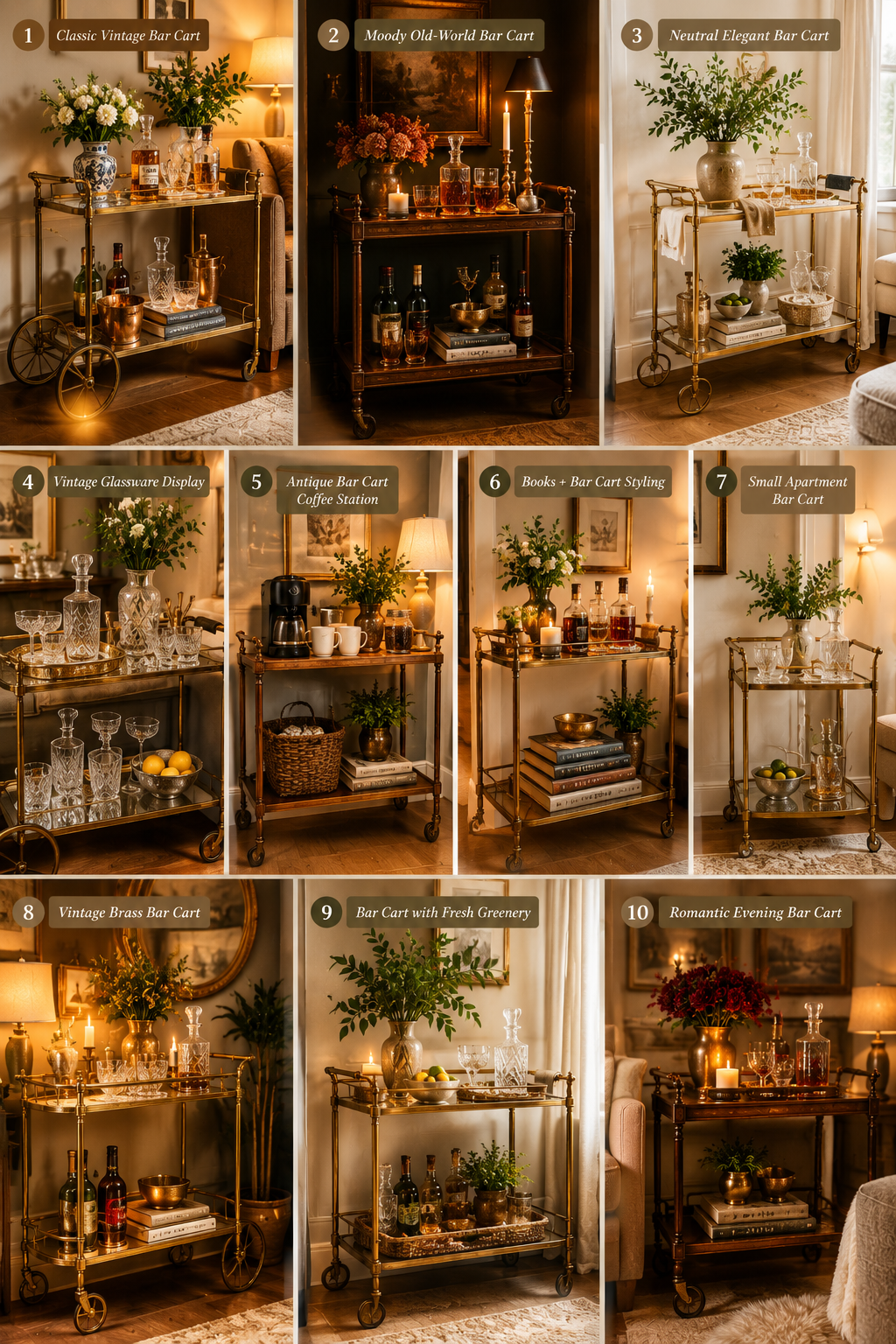
    An antique bar cart can be much more than a place to store bottles and glassware. With the right styling, it can become one of the most beautiful decorative features in a living room, dining room, kitchen, home office, or entertaining area. Its vintage character, warm finishes, elegant details, and old-world charm make it especially appealing for anyone who loves timeless interiors.
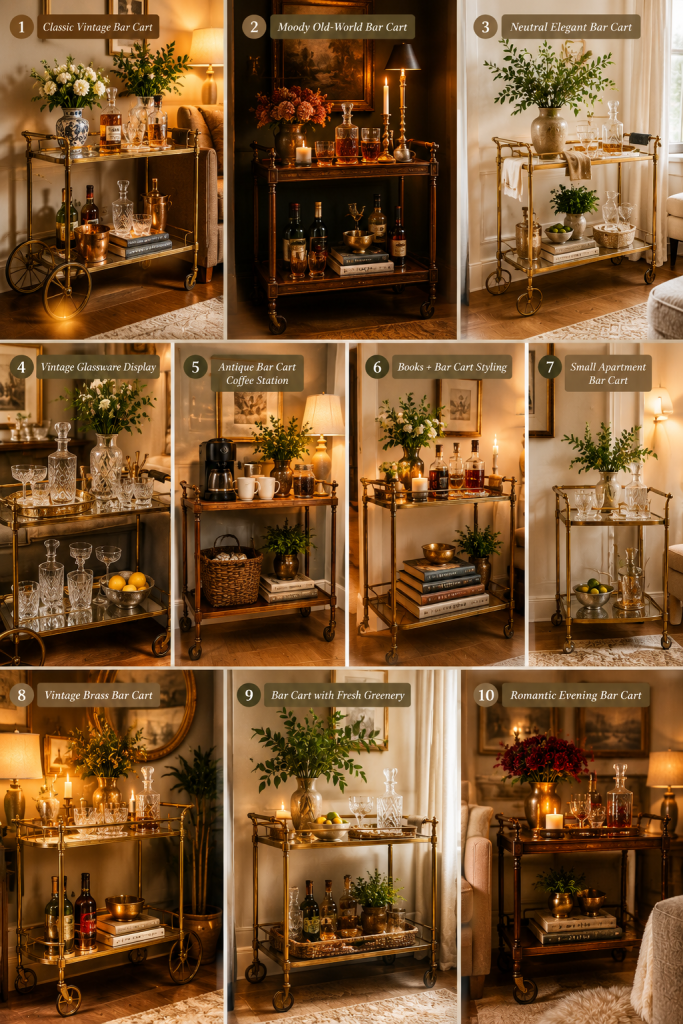
    Whether your bar cart is a genuine antique, a thrifted vintage find, or a modern piece designed to look old-fashioned, thoughtful styling can completely transform its appearance. The secret is to create a balance between beauty and function. A bar cart should look collected and sophisticated without appearing overcrowded.

    Antique-inspired interiors are especially beautiful when they combine different materials and textures. Brass, aged wood, glass, crystal, marble, ceramic, linen, and polished metal can work together to create a luxurious atmosphere. You can also introduce small decorative details such as vintage books, framed artwork, flowers, candles, trays, and miniature plants.

    One of the easiest ways to make an antique bar cart look expensive is to create visual layers. Instead of placing everything directly on one shelf, use trays, books, bowls, and stands to create different heights. Tall glassware can be positioned toward the back, while smaller decorative pieces can sit toward the front. This creates depth and makes the arrangement much more visually interesting.

    Color is equally important. You do not need dozens of colors to create an elegant vintage display. A restrained palette of antique brass, amber, cream, brown, black, clear glass, and muted green can make the cart feel sophisticated. If your cart has a warm wooden finish, earthy colors can enhance its character. If it has a brass or gold finish, cream and glass accessories can make it feel brighter and more luxurious.

    You can also style an antique bar cart even if you do not want to use it for alcohol. This is particularly useful for homes where the cart is primarily decorative. It can become a coffee station, tea station, dessert cart, plant display, book cart, or seasonal decorating feature.

    The most important rule is to make the cart feel connected to the rest of your home. Its colors, materials, and decorative style should complement the surrounding furniture rather than look like an isolated object.

    Below are ten beautiful antique bar cart decorating ideas that can help you create a display that feels elegant, warm, practical, and timeless.

    1. Classic Brass Antique Bar Cart

    A classic brass bar cart is one of the easiest pieces to style because its warm metallic finish naturally creates an elegant focal point. Brass has a timeless quality that works beautifully with vintage, traditional, transitional, and even modern interiors.

    The key is to avoid making the cart look like a crowded collection of objects. Instead, select a few beautiful pieces and arrange them carefully.

    Materials and Things You Need

    • Brass or brass-finish antique bar cart
    • Glass decanter
    • Crystal or vintage-style glasses
    • Decorative tray
    • Small ceramic bowl
    • Vintage book
    • Small vase
    • Fresh or dried flowers
    • Candle

    Step-by-Step Styling

    Begin by placing a decorative tray on the lower shelf or upper surface of the cart. A tray helps visually group smaller objects and prevents the arrangement from looking scattered.

    Place the largest item toward the back. A glass decanter works beautifully because it provides height and catches the light.

    Arrange several glasses beside it. Avoid lining every glass up perfectly. A slightly relaxed arrangement feels more natural.

    Add a small stack of vintage books underneath a decorative object to introduce height.

    Place a small vase with flowers on the opposite side.

    Finish with one candle or small ceramic accessory.

    How to Make It Look Expensive

    Keep the color palette restrained. Clear glass, brass, cream, amber, and natural brown create a luxurious vintage appearance.

    If the cart already has a strong brass finish, avoid adding too many gold accessories. Let the cart itself provide most of the metallic detail.

    This approach works especially well when the bar cart is positioned against a neutral wall or near a classic piece of artwork.

    2. Vintage Cocktail-Inspired Bar Cart

    For a more authentic old-world atmosphere, create a bar cart inspired by classic cocktail lounges.

    This style works particularly well with dark wood, antique brass, crystal glassware, and vintage accessories.

    Materials and Things You Need

    • Dark wood or brass bar cart
    • Vintage-style cocktail shaker
    • Crystal glasses
    • Glass decanter
    • Small serving tray
    • Cocktail spoon
    • Vintage books
    • Framed artwork
    • Small lamp or candle

    Styling Steps

    Start with the cocktail shaker and decanter as your main functional pieces.

    Place the shaker toward one side of the upper shelf.

    Position the decanter toward the opposite side to create visual balance.

    Arrange two or three glasses between them.

    Add a stack of vintage books underneath one decorative item.

    Place a small framed artwork or vintage-inspired print behind the cart if the wall allows.

    Create an Old-World Feeling

    Choose accessories that appear slightly aged rather than perfectly new.

    Amber-colored glass, antique brass, dark wood, and crystal details work particularly well.

    Do not fill every section of the cart.

    A little empty space makes the display feel more sophisticated.

    This style is especially beautiful in a library, dining room, formal living room, or cozy entertaining area.

    3. Antique Bar Cart as a Coffee Station
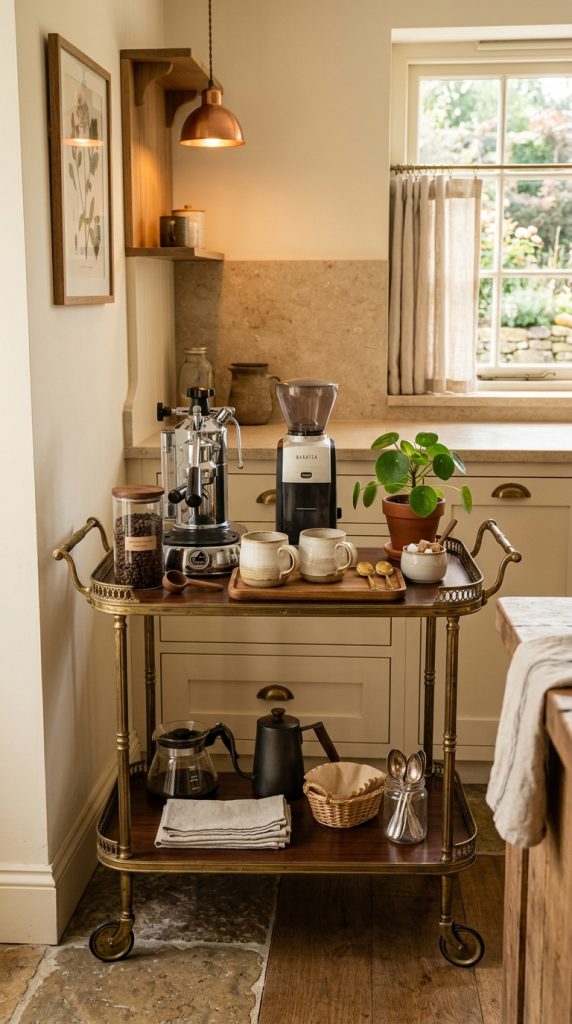
    You do not need to use an antique bar cart for cocktails. Transforming it into a coffee station is an excellent way to make the piece useful every day.

    The vintage structure of the cart can create a charming contrast with modern coffee equipment.

    Materials and Things You Need

    • Antique bar cart
    • Coffee maker
    • Ceramic mugs
    • Coffee canister
    • Wooden tray
    • Sugar bowl
    • Small spoon
    • Coffee beans
    • Small plant

    How to Arrange It

    Place the coffee machine toward the back of the upper shelf if the cart is large and stable enough.

    Put mugs on one side.

    Use a beautiful ceramic or glass container for coffee beans.

    Add a small bowl for sugar or other coffee additions.

    Place spoons inside a small ceramic container.

    Use the lower shelf for additional mugs, coffee supplies, napkins, or decorative baskets.

    Add Vintage Character

    Choose ceramic mugs with slightly traditional shapes.

    A wooden tray can soften the metallic appearance of the cart.

    A small plant or vase can add freshness.

    For a particularly beautiful display, use cream ceramics, warm wood, clear glass, and brass accessories.

    This creates a coffee station that feels functional but also looks like part of the room’s dรฉcor.

    4. Romantic Floral Antique Bar Cart

    Flowers can completely change the personality of an antique bar cart.

    A floral arrangement introduces softness and color against hard materials such as brass, glass, or dark wood.

    Materials and Things You Need

    • Antique bar cart
    • Vintage vase
    • Fresh or dried flowers
    • Glassware
    • Decorative tray
    • Candle
    • Small ceramic object
    • Vintage book

    Styling Steps

    Choose a beautiful vase as your main focal point.

    Fill it with flowers that complement the colors already present in your room.

    For a soft romantic appearance, use cream, dusty rose, muted peach, or pale lavender flowers.

    For an autumn-inspired arrangement, choose dried grasses, rust-colored foliage, and warm brown stems.

    Place the vase toward one side of the cart.

    Balance it with a decanter or stack of books on the opposite side.

    Add a few glasses in front.

    Finish with one candle.

    Keep It Elegant

    Avoid using a massive floral arrangement that hides the cart.

    The cart itself should remain visible.

    If the cart has beautiful brass detailing or curved handles, make sure your decorations do not cover those features.

    The result should feel romantic, vintage, and collected rather than overly formal.

    5. Moody Dark Antique Bar Cart
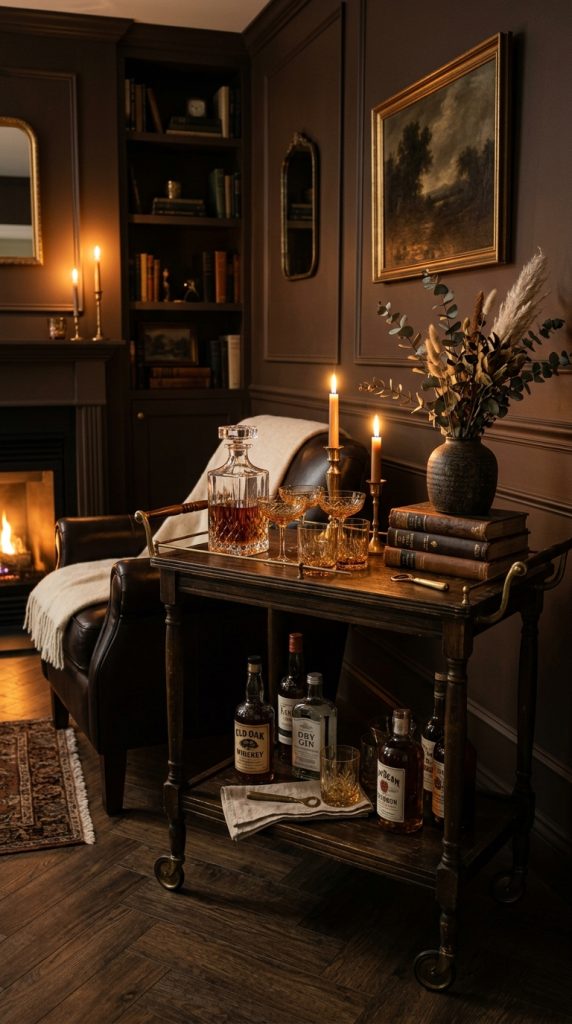
    A dark, dramatic bar cart can create a sophisticated atmosphere, especially in rooms with deep wood furniture or darker wall colors.

    This approach is ideal for creating a cozy evening interior.

    Materials and Things You Need

    • Dark wood bar cart
    • Amber glassware
    • Brass accessories
    • Dark ceramic vase
    • Vintage books
    • Candleholders
    • Dried branches
    • Decorative tray

    Step-by-Step Styling

    Begin with a dark or antique wooden tray.

    Place an amber glass decanter toward the back.

    Add brass candleholders nearby.

    Arrange dark or clear glasses in front.

    Use a small ceramic vase with dried branches to add height.

    Place a few vintage books on the lower shelf.

    Add one or two candles.

    Color Palette

    Use:

    • Espresso brown
    • Black
    • Antique brass
    • Amber
    • Cream
    • Deep green

    These colors create a rich and intimate atmosphere.

    Important Styling Tip

    Dark interiors need contrast.

    Add a few cream or clear glass pieces so the cart does not disappear into the surrounding dรฉcor.

    Warm lighting is particularly important with this style. Soft lamp light or candlelight can make the brass and amber glass glow beautifully.

    6. Minimalist Antique Bar Cart
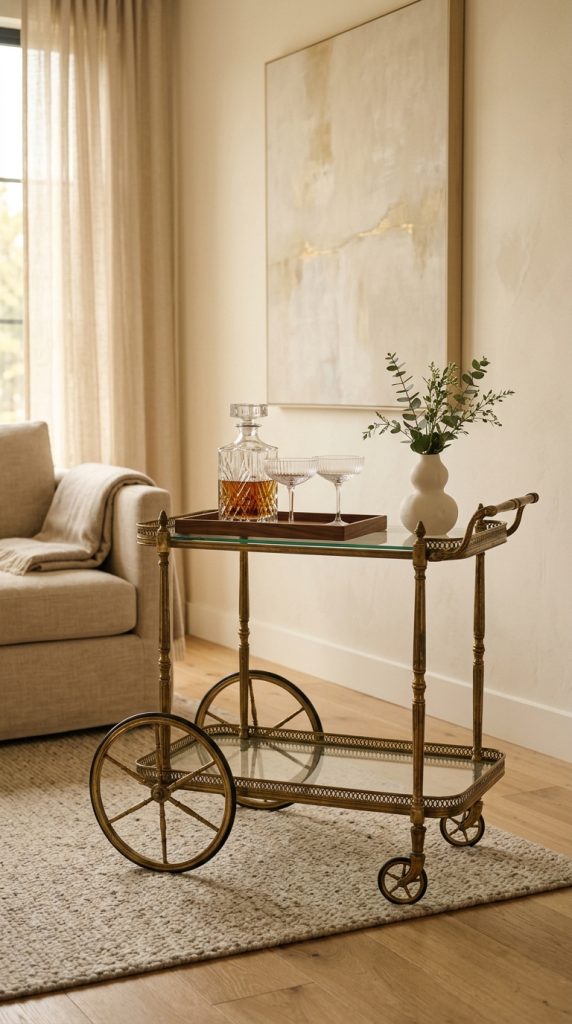
    If you prefer minimalist dรฉcor, you can still enjoy the character of an antique bar cart.

    The trick is to let the furniture itself become the decoration.

    Instead of filling the cart with accessories, choose only a few carefully selected pieces.

    Materials and Things You Need

    • Antique bar cart
    • One glass decanter
    • Two or three glasses
    • Ceramic vase
    • One small floral arrangement
    • Simple tray

    How to Style It

    Place the decanter toward the back.

    Arrange two or three glasses beside it.

    Add a small vase on the opposite side.

    Place a simple tray underneath one grouping.

    Leave plenty of empty space.

    Why This Works

    Antique furniture often has beautiful craftsmanship.

    Decorative rails, wheels, brass edges, carved wood, and aged finishes can provide enough visual interest on their own.

    Adding too many accessories can hide those details.

    Minimalist antique styling is particularly useful in modern homes where you want vintage character without creating a heavily traditional appearance.

    Use cream, clear glass, warm wood, brass, and soft beige for a clean but timeless result.

    7. Antique Bar Cart With Books and Collectibles

    An antique bar cart can also function as a miniature display cabinet for books and meaningful objects.

    This is perfect if you want your cart to feel personal rather than purely decorative.

    Materials and Things You Need

    • Antique bar cart
    • Vintage books
    • Small framed photograph
    • Decorative box
    • Ceramic object
    • Glassware
    • Brass accessory
    • Small plant

    Styling Steps

    Place several books on the lower shelf.

    Stack them horizontally rather than standing every book vertically.

    Place a small decorative object on top of the stack.

    On the upper shelf, add a few functional pieces such as glasses and a decanter.

    Include one personal collectible, framed photograph, or travel souvenir.

    Add a small plant or vase for freshness.

    Make It Feel Collected

    Do not use objects that all look brand new.

    Mixing old and new pieces creates the feeling that the bar cart has evolved over time.

    A vintage book next to a modern ceramic vase can look particularly sophisticated.

    Choose objects that have different heights and textures.

    This prevents the arrangement from appearing flat.

    8. Small Antique Bar Cart for Apartment Living
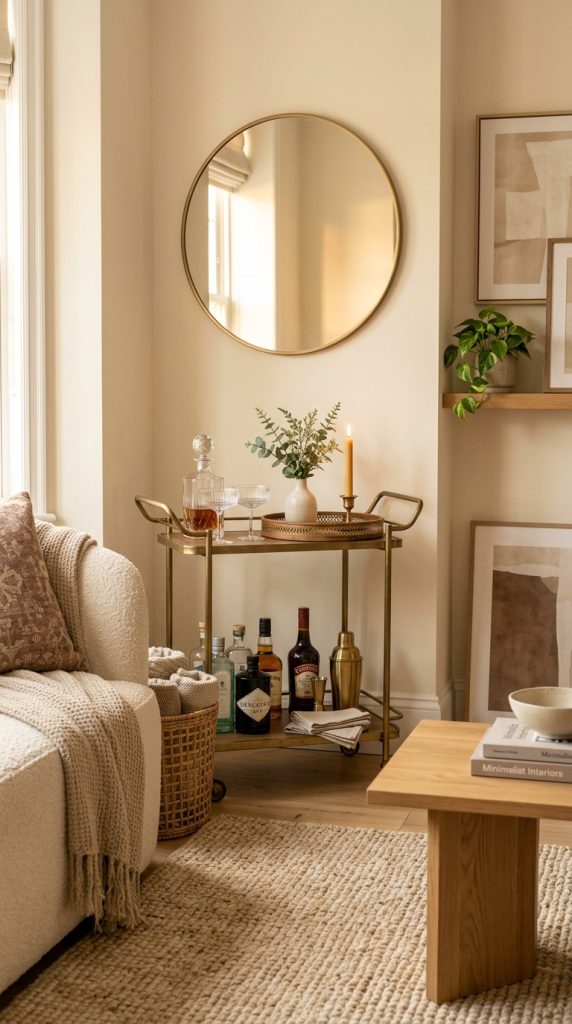
    A small antique bar cart can be an excellent decorating solution for apartments and compact homes.

    Because it is mobile and relatively narrow, it can provide storage without requiring a large piece of furniture.

    Materials and Things You Need

    • Compact bar cart
    • Small tray
    • Two or three glasses
    • Mini decanter
    • Small vase
    • Candle
    • Compact basket

    How to Style It

    Keep the upper shelf relatively simple.

    Place a small tray in the center.

    Add a miniature vase with greenery.

    Position a small decanter and a few glasses beside it.

    Use the lower shelf for additional supplies.

    A compact basket can hide less attractive objects.

    Placement Ideas

    You can place the cart:

    • Beside a dining table
    • Near a sofa
    • In an unused corner
    • Beside a kitchen cabinet
    • Near a reading chair

    Because it can be moved, it is also useful when entertaining guests.

    Make a Small Cart Look Bigger

    Use clear glass and light colors.

    Avoid oversized accessories.

    Keep the surrounding floor area uncluttered.

    A mirror placed behind the cart can also make the arrangement feel more visually significant.

    9. Seasonal Antique Bar Cart Decor

    One of the most versatile things about an antique bar cart is that you can redecorate it throughout the year.

    Instead of keeping exactly the same arrangement, introduce seasonal details.

    Spring

    Use:

    • Fresh flowers
    • Soft green leaves
    • Cream ceramics
    • Light-colored glassware

    Summer

    Try:

    • Citrus-inspired colors
    • Greenery
    • Light wood
    • Clear glass
    • Fresh flowers

    Fall

    Use:

    • Mini pumpkins
    • Dried leaves
    • Amber glass
    • Rust-colored flowers
    • Wooden bowls

    Winter

    Try:

    • Evergreen branches
    • Pinecones
    • Warm candles
    • Brass accessories
    • Deep green accents

    Styling Rule

    Do not completely cover the cart with seasonal dรฉcor.

    Keep its original character visible.

    For example, during autumn, a few small pumpkins and dried branches can be enough.

    During winter, a simple evergreen arrangement and warm candleholders can transform the cart without making it look like a holiday display.

    This approach allows one antique bar cart to become a changing decorative feature throughout the year.

    10. Luxurious Antique Bar Cart Styling

    For a truly elegant appearance, combine antique details with sophisticated materials.

    This style is perfect for formal dining rooms, elegant living rooms, home libraries, and entertaining spaces.

    Materials and Things You Need

    • Antique brass or dark wood bar cart
    • Crystal decanter
    • Crystal glasses
    • Brass tray
    • Marble accessory
    • Vintage books
    • Ceramic vase
    • Fresh flowers
    • Candleholders

    How to Create the Look

    Begin with a beautiful brass or marble tray.

    Place the decanter toward the back.

    Arrange crystal glasses beside it.

    Add a stack of vintage books on the lower shelf.

    Place a small marble or ceramic accessory on the books.

    Add a floral arrangement to the opposite side.

    Finish with brass candleholders.

    The Luxury Formula

    The combination of:

    Crystal + brass + marble + wood + flowers

    creates a sophisticated appearance without requiring excessive decoration.

    Keep the palette restrained.

    Cream, antique gold, dark brown, clear glass, and muted greenery are enough.

    Lighting Matters

    Place the bar cart somewhere that receives warm ambient lighting.

    A nearby table lamp, wall sconce, or soft overhead light can highlight the reflective surfaces.

    When the light catches crystal and brass, the cart becomes a beautiful evening focal point.

    How to Choose the Right Antique Bar Cart

    Before decorating, consider the style and finish of your cart.

    Brass

    Brass creates warmth and works beautifully with traditional and glamorous interiors.

    Wood

    Wood creates a more rustic and collected appearance.

    Dark Wood

    Dark wood is ideal for moody, vintage, traditional, and library-inspired spaces.

    Glass

    Glass shelves make the cart feel lighter and work especially well in smaller rooms.

    Mixed Materials

    Wood combined with brass or glass can create a particularly timeless appearance.

    Choose a cart that complements your existing furniture instead of trying to make it completely different from everything else.

    How to Make an Antique Bar Cart Look Expensive

    You do not need expensive accessories to create an elegant display.

    Focus on a few principles.

    Use Fewer Objects

    A crowded cart can look inexpensive.

    Choose fewer, better-looking pieces.

    Add Height

    Use vases, decanters, books, and candleholders to create layers.

    Mix Textures

    Combine glass, brass, wood, ceramic, marble, and textiles.

    Use a Tray

    A tray instantly makes small objects look more organized.

    Add Something Organic

    Flowers, greenery, dried branches, or seasonal foliage can soften hard materials.

    Repeat Colors

    If your cart has brass details, repeat brass somewhere else in the room.

    If you use amber glass on the cart, introduce a warm brown or caramel accent nearby.

    This creates visual connection.

    How to Decorate an Antique Bar Cart Without Alcohol

    An antique bar cart does not have to function as a traditional drinks station.

    You can use it as:

    • Coffee station
    • Tea station
    • Dessert display
    • Plant stand
    • Book display
    • Candle display
    • Seasonal decoration
    • Dining-room storage
    • Decorative serving station

    For a coffee station, use mugs, coffee containers, spoons, and a small plant.

    For a dessert cart, add cake stands, ceramic plates, napkins, and decorative bowls.

    For a plant display, use several small plants at different heights.

    This flexibility makes antique bar carts especially useful in modern homes.

    Final Thoughts

    An antique bar cart can bring personality, history, and elegance into almost any room.

    The most beautiful arrangements are not necessarily the most elaborate. They are carefully balanced displays where every object contributes something to the overall design.

    Start with the bar cart itself.

    Look at its finish, shape, hardware, shelves, and vintage details.

    Then choose accessories that enhance rather than hide those characteristics.

    Use glassware for sparkle, brass for warmth, wood for texture, ceramics for softness, books for personality, and flowers or greenery for natural beauty.

    Remember that your bar cart does not have to remain permanently styled in one way. Change it with the seasons, refresh the flowers, replace accessories, or transform it into a coffee station when you want something different.

    For a classic look, keep the palette simple with brass, glass, cream, brown, and muted green.

    For a romantic appearance, introduce flowers and candlelight.

    For a moody atmosphere, combine dark wood, amber glass, brass, and warm lighting.

    For a modern home, keep the arrangement minimal and allow the antique furniture to provide most of the character.

    Most importantly, make the cart feel like it belongs in your home.

    An antique bar cart should not simply look like a collection of beautiful objects. It should feel useful, intentional, personal, and connected to the room around it.

    With thoughtful styling, even a small vintage cart can become a memorable focal point that makes your home feel warmer, more sophisticated, and full of character.

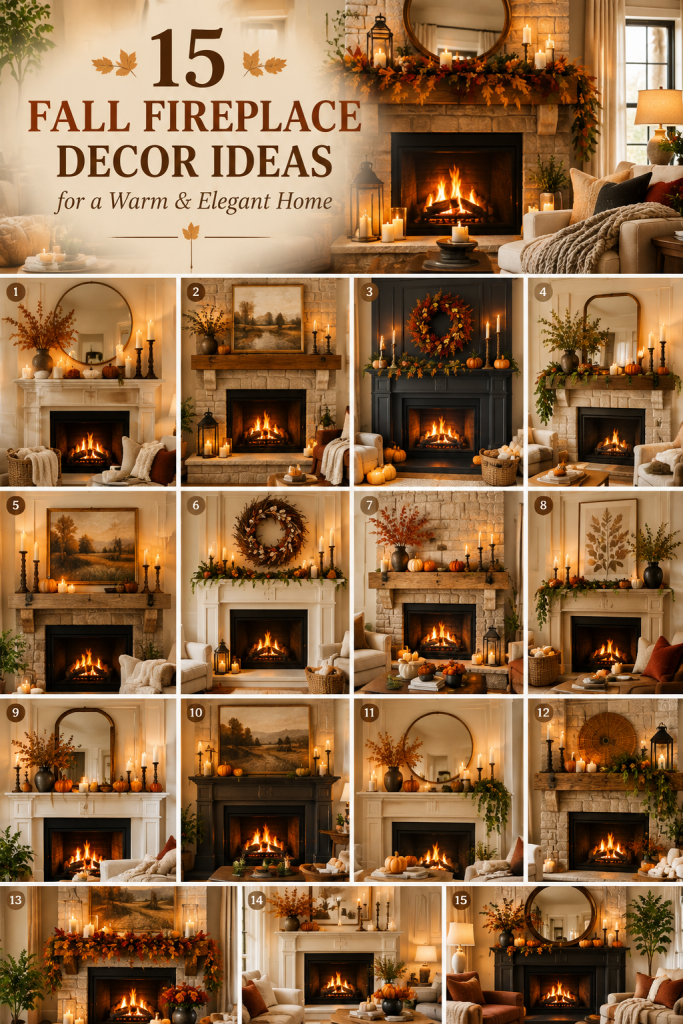
  • 15 Fall Fireplace Decor Ideas for a Warm & Elegant Home

    15 Fall Fireplace Decor Ideas for a Warm & Elegant Home

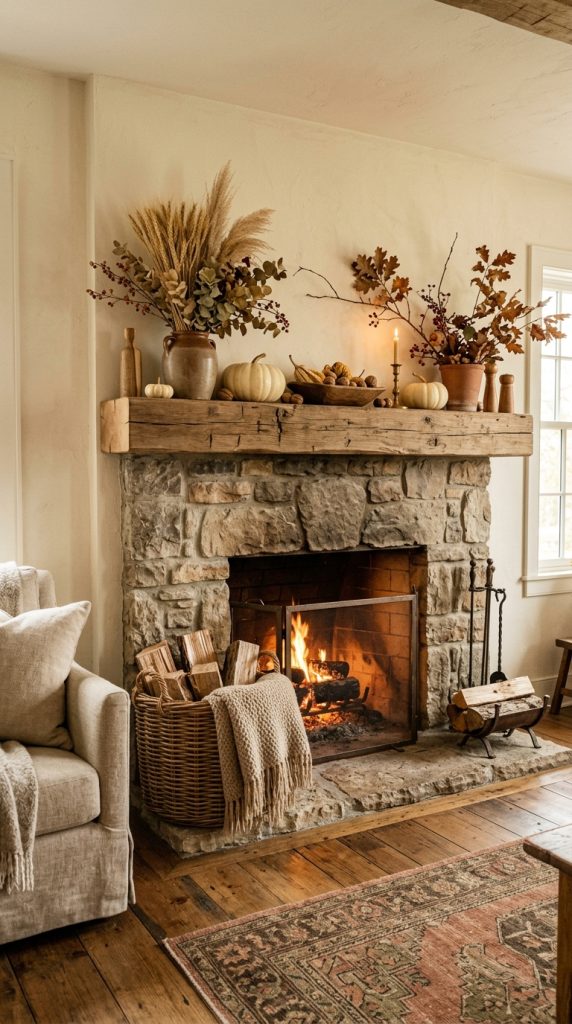
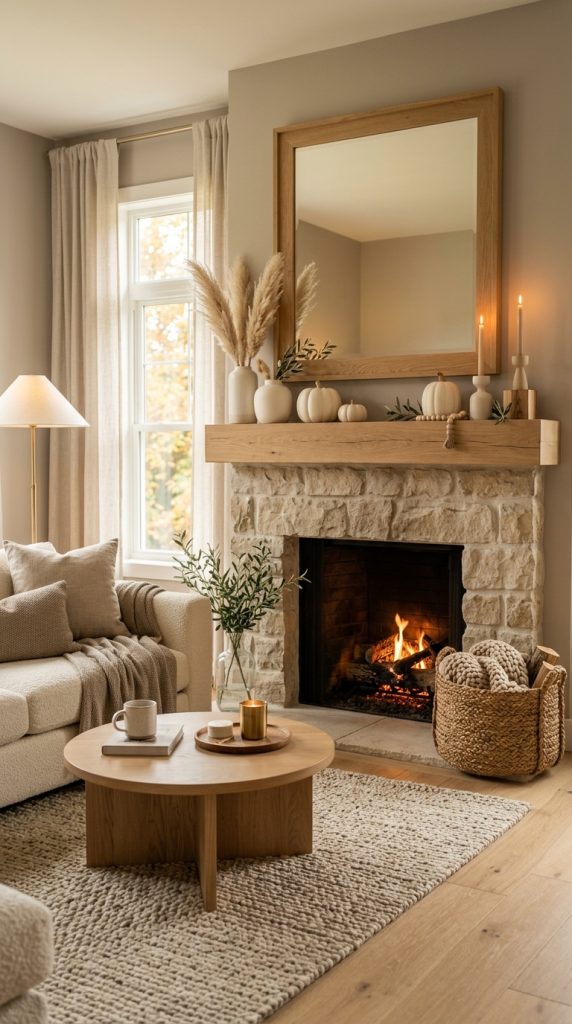
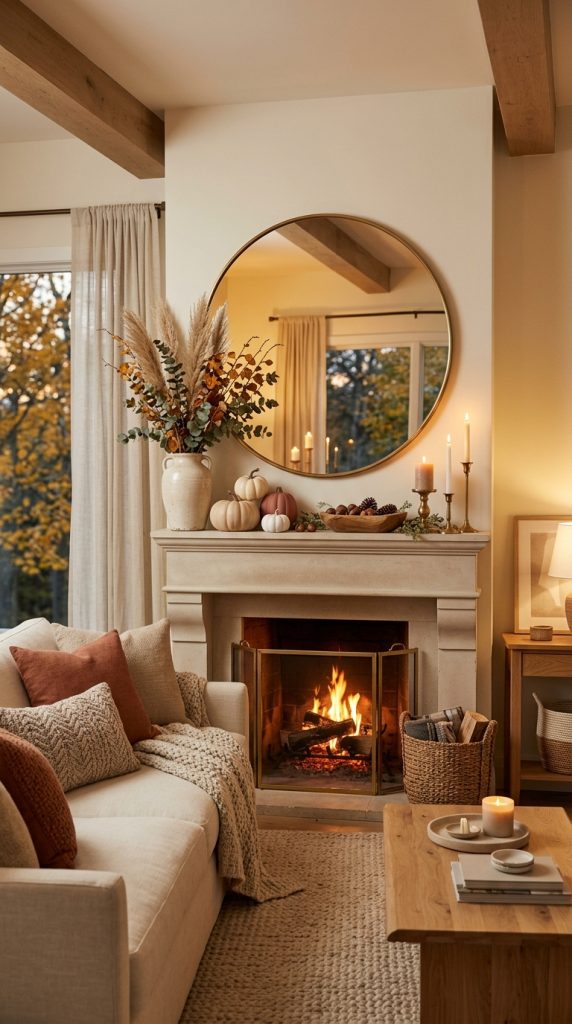
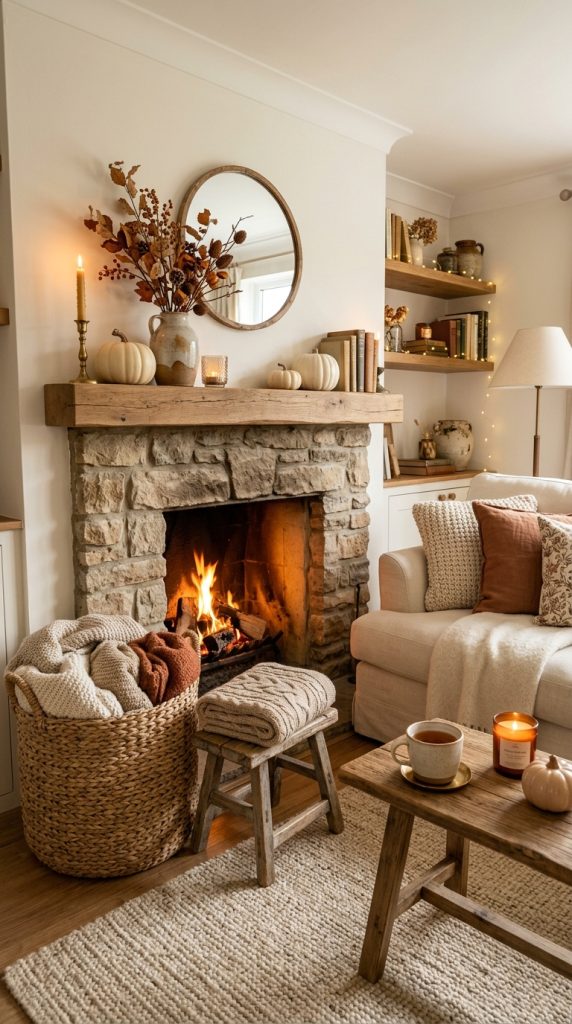
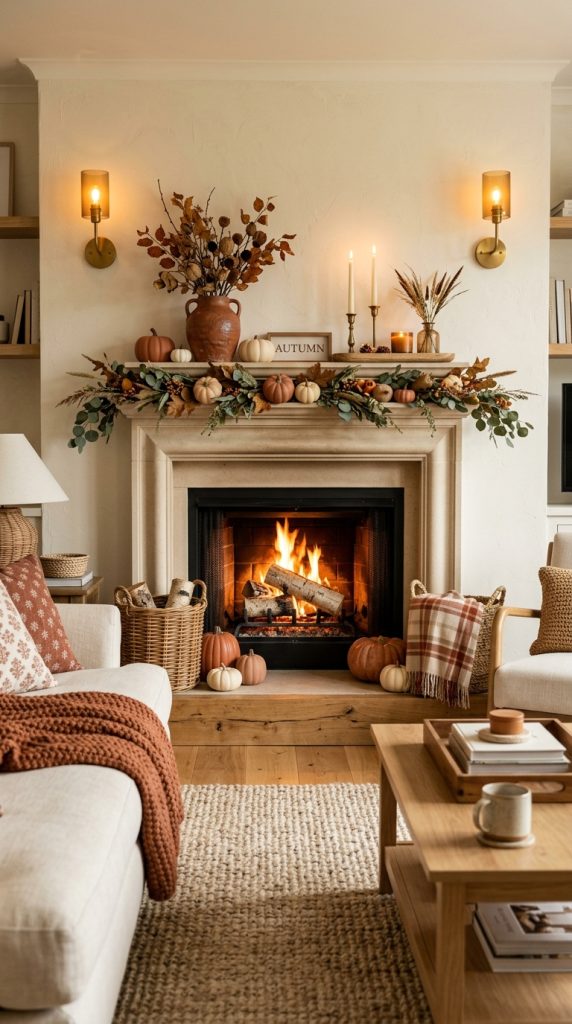
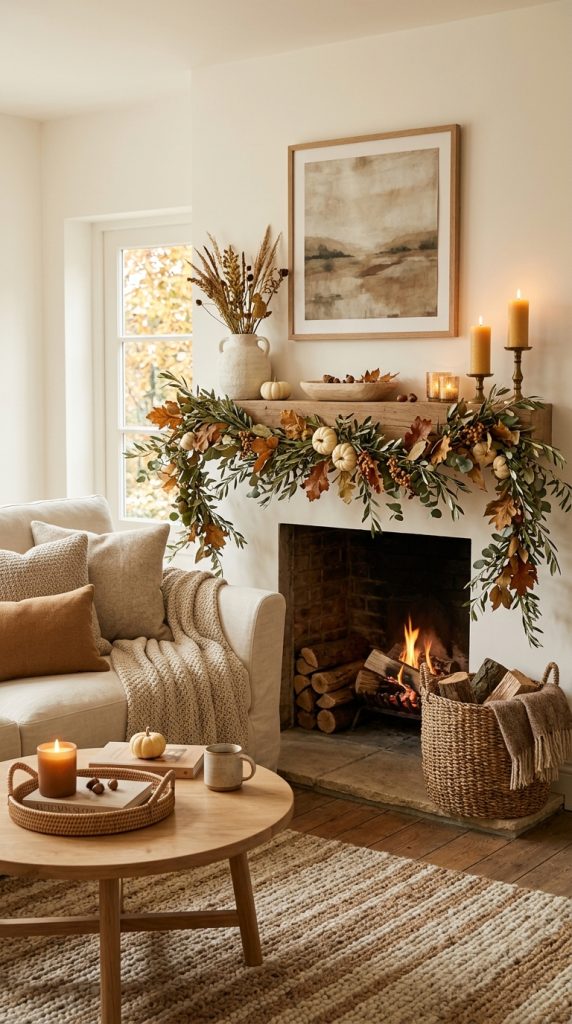
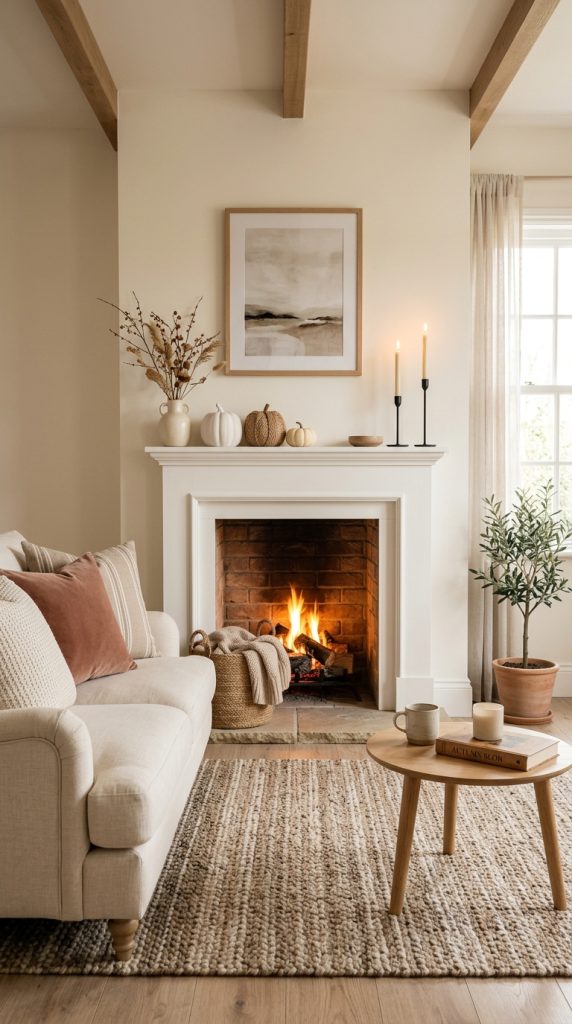
    When autumn arrives, the fireplace naturally becomes one of the most inviting areas in the home. The changing season brings cooler evenings, golden leaves, warm drinks, cozy blankets, and a desire to make our homes feel more comfortable. A fireplace provides the perfect focal point for creating that atmosphere, but decorating it beautifully requires more than simply placing a few pumpkins on the mantel.

    The most elegant fall fireplace dรฉcor combines seasonal warmth with timeless interior design. Instead of covering the mantel with too many decorations, you can create a balanced arrangement using pumpkins, candles, dried foliage, wooden accessories, ceramics, woven textures, books, mirrors, and soft lighting. The goal is to make the fireplace feel distinctly autumnal without making the room look overly themed.

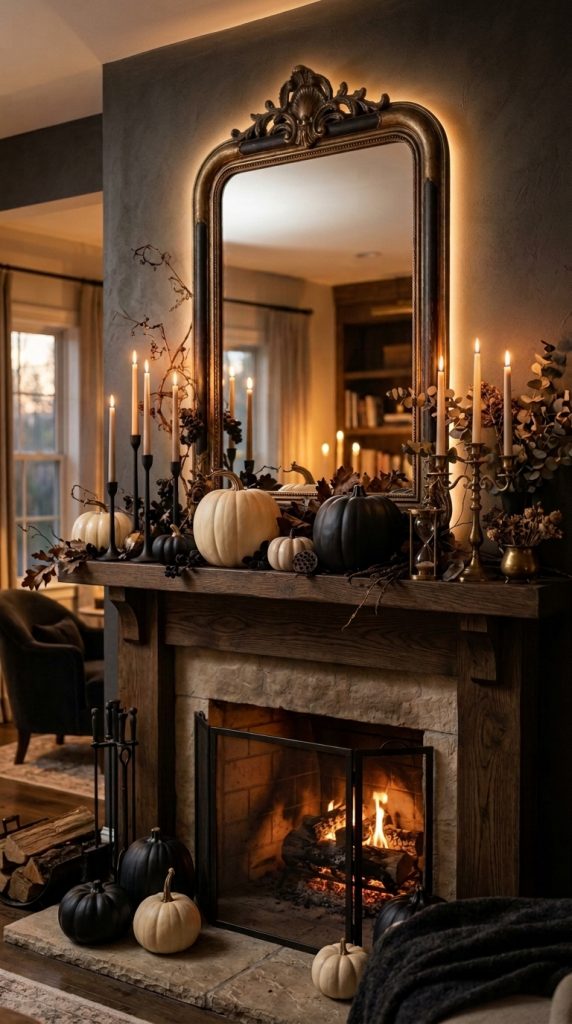
    A beautifully decorated fireplace can completely change the feeling of a living room. Even a simple fireplace can become a sophisticated focal point when the colors, textures, scale, and placement of the decorations are carefully considered.

    For a warm and elegant look, consider using a restrained autumn color palette. Cream, beige, caramel, warm brown, muted olive, terracotta, rust, amber, and natural wood work particularly well together. These colors bring the feeling of fall into the room while remaining sophisticated enough to complement existing furniture.

    You also do not need expensive decorations. Some of the most beautiful fireplace arrangements can be created with inexpensive pumpkins, branches collected from outdoors, thrifted ceramic vessels, woven baskets, candles, books, and textiles you already own.

    Another important element is layering. A mantel can look flat when every object is placed at exactly the same height. Instead, combine tall branches, medium-sized pumpkins, small candles, and low decorative objects. This creates depth and visual movement.

    Lighting is equally important. Warm lamps, candles, fireplace light, and subtle accent lighting can make autumn decorations feel much richer in the evening. Avoid harsh white lighting when creating a cozy seasonal atmosphere. Soft golden illumination enhances natural wood, dried leaves, ceramics, and warm textiles beautifully.

    The ideas below are designed for different decorating styles, from modern and minimalist to rustic farmhouse, vintage, organic, and luxurious. Whether your fireplace is large or small, traditional or contemporary, you can adapt these ideas to suit your space.

    1. Layered Pumpkin Fireplace Mantel

    One of the easiest ways to create an elegant autumn fireplace is to decorate the mantel with a carefully layered pumpkin arrangement.

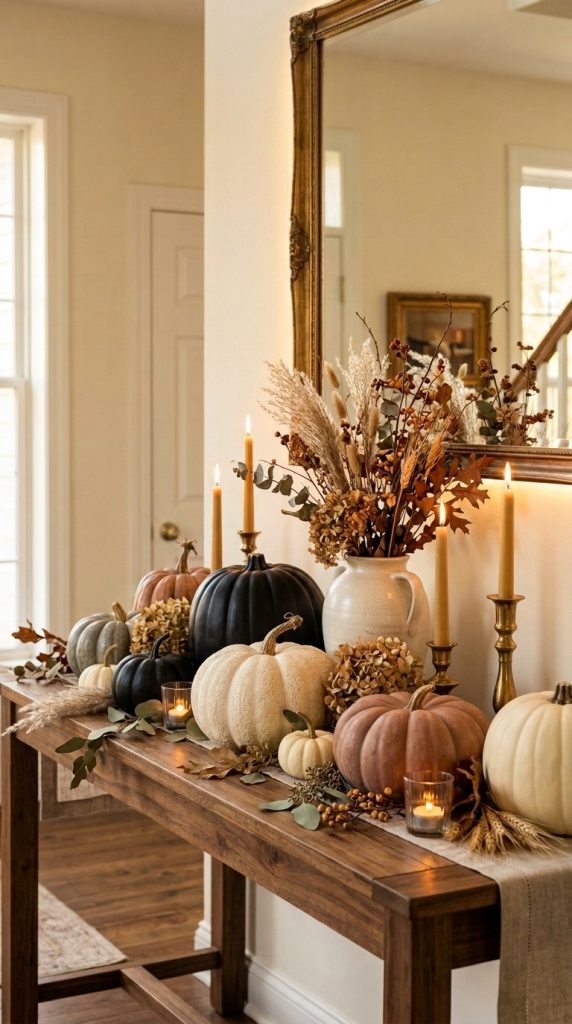
    Pumpkins are one of the strongest visual symbols of fall, but using too many can make the mantel look crowded. Instead, choose pumpkins in different sizes, shapes, and neutral autumn colors.

    Cream, ivory, muted orange, soft terracotta, sage green, and warm brown pumpkins create a sophisticated palette.

    What You Need

    • Small cream pumpkins
    • Medium neutral pumpkins
    • One or two muted orange pumpkins
    • Ceramic vase
    • Dried branches
    • Candles
    • Wooden tray
    • Small decorative bowl

    How to Style It

    Begin by placing one taller object slightly off-center. A large ceramic vase filled with dried branches works beautifully.

    Next, add a medium-sized pumpkin near the vase.

    Place smaller pumpkins around the larger pieces.

    Create small groups instead of spreading every pumpkin evenly across the mantel.

    Add two or three candles between the pumpkins.

    If the mantel feels too symmetrical, move one object slightly to the side.

    Why It Works

    Different heights create visual interest.

    The tall branches draw the eye upward, while the pumpkins create a grounded seasonal layer.

    Keep some empty space between the groups so the mantel still feels elegant.

    For an especially sophisticated look, use mostly cream and neutral pumpkins with just a few muted orange accents.

    2. Elegant Fall Fireplace With Candles

    Candles can instantly make a fireplace feel warmer and more romantic.

    This idea is particularly beautiful for evening interiors because candlelight creates gentle shadows and highlights the texture of autumn decorations.

    Instead of using candles everywhere, create a few carefully arranged clusters.

    What You Need

    • Pillar candles
    • Taper candles
    • Glass candle holders
    • Ceramic candleholders
    • Small pumpkins
    • Dried foliage
    • Wooden tray

    How to Arrange Them

    Start with the largest candle near one side of the mantel.

    Add smaller candles beside it.

    Use different heights to create a natural layered effect.

    Place a small pumpkin or ceramic object between the candle groups.

    Add dried branches behind the arrangement for height.

    Keep candles away from flammable foliage and textiles, and use flameless candles where appropriate.

    Create Warmth

    Choose candles with warm ivory, cream, amber, or soft brown containers.

    Avoid too many competing scents if you are using scented candles.

    The goal is to create a visual feeling of warmth as much as an actual glow.

    In the evening, combine candlelight with soft room lighting for a beautiful autumn atmosphere.

    3. Rustic Wood and Dried Foliage Fireplace

    For a natural autumn look, combine wood and dried foliage around the fireplace.

    This style works particularly well in farmhouse, rustic, cottage, and organic modern homes.

    The beauty comes from natural textures rather than excessive decoration.

    What You Need

    • Natural wood logs
    • Wooden bowl
    • Dried branches
    • Dried grasses
    • Woven basket
    • Neutral pumpkins
    • Ceramic vase
    • Linen textile

    Styling Steps

    Place a large woven basket beside the fireplace and fill it with decorative logs or folded blankets.

    On the mantel, use a simple ceramic vase filled with dried branches.

    Add a wooden bowl containing a few small pumpkins.

    Place dried grasses around the main arrangement.

    Keep the color palette earthy and muted.

    The Key to Elegance

    Do not use too many rustic accessories at once.

    One woven basket, a few wooden elements, and dried foliage are usually enough.

    Combining rustic textures with clean modern furniture can make the room feel sophisticated rather than overly farmhouse-inspired.

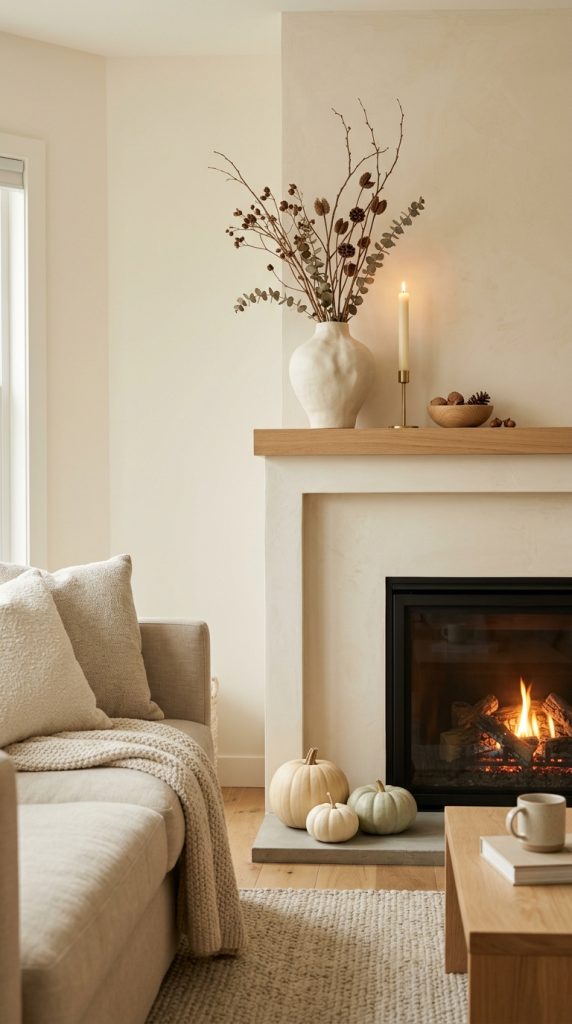
    4. Neutral Fall Fireplace Decor

    Neutral autumn decorating is perfect if you prefer a calm and minimalist interior.

    Instead of traditional bright orange decorations, use cream, beige, taupe, warm white, soft brown, and natural wood.

    What You Need

    • White or cream pumpkins
    • Beige ceramic vase
    • Dried pampas grass
    • Neutral candles
    • Wooden beads
    • Woven basket
    • Soft beige blanket

    How to Create the Look

    Begin with a large neutral vase.

    Add tall dried branches or grasses.

    Arrange cream pumpkins in groups of three or five.

    Add a few beige candles.

    Place a woven basket beside the fireplace containing a soft throw.

    Keep the mantel relatively open.

    Why Neutral Fall Dรฉcor Works

    Neutral colors allow the natural textures of autumn to become the focal point.

    The dried grasses, wood grain, woven materials, and pumpkins provide visual warmth without introducing strong colors.

    This style is especially effective in modern homes with white walls and neutral furniture.

    5. Vintage-Inspired Fall Mantel

    A vintage-inspired fireplace can create a charming old-world autumn atmosphere.

    This look works beautifully with antique mirrors, brass accessories, old books, traditional ceramics, and aged wood.

    What You Need

    • Vintage mirror
    • Antique-style candlesticks
    • Old books
    • Brass accessories
    • Ceramic vase
    • Dried flowers
    • Small pumpkins
    • Vintage frame

    Styling Steps

    Place a vintage mirror above the fireplace.

    Arrange two candlesticks on opposite sides of the mantel.

    Stack several old-looking books near one side.

    Place a ceramic vase on top of the books.

    Add small cream or muted orange pumpkins.

    Finish with dried flowers or branches.

    Keep It Sophisticated

    Avoid turning the mantel into a collection of unrelated antique objects.

    Choose a limited color palette.

    Warm brass, cream, brown, muted green, and faded terracotta work particularly well.

    The result should feel collected over time rather than deliberately themed.

    6. Organic Modern Fall Fireplace

    Organic modern dรฉcor combines contemporary simplicity with natural materials.

    For autumn, this style can create one of the most elegant fireplace arrangements.

    What You Need

    • Natural wood bowl
    • Stone or ceramic vase
    • Cream pumpkins
    • Olive branches
    • Dried foliage
    • Woven basket
    • Neutral throw
    • Minimal candleholders

    How to Style It

    Start with one large sculptural vase.

    Fill it with olive branches mixed with a few dried autumn stems.

    Add a natural wood bowl with several small pumpkins.

    Place one or two simple candles nearby.

    Beside the fireplace, add a woven basket containing a neutral throw.

    Color Palette

    Use:

    • Cream
    • Sand
    • Beige
    • Natural wood
    • Muted olive
    • Warm brown
    • Soft terracotta

    Avoid bright seasonal colors.

    The objective is to make the fireplace feel connected to nature while maintaining a refined contemporary appearance.

    7. Fall Fireplace With a Large Mirror

    A large mirror can become the perfect focal point above a fireplace.

    It reflects light, adds height, and can make the room feel larger.

    What You Need

    • Large round or rectangular mirror
    • Neutral pumpkins
    • Ceramic vase
    • Candles
    • Dried branches
    • Wooden accessories

    Styling Steps

    Start by hanging or securely positioning a large mirror above the mantel.

    Choose a frame that complements your room.

    A natural wood frame creates warmth.

    A brass frame adds elegance.

    A black frame provides modern contrast.

    Place a tall vase slightly off-center beneath the mirror.

    Add pumpkins around it.

    Use candles to create small areas of warm illumination.

    Why Mirrors Work

    The mirror creates vertical focus without requiring a large amount of decoration.

    It also reflects the glow from lamps and candles.

    If your living room has limited natural light, this approach can make the fireplace area feel brighter and more open.

    8. Cozy Fireplace With Layered Blankets and Baskets

    Sometimes the most inviting autumn fireplace is created through textiles rather than traditional seasonal decorations.

    Blankets and baskets add immediate softness.

    What You Need

    • Large woven basket
    • Chunky knit blanket
    • Linen throw
    • Small neutral pillow
    • Wooden stool
    • Cream pumpkin
    • Ceramic vase

    How to Arrange It

    Place a large basket beside the fireplace.

    Fold two or three blankets loosely inside it.

    Choose different textures but keep the colors coordinated.

    Add a small wooden stool beside the basket.

    Place a folded throw on the stool.

    Decorate the mantel with a simple ceramic vase and a few neutral pumpkins.

    Make It Look Effortless

    Do not fold every blanket perfectly.

    A slightly relaxed arrangement creates a more natural feeling.

    Use cream, oatmeal, beige, camel, and warm brown textiles.

    This creates the feeling of a cozy autumn evening without relying heavily on seasonal decorations.

    9. Sophisticated Terracotta and Cream Fireplace

    Terracotta is one of the most beautiful colors for autumn decorating.

    When paired with cream and natural wood, it creates warmth without becoming overwhelming.

    What You Need

    • Terracotta pumpkins
    • Cream pumpkins
    • Terracotta ceramic vase
    • Cream candles
    • Natural wood tray
    • Dried branches
    • Beige textiles

    Styling Steps

    Place a terracotta vase on one side of the mantel.

    Add dried branches for height.

    Arrange cream pumpkins around the base.

    Add two or three terracotta accents.

    Use cream candles to balance the stronger color.

    Place a natural wood tray or bowl between the arrangements.

    Design Principle

    Let terracotta act as an accent rather than the dominant color.

    A good balance might be mostly cream and natural wood with smaller touches of terracotta.

    This makes the fireplace feel warm and autumnal while remaining sophisticated.

    10. Minimalist Fall Fireplace

    If your decorating style is minimalist, you do not need to fill the mantel with seasonal objects.

    A few carefully selected pieces can create a beautiful autumn look.

    What You Need

    • One large ceramic vase
    • Dried branch arrangement
    • Two or three pumpkins
    • One candle
    • Small wooden bowl

    How to Style It

    Start with the vase.

    Place it slightly off-center.

    Add a small cluster of pumpkins on the opposite side.

    Put one candle between the two areas.

    Add a small wooden bowl if there is enough space.

    Stop there.

    Why Less Works

    Minimalist dรฉcor depends on negative space.

    Leaving sections of the mantel empty allows each object to become more visually important.

    Choose objects with beautiful shapes and textures.

    A sculptural ceramic vase can have more impact than ten small decorative pieces.

    This approach is ideal for modern apartments and homes where visual simplicity is important.

    11. Elegant Fall Fireplace With Greenery

    Greenery can soften autumn colors and make the fireplace feel fresh.

    Instead of using only dried orange foliage, combine muted greenery with seasonal branches.

    What You Need

    • Olive branches
    • Eucalyptus
    • Dried leaves
    • Cream pumpkins
    • Ceramic vase
    • Wooden bowl
    • Warm candles

    How to Create It

    Place greenery in a tall ceramic vase.

    Allow some branches to extend naturally to one side.

    Add small cream pumpkins around the vase.

    Place a wooden bowl with dried leaves on the other side.

    Add warm candles between the elements.

    Keep the Greenery Natural

    Avoid creating a perfectly symmetrical arrangement.

    Allow branches to vary in height.

    This gives the fireplace a relaxed, organic appearance.

    Muted green works particularly well with cream, brown, terracotta, and natural wood.

    12. Farmhouse Fall Fireplace

    A farmhouse-inspired fireplace can be warm, welcoming, and timeless.

    The key is to use rustic materials while keeping the overall arrangement controlled.

    What You Need

    • Wooden sign or neutral artwork
    • Woven basket
    • White pumpkins
    • Small orange pumpkins
    • Galvanized or metal container
    • Dried wheat
    • Wooden lantern

    Styling Steps

    Place a simple piece of artwork above the mantel.

    Add a metal or ceramic container filled with dried wheat.

    Arrange white pumpkins along the mantel.

    Introduce a few small orange pumpkins for seasonal color.

    Place a woven basket beside the fireplace.

    Add a wooden lantern nearby.

    Avoid Overdoing the Theme

    You do not need farmhouse signs, pumpkins, lanterns, and rustic objects everywhere.

    Choose two or three farmhouse elements and allow the rest of the room to remain simple.

    This makes the dรฉcor feel more current and elegant.

    13. Luxurious Fall Fireplace Decor

    Fall dรฉcor can also feel luxurious.

    The secret is to focus on texture, scale, quality-looking materials, and restrained colors.

    What You Need

    • Large ceramic vase
    • Oversized dried branches
    • Brass candleholders
    • Cream pumpkins
    • Velvet throw
    • Decorative tray
    • Sculptural object

    How to Style It

    Start with one oversized vase.

    Fill it with tall branches that create dramatic height.

    Place large cream pumpkins around the vase.

    Add brass candleholders for subtle shine.

    Use a velvet throw in warm camel or chocolate brown near the fireplace.

    Place a sculptural object on the opposite side.

    Create Luxury Through Texture

    Luxury does not require everything to be metallic.

    Combine:

    Velvet + ceramic + brass + wood + natural foliage

    This combination creates depth.

    Keep the color palette restrained.

    Warm ivory, caramel, chocolate brown, brass, and muted olive create a particularly elegant autumn atmosphere.

    14. Small Fireplace Fall Decorating Idea

    A small fireplace does not need to be decorated with miniature versions of everything.

    Instead, choose a few pieces that create impact without overwhelming the space.

    What You Need

    • Small ceramic vase
    • Two or three small pumpkins
    • Slim candleholders
    • Small woven basket
    • Neutral throw
    • Dried branches

    How to Style It

    Use a slim vase with a few branches.

    Place two pumpkins beside it.

    Add one small candleholder.

    Keep the rest of the mantel clear.

    Beside the fireplace, place a compact woven basket with a folded blanket.

    Small-Space Rule

    When decorating a small fireplace, consider scale carefully.

    Oversized decorations can make the area feel crowded.

    Choose slender objects and leave enough breathing room.

    A simple arrangement can actually make a small fireplace feel more elegant than a heavily decorated one.

    15. Cozy Evening Fall Fireplace

    For the ultimate autumn atmosphere, design the fireplace specifically for evening relaxation.

    Think warm lighting, soft textures, natural materials, and comfortable seating.

    What You Need

    • Cream throw blankets
    • Woven baskets
    • Pillows
    • Candles or safe flameless alternatives
    • Neutral pumpkins
    • Wooden tray
    • Ceramic vase
    • Warm accent lamp

    Create the Atmosphere

    Begin with the fireplace as the main focal point.

    Decorate the mantel with cream pumpkins, a ceramic vase, and dried branches.

    Place a woven basket beside the fireplace.

    Fill it with soft blankets.

    Arrange comfortable seating nearby.

    Add a warm accent lamp to the room rather than relying only on overhead lighting.

    Use candles or flameless candles to create additional points of warm illumination.

    The Final Touch

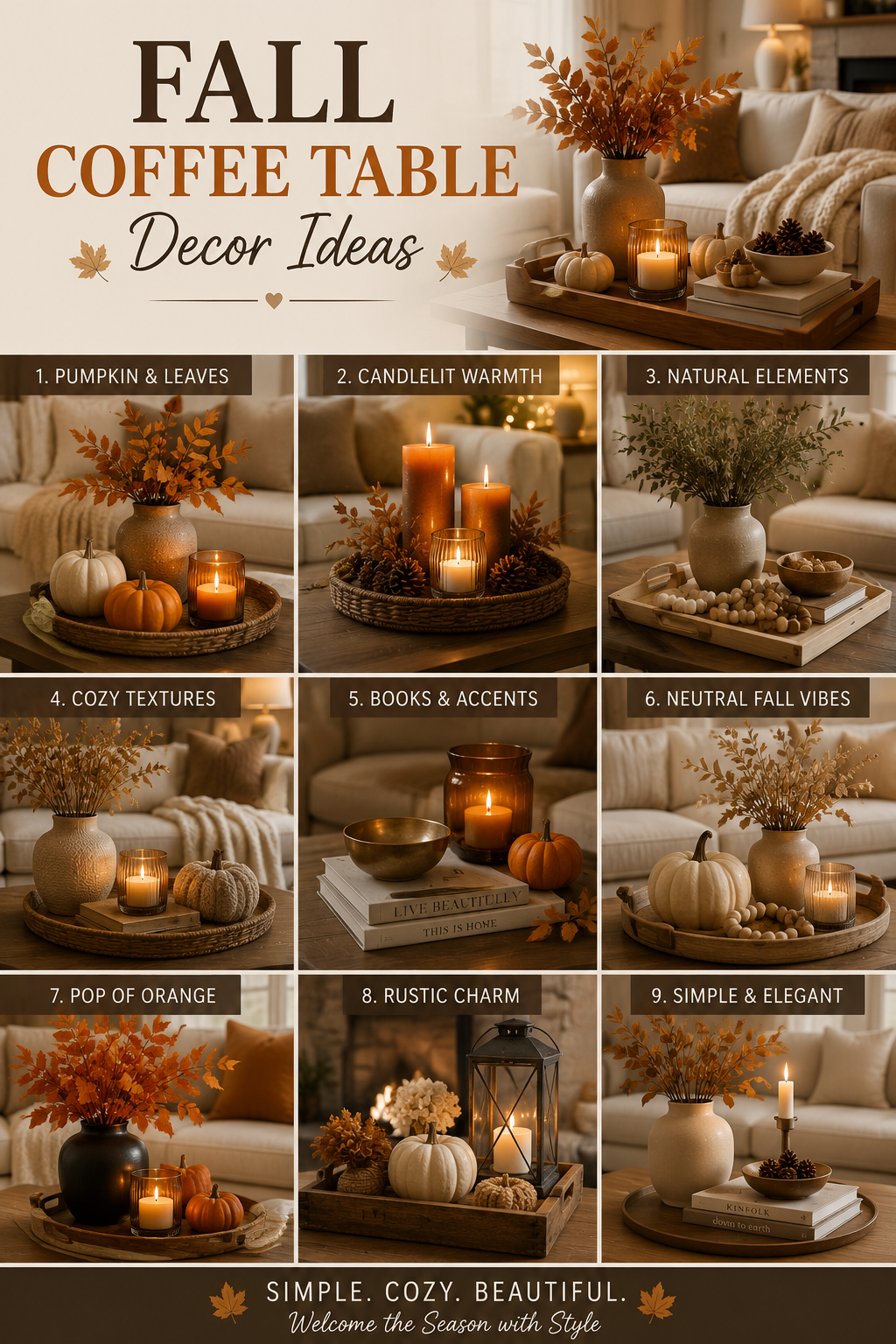
    Place a wooden tray on the coffee table with a mug, a small bowl, and perhaps a candle.

    The goal is to make the entire room feel connected to the fireplace.

    This creates an atmosphere that is not merely decorated for fall but actually feels designed for enjoying the season.

    How to Choose the Right Fall Fireplace Color Palette

    The color palette you choose can completely change the personality of your fireplace.

    For a classic autumn look, combine:

    • Burnt orange
    • Rust
    • Cream
    • Warm brown
    • Deep green

    For a modern neutral look, use:

    • Ivory
    • Beige
    • Taupe
    • Natural wood
    • Muted olive

    For a luxurious look, try:

    • Cream
    • Caramel
    • Chocolate brown
    • Brass
    • Deep olive

    For a romantic fall look, combine:

    • Soft cream
    • Dusty rose
    • Terracotta
    • Warm brown
    • Amber

    Choose one dominant color family and two or three supporting colors.

    This prevents the mantel from becoming visually chaotic.

    How to Style a Fireplace Mantel Like a Designer

    Professional-looking mantel arrangements usually rely on a few simple principles.

    Create a Focal Point

    Choose one dominant object.

    It might be:

    • A large mirror
    • Artwork
    • A tall vase
    • A dramatic branch arrangement

    Everything else should support that focal point.

    Vary Heights

    Use tall, medium, and short objects.

    For example:

    Tall: branches

    Medium: vase or pumpkin

    Short: candle or small bowl

    This creates visual rhythm.

    Group Objects

    Instead of placing one pumpkin every few inches, create clusters.

    Groups of three or five often look more natural.

    Leave Negative Space

    Empty areas are important.

    They allow your decorations to breathe.

    How to Make Fall Fireplace Decor Look Expensive

    You do not need expensive seasonal dรฉcor to create an expensive-looking fireplace.

    Focus on presentation.

    Choose fewer but larger decorative pieces.

    Use natural materials.

    Mix textures.

    Repeat colors throughout the room.

    Choose matching or complementary candleholders.

    Avoid excessive plastic-looking decorations.

    A few beautiful cream pumpkins can look more luxurious than a large collection of inexpensive seasonal objects.

    Common Fall Fireplace Decorating Mistakes

    Avoid placing too many objects on the mantel.

    Overcrowding makes even expensive decorations look less sophisticated.

    Another common mistake is using too many bright colors.

    If everything is orange, the fireplace can look more like a seasonal display than part of the home.

    Do not forget scale.

    Tiny decorations can disappear on a large mantel.

    Likewise, oversized objects can overwhelm a small fireplace.

    Finally, remember safety.

    Keep candles, dried foliage, blankets, and other flammable materials at a safe distance from an active fireplace. Follow your fireplace manufacturer’s safety recommendations and use flameless candles where appropriate.

    How to Decorate Around the Fireplace

    The mantel is only one part of the fireplace area.

    The surrounding space can also contribute to the autumn atmosphere.

    Place a woven basket filled with blankets beside the fireplace.

    Add a small wooden stool.

    Use a comfortable accent chair nearby.

    Place a neutral rug underneath the seating area.

    Add a side table with a warm lamp.

    The objective is to create a complete cozy zone rather than decorating the mantel in isolation.

    How to Mix Fall Decor With Everyday Home Decor

    You do not need to remove all your normal dรฉcor when autumn arrives.

    Instead, add seasonal pieces around what you already own.

    For example, keep your favorite mirror and ceramic vase.

    Add cream pumpkins and dried branches.

    Keep your existing neutral sofa.

    Add a rust-colored throw.

    Keep your normal coffee table.

    Add a wooden tray with a candle and seasonal bowl.

    This approach makes fall decorating easier and more affordable.

    Budget-Friendly Fall Fireplace Decorating

    Beautiful autumn dรฉcor does not have to be expensive.

    You can create a sophisticated fireplace using:

    • Thrifted ceramic vases
    • Secondhand baskets
    • DIY dried branches
    • Inexpensive pumpkins
    • Existing candles
    • Wooden bowls
    • Books you already own
    • Neutral blankets
    • Repurposed trays

    Look around your home before buying anything.

    A vase from another room can become a fireplace centerpiece.

    A blanket from the bedroom can move into the living room.

    A wooden bowl from the kitchen can hold small pumpkins.

    Moving existing pieces around your home can give you a completely new look without spending much money.

    Final Thoughts

    A beautifully decorated fall fireplace can make an entire home feel warmer, more inviting, and ready for the season.

    The most successful autumn fireplace arrangements are not necessarily the ones with the most decorations. They are the ones where every element has a purpose.

    Use pumpkins for seasonal personality.

    Use dried foliage for height and natural texture.

    Use candles and warm lighting for atmosphere.

    Use baskets and blankets for softness.

    Use wood and ceramics for warmth.

    Use mirrors and artwork to create a focal point.

    Most importantly, choose a style that feels connected to the rest of your home.

    Whether you prefer neutral minimalism, rustic farmhouse, vintage charm, organic modern dรฉcor, or luxurious autumn styling, the fireplace can become the perfect seasonal focal point.

    Start with one main piece, build around it with different heights and textures, and leave enough empty space to keep the arrangement elegant.

    For an especially beautiful result, repeat the same autumn colors throughout the room. A cream pumpkin on the mantel can echo the sofa cushions, while terracotta accents can connect with a rug or artwork. Natural wood can appear in the coffee table, baskets, and fireplace accessories.

    And when evening arrives, turn down the harsh overhead lights and allow warm lamps, candles, and the gentle glow of the fireplace to create the atmosphere.

    That is when your fall dรฉcor truly comes alive.

    A thoughtfully decorated fireplace is more than seasonal decoration. It becomes a cozy gathering point where you can enjoy quiet evenings, warm drinks, conversations with family, and the simple beauty of autumn at home.


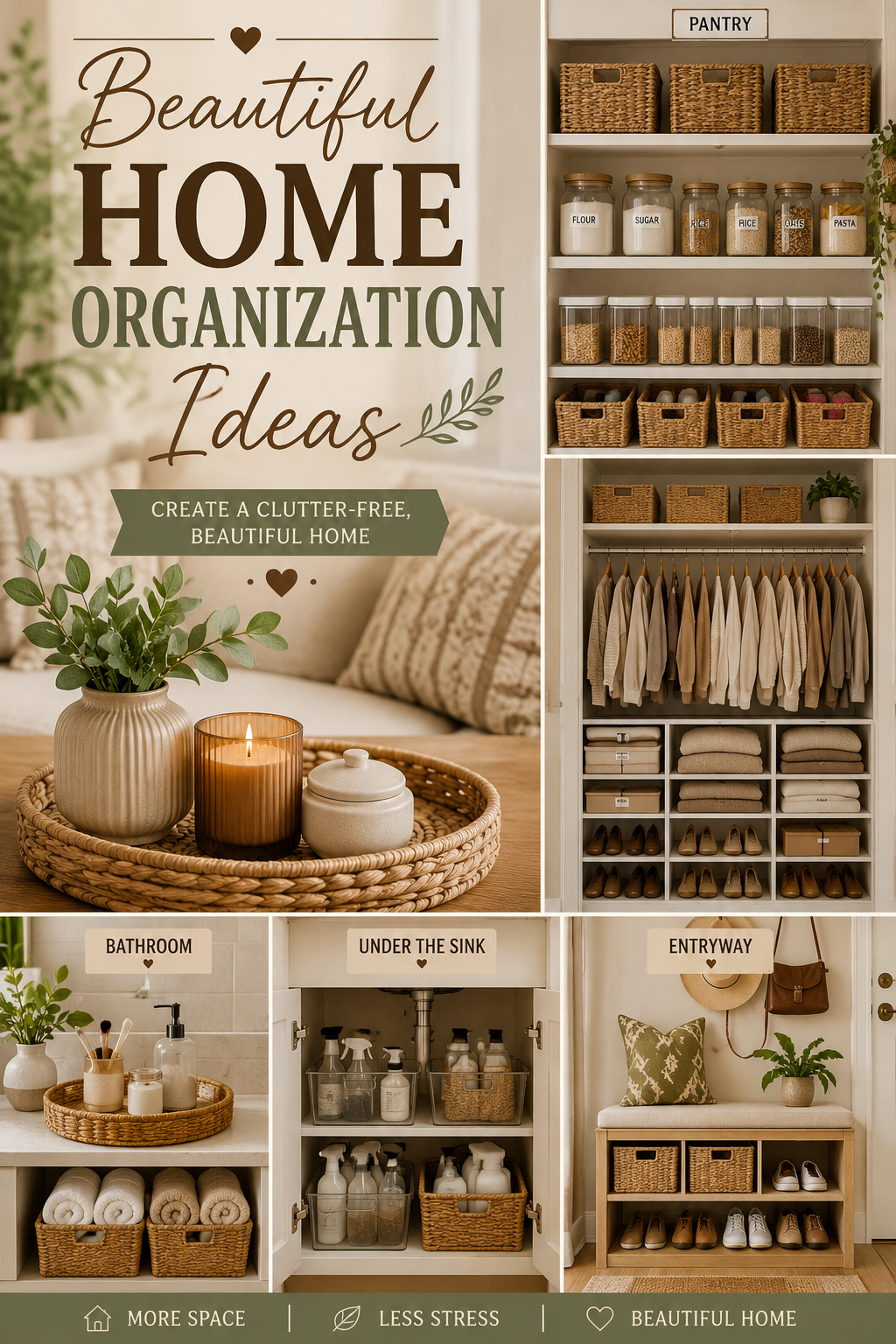
  • Beautiful Home Organization Ideas

    Beautiful Home Organization Ideas

    A beautiful home is not simply a home filled with attractive furniture and carefully chosen dรฉcor. It is a space where everything has a place, everyday routines feel easier, and clutter does not constantly compete for attention. When organization and decorating work together, even an ordinary room can feel calm, sophisticated, welcoming, and thoughtfully designed.

    Beautiful home organization is about creating storage that looks intentional rather than purely functional. Instead of hiding everything behind closed doors, you can combine attractive baskets, natural wood boxes, elegant containers, built-in storage, open shelving, decorative trays, and clever hidden solutions. The result is a home that stays practical while still looking beautiful.

    The best organization ideas also make your home easier to maintain. A beautifully organized entryway can prevent shoes and bags from accumulating by the door. A carefully arranged kitchen can make cooking easier. Bedroom storage can keep clothing under control, while living-room baskets can quickly hide blankets, toys, magazines, and everyday items.

    You do not need a huge house or an expensive renovation to create this effect. Small homes can benefit enormously from vertical storage, multifunctional furniture, wall-mounted solutions, and furniture with hidden compartments. Large homes can use zones, labeled storage, baskets, cabinets, and decorative shelving to prevent rooms from feeling chaotic.

    One of the most important principles is to organize according to how you actually live. Items used every day should be easy to reach. Things used occasionally can be stored higher or farther away. Decorative pieces should have enough breathing room around them. Storage should solve a real problem rather than simply giving you another place to put things.

    Natural materials can also make organization feel more beautiful. Woven baskets, rattan boxes, wood trays, linen storage bags, ceramic containers, and neutral fabric bins introduce texture and warmth. These materials work particularly well with modern, organic, farmhouse, Scandinavian, minimalist, and cozy interior styles.

    Color plays an important role too. Matching or coordinating storage containers create visual consistency, while neutral shades such as cream, beige, taupe, soft brown, olive, and natural wood can make storage blend naturally into the room.

    The following ideas combine practical organization with attractive styling so your home can feel cleaner without losing its personality.

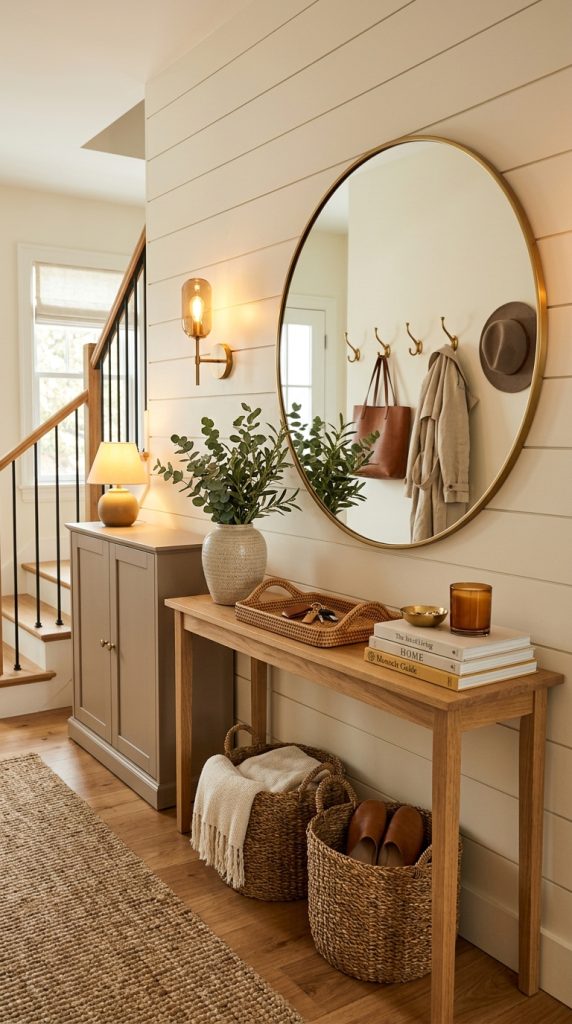
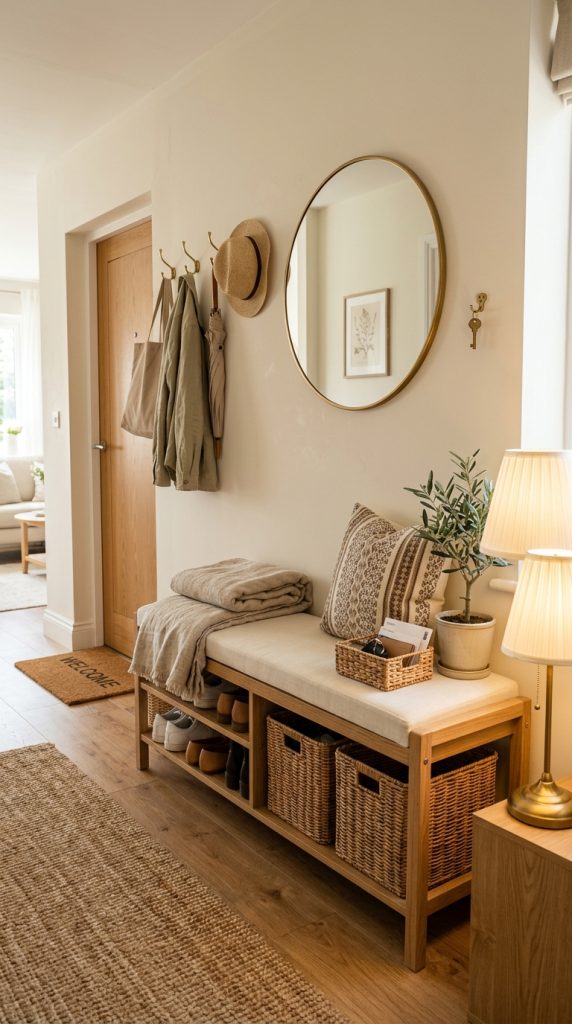
    1. Create a Beautiful Entryway Organization Station

    The entryway is the first area you see when you come home, so keeping it organized can immediately make the entire house feel more orderly.

    Shoes, handbags, coats, keys, mail, umbrellas, and everyday accessories can quickly create clutter near the front door. A dedicated organization station gives each category a specific home.

    You do not need a large foyer. Even a narrow wall can become an attractive storage zone.

    What You Need

    • Narrow console table
    • Wall hooks
    • Woven baskets
    • Small decorative tray
    • Shoe cabinet
    • Mirror
    • Small plant
    • Decorative bowl

    How to Create It

    Start with a narrow console or floating shelf.

    Place a small decorative tray on top for keys, sunglasses, and other everyday items.

    Install several hooks above the console for coats, hats, scarves, or handbags.

    Add a woven basket underneath for shoes, umbrellas, or accessories.

    If you have enough space, place a slim shoe cabinet against the wall.

    Above the console, hang a large mirror. Besides being practical when leaving the house, the mirror can make the entryway appear brighter and more spacious.

    Add one small decorative element such as a ceramic vase or plant.

    Make It Look Beautiful

    Avoid filling every available surface.

    The goal is to create an entryway that feels organized and welcoming rather than overloaded with storage.

    A combination of wood + woven texture + neutral colors + greenery creates a particularly warm appearance.

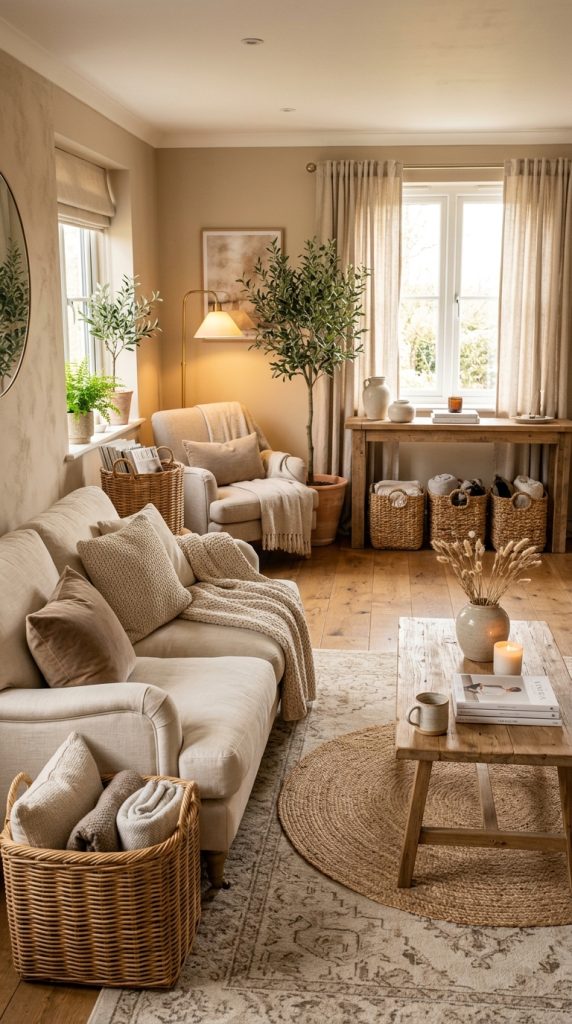
    2. Use Decorative Baskets Throughout the Home

    Decorative baskets are among the easiest ways to combine storage and style.

    They can hide everyday clutter while adding texture and warmth to a room.

    Large baskets work beautifully beside sofas, beds, cabinets, and consoles.

    What You Can Store

    Use baskets for:

    • Blankets
    • Pillows
    • Magazines
    • Toys
    • Towels
    • Shoes
    • Extra linens
    • Pet accessories
    • Electronics
    • Seasonal items

    How to Style Them

    Choose baskets that complement your existing dรฉcor.

    Natural woven baskets work beautifully with warm neutral interiors.

    Fabric baskets can create a softer appearance in bedrooms and children’s rooms.

    Wooden or rattan baskets can add texture to living spaces.

    Place a large basket beside a sofa and fill it with folded throws.

    In a bedroom, use a basket near the foot of the bed for extra blankets.

    In the bathroom, use smaller baskets for towels and toiletries.

    Organization Rule

    Do not use baskets as a way to hide unlimited clutter.

    Each basket should have a specific purpose.

    For example:

    Basket 1: blankets
    Basket 2: magazines
    Basket 3: electronics

    When categories are clearly defined, maintaining the organization becomes much easier.

    3. Turn Open Shelving Into Organized Dรฉcor

    Open shelving can provide valuable storage while also becoming part of the room’s design.

    However, shelves can quickly look messy if every available space is filled.

    The secret is to combine functional objects with decorative pieces.

    What You Need

    • Floating shelves
    • Storage boxes
    • Decorative baskets
    • Books
    • Ceramic objects
    • Small plants
    • Picture frames

    How to Arrange Them

    Begin by placing larger objects first.

    For example, put a stack of books on one side and a decorative basket on another.

    Then add smaller objects.

    Use plants to introduce greenery and soften the arrangement.

    Leave some empty space between groups.

    You can also stack items vertically. A few books underneath a small ceramic object can create height without requiring another shelf.

    The 70/30 Approach

    Try keeping approximately 70% of the shelf useful or practical and 30% decorative.

    For example, a living-room shelf could contain books, baskets, storage boxes, and a few decorative objects.

    This prevents the shelves from looking like a purely decorative display while keeping them visually attractive.

    4. Organize the Living Room With Hidden Storage

    Living rooms are often filled with objects that need to be accessible but do not necessarily need to remain visible.

    Blankets, remotes, magazines, toys, chargers, games, and miscellaneous items can quickly create visual clutter.

    Hidden storage furniture provides a simple solution.

    What You Need

    • Storage ottoman
    • Coffee table with drawers
    • TV console with cabinets
    • Storage baskets
    • Decorative boxes
    • Tray

    How to Use It

    Choose furniture that performs more than one function.

    A storage ottoman can provide seating, a footrest, and hidden storage.

    A coffee table with drawers can store remotes, magazines, books, and small electronics.

    A TV console with closed cabinets can hide gaming equipment, cables, and accessories.

    Use a decorative tray on top of the coffee table to contain smaller objects.

    Keep the Room Calm

    At the end of the day, place loose objects back into their designated storage.

    The living room will immediately feel more polished.

    This is particularly useful in busy households where complete minimalism is unrealistic.

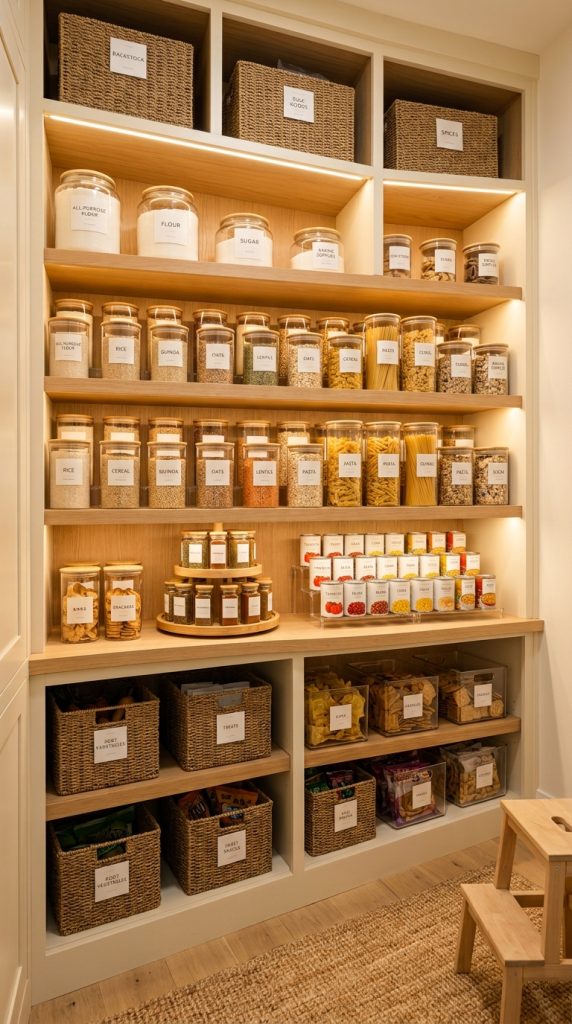
    5. Create an Organized and Beautiful Pantry

    A well-organized pantry can make everyday cooking dramatically easier.

    Instead of keeping food in random packaging, group similar items together and use containers or baskets where practical.

    What You Need

    • Clear containers
    • Matching baskets
    • Labels
    • Shelf risers
    • Lazy Susan
    • Storage bins

    Create Pantry Zones

    Divide the pantry into categories such as:

    Breakfast

    Cereal, oats, granola, and spreads.

    Baking

    Flour, sugar, cocoa, and baking supplies.

    Dry goods

    Rice, pasta, grains, and beans.

    Snacks

    Crackers, nuts, dried fruit, and packaged snacks.

    Canned goods

    Soups, vegetables, sauces, and other cans.

    Make It Beautiful

    Use matching containers for frequently used dry goods.

    Choose neutral baskets for less attractive packaging.

    Place the most frequently used items at eye level.

    Use labels to make everything easy to identify.

    The result should feel like a beautiful organized pantry rather than a crowded storage cupboard.

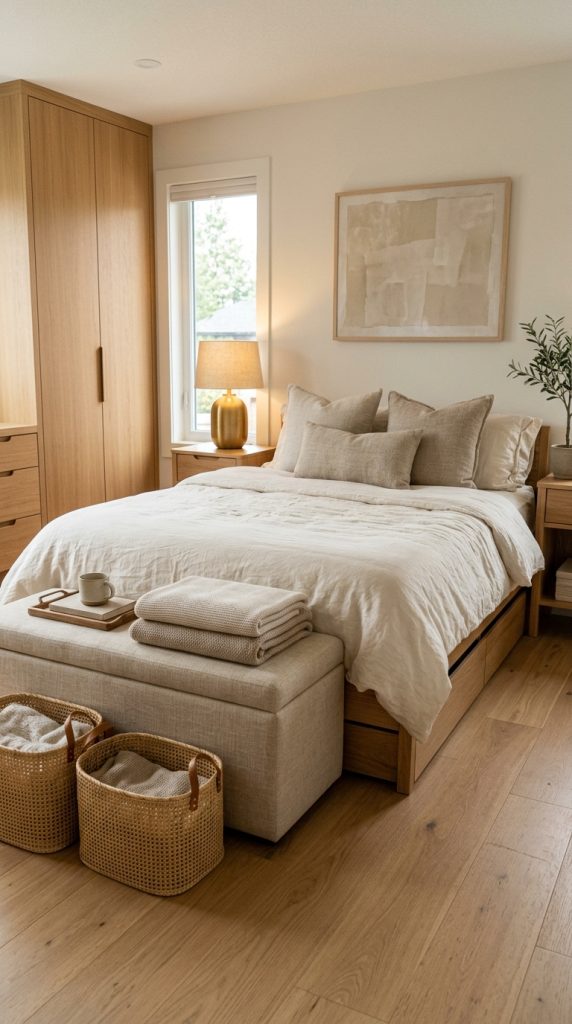
    6. Use Bedroom Storage That Looks Like Dรฉcor

    Bedrooms should feel peaceful, but clothing, accessories, blankets, books, and personal belongings can quickly create clutter.

    The solution is to make storage part of the room’s design.

    What You Need

    • Storage bench
    • Woven baskets
    • Bedside drawers
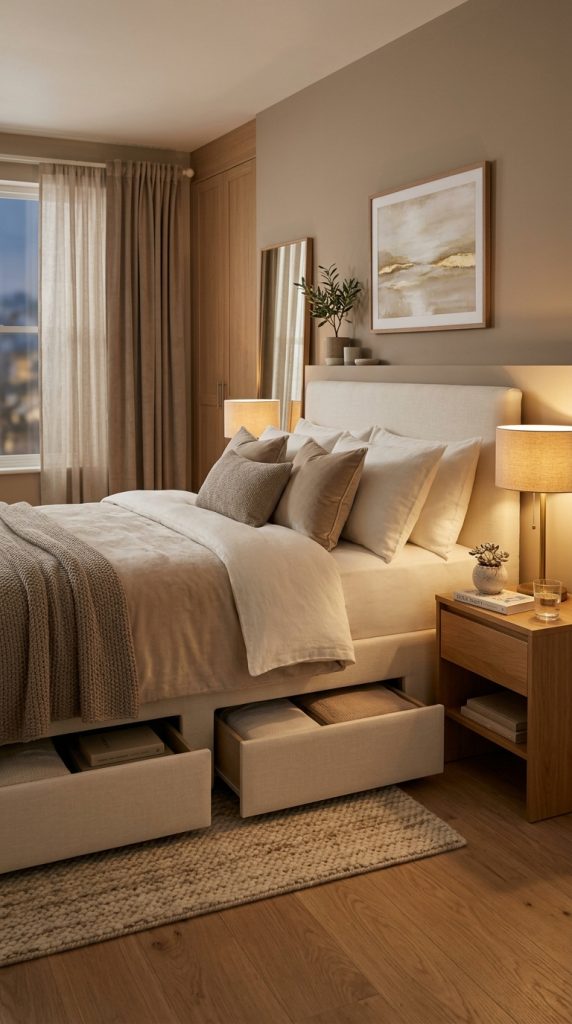
    • Under-bed containers
    • Wardrobe organizers
    • Decorative boxes

    Under-Bed Storage

    The space underneath your bed is valuable.

    Use low-profile storage containers for:

    • Seasonal clothing
    • Extra bedding
    • Shoes
    • Handbags
    • Accessories

    Choose containers that slide easily underneath the bed.

    Add a Storage Bench

    If your bedroom has enough space, place a storage bench at the foot of the bed.

    It can provide seating while hiding blankets, pillows, or seasonal items.

    Keep the Bedroom Visually Calm

    Use coordinated storage colors.

    Cream, beige, soft gray, natural wood, and woven materials can blend beautifully with bedroom dรฉcor.

    Avoid leaving too many storage containers visible.

    The best organization is the kind that disappears into the room.

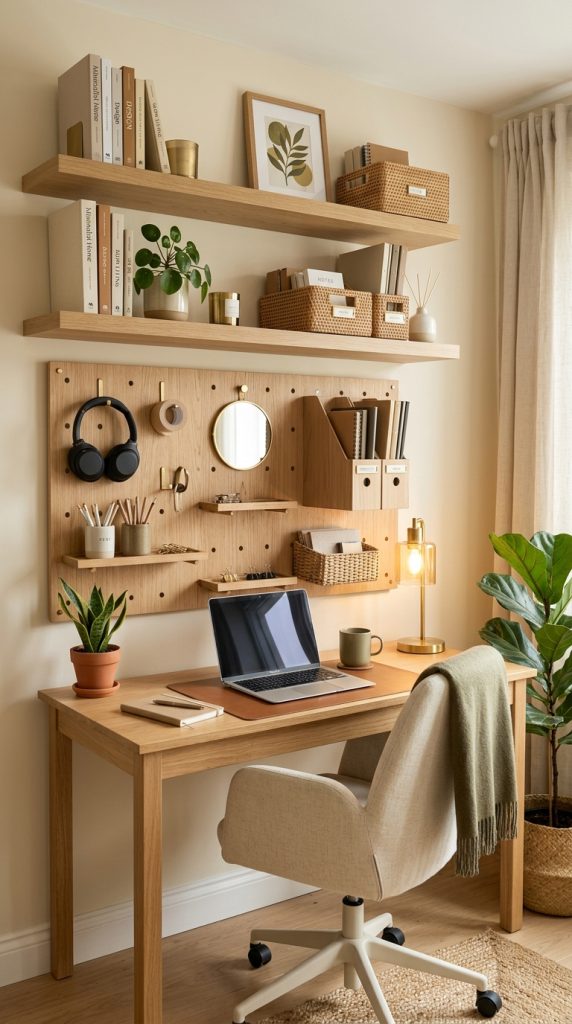
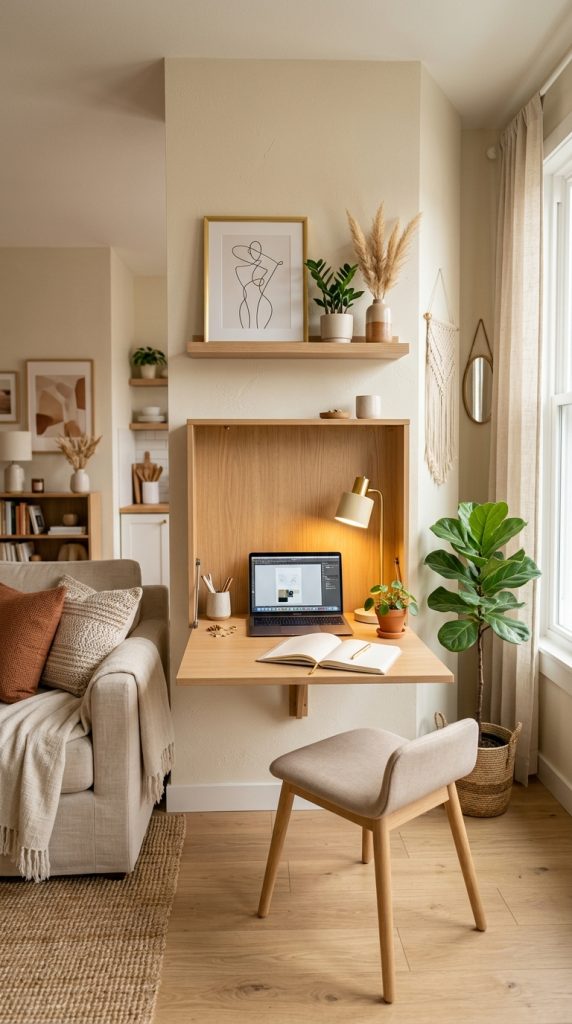
    7. Create a Stylish Home Office Organization Wall

    A home office can become cluttered with papers, notebooks, chargers, stationery, and electronics.

    A dedicated organization wall can keep everything accessible without covering your desk.

    What You Need

    • Floating shelves
    • Pegboard
    • Wall organizer
    • File holders
    • Small baskets
    • Cable clips
    • Decorative boxes

    How to Organize It

    Use floating shelves for books and decorative objects.

    Add file holders for important paperwork.

    Use small baskets for office accessories.

    Install a pegboard for headphones, scissors, measuring tools, or other supplies.

    Use cable clips to prevent cords from spreading across your desk.

    Make It Attractive

    Do not make every storage item purely utilitarian.

    Add a small plant, framed print, wooden accessory, or ceramic container.

    A warm neutral palette can make the office feel more relaxing and sophisticated.

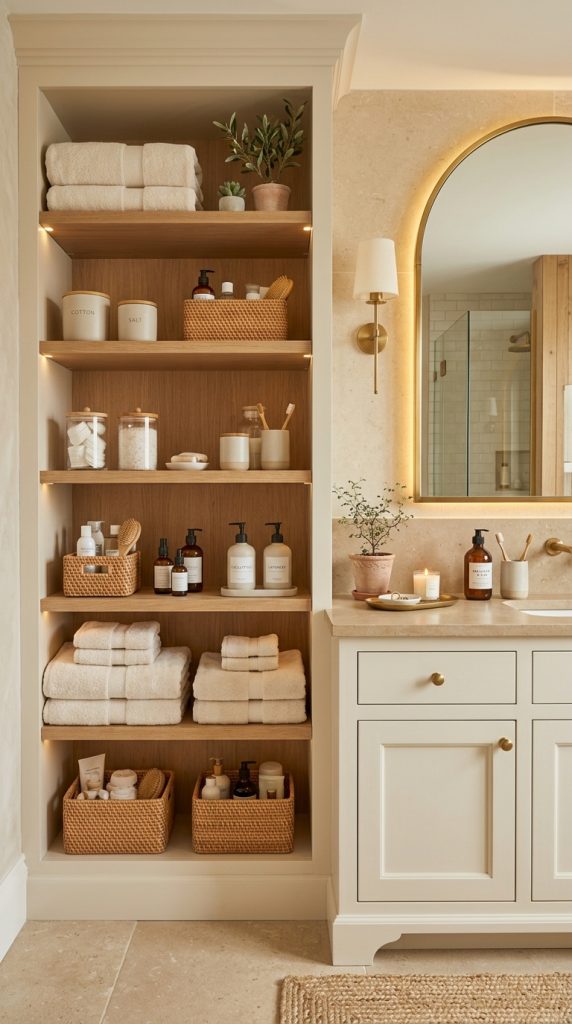
    8. Organize the Bathroom With Matching Containers

    Bathrooms contain many small objects, which makes them particularly vulnerable to visual clutter.

    Matching containers can create an instantly cleaner appearance.

    What You Need

    • Small baskets
    • Clear containers
    • Glass jars
    • Drawer organizers
    • Cabinet bins
    • Labels

    Organize by Category

    Create separate storage zones for:

    • Hair products
    • Skincare
    • Makeup
    • Towels
    • Cleaning supplies
    • Everyday toiletries

    Use drawer dividers for smaller items.

    Place everyday products within easy reach and less frequently used products inside cabinets.

    Add Open Storage Carefully

    A small wooden shelf can hold folded towels, a ceramic container, and a small plant.

    Keep decorative storage limited.

    Bathrooms usually look more luxurious when the surfaces remain relatively clear.

    9. Turn Awkward Corners Into Useful Storage

    Awkward corners are often wasted because standard furniture does not fit properly.

    Instead of ignoring them, transform them into purposeful storage.

    Ideas for Awkward Spaces

    You can add:

    • Corner shelves
    • Tall narrow cabinets
    • Floating shelves
    • Built-in drawers
    • Small baskets
    • Ladder shelving

    How to Use Them

    A narrow corner in the living room can become a reading-storage area.

    A corner in the bedroom can hold a tall cabinet.

    A kitchen corner can accommodate a rotating organizer.

    A bathroom corner can hold towels or toiletries.

    Styling Tip

    Do not make the storage look like an afterthought.

    Choose materials and colors that match the rest of the room.

    Natural wood shelves, neutral baskets, and soft lighting can make an awkward corner feel intentionally designed.

    10. Use a Beautiful Laundry Organization System

    Laundry rooms and laundry areas often become cluttered with detergents, cleaning products, baskets, and clothing.

    An organized system can make laundry routines much easier.

    What You Need

    • Laundry baskets
    • Open shelves
    • Storage jars
    • Labels
    • Wall hooks
    • Folding surface
    • Small bins

    Create Zones

    Use one basket for:

    Whites

    Another for:

    Colors

    Another for:

    Delicates

    If space is limited, use a divided laundry hamper.

    Install shelves above the washing machine for detergent and laundry accessories.

    Use attractive containers for powders or pods where appropriate and safe.

    Add hooks for reusable bags or cleaning tools.

    Make It Beautiful

    Use matching baskets and containers.

    Natural wood shelves and neutral textiles can soften the utilitarian appearance of a laundry space.

    Even a small laundry corner can look polished when everything has a defined place.

    11. Create a Kitchen Command Center

    A small command center can help organize household information while keeping papers and calendars from spreading around the house.

    It works particularly well near the kitchen or entryway.

    What You Need

    • Wall calendar
    • Small shelf
    • Mail organizer
    • Key hooks
    • Small corkboard or magnetic board
    • Pen holder
    • Decorative basket

    What It Can Hold

    Use it for:

    • Mail
    • Shopping lists
    • Weekly schedules
    • Important notes
    • Keys
    • Household reminders

    Keep It Minimal

    The command center should not become another clutter zone.

    Sort mail regularly.

    Remove old notes.

    Update the calendar.

    Keep only current information visible.

    A simple wooden frame, neutral containers, and clean typography can make the station look intentional.

    12. Organize Children’s Spaces With Attractive Bins

    Children’s rooms and play areas can become messy very quickly.

    The goal is not to prevent children from making messesโ€”it is to make cleanup easy.

    What You Need

    • Open toy bins
    • Low shelves
    • Labeled baskets
    • Book display shelves
    • Fabric storage cubes
    • Hooks

    Make Storage Accessible

    Place toys in low bins so children can reach them independently.

    Use separate containers for:

    • Cars
    • Dolls
    • Blocks
    • Art supplies
    • Books
    • Stuffed animals

    Avoid putting every toy into one large container.

    When categories are separated, children can find what they want more easily and cleanup becomes faster.

    Make It Attractive

    Use a simple color palette.

    Natural wood, cream, beige, muted green, soft blue, and gentle earthy tones can create a calm environment.

    Choose storage that blends with the room rather than using too many bright plastic containers.

    13. Use Vertical Wall Storage

    When floor space is limited, walls become valuable real estate.

    Vertical organization can dramatically increase storage without making a room feel smaller.

    What You Need

    • Floating shelves
    • Wall hooks
    • Pegboards
    • Hanging baskets
    • Rails
    • Narrow cabinets

    Where to Use It

    Vertical storage works especially well in:

    • Small kitchens
    • Bathrooms
    • Home offices
    • Entryways
    • Bedrooms
    • Utility rooms

    Instead of adding another piece of furniture to the floor, use the wall.

    Make It Decorative

    Arrange storage in a balanced composition.

    Combine functional objects with a few decorative elements.

    For example, a kitchen wall could contain wooden utensils, ceramic mugs, a small shelf, and greenery.

    A bedroom wall could contain hats, woven baskets, and framed artwork.

    The storage becomes part of the interior design.

    14. Create a Beautiful Linen Closet

    Linen closets can become chaotic because sheets, towels, pillowcases, and blankets are difficult to stack neatly.

    A simple category-based system can make a huge difference.

    What You Need

    • Fabric baskets
    • Shelf dividers
    • Labels
    • Storage boxes
    • Matching linens

    Organize by Type

    Create sections for:

    Bath towels

    Hand towels

    Bed sheets

    Pillowcases

    Extra blankets

    Fold everything consistently.

    You can place matching sheet sets inside their corresponding pillowcase to keep sets together.

    Use baskets for smaller items.

    Add Labels

    Simple labels make it easy for everyone to return items to the correct location.

    This is especially useful when multiple people use the same storage area.

    Keep It Manageable

    Do not store more linens than you realistically need.

    A smaller collection that is neatly organized is more useful than an overflowing closet.

    15. Create a Calm and Organized Everyday Home

    The final idea is less about one specific storage product and more about creating an organization system that works throughout the entire home.

    Beautiful organization happens when every room follows the same basic principles.

    Use the “Home for Everything” Rule

    Every frequently used item should have a designated place.

    Keys have a home.

    Shoes have a home.

    Blankets have a home.

    Mail has a home.

    Chargers have a home.

    When something does not have a designated place, it usually ends up on a countertop, chair, table, or floor.

    Create Drop Zones

    Place small baskets or trays in areas where clutter naturally collects.

    For example:

    A tray near the entrance can hold keys.

    A basket in the living room can hold blankets.

    A small box on a desk can hold charging accessories.

    A basket in the bedroom can hold accessories.

    These simple drop zones prevent clutter from spreading throughout the home.

    Do a Five-Minute Reset

    At the end of each day, spend five minutes returning objects to their proper locations.

    Put shoes away.

    Fold blankets.

    Clear the coffee table.

    Return kitchen items.

    Sort the mail.

    This small habit can prevent hours of cleaning later.

    How to Make Home Organization Look Beautiful

    Organization should not feel like something separate from decorating.

    The best organized homes combine both.

    Instead of choosing storage randomly, consider:

    Color

    Choose storage that complements your room.

    Texture

    Woven baskets, wood, linen, and ceramic pieces add warmth.

    Scale

    Use larger baskets for large items and small containers for small objects.

    Consistency

    Repeating similar materials creates visual harmony.

    Negative Space

    Do not fill every shelf, countertop, or cabinet.

    Empty space makes organized areas look calmer.

    Beautiful Organization Ideas for Small Homes

    Small homes require especially thoughtful organization because every square foot matters.

    Prioritize multifunctional furniture.

    Choose:

    • Storage beds
    • Ottoman benches
    • Nesting tables
    • Wall-mounted shelves
    • Floating cabinets
    • Narrow consoles
    • Foldable furniture

    Use vertical space wherever possible.

    Do not automatically buy larger storage furniture simply because you need more storage. Sometimes reducing possessions and using smarter systems is more effective.

    For small homes, every storage solution should have a purpose.

    If something occupies valuable floor space but rarely gets used, reconsider whether it belongs there.

    How to Declutter Before Organizing

    Organization becomes much easier when you own fewer unnecessary items.

    Before buying storage containers, declutter.

    Take one room at a time.

    Create four categories:

    Keep

    Things you regularly use or genuinely value.

    Donate

    Useful items you no longer need.

    Recycle

    Items that can be recycled appropriately.

    Discard

    Broken or unusable items.

    Do not start by purchasing dozens of organizers.

    First determine what actually needs to be stored.

    Then choose storage according to those items.

    This prevents the common mistake of organizing clutter rather than eliminating it.

    How to Maintain a Beautifully Organized Home

    A home does not stay organized automatically.

    The most successful organization systems are easy enough to maintain every day.

    Use simple routines.

    After using something, return it to its designated place.

    Once a week, reset high-traffic areas.

    Once a month, check drawers and cabinets.

    At the beginning of each season, review clothing and seasonal dรฉcor.

    When you purchase something new, consider whether you genuinely have space for it.

    A useful rule is:

    If something new comes in, something unnecessary can go out.

    This prevents storage spaces from slowly becoming overcrowded.

    Final Thoughts

    Beautiful home organization is not about making your home look perfectly minimal or hiding every possession.

    It is about creating a home where beauty and functionality work together.

    A woven basket can hide blankets while adding texture. A floating shelf can provide storage while displaying beautiful ceramics. A storage ottoman can keep everyday objects out of sight while providing additional seating. A carefully designed entryway can organize shoes and bags while creating a welcoming first impression.

    The most successful organization systems are the ones that fit naturally into your lifestyle.

    Start small.

    Choose one cluttered drawer, one messy shelf, one crowded corner, or one neglected cabinet.

    Remove what you no longer need.

    Group similar items together.

    Give everything a specific home.

    Then add attractive storage that complements your dรฉcor.

    Over time, these small improvements can transform the entire house.

    Your home does not need to be enormous, expensive, or perfectly minimalist to feel organized and beautiful. With thoughtful storage, intentional styling, and a few simple daily habits, you can create a space that feels calm, functional, warm, and effortlessly beautiful.


  • Cozy Kitchen Decorating Ideas

    Cozy Kitchen Decorating Ideas

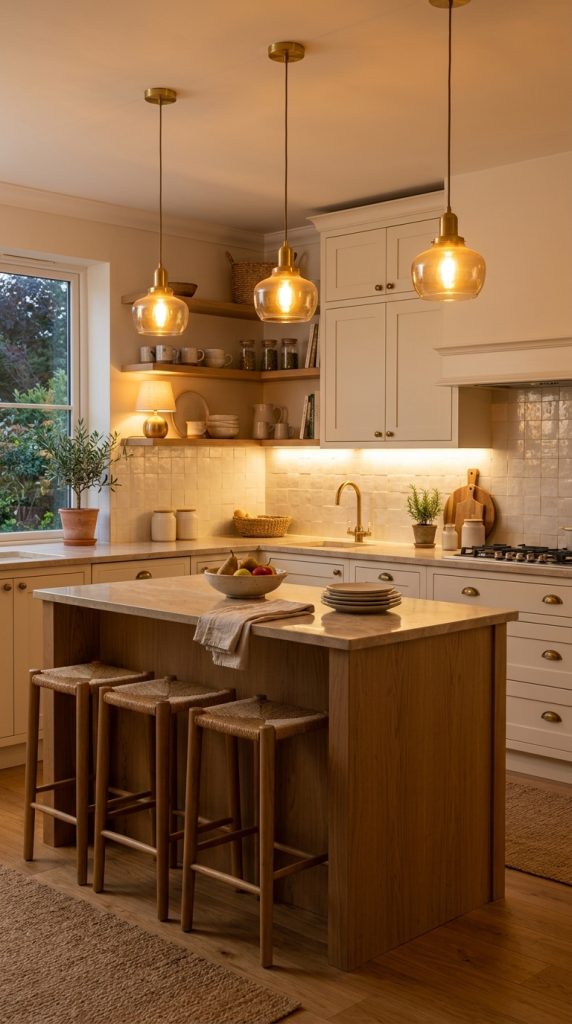
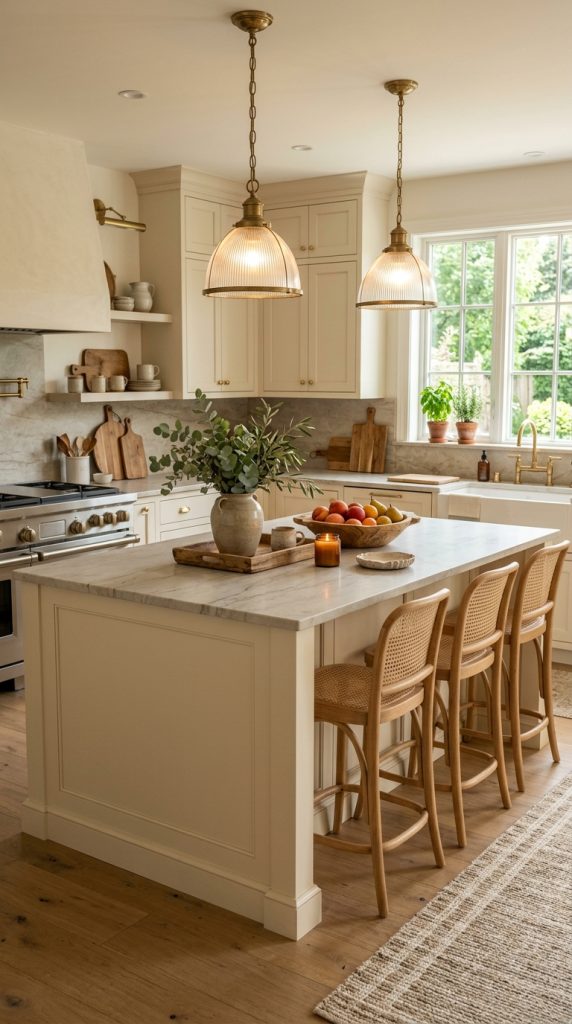
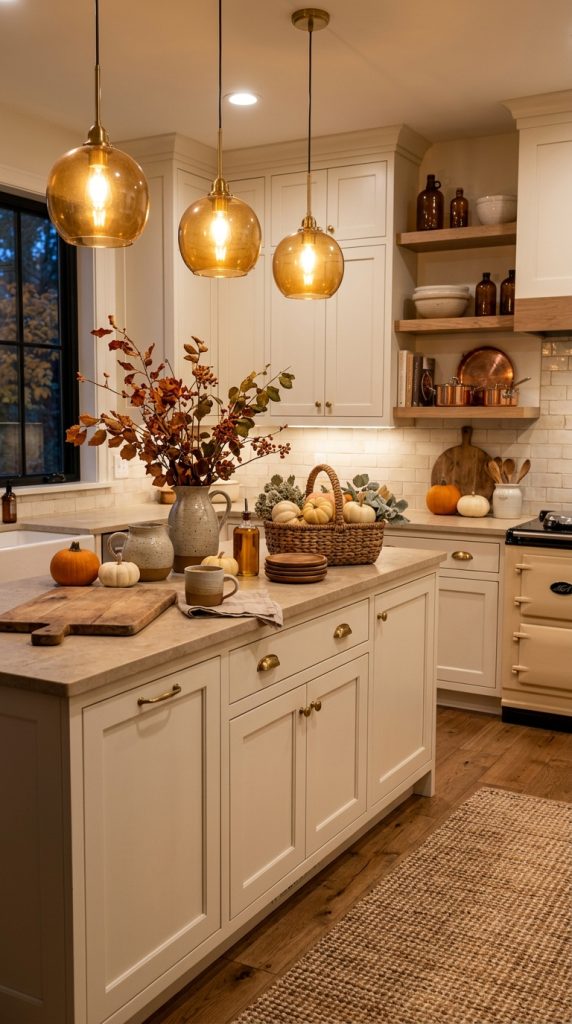
    A cozy kitchen is more than a place for cookingโ€”it is the heart of a home. It is where morning coffee is enjoyed slowly, family meals are prepared, conversations happen around the counter, and everyday moments become memories. That is why decorating a kitchen to feel warm, comfortable, and inviting can completely change the atmosphere of your home. The best cozy kitchen decorating ideas do not require an expensive renovation. With thoughtful colors, natural textures, warm lighting, beautiful accessories, and practical organization, even a simple kitchen can feel charming and welcoming.

    A cozy kitchen should balance beauty with functionality. Instead of filling every countertop with decorations, focus on a few meaningful pieces that make the space feel personal. Wooden cutting boards can become part of the dรฉcor, open shelves can display attractive ceramics, woven baskets can add texture while providing storage, and soft lighting can instantly make a kitchen feel warmer in the evening. Even small details such as linen towels, a ceramic vase, fresh herbs, or a bowl of seasonal fruit can make a noticeable difference.

    Color is another important part of creating a cozy atmosphere. Warm whites, creamy beige, soft taupe, muted olive green, terracotta, natural wood, and gentle brown tones are especially effective because they create a relaxed and timeless environment. You can use these colors through cabinetry, textiles, rugs, artwork, accessories, or small decorative accents rather than changing everything at once.

    Texture is equally important. A kitchen can look beautiful but still feel cold if it contains only hard surfaces such as tile, stone, metal, and glossy cabinetry. Adding wood, woven materials, linen, cotton, ceramics, and greenery introduces softness and visual warmth. Layering these materials creates the comfortable, lived-in appearance that makes a kitchen feel welcoming.

    Lighting also deserves special attention. Bright overhead lighting is useful when cooking, but it can make the kitchen feel harsh when you want a relaxing atmosphere. Combining ceiling lights with under-cabinet lighting, pendant lights, table lamps, or warm accent lighting can create a much softer environment. Warm golden light works particularly well with wood, cream, beige, and earthy colors.

    The ideas below are designed for different kitchen sizes and styles, from small apartments to spacious family kitchens. You can use one idea on its own or combine several to create a complete cozy kitchen makeover. Most of the suggestions are affordable, easy to personalize, and suitable for renters as well as homeowners.

    Whether you love modern farmhouse style, organic modern interiors, cottage-inspired kitchens, Scandinavian warmth, or simple neutral decorating, these cozy kitchen decorating ideas can help you create a kitchen that feels comfortable, stylish, practical, and inviting throughout the year.

    1. Create a Warm Neutral Cozy Kitchen

    A warm neutral palette is one of the easiest ways to make a kitchen feel cozy without making it look outdated. Instead of using stark white throughout the room, introduce softer shades such as cream, ivory, warm beige, oatmeal, taupe, light brown, and natural wood.

    The secret is layering different neutral tones rather than choosing one color and repeating it everywhere. For example, creamy cabinets can be paired with a warm beige backsplash, natural wood accessories, a woven runner, and soft linen textiles. The result feels calm and sophisticated while still having plenty of visual interest.

    Things You Need

    • Cream or warm-white accessories
    • Natural wooden cutting boards
    • Beige or oatmeal kitchen towels
    • Woven baskets
    • Ceramic vases or pitchers
    • Neutral countertop containers
    • Warm-toned runner
    • Small indoor plant or herbs
    • Warm lighting

    How to Create the Look

    Start by removing unnecessary items from your countertops. A cozy kitchen does not need to be crowded. Keep only the pieces you use regularly or genuinely love.

    Place a large wooden cutting board against the backsplash. Add a ceramic pitcher or vase beside it and fill it with eucalyptus, olive branches, or another simple green arrangement.

    Next, introduce soft textiles. A beige or oatmeal-colored runner along the floor can immediately make a kitchen feel less sterile. Add linen or cotton towels in complementary neutral shades.

    Use baskets for practical storage. A woven basket can hold towels, produce, or extra kitchen supplies while adding natural texture.

    Finally, introduce warm lighting. Under-cabinet lights or small lamps with warm bulbs can dramatically change the atmosphere during the evening.

    Cozy Styling Tip

    Do not make every item perfectly matching. Cozy interiors look more natural when materials and shades vary slightly. Combine smooth ceramics with rough wood, soft linen with woven baskets, and matte surfaces with subtle metallic details.

    This approach creates a kitchen that feels collected rather than decorated all at once.

    2. Add Natural Wood for Instant Warmth

    Natural wood is one of the most effective materials for creating a cozy kitchen. Kitchens contain many hard surfaces, including countertops, cabinets, appliances, and flooring, so introducing wood can soften the overall appearance.

    You do not necessarily need wooden cabinets or a major renovation. Small wooden accessories can have a surprisingly strong visual impact.

    A large wooden cutting board can become a decorative focal point when leaned against the backsplash. Wooden bowls, trays, stools, shelves, and utensil holders can reinforce the same warm feeling.

    Things You Need

    • Large wooden cutting board
    • Wooden serving board
    • Wood bowl
    • Wooden tray
    • Small wooden stool
    • Natural wood shelf
    • Wooden utensil holder
    • Neutral ceramic pieces
    • Greenery

    How to Style It

    Choose two or three wooden pieces rather than covering the entire kitchen with wood.

    Start with a large cutting board placed vertically against the wall. Layer a smaller board in front of it for depth.

    Place a ceramic vase or small bowl on one side. Add a small branch or fresh greenery for contrast.

    On another countertop, use a wooden tray to group everyday objects such as olive oil, salt, pepper, or a small plant. Grouping objects together prevents the counter from appearing cluttered.

    If you have an island, consider adding two or three wooden stools. Their natural finish can introduce warmth without changing the cabinetry.

    For open shelving, combine wood with ceramics. Display cream mugs, handmade bowls, neutral plates, and one or two wooden objects.

    Why It Works

    Wood has visual warmth and natural variation. Every grain and imperfection gives the kitchen personality.

    For an especially cozy appearance, avoid overly polished wood. Natural, slightly rustic, or lightly weathered finishes usually create a more relaxed atmosphere.

    3. Decorate With Open Shelves and Beautiful Ceramics

    Open shelving can turn everyday kitchen items into decoration. Instead of hiding everything behind cabinet doors, display a carefully selected collection of plates, mugs, bowls, glassware, and decorative objects.

    The key is restraint. Too many objects can quickly make open shelves look messy. A small collection of coordinated pieces will create a much more sophisticated appearance.

    Things You Need

    • One or two open shelves
    • Neutral ceramic plates
    • Handmade-looking bowls
    • Cream mugs
    • Glass jars
    • Wooden bowls
    • Small vase
    • Small plant
    • Decorative artwork

    How to Arrange the Shelves

    Begin with the largest objects. Place a stack of plates on one side and a few bowls on another.

    Add mugs beneath or beside the plates. This makes the arrangement practical as well as decorative.

    Introduce a small plant or vase between groups of dishes. Greenery breaks up the repeated shapes and brings life into the composition.

    Use wooden bowls or cutting boards to introduce a natural element.

    For a cozy appearance, choose ceramics with subtle variations. Handmade-style pottery with slightly irregular edges often feels warmer than perfectly identical pieces.

    You can also lean a small piece of artwork against the wall behind the objects. Choose something simple, such as botanical artwork, a vintage-style kitchen illustration, or an abstract print in earthy tones.

    Styling Rule

    Think in groups rather than individual objects.

    Instead of placing ten separate decorations across the shelf, create three or four visual groups. Each group can contain different heights and textures.

    This makes the kitchen look intentionally styled without appearing overly decorated.

    4. Bring in a Cozy Kitchen Runner

    A kitchen runner is a simple decorating element that can completely change the feeling of the room. Kitchens often contain hard flooring, so a soft patterned or textured runner adds warmth and comfort.

    Choose a runner based on the size and layout of your kitchen. In a galley kitchen, a long narrow runner can emphasize the length of the room. In front of an island, a shorter runner can define the workspace.

    Things You Need

    • Washable kitchen runner
    • Neutral or earthy pattern
    • Anti-slip pad
    • Coordinating kitchen towels
    • Wooden accessories
    • Warm lighting

    Best Colors for a Cozy Look

    Try:

    • Beige
    • Cream
    • Brown
    • Terracotta
    • Muted olive
    • Soft rust
    • Warm gray
    • Faded blue
    • Natural tan

    Vintage-inspired patterns can work beautifully in cozy kitchens. Small geometric patterns, subtle stripes, faded florals, and traditional motifs can add personality without overwhelming the space.

    How to Style It

    Place the runner where it provides the most visual impact and practical comfort.

    If your kitchen is mostly neutral, you can use the runner as a subtle accent. For example, a cream kitchen can benefit from a beige-and-rust patterned runner.

    If your cabinets already have strong color, choose a simpler runner that complements rather than competes with them.

    Pair the runner with matching or coordinating textiles. You do not need everything to be identical. A slightly different shade of linen or cotton can create a more relaxed appearance.

    Practical Tip

    Choose a washable runner whenever possible. Kitchens experience spills and crumbs, so decorative beauty should never come at the expense of practicality.

    5. Create a Cozy Coffee and Beverage Corner

    A dedicated coffee corner can make an everyday kitchen feel much more personal. It also provides an opportunity to combine practical organization with beautiful decoration.

    You only need a small section of countertop to create one.

    Things You Need

    • Coffee machine or French press
    • Ceramic mugs
    • Wooden tray
    • Small coffee jar
    • Sugar container
    • Small plant
    • Decorative sign or artwork
    • Warm accent light

    How to Create It

    Choose one countertop section near your coffee machine.

    Place a wooden tray underneath the main items. This visually defines the coffee station and keeps everything organized.

    Arrange your mugs nearby. Open shelving can be particularly attractive here because the mugs become part of the decoration.

    Use matching ceramic or glass containers for coffee, tea, sugar, or other essentials.

    Add one small decorative object, such as a ceramic vase or tiny plant.

    If space allows, install a small wall shelf above the station. Use it to display mugs, coffee accessories, or a framed piece of artwork.

    Make It Extra Cozy

    Lighting makes a huge difference.

    Place a small warm-toned lamp nearby if your kitchen layout allows it. Alternatively, use warm under-shelf lighting.

    Imagine preparing coffee early in the morning with soft golden light instead of harsh overhead lighting. That atmosphere is exactly what makes a kitchen feel more inviting.

    6. Add Greenery and Fresh Herbs

    Plants can instantly make a kitchen feel alive. They add color, texture, and a connection to nature without requiring a major decorating project.

    Fresh herbs are especially useful because they are both beautiful and practical.

    Basil, rosemary, mint, thyme, and parsley can all be displayed in attractive pots near a sunny window.

    Things You Need

    • Herb pots
    • Small ceramic planters
    • Glass jars
    • Wooden plant stand
    • Small trailing plant
    • Fresh branches
    • Neutral planter

    How to Use Greenery

    Place a few herbs near the kitchen window.

    Use ceramic containers in cream, beige, or earthy colors for a cohesive appearance.

    For larger kitchens, add one medium-sized plant in an empty corner. A tall plant can soften a hard architectural edge.

    If your kitchen is small, use smaller plants rather than filling valuable counter space.

    You can also place a small vase of eucalyptus or olive branches on the island.

    Keep It Balanced

    Avoid turning the kitchen into a jungle unless that is intentionally your style.

    Two or three carefully placed plants usually have more impact than many small plants scattered everywhere.

    Greenery also looks particularly beautiful against warm white cabinets and natural wood.

    7. Make the Kitchen Cozy With Warm Lighting

    Lighting is one of the most important elements in creating a cozy kitchen.

    Even a beautifully decorated kitchen can feel cold when it is illuminated only by bright overhead lights. Instead, create several layers of lighting so you can adjust the atmosphere throughout the day.

    Things You Need

    • Pendant lights
    • Under-cabinet lights
    • Warm LED bulbs
    • Small table lamp
    • Wall sconces
    • Decorative candles where safe
    • Accent lighting

    Layer Your Lighting

    Start with your main ceiling lighting. This provides general illumination for cooking and cleaning.

    Then add task lighting beneath cabinets or shelves. This is practical while also creating a warm evening glow.

    Pendant lights above an island or breakfast counter can become an important design feature. Choose shades made from glass, ceramic, metal, rattan, or another material that complements the kitchen.

    For additional coziness, introduce a small lamp on a counter or side surface if there is a safe location for it.

    Choose Warm Light

    Warm bulbs generally create a softer, more welcoming atmosphere than very cool white lighting.

    The goal is not to make the kitchen dark. Instead, create a comfortable glow that makes natural materials and warm colors look richer.

    Evening Styling

    Turn off unnecessary overhead lighting in the evening and allow your smaller light sources to create pools of warm illumination.

    This simple change can make the kitchen feel dramatically more intimate.

    8. Use Vintage and Cottage-Inspired Accessories

    Vintage-inspired decorating can make a kitchen feel charming and lived-in. You do not need an entirely vintage kitchen to achieve the look.

    Instead, mix a few old-fashioned or vintage-inspired details into a modern space.

    Things You Need

    • Vintage-style ceramic pitcher
    • Antique-looking wooden board
    • Floral kitchen towels
    • Glass jars
    • Brass hardware
    • Vintage artwork
    • Woven basket
    • Ceramic bowl
    • Small floral arrangement

    How to Create the Look

    Start with one statement piece.

    A vintage-style pitcher can sit on a shelf filled with greenery. A traditional wooden cutting board can lean against the backsplash.

    Add small details such as patterned towels, ceramic containers, or an old-fashioned clock.

    For the walls, consider botanical prints or vintage kitchen artwork.

    Brass hardware can also contribute warmth. Cabinet handles, drawer pulls, or small decorative brass pieces can provide a subtle aged appearance.

    Avoid Overdoing It

    The goal is cozy, not cluttered.

    Mix vintage elements with modern pieces. For example, modern cream cabinetry can look beautiful with a vintage wooden board and traditional ceramic vase.

    This combination creates a timeless kitchen rather than a room that looks like a themed set.

    9. Style a Cozy Kitchen Island or Breakfast Counter

    If your kitchen has an island, it can become the main decorative focal point.

    However, kitchen islands are also highly functional, so styling them requires balance.

    You need enough empty space for food preparation and everyday activities while still creating an attractive centerpiece.

    Things You Need

    • Wooden tray
    • Ceramic vase
    • Seasonal branches
    • Bowl of fruit
    • Small candle
    • Decorative cutting board
    • Three stools if appropriate

    Create a Simple Centerpiece

    Place a wooden tray near the center of the island.

    Add a ceramic vase filled with greenery.

    Next to it, place a bowl of seasonal fruit. Apples, pears, lemons, oranges, or other colorful produce can become natural decoration.

    You can also include one small candle or decorative ceramic object.

    Keep the centerpiece relatively low so it does not interfere with conversation across the island.

    Add Comfortable Seating

    If your island has seating, choose stools that support the kitchen’s overall style.

    Wooden stools create natural warmth. Upholstered stools can add softness. Woven seats can introduce texture.

    Keep the colors coordinated with the rest of the room.

    The Three-Element Rule

    A simple composition often looks better than a complicated one.

    Try combining:

    wood + ceramic + greenery

    This combination is timeless and works with almost any cozy kitchen style.

    10. Create a Cozy Seasonal Kitchen That Changes Throughout the Year

    One of the best ways to keep a kitchen feeling fresh is to introduce small seasonal changes instead of completely redecorating.

    This approach is affordable because you can keep your basic kitchen dรฉcor and simply change a few accessories.

    Spring

    Use:

    • Fresh flowers
    • Soft green accents
    • Light linen towels
    • Botanical artwork
    • Pale ceramics

    Summer

    Introduce:

    • Fresh fruit
    • Lemon-colored accents
    • Lightweight textiles
    • Natural woven accessories
    • Fresh herbs

    Fall

    Bring in:

    • Warm brown
    • Terracotta
    • Rust
    • Muted olive
    • Dried branches
    • Small pumpkins
    • Amber glass
    • Warm textiles

    Winter

    Use:

    • Cream textiles
    • Evergreen branches
    • Wooden accessories
    • Warm candlelight
    • Cozy neutral ceramics
    • Subtle seasonal greenery

    How to Keep It Cohesive

    Do not change everything.

    Keep your major elementsโ€”cabinet colors, countertops, furniture, shelves, and large dรฉcor piecesโ€”consistent.

    Change smaller accessories such as towels, runners, flowers, bowls, artwork, and seasonal centerpieces.

    This allows your kitchen to evolve naturally without becoming visually overwhelming.

    How to Combine These Cozy Kitchen Decorating Ideas

    The strongest cozy kitchens usually combine several decorating techniques rather than relying on one feature.

    For example, imagine a warm neutral kitchen with cream cabinetry, natural wood cutting boards, a beige runner, open shelves filled with handmade ceramics, a few herbs near the window, and warm under-cabinet lighting.

    Each element is simple on its own.

    Together, they create a layered and inviting space.

    A useful formula is:

    Neutral base + natural materials + soft textiles + greenery + warm lighting + personal accessories

    Start with the largest elements first.

    Look at your cabinetry, countertops, flooring, and walls. These form the visual foundation.

    Then add medium-sized elements such as rugs, stools, shelves, curtains, and lighting.

    Finally, add small accessories such as ceramics, wooden bowls, plants, towels, and artwork.

    This layered approach prevents the kitchen from looking either empty or cluttered.

    Cozy Kitchen Decorating Ideas for Small Kitchens

    Small kitchens can absolutely feel cozy. In fact, their compact size can make them naturally intimate.

    The main challenge is avoiding visual clutter.

    Choose dรฉcor that also serves a purpose.

    A wooden cutting board can be decorative and functional. A woven basket can provide storage while adding texture. A beautiful ceramic pitcher can hold utensils. Open shelving can display everyday dishes while freeing cabinet space.

    Use vertical space whenever possible.

    A narrow shelf above the counter can hold spices, mugs, herbs, or small decorative objects.

    Wall-mounted rails can organize utensils while creating a functional display.

    Keep the color palette relatively simple. Too many contrasting colors can make a small kitchen feel visually crowded.

    Warm whites, beige, wood, muted green, and soft brown work particularly well.

    Mirrors can also help reflect light and make a small kitchen feel more open, especially when positioned where they reflect a window or attractive light source.

    Cozy Kitchen Decorating Ideas on a Budget

    You do not need a large budget to create a cozy kitchen.

    Start with the easiest transformations.

    Change your textiles.

    A new runner, linen towels, and simple curtains can immediately change the room.

    Then introduce natural materials.

    One large wooden cutting board can become a focal point. Add a wooden bowl and a small ceramic vase.

    Next, improve the lighting.

    Warm bulbs or inexpensive under-cabinet lighting can have a surprisingly dramatic effect.

    Rearrange what you already own.

    Sometimes the kitchen feels cluttered simply because objects are scattered throughout the room. Group similar items together on trays or shelves.

    Finally, add greenery.

    A few inexpensive herbs can make the kitchen feel fresh and lively.

    The goal is not to buy more.

    The goal is to style better.

    How to Make a Modern Kitchen Feel Cozy

    Modern kitchens often feature clean lines, flat cabinetry, stone countertops, stainless-steel appliances, and minimal decoration.

    While beautiful, these materials can sometimes make the room feel cold.

    The solution is to introduce softer and more organic elements.

    Add natural wood.

    Use woven baskets.

    Display handmade ceramics.

    Introduce greenery.

    Place a textured runner on the floor.

    Choose warm lighting instead of relying entirely on bright ceiling fixtures.

    You can also introduce artwork.

    A small framed print can soften an empty wall and add personality.

    For a particularly elegant result, combine modern architecture with rustic accessories.

    For example:

    modern cabinets + natural wood + handmade ceramics + warm lighting + greenery

    This creates a modern kitchen that feels sophisticated without becoming sterile.

    How to Make a White Kitchen Feel Warm and Inviting

    White kitchens are timeless, but pure white can sometimes feel too bright or clinical.

    The easiest solution is to introduce warmer tones.

    Replace some cool white accessories with cream or beige.

    Add natural wood cutting boards and bowls.

    Use brass or antique-inspired hardware.

    Introduce greenery.

    Place a warm-toned runner on the floor.

    Use warm lighting beneath cabinets.

    Instead of decorating with many colorful objects, focus on natural textures.

    A white kitchen with wood, linen, ceramics, woven baskets, and plants can feel extremely warm without losing its clean appearance.

    Final Thoughts

    Creating a cozy kitchen does not require a complete renovation or expensive furniture. The most inviting kitchens are often created through small, intentional details.

    Start with a warm neutral palette, then introduce natural wood, soft textiles, greenery, beautiful ceramics, and layered lighting. Keep your countertops functional but thoughtfully styled. Use trays to organize everyday objects, open shelves to display your favorite pieces, and runners to soften hard flooring.

    Most importantly, allow your kitchen to reflect the way you actually live.

    A cozy kitchen should not look like a showroom where nothing can be touched. It should feel comfortable enough for morning coffee, family dinners, baking, conversations, and everyday life.

    Whether your kitchen is large or small, modern or traditional, rented or owned, these cozy kitchen decorating ideas can help you create a space that feels warm, beautiful, practical, and genuinely inviting.

    The best cozy kitchen is not necessarily the most expensive oneโ€”it is the one that makes you want to stay a little longer.


  • Fall Coffee Table Decor Ideas

    Fall Coffee Table Decor Ideas

    Fall is one of the most beautiful seasons for refreshing your home’s atmosphere. As the weather becomes cooler and the days gradually feel shorter, our homes naturally become places where we want to spend more time relaxing, drinking warm beverages, reading, entertaining, and enjoying cozy evenings. You do not need to completely redecorate your home to create this seasonal feeling. Sometimes, a single carefully styled surface can make an entire room feel ready for autumn.

    The coffee table is one of the best places to begin.

    Because it usually sits at the center of the living room, the coffee table naturally attracts attention. It is also small enough that you can completely transform its appearance without spending a large amount of money. A few thoughtfully selected seasonal details can introduce warmth, texture, color, and personality while keeping your everyday living room functional.

    Fall coffee table decorating does not have to mean filling the table with pumpkins and orange decorations. Although traditional autumn colors can be beautiful, modern fall decor can take many different directions. You can create a sophisticated neutral arrangement using cream pumpkins, beige ceramics, natural wood, and dried branches. You can create a rustic look with woven baskets, pinecones, amber glass, and warm wood. You can create an elegant arrangement with brass accents, dark candles, rich brown tones, and luxurious textiles. Or you can create a minimalist autumn centerpiece using only a few carefully chosen objects.

    The most important thing is creating a sense of warmth without making the table look cluttered.

    A beautifully decorated coffee table usually has a clear focal point and a few supporting elements. Instead of placing ten unrelated objects across the surface, think about creating layers. A tray can establish the foundation. A vase can provide height. A candle can add warmth. A book can introduce a flat horizontal element. A small seasonal object can provide the final autumn touch.

    Height is particularly important.

    If every object on your table is the same height, the arrangement can look flat. Mixing tall, medium, and low objects creates visual interest. A vase with dried stems can provide height, while a candle and decorative bowl can sit lower around it.

    Texture is equally valuable.

    Fall is naturally associated with tactile materials. Think wood, ceramic, woven fibers, linen, velvet, glass, metal, dried botanicals, and natural branches. Combining several textures makes a simple arrangement feel much richer.

    Color should also be intentional.

    Traditional fall colors include burnt orange, rust, mustard, deep red, brown, and golden yellow. However, you can create a more contemporary look by using cream, taupe, caramel, chocolate brown, muted olive, terracotta, and warm beige.

    If your living room already has a strong color palette, do not introduce too many new colors. Instead, choose two or three autumn shades that complement your existing furniture.

    For example, a cream sofa can look beautiful with caramel, rust, and natural wood accents. A gray sofa can be warmed with brown, amber, cream, and brass. A dark sofa can be softened with beige, ivory, wood, and muted terracotta.

    Another important consideration is functionality.

    Your coffee table still needs to function as a coffee table. You should have enough room to place a drink, book, remote control, or serving tray. If the entire surface is covered with decorations, the table becomes difficult to use.

    This is why trays are so useful.

    A tray can visually organize several small objects into one group. When you need more space, you can simply move the tray to one side or remove it completely.

    Seasonal decorating also does not have to be expensive.

    You can use items you already own and simply rearrange them with a few autumn additions. A plain ceramic vase can become seasonal when filled with dried branches. A wooden bowl can hold pinecones. A neutral candle can become part of a fall arrangement when surrounded by warm-colored accessories.

    Natural elements are especially useful.

    Branches, dried leaves, pinecones, acorns, wheat stems, and seasonal flowers can add an autumn feeling without requiring expensive decorative pieces. They also introduce organic shapes that contrast beautifully with modern furniture.

    The ten ideas in this article will show you how to create different fall coffee table looks, from cozy rustic arrangements to elegant neutral displays. Each idea is designed to be practical and beginner-friendly while helping you create a beautiful seasonal centerpiece.

    Whether your style is modern, farmhouse, traditional, minimalist, vintage, or cozy contemporary, there is a fall coffee table arrangement that can work for your home.

    1. Create a Cozy Neutral Fall Coffee Table

    Neutral fall decor is perfect if you want your living room to feel seasonal without becoming overly colorful.

    Instead of using bright orange and red decorations, build the arrangement around cream, beige, taupe, caramel, warm brown, and natural wood.

    This approach works especially well in modern, Scandinavian-inspired, contemporary, and minimalist interiors.

    Things You Need

    • Wooden or ceramic tray
    • Cream decorative pumpkins
    • Beige vase
    • Dried branches
    • Neutral candle
    • Small stack of books
    • Wooden bowl
    • Natural woven accent

    Step-by-Step

    Start with a rectangular or round tray.

    The tray should be large enough to hold several decorations but small enough to leave plenty of free table space.

    Place a small stack of coffee-table books toward one side.

    Put a ceramic vase on top or beside the books.

    Fill the vase with dried branches, pampas-style stems, wheat, or other natural-looking foliage.

    Add two or three cream pumpkins around the arrangement.

    Choose pumpkins with different shapes and sizes.

    This creates more visual interest than using identical pieces.

    Place a warm-toned candle nearby.

    Finally, introduce a small wooden or woven object to bring natural texture into the arrangement.

    Why It Works

    The neutral palette creates a sophisticated autumn atmosphere without making the room look overly seasonal.

    The dried branches provide height.

    The books add layers.

    The pumpkins provide a recognizable fall element.

    The wood and woven textures prevent the neutral colors from looking flat.

    Keep the rest of the coffee table relatively open.

    The negative space is part of the design.

    2. Style a Rustic Fall Coffee Table With Natural Elements

    Rustic fall decor is one of the easiest styles to recreate because it relies heavily on natural materials.

    You can use wood, pinecones, dried branches, woven baskets, ceramic pieces, and warm earthy colors.

    The result should feel relaxed, comfortable, and connected to nature.

    Things You Need

    • Rustic wooden tray
    • Wooden bowl
    • Pinecones
    • Acorns
    • Small pumpkins
    • Amber glass candle
    • Dried branches
    • Woven coaster
    • Ceramic vase

    Step-by-Step

    Place a rustic wooden tray in the center of your coffee table.

    Add a wooden bowl filled with pinecones and acorns.

    Position a ceramic vase beside it.

    Fill the vase with dried branches.

    Add a few small pumpkins around the bowl.

    Place an amber-colored candle near the edge.

    Use a woven coaster or small textile underneath one decorative object to add softness.

    Styling Tip

    Do not make everything perfectly symmetrical.

    Rustic decor looks better when it feels naturally arranged.

    Place objects at slightly different angles and heights.

    The goal is to create an arrangement that feels collected rather than carefully manufactured.

    Color Palette

    Stay with:

    • Warm brown
    • Cream
    • Caramel
    • Rust
    • Amber
    • Natural green
    • Soft beige

    These colors naturally create an autumn atmosphere.

    3. Create an Elegant Fall Coffee Table With Candles and Brass

    If your decorating style is more elegant or luxurious, you can create a sophisticated fall coffee table without using too many seasonal decorations.

    The secret is combining autumn colors with refined materials.

    Things You Need

    • Elegant decorative tray
    • Brass candle holder
    • Cream candle
    • Small glass vase
    • Dried flowers
    • Coffee-table books
    • Decorative bowl
    • Small metallic accent
    • Cream pumpkin

    Step-by-Step

    Start with two or three coffee-table books.

    Stack them neatly.

    Place a decorative object on top.

    Next, add a small vase filled with dried flowers.

    Place a brass candle holder beside it.

    Add a cream pumpkin as a subtle seasonal detail.

    Finish with a small decorative bowl.

    Keep It Balanced

    Use metallic accents sparingly.

    One or two brass pieces are enough.

    Too much metallic decoration can make the arrangement look more formal than cozy.

    Balance brass with natural materials such as wood, linen, ceramic, and dried foliage.

    Lighting

    Candles are particularly beautiful in fall because their warm glow enhances earthy colors.

    Use warm-colored candles rather than extremely bright white candles.

    At night, combine candlelight with warm table or floor lamps to create a cozy living-room atmosphere.

    4. Make a Fall Coffee Table Centerpiece With Pumpkins

    Pumpkins are one of the easiest ways to communicate the fall season.

    However, you do not need a large collection of bright orange pumpkins.

    A carefully arranged group of pumpkins can look much more sophisticated.

    Things You Need

    • Small pumpkins
    • Mini decorative gourds
    • Wooden tray
    • Ceramic vase
    • Dried stems
    • Candle
    • Neutral book

    Step-by-Step

    Choose three to five pumpkins in different sizes.

    Mix colors.

    Use cream, muted orange, pale green, beige, or soft brown pumpkins rather than using only bright orange.

    Place the largest pumpkin toward the back.

    Put the smaller pumpkins toward the front.

    Add a vase with dried stems behind them.

    Place a candle near the arrangement.

    Add a book underneath one object to create height.

    Styling Rule

    Use odd numbers.

    Groups of three or five often look more natural and balanced than perfectly matched pairs.

    You can also create asymmetry.

    For example, place the vase slightly to the left and cluster pumpkins toward the right.

    This prevents the arrangement from feeling too rigid.

    5. Decorate With Dried Flowers and Autumn Branches

    Dried botanicals are an excellent choice for fall coffee table decorating because they provide color, texture, height, and an organic feeling.

    They can also last throughout the season.

    Things You Need

    • Tall ceramic vase
    • Dried flowers
    • Wheat stems
    • Dried grasses
    • Branches
    • Wooden tray
    • Candle
    • Small bowl

    Step-by-Step

    Choose a vase that complements your coffee table.

    For a wooden table, try ceramic or matte finishes.

    For a glass table, natural wood or woven materials can add warmth.

    Fill the vase with dried stems.

    Do not make the arrangement too dense.

    Allow some branches to extend naturally.

    Place the vase on one side of the table.

    Add a tray with a candle and small bowl on the opposite side.

    Why Dried Botanicals Work

    They create a strong vertical element without looking heavy.

    Their natural shapes soften rectangular furniture.

    They also connect the coffee table arrangement with the changing outdoor landscape.

    For a more modern look, use simple dried grasses.

    For a rustic look, use branches and wheat.

    For a romantic look, use dried flowers in muted rose, cream, or dusty tones.

    6. Create a Small Fall Coffee Table Arrangement for an Apartment

    If you live in a small apartment, your coffee table may also need to function as a practical everyday surface.

    In this case, your fall decor should be compact.

    You do not need a huge centerpiece.

    Things You Need

    • Small round tray
    • Mini ceramic vase
    • One or two mini pumpkins
    • Small candle
    • Compact decorative bowl
    • Short stack of books

    Step-by-Step

    Place a small tray in the center of the coffee table.

    Add a mini vase with a few dried stems.

    Place one or two small pumpkins beside it.

    Add a candle.

    Put a small bowl on the opposite side.

    Keep the edges of the table completely clear.

    Space-Saving Tip

    Use vertical height instead of horizontal width.

    A taller vase can create visual impact without occupying much table space.

    Choose compact objects with strong textures.

    A small ceramic vase may have more visual impact than several tiny decorations.

    Functional Advantage

    Because everything is grouped on one tray, the entire arrangement can be moved easily when you need the table for eating, working, or entertaining.

    This is particularly helpful in apartments where one room may have several functions.

    7. Create a Moody Dark Fall Coffee Table

    For a dramatic autumn look, use darker colors.

    This style works beautifully in rooms with warm wood, dark furniture, or neutral walls.

    Things You Need

    • Dark wooden tray
    • Chocolate brown candle
    • Black or charcoal vase
    • Deep rust accents
    • Dark coffee-table books
    • Dried branches
    • Amber glass
    • Small brown pumpkin

    Step-by-Step

    Start with a dark tray.

    Add a small stack of books.

    Place a dark ceramic vase on top or beside them.

    Fill it with dried branches.

    Add one or two rust-colored seasonal accents.

    Place an amber glass candle nearby.

    Finish with a small brown or muted orange pumpkin.

    Balance Dark Colors

    Too much black can make the arrangement feel heavy.

    Balance darker objects with cream or beige.

    For example, add a cream book underneath a dark vase.

    Or place a cream ceramic pumpkin beside a brown candle.

    Warm lighting is particularly important for this style.

    Use lamps with warm bulbs and candles to create a soft glow.

    8. Create a Minimalist Fall Coffee Table

    Minimalist fall decor is perfect if you prefer clean surfaces and simple decorating.

    The goal is not to eliminate seasonal details.

    Instead, choose fewer objects and make each one count.

    Things You Need

    • Simple ceramic vase
    • One seasonal branch
    • Small cream pumpkin
    • One candle
    • Single coffee-table book
    • Wooden tray

    Step-by-Step

    Place one tray on the table.

    Add the book.

    Put the vase beside it.

    Use only a few branches.

    Place one pumpkin near the vase.

    Add one candle.

    Stop there.

    Do not keep adding accessories simply because there is empty space.

    Why Minimalism Works

    Empty space creates elegance.

    It also allows each object to become more visible.

    Choose pieces with beautiful shapes and textures.

    A sculptural ceramic vase can become the focal point.

    A simple cream pumpkin can provide seasonal character.
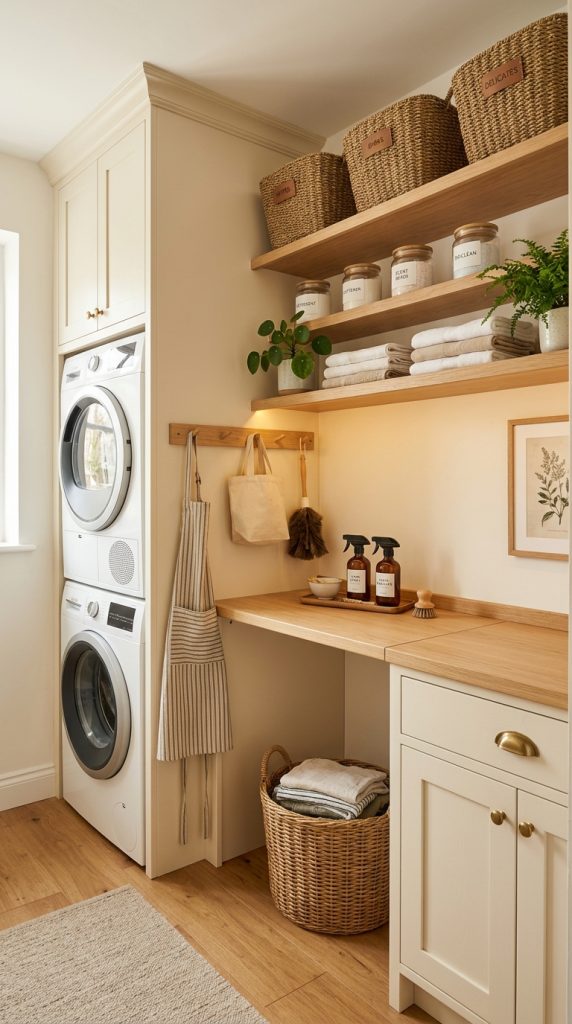
    A natural wood tray can add warmth.

    Color Palette

    Try:

    • Cream
    • Warm white
    • Beige
    • Light brown
    • Natural wood
    • Soft terracotta

    This creates a subtle autumn feeling while maintaining a clean interior.

    9. Create a Cozy Fall Reading-Themed Coffee Table

    If you want your coffee table to feel particularly cozy, create an arrangement centered around books and relaxation.

    This is perfect for living rooms where you spend evenings reading or drinking coffee.

    Things You Need

    • Two or three coffee-table books
    • Warm candle
    • Ceramic mug
    • Wooden tray
    • Small vase
    • Dried foliage
    • Soft textile
    • Decorative bowl

    Step-by-Step

    Stack two books in the center of the table.

    Place a small vase on top.

    Add dried branches.

    Place a candle beside the books.

    Use a wooden tray to organize the smaller pieces.

    Keep a beautiful ceramic mug nearby when using the table.

    A small woven coaster can add another layer of texture.

    Create the Atmosphere

    The objects themselves are only part of the design.

    The surrounding living room matters too.

    Add a soft throw to the sofa.

    Use warm lighting.

    Place a textured rug underneath the seating area.

    Choose cushions in cream, caramel, rust, or brown.

    Together, these elements create a complete cozy autumn atmosphere.

    10. Create an Organic Fall Coffee Table With Wood, Ceramic and Greenery

    For a modern natural look, combine wood, ceramic, greenery, and subtle autumn details.

    This style is especially beautiful for contemporary homes that do not suit traditional seasonal decorations.

    Things You Need

    • Natural wood tray
    • Ceramic vase
    • Small green branches
    • Wooden bowl
    • Cream pumpkin
    • Neutral candle
    • Natural-fiber accent

    Step-by-Step

    Place the wooden tray toward the center.

    Add the ceramic vase.

    Fill it with a combination of green and dried branches.

    Place a wooden bowl beside it.

    Add one cream pumpkin.

    Finish with a neutral candle.

    Keep It Organic

    Avoid overly bright colors.

    Use natural greens, muted browns, cream, beige, and soft terracotta.

    Let the wood grain remain visible.

    Choose handmade-looking ceramics.

    Add woven textures where appropriate.

    The result should feel warm and seasonal without looking overly themed.

    How to Choose the Right Fall Coffee Table Color Palette

    Choosing the right colors can completely change the mood of your arrangement.

    For a traditional fall look, use:

    • Burnt orange
    • Rust
    • Mustard
    • Deep red
    • Brown
    • Golden yellow

    For a neutral fall look, use:

    • Cream
    • Beige
    • Taupe
    • Caramel
    • Warm brown
    • Soft white

    For an elegant fall look, use:

    • Chocolate brown
    • Cream
    • Black
    • Brass
    • Amber
    • Deep rust

    For a natural fall look, use:

    • Olive green
    • Terracotta
    • Sand
    • Natural wood
    • Cream
    • Muted brown

    Try not to introduce too many colors at once.

    Two or three accent colors are usually enough.

    How to Arrange Objects on a Coffee Table

    Start with the largest object.

    This might be a vase, bowl, or decorative tray.

    Then add medium-sized objects.

    Finally, add small accents.

    Think about the arrangement as a triangle.

    A tall vase creates one point.

    A medium stack of books creates another.

    A small candle or pumpkin creates the third.

    This creates visual movement.

    Another useful technique is grouping objects in odd numbers.

    Three objects often look more natural than two.

    Five can work well for larger tables.

    However, the objects should not all be identical.

    Mix sizes and textures.

    How to Use Trays for Fall Decorating

    Trays are one of the most useful coffee-table decorating tools.

    They organize smaller objects.

    They create a visual boundary.

    They make seasonal decorating easier to change.

    Choose a tray that complements your table.

    Wood works well for rustic interiors.

    Ceramic can create a refined appearance.

    Metal can introduce elegance.

    Woven trays work beautifully with bohemian and natural decor.

    Do not fill the entire tray.

    Leave some breathing room.

    How to Make Fall Decor Look Expensive

    The secret is not using more decorations.

    Instead, focus on quality-looking materials and thoughtful composition.

    Use fewer objects.

    Choose natural wood.

    Use ceramic rather than too much plastic.

    Introduce glass or brass accents.

    Layer textures.

    Use warm lighting.

    Keep the arrangement balanced.

    A simple ceramic vase with dried branches can look more sophisticated than a table covered with inexpensive seasonal decorations.

    How to Decorate a Round Coffee Table for Fall

    Round tables require slightly different styling.

    Avoid creating a long horizontal arrangement.

    Instead, create a central cluster.

    A round tray works particularly well.

    Place the largest object in the center or slightly off-center.

    Surround it with smaller pieces.

    Keep the arrangement compact.

    The circular shape of the table already provides visual softness, so organic objects such as pumpkins, round bowls, candles, and ceramic vessels work especially well.

    How to Decorate a Rectangular Coffee Table for Fall

    Rectangular tables provide more space for grouping.

    You can create two or three small clusters.

    For example:

    One side can contain books and a vase.

    The center can contain a tray.

    The opposite side can contain a candle and small bowl.

    However, do not distribute objects evenly across the entire table.

    Leaving some open space makes the arrangement look more intentional.

    How to Keep Fall Coffee Table Decor Practical

    Your coffee table still needs to be used.

    Leave enough space for everyday activities.

    Avoid placing fragile objects near edges.

    Choose stable decorations.

    Keep candles in safe containers.

    If you have children or pets, choose sturdy objects and avoid small items that can easily be knocked over or swallowed.

    For everyday convenience, place frequently used items inside a decorative tray.

    This allows you to move the entire group quickly when you need more table space.

    How to Refresh Your Existing Decor for Fall

    You do not need to buy an entirely new collection.

    Start by removing a few summer accessories.

    Replace bright seasonal colors with warmer tones.

    Add one fall candle.

    Add a dried branch arrangement.

    Introduce one or two pumpkins.

    Change your decorative throw.

    Add a warm-toned book.

    Replace a cool-colored vase with a cream or terracotta one.

    Small changes can create a completely different atmosphere.

    Final Thoughts

    Fall coffee table decorating is one of the easiest ways to bring seasonal warmth into your home without completely changing your existing decor.

    The coffee table is small enough to experiment with but important enough to make a noticeable difference.

    You can create a traditional autumn arrangement with pumpkins and burnt orange accents.

    You can create a neutral arrangement using cream, beige, wood, and dried branches.

    You can create a rustic display using pinecones, woven baskets, ceramic pieces, and natural wood.

    You can create an elegant arrangement with brass, candles, amber glass, and sophisticated neutral colors.

    Or you can keep everything minimalist with one beautiful vase, a few dried stems, and a small seasonal accent.

    The most important principle is balance.

    Do not cover every inch of your coffee table.

    Give your decorations room to breathe.

    Use different heights.

    Combine different textures.

    Repeat colors from the surrounding room.

    Choose a clear focal point.

    Then add smaller details that support it.

    Natural materials are particularly effective during fall.

    Wood, ceramic, jute, linen, woven fibers, dried branches, and glass can create warmth without making the room feel overly decorated.

    Lighting can take the arrangement even further.

    Warm lamps and candlelight can make autumn colors look richer and create the cozy atmosphere associated with the season.

    If your home already has neutral furniture, you can introduce fall through small accents rather than changing major pieces.

    A cream sofa can become instantly more autumnal with rust cushions and a caramel throw.

    A neutral coffee table can become seasonal with a wooden tray, dried branches, and cream pumpkins.

    A simple vase can become a fall centerpiece simply by changing its contents.

    You can also make your decorating more budget-friendly by using items you already own.

    Look around your home for wooden bowls, ceramic vases, baskets, books, candles, and trays.

    Then combine them with a few seasonal elements.

    Dried branches from a local shop or garden can create a dramatic centerpiece.

    Pinecones can become natural decorative accents.

    A simple bowl can hold acorns or seasonal objects.

    A neutral candle can become part of an autumn arrangement when surrounded by warm textures.

    Remember that the best coffee table arrangements are not necessarily the ones with the most decorations.

    They are the ones where every piece has a purpose.

    A vase provides height.

    A book creates a layer.

    A tray organizes objects.

    A candle provides warmth.

    A pumpkin communicates the season.

    A wooden bowl introduces texture.

    When these elements work together, the arrangement feels intentional.

    Your fall coffee table should also reflect your personal style.

    If you love modern interiors, choose clean shapes and muted colors.

    If you love farmhouse decor, introduce rustic wood and traditional pumpkins.

    If you prefer bohemian spaces, layer woven textures and handmade ceramics.

    If you love luxury interiors, use elegant glass, brass, candles, and rich brown tones.

    If you prefer minimalist decorating, select only a few beautiful objects.

    There is no single correct way to decorate for fall.

    The goal is to make your living room feel warmer, more inviting, and more connected to the season.

    Most importantly, do not forget functionality.

    A beautiful coffee table still needs to be useful.

    Leave enough room for your morning coffee, evening tea, favorite book, or time spent with family and friends.

    When seasonal decoration is organized thoughtfully, you can enjoy both beauty and practicality.

    With just a few carefully selected pieces, warm lighting, natural textures, and an intentional arrangement, your coffee table can become the cozy autumn focal point your living room needs.

    Fall decorating does not have to be complicated.

    Sometimes, one beautiful vase, a warm candle, a few natural branches, a small stack of books, and two or three seasonal accents are all you need to create a cozy and elegant autumn home.


  • Afrohemian Home Decor Ideas

    Afrohemian Home Decor Ideas

    Afrohemian home decor is a beautiful interior style that brings together the warmth and cultural richness of African-inspired design with the relaxed, artistic character of bohemian interiors. It is a style filled with natural textures, earthy colors, handcrafted details, organic materials, expressive patterns, greenery, and meaningful decorative pieces. Rather than following a rigid decorating formula, Afrohemian interiors are about creating a home that feels warm, collected, personal, artistic, and connected to natural materials.

    One of the most appealing aspects of Afrohemian decor is its ability to make a home feel inviting without looking overly polished or artificial. The style embraces imperfections, handmade details, layered textures, and objects that appear to have a story behind them. A woven basket beside a linen sofa, a carved wooden stool next to a ceramic vase, or a patterned textile layered over a neutral chair can create an interior that feels collected over time rather than purchased all at once.

    The color palette is usually grounded in warm, natural shades. Think terracotta, clay, sand, caramel, warm beige, cream, chocolate brown, charcoal, muted olive, rust, ochre, and natural wood. These colors create a comfortable foundation while allowing stronger patterns and artwork to become focal points.

    Natural materials are equally important. Rattan, cane, jute, sisal, bamboo, linen, cotton, clay, ceramic, leather, and wood can all contribute to the look. The goal is not to use every material in one room but to combine several textures so the interior feels rich and layered.

    Patterns can also play an important role. Geometric motifs, tribal-inspired patterns, abstract prints, mudcloth-inspired textures, woven designs, and organic shapes can add personality. When using culturally inspired patterns, however, it is better to appreciate and thoughtfully incorporate authentic or responsibly sourced pieces rather than treating cultural motifs as disposable trends.

    Afrohemian decor also works beautifully with plants. Large leafy greenery can soften wooden furniture and neutral walls, while smaller plants can be placed on shelves or side tables. Terracotta pots, woven baskets, and natural ceramic planters fit naturally into the aesthetic.

    Lighting is another major part of the atmosphere. Harsh overhead lighting can make an earthy interior feel flat. Warm lamps, woven pendant lights, lantern-style fixtures, candles, and subtle accent lighting can create the soft glow associated with cozy Afrohemian spaces.

    Furniture does not need to match perfectly. In fact, some of the charm comes from mixing pieces with different shapes, materials, and origins. A modern cream sofa can work beautifully with a vintage wooden side table. A woven chair can sit beside a contemporary coffee table. A carved stool can become a plant stand.

    The most successful Afrohemian interiors usually have one thing in common: balance.

    Too many patterns can make the room feel visually chaotic. Too many dark colors can make a small space feel heavy. Too many accessories can hide the beauty of individual pieces.

    Instead, create a neutral foundation and introduce character through carefully selected textiles, artwork, furniture, plants, and handmade accessories.

    The ten ideas below will show you how to bring this style into different areas of your home. Whether you want a complete Afrohemian makeover or simply want to introduce a few warm, artistic touches, these ideas can help you create a space that feels stylish, comfortable, expressive, and timeless.

    1. Create a Warm Afrohemian Living Room With Earthy Colors

    The living room is one of the easiest places to introduce Afrohemian decorating because it provides plenty of opportunities for layering textiles, artwork, plants, and natural materials.

    Begin with a warm neutral foundation.

    A cream, beige, camel, or warm brown sofa can work beautifully as the main furniture piece. The neutral sofa allows more expressive accessories to become focal points without making the room overwhelming.

    Add cushions in earthy colors such as rust, terracotta, ochre, olive, chocolate brown, and cream.

    Mix textures rather than relying entirely on patterns.

    For example, combine a woven cushion with a linen cushion and one patterned textile.

    Materials and Things You Need

    • Cream or beige sofa
    • Earth-toned cushions
    • Woven throw
    • Natural wood coffee table
    • Jute or sisal rug
    • Woven baskets
    • Ceramic vase
    • African-inspired artwork
    • Indoor plants
    • Warm table or floor lamp

    Step-by-Step

    Start by placing your largest furniture pieces.

    Position the sofa so the room feels open and comfortable.

    Add a natural-fiber rug underneath the seating area.

    The rug should be large enough to visually connect the furniture.

    Place a wooden coffee table in the center.

    Add a small tray with a ceramic vase and one decorative object.

    Then layer cushions onto the sofa.

    Do not make every cushion heavily patterned.

    Instead, choose one or two patterned pieces and surround them with solid-colored cushions.

    Add a woven throw casually over one side of the sofa.

    Finish the room with greenery.

    A large plant in a woven basket can fill an empty corner beautifully.

    The Final Look

    The room should feel warm rather than overly decorated.

    Use natural textures to create depth.

    Allow some empty space around your statement pieces.

    The result should feel artistic, relaxed, and inviting.

    2. Use African-Inspired Artwork as the Main Focal Point

    Artwork can transform an ordinary room into a highly personal Afrohemian interior.

    Instead of decorating every wall with small objects, consider selecting one large statement artwork and allowing it to become the main focal point.

    This could be an abstract painting, portrait artwork, photography, textile wall hanging, sculptural piece, or artwork inspired by African landscapes and cultural traditions.

    Materials and Things You Need

    • Large statement artwork
    • Neutral frame
    • Measuring tape
    • Hanging hardware
    • Console or sideboard
    • Ceramic vase
    • Wooden sculpture
    • Small plant

    Step-by-Step

    Choose a wall that naturally attracts attention.

    Above a sofa is an excellent location.

    A large artwork should generally relate to the width of the furniture underneath it without completely overwhelming the wall.

    Choose colors that connect with the rest of the room.

    If your artwork contains terracotta and brown, repeat those colors through cushions or accessories.

    If it contains black and cream, use those tones elsewhere for cohesion.

    Place a simple console underneath if space allows.

    Add only a few objects.

    A ceramic vase, wooden sculpture, and small plant may be enough.

    Avoid Overcrowding

    The artwork should remain the star.

    Do not cover the surrounding wall with dozens of decorations.

    Afrohemian interiors can be expressive without becoming cluttered.

    A single powerful artwork often creates more impact than a collection of unrelated pieces.

    3. Layer Natural Textures With Rattan, Jute, Wood and Linen

    Natural materials are fundamental to creating an authentic-feeling Afrohemian atmosphere.

    Rather than choosing furniture from one matching collection, combine different materials.

    For example, pair a linen sofa with a wooden coffee table.

    Place a jute rug underneath.

    Add a rattan chair.

    Use woven baskets for storage.

    This creates visual richness without relying on excessive color.

    Materials to Consider

    • Rattan
    • Cane
    • Jute
    • Sisal
    • Bamboo
    • Natural wood
    • Linen
    • Cotton
    • Clay
    • Ceramic
    • Woven fibers

    Step-by-Step

    Begin with your largest piece.

    A linen sofa provides a soft foundation.

    Add a natural-fiber rug.

    Place a wooden coffee table over the rug.

    Introduce one woven chair.

    Add a rattan basket.

    Then use linen or cotton textiles on the sofa.

    The different materials will create contrast.

    Smooth ceramic looks beautiful against rough woven fibers.

    Soft linen looks interesting beside carved wood.

    Jute adds texture beneath polished furniture.

    Why Texture Matters

    Texture is especially important when using a neutral color palette.

    Without texture, beige and cream can appear flat.

    With texture, the same colors become warm and sophisticated.

    You can create a luxurious atmosphere without purchasing expensive furniture simply by layering materials thoughtfully.

    4. Decorate With Bold Afrohemian Textiles

    Textiles provide one of the easiest ways to introduce Afrohemian personality without making permanent changes to your home.

    You can use patterned cushions, throws, rugs, curtains, wall textiles, and upholstered chairs.

    The key is to use patterns strategically.

    Materials and Things You Need

    • Patterned cushions
    • Woven throw
    • Textured rug
    • Cotton or linen curtains
    • Decorative textile
    • Neutral sofa
    • Basket

    Step-by-Step

    Begin with a neutral base.

    A cream sofa or beige bed works beautifully.

    Select one dominant pattern.

    Then choose smaller patterns that complement rather than compete with it.

    For example, if your main rug has a strong geometric design, choose cushions with simpler patterns.

    Repeat one or two colors throughout the textiles.

    Terracotta and cream work beautifully together.

    Black and beige can create a more sophisticated appearance.

    Olive and caramel can produce a natural earthy look.

    Layering Tip

    Do not place every patterned textile next to another patterned textile.

    Break them up with solid colors.

    A patterned cushion beside a plain linen cushion creates balance.

    A patterned rug underneath neutral furniture allows the rug to become the visual anchor.

    5. Create a Cozy Afrohemian Bedroom

    The bedroom is perfect for Afrohemian decorating because the style naturally creates warmth and relaxation.

    Begin with soft neutral bedding.

    Cream, ivory, beige, warm taupe, and caramel create a calming foundation.

    Then introduce earthy colors through pillows and throws.

    Materials and Things You Need

    • Neutral bedding
    • Earth-toned cushions
    • Woven throw
    • Wooden bedside tables
    • Rattan basket
    • Ceramic lamp
    • Natural-fiber rug
    • Wall artwork
    • Indoor plant

    Step-by-Step

    Start with the bed.

    Layer the bedding using several textures.

    Use cotton sheets.

    Add a neutral duvet.

    Place two or three decorative pillows in earthy colors.

    Fold a woven throw at the foot of the bed.

    Choose wooden bedside tables rather than highly polished modern pieces.

    Add warm lamps.

    Place a small ceramic object or vase beside the lamp.

    A woven basket can hold extra blankets.

    Add one or two plants if the room receives enough natural light.

    Create a Calm Atmosphere

    Avoid excessive decoration.

    The bedroom should feel peaceful.

    Choose a limited color palette.

    Use warm lighting instead of harsh white bulbs.

    Allow natural textures to provide visual interest.

    The result should feel cozy, earthy, artistic, and comfortable.

    6. Add Sculptural Wooden Furniture for an Artistic Touch

    Wooden furniture can become a major feature in Afrohemian interiors.

    Look for pieces with visible grain, organic shapes, carved details, or handmade character.
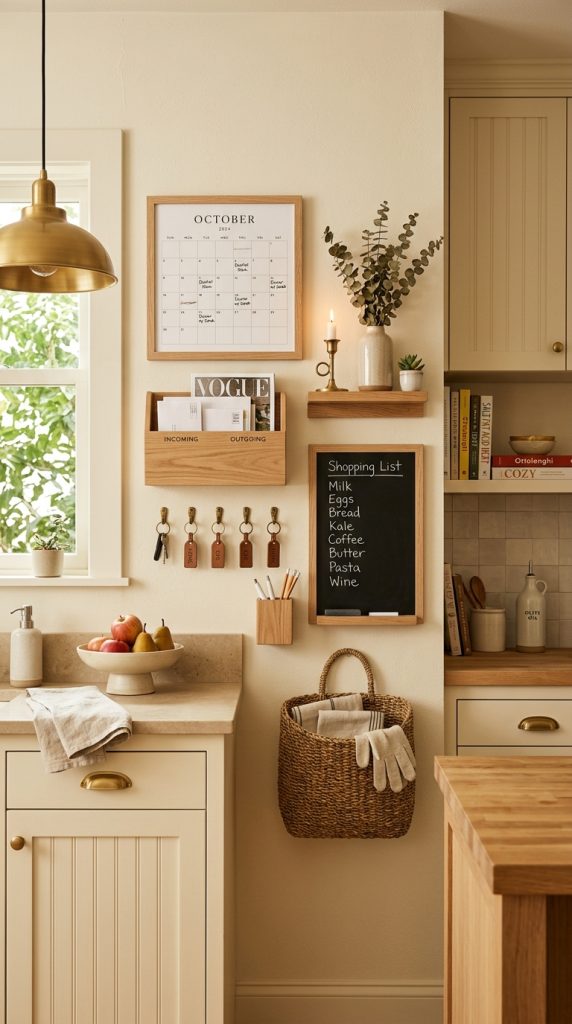
    A wooden stool does not need to serve as a conventional seat.

    It can become a plant stand, bedside table, decorative pedestal, or side table.

    Furniture Ideas

    • Carved wooden stool
    • Wooden bench
    • Natural wood coffee table
    • Sculptural side table
    • Carved console
    • Wooden pedestal
    • Small wooden cabinet

    Step-by-Step

    Choose one sculptural wooden piece.

    Avoid adding too many similar pieces because the room may start to feel heavy.

    Use the furniture as a focal point.

    For example, place a carved wooden stool beside a cream sofa.

    Put a ceramic vase or plant on top.

    Or use a wooden bench beneath a large artwork.

    The contrast between natural wood and soft fabrics creates a beautiful balance.

    Styling Advice

    Keep the surrounding accessories simple.

    If the furniture itself has a strong shape, it does not need many decorations.

    Let the craftsmanship become part of the design.

    7. Bring Afrohemian Style Into a Small Apartment

    Afrohemian decor can work beautifully in small apartments because the style relies heavily on texture rather than large quantities of furniture.

    Start with a neutral base.

    Use multifunctional furniture where possible.

    A storage ottoman can provide seating and storage.

    A woven basket can hide blankets.

    A narrow wooden console can provide display space without consuming much floor area.

    Small-Space Materials

    • Compact cream sofa
    • Storage ottoman
    • Jute rug
    • Floating shelf
    • Woven baskets
    • Small plants
    • Wall artwork
    • Rattan accessories

    Step-by-Step

    Choose one major statement piece.

    This might be an artwork, rug, mirror, or sculptural chair.

    Then keep the remaining furniture simple.

    Use the walls for decoration.

    Floating shelves can display ceramics and plants without taking up floor space.

    Use baskets for storage.

    Choose furniture with visible legs to maintain visual openness.

    Keep the Palette Controlled

    In a small apartment, too many colors can make the room feel smaller.

    Use cream or beige as the foundation.

    Introduce terracotta, brown, black, and muted green as accents.

    This creates warmth while maintaining visual consistency.

    8. Create a Beautiful Afrohemian Dining Area

    The dining room or dining corner can become a beautiful place to introduce handmade textures and natural materials.

    Choose a wooden dining table as the foundation.

    The wood does not need to be perfectly polished.

    A slightly rustic or naturally textured surface can actually enhance the style.

    Materials and Things You Need

    • Natural wood dining table
    • Woven dining chairs
    • Linen table runner
    • Ceramic dishes
    • Handmade-style vase
    • Dried branches
    • Woven pendant light
    • Neutral placemats

    Step-by-Step

    Place the dining table in the center of the area.

    Choose chairs with different textures if they still feel visually coordinated.

    Woven chairs work particularly well.

    Add a simple linen runner.

    Place a ceramic vase in the center.

    Fill it with dried branches or natural foliage.

    Keep the table setting simple.

    Handmade-style ceramics can create character.

    Lighting

    A woven pendant light above the dining table can become an important focal point.

    Choose warm lighting.

    The combination of woven texture and warm illumination creates an intimate atmosphere during dinner.

    Avoid excessively bright lighting.

    A soft glow makes natural wood and earthy colors appear richer.

    9. Create an Afrohemian Entryway With Baskets and Natural Decor

    The entryway is the first area visitors see, so it is an excellent opportunity to introduce the style immediately.

    A narrow wooden console can provide a practical foundation.

    Add a large round mirror above it.

    Then introduce woven baskets and natural accessories.

    Materials and Things You Need

    • Narrow wooden console
    • Round mirror
    • Woven basket
    • Ceramic vase
    • Small plant
    • Wooden bowl
    • Warm lamp
    • Natural fiber rug

    Step-by-Step

    Begin with the console.

    Choose one that does not overwhelm the entryway.

    Place a decorative lamp on one side.

    Add a ceramic vase or small plant on the other.

    Use a wooden bowl for keys.

    Hang a round mirror above the console.

    Place a woven basket underneath.

    The basket can hold shoes, scarves, or bags.

    Add a small rug if there is enough space.

    Keep It Functional

    The entryway should not become a decorative obstacle.

    Leave enough room to walk comfortably.

    Choose storage pieces that actually solve everyday problems.

    This combination of beauty and practicality is particularly important in small homes.

    10. Create a Cozy Afrohemian Outdoor-Inspired Corner Indoors

    You do not need a large outdoor space to bring an earthy, nature-inspired atmosphere into your home.

    Create a small indoor corner that feels connected to nature.

    This can be beside a window, in a living-room corner, near a balcony door, or next to a reading chair.

    Materials and Things You Need

    • Rattan chair
    • Jute rug
    • Large indoor plant
    • Woven basket
    • Wooden stool
    • Ceramic planter
    • Linen cushion
    • Warm floor lamp

    Step-by-Step

    Place a rattan chair near natural light.

    Add a jute rug underneath.

    Position a large leafy plant beside the chair.

    Use a wooden stool as a small side table.

    Add a linen cushion.

    Place a woven basket nearby.

    Finish the corner with a warm floor lamp.

    Create a Relaxing Atmosphere

    The purpose of this corner is to create a visual escape.

    Keep the colors earthy.

    Use natural materials.

    Avoid excessive accessories.

    Let the plant, chair, and lighting create the atmosphere.

    This can become a reading area, meditation corner, coffee spot, or simply a beautiful place to relax.

    How to Choose the Right Afrohemian Color Palette

    A strong color palette makes Afrohemian decorating much easier.

    Start with neutral colors.

    Cream, beige, sand, warm white, taupe, and natural wood are excellent foundations.

    Then choose two or three earthy accents.

    Terracotta adds warmth.

    Ochre introduces golden depth.

    Rust creates a rich autumn-inspired feeling.

    Chocolate brown adds grounding.

    Olive green connects the interior with nature.

    Charcoal or black can provide contrast.

    You do not need to use every color.

    Choose the combination that best suits your room.

    For a soft Afrohemian interior, use cream, beige, caramel, and muted green.

    For a dramatic look, combine cream, chocolate brown, black, and terracotta.

    For a colorful room, introduce rust, ochre, olive, and warm orange.

    How to Use Patterns Without Making the Room Look Busy

    Patterns are beautiful but need balance.

    Choose one dominant pattern.

    Then use smaller patterns as supporting elements.

    For example, if the rug has a strong geometric design, keep the sofa cushions relatively simple.

    If your artwork is bold, use neutral furniture around it.

    If your curtains contain a pattern, keep the rest of the room more restrained.

    Pattern repetition can also create harmony.

    Repeat one color from your main pattern somewhere else in the room.

    This makes different objects feel connected.

    How to Make Afrohemian Decor Look Elegant

    Afrohemian does not have to mean crowded or overly colorful.

    A sophisticated Afrohemian interior often relies on restraint.

    Choose fewer but better accessories.

    Use high-quality-looking natural textures.

    Keep surfaces organized.

    Allow artwork to breathe.

    Use warm lighting.

    Combine rough textures with smooth materials.

    For example, pair a rough jute rug with a smooth ceramic vase.

    Combine carved wood with soft linen.

    Use woven baskets beside polished furniture.

    This contrast creates sophistication.

    How to Decorate on a Budget

    You do not need to completely replace your furniture.

    Start with textiles.

    New cushions, throws, and rugs can transform an existing sofa.

    Next, introduce baskets.

    They provide storage and decoration simultaneously.

    Then add plants.

    A few carefully placed plants can change the entire atmosphere.

    Look for secondhand wooden furniture.

    An old stool can become a beautiful side table.

    A vintage mirror can become a focal point.

    A simple ceramic vase can add handmade character.

    You can also refresh existing furniture with natural finishes or new hardware where appropriate.

    The goal is to build the look gradually.

    How to Use Lighting in an Afrohemian Home

    Lighting can completely change the appearance of earthy interiors.

    Choose warm bulbs.

    Use several light sources.

    A table lamp can illuminate a console.

    A floor lamp can create a cozy corner.

    A woven pendant can become a statement feature.

    Small accent lights can highlight artwork.

    Avoid relying entirely on a bright overhead light.

    Instead, create layers.

    During the daytime, allow natural light to enter.

    In the evening, use lamps and softer sources.

    Warm illumination enhances wood, woven fibers, terracotta, and textiles beautifully.

    How to Style an Afrohemian Coffee Table

    The coffee table should not become a storage area for every decorative object you own.

    Choose three to five items.

    A wooden or ceramic tray can create a foundation.

    Add a coffee-table book.

    Place a small ceramic vase beside it.

    Add one candle or sculptural object.

    A tiny plant can provide a natural touch.

    Vary the heights.

    Avoid making everything the same size.

    The arrangement should look relaxed rather than perfectly symmetrical.

    How to Use Plants in Afrohemian Decor

    Plants are an excellent complement to earthy interiors.

    Large leafy plants can become statement pieces.

    Smaller plants can decorate shelves.

    Trailing plants can soften floating shelves.

    Use natural containers.

    Woven baskets can cover simple plant pots.

    Terracotta pots can add warm color.

    Ceramic planters can create a more refined look.

    Avoid filling every available corner with plants.

    Choose a few plants and give them enough room to stand out.

    Common Afrohemian Decorating Mistakes

    One common mistake is using too many patterns.

    Another is choosing too many decorative objects.

    Afrohemian style should feel collected, not chaotic.

    Another mistake is relying only on dark colors.

    Earthy does not mean dark.

    Cream, sand, beige, and warm white can create a beautiful foundation.

    Another mistake is ignoring lighting.

    Even a beautifully decorated room can feel cold under harsh lighting.

    Finally, avoid buying culturally inspired objects simply because they are trendy.

    Choose pieces thoughtfully.

    Final Thoughts

    Afrohemian home decor is more than a collection of earthy colors, woven baskets, plants, and patterned textiles.

    At its best, it is a decorating style built around warmth, individuality, natural materials, craftsmanship, artistic expression, and meaningful details.

    The beauty of this style is that it does not require everything to match.

    A modern sofa can work with a vintage wooden table.

    A rattan chair can sit beside a contemporary lamp.

    A bold textile can become the focal point of an otherwise neutral room.

    A handmade ceramic vase can add personality to a simple console.

    A large plant can bring life to an empty corner.

    These contrasts are part of what makes Afrohemian interiors so visually interesting.

    The most effective way to create this look is to begin with a calm foundation.

    Use cream, beige, sand, warm white, or natural wood as your base.

    Then introduce earthy shades such as terracotta, rust, ochre, chocolate brown, olive, and charcoal.

    From there, add texture.

    Jute rugs, linen curtains, woven baskets, rattan furniture, wooden accessories, ceramic pieces, and cotton textiles can make even a neutral room feel rich.

    Then add personality.

    Choose artwork that genuinely speaks to you.

    Display meaningful objects.

    Use handmade pieces where possible.

    Bring in plants.

    Layer a few beautiful textiles.

    And use warm lighting to bring everything together.

    You also do not need to decorate your entire home at once.

    Start with one room.

    The living room is a natural starting point because it offers plenty of opportunities for textiles, furniture, artwork, and greenery.

    Once you understand the palette and materials, you can carry the same principles into your bedroom, dining area, entryway, and other spaces.

    Remember that balance is essential.

    If you have a bold rug, keep some surrounding furniture simple.

    If you have dramatic artwork, allow empty wall space around it.

    If you have several textured accessories, balance them with smooth surfaces.

    If your furniture is dark, introduce lighter textiles and warm lighting.

    This prevents the room from becoming visually overwhelming.

    For small homes, focus particularly on multifunctional furniture and vertical decorating.

    A storage ottoman can provide both seating and hidden storage.

    Floating shelves can display artwork and ceramics without using floor space.

    A woven basket can hide blankets.

    A narrow console can provide storage without dominating the room.

    This allows the style to remain beautiful while still being practical.

    Most importantly, make your Afrohemian home feel personal.

    Do not try to copy a perfectly styled room piece by piece.

    Instead, use the ideas as inspiration.

    Choose the colors that make you feel comfortable.

    Choose materials that you enjoy touching and seeing.

    Choose artwork that has meaning.

    Choose furniture that fits your lifestyle.

    A truly beautiful home is not simply one that looks good in photographs.

    It is one that feels comfortable when you live in it.

    Afrohemian decorating is especially well suited to this philosophy because it celebrates warmth, texture, natural beauty, and individuality.

    With a thoughtful combination of earthy colors, natural materials, handmade details, expressive artwork, cozy textiles, greenery, and warm lighting, you can create a home that feels artistic, welcoming, sophisticated, and deeply personal.

    You do not need a huge budget or a large house.

    You simply need to choose pieces intentionally and allow your personality to become part of the design.


  • Multifunctional Furniture Ideas for Small Spaces

    Multifunctional Furniture Ideas for Small Spaces

    Living in a small home does not mean you have to give up comfort, style, or functionality. Whether you live in a compact apartment, studio, tiny house, small bedroom, or a home with limited rooms, the right furniture can make an enormous difference. The secret is choosing pieces that perform more than one job.

    Multifunctional furniture is designed to solve several problems at once. A storage ottoman can work as a footrest, extra seating, and hidden storage. A sofa bed can transform a living room into a guest bedroom. A narrow console can become a workspace when needed. A storage bench can provide seating while hiding shoes, blankets, or everyday belongings.

    For small spaces, this type of furniture is especially valuable because every square foot matters. Traditional furniture often performs only one function and occupies a large amount of floor space. Multifunctional pieces allow you to combine several purposes into one carefully chosen item.

    The best part is that multifunctional furniture does not have to look purely practical. Today’s small-space furniture can be stylish, elegant, comfortable, and decorative. With the right styling, functional furniture can become part of your home’s overall design rather than something you try to hide.

    Before purchasing anything, it is important to understand how you actually use your space. Think about your daily routine. Do you work from home? Do you frequently have guests? Do you need extra storage? Do you eat meals in your living room? Do you need a place for children to study? Do you have limited closet space?

    Your answers should guide your furniture choices.

    For example, someone working from home might benefit from a fold-down wall desk rather than a traditional desk. Someone who regularly hosts guests might prefer a sofa bed. A family with limited storage could choose a bed with built-in drawers. Someone living in a studio apartment might benefit from nesting tables that can expand when guests arrive and disappear when they leave.

    Another important factor is furniture scale. Multifunctional furniture should fit your room properly. A piece that performs three jobs is not useful if it takes up half the room and blocks movement.

    Look for furniture with a compact footprint, clean lines, and flexible functionality.

    Furniture with visible legs can also help a small room feel more open because you can see more of the floor underneath it. Glass or acrylic surfaces can provide a similar visual effect because they allow light to pass through.

    Color matters too. Large furniture pieces in soft neutral shades such as cream, beige, taupe, warm gray, or light brown can blend naturally into a small room. If you prefer darker furniture, balance it with lighter walls, textiles, and accessories.

    Storage is one of the biggest reasons multifunctional furniture works so well in small homes. Clutter makes compact spaces feel even smaller. When furniture includes hidden compartments, drawers, shelves, or storage baskets, everyday items can disappear from view.

    However, functionality should not mean sacrificing beauty.

    The most successful small-space interiors combine practical furniture with thoughtful styling. A storage bench can look elegant with a soft cushion. A sofa bed can look like a beautiful sofa during the day. A storage coffee table can become a stylish centerpiece. A compact desk can blend into a living room rather than looking like an office.

    The ten ideas below will show you how to use multifunctional furniture in different areas of your home. Each idea includes practical suggestions, materials or furniture features to consider, step-by-step guidance, and styling advice.

    Whether you are decorating your first apartment or simply trying to make a small home work better, these ideas can help you create a space that feels more organized, comfortable, and attractive.

    1. Choose a Storage Ottoman That Works as Seating, Storage, and a Table

    A storage ottoman is one of the most versatile pieces of furniture for a small living room.

    It can perform several functions without requiring a large amount of space. You can use it as a footrest while relaxing on the sofa, extra seating when guests arrive, a surface for a tray, and hidden storage for blankets, pillows, books, or other items.

    This makes it particularly useful when you do not have enough room for a separate coffee table and additional seating.

    What to Look For

    Choose an ottoman with:

    • A removable or hinged top
    • Internal storage
    • A sturdy surface
    • Washable or durable fabric
    • A compact shape
    • Neutral or coordinating colors

    A rectangular ottoman can work well in front of a sofa because it provides plenty of usable surface area.

    A round ottoman can create softer visual lines and make movement around the room easier.

    How to Style It

    Place the ottoman in front of the sofa.

    Add a decorative tray to the top.

    The tray can hold a candle, small vase, coffee-table book, or remote controls.

    When you need to use the ottoman as extra seating, simply move the tray aside.

    Inside the storage compartment, keep items you use regularly.

    Blankets and pillows are particularly convenient because they can be quickly removed when needed.

    Step-by-Step

    1. Measure the area in front of your sofa.
    2. Leave enough space for comfortable movement.
    3. Choose an appropriately sized ottoman.
    4. Select a fabric that complements your existing furniture.
    5. Use the interior for hidden storage.
    6. Add a decorative tray to create a stable surface.
    7. Keep the top relatively uncluttered.

    A storage ottoman is especially useful in a small apartment where buying separate furniture for every purpose would quickly consume the available space.

    2. Invest in a Sofa Bed for a Living Room That Doubles as a Guest Room

    A sofa bed is an excellent solution for homes that do not have a dedicated guest bedroom.

    During the day, it functions as comfortable living-room seating.

    At night, it can become a sleeping area.

    This is especially useful in studio apartments, one-bedroom homes, and small apartments where space needs to perform multiple functions.

    What to Look For

    Consider:

    • Comfortable seating
    • Easy conversion mechanism
    • Supportive mattress
    • Durable upholstery
    • Compact depth
    • Neutral color
    • Built-in storage if available

    The sofa should look attractive when it is being used as normal seating.

    How to Style It

    Use decorative cushions and a soft throw during the day.

    Choose cushions that can easily be removed when the bed is opened.

    A nearby storage basket can hold additional bedding.

    A narrow side table can provide space for a lamp, book, or drink without occupying much room.

    Step-by-Step

    1. Measure the sofa area.
    2. Measure the fully extended bed dimensions.
    3. Make sure the bed can open without blocking doors or pathways.
    4. Choose a style that matches your living room.
    5. Add comfortable cushions.
    6. Store bedding in a nearby basket or compartment.
    7. Keep the surrounding area easy to rearrange.

    Always consider the fully opened size rather than only the sofa dimensions.

    This is one of the most important rules when choosing furniture for small rooms.

    A sofa bed is only practical if you can comfortably convert it without moving half the room.

    3. Use a Lift-Top Coffee Table as a Workspace and Dining Surface

    A lift-top coffee table can be extremely useful when you need a workspace but do not have enough room for a traditional desk.

    The tabletop can rise to a more comfortable working height.

    Depending on the design, it may also provide hidden storage underneath.

    This makes it useful for working, eating, writing, studying, or organizing everyday items.

    What You Need

    Look for a coffee table with:

    • Lift mechanism
    • Hidden storage
    • Stable tabletop
    • Compact dimensions
    • Durable finish
    • Rounded edges if appropriate

    Step-by-Step

    1. Place the table in front of the sofa.
    2. Keep enough room around it for movement.
    3. Use the hidden compartment for notebooks, chargers, and stationery.
    4. Lift the tabletop when working.
    5. Lower it when relaxing.
    6. Use a small basket nearby for additional items.

    Why It Works

    A traditional desk can occupy valuable floor space all day.

    A lift-top table allows the same area to serve multiple purposes.

    During the morning, you can use it as a desk.

    At lunchtime, it can become a dining surface.

    In the evening, lower it and use it as a conventional coffee table.

    This flexibility makes it particularly valuable in studio apartments.

    For a polished appearance, keep the tabletop simple.

    A small tray, vase, or decorative object is enough when the table is not being used for work.

    4. Add a Storage Bed to Maximize Bedroom Space

    The area underneath your bed is valuable storage space.

    Instead of leaving it empty or filling it with mismatched boxes, choose a bed specifically designed with built-in storage.

    Storage beds can include drawers, lift-up platforms, shelves, or hidden compartments.

    What to Store

    Use the storage area for:

    • Extra bedding
    • Seasonal clothing
    • Shoes
    • Towels
    • Blankets
    • Bags
    • Extra pillows
    • Rarely used items

    What to Look For

    Choose a bed with:

    • Strong construction
    • Smooth drawer mechanisms
    • Easy access
    • Durable upholstery or finish
    • Appropriate height
    • A design that fits your bedroom

    Step-by-Step

    1. Measure the bedroom.
    2. Determine how much storage you need.
    3. Choose drawers or lift-up storage based on your needs.
    4. Organize items into categories.
    5. Use storage bags or boxes inside larger compartments.
    6. Keep frequently used items accessible.

    A storage bed can eliminate the need for an additional bulky dresser.

    This creates more walking space and makes a small bedroom feel less crowded.

    For the most attractive result, keep the bed itself simple.

    Neutral bedding, warm lighting, and minimal bedside accessories can make a storage bed look sophisticated rather than purely functional.

    5. Use a Fold-Down Wall Desk for a Small Home Office

    If you work or study at home but do not have enough room for a dedicated office, a fold-down wall desk can be a brilliant solution.

    When opened, it provides a functional workspace.

    When closed, it takes up very little room.

    Some designs also include shelves or compartments for storing stationery.

    What You Need

    • Fold-down desk
    • Secure wall mounting
    • Compact chair
    • Small storage containers
    • Desk lamp
    • Cable organizer

    Step-by-Step

    1. Identify a suitable wall.
    2. Make sure the desk can open fully.
    3. Check that the wall can support the installation.
    4. Mount the desk securely.
    5. Add a compact chair.
    6. Organize cables.
    7. Store office supplies inside the desk if compartments are available.

    Styling the Workspace

    Choose a desk finish that matches the surrounding room.

    Natural wood can create warmth.

    White can make the area feel lighter.

    Black can create a sophisticated appearance.

    Add one small lamp.

    Avoid covering the desk with unnecessary decorations.

    When the desk is closed, the surrounding wall can remain visually clean.

    A framed artwork or small shelf nearby can help integrate the workspace into the room.

    This is particularly effective in apartments where the living room has to serve as both a home office and relaxation space.

    6. Choose a Storage Bench for the Entryway

    Entryways in small homes often become cluttered with shoes, bags, coats, and everyday accessories.

    A storage bench can solve several problems simultaneously.

    It provides a place to sit while putting on shoes and creates hidden storage underneath.

    What You Need

    • Storage bench
    • Cushion
    • Shoe storage
    • Small basket
    • Wall hooks
    • Mirror

    Step-by-Step

    1. Measure the entryway width.
    2. Choose a narrow bench.
    3. Make sure doors can open comfortably.
    4. Store shoes or bags inside.
    5. Add a soft cushion if desired.
    6. Install hooks above the bench.
    7. Add a mirror above it.

    This creates a complete entryway station using a relatively small footprint.

    The bench provides seating.

    The storage compartment hides clutter.

    The hooks provide vertical storage.

    The mirror adds functionality and can make the entryway feel larger.

    Styling Tip

    Keep the top of the bench simple.

    A small cushion, one basket, and perhaps a decorative pillow are enough.

    Too many objects can make the entryway feel crowded.

    7. Use Nesting Tables Instead of a Large Coffee Table

    Nesting tables are ideal for people who occasionally need additional surfaces but do not want a large coffee table taking up space permanently.

    Several smaller tables can fit underneath one another.

    When you need additional surfaces, simply separate them.

    What to Look For

    • Lightweight construction
    • Different heights
    • Compact footprint
    • Stable bases
    • Coordinating finishes

    How to Use Them

    Keep the largest table beside or in front of the sofa.

    Slide the smaller tables underneath.

    When guests arrive, pull the smaller tables out.

    Use them for drinks, snacks, books, or decorative items.

    Afterward, return them to their original position.

    Why They Work

    Traditional coffee tables occupy one large footprint.

    Nesting tables provide more flexibility.

    They can also be moved around the room easily.

    A small table can become a bedside table.

    Another can serve as a plant stand.

    Another can sit beside a chair.

    This flexibility is particularly useful when you frequently change your room arrangement.

    Round nesting tables can also make a compact room easier to navigate because they do not have sharp corners.

    8. Add a Storage Bench at the End of the Bed

    A bench at the foot of the bed can provide seating, storage, and decorative balance.

    In a small bedroom, this can be much more useful than adding a separate chair.

    Choose a bench with a lift-up seat or internal storage.

    What to Store

    Use it for:

    • Extra blankets
    • Bed linens
    • Pillows
    • Seasonal clothing
    • Bags
    • Towels

    Step-by-Step

    1. Measure the width of your bed.
    2. Choose a bench slightly narrower than the bed.
    3. Leave enough walking space around it.
    4. Select a fabric or finish that coordinates with the bedding.
    5. Use the storage compartment for soft items.
    6. Keep the top mostly clear.

    A soft upholstered bench can create a luxurious bedroom appearance.

    A wooden storage bench can create a more natural or rustic atmosphere.

    A woven bench can introduce texture.

    Important Consideration

    Do not choose a bench that is too deep.

    In a small bedroom, excessive depth can reduce walking space.

    The goal is to add functionality without creating another obstacle.

    9. Choose a Narrow Console That Can Become a Dining or Work Area

    A narrow console table can be surprisingly multifunctional.

    It can serve as an entryway table, living-room console, workspace, or even a small dining surface depending on its design.

    This is especially useful in open-plan apartments.

    What to Look For

    Choose a console with:

    • Slim depth
    • Storage drawers
    • Extendable surface if possible
    • Durable construction
    • Neutral finish
    • Easy-to-clean surface

    An extendable console can remain compact against a wall most of the time.

    When you need a larger surface, it can be expanded.

    Step-by-Step

    1. Place the console against an available wall.
    2. Keep decorative accessories minimal.
    3. Use drawers for small items.
    4. Add a stool or compact chair nearby.
    5. Extend the table when needed.
    6. Return it to its narrow form afterward.

    This allows one piece of furniture to support several activities.

    During the day, it can function as a decorative console.

    When working, it can become a desk.

    When entertaining, it can potentially provide additional dining space if designed for that purpose.

    Styling

    Place a mirror or artwork above it.

    Add one lamp.

    Include a small vase or plant.

    Use a tray to organize small objects.

    The result can look elegant even when the furniture is highly functional.

    10. Use a Room Divider That Also Provides Storage

    Open-plan living can be challenging in a small home.

    You may need to separate your bedroom from your living room or your workspace from your relaxation area.

    Instead of using a solid wall, choose furniture that doubles as a room divider.

    A bookcase, open shelving unit, or storage cabinet can create separation while providing additional storage.

    What You Need

    • Open bookshelf
    • Storage cube unit
    • Freestanding shelving
    • Baskets
    • Books
    • Plants
    • Decorative boxes

    Step-by-Step

    1. Identify where you need visual separation.
    2. Measure the area carefully.
    3. Choose an appropriately sized shelving unit.
    4. Position it so that it does not block natural light.
    5. Use baskets to hide clutter.
    6. Leave some shelves open.
    7. Add plants and decorative objects.

    Why Open Shelving Works

    An open shelf can divide a room without making either side feel completely enclosed.

    Light can still pass through.

    The room maintains a sense of openness.

    At the same time, the shelving provides valuable storage.

    For example, in a studio apartment, the shelf could separate the sleeping area from the living area.

    One side could hold books and decorative objects.

    The other could store baskets containing clothing or personal belongings.

    The result is a flexible divider that performs both a decorating and organizational role.

    How to Choose Multifunctional Furniture for a Small Space

    Before buying multifunctional furniture, measure everything.

    Measure the room.

    Measure doorways.

    Measure hallways.

    Measure the furniture itself.

    If the furniture expands or folds, measure the expanded dimensions as well.

    This prevents one of the most common small-space decorating mistakes: buying furniture that technically fits but makes the room impossible to use comfortably.

    Think about movement.

    You should be able to walk around your furniture without constantly bumping into corners.

    You should be able to open drawers.

    Doors should open fully.

    Fold-out furniture should have enough space to operate.

    The second consideration is quality.

    Because multifunctional furniture is used for several purposes, it may experience more wear than traditional furniture.

    Look for sturdy construction and reliable mechanisms.

    A fold-down desk needs strong hinges.

    A storage bed needs durable drawers.

    A sofa bed needs a comfortable mechanism.

    A lift-top table needs a stable lifting system.

    Do not choose a piece solely because it performs many functions.

    It still needs to perform those functions well.

    How to Make Multifunctional Furniture Look Stylish

    The key is to avoid making your home look like every object has been chosen purely for practical reasons.

    Style multifunctional furniture just as you would style ordinary furniture.

    Add textiles.

    Use coordinated colors.

    Introduce natural materials.

    Choose attractive hardware.

    Keep surfaces uncluttered.

    For example, a storage ottoman can look sophisticated with a woven tray on top.

    A storage bench can look elegant with a textured cushion.

    A sofa bed can look like a normal luxury sofa when styled with beautiful pillows.

    A storage bed can look sophisticated with layered bedding.

    A bookshelf divider can become a decorative focal point when styled with plants, books, ceramics, and artwork.

    Best Multifunctional Furniture for Studio Apartments

    Studio apartments require especially careful furniture choices because one room may need to function as a bedroom, living room, dining room, office, and storage area.

    Some of the most useful options include:

    • Sofa beds
    • Storage ottomans
    • Lift-top tables
    • Fold-down desks
    • Storage beds
    • Room-divider shelving
    • Nesting tables
    • Folding dining tables

    Try to create zones.

    Use a rug to define the living area.

    Use shelving to separate sleeping space.

    Use lighting to distinguish different functions.

    Use furniture placement to create natural boundaries.

    You do not necessarily need physical walls to make different areas feel separate.

    Multifunctional Furniture for Small Bedrooms

    Small bedrooms benefit from furniture that uses hidden space.

    Choose a storage bed.

    Use a storage bench.

    Install floating shelves.

    Choose a compact bedside table with drawers.

    Consider wall-mounted lighting.

    Use a mirror with hidden jewelry storage if appropriate.

    Avoid oversized dressers.

    If your closet is limited, use under-bed storage for seasonal items.

    Keep the center of the room relatively clear.

    This creates a stronger sense of space.

    Multifunctional Furniture for Small Living Rooms

    Start with the sofa.

    If you host guests, consider a sofa bed.

    Add a storage ottoman.

    Use nesting tables.

    Choose a lift-top coffee table if you work from home.

    Use a narrow console against the wall.

    Add a storage cabinet rather than multiple small shelves.

    Keep the furniture arrangement simple.

    A small living room often looks larger when there is a clear central pathway.

    Multifunctional Furniture for Small Dining Areas

    If you do not have a dedicated dining room, consider:

    • Extendable dining tables
    • Drop-leaf tables
    • Folding tables
    • Wall-mounted tables
    • Storage benches
    • Stackable chairs

    An extendable table can remain compact during everyday use and expand when guests arrive.

    A wall-mounted table can disappear when you need additional floor space.

    A storage bench can provide seating without requiring several individual chairs.

    Multifunctional Furniture for Renters

    Renters often cannot make permanent structural changes.

    Fortunately, multifunctional furniture does not require major renovations.

    Choose freestanding pieces.

    Use storage ottomans.

    Choose movable shelving.

    Use folding desks.

    Select portable room dividers.

    Use nesting tables.

    Add rolling carts where appropriate.

    This allows you to create flexible zones without changing the structure of the home.

    Common Mistakes to Avoid

    One common mistake is buying furniture that is too large.

    A multifunctional item is not automatically space-saving.

    Always consider its footprint.

    Another mistake is choosing furniture with complicated mechanisms.

    If you avoid using the feature because it is difficult to operate, it is not truly functional.

    Another problem is excessive storage furniture.

    You still need open space.

    Do not fill every wall with cabinets simply because storage is available.

    Finally, avoid sacrificing comfort.

    A sofa bed should still be comfortable as a sofa.

    A desk should have a usable working height.

    A storage bench should be comfortable enough to sit on.

    A coffee table should remain stable.

    Functionality and comfort should work together.

    How to Create a Cozy Small Space With Multifunctional Furniture

    Multifunctional furniture does not mean your home has to look minimalist or cold.

    You can create a very cozy atmosphere.

    Use warm textiles.

    Add soft rugs.

    Choose warm wood.

    Use cream and beige tones.

    Add cushions.

    Include plants.

    Use warm lamps.

    Display a few favorite objects.

    The trick is to keep the number of large furniture pieces under control while using textiles and accessories to create softness.

    A small room can feel incredibly inviting when it has the right balance between functionality and comfort.

    Budget-Friendly Ways to Use Multifunctional Furniture

    You do not always need to purchase expensive specialized furniture.

    Look at what you already own.

    A sturdy wooden bench can become both seating and storage if baskets are placed underneath.

    A small desk can become a dining table.

    A console can become a workspace.

    A trunk can become a coffee table.

    A stool can become a side table.

    A bookcase can become a room divider.

    A basket can function as both storage and decoration.

    Secondhand stores can also be excellent places to find multifunctional pieces.

    Look for solid furniture that can be repurposed.

    With paint, new hardware, or fresh upholstery, an older item can become a beautiful part of your small-space interior.

    Final Thoughts

    Small spaces require thoughtful decorating, but they do not require boring or uncomfortable furniture.

    The right multifunctional pieces can completely change the way you experience your home.

    Instead of asking whether you have enough space, start asking whether your furniture is using the space efficiently.

    A storage ottoman can provide seating, storage, and a table surface.

    A sofa bed can turn a living room into a guest bedroom.

    A lift-top coffee table can become a workspace.

    A storage bed can eliminate the need for additional bedroom furniture.

    A fold-down desk can create a home office without permanently taking over the room.

    A storage bench can organize an entryway.

    Nesting tables can provide extra surfaces when needed and disappear when they are not.

    A bench at the foot of the bed can provide both seating and storage.

    An extendable console can serve several purposes.

    And a storage bookshelf can divide a room while keeping it organized.

    These solutions are particularly valuable because they allow one piece of furniture to do the work of several.

    However, the goal should never be to fill your home with clever furniture simply because it is multifunctional.

    Every piece should solve an actual problem.

    Think about how you live.

    If you rarely have guests, you may not need a sofa bed.

    If you never work from home, a fold-down desk might not be necessary.

    If you have plenty of storage, you might prefer a simpler coffee table.

    The best furniture is furniture that fits your lifestyle.

    Measurements are equally important.

    Always measure your available space before purchasing.

    Consider the furniture’s normal size and its expanded size.

    Check doorways.

    Check walking paths.

    Check whether drawers can open.

    Check whether a sofa bed can fully extend.

    Check whether a folding desk can open comfortably.

    A beautiful piece of furniture is only useful if you can actually use it.

    Style should also remain part of the decision.

    Small homes can still look sophisticated.

    Choose colors that complement your existing decor.

    Use warm neutrals.

    Introduce natural wood.

    Add textured fabrics.

    Use a few carefully selected decorative accessories.

    Keep surfaces organized.

    Layer warm lighting throughout the room.

    When practical furniture is combined with thoughtful styling, it no longer looks purely functional.

    It becomes part of the home’s personality.

    One of the easiest ways to make multifunctional furniture look expensive is to avoid clutter.

    Do not cover every surface.

    Instead, choose one focal point.

    For example, style your storage ottoman with a beautiful tray.

    Style your storage bench with one textured cushion.

    Style your room-divider shelf with a mixture of books, plants, ceramics, and artwork.

    Keep everything else relatively simple.

    Remember that empty space is valuable.

    A small home should have enough room for you to move comfortably.

    You should not have to navigate an obstacle course simply because every corner contains furniture.

    The best small-space design creates breathing room.

    Multifunctional furniture also works particularly well when combined with vertical decorating.

    Use wall-mounted shelves above a desk.

    Place artwork above a storage bench.

    Use a mirror above a console.

    Install wall lighting instead of using bulky floor lamps where appropriate.

    This allows you to maximize both horizontal and vertical space.

    Another important strategy is to create zones.

    Even if your home is only one room, you can create separate areas for sleeping, working, dining, and relaxing.

    A rug can define the living area.

    A bookshelf can separate the bedroom.

    A fold-down desk can create a workspace.

    A compact table can create a dining zone.

    Different lighting can reinforce each area.

    The result is a home that feels more organized even though the actual floor plan has not changed.

    Ultimately, decorating a small home successfully is about making intentional choices.

    You do not need more furniture.

    You need better-functioning furniture.

    You do not need a larger room.

    You need to use your existing space more effectively.

    You do not need an unlimited budget.

    You need pieces that provide genuine value.

    When every major furniture item serves more than one purpose, your home becomes easier to organize and more comfortable to live in.

    A small space can still have a beautiful sofa, a cozy bedroom, a useful workspace, comfortable seating, attractive storage, and a welcoming atmosphere.

    The secret is choosing pieces that work harder while taking up less room.

    With the right combination of storage, flexibility, comfort, and thoughtful styling, even a compact apartment can feel spacious, organized, cozy, and beautifully designed.


  • Small Home Decorating Ideas on a Budget

    Small Home Decorating Ideas on a Budget

    Decorating a small home on a budget can seem difficult when you want your space to look beautiful, comfortable, stylish, and organized at the same time. A small home gives you less floor space, fewer areas for furniture, and limited storage, so it is easy to feel that you need expensive furniture or a professional interior designer to create the look you want. The truth, however, is very different. You can transform a small home with simple, affordable decorating ideas that focus on making every inch useful while keeping the room visually light and inviting.

    The biggest advantage of decorating a small home is that you do not need a huge number of items to make an impact. In a large home, empty walls and oversized rooms can sometimes require significant furniture and accessories. In a small home, a few carefully selected pieces can completely change the atmosphere. A beautiful mirror, cozy throw, stylish lamp, floating shelf, small rug, or attractive piece of artwork can become a focal point without overwhelming the room.

    The key is to decorate with intention. Before purchasing anything, look around your home and identify what is actually missing. Maybe the living room feels dark. Perhaps the bedroom looks plain. Maybe your entryway has become cluttered. Your kitchen might need additional organization rather than more decoration. Once you identify the problem, you can choose a solution that improves both the appearance and functionality of the space.

    One of the most useful tricks for small homes is to decorate vertically. When floor space is limited, walls provide valuable unused space. Floating shelves, wall-mounted storage, tall bookshelves, framed artwork, mirrors, and hanging plants can add personality without taking up precious floor area. This approach is particularly useful in apartments and rental homes where every square foot matters.

    Mirrors are another affordable decorating tool. A strategically placed mirror can reflect light and make a room appear more open. It can also become an attractive focal point. You do not necessarily need to buy an expensive designer mirror. Thrift stores and secondhand marketplaces can offer beautiful frames at much lower prices, and an old mirror can sometimes be refreshed with a simple coat of paint.

    Lighting can also transform a small home without requiring a major renovation. Many small rooms feel cramped because they depend on one bright ceiling fixture. Adding a table lamp, floor lamp, bedside lamp, or warm accent light can create layers of illumination. Warm lighting makes neutral colors feel richer and creates a cozy atmosphere during the evening.

    Color is equally important. You do not have to make your entire home white to make it feel larger. Soft cream, beige, warm white, light taupe, pale gray, and natural wood can create an airy foundation while maintaining warmth. Small amounts of darker colors can then be introduced through pillows, artwork, furniture, or accessories.

    Storage should be treated as part of the decorating process rather than something separate. In a small home, clutter can quickly make a room feel smaller. Choosing furniture that provides hidden storage can help solve this problem. A storage ottoman can hold blankets. A bench can hide shoes. Baskets can organize everyday items. A bed with drawers can provide additional clothing storage.

    Another useful strategy is to refresh rather than replace. If your sofa is still comfortable but looks outdated, you do not necessarily need a new sofa. New cushion covers and a beautiful throw can give it a completely different appearance. An old side table can be painted. Cabinet handles can be replaced. A plain wall can become a gallery wall.

    Decorating on a budget also encourages creativity. Instead of buying everything new, consider what you already own. A wooden tray can become a coffee-table centerpiece. A vase can be moved from the bedroom to the living room. A basket can hold blankets. A stack of books can become part of a decorative arrangement.

    Thrifted pieces can also add character. Secondhand wooden furniture, vintage mirrors, ceramic vases, picture frames, lamps, and baskets can often be found at affordable prices. These items can make a small home feel more unique than a room filled entirely with mass-produced accessories.
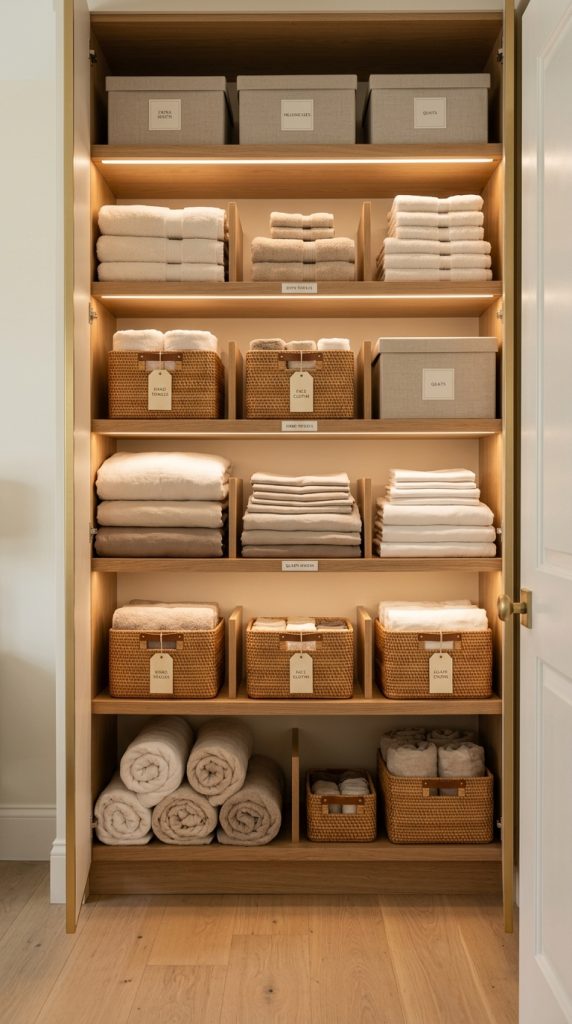
    The most important rule is to avoid clutter. Small rooms need breathing space. You should not feel pressured to fill every shelf, wall, corner, or tabletop. A carefully styled empty area can make the entire room feel more luxurious.

    The ten decorating ideas in this article focus on affordable changes that can make a noticeable difference. They are suitable for small houses, apartments, studios, rental homes, and compact bedrooms.

    You can use all ten ideas together or select only the ones that solve your biggest decorating problems.

    The goal is simple: create a small home that feels beautiful, comfortable, organized, warm, and intentional without spending too much money.

    1. Use Mirrors to Make Your Small Home Feel Bigger

    Mirrors are one of the simplest decorating tools for small spaces because they can change the way a room feels without taking up much physical space.

    A well-positioned mirror reflects light and creates additional visual depth. This can make a compact room appear brighter and more spacious.

    The most effective location for a large mirror is often opposite or adjacent to a window. When natural light enters the room, the mirror reflects that brightness back into the space.

    You can also place a mirror near a lamp. During the evening, the reflection can make the room feel warmer and brighter.

    What You Need

    • Large mirror or several small mirrors
    • Wall hooks
    • Measuring tape
    • Level
    • Optional decorative frame
    • Soft cleaning cloth

    Step-by-Step

    Start by deciding where the room feels most closed in.

    Look for a wall that has enough space for a mirror but does not already contain too many decorations.

    Measure the wall before purchasing anything.

    If you have a large wall, consider using one oversized mirror as the main focal point.

    If your wall is narrow, a vertical mirror can help emphasize height.

    For an entryway, a full-length mirror is particularly useful because it provides both decoration and functionality.

    For a living room, a large framed mirror above a console table can create a beautiful focal point.

    For a bedroom, a tall mirror placed beside a wardrobe can make the room feel more open.

    Budget-Friendly Approach

    You do not need to buy an expensive new mirror.

    Look at thrift stores, secondhand shops, flea markets, and online resale marketplaces.

    An older mirror with a dated frame can often be transformed with paint.

    Black, warm white, natural wood, antique gold, and soft brass finishes can work beautifully depending on your interior style.

    The biggest mistake is using mirrors without thinking about what they reflect.

    Do not position a mirror where it reflects clutter, an unattractive wall, or a messy storage area.

    Instead, try to reflect a window, beautiful artwork, a lamp, plants, or an attractive furniture arrangement.

    A mirror should enhance the room rather than simply occupy wall space.

    2. Add Floating Shelves for Affordable Vertical Decorating

    When floor space is limited, walls become one of your most valuable decorating resources.

    Floating shelves allow you to use vertical space for both storage and decoration.

    They are particularly useful in small living rooms, kitchens, bedrooms, bathrooms, and entryways.

    What You Need

    • Floating shelves
    • Wall anchors
    • Screws
    • Measuring tape
    • Level
    • Small baskets
    • Books
    • Small plants
    • Frames
    • Ceramic accessories

    Step-by-Step

    Begin by identifying an empty wall.

    Measure its width and determine how many shelves would fit comfortably.

    Do not install too many shelves close together.

    Two or three shelves can often provide enough storage and decoration.

    Once the shelves are installed securely, begin styling them.

    Place larger objects toward the back and smaller accessories toward the front.

    Combine useful items with decorative pieces.

    For example, a bedroom shelf might contain books, a small framed picture, and a ceramic vase.

    A kitchen shelf could hold mugs, attractive bowls, jars, and a small plant.

    An entryway shelf could hold a small basket for keys and a decorative candle.

    Avoid Shelf Clutter

    The temptation with floating shelves is to fill every available inch.

    Avoid doing this.

    Leave some empty space between objects.

    Use different heights.

    Combine horizontal books with vertical objects.

    Include one natural element such as a plant or dried branches.

    You can also create a cohesive appearance by repeating one material.

    For example, combine natural wood with cream ceramics and greenery.

    Or use black shelves with neutral artwork and brass accessories.

    The result should feel curated rather than crowded.

    3. Give Your Sofa a Budget-Friendly Makeover

    Your sofa is usually one of the largest pieces in a small living room, so changing its appearance can have a significant effect on the entire space.

    Fortunately, you do not have to replace the sofa.

    Instead, refresh it with affordable textiles.

    What You Need

    • Two to four pillow covers
    • Cushion inserts
    • One textured throw
    • Small decorative blanket
    • Optional small rug
    • Decorative basket

    Step-by-Step

    Begin by removing all the existing cushions and accessories.

    Look at the sofa by itself.

    Then select a simple color palette.

    For example, if your sofa is beige, you might choose cream, warm brown, charcoal, and muted green.

    If your sofa is gray, you could introduce cream, black, dusty blue, or terracotta.

    Avoid choosing too many colors.

    Two or three accent shades are generally enough.

    Add pillows in different sizes.

    You might use one larger square pillow, two medium pillows, and one smaller lumbar cushion.

    Mix textures rather than patterns.

    A linen pillow beside a velvet pillow can create visual interest without making the sofa look busy.

    Finish with a soft throw casually placed over one side.

    Why This Works

    Textiles are one of the most affordable ways to change a room.

    You can even keep the same sofa for several years and change the pillow covers seasonally.

    Use lighter fabrics during spring and summer.

    Introduce richer textures during autumn and winter.

    This approach gives your small home a fresh appearance without requiring major furniture purchases.

    4. Hang Curtains Higher to Make the Ceiling Look Taller

    Curtains are often treated as purely functional, but they can have a major impact on the proportions of a small room.

    Hanging curtains closer to the ceiling can visually increase the height of the room.

    What You Need

    • Curtain rod
    • Floor-length curtains
    • Curtain rings
    • Measuring tape
    • Wall brackets

    Step-by-Step

    Measure your window first.

    Instead of installing the rod immediately above the window frame, consider positioning it higher if the wall allows.

    Extend the curtain rod slightly beyond the window.

    This can make the window appear wider.

    Choose curtains that fall close to the floor.

    Avoid curtains that stop halfway down the wall.

    Best Colors for Small Rooms

    Soft white curtains can create an airy appearance.

    Cream curtains provide warmth.

    Beige curtains create a soft, sophisticated look.

    Light gray works well in contemporary interiors.

    For a dramatic small room, deep brown or charcoal curtains can add depth, but use them carefully.

    If your walls and curtains are similar in color, the transition between them becomes less noticeable.

    This can make the room feel visually larger.

    Sheer curtains are another excellent option because they allow natural light to enter while providing softness and privacy.

    5. Create a Cozy Reading Corner in an Unused Space

    Even a very small home can benefit from having one dedicated cozy corner.

    You do not need an entire room.

    A small section beside a window, in a bedroom corner, or beside a bookshelf can become a relaxing retreat.

    What You Need

    • Compact accent chair
    • Small side table
    • Warm table or floor lamp
    • Throw blanket
    • Cushion
    • A few books
    • Small rug

    Step-by-Step

    First, find an unused corner.

    Measure the available space carefully.

    Choose a chair that fits comfortably without blocking walkways.

    A chair with visible legs can be particularly useful because more floor remains visible underneath it.

    Add a small round side table.

    Avoid oversized tables.

    Place a warm lamp beside the chair.

    Add one soft throw and a cushion.

    If there is enough room, place a small rug underneath.

    Finally, add two or three favorite books.

    Keep It Simple

    Do not fill the corner with too many accessories.

    The chair should remain the focal point.

    The lighting should make the space feel warm and inviting.

    This corner can be used for reading, drinking coffee, relaxing, journaling, or simply enjoying a quiet moment.

    It can also make your home feel more intentional.

    Instead of having an unused corner, you now have a functional part of the room.

    6. Create an Affordable Gallery Wall

    Artwork can make a small home feel much more personal.

    However, original artwork and large designer prints can be expensive.

    A gallery wall allows you to create an impressive display on a budget.

    What You Need

    • Affordable frames
    • Printable artwork
    • Personal photographs
    • Botanical prints
    • Small mirror
    • Measuring tape
    • Hanging strips or suitable hardware

    Step-by-Step

    Start with one wall.

    Do not try to decorate every wall at once.

    Choose a simple color palette for the frames.

    Black frames create a modern appearance.

    Natural wood creates warmth.

    White frames feel light and minimalist.

    Brass or gold frames can create a more traditional appearance.

    Choose several different pieces.

    You can combine photographs, illustrations, botanical prints, abstract artwork, and small mirrors.

    Before hanging anything, place the frames on the floor.

    Experiment with different arrangements.

    Once you find an arrangement you like, measure the spacing carefully.

    Budget-Friendly Artwork

    You can find inexpensive printable artwork online or create your own.

    Personal photographs can also become beautiful artwork when printed in black and white.

    Children’s artwork can be framed for a personal touch.

    Pressed leaves or simple botanical illustrations can create an elegant natural theme.

    The key is consistency.

    The individual pieces do not have to match perfectly, but the overall collection should feel connected.

    7. Choose Multifunctional Furniture With Hidden Storage

    Small homes need furniture that works harder.

    Instead of buying separate pieces for seating and storage, look for furniture that provides multiple functions.

    Useful Options

    • Storage ottoman
    • Storage bench
    • Bed with drawers
    • Nesting tables
    • Foldable desk
    • Storage coffee table
    • Slim cabinet
    • Wall-mounted desk

    Step-by-Step

    Start by identifying the biggest source of clutter.

    Maybe blankets are constantly lying on the sofa.

    Perhaps shoes are collecting near the entrance.

    Maybe your bedroom lacks space for seasonal clothing.

    Choose furniture that solves the specific problem.

    A storage ottoman can hide blankets while functioning as a footrest.

    A storage bench can provide seating near the entryway while holding shoes.

    A bed with drawers can provide valuable bedroom storage.

    A nesting table can provide additional surfaces when needed and then be pushed together when you need more floor space.

    Think About Daily Life

    The best storage is storage that you will actually use.

    Do not purchase complicated furniture if it makes everyday organization difficult.

    Choose simple solutions.

    Use baskets inside cabinets.

    Label storage boxes if necessary.

    Keep frequently used objects accessible.

    Store seasonal items in less convenient areas.

    When storage becomes easier, your small home automatically feels more spacious.

    8. Make a Small Bedroom Look More Luxurious With Bedding

    A small bedroom can look beautiful without expensive furniture.

    The bed is the main focal point, so concentrate your decorating budget there.

    What You Need

    • Neutral duvet
    • Matching or coordinating sheets
    • Two sleeping pillows
    • Decorative pillows
    • Textured throw
    • Bedside lamp
    • Small tray

    Step-by-Step

    Begin with a neutral foundation.

    Cream, ivory, beige, taupe, and warm gray work beautifully.

    Add layers.

    Place sleeping pillows at the back.

    Add one or two decorative pillows in front.

    Fold a textured throw at the bottom of the bed.

    Keep the bedside table simple.

    A warm lamp, small tray, book, and tiny decorative object are enough.

    Create a Hotel-Inspired Appearance

    You do not need expensive bedding to create a luxurious appearance.

    Focus on clean lines.

    Iron or steam your bedding.

    Use coordinated colors.

    Avoid excessive patterns.

    Add one rich texture such as velvet, chunky knit, or linen.

    Keep the floor clear.

    Make sure the bed remains the visual focus.

    Warm lighting can make the room feel especially inviting at night.

    9. Bring Nature Into Your Home With Carefully Placed Plants

    Plants can instantly make a small home feel more alive.

    But you do not need dozens of plants.

    A few strategically placed plants are enough.

    What You Need

    • One medium or large plant
    • Small tabletop plants
    • Hanging planter
    • Ceramic pots
    • Woven baskets
    • Small plant stand

    Step-by-Step

    Start with natural light.

    Identify windows and bright corners.

    Choose plants appropriate for the amount of light available.

    Place one larger plant in an empty corner.

    Use smaller plants on shelves or tables.

    Consider hanging plants if floor space is extremely limited.

    Choose attractive containers.

    Natural ceramic, terracotta, woven, and neutral-colored pots can become part of your decor.

    Avoid Overcrowding

    A small home does not need to become a jungle.

    One beautiful plant can have more impact than ten tiny plants scattered everywhere.

    Use greenery to soften corners and add natural color.

    You can also use dried branches if maintaining live plants is difficult.

    A tall vase with dried branches can create vertical interest without requiring much floor space.

    10. Transform the Entire Atmosphere With Warm Layered Lighting

    Lighting is one of the most powerful and affordable decorating tools available.

    A small room can feel completely different after replacing harsh lighting with several warm sources.

    What You Need

    • Table lamp
    • Floor lamp
    • Bedside lamp
    • Warm LED bulbs
    • Wall light
    • Small accent lamp
    • Decorative candle where appropriate

    Step-by-Step

    Start by observing your room during the evening.

    Identify dark corners.

    Notice which areas feel too bright.

    Then add smaller sources of light.

    Place a table lamp beside the sofa.

    Add a bedside lamp.

    Use a floor lamp in an empty corner if there is sufficient space.

    If you have artwork or shelves, a subtle accent light can highlight them.

    Choose warm-toned bulbs rather than very cool white lighting if you want a cozy atmosphere.

    Why Layered Lighting Matters

    A single ceiling fixture illuminates the entire room from one direction.

    Multiple smaller lights create depth.

    They also allow you to control the atmosphere.

    You can use brighter lighting when cleaning or working.

    In the evening, turn off the main light and use lamps instead.

    This creates a softer, more relaxing environment.

    Warm lighting can also make affordable furniture and textiles appear richer and more sophisticated.

    How to Make a Small Home Look Expensive Without Spending a Lot

    A luxury appearance does not necessarily come from expensive furniture.

    It often comes from organization, balance, and consistency.

    Start by removing unnecessary objects.

    A clutter-free room automatically looks more sophisticated.

    Choose a limited color palette.

    For example, cream, beige, warm brown, and black can create a timeless appearance.

    Use different textures within the same palette.

    Combine linen with velvet.

    Mix wood with ceramic.

    Add woven baskets.

    Introduce subtle brass accents.

    Avoid buying too many small decorative items.

    Instead, choose one statement mirror, one beautiful lamp, or one attractive piece of artwork.

    Pay attention to proportions.

    A tiny rug floating in the middle of a large seating area can make the room look disconnected.

    A properly sized rug can visually connect the furniture.

    Keep furniture away from unnecessary visual obstacles.

    Allow natural light to enter.

    Keep windows relatively clear.

    Use curtains that frame the window rather than covering it completely.

    How to Decorate a Small Living Room on a Budget

    Start with the sofa.

    Arrange the seating so that conversation feels natural.

    Add a small coffee table or nesting tables.

    Use a rug to visually define the seating area.

    Add two or three pillows.

    Place a warm lamp nearby.

    Use one large mirror or piece of artwork as the focal point.

    Avoid placing too many small objects on the coffee table.

    A tray can help organize decorative items.

    For example, place one candle, a small vase, and a coffee-table book on the tray.

    This creates a cohesive arrangement instead of scattered objects.

    If the room is very small, consider a round coffee table.

    Round furniture can make movement easier and reduce sharp visual lines.

    How to Decorate a Small Bedroom on a Budget

    Start with the bed.

    Use neutral bedding.

    Add one textured throw.

    Choose two or three decorative pillows.

    Use wall-mounted lighting if bedside tables take up too much space.

    Install a floating shelf beside the bed if appropriate.

    Use storage boxes under the bed.

    Hang a mirror near the wardrobe.

    Keep the floor as clear as possible.

    A small bedroom can feel luxurious when it is calm and uncluttered.

    How to Decorate a Small Entryway on a Budget

    Entryways become cluttered quickly because they are often used for shoes, bags, keys, and coats.

    Start with a narrow piece of furniture.

    A slim console can work if space allows.

    Otherwise, use a floating shelf.

    Add a small basket for keys or accessories.

    Install hooks for bags and coats.

    Place a mirror above the shelf.

    Add a small lamp or warm wall light.

    Use one small plant or vase.

    Keep shoes organized rather than scattered.

    The entryway should feel welcoming rather than crowded.

    How to Decorate a Small Kitchen on a Budget

    Small kitchens benefit from organization more than excessive decoration.

    Use open shelves carefully.

    Display attractive mugs or dishes.

    Transfer dry foods into matching containers if practical.

    Add a small plant near a window.

    Use a wooden cutting board as both a practical tool and decorative element.

    Add a warm under-cabinet light if possible.

    Replace outdated cabinet handles with affordable new hardware.

    Use a narrow rolling cart if there is room.

    Keep countertops mostly clear.

    A clean countertop can make a small kitchen feel significantly larger.

    How to Decorate a Rental Home Without Major Changes

    Renters can still create a beautiful home without permanent renovations.

    Use removable hooks.

    Choose freestanding furniture.

    Add rugs.

    Use curtains.

    Decorate with mirrors.

    Create temporary gallery walls using suitable removable hanging solutions.

    Use lamps instead of changing electrical fixtures.

    Add plants.

    Use decorative baskets for storage.

    Textiles are particularly useful because they can completely change a rental without altering the walls or floors.

    Budget-Friendly Decorating With Secondhand Finds

    Secondhand shopping can help you create a more interesting interior while saving money.

    Look for:

    • Wooden side tables
    • Mirrors
    • Lamps
    • Picture frames
    • Ceramic vases
    • Baskets
    • Small cabinets
    • Chairs
    • Stools
    • Decorative trays

    Do not judge an item solely by its current finish.

    An unattractive wooden table might look beautiful after sanding and painting.

    An old frame might become stunning after a coat of black or antique-gold paint.

    A secondhand mirror can become the focal point of a living room.

    The goal is to see the potential in an object rather than simply its current appearance.

    Easy DIY Decorating Projects for Small Homes

    DIY projects are another way to make your home unique.

    Paint a small side table.

    Update cabinet handles.

    Create inexpensive artwork.

    Frame personal photographs.

    Paint terracotta pots.

    Turn a wooden board into a decorative tray.

    Repurpose glass jars as storage containers.

    Create a simple fabric cushion cover.

    Refresh an old lamp shade.

    Create a dried-branch arrangement.

    These projects can provide a sense of customization without requiring professional skills.

    How to Keep a Small Home From Looking Cluttered

    The easiest way to make a small home look larger is to reduce visual clutter.

    Before purchasing a new decorative item, ask yourself whether you actually need it.

    Every object should have a place.

    Use baskets to collect loose items.

    Keep countertops clear.

    Store seasonal decorations when they are not being used.

    Avoid filling every shelf.

    Leave empty areas around statement pieces.

    Choose furniture with built-in storage.

    Use vertical storage whenever possible.

    When you maintain a consistent organization system, decorating becomes easier because you are not constantly fighting clutter.

    Affordable Color Schemes for Small Homes

    Cream, Beige, and Warm Wood

    This combination creates a soft, timeless, welcoming atmosphere.

    White, Light Gray, and Natural Wood

    Ideal for a clean and airy appearance.

    Beige, Terracotta, and Cream

    Warm and cozy without becoming visually heavy.

    Cream, Muted Green, and Brown

    A natural palette that works beautifully with plants and wooden furniture.

    Taupe, Black, and Cream

    Sophisticated and slightly dramatic.

    The important thing is not which palette you choose.

    The important thing is consistency.

    Use your selected colors repeatedly throughout the room.

    Final Thoughts

    Decorating a small home on a budget is completely possible when you focus on smart choices instead of expensive purchases.

    You do not need a huge home to create a beautiful interior.

    You need a thoughtful plan.

    Start by understanding your space.

    Measure your rooms.

    Identify problem areas.

    Remove unnecessary clutter.

    Then decide which improvements will make the biggest difference.

    A mirror can make a room feel brighter.

    Floating shelves can provide vertical storage.

    New pillow covers can refresh an old sofa.

    Floor-length curtains can make the ceiling appear taller.

    A small reading corner can turn an unused space into something useful.

    A gallery wall can personalize an empty wall.

    Multifunctional furniture can solve storage problems.

    Beautiful bedding can make a small bedroom feel luxurious.

    Plants can bring life into the home.

    And layered warm lighting can completely transform the atmosphere.

    The most important principle is to avoid filling your home simply because you have an empty space.

    Empty space is valuable in a small room.

    It allows your favorite pieces to stand out.

    Instead of purchasing ten inexpensive decorations, consider buying one item that you genuinely love.

    Instead of replacing all your furniture, refresh what you already own.

    Instead of adding more storage boxes, first determine whether you can remove items you no longer use.

    Instead of changing every color, select a simple palette and repeat it throughout your home.

    These choices create a home that feels more cohesive.

    Budget decorating is also an opportunity to become creative.

    Secondhand furniture can provide character.

    DIY projects can add personality.

    Affordable textiles can introduce color and texture.

    Plants can bring natural beauty.

    Mirrors can improve light.

    Lighting can completely change the mood.

    The best part is that many of these improvements are reversible.

    If you eventually change your style, you can replace pillow covers, move artwork, repaint furniture, or rearrange accessories without starting from scratch.

    For apartment living, this flexibility is particularly valuable.

    A small home should not feel like a storage area.

    It should feel like a place where you can relax, entertain, work, and enjoy everyday life.

    That means functionality should always remain part of your decorating plan.

    Choose furniture that serves multiple purposes.

    Use walls for storage.

    Keep pathways clear.

    Use baskets and hidden storage to control clutter.

    Choose appropriately sized furniture.

    Let natural light into the room.

    And create small areas that serve specific purposes.

    A cozy chair can become a reading corner.

    A narrow console can become an entryway station.

    A floating shelf can become a miniature display.

    A storage ottoman can become seating and storage.

    A small table can serve as both a workspace and dining area.

    When every item has a purpose, your home becomes easier to maintain.

    Remember that expensive-looking interiors are not necessarily expensive.

    Often, they simply have good proportions, coordinated colors, thoughtful lighting, and less clutter.

    Those are things you can achieve regardless of your budget.

    Start small.

    Change one area at a time.

    Perhaps begin with the living room.

    Then refresh the bedroom.

    Organize the entryway.

    Improve the lighting.

    Add a few plants.

    Over time, these small changes will create a home that feels completely different.

    Your budget does not determine how beautiful your home can be.

    Thoughtful decorating, creativity, organization, and attention to detail do.

    A small home can be warm, stylish, functional, cozy, and incredibly inviting.

    You do not need more space.

    You simply need to make the space you already have work beautifully for you.


  • Elegant Halloween Home Decor Ideas

    Elegant Halloween Home Decor Ideas

    Halloween decorating does not have to mean plastic skeletons, overly bright orange decorations, or a house filled with spooky props. If your personal style is elegant, cozy, sophisticated, and luxurious, you can create a Halloween-inspired home that feels festive while still looking beautiful and intentional. Elegant Halloween home decor combines traditional Halloween elements with refined colors, layered textures, atmospheric lighting, natural materials, and timeless interior-design details.

    The secret is to decorate with restraint. Instead of filling every room with Halloween decorations, choose a few statement pieces and allow them to work with the furniture and decor you already have. A black taper candle on a vintage tray, a collection of matte black pumpkins, dark floral arrangements, velvet pillows, antique-style candleholders, or a dramatic wreath can create a strong seasonal effect without making your home look like a Halloween store.

    Color plays a particularly important role in elegant Halloween decorating. Traditional orange and black can certainly be used, but sophisticated Halloween interiors often benefit from deeper and more muted variations. Think charcoal black, warm ivory, cream, deep burgundy, chocolate brown, muted copper, antique gold, smoky gray, and dark green. These shades create a moody autumn atmosphere while remaining compatible with contemporary and traditional interiors.

    Black is one of the easiest colors to introduce because it immediately communicates Halloween while also looking sophisticated. Matte black pumpkins can look beautiful on a neutral mantel. Black candlesticks can add drama to a dining table. A black wreath can make an apartment door feel seasonal without being overly playful. Black picture frames, vases, trays, and candleholders can also be reused throughout the year, making them practical decorating investments.

    Lighting is arguably the most important element when creating an elegant Halloween atmosphere. Harsh overhead lights can destroy the mood, while warm lamps, candles, lanterns, and subtle accent lighting can create a mysterious and inviting environment. The goal is not necessarily to make your home dark. Instead, use layers of warm illumination so that certain areas glow while others remain softly shadowed.

    Candles are especially effective. Tall taper candles create an old-world atmosphere, while pillar candles can make a fireplace or coffee table feel cozy. Battery-operated candles are useful when you want the visual effect without an open flame. Amber glass candleholders can add another layer of warmth, especially when paired with dark green, black, brown, or burgundy accessories.

    Natural elements can also make Halloween decor feel more sophisticated. Dried branches, dark foliage, pumpkins, pinecones, dried flowers, wheat, and autumn leaves bring seasonal character without relying on novelty decorations. A large vase filled with twisting branches can create a dramatic focal point. Add a few small pumpkins around the base and you have a Halloween arrangement that feels more like high-end interior styling than traditional holiday decoration.

    Texture is another important ingredient. Velvet, linen, wool, wood, aged metal, ceramic, glass, and woven materials can all add visual richness. A velvet black pillow on a cream sofa can immediately change the mood of a living room. A dark throw draped over an armchair can create a cozy corner. A woven basket filled with blankets can add warmth while remaining practical.

    The fireplace or mantel is often the natural focal point for Halloween decorating. If you have one, use it as a curated display rather than covering it with decorations. A simple combination of black candlesticks, taper candles, dried branches, pumpkins, and a mirror or artwork can create an impressive seasonal arrangement.

    If you do not have a fireplace, do not worry. A console table, dining table, entryway shelf, coffee table, or media cabinet can become your Halloween focal point.

    The entryway is another excellent location. Your front door can make a strong first impression with an elegant wreath, dark foliage, black ribbon, or subtle pumpkins. You can create a dramatic entrance without using oversized props.

    The dining room can also be transformed beautifully for Halloween. Instead of using novelty plates and bright decorations, create an atmospheric tablescape with dark napkins, black or antique-gold candleholders, cream plates, natural branches, pumpkins, and warm lighting.

    The bedroom should be decorated more subtly. You might add a dark velvet throw, black decorative pillows, autumn-colored bedding, a small candle display, or dark floral artwork. This allows the season to influence the room without turning it into a themed Halloween bedroom.

    One of the biggest advantages of elegant Halloween decor is that many pieces can transition naturally into autumn decorating. Black candlesticks, brass accessories, dried branches, velvet textiles, wooden trays, neutral pumpkins, and dark floral arrangements can remain in your home long after Halloween.

    This makes elegant Halloween decorating especially useful for people who prefer a sophisticated home and do not want to purchase decorations that can only be used for one night.

    Budget is another consideration. You do not need to purchase an entirely new collection of Halloween decor. Look around your home first. Black vases, dark picture frames, wooden trays, candles, baskets, blankets, mirrors, and neutral ceramics can often be incorporated into a Halloween display.

    You can also create DIY decorations using inexpensive materials. Spray-painted pumpkins, dried branches, homemade wreaths, black ribbon, old books, glass bottles, and thrifted candlesticks can become beautiful decorative elements.

    The goal is to create atmosphere rather than clutter.

    An elegant Halloween home should feel mysterious, warm, dramatic, and inviting. It should make people curious rather than overwhelmed.

    The ten ideas below focus on creating exactly that feeling. Each idea can be used independently or combined with several others to create a cohesive Halloween-inspired home.

    Whether you live in a large house, a townhouse, or a small apartment, you can adapt these ideas to your available space.

    The most important rule is simple: choose fewer pieces, but make each one count.

    1. Create a Moody Black and Neutral Halloween Living Room

    The living room is one of the best places to create an elegant Halloween atmosphere because you can introduce seasonal decor without changing the room’s basic furniture.

    Start with your existing neutral sofa. Cream, beige, taupe, gray, or brown sofas work especially well because dark Halloween accents create beautiful contrast.

    Add one or two black or charcoal pillows. Velvet is particularly effective because it adds softness and subtle luxury.

    Next, introduce a dark throw. It could be black, charcoal, deep brown, burgundy, or dark green.

    Your coffee table can become the central seasonal display. Use a wooden or black tray to group several smaller items together.

    Place a matte black pumpkin, candle, small vase, and dried branches on the tray.

    The goal is to create a visual story rather than a collection of unrelated decorations.

    Materials and Things to Use

    • Neutral sofa
    • Black or charcoal pillows
    • Velvet throw
    • Matte black pumpkins
    • Wooden or black tray
    • Taper candles
    • Ceramic vase
    • Dried branches
    • Warm table lamp
    • Small dark floral arrangement

    Step-by-Step

    1. Remove unnecessary living-room accessories.
    2. Keep your existing neutral furniture.
    3. Add one or two dark pillows.
    4. Introduce a textured throw.
    5. Create one coffee-table arrangement.
    6. Add dried branches or dark foliage.
    7. Place warm lighting near the seating area.
    8. Use candles as subtle accents.
    9. Keep the remaining surfaces relatively simple.

    A neutral foundation makes the Halloween accents stand out.

    For a more luxurious look, combine black with antique brass.

    For a softer look, combine charcoal with cream.

    For a dramatic look, use black with burgundy and deep brown.

    Avoid using too many obvious Halloween symbols.

    One or two pumpkins are often enough.

    The finished room should look like an elegant autumn interior with a mysterious Halloween influence.

    2. Design an Elegant Halloween Mantel

    A fireplace mantel is naturally suited to dramatic seasonal decorating.

    Instead of covering it with plastic decorations, create a balanced arrangement using candles, branches, pumpkins, and artwork.

    Start with a large mirror or piece of artwork above the mantel.

    Then add tall candlesticks on either side.

    Place several pumpkins of different sizes across the mantel.

    Use matte black, cream, gray, or muted orange pumpkins rather than extremely bright colors.

    Add dried branches for height and movement.

    Materials and Things to Use

    • Mirror or artwork
    • Black candlesticks
    • Taper candles
    • Matte pumpkins
    • Dried branches
    • Dark foliage
    • Wooden objects
    • Antique-style accessories

    Step-by-Step

    1. Clear the mantel completely.
    2. Place the main artwork or mirror.
    3. Add the tallest object toward one side.
    4. Balance it with another tall element.
    5. Add pumpkins in different sizes.
    6. Introduce dried branches.
    7. Add candles.
    8. Step back and remove anything unnecessary.

    The key to mantel styling is variation in height.

    If everything is the same height, the display can look flat.

    Use tall branches, medium candlesticks, and small pumpkins to create visual movement.

    You can also layer smaller artwork or vintage-style frames against the mirror.

    For an especially sophisticated look, choose black and cream rather than bright orange.

    A few antique brass accents can add warmth.

    If you have a television above the fireplace, use the surrounding mantel area instead.

    The same concept works on a console table.

    3. Create a Dramatic Halloween Entryway

    Your entryway can establish the mood before guests even enter the main living area.

    A sophisticated Halloween entryway does not need large decorations.

    A dark wreath, small pumpkins, a warm lantern, and a few dried branches can be enough.

    Materials and Things to Use

    • Dark wreath
    • Black ribbon
    • Mini pumpkins
    • Lantern
    • Dried branches
    • Small console table
    • Wooden tray
    • Warm lamp
    • Seasonal artwork

    Step-by-Step

    1. Clear the entryway.
    2. Hang a simple dark wreath.
    3. Add a narrow runner if appropriate.
    4. Place a small basket nearby.
    5. Style a console table.
    6. Add a lantern or warm lamp.
    7. Place two or three pumpkins.
    8. Keep the walking path open.

    If you have a small apartment entryway, scale everything down.

    A miniature wreath and two small pumpkins can create the same seasonal feeling.

    A black ribbon around a neutral wreath is another inexpensive way to introduce Halloween.

    For an elegant effect, avoid overly cartoonish designs.

    Choose natural dried foliage, dark leaves, black berries, or muted flowers.

    Lighting is especially important at the entrance.

    A warm lantern or lamp can create a beautiful glow in the evening.

    4. Decorate With Black and Neutral Pumpkins

    Pumpkins are one of the easiest ways to communicate Halloween.

    However, they do not have to be bright orange.

    Black, cream, gray, beige, brown, and muted terracotta pumpkins can create a much more sophisticated appearance.

    Use different shapes and sizes to create visual interest.

    Materials and Things to Use

    • Matte black pumpkins
    • Cream pumpkins
    • White pumpkins
    • Gray pumpkins
    • Terracotta pumpkins
    • Wooden tray
    • Dried foliage
    • Candleholders

    Step-by-Step

    1. Choose two or three pumpkin colors.
    2. Mix different sizes.
    3. Place larger pumpkins behind smaller ones.
    4. Add natural foliage.
    5. Introduce candles or lanterns.
    6. Avoid filling every surface.

    A combination of black and cream pumpkins is especially elegant.

    For a warmer autumn appearance, add terracotta.

    For a dramatic Gothic-inspired look, combine black pumpkins with dark green foliage and brass candleholders.

    You can also paint inexpensive pumpkins yourself.

    Matte finishes generally look more sophisticated than highly glossy finishes.

    Use pumpkins as accents rather than the entire decoration.

    One carefully styled group can have a greater impact than dozens scattered throughout the house.

    5. Create an Elegant Halloween Dining Table

    A Halloween tablescape can become one of the most beautiful parts of your home.

    Instead of traditional bright orange table decorations, create an atmospheric table using dark textiles, candles, natural branches, and neutral dishes.

    Start with a simple runner.

    Add cream or white plates.

    Use black, charcoal, burgundy, or dark green napkins.

    Place black or antique-brass candleholders along the center.

    Add small pumpkins and dried foliage.

    Materials and Things to Use

    • Neutral plates
    • Dark napkins
    • Linen runner
    • Black candleholders
    • Taper candles
    • Small pumpkins
    • Dried branches
    • Dark glassware
    • Wooden serving board

    Step-by-Step

    1. Start with a neutral table.
    2. Add a simple runner.
    3. Arrange plates evenly.
    4. Fold dark napkins.
    5. Create a low centerpiece.
    6. Add candles.
    7. Place small pumpkins between the candleholders.
    8. Add dried branches.
    9. Keep enough empty space for dining.

    The centerpiece should not be so tall that guests cannot see one another.

    Low arrangements are ideal for dinner parties.

    Warm candlelight will make the table feel particularly atmospheric.

    For a more luxurious look, add brass cutlery or candleholders.

    For a rustic appearance, introduce wood and natural linen.

    For a Gothic-inspired style, use black glassware and deep burgundy accents.

    6. Use Dark Florals for a Sophisticated Halloween Look

    Flowers are an excellent way to create a dramatic Halloween atmosphere without relying on traditional decorations.

    Choose dark or muted arrangements.

    Deep burgundy, plum, dark green, brown, black-toned foliage, and dried flowers can create a mysterious appearance.

    Materials and Things to Use

    • Dark floral arrangement
    • Dried flowers
    • Dark foliage
    • Branches
    • Tall vase
    • Ceramic container
    • Black ribbon
    • Small pumpkins

    Step-by-Step

    1. Select a dramatic vase.
    2. Add tall branches.
    3. Introduce dried flowers.
    4. Add dark foliage.
    5. Keep the arrangement slightly asymmetrical.
    6. Place it on a dining table, console, or mantel.
    7. Add a few pumpkins nearby.

    A tall arrangement creates a strong focal point.

    You do not need an enormous bouquet.

    In fact, a smaller arrangement with interesting shapes can look more sophisticated.

    Dried arrangements are also useful because they can remain in your home throughout the autumn season.

    Combine them with warm lighting to emphasize their texture.

    7. Add Velvet and Rich Textures

    Texture can make Halloween decor feel luxurious.

    Velvet is especially effective because it naturally creates depth and drama.

    Add a black velvet pillow to a neutral sofa.

    Use a burgundy velvet throw on an armchair.

    Introduce dark linen napkins to your dining table.

    Layer these materials with wood, ceramic, brass, and glass.

    Materials and Things to Use

    • Velvet pillows
    • Velvet throw
    • Linen textiles
    • Woven baskets
    • Wooden accessories
    • Brass accents
    • Ceramic decor
    • Dark curtains

    Step-by-Step

    1. Choose one rich texture.
    2. Add it to your sofa or chair.
    3. Introduce another contrasting material.
    4. Use wood to add warmth.
    5. Add brass for subtle shine.
    6. Keep the color palette limited.

    Texture is especially useful when your color palette is neutral.

    A black velvet pillow on a cream sofa creates contrast without requiring bright colors.

    A burgundy throw can add warmth.

    A woven basket can prevent the room from feeling too formal.

    The result should feel tactile, cozy, and sophisticated.

    8. Create a Sophisticated Halloween Bedroom

    The bedroom should receive a more subtle treatment.

    Instead of covering the room with Halloween decorations, focus on mood.

    Change your bedding accents.

    Add a dark throw.

    Use black or burgundy pillows.

    Introduce warm bedside lighting.

    Place a small arrangement of dried flowers on the nightstand.

    Materials and Things to Use

    • Neutral bedding
    • Dark throw
    • Velvet pillows
    • Warm bedside lamps
    • Small vase
    • Dried flowers
    • Candle
    • Dark artwork

    Step-by-Step

    1. Start with neutral bedding.
    2. Add a dark throw.
    3. Introduce one or two velvet pillows.
    4. Add warm lighting.
    5. Place a small floral arrangement.
    6. Use one subtle Halloween accessory.
    7. Keep the room calm and uncluttered.

    The goal is not to make the bedroom look spooky.

    Instead, create a moody autumn retreat.

    Deep brown, charcoal, burgundy, cream, and muted green work beautifully together.

    If you want a more dramatic appearance, choose black bedding accents and dark floral artwork.

    If you prefer softer decor, use cream bedding with muted terracotta and warm brown.

    9. Create an Elegant Halloween Porch

    The porch provides an opportunity to make a strong seasonal statement.

    However, sophisticated porch decor does not require huge Halloween props.

    Instead, focus on layers.

    Start with a simple wreath.

    Then add pumpkins in different sizes.

    Use lanterns to create warm illumination.

    Add a seasonal mat and perhaps a potted plant or dried arrangement.

    Materials and Things to Use

    • Elegant wreath
    • Black or neutral pumpkins
    • Lanterns
    • Candles
    • Seasonal mat
    • Dried branches
    • Potted plants
    • Wooden crate

    Step-by-Step

    1. Clean the porch.
    2. Add the wreath.
    3. Place large pumpkins near the entrance.
    4. Add smaller pumpkins around them.
    5. Introduce lanterns.
    6. Add dried branches or foliage.
    7. Keep the doorway accessible.

    For a luxury appearance, use mostly cream, black, and muted orange.

    For a farmhouse-inspired look, add wooden crates and natural pumpkins.

    For a Gothic-inspired look, use black pumpkins, dark foliage, and antique-style lanterns.

    The porch should look layered but organized.

    10. Create a Moody Halloween Atmosphere With Lighting

    The final idea focuses entirely on atmosphere.

    You can have the simplest decorations in the world and still create an elegant Halloween home if your lighting is beautiful.

    Use warm lamps, candles, lanterns, and subtle accent lights.

    Materials and Things to Use

    • Warm LED bulbs
    • Table lamps
    • Floor lamps
    • Lanterns
    • Battery candles
    • Taper candles
    • String lights
    • Candleholders

    Step-by-Step

    1. Turn off harsh overhead lights.
    2. Identify areas that need additional warmth.
    3. Add table lamps.
    4. Use warm bulbs.
    5. Place lanterns near entryways.
    6. Add candles to focal points.
    7. Use subtle accent lighting.
    8. Keep some areas softly shadowed.

    The contrast between light and shadow is what creates the mysterious Halloween atmosphere.

    You do not need to make your entire home dark.

    Instead, allow warm light to highlight certain areas.

    A candlelit mantel can become the focal point.

    A warm lamp beside a velvet chair can create a cozy reading corner.

    A softly illuminated entryway can make the entire home feel more welcoming.

    How to Make Halloween Decor Look Expensive

    Elegant Halloween decorating is largely about editing.

    Choose fewer accessories.

    Use a cohesive palette.

    Mix textures.

    Add warm lighting.

    Avoid excessive plastic decorations.

    Choose matte finishes whenever possible.

    Use natural materials such as wood, dried flowers, branches, linen, and ceramic.

    Group small objects together on trays instead of scattering them around the room.

    Use varying heights to create visual interest.

    Most importantly, allow negative space.

    An empty area around a beautiful centerpiece makes the centerpiece look more important.

    Elegant Halloween Color Palettes

    Black + Cream + Antique Gold

    Classic, dramatic, and luxurious.

    Charcoal + Beige + Warm Brown

    Soft and sophisticated.

    Black + Burgundy + Brass

    Rich and dramatic.

    Cream + Terracotta + Black

    Warm and modern.

    Dark Green + Black + Ivory

    Moody and natural.

    Chocolate Brown + Black + Amber

    Warm, atmospheric, and cozy.

    Choose one palette and repeat it throughout your home.

    Budget-Friendly Elegant Halloween Decor

    You do not need to spend hundreds of dollars.

    Start by shopping your own home.

    Look for:

    • Black vases
    • Wooden trays
    • Candlesticks
    • Mirrors
    • Baskets
    • Neutral pillows
    • Dark blankets
    • Glass containers
    • Picture frames
    • Lamps

    Then purchase only the seasonal elements you truly need.

    You can transform inexpensive pumpkins with matte paint.

    Old glass bottles can become candleholders.

    Thrifted frames can create a vintage display.

    Dried branches can be placed into a vase for a dramatic centerpiece.

    A simple black ribbon can transform an existing wreath.

    These small changes can create a surprisingly expensive-looking result.

    Elegant Halloween Decorating Mistakes to Avoid

    Avoid covering every surface.

    Avoid using too many bright colors.

    Avoid mixing several unrelated decorating styles.

    Avoid blocking walkways.

    Avoid oversized decorations in small rooms.

    Avoid harsh lighting.

    Avoid using too many novelty Halloween signs.

    Avoid buying decorations that do not coordinate with your existing interior.

    Instead, think about the entire room.

    Your Halloween decor should feel like it belongs there.

    Conclusion

    Elegant Halloween decorating is about creating a mood rather than filling your home with decorations.

    You do not need bright orange plastic, oversized skeletons, or dozens of novelty accessories to make your home feel festive.

    Instead, focus on a sophisticated color palette, beautiful textures, warm lighting, natural materials, and a few carefully selected Halloween elements.

    Black pumpkins can become statement pieces.

    Velvet pillows can add softness.

    Dried branches can create drama.

    Candles can provide atmospheric lighting.

    A dark wreath can transform an entryway.

    A carefully styled mantel can become the centerpiece of your home.

    A beautiful dining table can create an unforgettable Halloween atmosphere for guests.

    The most successful elegant Halloween interiors usually have something in common: they are edited.

    Every object has a purpose.

    Every color belongs to the palette.

    Every texture contributes to the atmosphere.

    And every focal point has enough surrounding space to stand out.

    If your home is already neutral, you have the perfect foundation.

    Cream sofas, beige walls, wooden furniture, neutral bedding, and simple accessories can all become part of a sophisticated Halloween design.

    Simply introduce black, charcoal, burgundy, dark green, muted orange, antique gold, or warm brown through smaller accents.

    Lighting should be treated as an essential part of the decoration.

    During the day, allow natural light to show the textures and colors.

    In the evening, switch to warm lamps, candles, lanterns, and subtle accent lighting.

    The contrast between warm light and dark accessories creates the mysterious feeling associated with Halloween without making your home feel gloomy.

    Natural materials can make the decor feel more expensive.

    Use wood, ceramic, linen, glass, dried flowers, branches, and woven textures whenever possible.

    These materials also transition easily into regular autumn decorating after Halloween is over.

    This means you can decorate for Halloween without buying a huge collection of single-use decorations.

    If you are decorating on a budget, start with what you already own.

    A black vase, old candlestick, wooden tray, neutral pillow, mirror, basket, or warm lamp can become part of your Halloween styling.

    Then add a few seasonal items such as pumpkins, dried flowers, candles, or a wreath.

    You can also create DIY decorations to save money.

    Paint inexpensive pumpkins matte black or cream.

    Use dried branches in an existing vase.

    Wrap black ribbon around a wreath.

    Create a simple candle arrangement using thrifted candleholders.

    These small projects can create a custom appearance without requiring a large budget.

    For small apartments, remember that less is more.

    Choose one focal point in each room rather than trying to decorate every surface.

    A coffee table, mantel, entryway, or dining table can be enough.

    In the bedroom, keep the Halloween influence subtle.

    In the kitchen, use a few small seasonal accessories.

    In the bathroom, perhaps introduce a dark hand towel or small autumn arrangement.

    This creates a consistent seasonal atmosphere without making the entire home feel themed.

    Ultimately, elegant Halloween decor should feel like an extension of your home’s existing personality.

    If your home is modern, use clean lines and muted colors.

    If your home is vintage, incorporate brass, old-world accessories, and antique-inspired details.

    If your home is rustic, emphasize wood, natural pumpkins, dried branches, and warm textiles.

    If you love luxury interiors, focus on velvet, brass, dramatic lighting, and sophisticated black-and-neutral combinations.

    The best Halloween home is not necessarily the one with the most decorations.

    It is the one that creates the strongest feeling.

    A softly glowing room, dark velvet textures, warm candlelight, dried branches, neutral pumpkins, and elegant furniture can create an unforgettable Halloween atmosphere without sacrificing your interior style.

    Make Halloween feel mysterious, warm, sophisticated, and beautifulโ€”and let your home remain the star.
    :::


  • Romantic Bedroom Decorating Inspiration

    Romantic Bedroom Decorating Inspiration

    A bedroom should be more than a place to sleep. It should feel like a private retreat where you can relax, slow down, and enjoy a peaceful atmosphere at the end of the day. When a bedroom is thoughtfully decorated, even a simple room can feel warm, intimate, elegant, and incredibly inviting. That is why romantic bedroom decorating has become such a popular interior-design style for people who want their bedrooms to feel softer, cozier, and more personal.

    The good news is that creating a romantic bedroom does not require expensive furniture, a complete renovation, or an enormous space. A few carefully selected changes can completely transform the atmosphere. Soft bedding, warm lighting, delicate curtains, elegant textures, flowers, candles, layered pillows, and a calming color palette can work together to create a bedroom that feels beautiful without becoming overly decorated.

    One of the most important elements of romantic bedroom design is atmosphere. A romantic room is not necessarily filled with traditional red hearts, bright pink decorations, or obvious themed accessories. Modern romantic bedrooms are much more sophisticated. They often use neutral colors, muted blush tones, warm beige, creamy white, dusty rose, terracotta, soft brown, champagne, or subtle mauve. These colors create an intimate feeling without making the room look childish or overly themed.

    Lighting is equally important. Bright overhead lights can make a bedroom feel functional but not particularly relaxing. Romantic bedrooms benefit from multiple layers of soft illumination. Bedside lamps, wall sconces, warm pendant lights, candles, fairy lights, and subtle accent lighting can make the room feel much more intimate. Warm bulbs are particularly effective because they soften the appearance of furniture and fabrics.

    Texture is another major component. A romantic bedroom should feel inviting before you even touch the bed. Layering different materials creates visual depth and physical comfort. Think linen sheets, velvet pillows, knitted throws, soft quilts, boucle benches, woven baskets, plush rugs, and flowing curtains. You do not need to use every material at once. Combining three or four complementary textures is usually enough to make the room feel luxurious.

    The bed naturally becomes the focal point of a romantic bedroom. Instead of treating it as simply functional furniture, style it intentionally. Start with high-quality-looking neutral bedding and build layers from there. Add two or three sleeping pillows, decorative cushions, and a folded throw at the foot of the bed. The goal is to create a bed that looks inviting rather than excessively staged.

    A headboard can also make a dramatic difference. Upholstered headboards in cream, beige, taupe, blush, or soft gray can immediately make a bedroom feel more luxurious. If you are working with a budget, you do not necessarily need to replace your existing bed. You can create a similar feeling with large pillows, a textured wall treatment, or strategically placed artwork behind the bed.

    Wall decor is another opportunity to introduce romance. Large artwork with soft botanical designs, abstract neutral patterns, vintage-inspired portraits, delicate landscapes, or understated photography can create a sophisticated focal point. Mirrors are also useful because they reflect light and can make smaller bedrooms feel more spacious.

    Natural elements help prevent a romantic bedroom from feeling too formal. Fresh flowers, dried flowers, branches, indoor plants, wooden furniture, woven baskets, and natural textiles can introduce warmth. A simple vase of flowers on a nightstand can have a stronger visual effect than a large collection of decorative objects.

    Curtains are often overlooked, but they can completely change the feeling of a bedroom. Floor-length curtains in linen, sheer white, cream, or soft neutral colors create softness around windows. When curtains are allowed to fall from near the ceiling to the floor, they can also make the room appear taller.

    A rug can add another layer of warmth. In a bedroom, a soft rug under or beside the bed makes the first step in the morning more comfortable while also visually anchoring the furniture. For romantic interiors, neutral, vintage-inspired, or softly patterned rugs tend to work especially well.

    Scent can contribute to the overall atmosphere too. Candles, diffusers, or subtle room fragrances can make a bedroom feel more relaxing. However, fragrance should remain gentle rather than overwhelming, especially in a room intended for sleep.

    One of the biggest mistakes people make when creating a romantic bedroom is adding too many decorative objects. Romance is often created through simplicity. A few beautiful pieces placed intentionally can be much more effective than a room full of accessories.

    Another mistake is relying entirely on one color. A room covered in pink can quickly feel predictable. Instead, use a layered palette. Cream can become the base, blush can act as an accent, warm brown can add depth, and brass can introduce a subtle touch of elegance.

    The style can also be adapted to your personality. If you prefer modern interiors, use clean lines, neutral bedding, sculptural lamps, and minimal accessories. If you love vintage interiors, incorporate antique-inspired mirrors, floral textiles, brass details, and traditional furniture. If you prefer a cozy aesthetic, emphasize soft fabrics, warm lighting, candles, and layered bedding.

    Small bedrooms can also look romantic. You simply need to scale the decorating ideas to the available space. Instead of a large bench at the end of the bed, use a small stool. Instead of multiple tables, use one compact nightstand. Instead of several decorative shelves, choose one beautiful piece of wall art.

    Budget-friendly decorating can be just as effective. Pillow covers are often less expensive than new pillows. A secondhand wooden nightstand can be refreshed with paint or new hardware. Affordable curtains can look more luxurious when they are hung correctly. A thrifted vase can become a beautiful flower arrangement.

    The goal is not to make the bedroom look expensive simply for the sake of appearance. The goal is to create a room that feels special.

    The fifteen ideas below focus on different ways to achieve that feeling. Some emphasize lighting, others focus on bedding, color, texture, furniture, wall decor, or natural elements. You can use one idea on its own or combine several to create a complete romantic bedroom makeover.

    Most importantly, romantic bedroom decorating should make the room feel like your own peaceful escape.

    1. Create a Soft Neutral Romantic Bedroom

    A neutral color palette is one of the easiest ways to create a sophisticated romantic bedroom. Instead of relying on bright colors, use cream, ivory, beige, taupe, soft gray, and warm brown to create a calm foundation.

    The bed can feature cream or ivory bedding layered with beige pillows and a textured throw. Add a wooden nightstand, a ceramic lamp, and a small vase of flowers to complete the look.

    Materials and Things to Use

    • Cream bedding
    • Beige decorative pillows
    • Textured throw
    • Wooden nightstands
    • Ceramic lamps
    • Neutral curtains
    • Soft area rug
    • Small vase
    • Fresh or dried flowers

    Step-by-Step

    1. Start with neutral bedding.
    2. Add pillows in slightly different shades.
    3. Place a textured blanket across the bottom of the bed.
    4. Introduce natural wood through furniture.
    5. Add soft curtains.
    6. Place a warm lamp beside the bed.
    7. Add one small floral arrangement.
    8. Keep decorative accessories minimal.

    The beauty of this approach is that it feels romantic without looking overly themed.

    Warm neutrals also make it easier to change the bedroom later. You can introduce blush, terracotta, burgundy, or sage green accents depending on the season.

    For a more luxurious appearance, add small brass details through lamp bases, picture frames, or hardware.

    2. Add Warm Layered Bedroom Lighting

    Lighting can completely transform a bedroom. Even beautiful furniture can feel uninviting under harsh overhead lighting.

    A romantic bedroom should ideally have several sources of light. Bedside lamps can provide practical lighting, while candles or small accent lights create atmosphere.

    Materials and Things to Use

    • Bedside lamps
    • Warm LED bulbs
    • Wall sconces
    • Candles
    • Small decorative lights
    • Floor lamp
    • Dimmable lighting

    Step-by-Step

    1. Replace cool-white bulbs with warm bulbs.
    2. Add matching or complementary bedside lamps.
    3. Introduce a second light source.
    4. Use candles for decorative atmosphere.
    5. Consider wall sconces beside the bed.
    6. Keep overhead lighting softer in the evening.

    Choose bulbs that produce a warm, golden glow rather than an intense white light.

    If you have limited space, wall-mounted lighting can save valuable nightstand space.

    A small lamp with a fabric shade can create beautifully diffused light.

    Avoid placing too many lights directly in front of mirrors because excessive brightness can make the bedroom feel harsh.

    The objective is soft illumination with several layers.

    This single change can make existing bedding, furniture, and wall colors appear warmer and more luxurious.

    3. Style the Bed With Luxurious Layers

    The bed is the centerpiece of most bedrooms, so styling it well can instantly improve the entire room.

    Start with simple bedding and add layers gradually. Use sleeping pillows at the back, decorative pillows in the middle, and one or two smaller cushions in front.

    Materials and Things to Use

    • Neutral duvet
    • Cotton or linen sheets
    • Decorative pillows
    • Velvet cushion
    • Knitted blanket
    • Quilted throw
    • Bed runner

    Step-by-Step

    1. Choose a neutral base.
    2. Layer the duvet neatly.
    3. Add sleeping pillows.
    4. Add decorative cushions.
    5. Place a folded throw across the lower third.
    6. Mix two or three textures.
    7. Avoid excessive pillow arrangements.

    Velvet adds softness and subtle luxury, while linen creates a relaxed appearance. Knitted throws make the bed feel warmer and more casual.

    The key is contrast.

    If your duvet is smooth, choose textured pillows. If the pillows are patterned, keep the blanket simple.

    A romantic bed should look comfortable rather than overly perfect.

    Use warm colors such as cream, blush, caramel, muted rose, taupe, or warm brown.

    4. Introduce Blush and Dusty Rose Accents

    Blush pink and dusty rose can create a romantic atmosphere without making the room look overly colorful.

    The secret is to use these shades as accents rather than covering the entire room.

    Materials and Things to Use

    • Blush pillow covers
    • Dusty rose throw
    • Soft pink artwork
    • Neutral vase
    • Rose-colored candle
    • Blush curtains if appropriate

    Step-by-Step

    1. Keep the main walls neutral.
    2. Use cream or beige bedding.
    3. Add one blush throw pillow.
    4. Introduce another dusty rose accent.
    5. Repeat the color subtly elsewhere.
    6. Keep surrounding accessories neutral.

    Blush works particularly well with cream, beige, brass, warm wood, and soft gray.

    For a sophisticated appearance, choose muted shades rather than bright pink.

    You can also use dusty rose in artwork or flowers rather than textiles.

    This allows you to create romance while keeping the bedroom elegant.

    5. Create a Romantic Canopy Bed Effect

    A canopy can make a bedroom feel dramatic and dreamy. However, you do not necessarily need an expensive four-poster bed.

    Flowing fabric positioned around the headboard can create a similar effect.

    Materials and Things to Use

    • Sheer curtains
    • Curtain rod
    • Lightweight fabric
    • Neutral bedding
    • Warm string lights
    • Decorative tiebacks

    Step-by-Step

    1. Choose lightweight neutral fabric.
    2. Install suitable curtain hardware.
    3. Position fabric around the bed.
    4. Allow it to fall naturally.
    5. Add subtle warm lighting if appropriate.
    6. Keep the rest of the room simple.

    White, cream, and soft beige fabrics create an airy appearance.

    Avoid extremely heavy fabric in a small room because it can make the space feel enclosed.

    For a romantic atmosphere, sheer material works especially well because it catches the light and creates softness.

    If you rent, consider temporary solutions where appropriate and always follow the property rules.

    6. Add Flowers for an Instant Romantic Touch

    Flowers are one of the simplest ways to introduce romance into a bedroom.

    You do not need an enormous bouquet. A small arrangement on the nightstand or dresser can be enough.

    Materials and Things to Use

    • Small vase
    • Fresh flowers
    • Dried flowers
    • Branches
    • Ceramic container
    • Water
    • Floral arrangement

    Step-by-Step

    1. Choose a small vase.
    2. Select flowers that complement your color palette.
    3. Keep the arrangement relatively simple.
    4. Place it on a nightstand or dresser.
    5. Avoid blocking mirrors or lighting.
    6. Replace fresh flowers when necessary.

    Roses are an obvious choice, but romantic styling does not require roses.

    Peonies, tulips, baby’s breath, eucalyptus-style foliage, dried grasses, and delicate wildflowers can create a softer appearance.

    For a more modern bedroom, choose a minimal arrangement.

    For a vintage bedroom, use fuller floral arrangements.

    Dried flowers are particularly useful because they require less maintenance and can remain part of the room for longer.

    7. Use Elegant Curtains to Soften the Bedroom

    Curtains can dramatically change the visual appearance of a bedroom.

    Floor-length curtains in cream, ivory, linen, or soft beige create vertical lines and make the room feel taller.

    Materials and Things to Use

    • Floor-length curtains
    • Sheer curtains
    • Curtain rod
    • Neutral tiebacks
    • Blackout lining if needed

    Step-by-Step

    1. Measure your window.
    2. Choose curtains longer than the window itself.
    3. Install the rod slightly above the window when appropriate.
    4. Allow the fabric to reach close to the floor.
    5. Layer sheer and blackout curtains if desired.
    6. Keep the color soft and neutral.

    Layering sheer curtains with heavier curtains provides both beauty and functionality.

    During the day, sheer fabric allows natural light into the room.

    At night, heavier curtains create privacy and darkness.

    For romantic interiors, fabrics that move softly are usually more appealing than stiff materials.

    8. Create a Cozy Reading Corner

    A romantic bedroom does not have to focus entirely on the bed. A small reading corner can make the room feel more personal and relaxing.

    Even a tiny bedroom may have enough space for a compact chair and floor lamp.

    Materials and Things to Use

    • Comfortable accent chair
    • Small side table
    • Floor lamp
    • Soft throw
    • Cushion
    • Small rug
    • Books

    Step-by-Step

    1. Identify an unused corner.
    2. Choose a compact chair.
    3. Add a small side table.
    4. Place a warm floor lamp nearby.
    5. Add one cozy throw.
    6. Keep books neatly arranged.
    7. Add a small plant or vase.

    Choose furniture that fits the scale of the room.

    A large chair can overwhelm a small bedroom.

    A compact upholstered chair in cream, beige, dusty rose, or warm gray can complement a romantic color palette.

    The reading corner becomes especially inviting when paired with warm lighting.

    9. Add a Soft Bedroom Rug

    A rug adds warmth, texture, and visual softness.

    Place a rug partially underneath the bed or use two smaller rugs beside it.

    Materials and Things to Use

    • Neutral rug
    • Vintage-style rug
    • Soft runner
    • Rug pad
    • Measuring tape

    Step-by-Step

    1. Measure the bedroom.
    2. Choose a rug appropriate for the room.
    3. Position it under or around the bed.
    4. Ensure doors can open comfortably.
    5. Add a rug pad if necessary.
    6. Coordinate its colors with bedding.

    Cream, beige, taupe, muted rose, and vintage-inspired patterns work particularly well.

    A rug also helps define the sleeping area in open-plan bedrooms or studio apartments.

    Avoid choosing a pattern that competes with heavily patterned bedding.

    If the bedding is simple, a subtle patterned rug can provide visual interest.

    10. Decorate With Romantic Wall Art

    Wall art is an excellent way to create a focal point without using floor space.

    Place one large piece above the bed or create a small gallery wall.

    Materials and Things to Use

    • Framed artwork
    • Botanical prints
    • Abstract artwork
    • Vintage-inspired portraits
    • Landscape prints
    • Picture frames
    • Mirror

    Step-by-Step

    1. Choose an artwork style.
    2. Match it to the bedroom palette.
    3. Select appropriate frame colors.
    4. Position the main piece above the bed.
    5. Keep surrounding walls relatively simple.
    6. Add a mirror if extra reflection is useful.

    Soft botanical artwork works beautifully in romantic bedrooms.

    Vintage floral prints can create a traditional appearance.

    Minimal abstract artwork creates a modern romantic atmosphere.

    Choose artwork that makes you feel calm.

    The bedroom should not look like a gallery filled with competing images.

    One strong focal piece can often be more effective.

    11. Add a Touch of Vintage Romance

    Vintage-inspired furniture and accessories can make a bedroom feel timeless.

    You do not need an entirely vintage room. A few carefully selected pieces can create character.
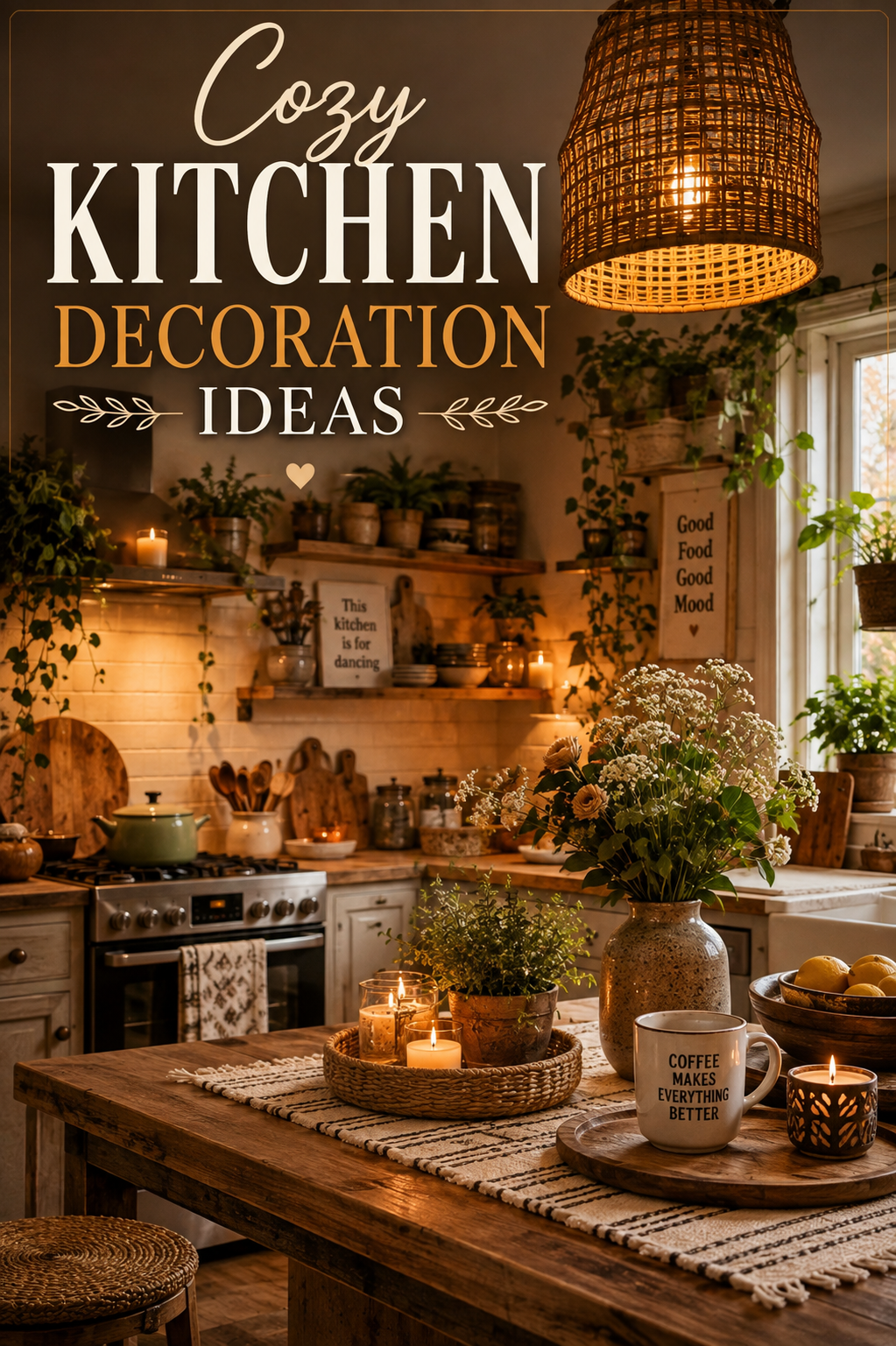
    Materials and Things to Use

    • Antique-style mirror
    • Brass lamp
    • Vintage frame
    • Wooden nightstand
    • Floral bedding
    • Ceramic vase
    • Vintage rug

    Step-by-Step

    1. Start with modern neutral furniture.
    2. Introduce one vintage-inspired piece.
    3. Add brass or aged-metal details.
    4. Use soft floral or textured textiles.
    5. Avoid mixing too many styles.

    A vintage mirror above a dresser can become a beautiful focal point.

    An antique-style bedside lamp can also add character.
    The combination of old and new creates a sophisticated bedroom rather than a room that looks like a themed historical interior.

    12. Create a Modern Romantic Bedroom With Curved Furniture

    Romantic decorating does not have to be traditional. Curved furniture can create a softer and more contemporary interpretation of romance.

    Rounded headboards, curved nightstands, circular mirrors, and softly shaped chairs can make a room feel elegant.

    Materials and Things to Use

    • Curved headboard
    • Rounded mirror
    • Upholstered chair
    • Soft bedding
    • Curved nightstand
    • Rounded lamp

    Step-by-Step

    1. Choose one curved focal piece.
    2. Pair it with simple furniture.
    3. Use soft neutral colors.
    4. Add warm lighting.
    5. Introduce plush textures.
    6. Keep accessories minimal.

    The curved shapes naturally soften the room.

    Cream, beige, taupe, blush, and warm gray work particularly well.

    Add brass or natural wood accents for warmth.

    This style is perfect for people who want a romantic bedroom without floral patterns or traditional decorations.

    13. Use Candles and Soft Decorative Details

    Candles can create an intimate atmosphere while also functioning as decorative objects.

    Choose a few candles rather than covering every surface.

    Materials and Things to Use

    • Candles
    • Candleholders
    • Decorative tray
    • Ceramic vase
    • Small flowers
    • Matchbox or candle accessory

    Step-by-Step

    1. Select two or three candles.
    2. Group them on a tray.
    3. Mix candle heights.
    4. Add one small decorative object.
    5. Place the arrangement safely.
    6. Never leave burning candles unattended.

    Battery-operated candles are an excellent alternative if you prefer a safer option.

    Glass candleholders can reflect warm light and create beautiful visual effects.

    Brass candleholders work well with vintage or luxurious interiors.

    Keep the arrangement simple and avoid placing candles too close to curtains or bedding.

    14. Create a Luxury Romantic Bedroom on a Budget

    A romantic bedroom can look luxurious without requiring expensive furniture.

    The secret is to focus on a few high-impact details.

    Materials and Things to Use

    • Neutral bedding
    • Matching pillow covers
    • Warm lamp
    • Full-length curtains
    • Decorative mirror
    • Textured throw
    • Small vase
    • Brass accessories

    Step-by-Step

    1. Declutter the bedroom.
    2. Use matching or coordinated bedding.
    3. Layer pillows.
    4. Add one quality-looking throw.
    5. Hang curtains correctly.
    6. Upgrade lighting.
    7. Add one large mirror.
    8. Introduce a few carefully chosen accessories.

    Matching pillow covers can instantly make inexpensive bedding look more coordinated.

    Curtains that reach the floor can make the room appear more polished.

    A large mirror can create a sense of space.

    Warm lighting makes even inexpensive materials appear softer.
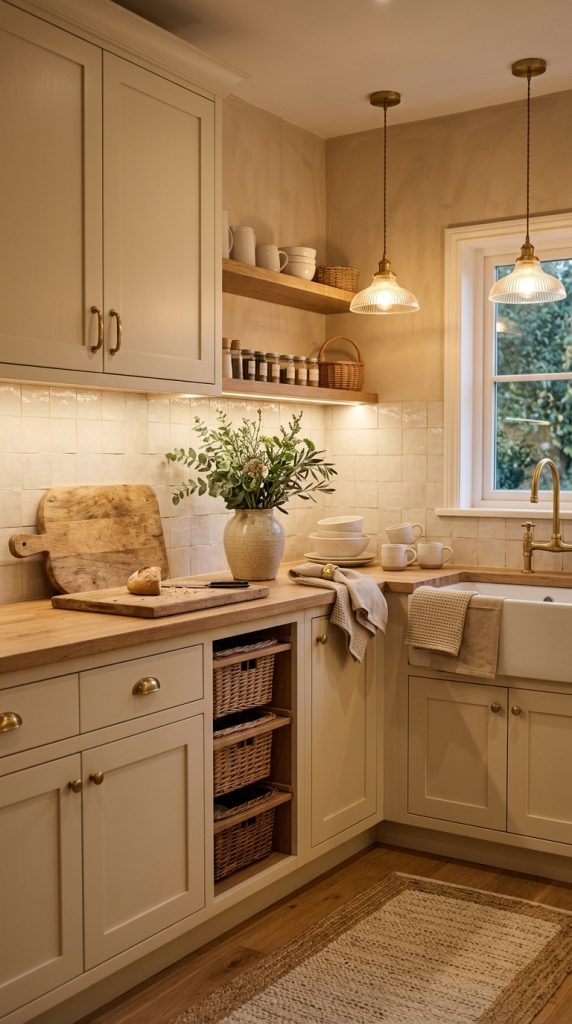
    Instead of purchasing many small decorations, invest your budget in one or two visually important pieces.

    This produces a more sophisticated result.

    15. Create a Complete Dreamy Romantic Bedroom

    The final approach combines several romantic decorating techniques into one cohesive design.

    Start with a neutral foundation and gradually layer warmth, texture, color, lighting, and decorative details.

    Materials and Things to Use

    • Cream or beige bedding
    • Textured pillows
    • Soft throw
    • Upholstered headboard
    • Warm bedside lamps
    • Sheer curtains
    • Area rug
    • Flowers
    • Candles
    • Wall art
    • Wooden furniture
    • Decorative mirror
    • Woven basket

    Step-by-Step

    1. Begin with a neutral color palette.
    2. Style the bed with layered bedding.
    3. Add two or three complementary textures.
    4. Introduce warm lighting.
    5. Hang soft curtains.
    6. Add one statement artwork.
    7. Place flowers on a nightstand.
    8. Add a small rug.
    9. Introduce one mirror.
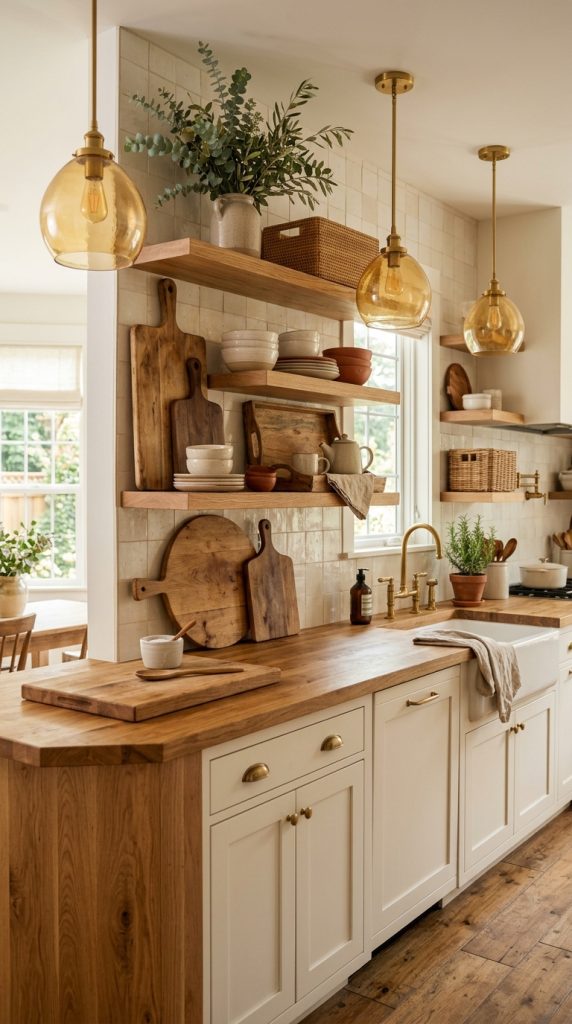
    10. Finish with minimal decorative accessories.
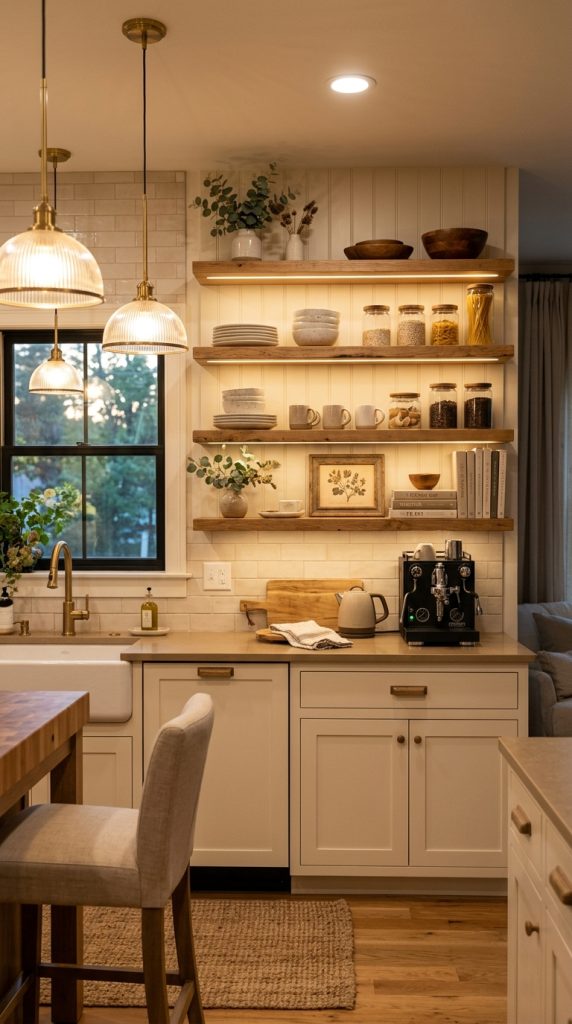
    The most important part is balance.

    Do not use every romantic idea in equal amounts.

    Instead, choose a primary focal point.

    For most bedrooms, the bed should remain the main focus.

    Then use lighting, curtains, flowers, artwork, and textures to support it.

    The finished room should feel warm, peaceful, elegant, and personal.

    It should not feel like a showroom.

    How to Choose the Best Romantic Bedroom Color Palette

    The color palette determines the emotional feeling of the room.

    Cream and Beige

    Perfect for a soft, sophisticated, minimalist romantic bedroom.

    Blush and Ivory

    Ideal for a feminine, delicate atmosphere.

    Dusty Rose and Taupe

    A more mature and elegant interpretation of romantic decor.

    Terracotta and Cream

    Warm, earthy, and contemporary.

    Chocolate Brown and Beige

    Perfect for a cozy, intimate bedroom.

    Mauve and Warm Gray

    A subtle combination for modern romantic interiors.

    Use one primary color, one secondary color, and one accent shade rather than combining too many colors.

    Romantic Bedroom Decorating Tips for Small Bedrooms

    Small bedrooms can still feel incredibly romantic.

    Choose furniture with a smaller footprint and focus on vertical space.

    Use wall sconces instead of bulky lamps.

    Choose a compact nightstand.

    Use mirrors to reflect natural light.

    Keep bedding relatively simple.

    Choose curtains that extend toward the floor to create height.

    Use under-bed storage to reduce visible clutter.

    Avoid oversized decorative furniture.

    The goal is to make the room feel peaceful rather than crowded.

    Romantic Bedroom Ideas on a Budget

    You can create a beautiful romantic bedroom without spending a fortune.

    Start by rearranging the furniture.

    Then declutter.

    Wash and iron your existing bedding.
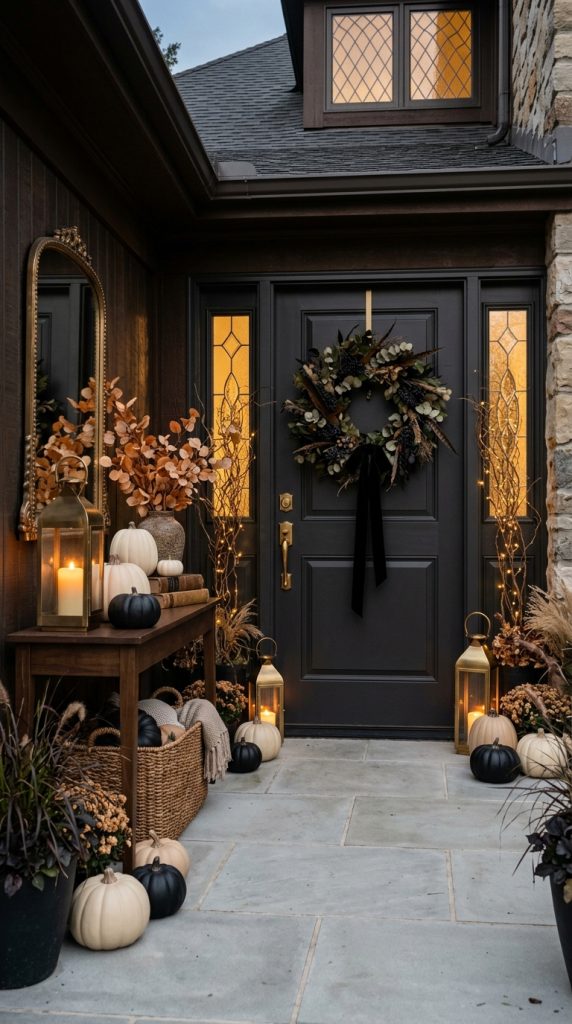
    Add affordable pillow covers.

    Move a lamp to create better lighting.

    Use a vase you already own for flowers.

    Look for secondhand mirrors and wooden furniture.

    DIY artwork can also be surprisingly effective.

    Even changing the arrangement of your nightstand can improve the room.

    Focus your spending on items that have the greatest visual impact.

    dicated supporting article.

    Final Thoughts

    Creating a romantic bedroom is ultimately about creating a feeling rather than following a strict decorating formula.

    You do not need red walls, heart-shaped accessories, or an expensive bedroom suite to make a room feel romantic. Modern romantic decorating is much more subtle. It combines soft colors, comfortable textures, beautiful lighting, natural elements, and carefully chosen accessories to create a peaceful atmosphere.

    Start with your bed because it is naturally the focal point. Use neutral bedding as your foundation, then add layers through pillows and throws.

    Next, focus on lighting.

    Warm lamps and soft accent lighting can completely transform the mood of a bedroom, especially in the evening.

    Then add texture.

    Linen, velvet, knitted fabrics, woven baskets, soft rugs, and flowing curtains can make the room feel comfortable and luxurious.

    Introduce romance through small details rather than excessive decorations.

    A vase of flowers, a beautiful mirror, a few candles, or a piece of meaningful artwork can be enough.

    Your color palette should support the atmosphere you want.

    Cream and beige create understated elegance.

    Blush and ivory create softness.

    Dusty rose and taupe feel sophisticated.

    Terracotta and cream create warmth.

    Chocolate brown and beige create a deeper, more intimate atmosphere.

    Most importantly, allow your personality to influence the design.

    If you love minimalist interiors, keep the room simple.

    If you love vintage decor, introduce antique-inspired accessories.

    If you prefer modern luxury, use curved furniture, plush textures, brass details, and elegant lighting.

    If your bedroom is small, do not let that discourage you. Small bedrooms can actually feel more intimate and cozy when decorated thoughtfully.

    Choose appropriately sized furniture, use vertical space, keep surfaces uncluttered, and let lighting and textiles create the atmosphere.

    A romantic bedroom should ultimately be a place where you feel comfortable.

    It should invite you to slow down at the end of the day.

    It should feel warm when the lights are low.

    It should look beautiful without feeling overly staged.

    And it should reflect the people who live there.

    With just a few thoughtful changes, an ordinary bedroom can become a dreamy personal retreat that feels cozy, elegant, intimate, and timeless.

    That is the real beauty of romantic bedroom decorating: you do not need more thingsโ€”you need the right things, arranged with intention.