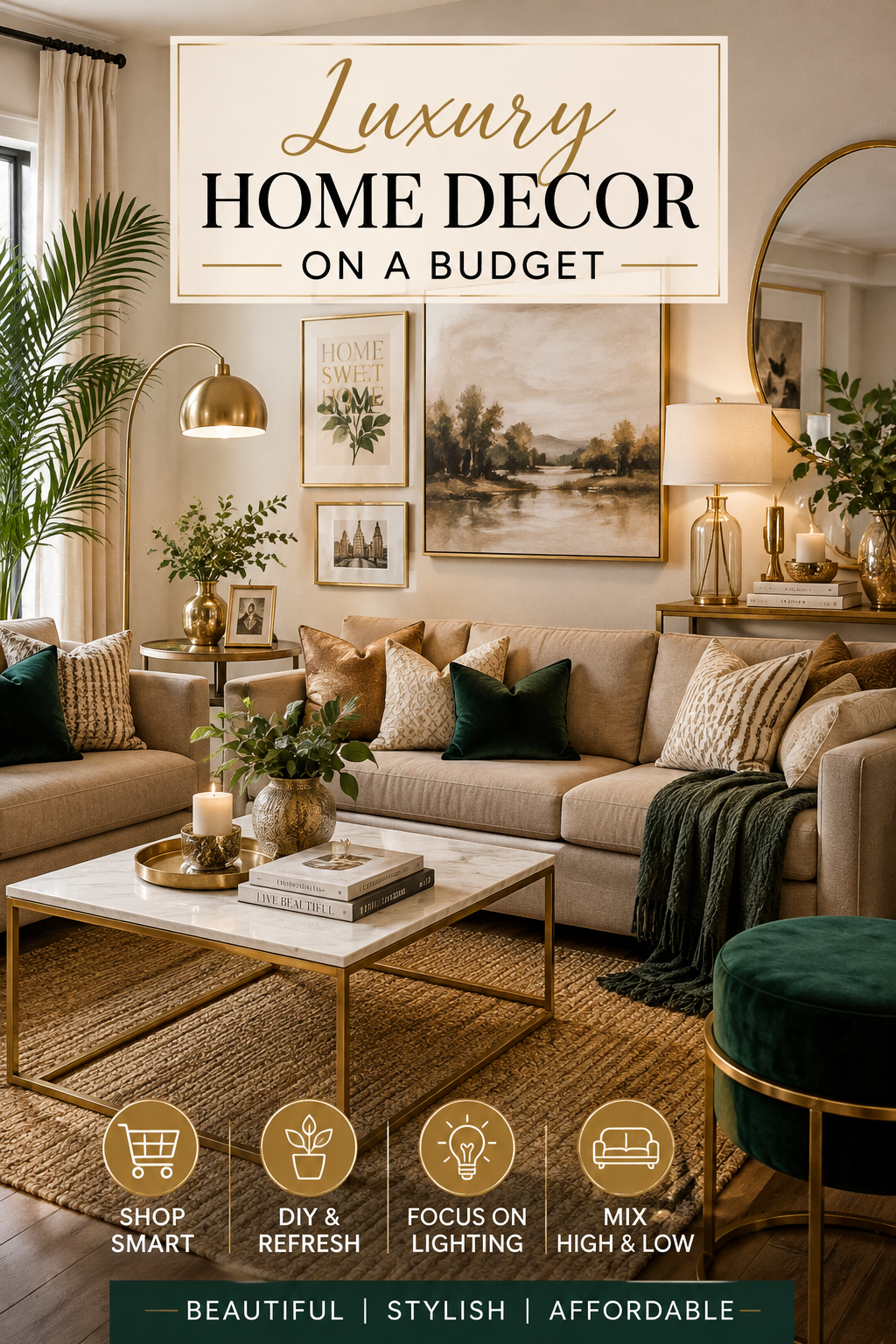
Luxury home decor on a budget is about creating an elegant, polished, and high-end atmosphere without spending a fortune on designer furniture or expensive renovations. The most beautiful luxury-inspired homes are often not defined by how much money was spent on them, but by how thoughtfully each element has been selected, arranged, and layered. With the right approach, affordable furniture, secondhand finds, simple accessories, and budget-friendly upgrades can create a sophisticated interior that feels comfortable and expensive.
The first step is understanding what actually makes a room look luxurious. It is rarely the price tag of an individual object. Instead, luxury is communicated through proportion, consistency, texture, lighting, organization, and visual simplicity. A modest sofa can look elegant when surrounded by coordinated cushions, a beautiful rug, attractive curtains, warm lighting, and carefully selected accessories. On the other hand, an expensive sofa can look ordinary if the room is cluttered or poorly arranged.
Color is one of the easiest ways to create a luxury feeling. Neutral shades such as warm white, cream, beige, taupe, greige, soft gray, and brown provide an elegant foundation. These colors are easy to combine and make a room feel calm and cohesive. However, luxury does not mean that your home must be completely neutral. Deep green, navy, burgundy, chocolate brown, muted blue, terracotta, or dusty rose can add richness and personality. The key is to repeat colors throughout the room instead of introducing too many unrelated shades.
Texture is equally important. A room decorated entirely with smooth surfaces can feel flat, even if the furniture itself is expensive. Layering linen, cotton, velvet, wool, wood, ceramic, glass, woven materials, and greenery creates depth. The good news is that texture can often be added inexpensively through cushions, blankets, baskets, curtains, rugs, and small accessories.
Lighting is another major factor. Harsh overhead lighting can make a beautiful room feel cold and ordinary. Layered lighting creates a softer and more sophisticated environment. Table lamps, floor lamps, wall lights, pendant fixtures, and warm accent lighting can be combined to create different levels of illumination. You do not need expensive designer lamps. Sometimes replacing a lampshade or adding a warm-toned bulb can make an existing fixture look considerably better.
Furniture arrangement also influences the perceived quality of a space. A luxury interior usually feels spacious and intentional because furniture is positioned according to the room’s proportions and how people actually use it. Avoid pushing every piece against the wall simply because that seems like the easiest arrangement. Where space allows, create conversation areas and allow enough room for movement.
Curtains are another surprisingly effective upgrade. Floor-length curtains can make ceilings look taller and windows look larger. Hanging them at an appropriate height and allowing enough width for attractive folds creates a more finished appearance. Simple curtains in cream, ivory, beige, or soft gray can work particularly well.
Accessories should be chosen selectively. Instead of covering every table and shelf with small decorative objects, choose a few pieces with strong visual presence. A large vase, sculptural object, oversized mirror, beautiful tray, coffee-table books, framed artwork, or statement plant can create more impact than many inexpensive decorations.
Mirrors are especially useful in budget-friendly luxury decorating. A large mirror can reflect light, add depth, and create a focal point. Affordable mirrors can also be upgraded with paint or used secondhand. Positioning matters just as much as the mirror itself. A mirror reflecting a window or attractive artwork can make the room feel brighter and more expansive.
Artwork does not have to be expensive either. Affordable prints, vintage-inspired posters, photography, botanical illustrations, or personal artwork can look sophisticated when printed at a good size and placed in attractive frames. Presentation is often more important than price.
Plants add another layer of life and color. A large plant can fill an empty corner, while smaller plants can soften shelves and side tables. Pairing greenery with attractive ceramic, woven, or simple neutral pots can make the arrangement feel more intentional.
The biggest secret to luxury on a budget is editing. Before buying anything, remove clutter and unnecessary objects. Give your favorite pieces room to breathe. A carefully edited room often looks more expensive than a room filled with expensive possessions.
The ideas below focus on affordable changes that can be implemented gradually. You do not need to renovate your entire home. Start with one room, identify its biggest weakness, and choose the change that will make the greatest visual difference.
1. Create a Sophisticated Neutral Living Room
A neutral color palette is one of the simplest ways to create an elegant living room without spending a large amount of money. Neutral interiors provide a calm foundation and allow furniture, artwork, lighting, and textures to become the focus.
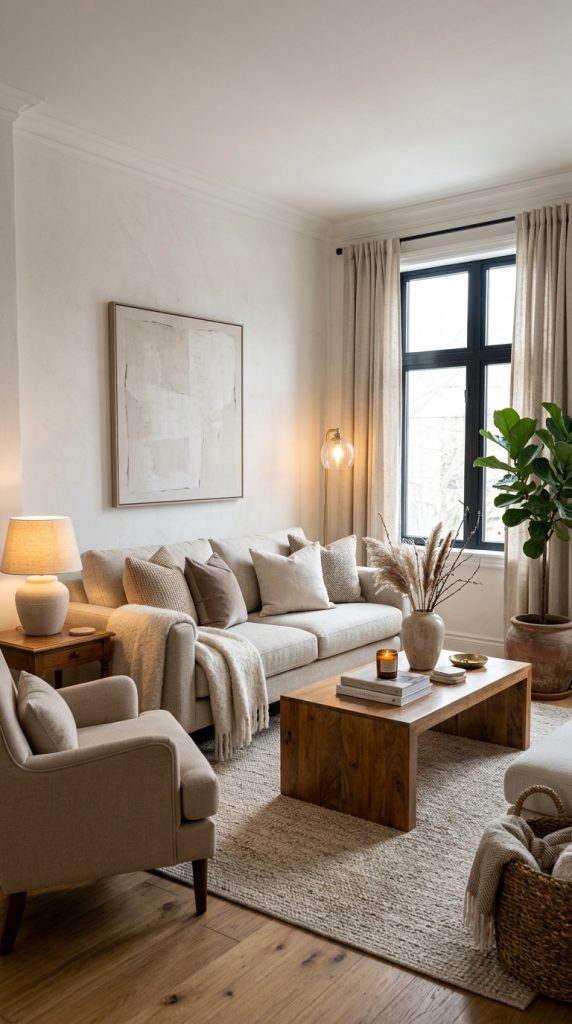
Start with the largest existing pieces. If your sofa is already neutral, use it as the foundation. If it is colorful, do not automatically replace it. Instead, identify one or two colors from the sofa and repeat them throughout the room.
Cream, beige, taupe, warm white, soft gray, and brown are excellent choices for creating a sophisticated appearance.
Materials and Things You Need
- Neutral cushion covers
- Textured throw
- Area rug
- Curtains
- Decorative vase
- Coffee-table books
- Tray
- Artwork
- Table lamp
- Indoor plant
- Decorative basket
Step-by-Step Process
First, remove unnecessary objects from the living room.
Next, select a primary neutral shade.
Choose one or two secondary colors.
Replace mismatched cushion covers with coordinated ones.
Add a textured throw to the sofa.
Introduce an area rug that connects the furniture.
Add one large decorative object rather than many tiny objects.
Finish with warm lighting and greenery.
Texture becomes particularly important when using neutral colors.
Combine smooth ceramics with woven baskets, soft textiles, natural wood, glass, and greenery.
For example, imagine a cream sofa styled with beige linen cushions, a chunky knitted throw, a wooden coffee table, a woven rug, and a ceramic vase.
The colors are simple, but the textures create visual richness.
You can introduce a darker accent through a walnut table, black picture frame, charcoal cushion, or dark artwork.
This creates contrast without making the room feel busy.
A neutral living room is also easy to update seasonally. In winter, add heavier throws and warm brown accents. In spring, introduce lighter textiles and greenery. During summer, linen and natural textures can make the room feel fresh.
The goal is not to make everything beige.
Instead, create a controlled palette in which different shades and textures work together.
For a Pinterest-worthy result, make sure the room has one clear focal point. This could be the sofa, fireplace, artwork, coffee table, or a beautiful window.
Avoid allowing too many accessories to compete for attention.
2. Hang Curtains High and Wide for an Instant Luxury Effect
Curtains are often underestimated when decorating on a budget. Yet properly selected and installed curtains can dramatically change the proportions of a room.

Short curtains can make windows look smaller and ceilings appear lower. Floor-length curtains create a sense of height and softness.
Where appropriate for your room’s architecture, position the curtain rod higher than the top of the window and extend it beyond the sides of the window. This can make the window appear larger.
Materials and Things You Need
- Curtain panels
- Curtain rod
- Measuring tape
- Level
- Mounting hardware
- Curtain rings if required
- Steamer or iron
Step-by-Step Process
Measure the width of the window.
Measure from the desired rod position to the floor.
Select panels with enough width to create attractive folds.
Install the rod securely.
Position the curtains so they frame the window.
Steam the panels before styling them.
Allow the fabric to fall naturally.
Simple curtains often look more expensive than heavily decorated ones.
Choose ivory, cream, beige, warm white, taupe, or soft gray for maximum versatility.
If you have colorful walls, choose curtains that coordinate rather than compete.
For example, deep green walls can look elegant with warm cream curtains.
A neutral bedroom can become more luxurious with floor-length beige curtains and layered bedding.
You do not have to replace every curtain in your home at once.
Start with the living room or bedroom because these spaces benefit most visually.
If affordable curtains are slightly transparent or lightweight, layering them with another panel can create greater fullness.
Proper maintenance is also important. Wrinkled curtains can make a room look unfinished. Steam them regularly and follow the fabric’s care instructions.
The final effect is subtle but powerful.
The room feels taller, softer, and more complete.
3. Build a High-End Look With Affordable Artwork
Artwork can give a room personality while creating a sophisticated focal point.
You do not need an expensive original painting.
Affordable prints, photographs, botanical illustrations, abstract designs, vintage posters, and downloadable artwork can all work beautifully.
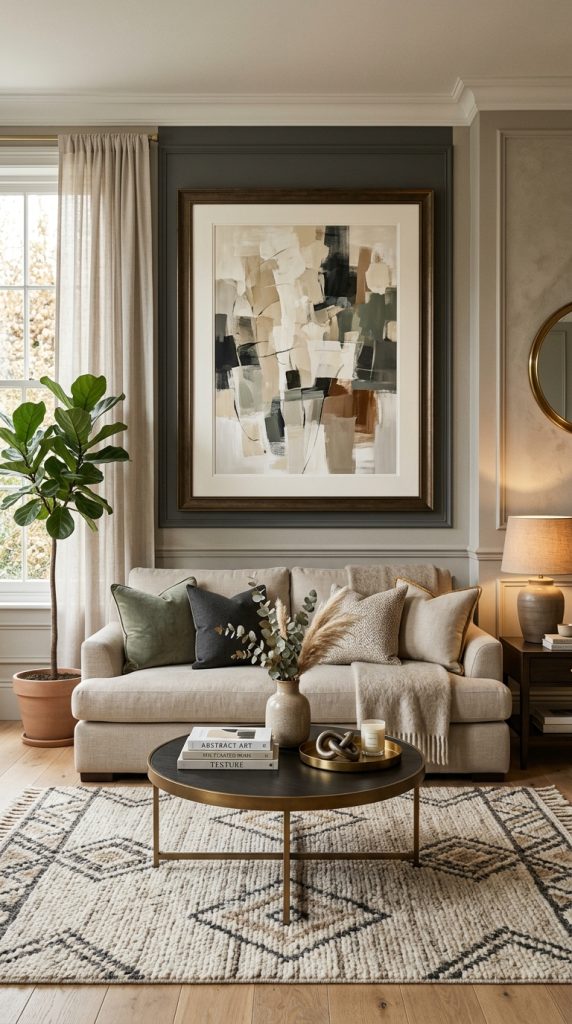
The most important factors are scale, framing, and placement.
Materials and Things You Need
- Large artwork or prints
- Picture frames
- Mat boards
- Measuring tape
- Level
- Hanging hardware
- Optional picture ledge
Step-by-Step Process
Choose one wall that needs visual interest.
Select artwork that matches your room’s color palette.
Determine whether one large piece or a gallery arrangement is more appropriate.
Measure the wall.
Arrange pieces on the floor before hanging them.
Keep spacing consistent.
Install the artwork securely.
A large artwork often creates a stronger luxury effect than several tiny pieces.
If a large original painting is too expensive, create an oversized print.
Choose a simple frame with a wide border or mat where appropriate.
Black frames create a modern appearance.
Wood frames add warmth.
Metallic frames can introduce a subtle glamorous effect.
For a more eclectic interior, combine frame styles while repeating a few colors.
A gallery wall can also be created inexpensively by mixing artwork with photographs, mirrors, and small decorative objects.
Do not overcrowd the arrangement.
Leave enough visual breathing room.
Artwork should support the room rather than compete with every other decorative element.
A large artwork above a sofa, dining table, or console can immediately create a designer-inspired focal point.
4. Upgrade Existing Furniture With New Hardware
Replacing furniture is often expensive and unnecessary.
A simple cabinet, dresser, console, or vanity can look completely different after replacing its hardware.
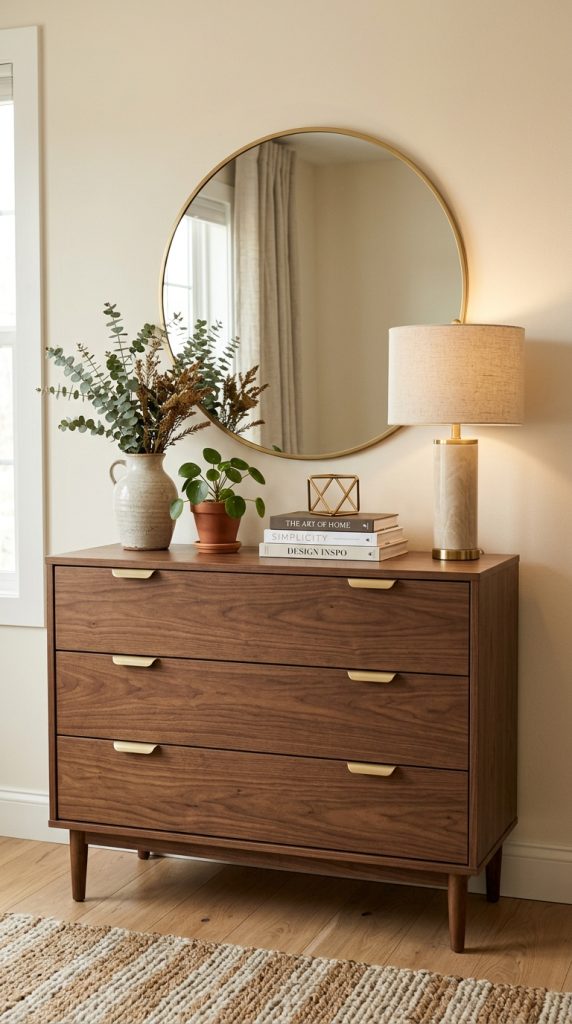
This is one of the easiest budget-friendly projects because the change requires relatively few materials.
Materials and Things You Need
- New knobs
- Cabinet handles
- Screwdriver
- Measuring tape
- Pencil
- Replacement screws
- Optional paint
- Optional wood filler
Step-by-Step Process
Measure the existing hardware.
Record the distance between mounting holes.
Choose replacement hardware that fits or plan for new holes where appropriate.
Remove the old hardware.
Clean the surface.
Install the new pieces.
Check that all handles are aligned.
Brass hardware can make simple furniture look warmer and more traditional.
Matte black hardware creates a modern appearance.
Brushed metal can create a subtle contemporary look.
Ceramic knobs can add personality to bedrooms or vintage-inspired spaces.
If the furniture itself looks tired, consider refinishing or painting it before installing the new hardware.
A basic wooden dresser can become an elegant statement piece with a fresh finish and sophisticated pulls.
This technique works particularly well for rental-friendly or budget-conscious decorating because you can transform what you already own.
The key is consistency.
Use complementary hardware finishes in the same room.
You do not have to use one finish throughout the entire house, but nearby furniture should feel coordinated.
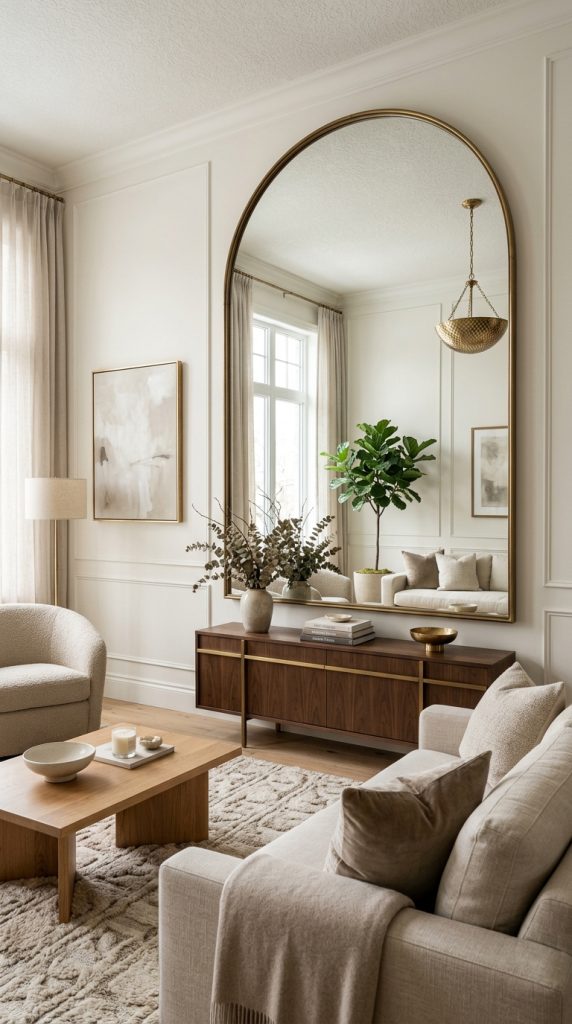
5. Use One Oversized Mirror as a Luxury Focal Point
Large mirrors can make a room appear brighter and more spacious while also adding elegance.
Instead of purchasing several small decorative mirrors, consider one large piece.
Materials and Things You Need
- Large mirror
- Measuring tape
- Level
- Suitable mounting hardware
- Cleaning cloth
- Optional frame paint
Step-by-Step Process
Choose a wall that benefits from additional visual depth.
Measure the space.
Select a mirror proportional to the furniture.
Check the mirror’s weight.
Choose appropriate mounting hardware.
Install it securely.
Clean the surface.
Style the surrounding area without overcrowding it.
A round mirror can soften a room filled with angular furniture.
A tall rectangular mirror can emphasize ceiling height.
An arched mirror can introduce an architectural appearance.
If the frame is unattractive, repainting it can be a relatively inexpensive way to improve its appearance.
Place the mirror where it reflects something attractive.
A window is particularly effective because it can reflect daylight.
Artwork, plants, or a beautiful light fixture can also create interesting reflections.
Avoid positioning it so it reflects cluttered shelves or messy areas.
The mirror should add depth, not multiply visual disorder.
6. Layer Lighting Instead of Relying on One Ceiling Fixture
Luxury interiors rarely depend entirely on one harsh ceiling light.
Layered lighting creates warmth, depth, and atmosphere.
Use several smaller sources instead of one dominant source.

Materials and Things You Need
- Table lamp
- Floor lamp
- Pendant
- Wall light
- Appropriate warm-toned bulbs
- Decorative lampshade
- LED accent lighting where appropriate
Step-by-Step Process
Identify dark corners.
Add a floor lamp.
Place a table lamp on a console or side table.
Use a pendant or ceiling fixture for general illumination.
Highlight artwork or architectural details.
Choose appropriate warm lighting for relaxing spaces.
Turn off unnecessary lights and observe how the room changes.
Different heights create depth.
A floor lamp illuminates from low level.
A table lamp provides medium-height lighting.
A ceiling fixture provides overhead illumination.
This creates a layered environment.
You can also upgrade an inexpensive lamp by replacing the lampshade.
A well-proportioned fabric shade can make a basic lamp feel much more sophisticated.
For bedrooms and living rooms, softer lighting often creates a more inviting atmosphere.
Always choose bulbs appropriate to the fixture and room requirements.
7. Style a Coffee Table With a Simple Designer-Inspired Arrangement
A coffee table can become a focal point without being expensive.
The key is to create a composition rather than scatter objects across the surface.

Materials and Things You Need
- Decorative tray
- Books
- Vase
- Plant
- Bowl
- Sculptural object
- Candle or LED candle
Step-by-Step Process
Clear the entire table.
Place one tray.
Add two or three books.
Place a vase or decorative object on the books.
Add greenery.
Leave part of the table empty.
The empty space is important.
It keeps the arrangement functional and prevents visual clutter.
Use objects with different heights.
A low stack of books next to a taller vase creates balance.
A tray helps group objects and makes them easy to move when the table needs to be used.
You can rotate decorative objects seasonally.
In autumn, add warm-toned ceramics and dried branches.
In spring, use fresh greenery and lighter colors.
In winter, introduce cozy textures and neutral accessories.
The arrangement should always feel practical enough for everyday life.
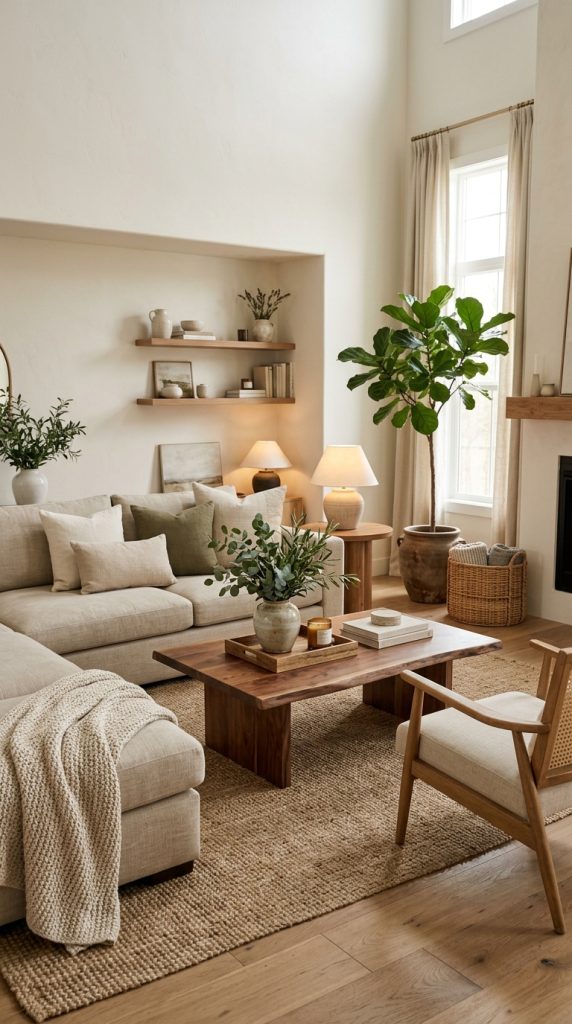
8. Mix Natural Materials to Add Expensive-Looking Texture
Natural materials are an excellent way to make an interior feel sophisticated.
Wood, rattan, jute, linen, cotton, ceramic, stone-inspired accessories, and woven baskets create visual depth.
Materials and Things You Need
- Wooden tray
- Woven basket
- Jute rug
- Linen cushion
- Cotton throw
- Ceramic vase
- Rattan accessory
- Wooden bowl
- Indoor plant
Step-by-Step Process
Look around the room and identify overly smooth surfaces.
Add one woven object.
Introduce natural wood.
Layer a linen or cotton textile.
Add ceramic.
Bring in greenery.
Spread the materials throughout the room.
Do not concentrate everything in one corner.
A wooden coffee table, woven basket, linen cushion, ceramic vase, and natural-fiber rug can create a sophisticated combination without requiring designer furniture.
Natural textures also work well with metal accents.
A brass lamp beside a wooden table can create a beautiful contrast.
The objective is to make the room feel tactile and layered.
9. Give Your Bedroom a Boutique-Hotel Feeling
A bedroom can look luxurious when it is organized, symmetrical, comfortable, and layered with textiles.
The bed should become the main focal point.
Choose coordinated bedding and build layers with pillows, throws, and blankets.

Materials and Things You Need
- Duvet cover
- Sheets
- Pillows
- Decorative cushions
- Throw blanket
- Bedside lamps
- Curtains
- Area rug
- Artwork
- Decorative tray
- Plant
Step-by-Step Process
Declutter the bedroom.
Choose a calm color palette.
Make the bed with layered bedding.
Add decorative cushions.
Place lamps on both sides when appropriate.
Add a soft rug.
Use full-length curtains.
Keep bedside tables organized.
Add one or two personal accessories.
Symmetry can create an instant sense of order.
Matching bedside lamps and balanced furniture arrangements make the room feel intentional.
However, do not make the bedroom so perfect that it becomes uncomfortable.
The purpose is relaxation.
Choose fabrics that feel pleasant and practical.
Layer different textures instead of relying entirely on decorative objects.
A cream duvet, beige throw, textured cushions, wooden bedside tables, warm lamps, and soft curtains can create a sophisticated bedroom with relatively simple pieces.
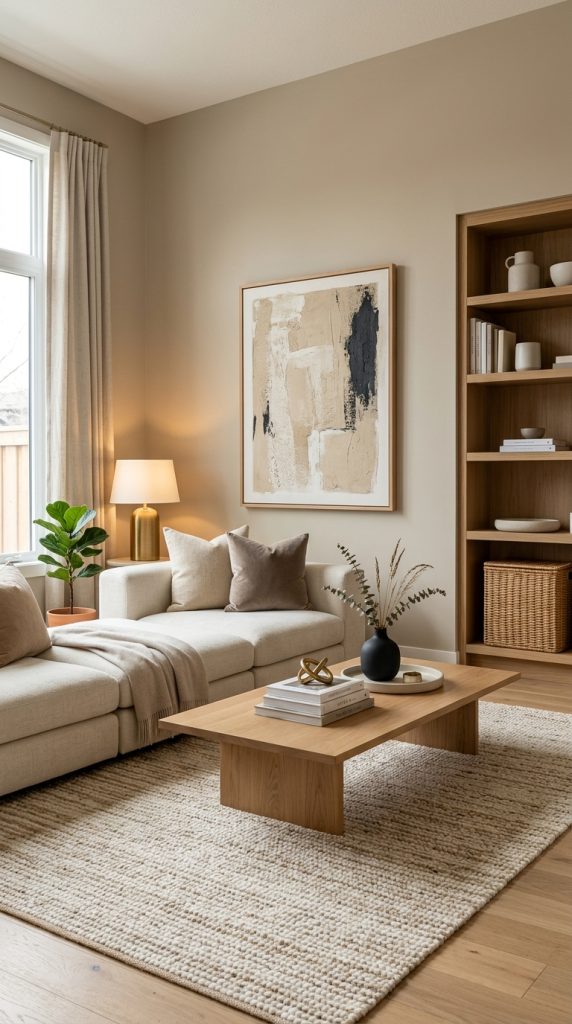
10. Declutter and Curate Your Home Before Buying Anything
The final and most important budget luxury idea is to edit your existing space.
You may already own everything necessary to create a beautiful home.
The problem may simply be that too many things are competing for attention.
Materials and Things You Need
- Storage baskets
- Decorative boxes
- Trays
- Storage containers
- Donation bags
- Cleaning supplies
- Shelving
Step-by-Step Process
Work on one room at a time.
Remove unnecessary objects.
Group similar items.
Store everyday clutter.
Donate things you no longer use.
Keep meaningful objects.
Create intentional displays.
Leave some surfaces empty.
A luxury-inspired room needs visual breathing space.
This does not mean becoming minimalist.
You can still display books, plants, artwork, collections, and sentimental objects.
The difference is that the items are arranged intentionally.
Instead of placing ten objects on a console, choose three or four.
Instead of filling every shelf, create a few attractive groupings.
Instead of covering the sofa with every cushion you own, choose a coordinated selection.
This approach makes your existing possessions feel more valuable.
11. Create a Statement Accent Wall With Budget-Friendly Paint
A statement wall can completely change the atmosphere of a room without requiring a full renovation. Instead of repainting every wall, choose one strategic surface and give it a richer, more sophisticated color. This approach works especially well behind a sofa, bed, dining table, fireplace, or console.

For a luxury-inspired appearance, consider deep green, navy blue, warm taupe, chocolate brown, muted charcoal, dusty blue, terracotta, or creamy beige. The best choice depends on the existing furniture, natural light, and overall color palette.
Materials and Things You Need
- Interior wall paint
- Paint roller
- Paintbrush
- Painter’s tape
- Drop cloth
- Paint tray
- Sandpaper if required
- Filler for small wall imperfections
- Measuring tape
Step-by-Step Process
First, select the wall that naturally attracts attention.
Clean the surface and repair obvious imperfections.
Protect floors and furniture.
Use painter’s tape around edges that need protection.
Apply the appropriate primer if required.
Apply the first coat of paint.
Allow it to dry according to the manufacturer’s instructions.
Add a second coat if necessary.
Remove the tape carefully.
Once the wall is finished, keep the surrounding decorations relatively controlled.
The purpose of an accent wall is to create a focal point rather than compete with every other feature.
For a sophisticated appearance, repeat the wall color somewhere else in the room. For example, if you paint the wall deep green, introduce green through a cushion, artwork, plant pot, or decorative object.
This repetition makes the room feel professionally coordinated.
You can also create a subtle luxury effect with two closely related colors rather than a dramatic contrast. A warm beige room with a slightly darker taupe accent wall can feel elegant and understated.
If you prefer something more dramatic, choose a darker color and combine it with warm lighting and lighter furniture.
An accent wall can also provide the perfect background for artwork or a large mirror. Position the focal object carefully so the wall and object work together.
The beauty of this idea is that it creates a major visual change without requiring expensive furniture.
12. Make a Budget-Friendly Entryway Look Like a Luxury Hotel Entrance
The entryway is the first part of your home visitors experience, so it deserves as much attention as the living room. A small, carefully styled entrance can immediately make the entire home feel more sophisticated.

You do not need a large hallway. Even a narrow entryway can become attractive with a few practical elements.
Start with a console table or slim shelf if space permits. Add a mirror above it to create depth and reflect light.
Materials and Things You Need
- Console table or narrow shelf
- Large mirror
- Table lamp
- Decorative tray
- Small vase
- Plant
- Basket
- Artwork
- Runner rug
- Storage hooks
Step-by-Step Process
Begin by clearing unnecessary items from the entrance.
Choose one focal point, preferably a mirror or artwork.
Add a narrow console if the space allows.
Place a small lamp on the console.
Use a tray for keys and everyday essentials.
Add one vase or plant.
Place a basket underneath for practical storage.
Add a runner if the layout allows.
Keep the color palette consistent with the rest of the home.
The mirror is especially useful because it can make a narrow entryway feel larger.
A large round mirror creates softness, while a rectangular mirror can emphasize architectural lines.
Lighting is equally important. A small table lamp can create a welcoming glow during the evening.
If your entryway is very small, wall-mounted shelves can replace a console table.
A small basket underneath can provide storage without taking up too much floor space.
Avoid placing too many decorative objects in the entrance. The area needs to remain functional because people will naturally use it for shoes, bags, keys, and coats.
A sophisticated entryway balances beauty and practicality.
The finished space should feel organized, welcoming, and connected to the design language of the rest of the home.
13. Use Affordable Rugs to Make Every Room Feel More Finished
A rug can dramatically change the appearance of a room because it connects furniture and establishes a visual foundation.
Even affordable furniture can look more polished when it is placed correctly on a well-sized rug.

One of the biggest mistakes is choosing a rug that is too small.
In a living room, the rug should ideally relate to the main seating arrangement rather than appearing like a small island underneath the coffee table.
Materials and Things You Need
- Area rug
- Rug pad
- Measuring tape
- Furniture layout plan
- Vacuum
- Rug-cleaning supplies appropriate for the material
Step-by-Step Process
Measure the room.
Measure your furniture arrangement.
Determine the largest practical rug size within your budget.
Choose a color that connects existing furniture.
Select a subtle pattern if the room already has strong colors.
Use a more expressive pattern if the furniture is simple.
Position the rug carefully.
Add a rug pad where appropriate.
A neutral rug can make a colorful room feel calmer.
A patterned rug can introduce personality into a neutral room.
For a luxury appearance, consider subtle patterns rather than overly busy designs if your room already contains statement furniture.
Cream, beige, taupe, gray, muted blue, brown, and soft geometric patterns can create an elegant foundation.
Texture is also valuable.
A woven rug can create warmth.
A plush rug can make a bedroom feel more comfortable.
A low-pile rug may work better in high-traffic areas.
The rug should also relate to the room’s color palette.
If your sofa is beige and your artwork contains blue and brown, choose a rug that incorporates those shades.
This creates visual connection.
You do not need an expensive rug to achieve this effect. What matters most is selecting the correct size, color, pattern, and placement.
14. Add Designer-Inspired Symmetry With Matching Accessories
Symmetry is a simple design principle that can make a room appear more organized and sophisticated.
You do not need matching designer furniture.
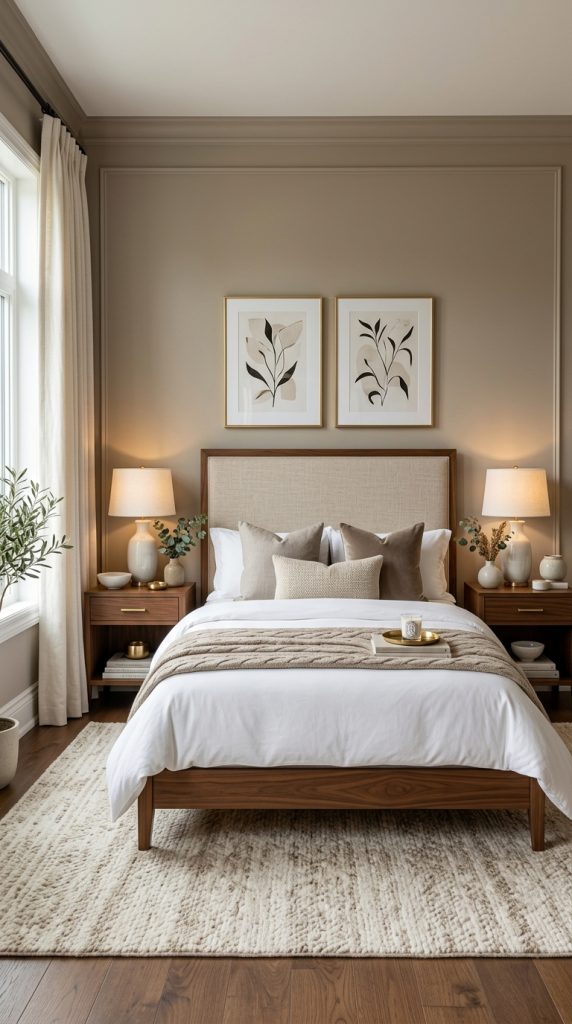
Instead, create symmetry with affordable accessories.
This works particularly well around beds, sofas, fireplaces, consoles, and dining areas.
For example, two similar table lamps on either side of a bed immediately create a balanced appearance.
Materials and Things You Need
- Matching or coordinating lamps
- Side tables
- Decorative cushions
- Vases
- Artwork
- Candles or LED candles
- Trays
- Decorative objects
Step-by-Step Process
Identify the area you want to balance.
Choose a central focal point.
Add similar objects on both sides.
Keep their visual weight relatively balanced.
Repeat materials or colors.
Leave enough empty space around the arrangement.
A bedroom is one of the easiest places to use symmetry.
Place two bedside tables on either side of the bed.
Add matching lamps.
Use coordinated cushions.
Keep the artwork centered above the headboard.
This creates an instant boutique-hotel feeling.
In a living room, you could place two similar lamps or chairs on opposite sides of the sofa.
The objects do not have to be identical.
They simply need similar visual weight.
For example, one side might contain a tall plant while the other has a floor lamp of similar height.
Symmetry is especially useful when your furniture is inexpensive or mismatched because the balanced arrangement creates visual order.
However, avoid making the entire home perfectly symmetrical.
Luxury interiors often combine symmetry with organic elements.
You can create a symmetrical foundation and then introduce personality through artwork, books, plants, and decorative objects.
This combination keeps the room polished without making it feel overly formal.
15. Create a Luxury Spa Feeling in the Bathroom Without Renovating
A bathroom can feel expensive without replacing the tiles, vanity, or plumbing fixtures. The key is creating a clean, coordinated, hotel-inspired atmosphere through textiles, lighting, accessories, and organization.

Start by removing unnecessary products from visible surfaces.
Then introduce coordinated towels, a simple bath mat, attractive containers, greenery, and warm lighting.
Materials and Things You Need
- Coordinated towels
- Bath mat
- Shower curtain if applicable
- Decorative tray
- Small plant
- Ceramic container
- Soap dispenser
- Storage basket
- Mirror
- Warm lighting
- Minimal artwork
Step-by-Step Process
Begin by completely clearing the bathroom counters.
Group everyday products into attractive containers where practical.
Choose towels in one or two coordinated colors.
Add a simple bath mat.
Place a small plant where suitable.
Use a tray to organize frequently used items.
Replace mismatched dispensers with coordinated containers.
Add a decorative basket for towels.
Keep the countertop mostly clear.
A neutral bathroom can immediately feel more luxurious with white, cream, beige, soft gray, or earthy towels.
For a more dramatic appearance, use deep green, navy, or charcoal accents.
Avoid displaying too many brightly colored product bottles.
Use baskets or cabinets to hide visual clutter.
Lighting also matters.
If possible, use appropriate warm lighting for a relaxing atmosphere while maintaining sufficient illumination for practical tasks.
A small plant can add freshness, while a wooden tray can introduce natural warmth.
You can also add one framed piece of artwork if the bathroom conditions are suitable for it.
The goal is to recreate the feeling of a calm boutique spa.
Everything should feel clean, coordinated, and intentional.
You do not need marble countertops or designer fixtures.
A beautifully organized bathroom with matching textiles, thoughtful storage, warm lighting, and a few natural elements can create a surprisingly luxurious result.
The most important finishing touch is cleanliness.
Keep mirrors spotless, towels fresh, surfaces uncluttered, and fixtures well maintained.
That final level of care can make inexpensive bathroom decor feel considerably more sophisticated.
Leave a Reply