
A cozy home is more than a beautifully decorated space. It is a place that immediately makes you feel comfortable, relaxed, and welcome. The right combination of warm colors, soft textures, natural materials, thoughtful lighting, comfortable furniture, and personal details can completely change the atmosphere of a home. You do not need a large budget or a complete renovation to create this feeling. In many cases, a few intentional changes can make an ordinary room feel dramatically warmer and more inviting.
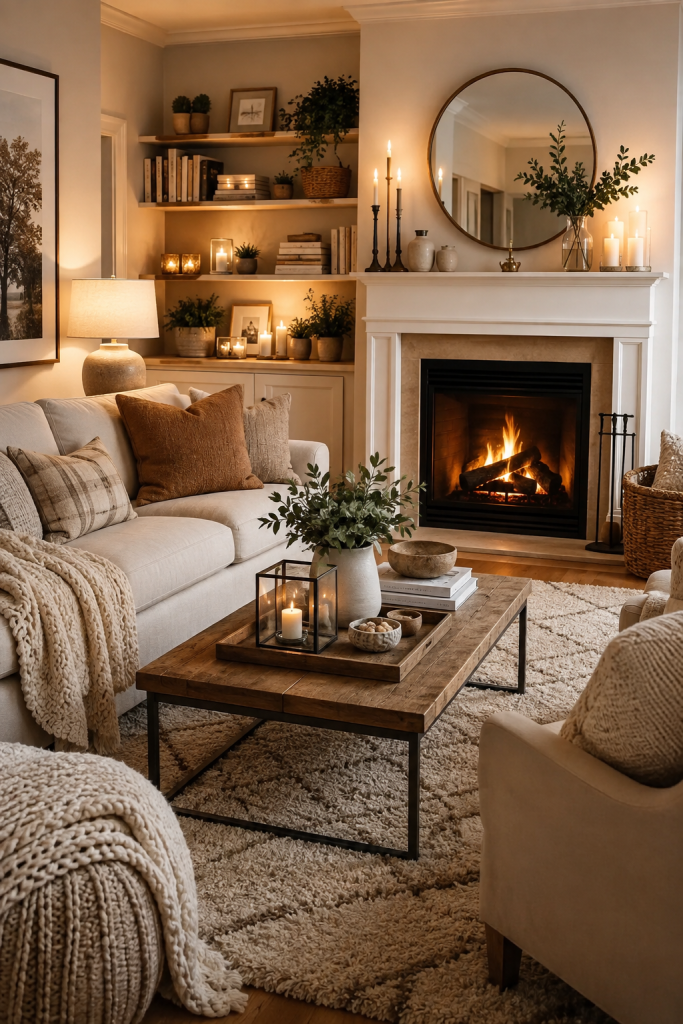
Cozy home decor has become especially popular because people are increasingly looking for interiors that feel lived-in rather than overly perfect. A home should not look like a showroom where everything is untouchable. Instead, it should communicate comfort and personality. A soft throw casually placed over a sofa, books stacked on a coffee table, warm lamps glowing in the evening, natural wood furniture, textured cushions, and a beautiful rug can create an atmosphere that feels welcoming the moment someone walks through the door.
One of the most important foundations of cozy decorating is color. Warm neutrals such as cream, beige, oatmeal, taupe, caramel, warm white, and soft brown create an excellent base. These shades are easy to combine and can make rooms feel calm without becoming boring. You can then introduce earthy accent colors such as sage green, terracotta, muted mustard, dusty rose, olive, rust, or chocolate brown. The goal is not necessarily to use many colors. Instead, choose a small palette and repeat it naturally throughout the room.
Texture is equally important. A room can have beautiful furniture and still feel cold if every surface is smooth and hard. Layering textures creates visual warmth. Consider linen curtains, cotton cushions, knitted blankets, boucle chairs, wool rugs, woven baskets, velvet accents, ceramic accessories, and natural wood. These materials make the home more interesting while creating a sense of softness and comfort.
Lighting may be one of the most powerful elements of cozy home decor. Bright overhead lighting can make an otherwise beautiful room feel harsh. Layered lighting is much more effective. Table lamps, floor lamps, wall sconces, pendant lights, candles, and subtle accent lighting can create different moods throughout the day. During the evening, switching off the main ceiling light and using several smaller warm light sources can completely transform the atmosphere.
Furniture arrangement also matters. A cozy home encourages conversation and connection. In a living room, arrange seating so people can comfortably face one another rather than placing every piece against a wall. In a bedroom, position the bed as the visual focal point and create enough space around it for easy movement. In a dining area, use lighting and textiles to make meals feel more inviting.
Natural materials can make a home feel grounded. Wood, rattan, wicker, stone, linen, cotton, wool, and ceramics bring an organic quality to interiors. Even if your home has a very modern design, adding a few natural pieces can prevent it from feeling too sterile. A wooden tray, woven basket, ceramic vase, or linen cushion can have a surprisingly large impact.
Plants are another simple way to add warmth and life. A large leafy plant can fill an empty corner, while smaller plants can decorate shelves, windowsills, and side tables. If maintaining plants is difficult, choose low-maintenance varieties or use high-quality artificial greenery.
Personal details are what make a cozy home feel truly yours. Family photographs, artwork, books, travel memories, handmade objects, collections, and sentimental pieces add character. Trends can provide inspiration, but personal objects create emotional warmth.
Another important principle is balance. Cozy does not mean cluttered. Adding too many cushions, accessories, blankets, baskets, and decorations can make a room feel chaotic rather than relaxing. The strongest cozy interiors usually contain layers, but each layer has a purpose. There is enough decoration to create interest while maintaining open space and visual breathing room.
The following ten ideas provide practical ways to make your home feel warmer and more inviting. They can be used individually or combined to create a complete cozy home makeover. Whether you are decorating a small apartment, refreshing a family home, updating a living room, or simply looking for affordable ways to make your space more welcoming, these ideas provide a flexible foundation.
1. Layer Soft Textures Throughout Your Living Space
One of the easiest ways to make a home feel cozy is to introduce layers of soft and tactile textures. Texture gives a room depth and warmth while making furniture and surfaces feel more inviting. A living room with a smooth sofa, bare floor, plain curtains, and empty coffee table may look clean, but it can also feel unfinished. Adding different textiles can immediately soften the atmosphere.
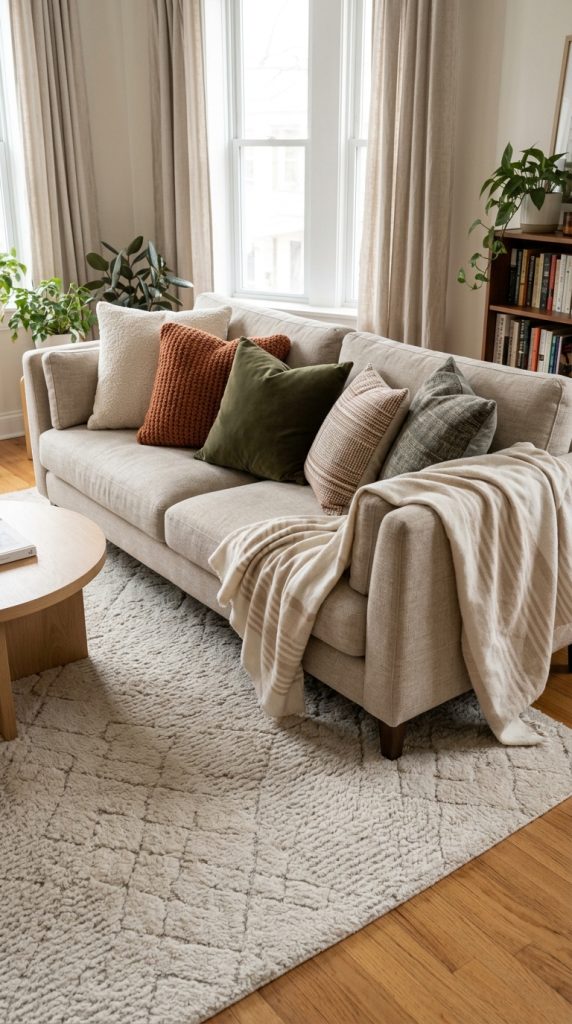
Start with the sofa because it is usually the largest upholstered piece in the living room. Add a few cushions in different textures rather than choosing cushions that are all made from the same fabric. Linen, cotton, boucle, velvet, knitted, and woven cushions can work together when they share a coordinated color palette.
Next, introduce a throw blanket. Place it casually over the arm or back of the sofa rather than folding it too perfectly. Chunky knitted throws are ideal for colder months, while lightweight cotton or linen throws can create a relaxed summer look.
A rug is another important texture. A large area rug can visually connect the seating arrangement and provide softness underfoot. Wool, cotton, jute, and low-pile woven rugs each create different effects. Choose one that complements your lifestyle and maintenance needs.
Curtains can contribute another layer. Linen-look or cotton curtains soften windows and can make the entire room feel more finished. Floor-length curtains can also make ceilings appear taller.
Do not forget smaller surfaces. A woven basket beside the sofa can hold blankets, while a ceramic vase or wooden tray can add contrasting tactile elements to the coffee table.
Materials and Things You Need
- Textured cushions
- Soft throw blankets
- Area rug
- Linen or cotton curtains
- Woven baskets
- Ceramic accessories
- Wooden trays
- Upholstered furniture
- Decorative textiles
- Optional floor cushions
Step-by-Step Decorating Process
First, choose a base color such as cream, beige, warm gray, or oatmeal.
Next, add two or three different textures within that color family.
Place cushions at different sizes and angles on the sofa.
Add a throw blanket to create a relaxed appearance.
Position an area rug beneath the main seating arrangement.
Use curtains to soften the windows and introduce another textile layer.
Finally, add one or two natural accessories such as a woven basket or wooden tray.
The important thing is not to use every texture available. Instead, create contrast. Pair smooth cotton with chunky knit, woven material with velvet, or linen with wood.
For example, a cream sofa can be styled with beige linen cushions, a caramel velvet cushion, an oatmeal knitted throw, and a natural wool rug. The colors remain calm while the different textures prevent the room from looking flat.
Texture also changes with the seasons. During winter, introduce heavier blankets, wool rugs, velvet cushions, and thicker curtains. During spring and summer, replace them with lighter cotton, linen, and woven fabrics.
This approach is particularly useful for renters because textiles can completely transform a room without changing walls or furniture. It is also budget-friendly because you can add pieces gradually.
For a Pinterest-worthy appearance, focus on layering rather than clutter. A simple sofa with three beautifully coordinated cushions and one casually placed throw can look more inviting than a sofa covered with too many accessories.
The final result should make people want to sit down, relax, and stay awhile.
2. Create a Warm and Inviting Living Room With Soft Lighting
Lighting can completely transform the emotional atmosphere of a home. A room that looks ordinary during the day can become warm and sophisticated in the evening simply through thoughtful lighting. Cozy home decor works best when lighting is layered instead of relying entirely on a bright central ceiling fixture.

Start by considering your main light. If it feels harsh, choose a warmer bulb that is compatible with the fixture. A dimmer can also be useful where appropriate because it allows you to change the intensity depending on the time of day.
Next, add table lamps. Place one on a side table beside the sofa or on a console table. Fabric shades are particularly effective because they diffuse the light and create a softer glow.
Floor lamps can brighten dark corners while adding height to the room. Place one next to an accent chair, reading corner, or cabinet.
Wall sconces are another option. They work especially well in areas where floor and table space is limited. Choose fixtures that complement the home’s decorating style rather than treating lighting as an afterthought.
Small accent lights can be used to highlight artwork, shelving, plants, or architectural features. The purpose is not to make everything equally bright but to create several pools of light.
Materials and Things You Need
- Table lamps
- Floor lamps
- Wall sconces
- Warm-compatible bulbs
- Dimmable fixtures where suitable
- Accent lamps
- Decorative lanterns
- Battery-operated candles
- Lamp shades
- Cable-management accessories
Step-by-Step Lighting Plan
Begin by identifying the areas where you naturally spend time.
Place a table lamp near the sofa for reading or relaxing.
Add a floor lamp to a darker corner.
Use accent lighting to highlight artwork, plants, or shelving.
If possible, use a dimmer for the main fixture.
In the evening, turn off the central light and switch on the smaller lamps.
Look around the room and identify areas that still feel excessively dark.
Adjust the placement until the lighting feels balanced.
Warm lighting generally works especially well with beige, brown, cream, terracotta, wood, and other earthy colors. It can make natural materials appear richer and textiles feel softer.
Safety is important. Keep cords organized, ensure lamps are stable, follow bulb wattage requirements, and keep open flames away from curtains, furniture, and textiles.
Lighting should also reflect how you use each room. A living room may need brighter lighting for cleaning or entertaining but softer illumination for movie nights. A dining area can benefit from a warm pendant light, while a hallway may only need subtle accent lighting.
For Pinterest-style interiors, multiple warm lamps create depth and atmosphere. Imagine a cream sofa, wooden coffee table, soft rug, and two warm lamps glowing against neutral walls. The room immediately feels more inviting.
You do not need expensive lighting fixtures to create this effect. Affordable lamps can look sophisticated when their shapes, materials, and colors coordinate with the rest of the room.
The goal is to create a home that feels welcoming at different times of day. Good lighting should support your lifestyle rather than simply illuminate the room.
3. Decorate With Warm Neutral Colors for a Calm and Cozy Home
A warm neutral color palette provides one of the most versatile foundations for cozy home decor. Cream, beige, warm white, oatmeal, taupe, caramel, soft brown, and greige can make rooms feel calm while providing plenty of opportunities for texture and personality.

Begin with the largest surfaces. Walls, large rugs, sofas, curtains, and major furniture pieces often establish the dominant color of a room. If you want flexibility, keep these elements relatively neutral.
Warm white can create a bright and airy appearance while avoiding the cold feeling sometimes associated with stark white. Beige and oatmeal can create a softer, more traditional atmosphere. Taupe and warm gray provide slightly more depth.
Once the base is established, add accent colors. Sage green, terracotta, rust, muted mustard, olive, dusty rose, or chocolate brown can all work beautifully with warm neutrals.
The important thing is repetition. If you use terracotta in one cushion, repeat a small amount of that color elsewhere through artwork, a vase, a blanket, or another accessory.
Materials and Things You Need
- Warm neutral paint
- Cream or beige curtains
- Neutral sofa or slipcovers
- Cushions
- Throw blankets
- Neutral rug
- Wooden accessories
- Ceramic decor
- Earth-toned artwork
- Accent pieces in sage, terracotta, olive, or brown
Step-by-Step Color Planning
Choose your main neutral.
Select one secondary neutral that is slightly darker or lighter.
Choose one or two accent colors.
Apply the dominant color to the largest surfaces.
Use the secondary shade through furniture and textiles.
Add accent colors through smaller accessories.
Repeat colors subtly throughout the room.
For example, imagine a living room with warm white walls, a beige sofa, an oatmeal rug, light oak furniture, sage green cushions, and terracotta artwork. Nothing is overly bright, but the room still has personality.
Texture is essential when using neutrals. Without texture, a beige room can become visually flat. Add wood, woven baskets, linen, wool, ceramic, boucle, and knitted materials.
Warm neutral colors are also extremely adaptable. You can change the accent colors seasonally without repainting the room. Spring might feature sage green and soft pink, summer can introduce natural woven textures, autumn can bring rust and caramel, and winter can emphasize chocolate brown and deep olive.
This flexibility makes neutral decorating particularly practical for people who enjoy changing their decor.
For Pinterest, warm neutral interiors photograph beautifully because they create a calm visual palette. However, avoid making everything exactly the same color. Variation is what gives the room depth.
A cozy home should feel layered rather than monochromatic. Combine light and dark neutrals, different textures, and small accent colors.
The result is a timeless foundation that can support many decorating styles, including modern, farmhouse, Scandinavian, organic modern, rustic, traditional, and minimalist.
4. Add a Large Area Rug to Make Rooms Feel Softer
A rug can transform the atmosphere of a room almost instantly. It provides physical softness, absorbs sound, defines furniture arrangements, and introduces another layer of color and texture.
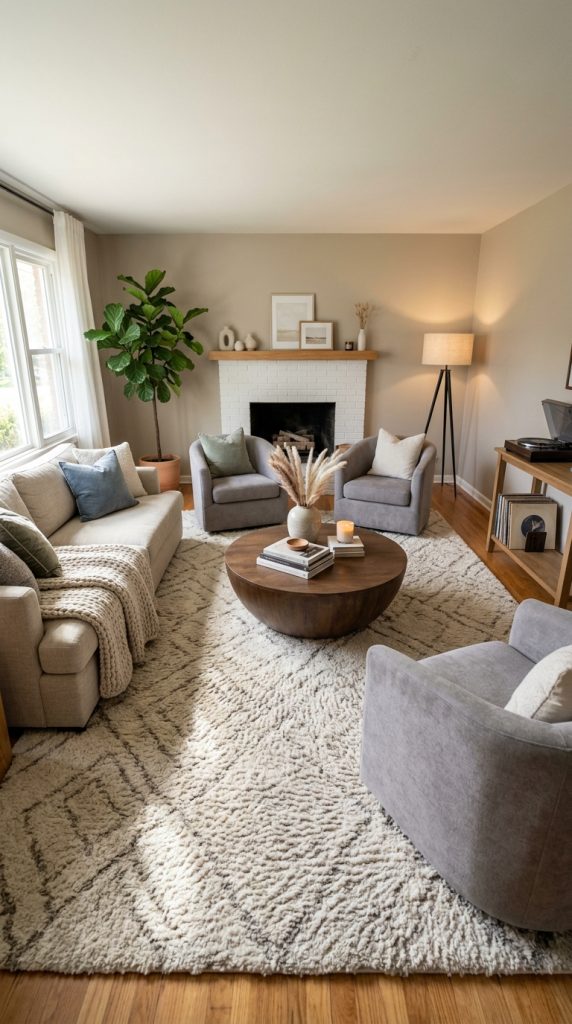
In living rooms, the rug should ideally be large enough to connect the main seating pieces. A rug that is too small can make the furniture arrangement feel disconnected. If possible, position at least the front legs of major seating pieces on the rug.
In bedrooms, a large rug beneath the bed can create a warm landing area when you get up in the morning. Runners can work well on either side of a bed in smaller rooms.
Dining rooms can also benefit from rugs, although practical considerations such as cleaning and chair movement should be considered.
Materials and Things You Need
- Large area rug
- Wool rug
- Cotton rug
- Jute or natural-fiber rug
- Low-pile rug
- Washable rug
- Rug pad
- Measuring tape
- Optional rug grippers
Step-by-Step Rug Styling
Measure the room before purchasing a rug.
Mark the desired rug area with painter’s tape if possible.
Choose a size that supports the furniture arrangement.
Select a color that complements the existing palette.
Choose the material based on traffic and maintenance requirements.
Use an appropriate rug pad underneath.
Arrange furniture so the rug visually connects the main pieces.
For a cozy look, textured rugs are especially effective. Wool can provide warmth and softness, while jute and woven natural fibers create an organic feeling.
If you have children or pets, a washable or durable low-pile rug may be more practical than a delicate high-pile style.
Pattern can also be used strategically. If the furniture and walls are relatively simple, a subtle patterned rug can add personality. If the room already contains patterned cushions, artwork, and curtains, a solid textured rug may create better balance.
Rugs can also help separate zones in open-plan homes. A living area can be visually defined with one rug while a dining zone uses another complementary design.
The color of the rug should generally connect with at least two or three other elements in the room. For example, a beige rug can echo the sofa and curtains while allowing darker wood furniture to stand out.
For Pinterest-worthy styling, avoid choosing a rug simply because it looks beautiful by itself. Consider how it interacts with the entire room.
A large rug can also make furniture feel more grounded. Instead of appearing like separate objects floating across the floor, the sofa, chairs, coffee table, and accessories become part of one cohesive arrangement.
This simple addition is one of the most effective ways to make a room feel finished and inviting.
5. Bring Natural Wood and Organic Materials Into Your Home
Natural materials have a special ability to make interiors feel warm, grounded, and comfortable. Wood, rattan, wicker, linen, cotton, wool, bamboo, stone, and ceramic can soften modern spaces and give traditional rooms a more relaxed appearance.
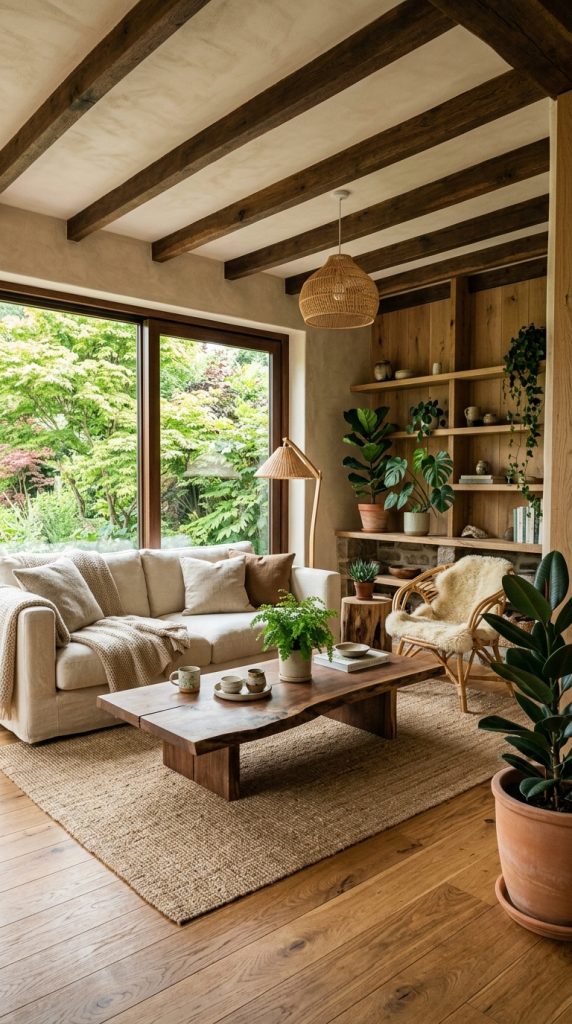
Wood is an excellent starting point. If your home already has wooden flooring or furniture, emphasize it rather than covering everything with textiles. If the room lacks wood, introduce smaller elements such as a coffee table, side table, bench, tray, picture frame, or decorative bowl.
Different wood tones create different moods. Light oak can produce a Scandinavian or modern organic atmosphere, while walnut and darker woods can make a room feel richer and more traditional.
Woven materials provide another layer. Rattan baskets can store blankets, wicker trays can organize coffee tables, and woven lampshades can create beautiful texture.
Linen and cotton are ideal for soft furnishings. Linen curtains can filter daylight while creating a relaxed appearance. Cotton cushions and blankets provide comfort without making the room feel overly formal.
Materials and Things You Need
- Wooden coffee table
- Wooden side tables
- Rattan baskets
- Wicker trays
- Bamboo accessories
- Linen curtains
- Cotton cushions
- Wool blankets
- Ceramic vases
- Natural-fiber rugs
- Stone or wood decorative objects
Step-by-Step Natural Decor Plan
Begin by identifying which areas feel too cold or visually plain.
Introduce one natural material into those areas.
Add wood through furniture or smaller accessories.
Use woven storage to combine organization with texture.
Introduce linen or cotton through curtains and cushions.
Add ceramic or stone accessories for contrast.
Finish with a plant or natural branch arrangement if appropriate.
The goal is balance. You do not need every object to be made from natural materials. In fact, too much of one material can make the room feel repetitive.
Pair natural wood with soft textiles, ceramics with woven materials, and smooth surfaces with rougher textures.
For example, a modern living room with a neutral sofa can become warmer through a light oak coffee table, rattan basket, linen cushions, wool rug, and ceramic vase.
Plants can strengthen the natural aesthetic. A large leafy plant can create a focal point in an empty corner, while smaller plants can decorate shelves.
If you prefer a minimalist home, choose only a few strong natural pieces rather than many accessories.
Natural materials are also excellent for creating a timeless interior. They can work with modern, farmhouse, Scandinavian, rustic, coastal, traditional, and organic styles.
For Pinterest, natural wood combined with cream textiles and warm lighting creates a particularly strong visual combination.
The most successful cozy homes often include imperfections and variations in natural materials. Wood grain, woven fibers, handmade ceramics, and slightly irregular surfaces can make a room feel authentic rather than mass-produced.
The result should feel warm, tactile, and connected to nature.
6. Create a Cozy Conversation Area in the Living Room
A cozy home should encourage people to sit, relax, talk, and spend time together. Furniture arrangement plays a major role in creating this feeling. Even beautiful furniture can feel uncomfortable when it is positioned solely around the television or pushed against walls without considering conversation.

Start by identifying the primary purpose of your living room. If conversation is important, arrange seating so that people can comfortably see one another.
A sofa can face two accent chairs, or a sectional can be paired with a small chair or ottoman. The coffee table should be positioned close enough to be practical but far enough away to allow comfortable movement.
An area rug can visually connect all the seating pieces. Ideally, the main furniture should interact with the rug rather than appearing scattered around it.
Materials and Things You Need
- Comfortable sofa
- Accent chairs
- Ottoman
- Coffee table
- Side tables
- Area rug
- Cushions
- Throw blankets
- Floor lamp
- Table lamp
- Decorative tray
- Books
Step-by-Step Arrangement
Begin with the largest seating piece.
Position it so that it faces the main conversational area.
Add one or two chairs opposite or beside the sofa.
Place the coffee table centrally.
Add a rug beneath the seating arrangement.
Introduce side tables where people can place drinks or books.
Add lamps to create evening warmth.
Finish with cushions and throws.
Avoid pushing every piece against the wall simply because it creates more open floor space. In many cases, pulling furniture slightly inward makes a room feel more intimate.
The arrangement should also maintain clear walking paths. Cozy does not mean difficult to navigate.
If the room is small, use a compact loveseat, small chairs, or multifunctional ottomans.
If the room is large, create multiple conversation zones rather than leaving a huge empty center.
A reading chair can form one small zone, while the main sofa arrangement provides space for family and guests.
For Pinterest styling, create a visually balanced arrangement with a clear focal point. A coffee table decorated with a tray, books, ceramic vase, and small plant can become the center of the seating area.
Lighting should be positioned so that every major seating zone has comfortable illumination.
The biggest benefit of this approach is that the room becomes more functional. It is not simply beautiful; it encourages interaction.
A cozy living room should make you want to sit down. Comfortable seating, accessible tables, soft textiles, and warm lighting all contribute to that feeling.
7. Style Your Coffee Table With Cozy, Practical Decor
The coffee table is a small surface, but it often sits at the center of the living room. Styling it thoughtfully can make the entire room feel more finished. However, the coffee table should remain functional. It needs to provide space for drinks, books, remotes, and everyday items.

Start by clearing the surface. Then introduce a tray. A tray provides structure and helps small objects look intentional.
Add a stack of books or magazines that you genuinely enjoy. Books are useful decorative elements because they bring color, personality, and visual height.
Next, add one natural or handmade object such as a ceramic vase, small bowl, candle, or plant.
You can introduce one seasonal element if desired. In autumn, a small arrangement of branches or warm-toned accessories can work beautifully. During spring, fresh flowers or greenery can create a lighter appearance.
Materials and Things You Need
- Decorative tray
- Coffee-table books
- Ceramic vase
- Small plant
- Candle or battery-operated candle
- Decorative bowl
- Small sculpture
- Seasonal accessory
Step-by-Step Styling
Clear the table completely.
Choose a tray that fits the size of the table.
Place books inside or beside the tray.
Add one taller object such as a vase.
Add one smaller object for balance.
Leave some empty space.
Check that everyday items can still be placed comfortably.
The most common mistake is overdecorating the coffee table. Too many objects create clutter and make the room less functional.
Instead, think in terms of height and texture. A stack of books provides a low horizontal layer, while a vase provides height. A ceramic bowl adds another shape.
The colors should connect with the rest of the room. If your sofa has sage green cushions, you might include a small green detail in the coffee-table arrangement.
Natural materials work especially well here. A wooden tray, ceramic vase, woven object, and plant can create a warm composition without requiring many items.
For Pinterest, coffee-table styling is most attractive when it looks natural rather than perfectly staged. A few books, a ceramic vase, and a small plant can communicate a relaxed lifestyle.
You can also change the arrangement seasonally without buying new furniture.
The key is to create a surface that feels decorated but still usable.
8. Add Curtains That Make Every Room Feel Softer
Curtains are often one of the most overlooked elements of cozy home decor. They soften windows, provide privacy, control natural light, and add vertical texture. The right curtains can also make a room appear taller and more finished.

For a cozy look, choose fabrics such as linen, cotton, linen blends, or soft textured materials. Sheer curtains can filter daylight, while heavier curtains provide privacy and darkness.
Warm neutral shades are versatile. Cream, oatmeal, beige, taupe, and soft gray can complement many decorating styles.
Curtain length matters. Floor-length panels usually create a more elegant appearance than short curtains. Hanging the rod higher and wider than the window can make the window appear larger and the ceiling taller, provided the installation is appropriate for the space.
Materials and Things You Need
- Curtain panels
- Curtain rod
- Sheer curtains
- Blackout curtains where needed
- Curtain rings
- Tiebacks
- Measuring tape
- Appropriate mounting hardware
Step-by-Step Curtain Styling
Measure the window and desired curtain height.
Choose fabric based on privacy and lighting needs.
Select a color that complements the room.
Install the rod securely.
Hang the curtains so they fall naturally.
Layer sheer and heavier panels if desired.
Adjust the fabric so it frames rather than hides the window.
Curtains can also improve the acoustic feeling of a room by adding another soft surface.
In bedrooms, blackout curtains can support darkness while sheer panels provide daytime softness.
In living rooms, lightweight curtains can allow sunlight to filter through, creating a beautiful warm glow.
For Pinterest-worthy interiors, slightly relaxed fabric often looks more inviting than extremely stiff or formal panels.
Avoid overly complicated patterns if the room already has several strong decorative elements.
Simple curtains can become an elegant backdrop for furniture and artwork.
The result is a room that feels softer, warmer, and more complete.
9. Bring Greenery Into Your Home for a Fresh and Cozy Feel
Plants are one of the easiest ways to make a home feel alive. They add color, texture, height, and natural beauty while filling empty areas without creating the heaviness of excessive furniture.
Start by identifying areas that feel empty. A large plant can transform an unused corner. Smaller plants can decorate shelves, consoles, windowsills, and side tables.

Choose plants according to the amount of natural light available. Some plants require bright indirect light, while others tolerate lower-light environments. Consider maintenance requirements before purchasing.
Planter choice also matters. Ceramic pots create a clean and timeless appearance, woven baskets create warmth, and terracotta pots create an earthy feeling.
Materials and Things You Need
- Indoor plants
- Large floor planter
- Small ceramic pots
- Terracotta pots
- Woven plant baskets
- Plant stands
- Decorative tray
- Watering tools
- Optional artificial greenery
Step-by-Step Greenery Plan
First, identify suitable areas based on available light.
Choose plants appropriate for those conditions.
Select planters that complement the home’s color palette.
Place large plants in empty corners.
Use smaller plants on shelves and tables.
Vary plant heights to create visual interest.
Avoid overcrowding surfaces.
Plants can also be used to soften hard architectural lines. A tall plant beside a cabinet, for example, can balance the rigid shape of the furniture.
Greenery works beautifully with natural wood, beige, cream, rattan, and woven materials.
If you travel frequently or prefer low-maintenance decor, choose resilient plants or realistic artificial greenery.
For Pinterest, a large leafy plant beside a cream sofa or wooden console creates an immediate sense of warmth.
Do not place plants solely because there is an empty spot. Consider how their shape and height interact with the surrounding furniture.
The best plant arrangements look natural rather than overly symmetrical.
Greenery can also connect different rooms visually. Repeating similar plants or planter materials throughout the home creates cohesion.
The overall goal is to bring a subtle sense of nature indoors.
10. Create a Cozy Entryway That Welcomes Everyone Home
The entryway is the first part of your home that people experience, so it deserves just as much attention as the living room or bedroom. A cozy entryway should feel organized, practical, and welcoming.

Begin with storage. Hooks, baskets, cabinets, benches, or a console table can prevent shoes, bags, and coats from taking over the space.
A small bench is particularly useful. It provides a place to sit while putting on shoes and can also introduce texture through an upholstered cushion.
A runner can add warmth and guide people visually into the home. Choose a durable material appropriate for the amount of traffic.
Lighting is also important. If the entryway has limited natural light, use a wall sconce, pendant, or table lamp where appropriate.
Materials and Things You Need
- Entryway bench
- Console table
- Wall hooks
- Storage baskets
- Shoe cabinet
- Runner rug
- Mirror
- Table lamp or wall sconce
- Small plant
- Decorative tray
- Artwork
Step-by-Step Entryway Makeover
Begin by removing unnecessary items.
Add practical storage for shoes, coats, and bags.
Place a bench if the space allows.
Add a mirror to create depth and provide a final appearance check before leaving.
Introduce a runner to soften the floor.
Add warm lighting.
Place a small plant or decorative object.
Keep the surface of the console relatively clear.
A mirror can be particularly effective in a small entryway because it reflects light and creates a sense of greater depth.
A wooden console can introduce natural warmth, while a woven basket can store everyday accessories.
Avoid making the entryway too decorative. It needs to remain functional because it is a high-traffic area.
For Pinterest-worthy styling, create a simple composition: a console, mirror, small lamp, plant, basket, and warm runner.
The entryway should communicate the style of the rest of the home. If your living room uses warm neutrals and natural wood, repeat those elements near the entrance.
This creates continuity and makes the home feel thoughtfully designed from the moment someone walks inside.
11. Create a Cozy Reading Nook in an Empty Corner
An unused corner can become one of the most inviting areas in your home when you turn it into a cozy reading nook. Instead of allowing an empty corner to collect clutter or remain visually unfinished, transform it into a small retreat where you can read, enjoy your morning coffee, listen to music, or simply relax.

A reading nook does not require a large room. Even a small space beside a window, near a bookshelf, or in the corner of a bedroom can work beautifully. The most important elements are comfortable seating, soft lighting, a small surface, and textiles that make the area feel warm.
Start with the seating. A comfortable armchair is ideal, but you can also use a compact lounge chair, upholstered bench, floor cushion, or small loveseat depending on the available space. Choose a fabric that adds texture, such as boucle, linen, cotton, or velvet.
Next, add a soft throw blanket. A knitted or woven blanket immediately communicates comfort and makes the chair look more inviting.
Lighting is essential. If the nook is beside a window, take advantage of natural daylight during the day. For evenings, add a floor lamp or small table lamp. A warm light source creates a peaceful atmosphere without overwhelming the rest of the room.
A small side table can hold books, a cup of tea, glasses, or decorative objects. If floor space is limited, consider a narrow pedestal table or wall-mounted shelf.
Materials and Things You Need
- Comfortable armchair
- Lounge chair or small bench
- Soft throw blanket
- Decorative cushion
- Floor lamp or table lamp
- Small side table
- Books
- Small rug
- Plant
- Basket
- Decorative tray
Step-by-Step Decorating Process
First, identify an unused corner that receives reasonable natural light.
Measure the area so your furniture does not block walking paths.
Place your chair or seating piece at a comfortable angle.
Add a small rug underneath or in front of the chair.
Place a side table within easy reach.
Add a warm lamp for evening use.
Layer one cushion and one throw blanket onto the chair.
Finish with a small plant, books, or another personal accessory.
Avoid filling the entire corner with decorations. The purpose of a reading nook is relaxation, so leave enough space around the furniture.
For a Pinterest-inspired look, position the chair near a window with a soft neutral cushion, knitted throw, wooden side table, warm floor lamp, and small plant. This combination creates a simple but highly inviting composition.
You can also adapt the concept to different decorating styles. A Scandinavian reading nook might use light wood and cream textiles. A rustic nook could include a leather chair, reclaimed wood table, and woven basket. A modern organic version might combine boucle upholstery, oak furniture, beige textiles, and greenery.
The most important thing is comfort. Choose a chair you genuinely enjoy sitting in rather than selecting furniture only because it looks attractive.
A reading nook also adds personality to a home. It communicates that the space is designed not only to look beautiful but to support relaxing everyday activities.
12. Decorate With Candles and Warm Ambient Accessories
Candles and ambient accessories can add an immediate sense of warmth to a room. Their soft glow creates an intimate atmosphere, particularly during evenings when natural daylight disappears. Even if you prefer modern or minimalist decor, a few carefully chosen ambient accessories can make your home feel significantly more inviting.

If using real candles, always place them on stable, heat-resistant surfaces and keep them away from curtains, bedding, paper, children, pets, and other flammable materials. Battery-operated candles are an excellent alternative when you want the visual effect without an open flame.
Begin by selecting a few areas where ambient lighting will have the greatest effect. A coffee table, console, fireplace mantel, dining table, bedroom dresser, or bathroom shelf can all work well.
Avoid placing too many candles together. Instead, create small groups with different heights and shapes.
A decorative tray can help organize candles while preventing the arrangement from appearing scattered. Add a ceramic vase, small bowl, or natural element such as dried branches to complete the composition.
Materials and Things You Need
- Candles
- Battery-operated candles
- Candle holders
- Decorative tray
- Ceramic vase
- Small bowl
- Dried branches
- Small plant
- Lantern
- Decorative books
Step-by-Step Styling Process
Choose one or two surfaces for your ambient arrangement.
Place a decorative tray as the foundation.
Add one taller candle or lantern.
Introduce one or two smaller candles.
Add a ceramic or wooden accessory for texture.
Include a small natural element if desired.
Leave enough empty space around the arrangement.
For real candles, follow all safety instructions and never leave them burning unattended.
You can also create seasonal arrangements. During autumn, combine warm-toned candles with wood, dried leaves, and ceramic accessories. During winter, use ivory candles, evergreen branches, and textured materials. In spring, lighter colors and fresh greenery can create a brighter feeling.
Candles are especially effective when combined with other sources of warm lighting. For example, a living room with a floor lamp, table lamp, and subtle candlelight can feel much warmer than one illuminated only by an overhead fixture.
The key is restraint. Cozy does not mean covering every surface with candles.
A single beautiful lantern beside an armchair can be enough to create atmosphere.
For Pinterest, candle arrangements work particularly well when paired with natural materials. Think wooden trays, ceramic vessels, cream textiles, woven baskets, and warm neutral colors.
You can also incorporate scented candles if you enjoy fragrance, but choose scents that complement the mood you want to create. Soft vanilla, sandalwood, cedar, amber, or subtle floral fragrances can contribute to a relaxing environment.
The overall goal is to create a home that feels softer and more peaceful as evening arrives.
13. Use an Accent Wall to Create a Warm Focal Point
An accent wall is a simple way to introduce personality and depth without changing the entire room. Instead of painting every wall a different color, choose one strategic surface and make it the focal point.
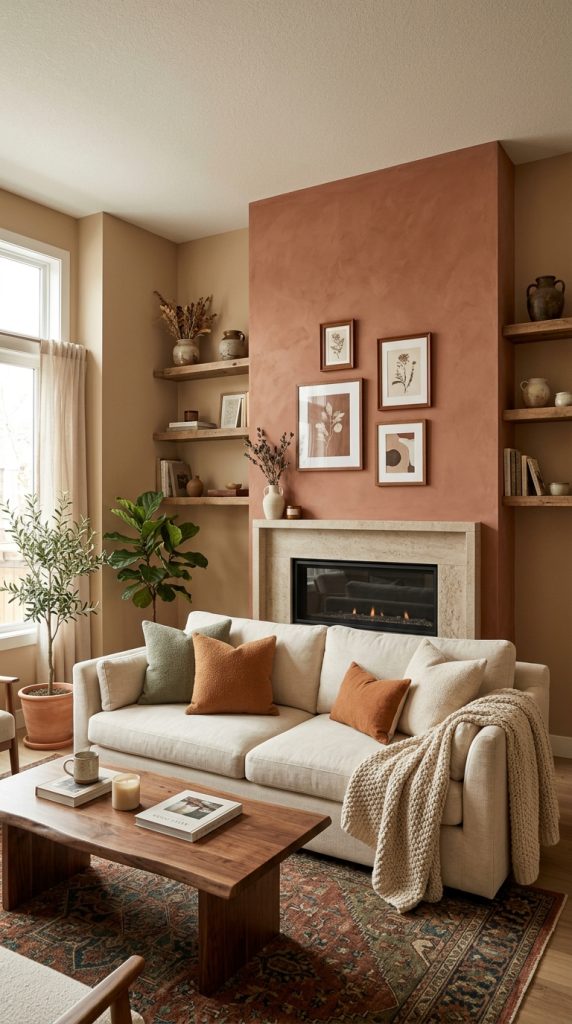
In a living room, an accent wall can sit behind the sofa, fireplace, television area, or bookshelf. In a bedroom, the wall behind the bed is usually the strongest choice.
For cozy interiors, warm earthy colors are particularly effective. Consider muted terracotta, warm beige, olive green, sage, chocolate brown, dusty rose, clay, or deep taupe.
If you prefer a lighter room, a warm cream or slightly deeper beige can create subtle contrast without becoming dramatic.
Paint is not the only option. You can also create an accent wall using wood paneling, wallpaper, limewash-inspired finishes, textured wall treatments, or a gallery arrangement.
Materials and Things You Need
- Interior paint
- Paint rollers
- Brushes
- Painter’s tape
- Drop cloth
- Primer if needed
- Wallpaper if preferred
- Wood panels if appropriate
- Measuring tape
- Level
- Decorative artwork
Step-by-Step Accent Wall Process
First, decide which wall should become the focal point.
Observe the room’s existing lighting because natural and artificial light can change how colors appear.
Choose a shade that complements your furniture and textiles.
Test the color before committing to the entire wall.
Prepare the surface and protect surrounding areas.
Paint according to the product instructions.
Allow the finish to dry properly.
Reintroduce furniture and accessories while keeping the wall as the visual focus.
Avoid choosing an accent color that has no connection to the rest of the room. Instead, repeat the shade through smaller accessories.
For example, a sage green wall can be connected to the rest of the room through green cushions, artwork, plants, or a ceramic vase.
A terracotta wall can work beautifully with cream furniture, natural wood, beige textiles, and brass or black accents.
Accent walls are particularly effective because they create visual hierarchy. Rather than every wall competing for attention, one surface becomes the main feature.
For Pinterest-style interiors, a warm accent wall behind a beautifully styled sofa or bed can create an immediate focal point.
If you are renting, consider removable wallpaper or large textile wall hangings where appropriate.
Another option is a gallery wall. Instead of changing the wall color, arrange artwork, photographs, and decorative objects to create a strong visual area.
The best accent wall should enhance the architecture and furniture rather than simply add color.
If the room already contains many patterns, choose a relatively subtle wall treatment. If the furniture is simple, a richer wall can provide much-needed personality.
14. Make Your Dining Area Feel Warm and Welcoming
The dining area is one of the most meaningful spaces in a home because it is often where people gather for meals, conversations, celebrations, and everyday routines. A cozy dining area should therefore feel comfortable rather than overly formal.

Begin with the dining table. Natural wood is particularly effective for creating warmth, but you can soften glass, metal, or painted tables with textiles and natural accessories.
Comfortable chairs are equally important. If the chairs feel uncomfortable, people are less likely to linger after meals. Cushions can provide additional comfort while introducing color and texture.
Lighting should be positioned around the table. A pendant light or chandelier can create a strong focal point, especially when paired with warm illumination.
A centerpiece can make the table feel finished. Instead of creating an elaborate arrangement, use a low vase, ceramic bowl, candles, or seasonal greenery.
Materials and Things You Need
- Dining table
- Comfortable dining chairs
- Seat cushions
- Table runner
- Linen napkins
- Ceramic dishes
- Wooden serving boards
- Vase
- Fresh or dried greenery
- Warm pendant light
- Candles or safe LED alternatives
- Area rug if appropriate
Step-by-Step Dining Room Styling
Begin by positioning the dining table so there is enough room to move comfortably around it.
Choose comfortable seating.
Add cushions if needed.
Introduce a rug if the space and lifestyle make one practical.
Install or position warm lighting above the table.
Choose a simple centerpiece.
Add linen or cotton textiles.
Use natural materials such as wood, ceramic, or woven accessories.
Keep the tabletop functional enough for everyday meals.
A cozy dining table does not need to be perfectly decorated every day. In fact, leaving some areas clear makes the room feel more practical.
For everyday styling, a ceramic vase with greenery can be enough.
For special occasions, add candles, linen napkins, a table runner, and attractive serving pieces.
The color palette should connect with nearby rooms. If your living room uses cream, wood, and sage green, repeat those colors subtly in the dining area.
An area rug can help define the dining zone in an open-plan home, but make sure chairs can move easily without catching on the edge.
For Pinterest, a wooden dining table surrounded by comfortable chairs, warm pendant lighting, simple ceramics, greenery, and neutral textiles creates an inviting visual.
The dining area should communicate togetherness rather than perfection.
Small details can make a significant difference. A bowl of seasonal fruit, handmade ceramic plates, a linen runner, or wooden serving board can make an ordinary meal feel more special.
The ultimate goal is to create a dining space where people naturally want to sit longer and enjoy each other’s company.
15. Create a Cozy Bedroom With Layered Bedding and Soft Textiles
The bedroom should be one of the most comfortable rooms in the home, and layered bedding is one of the easiest ways to achieve that feeling. A beautifully styled bed immediately becomes the focal point while also creating an atmosphere of softness and relaxation.

Begin with comfortable sheets. Cotton and linen are popular choices because they provide a breathable and natural feeling. Choose colors that complement the rest of your bedroom.
Next, add a duvet or quilt. For a cozy appearance, select a slightly relaxed texture rather than something that looks overly stiff.
Layer a blanket across the lower third of the bed. A knitted blanket, quilt, waffle throw, or soft woven cover can add texture.
Pillows should be layered from largest to smallest. Start with sleeping pillows, then add larger decorative pillows and one or two smaller cushions.
Avoid using so many pillows that the bed becomes difficult to use. The arrangement should look inviting while remaining practical.
Materials and Things You Need
- Cotton or linen sheets
- Duvet
- Quilt
- Comforter
- Knitted throw
- Woven blanket
- Sleeping pillows
- Decorative cushions
- Pillow covers
- Bedside lamps
- Soft bedroom rug
- Curtains
Step-by-Step Bed Styling
Start with clean, comfortable sheets.
Add the duvet or comforter.
Fold a blanket across the lower portion of the bed.
Arrange sleeping pillows at the back.
Add larger decorative pillows.
Finish with one or two smaller cushions.
Place a throw casually at the foot or corner.
Balance the colors with the rest of the bedroom.
The secret to a cozy bed is layering. Instead of choosing one blanket and one pillow style, combine several complementary textures.
For example, cream cotton sheets can be paired with a beige linen duvet, oatmeal knitted throw, boucle cushions, and a taupe quilt.
The colors remain neutral while the textures create depth.
You can also change the layers according to the season. In colder weather, use wool, chunky knits, heavier quilts, and thicker blankets. During warmer months, use lightweight cotton and linen.
Warm bedside lighting can complete the look. Matching lamps create symmetry, while slightly different accessories can make the room feel more personal.
Curtains should also contribute to the atmosphere. Soft floor-length curtains can frame the bed and create a sense of enclosure.
For Pinterest, a layered neutral bed surrounded by warm lamps, natural wood, soft curtains, and subtle artwork creates an especially inviting composition.
The bed should not only look beautiful; it should feel comfortable when you actually use it.
Choose materials you enjoy sleeping with and maintain them properly according to their care instructions.
A cozy bedroom is ultimately about creating a peaceful transition between the busy outside world and restful personal time.
Leave a Reply