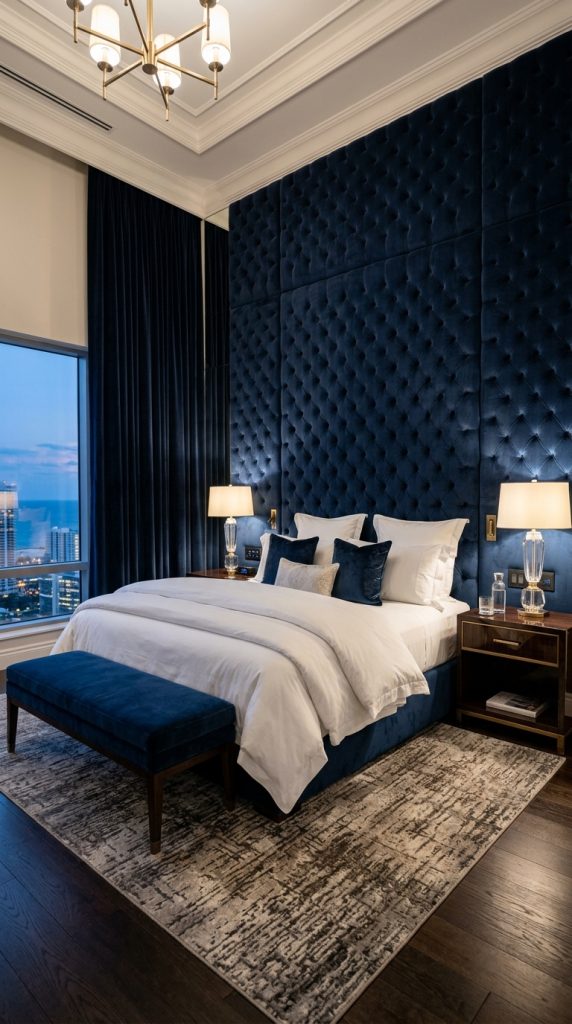
Author: admin

  • Colorful Maximalist Decor Ideas to Create a Vibrant, Eclectic Home

    Colorful Maximalist Decor Ideas to Create a Vibrant, Eclectic Home

    Colorful maximalist decor is all about embracing personality, creativity, pattern, color, texture, and visual abundance. Unlike minimalist interiors, where the goal is often to reduce objects and keep the palette restrained, maximalism encourages you to express yourself through layers of beautiful details. It is a decorating style that says your home does not have to follow strict rules to be stylish. You can combine bold colors, vintage furniture, patterned fabrics, artwork, plants, books, collected objects, decorative lighting, and unexpected combinations to create a home that feels energetic and completely personal.
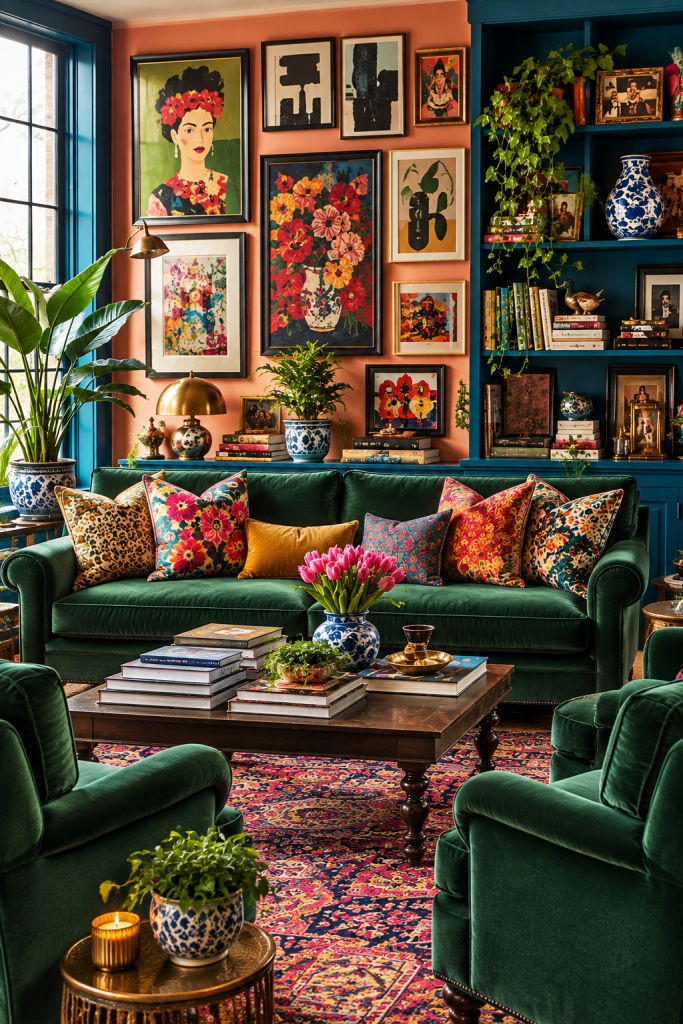
    The most important thing to understand about colorful maximalism is that it is not simply about putting as many colorful objects into a room as possible. Successful maximalist decorating still requires thought, balance, repetition, and visual organization. A room can contain many colors and patterns while still looking intentional. The secret is creating relationships between the different elements so the room feels layered rather than chaotic.

    Color is usually the starting point. You might choose a deep emerald green sofa, cobalt blue walls, terracotta accessories, mustard yellow cushions, or a vibrant pink accent chair. However, these colors should have some connection to one another. Repeating a color in several locations can help the room feel cohesive. For example, if you choose cobalt blue curtains, you could repeat that blue in artwork, cushions, books, or a decorative vase. The repetition makes the bold color feel intentional.

    Patterns are another defining feature of maximalist interiors. Floral prints, stripes, checks, geometric designs, animal-inspired patterns, paisley, botanical motifs, and abstract artwork can all work together. The trick is to vary the scale. A large floral wallpaper can be paired with smaller geometric cushions and a medium-sized patterned rug. When every pattern has the same scale, the room can become visually overwhelming.

    Texture is equally important. Velvet, linen, wool, boucle, rattan, wood, ceramic, glass, metal, woven fibers, and embroidered fabrics can create contrast. A colorful maximalist room should not only look interesting; it should feel interesting. Texture gives the eye different surfaces to discover and prevents the abundance of color from becoming flat.

    Furniture can also contribute to maximalist character. Instead of buying an entire matching furniture set, consider mixing pieces with different shapes, periods, and finishes. A modern sofa can sit beside a vintage side table. An antique cabinet can share space with a contemporary lamp. A sculptural chair can become a focal point against a patterned wall.

    Artwork is another major component. Maximalist homes often use artwork generously. Gallery walls, oversized paintings, framed prints, photographs, mirrors, tapestries, and decorative plates can all become part of the composition. The artwork does not necessarily need to match perfectly. Instead, look for colors, themes, or frames that create a connection.

    Plants are also excellent for colorful maximalist interiors. Greenery adds another color layer while bringing softness into spaces filled with patterns and objects. Large tropical plants can create drama, while smaller plants can fill shelves, windowsills, and side tables.

    Lighting should never be forgotten. A colorful room can become even more dramatic with statement lamps, colorful shades, sculptural fixtures, pendant lights, table lamps, and warm accent lighting. Lighting can highlight artwork and create different moods throughout the day.

    Storage is especially important in maximalist homes. Since the style involves more objects, every item needs a place. Cabinets, shelves, baskets, decorative boxes, and closed storage can help maintain order while allowing collections and favorite objects to remain visible.

    The biggest advantage of colorful maximalism is freedom. You do not have to choose between modern and vintage, bold and soft, elegant and playful. You can combine different influences to create a home that represents your personality.

    At the same time, beginners should avoid trying to change everything at once. Start with one room and establish a color story. Add one strong focal point, then gradually introduce supporting colors, patterns, textures, and accessories.

    The ten ideas below provide practical ways to create a colorful maximalist home without making it feel random. Each approach can be adapted to apartments, houses, bedrooms, living rooms, dining areas, home offices, and even small spaces. The goal is to create a home that feels expressive, joyful, layered, and memorable.

    1. Create a Bold Color-Blocked Living Room

    Color blocking is one of the easiest ways to introduce colorful maximalist decor because it gives you a clear starting structure. Instead of randomly placing bright colors throughout a room, you intentionally assign different colors to walls, furniture, textiles, and accessories.

    A color-blocked living room can be dramatic, playful, sophisticated, or artistic depending on the shades you choose. For a sophisticated appearance, combine deep green with warm cream, burgundy, and mustard. For a playful interior, consider coral, cobalt blue, pink, and yellow. If you prefer an earthy maximalist style, combine terracotta, olive green, mustard, rust, and chocolate brown.

    Begin by selecting your dominant color. This should appear on one of the largest surfaces or pieces of furniture. A painted accent wall, sofa, large rug, or curtains can become the foundation.

    Next, choose two or three supporting colors. These should appear throughout the room rather than being isolated in one location.

    For example, imagine a living room with a deep emerald green wall. A rust-colored sofa becomes the main furniture feature, while mustard cushions and cobalt artwork introduce contrast. A patterned rug can combine several of these shades and visually connect the entire composition.

    Materials and Things You Need

    • Interior paint
    • Colorful sofa or slipcover
    • Accent chairs
    • Patterned area rug
    • Colorful cushions
    • Throw blankets
    • Curtains
    • Artwork
    • Decorative ceramics
    • Table lamps
    • Plants
    • Decorative books

    Step-by-Step Decorating Process

    Start by selecting your main color.

    Choose a secondary color that creates contrast.

    Add a third color through textiles or artwork.

    Use a neutral shade to give the eye a resting point.

    Introduce the colors repeatedly around the room.

    Add patterns only after establishing the main color relationships.

    Finish with small decorative objects.

    The most important rule is repetition. If a color appears only once, it may feel disconnected. Repeat it at least a few times in smaller details.

    For example, a bright pink chair could be connected to pink flowers in artwork, a pink decorative object, and a small pink cushion.

    You can also use color blocking on walls. Paint one wall a bold color while leaving the remaining walls relatively calm. Alternatively, use two colors on the same wall with a horizontal or geometric division.

    If painting feels too permanent, use colorful artwork, curtains, rugs, and furniture instead.

    Furniture arrangement should remain relatively simple when the colors are strong. You want the room to feel abundant but still functional.

    A large patterned rug can act as a visual bridge between several colors. If the rug contains green, pink, yellow, and blue, you can repeat those colors through cushions and artwork.

    For Pinterest-worthy styling, make one element the hero. This could be a colorful sofa, dramatic wall, oversized artwork, or patterned rug. Everything else should support that focal point.

    Lighting can change how colors appear. Warm lighting will make reds, oranges, yellows, and browns feel richer, while daylight may reveal the cooler qualities of blue and green.

    Do not be afraid of contrast. Maximalism becomes exciting when unexpected colors meet.

    However, contrast should still feel intentional. Use repetition and pattern to create visual connections.

    The final living room should feel energetic but comfortable, with enough open space for movement.

    2. Layer Bold Patterns Without Making the Room Look Chaotic

    Pattern mixing is one of the defining characteristics of maximalist decorating. Floral wallpaper, striped cushions, geometric rugs, checked curtains, abstract artwork, and decorative textiles can all exist in one room when they are layered thoughtfully.

    The biggest mistake beginners make is choosing too many patterns with the same visual strength. If every surface contains a large, complicated print, nothing becomes the focal point.

    Instead, vary the scale.

    Choose one large pattern, one medium pattern, and several smaller patterns. This creates a visual hierarchy.

    For example, use large botanical wallpaper as the main pattern. Add a medium geometric rug and small striped cushions. The patterns are different, but they do not compete equally.

    Color can also connect different patterns. If your wallpaper contains green, pink, and cream, choose cushions and rugs that repeat those shades.

    Materials and Things You Need

    • Patterned wallpaper
    • Patterned rug
    • Printed cushions
    • Floral fabric
    • Striped textiles
    • Geometric accessories
    • Artwork
    • Curtains
    • Decorative blankets
    • Upholstered furniture

    Step-by-Step Pattern Mixing

    Choose one dominant pattern.

    Select a second pattern with a different scale.

    Introduce a smaller pattern.

    Make sure at least one or two colors repeat between patterns.

    Use solid-colored pieces to create breathing space.

    Add artwork or accessories after the major patterns are established.

    Step back and evaluate the room from the doorway.

    Pattern mixing works particularly well in bedrooms and living rooms.

    A floral headboard can be combined with striped cushions and a geometric rug. A patterned sofa can work with solid curtains and a printed artwork collection.

    You do not have to match patterns exactly. In fact, maximalist interiors often look more interesting when patterns are intentionally different.

    The key is finding a shared characteristic. This might be color, scale, style, or even a common organic theme.

    For example, three different floral patterns can work together because they share botanical imagery even though their colors and sizes differ.

    You can also use pattern through smaller objects. Patterned lampshades, books, trays, ceramics, and decorative boxes can add interest without requiring major purchases.

    For Pinterest, a patterned room should still have a clear focal point. Choose the most visually powerful element and allow it to dominate.

    Avoid placing multiple competing statement pieces directly beside each other.

    For example, if you have dramatic floral wallpaper, choose relatively simple furniture. If the sofa has an elaborate pattern, use a quieter wall treatment.

    This balance allows maximalism to remain expressive without becoming exhausting.

    Pattern mixing is also an excellent way to personalize a room. You can combine traditional floral fabrics with modern geometric prints, vintage textiles with contemporary artwork, or global-inspired patterns with simple furniture.

    The result should feel collected rather than purchased as a single matching set.

    3. Decorate With a Jewel-Tone Maximalist Color Palette
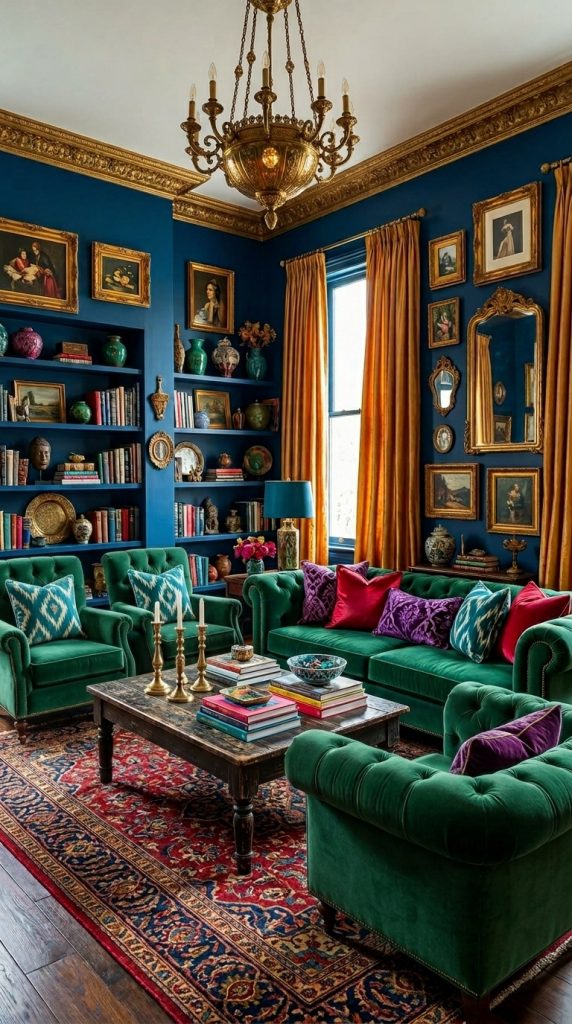
    Jewel tones are perfect for creating dramatic and luxurious maximalist interiors. Emerald green, sapphire blue, ruby red, amethyst purple, deep teal, magenta, and rich amber can create a sophisticated environment when layered thoughtfully.

    Jewel tones work especially well in rooms where you want an intimate atmosphere. They can make large rooms feel more enclosed and dramatic while adding depth to smaller spaces.

    Start by choosing one dominant jewel tone. Emerald green is an especially versatile choice because it works well with gold, pink, blue, cream, and wood.

    Next, choose one or two complementary jewel tones.

    For example, an emerald green sofa could be paired with sapphire blue cushions, burgundy artwork, and brass lighting.

    You can also combine jewel tones with warm neutrals. Cream walls, walnut furniture, and colorful textiles create a sophisticated foundation.

    Materials and Things You Need

    • Jewel-tone paint
    • Velvet sofa
    • Colorful cushions
    • Rich curtains
    • Patterned rug
    • Brass accessories
    • Artwork
    • Ceramic decor
    • Statement lamp
    • Wood furniture
    • Plants

    Step-by-Step Jewel-Tone Styling

    Choose your dominant jewel tone.

    Apply it to a focal element.

    Add one complementary jewel shade.

    Introduce a warm neutral.

    Use metallic or natural materials for balance.

    Repeat colors throughout the room.

    Add patterns after the main palette is established.

    Velvet is particularly effective with jewel tones because its texture reflects light and creates visual depth.

    An emerald velvet sofa can become an instant focal point. Pair it with a patterned rug containing small amounts of green and another accent color.

    Blue walls can be paired with mustard furniture or warm wood.

    Deep burgundy can work beautifully with cream, brown, brass, and dusty pink.

    Purple can be softened with lavender, beige, and warm white.

    The key is not to make every element equally saturated.

    Use deeper colors in larger areas and brighter colors as accents.

    For example, dark teal walls can provide a dramatic background while pink cushions and gold accessories add energy.

    Natural wood can also prevent jewel tones from feeling too formal.

    Plants provide another excellent contrast. Greenery works naturally with blue, purple, burgundy, and teal.

    Lighting should be warm. Soft lamps can make jewel tones appear rich and sophisticated during the evening.

    For Pinterest, jewel-tone maximalism works particularly well when photographed with warm lighting and layered textures.

    Try combining velvet, wood, brass, ceramic, and patterned textiles.

    The result can feel luxurious without requiring expensive furniture.

    One of the advantages of jewel tones is that they can make ordinary pieces appear more dramatic. A simple chair becomes much more interesting when upholstered in deep green or blue.

    If you are unsure about committing to dark walls, start with furniture and textiles.

    Colorful curtains, cushions, rugs, and artwork can create the same atmosphere while remaining easier to change.

    4. Build a Colorful Gallery Wall Full of Personality

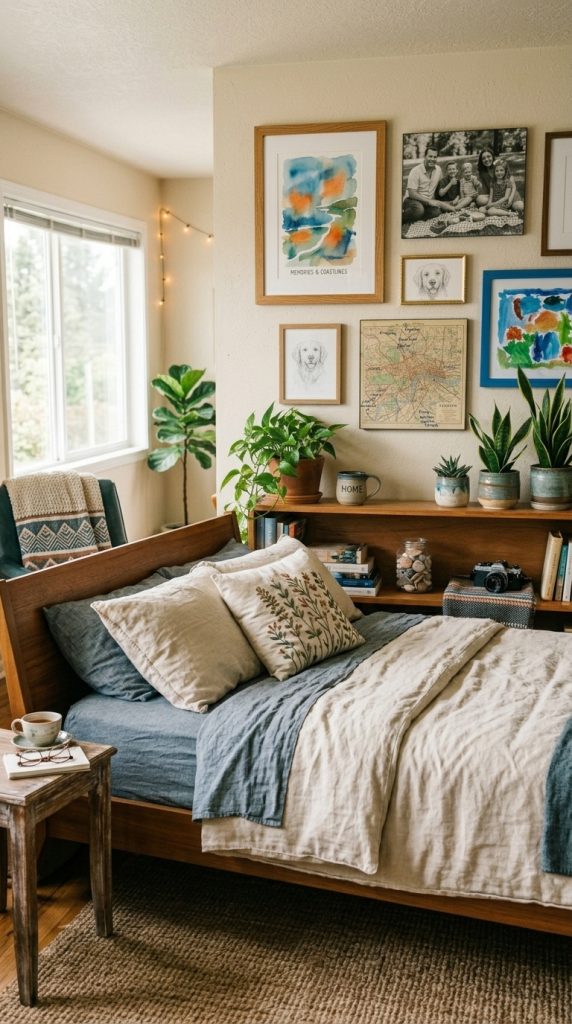
    A gallery wall is one of the most effective ways to express maximalist personality. Instead of choosing one artwork and leaving the rest of the wall empty, you can create a collection of paintings, photographs, prints, mirrors, illustrations, and decorative objects.

    The goal is not perfect matching. The goal is visual connection.

    Start by choosing a theme or color direction. Your gallery wall might contain botanical artwork, travel photography, vintage posters, abstract paintings, family photographs, or a mixture of several types.

    Color can become the unifying factor.

    If the room contains emerald green and pink, choose artwork that repeats those shades.

    Frame styles can also be mixed. Gold, wood, black, colorful, and antique-style frames can all work together in maximalist interiors.

    Materials and Things You Need

    • Framed artwork
    • Prints
    • Photographs
    • Mirrors
    • Decorative plates
    • Small textile pieces
    • Picture frames
    • Measuring tape
    • Level
    • Hanging hardware
    • Paper templates

    Step-by-Step Gallery Wall Process

    Collect more artwork than you initially think you need.

    Lay everything on the floor.

    Experiment with different arrangements.

    Create a rough visual balance.

    Mix large and small pieces.

    Include different frame styles.

    Use paper templates on the wall before hanging.

    Install the pieces carefully.

    A gallery wall should have both structure and spontaneity.

    You can create a grid if you prefer organization, or use an eclectic arrangement with varying spaces between pieces.

    For maximalism, the eclectic arrangement is particularly effective.

    Include unexpected objects such as a small mirror, decorative plate, textile, pressed botanical, or sculptural wall piece.

    Do not make every frame the same color.

    The variation contributes to the collected feeling.

    However, repeat colors throughout the gallery so it does not appear completely random.

    For example, a wall may contain gold frames, green artwork, pink prints, blue photography, and neutral illustrations.

    If the room already contains strong patterns, keep some artwork simpler.

    The gallery wall should complement the furniture rather than overwhelm it.

    A gallery wall above a colorful sofa can create an impressive focal point.

    In a dining room, it can create a conversation-starting feature.

    In a bedroom, it can add personality around the headboard.

    For Pinterest, gallery walls are highly visual and save-worthy because they provide many styling ideas in one image.

    The most important thing is to display objects that actually mean something to you.

    Maximalism becomes much more compelling when it tells a story.

    A collection of travel photographs, inherited artwork, favorite illustrations, and vintage finds will naturally feel more personal than a wall filled with generic prints.

    5. Mix Vintage and Modern Furniture for an Eclectic Maximalist Look

    Colorful maximalism becomes especially interesting when old and new furniture are combined. Instead of purchasing everything from the same collection, mix pieces with different shapes, materials, periods, and finishes.

    A modern sofa can work beautifully with a vintage wooden cabinet. A contemporary coffee table can sit beside an antique armchair. A traditional dresser can become interesting when paired with a modern colorful lamp.

    The key is finding one or two connecting elements.

    Color is one option. A vintage chair can be reupholstered in a fabric that matches the modern sofa.

    Shape is another. Rounded furniture can soften a room filled with straight lines.

    Material can also create connections. Wood, brass, glass, or ceramic can appear in both vintage and modern pieces.

    Materials and Things You Need

    • Modern sofa
    • Vintage chair
    • Antique cabinet
    • Contemporary coffee table
    • Wooden furniture
    • Brass accessories
    • Colorful upholstery
    • Decorative mirror
    • Vintage artwork
    • Modern lighting

    Step-by-Step Eclectic Styling

    Begin with your largest furniture piece.

    Add one vintage or antique element.

    Introduce a modern piece with a different shape.

    Connect them through color.

    Add textiles to soften the contrast.

    Introduce artwork that contains both traditional and contemporary influences.

    Use lighting to create a focal point.

    Do not attempt to make every piece look as though it belongs to the same period.

    The contrast is the point.

    A colorful vintage armchair can become the focal point in an otherwise modern living room.

    An antique cabinet can provide character against a brightly painted wall.

    A modern sculptural lamp can make an old wooden table feel fresh.

    For maximalist decorating, imperfections can be valuable. Vintage furniture may have visible wear, unusual shapes, or slightly different finishes. These characteristics create authenticity.

    If you find a secondhand piece with an unattractive color, consider whether it could be painted or reupholstered.

    Colorful upholstery is an excellent way to transform vintage furniture.

    For example, a traditional chair covered in emerald velvet can become a dramatic maximalist accent.

    A vintage dresser painted deep blue can provide contrast against warm walls.

    For Pinterest, mixing furniture styles creates a collected and aspirational look.

    However, avoid adding too many large furniture pieces. The room still needs circulation and practical functionality.

    Use accessories to create additional layers instead.

    A modern lamp, vintage vase, colorful books, patterned cushions, and botanical artwork can connect furniture from different periods.

    The finished space should feel as though it has evolved over time rather than being purchased all at once.

    6. Create a Maximalist Bedroom With Colorful Bedding and Layered Textiles

    The bedroom is one of the easiest rooms to transform with colorful maximalist decor because textiles provide endless opportunities for color and pattern.

    Start with the bed because it is naturally the room’s focal point.

    Instead of choosing a completely neutral bedding set, experiment with color.

    A cobalt blue duvet can be paired with mustard cushions, pink blankets, and patterned sheets.

    Alternatively, use a floral duvet with striped pillows and a solid jewel-tone throw.

    The secret is layering.

    Combine different patterns, but make sure they share at least one color.

    Materials and Things You Need

    • Colorful duvet
    • Patterned sheets
    • Decorative pillows
    • Quilted blanket
    • Throw
    • Bed runner
    • Patterned rug
    • Colorful curtains
    • Artwork
    • Table lamps
    • Decorative objects
    • Plants

    Step-by-Step Bedroom Styling

    Choose a dominant color.

    Select bedding in that shade.

    Add a contrasting throw.

    Introduce patterned pillows.

    Add a rug that connects the colors.

    Use curtains to create another layer.

    Decorate the bedside tables.

    Add artwork.

    Finish with plants or decorative objects.

    A maximalist bedroom should feel abundant but still restful.

    If you choose very bright bedding, keep the wall color slightly calmer.

    Alternatively, if the walls are bold, use bedding with several complementary colors rather than adding another competing color.

    Wallpaper can also be extremely effective behind the bed.

    Floral, botanical, geometric, and vintage-inspired wallpapers work beautifully with maximalist bedding.

    You can also use a colorful headboard.

    Velvet headboards in emerald, mustard, burgundy, blue, or pink can become dramatic focal points.

    Lighting should remain warm and comfortable.

    Use table lamps or wall sconces to create softer illumination in the evening.

    For Pinterest, layer the bed generously while keeping the surrounding furniture relatively organized.

    A colorful bed against patterned wallpaper can create a strong visual story.

    Add artwork above the bed only if it does not compete with the wallpaper.

    Plants can introduce another layer of green and help soften the abundance of patterns.

    Maximalist bedrooms are especially good for expressing personality.

    You can incorporate travel textiles, vintage cushions, handmade blankets, colorful artwork, and collections of objects.

    The bedroom should ultimately remain comfortable.

    Avoid using fabrics that are difficult to maintain or decorative pieces that interfere with everyday use.

    A successful maximalist bedroom feels like a colorful retreat rather than a chaotic collection.

    7. Use Colorful Kitchen Cabinets to Transform the Heart of the Home
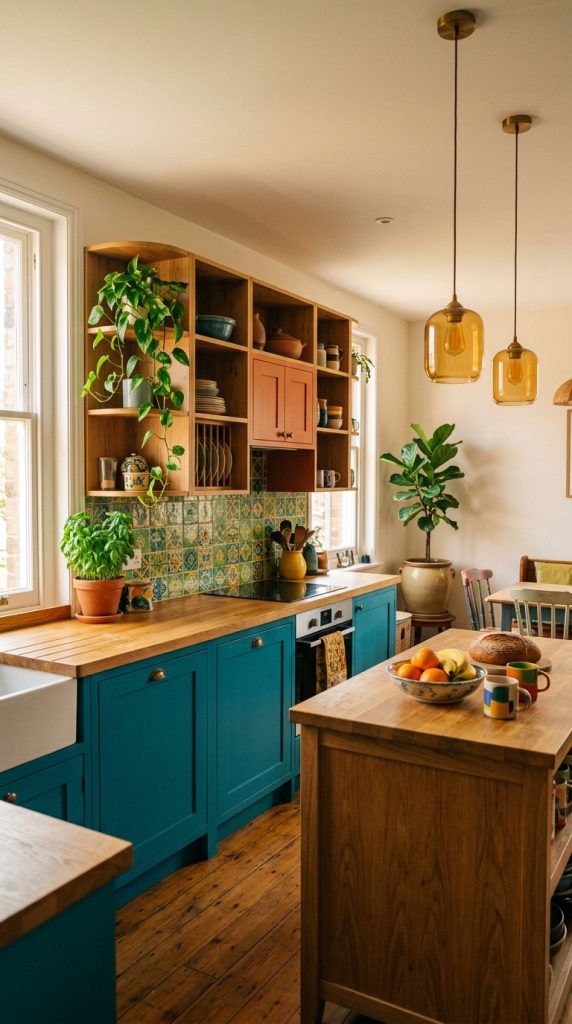
    The kitchen is often dominated by neutral cabinetry, but colorful cabinets can turn the space into one of the most memorable rooms in the home.

    Deep green, blue, burgundy, mustard, teal, terracotta, and even soft pink can create beautiful kitchens when combined with the right materials.

    If you are renovating, cabinet color can become the main design feature.

    If you are working with an existing kitchen, you can introduce color through smaller elements instead.

    Painted cabinet doors, colorful bar stools, patterned backsplash tiles, bright appliances, textiles, artwork, and open shelving can all contribute to maximalist style.

    Materials and Things You Need

    • Colored cabinet paint where appropriate
    • Cabinet hardware
    • Colorful bar stools
    • Patterned backsplash
    • Open shelves
    • Ceramic dishes
    • Colorful cookware
    • Kitchen textiles
    • Artwork
    • Plants
    • Pendant lights

    Step-by-Step Kitchen Styling

    Choose your cabinet or accent color.

    Test samples in the actual kitchen lighting.

    Select hardware that complements the color.

    Choose a backsplash that does not compete excessively.

    Add colorful accessories.

    Introduce artwork.

    Use plants to soften hard surfaces.

    Finish with warm lighting.

    A green kitchen can work beautifully with brass hardware, cream walls, natural wood, and colorful ceramics.

    Blue cabinets can be paired with warm wood, patterned tiles, and terracotta accessories.

    Pink cabinets can become sophisticated when combined with muted green, brass, marble-look surfaces, or natural wood.

    If you are not ready to repaint cabinets, start with accessories.

    Colorful ceramic plates displayed on open shelves can immediately introduce maximalist energy.

    Patterned curtains or a colorful runner can also change the atmosphere.

    For Pinterest, open shelving is particularly useful because it allows colorful collections to become part of the decor.

    However, avoid displaying every kitchen item.

    Choose the pieces with the strongest visual appeal.

    Ceramic bowls, colorful glassware, vintage plates, cookbooks, wooden boards, and small plants can create a curated display.

    The kitchen should still remain practical.

    Keep everyday work areas relatively clear.

    Maximalist kitchens work best when visual abundance is concentrated in selected areas.

    The result should feel joyful and collected rather than cluttered.

    8. Transform Your Dining Room With Color, Pattern, and Statement Lighting

    A dining room is an excellent place to experiment with maximalist decor because it can handle stronger colors and patterns without requiring the same level of calm as a bedroom.

    Start with the dining table and chairs.

    You can choose a colorful dining table or use chairs as the primary color feature.

    Mismatched dining chairs can create an eclectic effect.

    For example, combine wooden chairs with upholstered chairs in different colors that share a common palette.

    The walls can also become a major focal point.

    Patterned wallpaper is particularly effective in dining rooms because it creates an immersive atmosphere.

    Materials and Things You Need

    • Dining table
    • Colorful chairs
    • Patterned wallpaper
    • Area rug
    • Statement pendant
    • Colorful tableware
    • Table runner
    • Artwork
    • Decorative mirror
    • Vase
    • Flowers or greenery

    Step-by-Step Dining Room Transformation

    Choose a dominant wall or furniture color.

    Add seating in complementary colors.

    Introduce a statement light.

    Select a patterned rug.

    Add colorful tableware.

    Create a centerpiece.

    Hang artwork or a mirror.

    Repeat colors through smaller accessories.

    A statement chandelier or pendant can become the visual centerpiece.

    Choose a fixture with an interesting shape, color, or material.

    For example, a sculptural glass pendant can contrast beautifully with colorful walls.

    A brass fixture can provide warmth against deep blue or green.

    Table styling should remain flexible.

    For everyday use, a colorful vase and simple greenery may be enough.

    For entertaining, introduce patterned plates, linen napkins, candles, and decorative serving pieces.

    The dining room can also become an excellent place to display collections.

    A wall of vintage plates, framed botanical artwork, or colorful paintings can create a memorable backdrop.

    For Pinterest, consider photographing the room with the table beautifully arranged.

    Colorful dishes, flowers, patterned textiles, and statement lighting create a strong visual composition.

    Do not forget the floor.

    A patterned rug can connect all the colors in the room.

    If the walls are already highly patterned, choose a rug with a simpler design.

    The goal is to create layers without allowing one element to completely dominate everything else.

    A colorful dining room can make everyday meals feel more special and encourage people to gather.

    9. Turn Open Shelving Into a Colorful Maximalist Display
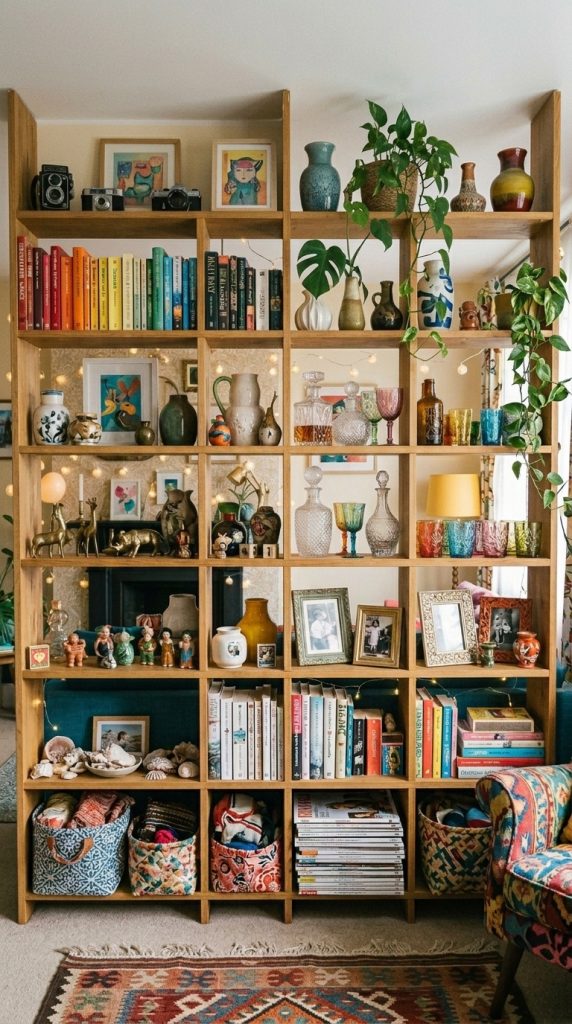
    Open shelving provides an opportunity to turn everyday objects into decorative elements. Books, ceramics, artwork, plants, glassware, baskets, photographs, and collections can all become part of the room’s design.

    The biggest mistake is filling every shelf completely.

    Maximalism requires abundance, but visual organization is still necessary.

    Start by choosing a color story.

    For example, a shelf might feature blue, green, yellow, and cream.

    Then arrange objects according to height and shape.

    Place taller objects behind smaller pieces.

    Mix horizontal stacks of books with vertical objects.

    Introduce plants to soften the arrangement.

    Materials and Things You Need

    • Floating shelves
    • Books
    • Ceramic vases
    • Artwork
    • Small sculptures
    • Plants
    • Baskets
    • Decorative boxes
    • Photographs
    • Collectibles
    • Colorful glassware

    Step-by-Step Shelf Styling

    Clear the shelves.

    Group your objects by color.

    Place large pieces first.

    Add books.

    Introduce plants.

    Add smaller accessories.

    Repeat colors across different shelves.

    Leave small areas of empty space.

    Do not place every object directly beside another.

    Visual breathing space helps the collection look intentional.

    You can also create mini compositions on each shelf.

    For example, combine a stack of books with a vase and small plant.

    On another shelf, place a framed artwork beside a sculpture and ceramic bowl.

    Vary the height between these groupings.

    For maximalist interiors, shelves can display collections that might otherwise remain hidden.

    Vintage cameras, pottery, travel souvenirs, colorful books, framed photographs, or collected objects can become meaningful decorations.

    The key is editing.

    Even maximalist shelves benefit from removing items that do not contribute to the overall composition.

    For Pinterest, colorful shelves are highly useful because they provide viewers with many styling details to discover.

    You can also change the display seasonally.

    Autumn might introduce rust-colored ceramics and dried branches.

    Spring could bring botanical prints and lighter colors.

    Winter could include deeper shades and warm textures.

    Shelving is particularly useful in small homes because it uses vertical space.

    Instead of filling the floor with furniture, move some decorative storage upward.

    The result is a colorful display that combines personality and functionality.

    10. Create a Complete Colorful Maximalist Home With a Cohesive Color Story

    The final step in creating colorful maximalist decor is connecting all the individual rooms into one cohesive home. Maximalism allows different rooms to have different personalities, but repeating colors, materials, patterns, and design details helps the entire home feel intentional.

    Start by creating a whole-home color palette.

    Choose approximately three to five main colors.

    You do not need to use all of them equally in every room.

    Instead, allow different colors to dominate different spaces while repeating small amounts throughout the home.

    For example, your main palette could include emerald green, cobalt blue, mustard yellow, coral, and warm cream.

    The living room might emphasize emerald and cream.

    The bedroom could focus on cobalt and coral.

    The dining room might use mustard and green.

    The hallway could introduce artwork containing all five shades.

    This creates variety without losing cohesion.

    Materials and Things You Need

    • Colorful paint
    • Patterned wallpaper
    • Colorful furniture
    • Rugs
    • Curtains
    • Cushions
    • Artwork
    • Decorative objects
    • Plants
    • Statement lighting
    • Books
    • Vintage accessories
    • Storage baskets

    Step-by-Step Whole-Home Plan

    Start by choosing your main color palette.

    Create a mood board or collect inspiration images.

    Decide which color dominates each room.

    Repeat at least one color between neighboring spaces.

    Use similar materials throughout the home.

    Repeat wood, brass, ceramic, or woven elements.

    Add artwork that connects different color schemes.

    Use lighting consistently.

    Edit objects that feel completely disconnected.

    The hallway is particularly useful for creating transitions.

    If one room is dominated by blue and another by green, artwork or accessories in the hallway can contain both colors.

    This creates a visual bridge.

    Flooring also contributes to cohesion.

    If you have different rugs throughout the home, choose designs that share colors or materials.

    Furniture does not have to match.

    In fact, colorful maximalism benefits from variety.

    However, there should be some repeating elements.

    For example, brass hardware might appear in the kitchen, living room lamps, and dining room lighting.

    Wood might appear in furniture throughout the home.

    Greenery can be repeated in different rooms.

    This repetition creates rhythm.

    The biggest mistake in maximalist decorating is assuming that every surface needs decoration.

    Instead, think about visual hierarchy.

    Some rooms can be dramatic while others provide breathing space.

    A maximalist hallway might contain bold wallpaper and a gallery wall, while the bedroom uses softer colors and layered textiles.

    This creates a more comfortable overall home.

    For Pinterest, a cohesive maximalist home is especially compelling because every room offers new inspiration while the overall design still feels connected.

    The goal is not to create identical rooms.

    The goal is to create a home that feels like one person’s creative world.

    Colorful maximalism works best when it reflects your personality.

    Display things you love.

    Mix old and new.

    Experiment with unexpected combinations.

    Use color confidently.

    But always leave enough room for the home to function.

    Final Conclusion

    Colorful maximalist decor is ultimately about creating a home that feels expressive, joyful, collected, and personal. It gives you permission to move beyond safe neutral interiors and experiment with colors, patterns, textures, artwork, furniture, plants, and objects that genuinely make you happy.

    The most successful maximalist rooms are not simply full. They are layered with intention.

    A bold color-blocked living room creates a strong foundation. Pattern mixing adds visual energy. Jewel tones bring drama and richness. Gallery walls tell stories. Vintage and modern furniture create contrast. Colorful bedrooms become personal retreats. Kitchens and dining rooms can become playful focal points, while open shelving provides opportunities to display collections.

    The key to making all of these ideas work is balance.

    Repeat colors instead of randomly introducing new ones. Vary pattern scale instead of placing equally strong prints everywhere. Combine different textures to create depth. Use neutral elements strategically to give the eye a place to rest.

    Most importantly, remember that maximalism is personal.

    There is no single correct color palette or furniture combination. Your home might feature emerald green and pink, cobalt blue and orange, mustard and burgundy, or an unexpected combination of several colors.

    Start small if you are nervous.

    Add colorful cushions.

    Introduce a patterned rug.

    Paint one wall.

    Create a gallery wall.

    Bring in a colorful chair.

    Style your shelves with objects you love.

    As your confidence grows, you can add larger elements such as wallpaper, colorful furniture, statement lighting, or painted cabinetry.

    The ultimate goal is to create a space that makes you smile when you walk through the door.

    Colorful maximalist decor is not about following rules. It is about turning your home into a visual expression of who you are.

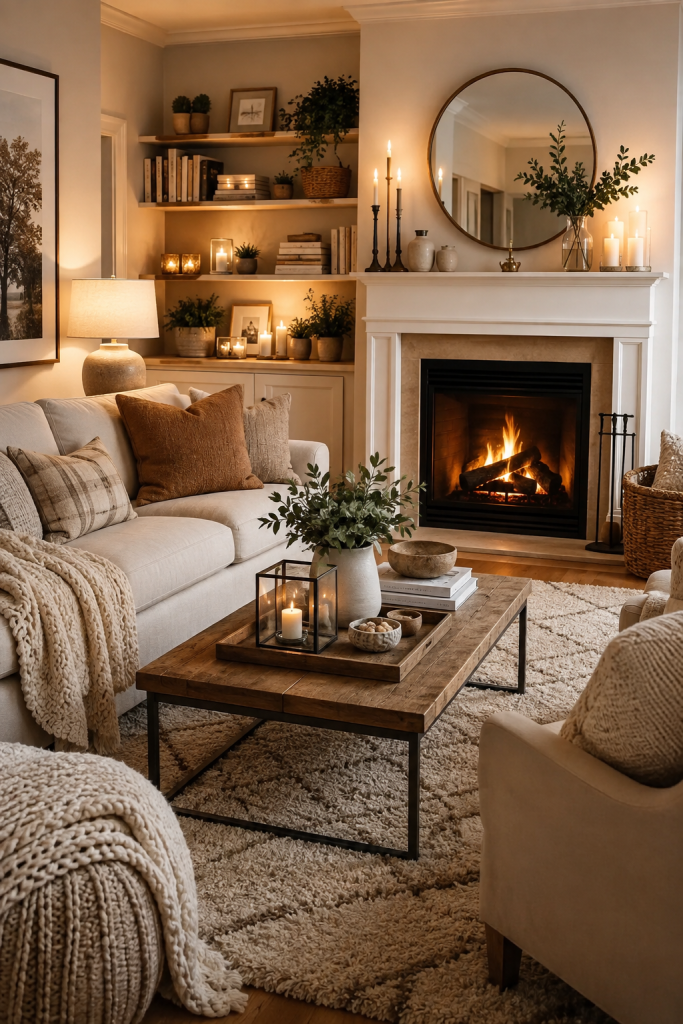
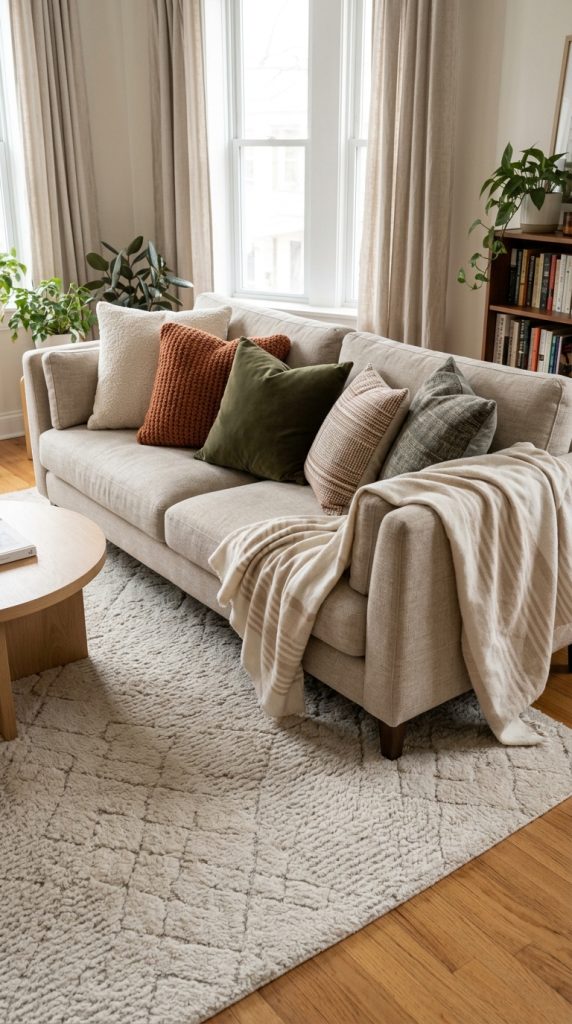
  • Cozy Home Decor Ideas to Make Your Home Feel Warm & Inviting

    Cozy Home Decor Ideas to Make Your Home Feel Warm & Inviting

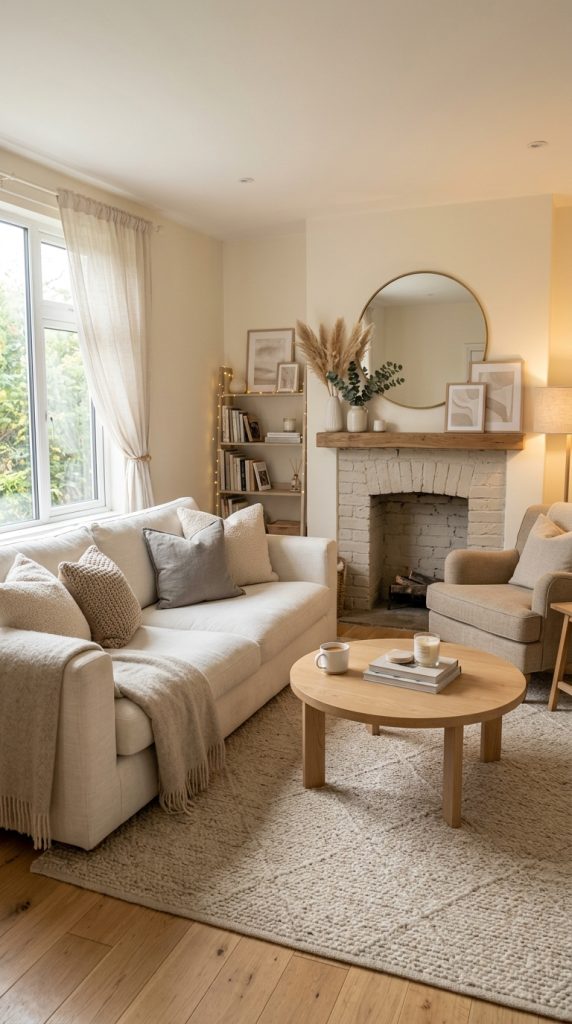
    A cozy home is more than a beautifully decorated space. It is a place that immediately makes you feel comfortable, relaxed, and welcome. The right combination of warm colors, soft textures, natural materials, thoughtful lighting, comfortable furniture, and personal details can completely change the atmosphere of a home. You do not need a large budget or a complete renovation to create this feeling. In many cases, a few intentional changes can make an ordinary room feel dramatically warmer and more inviting.

    Cozy home decor has become especially popular because people are increasingly looking for interiors that feel lived-in rather than overly perfect. A home should not look like a showroom where everything is untouchable. Instead, it should communicate comfort and personality. A soft throw casually placed over a sofa, books stacked on a coffee table, warm lamps glowing in the evening, natural wood furniture, textured cushions, and a beautiful rug can create an atmosphere that feels welcoming the moment someone walks through the door.

    One of the most important foundations of cozy decorating is color. Warm neutrals such as cream, beige, oatmeal, taupe, caramel, warm white, and soft brown create an excellent base. These shades are easy to combine and can make rooms feel calm without becoming boring. You can then introduce earthy accent colors such as sage green, terracotta, muted mustard, dusty rose, olive, rust, or chocolate brown. The goal is not necessarily to use many colors. Instead, choose a small palette and repeat it naturally throughout the room.

    Texture is equally important. A room can have beautiful furniture and still feel cold if every surface is smooth and hard. Layering textures creates visual warmth. Consider linen curtains, cotton cushions, knitted blankets, boucle chairs, wool rugs, woven baskets, velvet accents, ceramic accessories, and natural wood. These materials make the home more interesting while creating a sense of softness and comfort.

    Lighting may be one of the most powerful elements of cozy home decor. Bright overhead lighting can make an otherwise beautiful room feel harsh. Layered lighting is much more effective. Table lamps, floor lamps, wall sconces, pendant lights, candles, and subtle accent lighting can create different moods throughout the day. During the evening, switching off the main ceiling light and using several smaller warm light sources can completely transform the atmosphere.

    Furniture arrangement also matters. A cozy home encourages conversation and connection. In a living room, arrange seating so people can comfortably face one another rather than placing every piece against a wall. In a bedroom, position the bed as the visual focal point and create enough space around it for easy movement. In a dining area, use lighting and textiles to make meals feel more inviting.

    Natural materials can make a home feel grounded. Wood, rattan, wicker, stone, linen, cotton, wool, and ceramics bring an organic quality to interiors. Even if your home has a very modern design, adding a few natural pieces can prevent it from feeling too sterile. A wooden tray, woven basket, ceramic vase, or linen cushion can have a surprisingly large impact.

    Plants are another simple way to add warmth and life. A large leafy plant can fill an empty corner, while smaller plants can decorate shelves, windowsills, and side tables. If maintaining plants is difficult, choose low-maintenance varieties or use high-quality artificial greenery.

    Personal details are what make a cozy home feel truly yours. Family photographs, artwork, books, travel memories, handmade objects, collections, and sentimental pieces add character. Trends can provide inspiration, but personal objects create emotional warmth.

    Another important principle is balance. Cozy does not mean cluttered. Adding too many cushions, accessories, blankets, baskets, and decorations can make a room feel chaotic rather than relaxing. The strongest cozy interiors usually contain layers, but each layer has a purpose. There is enough decoration to create interest while maintaining open space and visual breathing room.

    The following ten ideas provide practical ways to make your home feel warmer and more inviting. They can be used individually or combined to create a complete cozy home makeover. Whether you are decorating a small apartment, refreshing a family home, updating a living room, or simply looking for affordable ways to make your space more welcoming, these ideas provide a flexible foundation.

    1. Layer Soft Textures Throughout Your Living Space

    One of the easiest ways to make a home feel cozy is to introduce layers of soft and tactile textures. Texture gives a room depth and warmth while making furniture and surfaces feel more inviting. A living room with a smooth sofa, bare floor, plain curtains, and empty coffee table may look clean, but it can also feel unfinished. Adding different textiles can immediately soften the atmosphere.

    Start with the sofa because it is usually the largest upholstered piece in the living room. Add a few cushions in different textures rather than choosing cushions that are all made from the same fabric. Linen, cotton, boucle, velvet, knitted, and woven cushions can work together when they share a coordinated color palette.

    Next, introduce a throw blanket. Place it casually over the arm or back of the sofa rather than folding it too perfectly. Chunky knitted throws are ideal for colder months, while lightweight cotton or linen throws can create a relaxed summer look.

    A rug is another important texture. A large area rug can visually connect the seating arrangement and provide softness underfoot. Wool, cotton, jute, and low-pile woven rugs each create different effects. Choose one that complements your lifestyle and maintenance needs.

    Curtains can contribute another layer. Linen-look or cotton curtains soften windows and can make the entire room feel more finished. Floor-length curtains can also make ceilings appear taller.

    Do not forget smaller surfaces. A woven basket beside the sofa can hold blankets, while a ceramic vase or wooden tray can add contrasting tactile elements to the coffee table.

    Materials and Things You Need

    • Textured cushions
    • Soft throw blankets
    • Area rug
    • Linen or cotton curtains
    • Woven baskets
    • Ceramic accessories
    • Wooden trays
    • Upholstered furniture
    • Decorative textiles
    • Optional floor cushions

    Step-by-Step Decorating Process

    First, choose a base color such as cream, beige, warm gray, or oatmeal.

    Next, add two or three different textures within that color family.

    Place cushions at different sizes and angles on the sofa.

    Add a throw blanket to create a relaxed appearance.

    Position an area rug beneath the main seating arrangement.

    Use curtains to soften the windows and introduce another textile layer.

    Finally, add one or two natural accessories such as a woven basket or wooden tray.

    The important thing is not to use every texture available. Instead, create contrast. Pair smooth cotton with chunky knit, woven material with velvet, or linen with wood.

    For example, a cream sofa can be styled with beige linen cushions, a caramel velvet cushion, an oatmeal knitted throw, and a natural wool rug. The colors remain calm while the different textures prevent the room from looking flat.

    Texture also changes with the seasons. During winter, introduce heavier blankets, wool rugs, velvet cushions, and thicker curtains. During spring and summer, replace them with lighter cotton, linen, and woven fabrics.

    This approach is particularly useful for renters because textiles can completely transform a room without changing walls or furniture. It is also budget-friendly because you can add pieces gradually.

    For a Pinterest-worthy appearance, focus on layering rather than clutter. A simple sofa with three beautifully coordinated cushions and one casually placed throw can look more inviting than a sofa covered with too many accessories.

    The final result should make people want to sit down, relax, and stay awhile.

    2. Create a Warm and Inviting Living Room With Soft Lighting

    Lighting can completely transform the emotional atmosphere of a home. A room that looks ordinary during the day can become warm and sophisticated in the evening simply through thoughtful lighting. Cozy home decor works best when lighting is layered instead of relying entirely on a bright central ceiling fixture.

    Start by considering your main light. If it feels harsh, choose a warmer bulb that is compatible with the fixture. A dimmer can also be useful where appropriate because it allows you to change the intensity depending on the time of day.

    Next, add table lamps. Place one on a side table beside the sofa or on a console table. Fabric shades are particularly effective because they diffuse the light and create a softer glow.

    Floor lamps can brighten dark corners while adding height to the room. Place one next to an accent chair, reading corner, or cabinet.

    Wall sconces are another option. They work especially well in areas where floor and table space is limited. Choose fixtures that complement the home’s decorating style rather than treating lighting as an afterthought.

    Small accent lights can be used to highlight artwork, shelving, plants, or architectural features. The purpose is not to make everything equally bright but to create several pools of light.

    Materials and Things You Need

    • Table lamps
    • Floor lamps
    • Wall sconces
    • Warm-compatible bulbs
    • Dimmable fixtures where suitable
    • Accent lamps
    • Decorative lanterns
    • Battery-operated candles
    • Lamp shades
    • Cable-management accessories

    Step-by-Step Lighting Plan

    Begin by identifying the areas where you naturally spend time.

    Place a table lamp near the sofa for reading or relaxing.

    Add a floor lamp to a darker corner.

    Use accent lighting to highlight artwork, plants, or shelving.

    If possible, use a dimmer for the main fixture.

    In the evening, turn off the central light and switch on the smaller lamps.

    Look around the room and identify areas that still feel excessively dark.

    Adjust the placement until the lighting feels balanced.

    Warm lighting generally works especially well with beige, brown, cream, terracotta, wood, and other earthy colors. It can make natural materials appear richer and textiles feel softer.

    Safety is important. Keep cords organized, ensure lamps are stable, follow bulb wattage requirements, and keep open flames away from curtains, furniture, and textiles.

    Lighting should also reflect how you use each room. A living room may need brighter lighting for cleaning or entertaining but softer illumination for movie nights. A dining area can benefit from a warm pendant light, while a hallway may only need subtle accent lighting.

    For Pinterest-style interiors, multiple warm lamps create depth and atmosphere. Imagine a cream sofa, wooden coffee table, soft rug, and two warm lamps glowing against neutral walls. The room immediately feels more inviting.

    You do not need expensive lighting fixtures to create this effect. Affordable lamps can look sophisticated when their shapes, materials, and colors coordinate with the rest of the room.

    The goal is to create a home that feels welcoming at different times of day. Good lighting should support your lifestyle rather than simply illuminate the room.

    3. Decorate With Warm Neutral Colors for a Calm and Cozy Home

    A warm neutral color palette provides one of the most versatile foundations for cozy home decor. Cream, beige, warm white, oatmeal, taupe, caramel, soft brown, and greige can make rooms feel calm while providing plenty of opportunities for texture and personality.

    Begin with the largest surfaces. Walls, large rugs, sofas, curtains, and major furniture pieces often establish the dominant color of a room. If you want flexibility, keep these elements relatively neutral.

    Warm white can create a bright and airy appearance while avoiding the cold feeling sometimes associated with stark white. Beige and oatmeal can create a softer, more traditional atmosphere. Taupe and warm gray provide slightly more depth.

    Once the base is established, add accent colors. Sage green, terracotta, rust, muted mustard, olive, dusty rose, or chocolate brown can all work beautifully with warm neutrals.

    The important thing is repetition. If you use terracotta in one cushion, repeat a small amount of that color elsewhere through artwork, a vase, a blanket, or another accessory.

    Materials and Things You Need

    • Warm neutral paint
    • Cream or beige curtains
    • Neutral sofa or slipcovers
    • Cushions
    • Throw blankets
    • Neutral rug
    • Wooden accessories
    • Ceramic decor
    • Earth-toned artwork
    • Accent pieces in sage, terracotta, olive, or brown

    Step-by-Step Color Planning

    Choose your main neutral.

    Select one secondary neutral that is slightly darker or lighter.

    Choose one or two accent colors.

    Apply the dominant color to the largest surfaces.

    Use the secondary shade through furniture and textiles.

    Add accent colors through smaller accessories.

    Repeat colors subtly throughout the room.

    For example, imagine a living room with warm white walls, a beige sofa, an oatmeal rug, light oak furniture, sage green cushions, and terracotta artwork. Nothing is overly bright, but the room still has personality.

    Texture is essential when using neutrals. Without texture, a beige room can become visually flat. Add wood, woven baskets, linen, wool, ceramic, boucle, and knitted materials.

    Warm neutral colors are also extremely adaptable. You can change the accent colors seasonally without repainting the room. Spring might feature sage green and soft pink, summer can introduce natural woven textures, autumn can bring rust and caramel, and winter can emphasize chocolate brown and deep olive.

    This flexibility makes neutral decorating particularly practical for people who enjoy changing their decor.

    For Pinterest, warm neutral interiors photograph beautifully because they create a calm visual palette. However, avoid making everything exactly the same color. Variation is what gives the room depth.

    A cozy home should feel layered rather than monochromatic. Combine light and dark neutrals, different textures, and small accent colors.

    The result is a timeless foundation that can support many decorating styles, including modern, farmhouse, Scandinavian, organic modern, rustic, traditional, and minimalist.

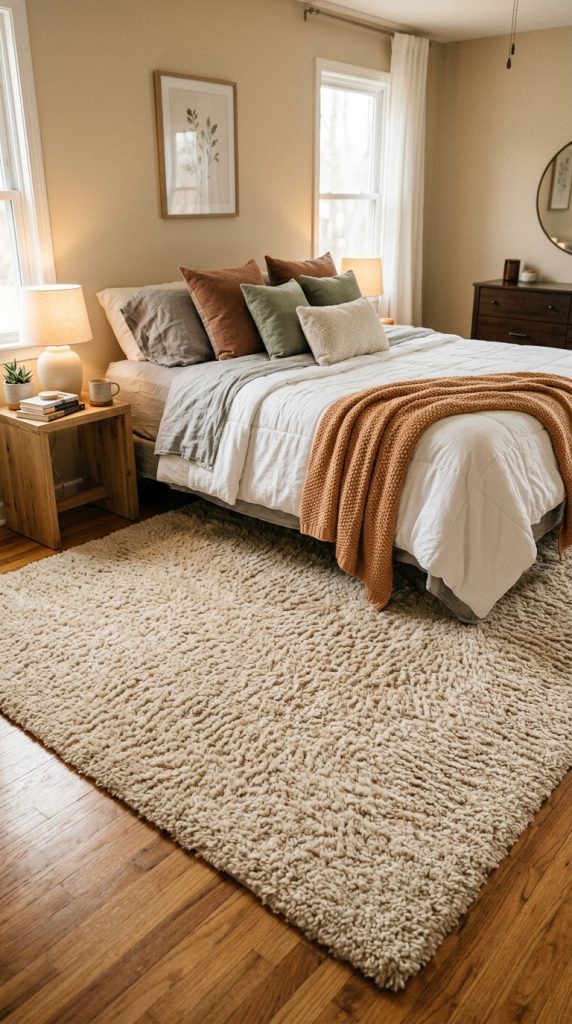
    4. Add a Large Area Rug to Make Rooms Feel Softer

    A rug can transform the atmosphere of a room almost instantly. It provides physical softness, absorbs sound, defines furniture arrangements, and introduces another layer of color and texture.

    In living rooms, the rug should ideally be large enough to connect the main seating pieces. A rug that is too small can make the furniture arrangement feel disconnected. If possible, position at least the front legs of major seating pieces on the rug.

    In bedrooms, a large rug beneath the bed can create a warm landing area when you get up in the morning. Runners can work well on either side of a bed in smaller rooms.

    Dining rooms can also benefit from rugs, although practical considerations such as cleaning and chair movement should be considered.

    Materials and Things You Need

    • Large area rug
    • Wool rug
    • Cotton rug
    • Jute or natural-fiber rug
    • Low-pile rug
    • Washable rug
    • Rug pad
    • Measuring tape
    • Optional rug grippers

    Step-by-Step Rug Styling

    Measure the room before purchasing a rug.

    Mark the desired rug area with painter’s tape if possible.

    Choose a size that supports the furniture arrangement.

    Select a color that complements the existing palette.

    Choose the material based on traffic and maintenance requirements.

    Use an appropriate rug pad underneath.

    Arrange furniture so the rug visually connects the main pieces.

    For a cozy look, textured rugs are especially effective. Wool can provide warmth and softness, while jute and woven natural fibers create an organic feeling.

    If you have children or pets, a washable or durable low-pile rug may be more practical than a delicate high-pile style.

    Pattern can also be used strategically. If the furniture and walls are relatively simple, a subtle patterned rug can add personality. If the room already contains patterned cushions, artwork, and curtains, a solid textured rug may create better balance.

    Rugs can also help separate zones in open-plan homes. A living area can be visually defined with one rug while a dining zone uses another complementary design.

    The color of the rug should generally connect with at least two or three other elements in the room. For example, a beige rug can echo the sofa and curtains while allowing darker wood furniture to stand out.

    For Pinterest-worthy styling, avoid choosing a rug simply because it looks beautiful by itself. Consider how it interacts with the entire room.

    A large rug can also make furniture feel more grounded. Instead of appearing like separate objects floating across the floor, the sofa, chairs, coffee table, and accessories become part of one cohesive arrangement.

    This simple addition is one of the most effective ways to make a room feel finished and inviting.

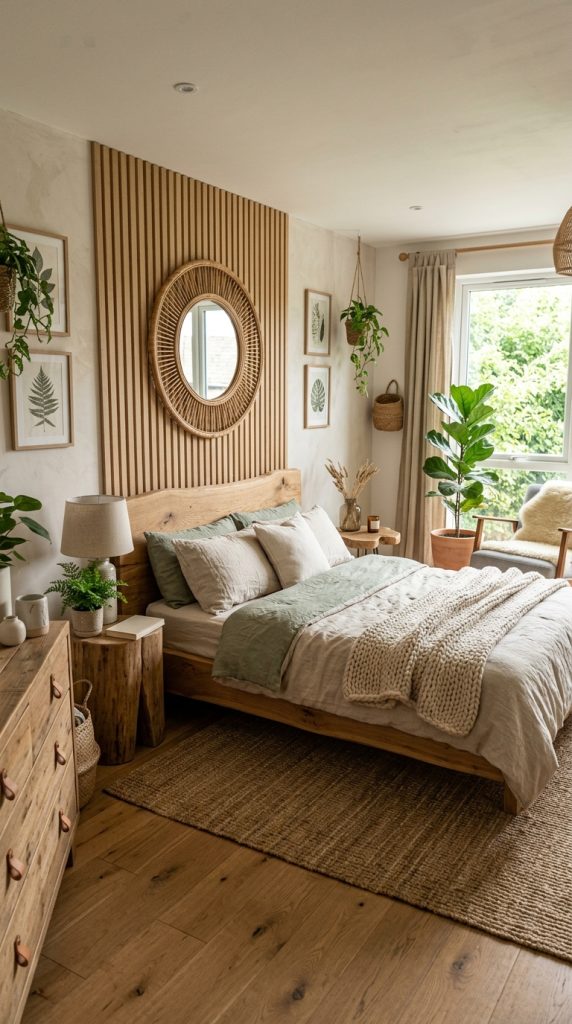
    5. Bring Natural Wood and Organic Materials Into Your Home

    Natural materials have a special ability to make interiors feel warm, grounded, and comfortable. Wood, rattan, wicker, linen, cotton, wool, bamboo, stone, and ceramic can soften modern spaces and give traditional rooms a more relaxed appearance.

    Wood is an excellent starting point. If your home already has wooden flooring or furniture, emphasize it rather than covering everything with textiles. If the room lacks wood, introduce smaller elements such as a coffee table, side table, bench, tray, picture frame, or decorative bowl.

    Different wood tones create different moods. Light oak can produce a Scandinavian or modern organic atmosphere, while walnut and darker woods can make a room feel richer and more traditional.

    Woven materials provide another layer. Rattan baskets can store blankets, wicker trays can organize coffee tables, and woven lampshades can create beautiful texture.

    Linen and cotton are ideal for soft furnishings. Linen curtains can filter daylight while creating a relaxed appearance. Cotton cushions and blankets provide comfort without making the room feel overly formal.

    Materials and Things You Need

    • Wooden coffee table
    • Wooden side tables
    • Rattan baskets
    • Wicker trays
    • Bamboo accessories
    • Linen curtains
    • Cotton cushions
    • Wool blankets
    • Ceramic vases
    • Natural-fiber rugs
    • Stone or wood decorative objects

    Step-by-Step Natural Decor Plan

    Begin by identifying which areas feel too cold or visually plain.

    Introduce one natural material into those areas.

    Add wood through furniture or smaller accessories.

    Use woven storage to combine organization with texture.

    Introduce linen or cotton through curtains and cushions.

    Add ceramic or stone accessories for contrast.

    Finish with a plant or natural branch arrangement if appropriate.

    The goal is balance. You do not need every object to be made from natural materials. In fact, too much of one material can make the room feel repetitive.

    Pair natural wood with soft textiles, ceramics with woven materials, and smooth surfaces with rougher textures.

    For example, a modern living room with a neutral sofa can become warmer through a light oak coffee table, rattan basket, linen cushions, wool rug, and ceramic vase.

    Plants can strengthen the natural aesthetic. A large leafy plant can create a focal point in an empty corner, while smaller plants can decorate shelves.

    If you prefer a minimalist home, choose only a few strong natural pieces rather than many accessories.

    Natural materials are also excellent for creating a timeless interior. They can work with modern, farmhouse, Scandinavian, rustic, coastal, traditional, and organic styles.

    For Pinterest, natural wood combined with cream textiles and warm lighting creates a particularly strong visual combination.

    The most successful cozy homes often include imperfections and variations in natural materials. Wood grain, woven fibers, handmade ceramics, and slightly irregular surfaces can make a room feel authentic rather than mass-produced.

    The result should feel warm, tactile, and connected to nature.

    6. Create a Cozy Conversation Area in the Living Room

    A cozy home should encourage people to sit, relax, talk, and spend time together. Furniture arrangement plays a major role in creating this feeling. Even beautiful furniture can feel uncomfortable when it is positioned solely around the television or pushed against walls without considering conversation.

    Start by identifying the primary purpose of your living room. If conversation is important, arrange seating so that people can comfortably see one another.

    A sofa can face two accent chairs, or a sectional can be paired with a small chair or ottoman. The coffee table should be positioned close enough to be practical but far enough away to allow comfortable movement.

    An area rug can visually connect all the seating pieces. Ideally, the main furniture should interact with the rug rather than appearing scattered around it.

    Materials and Things You Need

    • Comfortable sofa
    • Accent chairs
    • Ottoman
    • Coffee table
    • Side tables
    • Area rug
    • Cushions
    • Throw blankets
    • Floor lamp
    • Table lamp
    • Decorative tray
    • Books

    Step-by-Step Arrangement

    Begin with the largest seating piece.

    Position it so that it faces the main conversational area.

    Add one or two chairs opposite or beside the sofa.

    Place the coffee table centrally.

    Add a rug beneath the seating arrangement.

    Introduce side tables where people can place drinks or books.

    Add lamps to create evening warmth.

    Finish with cushions and throws.

    Avoid pushing every piece against the wall simply because it creates more open floor space. In many cases, pulling furniture slightly inward makes a room feel more intimate.

    The arrangement should also maintain clear walking paths. Cozy does not mean difficult to navigate.

    If the room is small, use a compact loveseat, small chairs, or multifunctional ottomans.

    If the room is large, create multiple conversation zones rather than leaving a huge empty center.

    A reading chair can form one small zone, while the main sofa arrangement provides space for family and guests.

    For Pinterest styling, create a visually balanced arrangement with a clear focal point. A coffee table decorated with a tray, books, ceramic vase, and small plant can become the center of the seating area.

    Lighting should be positioned so that every major seating zone has comfortable illumination.

    The biggest benefit of this approach is that the room becomes more functional. It is not simply beautiful; it encourages interaction.

    A cozy living room should make you want to sit down. Comfortable seating, accessible tables, soft textiles, and warm lighting all contribute to that feeling.

    7. Style Your Coffee Table With Cozy, Practical Decor

    The coffee table is a small surface, but it often sits at the center of the living room. Styling it thoughtfully can make the entire room feel more finished. However, the coffee table should remain functional. It needs to provide space for drinks, books, remotes, and everyday items.

    Start by clearing the surface. Then introduce a tray. A tray provides structure and helps small objects look intentional.

    Add a stack of books or magazines that you genuinely enjoy. Books are useful decorative elements because they bring color, personality, and visual height.

    Next, add one natural or handmade object such as a ceramic vase, small bowl, candle, or plant.

    You can introduce one seasonal element if desired. In autumn, a small arrangement of branches or warm-toned accessories can work beautifully. During spring, fresh flowers or greenery can create a lighter appearance.

    Materials and Things You Need

    • Decorative tray
    • Coffee-table books
    • Ceramic vase
    • Small plant
    • Candle or battery-operated candle
    • Decorative bowl
    • Small sculpture
    • Seasonal accessory

    Step-by-Step Styling

    Clear the table completely.

    Choose a tray that fits the size of the table.

    Place books inside or beside the tray.

    Add one taller object such as a vase.

    Add one smaller object for balance.

    Leave some empty space.

    Check that everyday items can still be placed comfortably.

    The most common mistake is overdecorating the coffee table. Too many objects create clutter and make the room less functional.

    Instead, think in terms of height and texture. A stack of books provides a low horizontal layer, while a vase provides height. A ceramic bowl adds another shape.

    The colors should connect with the rest of the room. If your sofa has sage green cushions, you might include a small green detail in the coffee-table arrangement.

    Natural materials work especially well here. A wooden tray, ceramic vase, woven object, and plant can create a warm composition without requiring many items.

    For Pinterest, coffee-table styling is most attractive when it looks natural rather than perfectly staged. A few books, a ceramic vase, and a small plant can communicate a relaxed lifestyle.

    You can also change the arrangement seasonally without buying new furniture.

    The key is to create a surface that feels decorated but still usable.

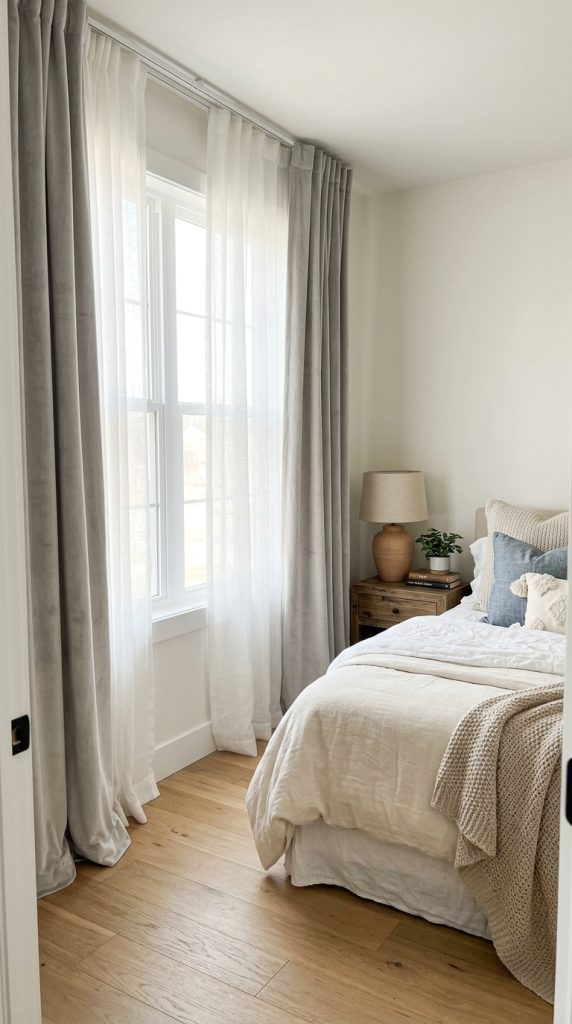
    8. Add Curtains That Make Every Room Feel Softer

    Curtains are often one of the most overlooked elements of cozy home decor. They soften windows, provide privacy, control natural light, and add vertical texture. The right curtains can also make a room appear taller and more finished.

    For a cozy look, choose fabrics such as linen, cotton, linen blends, or soft textured materials. Sheer curtains can filter daylight, while heavier curtains provide privacy and darkness.

    Warm neutral shades are versatile. Cream, oatmeal, beige, taupe, and soft gray can complement many decorating styles.

    Curtain length matters. Floor-length panels usually create a more elegant appearance than short curtains. Hanging the rod higher and wider than the window can make the window appear larger and the ceiling taller, provided the installation is appropriate for the space.

    Materials and Things You Need

    • Curtain panels
    • Curtain rod
    • Sheer curtains
    • Blackout curtains where needed
    • Curtain rings
    • Tiebacks
    • Measuring tape
    • Appropriate mounting hardware

    Step-by-Step Curtain Styling

    Measure the window and desired curtain height.

    Choose fabric based on privacy and lighting needs.

    Select a color that complements the room.

    Install the rod securely.

    Hang the curtains so they fall naturally.

    Layer sheer and heavier panels if desired.

    Adjust the fabric so it frames rather than hides the window.

    Curtains can also improve the acoustic feeling of a room by adding another soft surface.

    In bedrooms, blackout curtains can support darkness while sheer panels provide daytime softness.

    In living rooms, lightweight curtains can allow sunlight to filter through, creating a beautiful warm glow.

    For Pinterest-worthy interiors, slightly relaxed fabric often looks more inviting than extremely stiff or formal panels.

    Avoid overly complicated patterns if the room already has several strong decorative elements.

    Simple curtains can become an elegant backdrop for furniture and artwork.

    The result is a room that feels softer, warmer, and more complete.

    9. Bring Greenery Into Your Home for a Fresh and Cozy Feel

    Plants are one of the easiest ways to make a home feel alive. They add color, texture, height, and natural beauty while filling empty areas without creating the heaviness of excessive furniture.

    Start by identifying areas that feel empty. A large plant can transform an unused corner. Smaller plants can decorate shelves, consoles, windowsills, and side tables.

    Choose plants according to the amount of natural light available. Some plants require bright indirect light, while others tolerate lower-light environments. Consider maintenance requirements before purchasing.

    Planter choice also matters. Ceramic pots create a clean and timeless appearance, woven baskets create warmth, and terracotta pots create an earthy feeling.

    Materials and Things You Need

    • Indoor plants
    • Large floor planter
    • Small ceramic pots
    • Terracotta pots
    • Woven plant baskets
    • Plant stands
    • Decorative tray
    • Watering tools
    • Optional artificial greenery

    Step-by-Step Greenery Plan

    First, identify suitable areas based on available light.

    Choose plants appropriate for those conditions.

    Select planters that complement the home’s color palette.

    Place large plants in empty corners.

    Use smaller plants on shelves and tables.

    Vary plant heights to create visual interest.

    Avoid overcrowding surfaces.

    Plants can also be used to soften hard architectural lines. A tall plant beside a cabinet, for example, can balance the rigid shape of the furniture.

    Greenery works beautifully with natural wood, beige, cream, rattan, and woven materials.

    If you travel frequently or prefer low-maintenance decor, choose resilient plants or realistic artificial greenery.

    For Pinterest, a large leafy plant beside a cream sofa or wooden console creates an immediate sense of warmth.

    Do not place plants solely because there is an empty spot. Consider how their shape and height interact with the surrounding furniture.

    The best plant arrangements look natural rather than overly symmetrical.

    Greenery can also connect different rooms visually. Repeating similar plants or planter materials throughout the home creates cohesion.

    The overall goal is to bring a subtle sense of nature indoors.

    10. Create a Cozy Entryway That Welcomes Everyone Home

    The entryway is the first part of your home that people experience, so it deserves just as much attention as the living room or bedroom. A cozy entryway should feel organized, practical, and welcoming.

    Begin with storage. Hooks, baskets, cabinets, benches, or a console table can prevent shoes, bags, and coats from taking over the space.

    A small bench is particularly useful. It provides a place to sit while putting on shoes and can also introduce texture through an upholstered cushion.

    A runner can add warmth and guide people visually into the home. Choose a durable material appropriate for the amount of traffic.

    Lighting is also important. If the entryway has limited natural light, use a wall sconce, pendant, or table lamp where appropriate.

    Materials and Things You Need

    • Entryway bench
    • Console table
    • Wall hooks
    • Storage baskets
    • Shoe cabinet
    • Runner rug
    • Mirror
    • Table lamp or wall sconce
    • Small plant
    • Decorative tray
    • Artwork

    Step-by-Step Entryway Makeover

    Begin by removing unnecessary items.

    Add practical storage for shoes, coats, and bags.

    Place a bench if the space allows.

    Add a mirror to create depth and provide a final appearance check before leaving.

    Introduce a runner to soften the floor.

    Add warm lighting.

    Place a small plant or decorative object.

    Keep the surface of the console relatively clear.

    A mirror can be particularly effective in a small entryway because it reflects light and creates a sense of greater depth.

    A wooden console can introduce natural warmth, while a woven basket can store everyday accessories.

    Avoid making the entryway too decorative. It needs to remain functional because it is a high-traffic area.

    For Pinterest-worthy styling, create a simple composition: a console, mirror, small lamp, plant, basket, and warm runner.

    The entryway should communicate the style of the rest of the home. If your living room uses warm neutrals and natural wood, repeat those elements near the entrance.

    This creates continuity and makes the home feel thoughtfully designed from the moment someone walks inside.

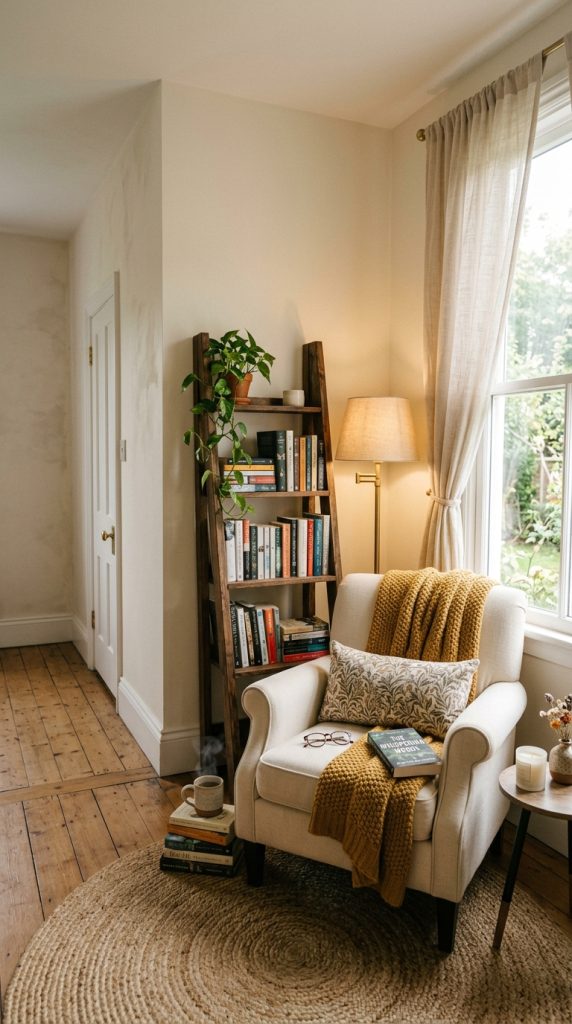
    11. Create a Cozy Reading Nook in an Empty Corner

    An unused corner can become one of the most inviting areas in your home when you turn it into a cozy reading nook. Instead of allowing an empty corner to collect clutter or remain visually unfinished, transform it into a small retreat where you can read, enjoy your morning coffee, listen to music, or simply relax.

    A reading nook does not require a large room. Even a small space beside a window, near a bookshelf, or in the corner of a bedroom can work beautifully. The most important elements are comfortable seating, soft lighting, a small surface, and textiles that make the area feel warm.

    Start with the seating. A comfortable armchair is ideal, but you can also use a compact lounge chair, upholstered bench, floor cushion, or small loveseat depending on the available space. Choose a fabric that adds texture, such as boucle, linen, cotton, or velvet.

    Next, add a soft throw blanket. A knitted or woven blanket immediately communicates comfort and makes the chair look more inviting.

    Lighting is essential. If the nook is beside a window, take advantage of natural daylight during the day. For evenings, add a floor lamp or small table lamp. A warm light source creates a peaceful atmosphere without overwhelming the rest of the room.

    A small side table can hold books, a cup of tea, glasses, or decorative objects. If floor space is limited, consider a narrow pedestal table or wall-mounted shelf.

    Materials and Things You Need

    • Comfortable armchair
    • Lounge chair or small bench
    • Soft throw blanket
    • Decorative cushion
    • Floor lamp or table lamp
    • Small side table
    • Books
    • Small rug
    • Plant
    • Basket
    • Decorative tray

    Step-by-Step Decorating Process

    First, identify an unused corner that receives reasonable natural light.

    Measure the area so your furniture does not block walking paths.

    Place your chair or seating piece at a comfortable angle.

    Add a small rug underneath or in front of the chair.

    Place a side table within easy reach.

    Add a warm lamp for evening use.

    Layer one cushion and one throw blanket onto the chair.

    Finish with a small plant, books, or another personal accessory.

    Avoid filling the entire corner with decorations. The purpose of a reading nook is relaxation, so leave enough space around the furniture.

    For a Pinterest-inspired look, position the chair near a window with a soft neutral cushion, knitted throw, wooden side table, warm floor lamp, and small plant. This combination creates a simple but highly inviting composition.

    You can also adapt the concept to different decorating styles. A Scandinavian reading nook might use light wood and cream textiles. A rustic nook could include a leather chair, reclaimed wood table, and woven basket. A modern organic version might combine boucle upholstery, oak furniture, beige textiles, and greenery.

    The most important thing is comfort. Choose a chair you genuinely enjoy sitting in rather than selecting furniture only because it looks attractive.

    A reading nook also adds personality to a home. It communicates that the space is designed not only to look beautiful but to support relaxing everyday activities.

    12. Decorate With Candles and Warm Ambient Accessories

    Candles and ambient accessories can add an immediate sense of warmth to a room. Their soft glow creates an intimate atmosphere, particularly during evenings when natural daylight disappears. Even if you prefer modern or minimalist decor, a few carefully chosen ambient accessories can make your home feel significantly more inviting.

    If using real candles, always place them on stable, heat-resistant surfaces and keep them away from curtains, bedding, paper, children, pets, and other flammable materials. Battery-operated candles are an excellent alternative when you want the visual effect without an open flame.

    Begin by selecting a few areas where ambient lighting will have the greatest effect. A coffee table, console, fireplace mantel, dining table, bedroom dresser, or bathroom shelf can all work well.

    Avoid placing too many candles together. Instead, create small groups with different heights and shapes.

    A decorative tray can help organize candles while preventing the arrangement from appearing scattered. Add a ceramic vase, small bowl, or natural element such as dried branches to complete the composition.

    Materials and Things You Need

    • Candles
    • Battery-operated candles
    • Candle holders
    • Decorative tray
    • Ceramic vase
    • Small bowl
    • Dried branches
    • Small plant
    • Lantern
    • Decorative books

    Step-by-Step Styling Process

    Choose one or two surfaces for your ambient arrangement.

    Place a decorative tray as the foundation.

    Add one taller candle or lantern.

    Introduce one or two smaller candles.

    Add a ceramic or wooden accessory for texture.

    Include a small natural element if desired.

    Leave enough empty space around the arrangement.

    For real candles, follow all safety instructions and never leave them burning unattended.

    You can also create seasonal arrangements. During autumn, combine warm-toned candles with wood, dried leaves, and ceramic accessories. During winter, use ivory candles, evergreen branches, and textured materials. In spring, lighter colors and fresh greenery can create a brighter feeling.

    Candles are especially effective when combined with other sources of warm lighting. For example, a living room with a floor lamp, table lamp, and subtle candlelight can feel much warmer than one illuminated only by an overhead fixture.

    The key is restraint. Cozy does not mean covering every surface with candles.

    A single beautiful lantern beside an armchair can be enough to create atmosphere.

    For Pinterest, candle arrangements work particularly well when paired with natural materials. Think wooden trays, ceramic vessels, cream textiles, woven baskets, and warm neutral colors.

    You can also incorporate scented candles if you enjoy fragrance, but choose scents that complement the mood you want to create. Soft vanilla, sandalwood, cedar, amber, or subtle floral fragrances can contribute to a relaxing environment.

    The overall goal is to create a home that feels softer and more peaceful as evening arrives.

    13. Use an Accent Wall to Create a Warm Focal Point

    An accent wall is a simple way to introduce personality and depth without changing the entire room. Instead of painting every wall a different color, choose one strategic surface and make it the focal point.

    In a living room, an accent wall can sit behind the sofa, fireplace, television area, or bookshelf. In a bedroom, the wall behind the bed is usually the strongest choice.

    For cozy interiors, warm earthy colors are particularly effective. Consider muted terracotta, warm beige, olive green, sage, chocolate brown, dusty rose, clay, or deep taupe.

    If you prefer a lighter room, a warm cream or slightly deeper beige can create subtle contrast without becoming dramatic.

    Paint is not the only option. You can also create an accent wall using wood paneling, wallpaper, limewash-inspired finishes, textured wall treatments, or a gallery arrangement.

    Materials and Things You Need

    • Interior paint
    • Paint rollers
    • Brushes
    • Painter’s tape
    • Drop cloth
    • Primer if needed
    • Wallpaper if preferred
    • Wood panels if appropriate
    • Measuring tape
    • Level
    • Decorative artwork

    Step-by-Step Accent Wall Process

    First, decide which wall should become the focal point.

    Observe the room’s existing lighting because natural and artificial light can change how colors appear.

    Choose a shade that complements your furniture and textiles.

    Test the color before committing to the entire wall.

    Prepare the surface and protect surrounding areas.

    Paint according to the product instructions.

    Allow the finish to dry properly.

    Reintroduce furniture and accessories while keeping the wall as the visual focus.

    Avoid choosing an accent color that has no connection to the rest of the room. Instead, repeat the shade through smaller accessories.

    For example, a sage green wall can be connected to the rest of the room through green cushions, artwork, plants, or a ceramic vase.

    A terracotta wall can work beautifully with cream furniture, natural wood, beige textiles, and brass or black accents.

    Accent walls are particularly effective because they create visual hierarchy. Rather than every wall competing for attention, one surface becomes the main feature.

    For Pinterest-style interiors, a warm accent wall behind a beautifully styled sofa or bed can create an immediate focal point.

    If you are renting, consider removable wallpaper or large textile wall hangings where appropriate.

    Another option is a gallery wall. Instead of changing the wall color, arrange artwork, photographs, and decorative objects to create a strong visual area.

    The best accent wall should enhance the architecture and furniture rather than simply add color.

    If the room already contains many patterns, choose a relatively subtle wall treatment. If the furniture is simple, a richer wall can provide much-needed personality.

    14. Make Your Dining Area Feel Warm and Welcoming

    The dining area is one of the most meaningful spaces in a home because it is often where people gather for meals, conversations, celebrations, and everyday routines. A cozy dining area should therefore feel comfortable rather than overly formal.

    Begin with the dining table. Natural wood is particularly effective for creating warmth, but you can soften glass, metal, or painted tables with textiles and natural accessories.

    Comfortable chairs are equally important. If the chairs feel uncomfortable, people are less likely to linger after meals. Cushions can provide additional comfort while introducing color and texture.

    Lighting should be positioned around the table. A pendant light or chandelier can create a strong focal point, especially when paired with warm illumination.

    A centerpiece can make the table feel finished. Instead of creating an elaborate arrangement, use a low vase, ceramic bowl, candles, or seasonal greenery.

    Materials and Things You Need

    • Dining table
    • Comfortable dining chairs
    • Seat cushions
    • Table runner
    • Linen napkins
    • Ceramic dishes
    • Wooden serving boards
    • Vase
    • Fresh or dried greenery
    • Warm pendant light
    • Candles or safe LED alternatives
    • Area rug if appropriate

    Step-by-Step Dining Room Styling

    Begin by positioning the dining table so there is enough room to move comfortably around it.

    Choose comfortable seating.

    Add cushions if needed.

    Introduce a rug if the space and lifestyle make one practical.

    Install or position warm lighting above the table.

    Choose a simple centerpiece.

    Add linen or cotton textiles.

    Use natural materials such as wood, ceramic, or woven accessories.

    Keep the tabletop functional enough for everyday meals.

    A cozy dining table does not need to be perfectly decorated every day. In fact, leaving some areas clear makes the room feel more practical.

    For everyday styling, a ceramic vase with greenery can be enough.

    For special occasions, add candles, linen napkins, a table runner, and attractive serving pieces.

    The color palette should connect with nearby rooms. If your living room uses cream, wood, and sage green, repeat those colors subtly in the dining area.

    An area rug can help define the dining zone in an open-plan home, but make sure chairs can move easily without catching on the edge.

    For Pinterest, a wooden dining table surrounded by comfortable chairs, warm pendant lighting, simple ceramics, greenery, and neutral textiles creates an inviting visual.

    The dining area should communicate togetherness rather than perfection.

    Small details can make a significant difference. A bowl of seasonal fruit, handmade ceramic plates, a linen runner, or wooden serving board can make an ordinary meal feel more special.

    The ultimate goal is to create a dining space where people naturally want to sit longer and enjoy each other’s company.

    15. Create a Cozy Bedroom With Layered Bedding and Soft Textiles

    The bedroom should be one of the most comfortable rooms in the home, and layered bedding is one of the easiest ways to achieve that feeling. A beautifully styled bed immediately becomes the focal point while also creating an atmosphere of softness and relaxation.

    Begin with comfortable sheets. Cotton and linen are popular choices because they provide a breathable and natural feeling. Choose colors that complement the rest of your bedroom.

    Next, add a duvet or quilt. For a cozy appearance, select a slightly relaxed texture rather than something that looks overly stiff.

    Layer a blanket across the lower third of the bed. A knitted blanket, quilt, waffle throw, or soft woven cover can add texture.

    Pillows should be layered from largest to smallest. Start with sleeping pillows, then add larger decorative pillows and one or two smaller cushions.

    Avoid using so many pillows that the bed becomes difficult to use. The arrangement should look inviting while remaining practical.

    Materials and Things You Need

    • Cotton or linen sheets
    • Duvet
    • Quilt
    • Comforter
    • Knitted throw
    • Woven blanket
    • Sleeping pillows
    • Decorative cushions
    • Pillow covers
    • Bedside lamps
    • Soft bedroom rug
    • Curtains

    Step-by-Step Bed Styling

    Start with clean, comfortable sheets.

    Add the duvet or comforter.

    Fold a blanket across the lower portion of the bed.

    Arrange sleeping pillows at the back.

    Add larger decorative pillows.

    Finish with one or two smaller cushions.

    Place a throw casually at the foot or corner.

    Balance the colors with the rest of the bedroom.

    The secret to a cozy bed is layering. Instead of choosing one blanket and one pillow style, combine several complementary textures.

    For example, cream cotton sheets can be paired with a beige linen duvet, oatmeal knitted throw, boucle cushions, and a taupe quilt.

    The colors remain neutral while the textures create depth.

    You can also change the layers according to the season. In colder weather, use wool, chunky knits, heavier quilts, and thicker blankets. During warmer months, use lightweight cotton and linen.

    Warm bedside lighting can complete the look. Matching lamps create symmetry, while slightly different accessories can make the room feel more personal.

    Curtains should also contribute to the atmosphere. Soft floor-length curtains can frame the bed and create a sense of enclosure.

    For Pinterest, a layered neutral bed surrounded by warm lamps, natural wood, soft curtains, and subtle artwork creates an especially inviting composition.

    The bed should not only look beautiful; it should feel comfortable when you actually use it.

    Choose materials you enjoy sleeping with and maintain them properly according to their care instructions.

    A cozy bedroom is ultimately about creating a peaceful transition between the busy outside world and restful personal time.


  • Cozy Bedroom Decore Ideas

    Cozy Bedroom Decore Ideas

    Creating a cozy bedroom is about much more than adding a few cushions or throwing a blanket across the bed. A truly cozy bedroom should feel like a personal retreat where you can relax, recharge, read, sleep, and escape from the busyness of everyday life. The growing popularity of cozy bedroom decor reflects a broader desire for interiors that feel warm, comfortable, personal, and visually calming. Instead of rooms that look overly staged or cold, homeowners are increasingly choosing soft textures, warm lighting, natural materials, layered bedding, gentle colors, and meaningful accessories that make the bedroom feel lived-in and welcoming.

    One of the best things about cozy bedroom decorating is that it does not require a huge budget or a complete renovation. Small changes can have a surprisingly dramatic effect. Swapping harsh white lighting for warm lamps, adding a textured throw, introducing natural wood, changing the bedding, or creating a beautiful bedside arrangement can completely transform the atmosphere. The key is understanding how different elements work together. Colors influence mood, textures create visual warmth, lighting establishes ambiance, furniture determines comfort, and accessories give the space personality.

    For Pinterest lovers, cozy bedroom ideas are especially inspiring because there are countless ways to interpret the style. A minimalist bedroom can become cozy through soft fabrics and warm lighting. A rustic room can feel inviting with reclaimed wood, chunky knit blankets, and earthy colors. A modern bedroom can gain warmth through cream bedding, curved furniture, natural materials, and carefully selected decorative pieces. Even a small bedroom can feel luxurious when every element is chosen with comfort and proportion in mind.

    The foundation of a cozy bedroom usually begins with the bed because it is naturally the main focal point. Layering different bedding textures can immediately make the room look more inviting. Start with comfortable sheets, add a duvet or quilt, place a folded blanket across the bottom, and finish with a combination of sleeping pillows and decorative cushions. The goal is not simply to add more items but to create visual depth. Combining cotton, linen, boucle, velvet, wool, or knitted textures can make a simple bed look beautifully layered.

    Color is equally important. Cozy bedrooms generally benefit from warm neutrals, muted earth tones, soft beige, creamy white, warm taupe, dusty rose, muted terracotta, olive green, caramel, and soft brown. These shades create a relaxing atmosphere without overwhelming the senses. However, cozy does not have to mean beige. Deep green, navy, charcoal, or warm burgundy can also create an intimate feeling when balanced with lighter fabrics and appropriate lighting.

    Lighting is another major factor that is sometimes overlooked. A bedroom can have beautiful furniture and accessories but still feel uncomfortable if it is illuminated by one harsh ceiling light. Layered lighting is much more effective. Consider bedside lamps, wall sconces, floor lamps, fairy lights, dimmable fixtures, and small accent lights. Warm bulbs generally create a softer evening atmosphere than cool white bulbs. Lighting should make the bedroom feel peaceful rather than overly bright.

    Natural materials can also contribute significantly to the cozy feeling. Wood furniture, woven baskets, rattan accents, linen curtains, wool rugs, cotton bedding, ceramic accessories, and dried branches introduce tactile variety. These materials help prevent a room from looking flat or overly manufactured. Even a single wooden bench at the foot of the bed or a woven basket beside a dresser can make a noticeable difference.

    Another important principle is personalization. A cozy bedroom should not look like a generic showroom. Include items that have meaning to you, such as favorite books, framed photographs, artwork, travel souvenirs, handmade ceramics, or a plant you enjoy caring for. These details make the room feel authentic and help create an emotional connection with the space.

    The following ten cozy bedroom decor ideas are designed to be practical, beginner-friendly, and adaptable to different bedroom sizes and budgets. Each concept can be used individually or combined with other ideas to create a complete bedroom makeover. Whether you are decorating a small apartment bedroom, refreshing a master bedroom, designing a guest room, or simply looking for inexpensive ways to make your existing space feel warmer, these ideas provide a flexible starting point.

    1. Create a Layered Cozy Bed With Soft Textures

    The bed is naturally the centerpiece of most bedrooms, so transforming it into a soft, inviting focal point is one of the easiest ways to create a cozy atmosphere. A layered bed combines multiple bedding textures, colors, and proportions to create a relaxed appearance that feels comfortable rather than overly formal. Instead of using one flat comforter and a couple of pillows, the goal is to build several layers that make the bed look irresistible at the end of a long day.

    Begin with a comfortable fitted sheet and top sheet in a breathable material such as cotton or linen. Choose a calm neutral color if you want a timeless look. Cream, ivory, beige, soft gray, and warm white work particularly well. Next, add a duvet, quilt, or comforter. For extra visual interest, select a slightly different shade from the sheets rather than matching everything perfectly.

    The next layer should be a throw blanket. Fold it loosely and place it across the lower third of the bed. Chunky knit blankets, waffle-textured throws, brushed cotton blankets, and soft woven styles are excellent choices. Do not worry about making the throw perfectly symmetrical. A slightly relaxed arrangement can actually make the room feel more inviting.

    Pillows can add another level of comfort. Start with sleeping pillows at the back, followed by two larger decorative pillows and one or two smaller accent cushions. Mix shapes and textures carefully. For example, pair plain linen pillows with a boucle cushion or a subtle knitted design. Avoid using too many competing patterns because the goal is relaxation rather than visual clutter.

    A bed bench can further enhance the design if space allows. A wooden bench introduces natural warmth, while an upholstered bench creates a softer, more luxurious appearance. If your bedroom is small, you can skip the bench and simply use a neatly folded blanket at the foot of the bed.

    Materials and items to consider include cotton or linen sheets, a duvet or quilt, textured throws, decorative pillows, a bed runner, an upholstered or wooden bench, and a soft mattress topper.

    The biggest benefit of this approach is versatility. You can change the colors and fabrics seasonally without replacing the entire bedroom. Use lightweight linen and cotton during warmer months and introduce heavier wool, fleece, velvet, or chunky knits during colder seasons.

    For Pinterest-worthy results, focus on texture rather than excessive decoration. A simple cream-colored bed with several beautiful tactile layers can look more luxurious than a bed covered in dozens of decorative accessories.

    2. Use Warm Lighting to Build a Relaxing Bedroom Atmosphere

    Lighting can completely change the mood of a bedroom. Even the most beautifully decorated space can feel cold if it relies entirely on bright overhead lighting. Cozy bedroom decor works best when lighting is layered and adjustable, allowing the room to transition from bright and functional during the day to soft and relaxing at night.

    Start by evaluating your existing ceiling light. If it produces a harsh, overly cool glow, consider replacing the bulb with a warmer option or installing a dimmer if your fixture allows it. Warm lighting creates a softer visual environment and complements neutral, earthy, and natural bedroom palettes.

    Bedside lighting is especially important. A pair of matching table lamps can create symmetry, while mismatched lamps can give the room a more collected and personal appearance. Choose lamps with fabric shades, ceramic bases, wood details, or softly diffused glass. These materials help distribute light more gently.

    Wall sconces are another excellent option, especially for small bedrooms. They free up space on the bedside table and can create an elegant hotel-inspired appearance. Adjustable sconces are particularly useful if you enjoy reading in bed.

    Floor lamps can illuminate darker corners and add height to the room. Place one beside a reading chair, near a dresser, or in an empty corner. If you have a particularly small bedroom, a slim floor lamp can provide atmospheric lighting without occupying much visual space.

    Accent lighting can be added through small lamps, decorative lanterns, or subtle string lights. However, use these elements thoughtfully. Too many visible light sources can make the room feel cluttered rather than cozy.

    Candles can also contribute to the atmosphere when used safely. Battery-operated candles are a practical alternative if you want the warm visual effect without an open flame. Always follow safety instructions and keep any flame-based candle away from bedding, curtains, and other flammable materials.

    Materials and items may include warm-toned bulbs, bedside lamps, wall sconces, floor lamps, dimmer switches, decorative lanterns, and battery-operated candles.

    A useful strategy is to create three lighting levels: general lighting for everyday activities, task lighting for reading or getting ready, and accent lighting for atmosphere. This layered approach makes the bedroom much more flexible.

    For a Pinterest-inspired appearance, photograph or arrange the bedroom with the strongest overhead light turned off and the softer lamps illuminated. The combination of warm pools of light, soft bedding, and natural textures instantly creates a peaceful visual story.

    3. Decorate With Warm Neutral Colors and Earthy Tones

    Color is one of the most powerful tools for creating a cozy bedroom. Warm neutrals and earthy tones can make a room feel calmer, softer, and more welcoming without requiring expensive furniture or structural changes. This decorating approach is particularly effective for beginners because it creates a flexible foundation that works with many furniture styles.

    Begin by choosing a dominant base color. Cream, warm white, beige, taupe, oatmeal, or soft greige can create an airy background. Avoid choosing a stark, blue-toned white if your goal is warmth. Instead, look for whites with subtle cream or beige undertones.

    Once the base is established, introduce one or two supporting shades. Warm brown, caramel, terracotta, muted olive, dusty rose, clay, or soft tan can add depth. You do not need to paint the entire room. These colors can appear through bedding, curtains, rugs, cushions, artwork, or small accessories.

    A particularly effective strategy is the 60-30-10 approach. Use one dominant neutral across approximately 60 percent of the room, a secondary color across about 30 percent, and a smaller accent color across approximately 10 percent. This creates balance without requiring everything to match.

    For example, imagine a bedroom with warm cream walls, oatmeal bedding, light oak furniture, a muted terracotta cushion, and a woven beige rug. The colors are different, but they belong to the same warm visual family.

    Texture becomes especially important when working with neutral colors. A room containing only flat beige surfaces can feel dull. Add linen curtains, a knitted blanket, a textured rug, woven baskets, ceramic accessories, and wood furniture to create contrast.

    Earthy colors also connect naturally with plants and natural materials. Olive green can complement leafy plants, while terracotta works beautifully with clay pots and wooden accessories.

    Materials and items can include warm neutral paint, cream bedding, beige curtains, taupe cushions, earthy artwork, wooden furniture, terracotta accessories, woven rugs, and ceramic decor.

    The benefit of this color strategy is longevity. Unlike highly saturated trends, warm neutral palettes can evolve easily. You can change accent colors from season to season while keeping the main foundation intact.

    For Pinterest content, warm neutral bedrooms are highly versatile because they can be adapted to minimalist, rustic, Scandinavian, modern, farmhouse, bohemian, and organic interior styles. The result should feel calm, collected, and comfortable rather than overly coordinated.

    4. Add a Soft Area Rug for Comfort and Visual Warmth

    A bedroom can instantly feel cozier when a soft rug is introduced. Flooring is often overlooked in bedroom decorating, yet the surface beneath your feet has a major effect on how comfortable the space feels. A rug can provide softness, absorb sound, visually define the sleeping area, and introduce another layer of texture.

    The first decision is size. Ideally, the rug should be large enough to extend beyond the sides of the bed. In a spacious bedroom, a large area rug can sit underneath most of the bed and extend outward toward the nightstands. For smaller rooms, runners or smaller rugs can be positioned along the sides of the bed.

    Choose the rug according to your lifestyle. If you enjoy a plush, luxurious appearance, consider a high-pile or shag-style rug. If you prefer a cleaner and easier-to-maintain option, a low-pile woven rug may be more practical. Wool, cotton, jute, and washable synthetic materials each provide different benefits.

    Color should complement the bedroom rather than compete with it. A cream or beige rug works beautifully with neutral bedding. A muted patterned rug can introduce personality into a simpler room. If the bedroom already contains several patterns, choose a subtle solid or lightly textured rug.

    Texture is particularly important for cozy decor. A fluffy rug beside the bed creates a comforting sensation when you step out in the morning. A woven rug can add natural character, while a thick wool rug can provide both warmth and visual depth.

    Safety should also be considered. Use an appropriate rug pad underneath the rug to reduce slipping and protect the floor. Make sure the rug does not create a trip hazard around doors or walkways.

    Materials and items include an area rug, runner, washable rug, wool rug, cotton rug, jute rug, and non-slip rug pad.

    A rug can also help visually connect furniture pieces. For example, placing the bed, bench, and nightstands within the same rug zone creates a more unified composition.

    For a Pinterest-friendly cozy bedroom, combine a soft rug with layered bedding, warm lighting, and natural wood furniture. The resulting space feels tactile and inviting from every angle.

    5. Bring Natural Wood and Organic Materials Into the Bedroom

    Natural materials are one of the easiest ways to make a bedroom feel warm and grounded. Wood, rattan, bamboo, wicker, linen, cotton, wool, and ceramic materials introduce organic texture that can soften the appearance of modern furniture and plain walls.

    Start with furniture. A wooden bed frame, nightstand, dresser, or bench can become a strong foundation for cozy bedroom decor. Light oak creates a bright Scandinavian-inspired feeling, while walnut and darker wood tones create a richer, more intimate atmosphere.

    If replacing furniture is not practical, introduce smaller wooden elements. A wooden tray on the nightstand, a small stool, framed wooden artwork, or a simple decorative box can provide enough natural texture to change the overall feeling.

    Woven materials are another excellent addition. Use rattan baskets for blankets, wicker storage baskets for accessories, or woven trays for bedside organization. These pieces are practical as well as decorative.

    Linen is especially useful for cozy bedrooms. Linen curtains allow soft natural light to filter into the room, while linen bedding provides a relaxed, breathable texture. Cotton, wool, and other natural textiles can be layered to create additional softness.

    Plants can also strengthen the natural aesthetic. Choose plants appropriate for the available light and your ability to maintain them. If live plants are not suitable, high-quality artificial greenery can provide a similar visual effect.

    Ceramic accessories add another organic element. A handmade-looking vase, simple pottery lamp, or small ceramic dish can make a bedside arrangement feel more personal.

    Materials and items include wooden furniture, rattan baskets, wicker trays, bamboo accessories, linen curtains, linen bedding, cotton textiles, wool blankets, ceramic vases, and natural greenery.

    The important thing is balance. Do not fill every surface with natural materials. A few carefully selected pieces will have more impact than a room overloaded with baskets, wood, and plants.

    This approach works particularly well with modern, minimalist, Scandinavian, organic modern, rustic, and farmhouse bedrooms. It creates warmth while maintaining a clean and sophisticated appearance.

    6. Create a Cozy Reading Corner in an Empty Bedroom Space

    A reading corner can transform an unused bedroom area into a purposeful and inviting retreat. Even if you do not regularly read, the space can function as a quiet place for morning coffee, journaling, relaxing, or simply sitting away from the bed.

    Begin by identifying an underused corner. A space beside a window is ideal because natural daylight makes reading more pleasant. However, any quiet corner can work with appropriate lighting.

    The essential furniture is a comfortable chair. Choose an upholstered armchair, boucle chair, wooden lounge chair with cushions, or compact accent chair according to your bedroom style. If space is limited, consider a small bench or floor cushion instead.

    Add a small side table next to the chair. It should be large enough for a book, cup, glasses, or small lamp without overwhelming the space. A round table can soften rooms with lots of rectangular furniture.

    Lighting is essential. Place a floor lamp or table lamp near the chair. Adjustable lighting is particularly useful because it allows you to direct light toward your reading area without illuminating the entire room.

    Then introduce a soft throw blanket and one or two cushions. These small details make the chair visually inviting and reinforce the cozy theme.

    A small rug beneath the chair can define the area and provide additional softness. You can also add a basket beside the chair for books or extra blankets.

    Materials and items include an accent chair, side table, reading lamp, floor lamp, cushions, throw blanket, small rug, book basket, and favorite books.

    If you have a window with a pleasant view, avoid blocking it with large furniture. Instead, position the chair slightly to the side so the area feels open.

    For Pinterest inspiration, focus on creating a simple visual story: a comfortable chair, warm lamp, soft throw, small table, and a few books. This arrangement communicates relaxation immediately.

    The greatest advantage is that the corner does not need to be expensive. A secondhand chair can be refreshed with a new cushion or throw, while a simple wooden stool can replace a traditional side table.

    7. Use Curtains to Make the Bedroom Feel Softer and More Private

    Window treatments can dramatically influence bedroom atmosphere. Bare windows can sometimes make a room feel unfinished or exposed, while soft curtains can add warmth, privacy, texture, and visual height.

    For a cozy bedroom, fabric curtains are usually more effective than extremely rigid or formal window coverings. Linen-look, cotton, lightweight woven, and soft textured curtains can create a relaxed appearance.

    Choose colors that complement your walls and bedding. Cream, oatmeal, warm beige, taupe, dusty rose, or soft gray can work beautifully. If the walls are already neutral, slightly darker curtains can add depth without creating strong contrast.

    Curtain length matters. Hanging curtains closer to the ceiling and allowing them to fall toward the floor can make the room appear taller. If possible, choose panels long enough to create an elegant vertical line rather than stopping directly at the windowsill.

    Layering can also improve functionality. Combine sheer curtains with blackout curtains when you want daytime softness and nighttime privacy. The sheer layer filters natural light, while the heavier layer provides darkness and insulation.

    Texture should match the overall bedroom concept. Linen creates a relaxed natural appearance, velvet feels luxurious, and cotton creates a simple casual look.

    Materials and items include curtain panels, curtain rods, sheer curtains, blackout curtains, curtain rings, tiebacks, and optional window shades.

    Avoid choosing extremely complicated curtain designs if the bedroom already has plenty of visual interest. Simple fabric panels often create the most timeless result.

    Curtains also influence natural lighting throughout the day. During the morning, sheer panels can diffuse sunlight and create a soft glow. In the evening, heavier curtains can make the bedroom feel more enclosed and intimate.

    For Pinterest-style styling, let curtains frame the windows naturally rather than pulling them tightly to the sides. Combine them with warm bedding, wood accents, and soft lighting to create a peaceful atmosphere.

    8. Style a Beautiful and Functional Bedside Table

    A bedside table may be small, but it can have a major impact on the overall look of a cozy bedroom. A well-styled nightstand should balance beauty with functionality. It should contain the things you genuinely use while avoiding the clutter that can make a bedroom feel stressful.

    Start by clearing the surface completely. Only return items that serve a purpose or contribute meaningfully to the design.

    A small lamp should usually be the main element because it provides essential nighttime lighting. Next, add one or two functional pieces, such as a small tray for jewelry, a water glass, an alarm clock, or a book.

    A small plant, ceramic vase, or framed photograph can provide personality. However, keep decorative items limited. The nightstand should remain easy to use.

    Trays are particularly helpful because they visually organize small objects. A wooden, ceramic, metal, or woven tray can group several items into one intentional arrangement.

    Books are another excellent cozy accessory. Stack two or three books horizontally and place a small decorative object on top if the surface allows. Choose books you actually enjoy rather than using them only as props.

    A bedside drawer can provide hidden storage for chargers, personal items, and other objects. If your nightstand does not have a drawer, use a small decorative box or basket.

    Materials and items include a bedside lamp, tray, books, ceramic dish, small plant, framed photo, alarm clock, water glass, storage box, and decorative object.

    Symmetry can be useful when styling two nightstands. Matching lamps can create a balanced appearance, while slightly different accessories can keep the room from feeling too rigid.

    The goal is not to make the nightstand look perfect at all times. Instead, create a system that makes keeping it tidy easy.

    For Pinterest, a simple bedside composition often photographs beautifully: one warm lamp, a small stack of books, a ceramic accessory, and a soft neutral background. This combination communicates comfort without visual overload.

    9. Add Personal Artwork and Meaningful Decorative Details

    A cozy bedroom should feel personal rather than copied directly from a showroom. Artwork, photographs, sentimental objects, and handmade pieces can turn a beautiful bedroom into a space that actually feels like yours.

    Begin by choosing artwork that makes you feel calm or happy. Landscape prints, botanical illustrations, abstract art, soft photography, line drawings, and typography can all work depending on your style.

    Large artwork above the bed can create a strong focal point. If you prefer a more casual arrangement, create a small gallery wall using several coordinated frames.

    Keep the color palette connected to the bedroom. If your room uses warm neutrals, choose artwork with cream, beige, brown, muted green, or dusty tones. This creates cohesion without requiring identical colors.

    Personal photographs can add emotional warmth. Rather than covering every wall, select a few meaningful images and display them in simple frames.

    Decorative objects should also tell a story. A handmade vase, travel souvenir, inherited object, favorite book, or craft item can make the room feel unique.

    Mirrors can serve both decorative and practical purposes. A large mirror can reflect light and make a small bedroom appear more spacious. Choose a wooden or softly finished frame for additional warmth.

    When arranging wall decor, pay attention to scale. Tiny artwork above a large bed can appear lost, while oversized pieces can overwhelm a small room. The furniture should determine the approximate visual scale of the artwork.

    Materials and items include framed artwork, photographs, gallery frames, mirrors, handmade ceramics, decorative objects, books, and personal keepsakes.

    Avoid filling every wall simply because there is empty space. Negative space helps important pieces stand out.

    Pinterest-worthy bedrooms often have a few memorable details rather than dozens of decorations. A single large botanical print, a handmade ceramic vase, or a meaningful photograph can become a stronger focal point than an entire collection of unrelated accessories.

    The most important rule is authenticity. Choose pieces because you genuinely like them, not because they happen to be trending.

    10. Build a Cozy Minimalist Bedroom With Less Clutter

    Cozy and minimalist may seem like opposite decorating styles, but they can work beautifully together. A cozy minimalist bedroom combines the calmness of minimalism with the warmth of comfortable textiles, natural materials, soft lighting, and carefully selected accessories.

    The first step is reducing visual clutter. Look at every surface and ask whether the item is useful, meaningful, or genuinely beautiful. If it does not contribute to the room, consider removing it.

    Keep the furniture practical. A comfortable bed, two nightstands if space allows, a dresser or storage solution, and perhaps one chair may be enough. Avoid filling the room simply because there is available floor space.

    Choose a restrained color palette. Cream, warm white, beige, taupe, light brown, and muted green work particularly well. Use texture to create interest instead of introducing many colors.

    Layer the bed with one or two beautiful blankets and a small number of cushions. A soft rug can add comfort without creating visual clutter.

    Storage is essential. Use under-bed storage, baskets, drawers, built-in closets, or closed cabinets to keep everyday objects out of sight. Open shelving should be used selectively because too many visible objects can quickly make a minimalist bedroom feel busy.

    Lighting should remain soft and purposeful. One or two well-chosen lamps can be more effective than several decorative lights.

    Natural materials such as wood, linen, cotton, wool, and ceramic prevent minimalism from becoming sterile.

    Materials and items include simple wooden furniture, neutral bedding, textured blanket, soft rug, woven basket, closed storage, warm lamp, ceramic accessory, and minimal artwork.

    A cozy minimalist bedroom is especially useful for people who want their bedroom to feel peaceful and easy to maintain. Fewer objects mean less dusting, less organizing, and less visual distraction.

    For Pinterest, the strongest visual formula is simple: uncluttered surfaces, warm neutral colors, layered bedding, natural wood, soft lighting, and one or two meaningful decorative pieces.

    The final room should not feel empty. It should feel intentional. The difference is that every visible element has a purpose, and comfort remains the priority.

    11. Create a Cozy Canopy Bed for a Dreamy Bedroom Retreat

    A canopy bed is one of the most beautiful ways to make a bedroom feel intimate, dreamy, and luxurious without completely redesigning the space. The soft fabric surrounding the bed creates a sense of privacy and enclosure, making the sleeping area feel like a peaceful little retreat. While traditional canopy beds can look elaborate, modern versions can be surprisingly simple. You can create the same cozy effect with lightweight curtains, a simple canopy frame, ceiling-mounted fabric, or even a four-poster bed styled with flowing textiles.

    The key to making a canopy bedroom feel cozy rather than overly dramatic is choosing soft materials and a restrained color palette. Cream, ivory, beige, warm white, oatmeal, and muted earthy colors are especially effective. These shades allow the fabric to blend naturally with the rest of the bedroom while creating a soft visual frame around the bed.

    Start by deciding how much coverage you want. If you prefer an airy bedroom, allow lightweight fabric to hang loosely from the corners of the bed. For a more intimate atmosphere, use curtains that can partially or completely surround the sleeping area. Sheer fabric works beautifully when you want natural light to pass through while still creating a romantic effect.

    The bed itself should remain comfortable and visually inviting. Layer cotton or linen sheets with a duvet, quilt, soft blanket, and several pillows. A chunky knitted throw placed casually at the foot of the bed can make the arrangement feel even warmer.

    Materials and Things You Need

    • Canopy bed or simple canopy frame
    • Lightweight cotton, linen, or sheer fabric
    • Curtain rods or ceiling-mounted tracks
    • Appropriate hooks or mounting hardware
    • Neutral bedding
    • Textured throw blanket
    • Decorative pillows
    • Bedside lamps
    • Soft area rug
    • Optional string or accent lighting

    Step-by-Step Decorating Process

    First, measure the bed and surrounding space. Make sure the canopy will not interfere with doors, windows, ceiling fixtures, or walking paths.

    Next, select fabric. If your bedroom is small, lightweight material is usually preferable because heavy curtains can visually reduce the available space. In a larger bedroom, fuller fabric can create a dramatic cocoon-like effect.

    Install the canopy structure securely according to the manufacturer’s instructions. If you are using ceiling hardware, make sure it is appropriate for the ceiling material and fabric weight.

    Once the structure is installed, hang the fabric. Do not worry about creating perfectly symmetrical folds. Slightly relaxed fabric often looks more natural and cozy.

    Finally, style the bed with layered bedding. Keep the colors coordinated with the curtains. For example, cream curtains can be paired with ivory sheets, beige bedding, and a taupe throw.

    Why This Cozy Bedroom Idea Works

    A canopy bed creates a strong focal point immediately. Instead of needing numerous wall decorations or accessories, the canopy itself provides architectural interest. It also changes the perceived scale of the bed, making it feel more substantial and luxurious.

    This idea works particularly well in romantic bedrooms, cottage-style rooms, bohemian spaces, Scandinavian interiors, and modern organic bedrooms.

    For Pinterest-worthy styling, focus on soft natural light, neutral bedding, flowing fabric, and warm lamps. The finished space should feel relaxed rather than overly formal.

    If you are working with a limited budget, you do not need to replace your bed. A simple DIY fabric canopy can create a similar effect. Concentrate on high-quality-looking fabric and beautiful bedding because those elements will have the strongest visual impact.


    12. Add Warm Lighting for a Soft and Relaxing Bedroom Atmosphere

    Lighting is one of the most important elements in creating cozy bedroom decor, yet it is frequently overlooked. A room can have beautiful furniture, stylish bedding, and carefully selected accessories but still feel cold if the lighting is too bright or harsh. Cozy bedrooms benefit from multiple layers of illumination that allow you to change the atmosphere throughout the day.

    Instead of relying on one ceiling fixture, think about lighting the bedroom in zones. General lighting provides enough illumination for everyday activities, task lighting supports activities such as reading, and accent lighting creates atmosphere.

    Begin with your main ceiling fixture. If it produces an overly bright or cool light, consider replacing the bulb with a warmer option that is suitable for the fixture. A dimmer can also provide greater flexibility when compatible with the electrical setup.

    Bedside lighting is especially valuable. Table lamps with fabric shades can soften the light and create a warm pool of illumination around the bed. Ceramic, wood, glass, and woven lamp bases can also introduce additional texture.

    Wall sconces are another excellent option. They are particularly useful in small bedrooms because they provide bedside lighting without occupying valuable nightstand space. Adjustable sconces are ideal if you enjoy reading in bed.

    A floor lamp can brighten a dark corner and create visual height. Place one beside a reading chair, dresser, or empty corner. Choose a design that complements the bedroom rather than competing with it.

    Materials and Things You Need

    • Warm-toned light bulbs
    • Bedside table lamps
    • Wall sconces
    • Floor lamp
    • Dimmable lighting where appropriate
    • Decorative lantern
    • Battery-operated candles
    • Small accent lamps
    • Extension or cable-management solutions where safely appropriate

    Step-by-Step Lighting Plan

    Start by identifying the darkest areas of the room. These are usually corners, spaces beside furniture, and areas away from the ceiling fixture.

    Place bedside lamps first because they are both practical and decorative.

    Next, add a floor lamp if you have an empty corner. Position it where it provides useful light without creating glare.

    If you have artwork or a special architectural feature, consider accent lighting that highlights it.

    Finally, evaluate the room at night. Turn off the main light and switch on your smaller lamps. Notice whether there are still areas that feel excessively dark or whether the light feels balanced.

    Safety should always come first. Keep electrical cords organized, avoid placing lamps where they can be knocked over, and keep open flames away from bedding and curtains.

    Why Warm Lighting Makes a Bedroom Cozier

    Warm lighting changes the emotional quality of a room. Soft pools of light make furniture and textiles appear gentler, while layered illumination creates depth.

    This is especially useful in bedrooms because the room has multiple purposes. Bright lighting can help you get dressed or clean, while softer lighting can create a relaxing evening environment.

    For a Pinterest-inspired look, combine warm lamps with cream bedding, wooden furniture, textured blankets, and soft curtains. The resulting glow can make even a simple bedroom look sophisticated.

    You can also create a cozy atmosphere without spending much money. A single attractive bedside lamp can have a greater effect than purchasing numerous decorative accessories.

    The best cozy bedroom lighting is flexible, comfortable, and purposeful. It should help you see when you need to see and disappear into the background when you want to relax.


    13. Transform a Small Bedroom Into a Cozy and Functional Retreat

    Small bedrooms have a natural advantage when it comes to coziness. Their compact proportions can create an intimate atmosphere, but poor furniture placement and excessive clutter can quickly make them feel cramped. The goal is therefore not to make a small bedroom look artificially large. Instead, design it so that every inch contributes to comfort, storage, and visual calm.

    Start by evaluating the bed because it usually takes up the most floor space. Select a size that provides enough room for comfortable movement. If storage is limited, a bed with built-in drawers or an organized under-bed storage system can be extremely useful.

    Color also has a significant impact. Warm white, cream, beige, soft taupe, and light earthy colors can help the room feel open while maintaining warmth. You can still introduce darker shades through cushions, artwork, lamps, or small furniture pieces.

    Vertical space should become your best friend. Instead of placing everything on the floor, use wall-mounted shelves, floating nightstands, tall storage cabinets, hooks, and vertical artwork.

    A floating bedside shelf is particularly useful. It provides enough space for a lamp, phone, book, or decorative item without taking up floor space.

    Mirrors can also help. Position a mirror where it reflects daylight or an attractive section of the room. This can create a stronger sense of depth.

    Materials and Things You Need

    • Storage bed or under-bed storage
    • Floating nightstand
    • Wall-mounted shelves
    • Compact dresser
    • Tall storage cabinet
    • Mirror
    • Wall sconces
    • Small area rug
    • Neutral bedding
    • Storage baskets
    • Multifunctional ottoman
    • Light curtains

    Step-by-Step Small Bedroom Makeover

    Begin by removing furniture that is not essential. Measure the remaining pieces and determine whether they allow comfortable movement.

    Next, establish the bed position. Avoid placing furniture in ways that block doors or windows.

    Add compact storage. Use the area beneath the bed, vertical shelving, and closed storage boxes to keep everyday objects organized.

    Replace bulky bedside furniture with floating shelves or narrow tables.

    Then introduce soft textiles. A comfortable duvet, textured blanket, and small rug can make the room cozy without taking up additional floor space.

    Use wall-mounted lighting instead of large lamps when possible.

    Finally, add a few personal decorative pieces. Avoid covering every surface because visual clutter is especially noticeable in a small room.

    Why This Idea Works

    Small spaces often become uncomfortable because there are simply too many objects competing for limited space. By reducing clutter and choosing multifunctional furniture, you can create a room that feels calm and intentional.

    A small bedroom can actually feel more inviting than a large one because it naturally creates a sense of enclosure. Soft lighting, layered textiles, and warm colors enhance that feeling.
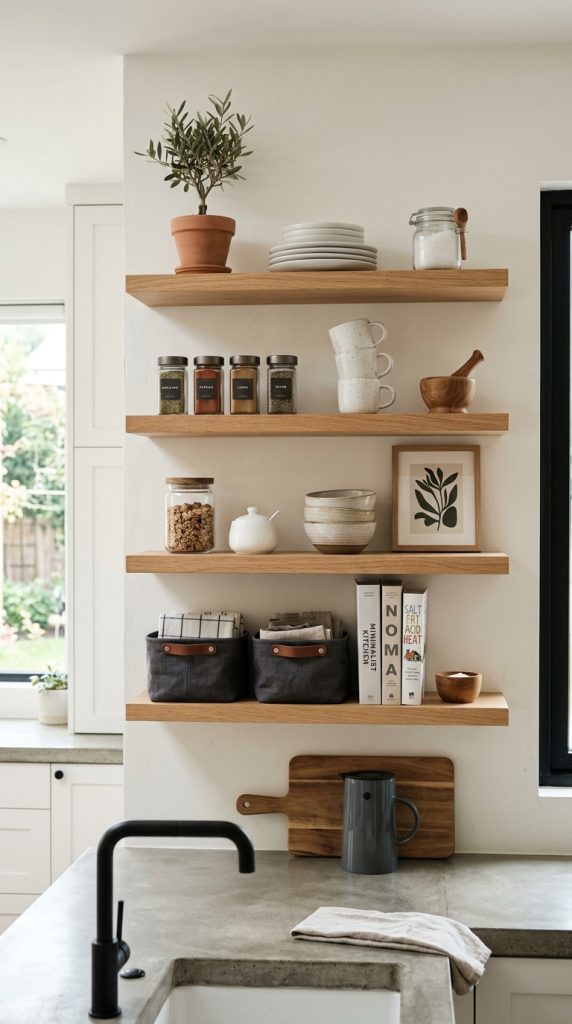
    For Pinterest, focus on a clear visual story: a beautifully made bed, warm lamp, floating shelf, soft rug, natural texture, and uncluttered walls.

    You do not need to spend a large amount of money. Rearranging furniture, decluttering, changing lighting, and adding a few textiles can produce a major transformation.

    The ultimate goal is to make the bedroom feel comfortable without sacrificing functionality.


    14. Create a Nature-Inspired Cozy Bedroom With Sage Green and Botanical Decor

    A nature-inspired bedroom can feel peaceful, fresh, and comforting at the same time. Sage green, olive, eucalyptus, moss, and muted botanical shades are particularly effective because they introduce color without becoming visually overwhelming. When combined with warm neutrals and natural materials, green can transform an ordinary bedroom into a relaxing retreat inspired by the outdoors.
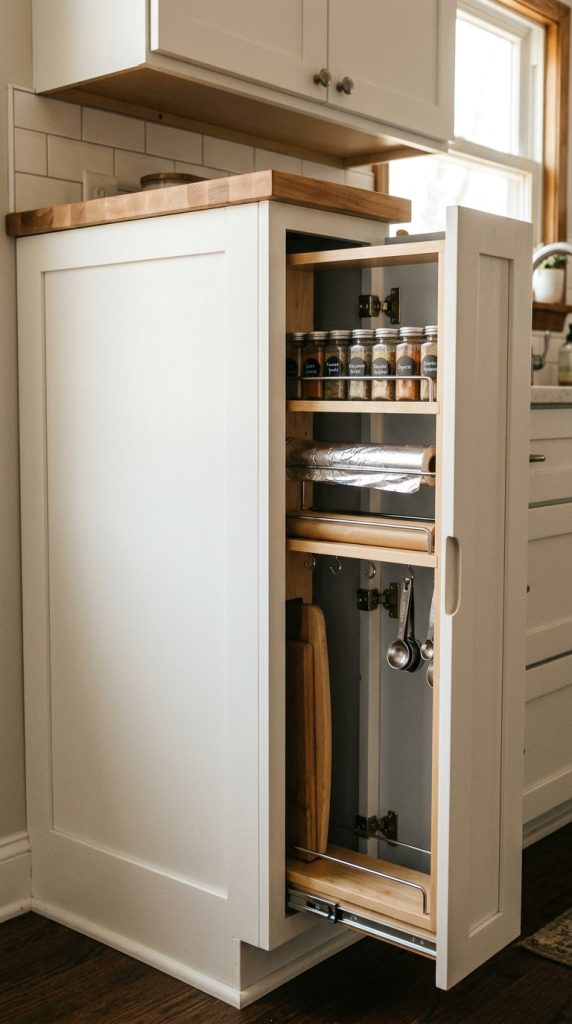
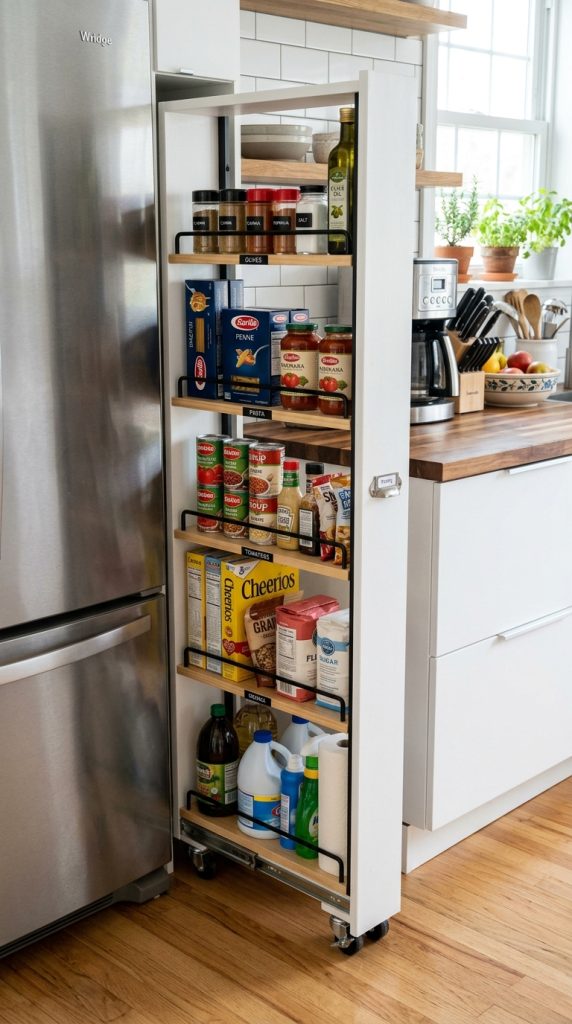
    You can introduce green in several ways depending on how dramatic you want the transformation to be. Painting the wall behind the bed is one of the strongest options. However, if you prefer a temporary or lower-cost update, use green bedding, curtains, cushions, artwork, rugs, or decorative accessories.

    Sage green works beautifully with cream and warm white. Olive green pairs naturally with brown and wood. Deeper forest green can create a dramatic bedroom when combined with ivory bedding and warm lighting.

    Botanical artwork is another easy way to establish the theme. Choose leaf illustrations, pressed-botanical prints, landscape photography, or abstract artwork inspired by natural forms.

    Plants can add another layer of life. Select plants according to the light conditions in your bedroom and your ability to care for them. A large plant can fill an empty corner, while a smaller plant can sit on a dresser or shelf.

    Natural materials strengthen the overall design. Light wood, rattan, wicker, linen, cotton, ceramic, and woven fibers all complement green beautifully.

    Materials and Things You Need

    • Sage, olive, or muted green paint
    • Green bedding
    • Cream or ivory duvet
    • Botanical artwork
    • Indoor plants
    • Ceramic planters
    • Wooden furniture
    • Rattan baskets
    • Linen curtains
    • Woven rug
    • Natural-fiber cushions
    • Warm lighting

    Step-by-Step Decorating Process

    First, select your primary shade of green. Test a small sample before painting a large wall because natural and artificial lighting can change how the color appears.

    Next, choose your neutral base. Cream or warm white bedding works particularly well.

    Introduce natural wood through furniture or smaller accessories.

    Add botanical artwork above the bed, beside a dresser, or on an empty wall.

    Then bring in plants. Use different heights to create a natural composition, but avoid overcrowding the room.

    Add woven storage baskets and linen textiles to increase texture.

    Finally, use warm lighting to bring out the richness of the green in the evening.

    Why This Style Feels So Cozy

    Nature-inspired decor creates a visual connection to organic materials and outdoor environments. Green can add personality without the intensity of brighter colors, while wood and woven textures make the room feel grounded.

    This concept works particularly well with Scandinavian, organic modern, farmhouse, cottage, bohemian, and minimalist interiors.

    For Pinterest, a sage green accent wall combined with cream bedding, natural wood, botanical artwork, and warm lamps creates a highly cohesive visual composition.

    The most important principle is moderation. You do not need green on every surface. Let it act as a supporting color while warm neutrals provide balance.

    You can also adapt the palette throughout the year. Lighter sage and fresh greenery can create a spring-like atmosphere, while deeper olive and warm brown accessories can make the same bedroom feel richer during autumn and winter.


    15. Create a Cozy Hotel-Inspired Bedroom at Home

    A hotel-inspired bedroom combines comfort, simplicity, symmetry, and understated luxury. You do not need a huge budget to recreate the atmosphere of a beautiful boutique hotel. Instead, concentrate on the visual and functional details that make hotel bedrooms feel relaxing: inviting bedding, balanced furniture, soft lighting, quality-looking curtains, uncluttered surfaces, and carefully selected accessories.

    The bed should be the primary focal point. Begin with clean, comfortable sheets and add a duvet or quilt. Cream, ivory, and warm white create a classic hotel appearance, while beige and taupe offer a softer interpretation.

    Layer the bed with a folded throw at the bottom and several pillows. Avoid using so many pillows that the bed becomes difficult to use. The objective is to communicate comfort.

    Symmetry can make the bedroom feel more polished. Matching nightstands and bedside lamps create a balanced composition. You can personalize each side with different books or small accessories while keeping the major elements consistent.

    Curtains are another important detail. Floor-length curtains can make the room appear taller and more sophisticated. Choose neutral fabric that complements the bedding and wall color.

    A bench at the end of the bed can add another luxurious detail. An upholstered bench is especially effective, although a simple wooden bench can create a more natural look.

    Materials and Things You Need

    • Comfortable sheets
    • Cream or ivory duvet
    • Decorative pillows
    • Soft throw blanket
    • Matching nightstands
    • Bedside lamps
    • Floor-length curtains
    • Upholstered or wooden bench
    • Soft area rug
    • Neutral artwork
    • Decorative tray
    • Ceramic vase
    • Mirror
    • Warm lighting

    Step-by-Step Hotel Bedroom Makeover

    Begin by decluttering visible surfaces. Hotel rooms feel relaxing partly because unnecessary objects are kept out of sight.

    Next, make the bed the focal point. Layer the bedding carefully, keeping the colors coordinated.

    Place matching nightstands on both sides of the bed if space allows.

    Add matching lamps to establish visual symmetry.

    Install or hang curtains so they frame the windows from a higher point toward the floor.

    Place a bench at the foot of the bed if the room has sufficient space.

    Add one or two pieces of artwork rather than filling every wall.

    Finish with a rug, small decorative tray, and perhaps a ceramic vase or plant.

    Why Hotel-Inspired Decor Works

    Hotels are designed around comfort and relaxation, which makes their decorating principles particularly suitable for bedrooms. The emphasis on balanced furniture, high-quality-looking textiles, soft lighting, and uncluttered surfaces creates a calm environment.

    You can make the design feel more personal by adding favorite books, photographs, handmade ceramics, or meaningful artwork. This prevents the room from becoming too formal.

    For Pinterest, focus on the bed as the hero element. A beautifully layered cream bed surrounded by matching lamps, warm curtains, and natural accessories creates an elegant image.

    You can also achieve the look gradually. Start with bedding, then improve lighting, curtains, and storage. There is no need to purchase everything simultaneously.

    The final bedroom should feel luxurious but still comfortable enough for everyday life. Avoid sacrificing practicality for appearance.

    The best hotel-inspired bedrooms combine polished styling with genuine comfort, giving you the feeling of a private retreat without leaving home.

    Conclusion

    Creating a cozy bedroom is ultimately about designing a space that feels warm, comfortable, peaceful, and personal. Throughout these cozy bedroom decor ideas, one important principle remains consistent: a beautiful bedroom does not have to be expensive, oversized, or filled with decorations. The most inviting spaces are created through thoughtful choices that combine comfort, functionality, texture, lighting, color, and personality.

    The easiest place to begin is with the bed. Since it is usually the main focal point, layered bedding can immediately change the atmosphere of the entire room.

    Lighting is equally important. Harsh overhead lighting can make even a beautifully decorated bedroom feel cold, while warm bedside lamps, sconces, floor lamps, and subtle accent lighting can create a relaxing evening atmosphere. Instead of relying on one light source, use several layers so the bedroom can feel bright when necessary and calm when it is time to unwind.

    Color also plays a major role in creating the right mood. Warm neutrals such as cream, beige, oatmeal, taupe, and warm white create a timeless foundation, while earthy shades such as sage green, olive, terracotta, brown, and muted rose can add personality. For those who prefer dramatic interiors, deeper shades such as forest green, navy, charcoal, or chocolate brown can create an intimate cocoon-like feeling when balanced with softer textiles and warm illumination.

    Natural materials are another powerful way to bring warmth into the bedroom. Wood furniture, rattan baskets, woven accessories, linen curtains, cotton bedding, ceramic pieces, wool blankets, and plants can make the space feel grounded and connected to nature. These materials are especially effective because they introduce texture without making the room feel overly decorated.

    For small bedrooms, the key is thoughtful organization. A compact room can still feel luxurious when furniture is appropriately scaled and clutter is controlled. Floating nightstands, wall-mounted shelves, storage beds, multifunctional furniture, mirrors, and vertical storage can help preserve valuable floor space. Instead of trying to make a small bedroom look bigger at all costs, embrace its intimate proportions and enhance them with soft textiles, warm lighting, and carefully selected furniture.

    Personal touches are what ultimately turn a decorated bedroom into a meaningful bedroom. Artwork, photographs, favorite books, plants, handmade ceramics, travel memories, and sentimental objects can give the room character. These details do not need to follow a particular trend. In fact, the most memorable interiors often contain objects that tell a story about the person who lives there.

    One of the biggest lessons from these cozy bedroom ideas is that cozy does not mean cluttered. Adding more pillows, blankets, baskets, candles, artwork, and accessories does not automatically make a room more comfortable. Sometimes removing unnecessary objects creates a stronger sense of peace. The goal is to create layers thoughtfully while leaving enough negative space for the room to breathe.

    If you are decorating on a budget, textiles and lighting are excellent places to begin. A new duvet cover, textured throw, affordable rug, warm lamp, and a few coordinated cushions can transform the appearance of a bedroom without replacing major furniture. Renters can focus on portable changes such as curtains, artwork, bedding, rugs, lamps, baskets, and plants. Homeowners can explore more permanent updates such as paint, paneling, built-in storage, or architectural details.

    For a more luxurious bedroom, invest in pieces that you interact with every day. A comfortable mattress, supportive pillows, quality bedding, attractive curtains, practical lighting, and durable furniture can provide more lasting value than simply buying decorative accessories.

    Most importantly, do not feel pressured to copy a particular Pinterest aesthetic exactly. Use inspiration as a starting point and adapt it to your own space, budget, lifestyle, and personality. A cozy Scandinavian bedroom may focus on light wood and minimalism. A rustic bedroom may emphasize natural textures and warm brown tones. A modern bedroom may combine clean furniture with soft fabrics. A romantic bedroom may use flowing curtains, gentle colors, and layered lighting. A moody bedroom may rely on deep walls and warm lamps. All of these approaches can be cozy when comfort remains the priority.

    The perfect cozy bedroom is not necessarily the one that looks the most expensive or receives the most attention online. It is the one that makes you feel relaxed when you enter it. It should give you a sense of calm at the end of a busy day and make your mornings feel comfortable and welcoming.

    So, whether you begin with a simple throw blanket, a new bedside lamp, a soft rug, a sage green accent wall, a canopy, or a complete bedroom refresh, focus on creating an environment that feels authentically yours.

    Layer textures. Choose calming colors. Use warm lighting. Add natural materials. Keep clutter under control. Introduce meaningful details. Prioritize comfort.

    When these elements work together, even the simplest bedroom can become a beautiful personal retreat.

    Your cozy bedroom does not need to be perfect. It simply needs to feel like home.


  • Modern Kitchen Decore Ideas With Small Storage Solution

    Modern Kitchen Decore Ideas With Small Storage Solution

    A modern kitchen does not need to be large, expensive, or filled with custom cabinetry to look beautiful and function efficiently. In fact, one of the most inspiring ways to create a stylish kitchen is to work creatively with limited space. Small kitchens often encourage smarter decorating choices because every cabinet, shelf, drawer, wall, and countertop has to serve a purpose. The best modern kitchen decor combines clean visual lines, practical organization, warm materials, and carefully chosen storage solutions so the room feels open rather than crowded.

    When storage is limited, the goal is not simply to find more places to put things away; it is to create a kitchen where everything has a logical home and where useful items remain easy to reach. This approach can completely change the way a compact kitchen looks and feels. Instead of allowing countertops to become crowded with appliances, containers, utensils, and everyday necessities, you can use vertical space, unused corners, cabinet doors, narrow gaps, drawers, and attractive open shelving to increase storage without sacrificing style. Modern design works particularly well for small kitchens because it favors simplicity, multifunctional furniture, streamlined hardware, neutral colors, and intentional decoration. A few well-selected materials such as light wood, white cabinetry, matte black accents, brushed metal, glass, or natural stone can create an expensive-looking appearance without requiring a complete renovation. The key is to decorate according to the actual needs of the kitchen rather than copying a large kitchen design that may not work in a compact room. Storage baskets can make open shelves look organized, drawer dividers can prevent small utensils from becoming messy, and magnetic organizers can turn an otherwise unused wall into a functional storage zone. Even the area underneath a sink can become surprisingly useful when cleaning products, brushes, and extra supplies are arranged in stackable bins or pull-out organizers. Another important principle is visual balance. Small kitchens can quickly feel overwhelmed when every available surface is decorated, so modern decor should focus on a few beautiful elements rather than dozens of accessories. A decorative cutting board, a small herb garden, a sculptural pendant light, a simple runner, or a carefully arranged shelf can provide personality while keeping the space visually calm.

    Color also has a major impact. Soft whites, warm creams, pale gray, muted green, natural beige, and light wood tones can make a compact kitchen feel brighter and more spacious, while darker accents can add contrast without dominating the room. The following ideas are designed specifically around this combination of modern aesthetics and small-space functionality. Each concept can be adapted to apartments, rental kitchens, narrow kitchens, studio spaces, older homes, or compact family kitchens. You do not need to implement every idea at once. Start by identifying the areas that create the most clutter, then choose storage solutions that address those specific problems. Think of the kitchen as a collection of small zones: food preparation, cooking, cleaning, coffee or beverage preparation, pantry storage, and everyday serving. When each zone has appropriate storage, the entire room becomes easier to maintain. These ideas also prioritize beginner-friendly improvements that can be completed gradually, often without major construction. The result is a modern kitchen that feels organized, welcoming, practical, and Pinterest-worthy while making the most of every available inch.

    1. Create a Minimalit Floating Shelf Storage Wall

    Floating shelves are one of the easiest ways to introduce modern character into a small kitchen while gaining useful storage. Instead of treating shelves as purely decorative features, design them as a combination of display and organization. A blank wall that previously served no practical purpose can become a compact storage station for frequently used kitchenware, spices, cookbooks, mugs, jars, and decorative accessories.

    The modern look comes from keeping the arrangement intentional. Rather than filling every inch of each shelf, leave some breathing room between objects. This prevents the wall from appearing visually heavy. Choose shelves in a finish that complements the existing kitchen. Light oak or natural wood creates warmth against white cabinets, while black shelves can provide a sophisticated contrast. White shelves blend into pale walls and create a nearly built-in appearance.

    What to use

    • Two to four floating shelves
    • Wall anchors appropriate for your wall type
    • Small storage baskets
    • Matching glass jars
    • Neutral-toned containers
    • A few favorite mugs
    • Small decorative bowls
    • One or two plants or herbs
    • Cookbooks
    • A decorative cutting board

    Step-by-step approach

    Begin by choosing a wall that is close to the area where the stored items will be used. For example, shelves near the preparation area are ideal for spices, oils, cutting boards, and cooking ingredients. Shelves near a coffee station can hold mugs, coffee containers, and small accessories.

    Measure the wall carefully before purchasing shelves. In a compact kitchen, proportion matters. Oversized shelves can make the space feel crowded, while shelves that are too short may look disconnected from the surrounding cabinetry.

    Install the shelves at comfortable heights. Frequently used items should be easy to reach, while decorative or less frequently used pieces can occupy the upper shelf.

    Use containers to create visual consistency. If you store flour, sugar, rice, pasta, or coffee on the shelves, transferring them into matching jars instantly gives the kitchen a more polished appearance.

    Finally, style the shelves using a simple rhythm: functional item, decorative item, functional item. This keeps the arrangement useful without making it look like a storage closet.

    The biggest advantage of this idea is flexibility. You can change the contents seasonally, reorganize them as your needs change, or use removable shelving solutions when decorating a rental kitchen. A floating shelf wall can become both a practical storage solution and one of the strongest visual features in a small modern kitchen.

    2. Turn the Side of a Cabinet Into a Hidden Storage Zone

    The side of a kitchen cabinet is frequently overlooked, especially in compact kitchens where every inch matters. If a cabinet sits against an exposed wall or has a visible side panel, that narrow surface can become an excellent location for small storage. This is particularly useful for spices, measuring spoons, cooking utensils, paper towels, or frequently used ingredients.

    The trick is to make the storage look intentional rather than improvised. Modern kitchens benefit from slim organizers with clean lines and minimal visual clutter. A narrow rail system, shallow shelves, adhesive hooks, or a slim vertical rack can transform an unused cabinet side without requiring major renovation.

    Useful materials

    • Slim wall-mounted rack
    • Small metal rail
    • Adhesive hooks
    • Narrow baskets
    • Spice containers
    • Small wooden pegs
    • Measuring spoon hooks
    • Compact paper towel holder
    • Labels
    • Removable mounting strips

    Step-by-step organization

    First, examine the exposed cabinet side and decide what type of items would benefit most from being stored there. Avoid placing bulky objects on this surface. The best candidates are thin or lightweight items.

    If you frequently use spices, install a narrow rack and organize spices alphabetically or according to frequency of use. If cooking utensils are the main problem, a small rail with hooks may work better.

    For renters, removable adhesive organizers can provide a temporary option. Always check the weight limit and the manufacturer’s recommendations before attaching anything.

    Choose a limited color palette. Black metal against a white cabinet creates a crisp modern appearance, while brushed brass can add warmth and sophistication. Natural wood accents can soften a minimalist kitchen.

    Another useful trick is to reserve the lowest section for items that need to be accessed often. Place rarely used ingredients higher up.

    Labels can help maintain order, but avoid excessive labeling. A few consistent labels on matching containers look much more modern than dozens of different stickers.

    This solution is especially valuable because it creates storage without taking away from the countertop or floor area. It can also make cooking more convenient by keeping small essentials close to the work zone.

    For a Pinterest-inspired appearance, photograph the cabinet side as part of the overall kitchen rather than making it look like a separate storage station. When colors, materials, and containers coordinate with the rest of the kitchen, even this tiny organizational area can contribute to the room’s overall decor.

    3. Design a Slim Rolling Pantry for Narrow Spaces

    A narrow gap between appliances or cabinets can become one of the most useful storage areas in a small kitchen. Instead of allowing the space to remain empty, consider adding a slim rolling pantry. These compact units are designed to slide into narrow gaps and provide several levels of vertical storage.

    This is particularly useful for dry goods, spices, bottles, canned foods, baking ingredients, and cleaning supplies. Because the pantry can roll outward, items at the back become much easier to reach than they would be in a deep cabinet.

    Materials and supplies

    • Slim rolling pantry
    • Measuring tape
    • Storage bins
    • Small labels
    • Matching food containers
    • Non-slip shelf liner
    • Optional dividers
    • Small baskets

    How to create the storage zone

    Start by measuring the gap at its narrowest point. Do not assume that a space that looks wide enough will accommodate a storage unit. Measure the width, depth, and available height carefully.

    Once you have selected a suitable rolling unit, decide how each level will be used. The lower shelf can hold heavier cans or bottles. Middle shelves are useful for frequently used pantry items. Upper shelves can store lighter ingredients.

    Avoid putting too many items on the shelves. The purpose of a rolling pantry is accessibility, not simply maximizing capacity.

    Group similar items together. For example, dedicate one shelf to baking supplies, another to sauces and condiments, and another to packaged foods.

    Use bins for small packages. This prevents individual packets from falling behind the pantry or becoming difficult to find.

    For a more modern appearance, choose a pantry with a simple frame and neutral-colored containers. If the unit is visible when pulled out, consistency matters.

    One of the most important benefits is that a rolling pantry can eliminate the need to overcrowd existing cabinets. It creates additional vertical storage while occupying very little floor space.

    This idea works especially well in apartments and narrow galley kitchens. It can also be adapted for cleaning supplies if the location is close to the sink. Just keep food storage and cleaning chemicals separated.

    A slim pantry is more than an organization trick; it changes the way you think about unused space. A gap that once looked too narrow to matter can become a valuable storage zone, making a small kitchen feel considerably more functional.

    4. Build a Compact Coffee Station With Vertical Storage

    A small coffee station can make a modern kitchen feel personalized while organizing one of the most commonly cluttered areas. Coffee makers, mugs, coffee bags, sweeteners, filters, spoons, and syrups can quickly consume valuable counter space. The solution is to create a compact beverage station that combines countertop function with vertical organization.

    The goal is to make the station visually attractive enough to feel like decor while ensuring that everything needed for coffee preparation has a dedicated location.

    Things to include

    • Compact coffee machine
    • Two or three favorite mugs
    • Small mug hooks
    • Coffee canister
    • Sugar container
    • Small tray
    • Narrow shelf
    • Coffee scoop
    • Decorative jar
    • Small plant
    • Optional drawer organizer

    Step-by-step setup

    Choose a corner of the countertop that is already close to an electrical outlet. Keep the coffee machine as the primary focal point.

    Place the machine on a small tray if you want the station to look more organized. A wooden tray adds warmth, while a stone or ceramic tray creates a cleaner contemporary look.

    Install a small shelf above the station if wall space allows. Store coffee beans, mugs, or decorative pieces there.

    Hooks underneath the shelf can hold mugs, freeing valuable cabinet space. Choose mugs that coordinate with the kitchen rather than displaying every mug you own.

    Use one attractive container for coffee and another for sugar or sweetener. This reduces the number of branded packages visible on the counter.

    Keep only daily essentials in this area. Extra filters, backup coffee bags, and rarely used accessories should be stored elsewhere.

    For a particularly small kitchen, choose a vertical arrangement. The machine occupies the lower level, mugs hang above it, and coffee supplies sit on the upper shelf.

    This setup creates a mini destination within the kitchen. It is both functional and visually appealing, which makes it especially suitable for Pinterest-style home organization content.

    The most important principle is restraint. A coffee station should not become another cluttered countertop. Limit the displayed items to those you actually use and a few decorative accents.

    With thoughtful organization, even a tiny corner can become a beautiful morning routine station while simultaneously freeing cabinet and countertop space.

    5. Use the Inside of Cabinet Doors for Extra Organization

    Cabinet doors provide hidden storage that is often completely ignored. Because the storage remains behind the closed door, it is particularly effective for small kitchens where maintaining clean visual lines is important.

    The inside of a cabinet door can hold measuring cups, pot lids, spices, cutting boards, cleaning brushes, food wraps, or small kitchen tools. The best choice depends on the cabinet and what is already stored inside it.

    Storage materials

    • Over-the-door organizer
    • Adhesive hooks
    • Slim wire rack
    • Small clips
    • Measuring cup hooks
    • Spice pockets
    • Removable adhesive strips
    • Labels
    • Small bins

    How to organize it

    Begin with one cabinet rather than trying to modify every door. Empty the cabinet and identify the items that create the most frustration.

    For example, if measuring cups are constantly buried in drawers, attach small hooks to the inside of the cabinet door and hang them there.

    If you are organizing food wrap, use a slim holder designed for the cabinet door. Make sure the door can close completely before adding more items.

    For cleaning supplies, an under-sink cabinet door is often ideal. Small brushes, sponges, gloves, and cloths can be stored in narrow holders.

    Do not overload the door. Excess weight can affect hinges and make the cabinet difficult to operate.

    The visual advantage of this solution is that the kitchen remains uncluttered when the cabinets are closed. Everything disappears behind a clean cabinet facade.

    For renters, removable hooks and adhesive organizers can provide a less permanent option, although the surface should always be tested according to the product instructions.

    This storage strategy is particularly useful for small objects because it takes advantage of vertical space that would otherwise remain unused.

    A modern kitchen should not only look organized from the outside. It should also work efficiently when you open the cabinets. Interior door storage makes everyday tasks easier because small tools can be placed exactly where they are needed.

    Once you discover how much space is available inside cabinet doors, you may find that you need fewer bulky countertop organizers.

    6. Create a Modern Pegboard Kitchen Organization Wall

    A pegboard can turn a blank kitchen wall into a flexible storage and decor feature. Although pegboards were traditionally associated with workshops and utility rooms, modern versions can look surprisingly sophisticated when styled thoughtfully.

    The greatest advantage is flexibility. Hooks, shelves, baskets, and holders can be moved whenever your storage needs change.

    What you need

    • Kitchen-safe pegboard
    • Mounting hardware
    • Hooks
    • Small shelves
    • Wire baskets
    • Wooden pegs
    • Measuring tape
    • Level
    • Lightweight kitchen tools
    • Optional framed artwork

    Step-by-step method

    Choose a wall that is close to your cooking or preparation area. Avoid placing the pegboard somewhere that will interfere with cabinet doors or walking paths.

    Measure the wall before choosing the board. A compact rectangular board is often better for a small kitchen than a large full-wall installation.

    Install the board securely according to the manufacturer’s instructions. Once mounted, begin with the items you use most frequently.

    Hang wooden spoons, spatulas, whisks, measuring tools, scissors, and lightweight pans where appropriate.

    Add one or two small shelves for jars or decorative objects.

    The secret to making a pegboard look modern is repetition. Use hooks and accessories in a consistent finish. Black hardware creates a dramatic modern appearance, while natural wood accessories create a softer Scandinavian-inspired effect.

    Do not fill every hole. Negative space helps the display look intentional.

    You can also combine practical storage with decorative elements. A small plant, framed print, or attractive cutting board can break up the collection of tools.

    The layout should reflect how you cook. Place frequently used utensils near the center or lower section, while occasional tools can occupy higher areas.

    A pegboard also works well for small kitchens because it shifts storage from horizontal surfaces to vertical ones. Instead of covering the counter with utensil holders, you can move many of those items onto the wall.

    This idea is especially appealing for Pinterest because the transformation is easy to demonstrate visually: a blank wall becomes an organized, attractive kitchen command center.

    7. Add a Built-In-Looking Bench With Hidden Storage

    If your kitchen includes a small dining corner, breakfast nook, or unused wall area, a storage bench can provide both seating and hidden organization. This is an excellent solution for kitchens that need additional storage but do not have room for another cabinet.

    A bench can store table linens, small appliances, serving dishes, cookware, or pantry backups. The outside should remain simple so that it blends naturally with the kitchen decor.

    Materials to consider

    • Compact storage bench
    • Removable seat cushion
    • Neutral fabric
    • Storage baskets
    • Decorative pillows
    • Hinged or lift-up seat
    • Small dining table
    • Wall art
    • Optional floating shelf

    Creating the space

    First, identify whether your kitchen actually has enough clearance for a bench. Measure the area carefully, including the distance required for people to sit and move around the table.

    Choose a bench with internal storage or use baskets underneath an open design.

    If the bench has a lift-up seat, divide the interior into categories. For example, one section can store table linens, while another can hold serving pieces.

    Use fabric in a neutral color to maintain a modern appearance. Cream, beige, soft gray, or muted green can work beautifully with contemporary kitchens.

    Avoid oversized cushions or too many pillows because they can make a compact area feel crowded.

    A narrow floating shelf above the bench can provide additional vertical storage or display space. However, keep the shelf lightly decorated.

    The combination of seating and storage is particularly valuable because one piece of furniture performs two functions.

    For very small homes, this principle is essential. Instead of asking where to add another storage unit, ask whether existing furniture can perform a second job.

    A storage bench can also visually anchor a dining nook, making the kitchen feel more finished and intentional.

    When styled with a simple table, warm lighting, and one or two decorative elements, the area becomes more than a storage solution. It becomes a cozy feature that adds personality without consuming unnecessary space.

    8. Organize the Under-Sink Area With Pull-Out Storage

    The space underneath the kitchen sink is usually one of the most difficult areas to keep organized. Plumbing pipes create awkward shapes, cleaning products become scattered, and small items can disappear into dark corners.

    A modern small kitchen benefits from treating this cabinet as a dedicated utility zone rather than allowing it to become a miscellaneous storage area.

    Storage supplies

    • Pull-out organizer
    • Stackable bins
    • Small cleaning caddy
    • Microfiber cloths
    • Reusable gloves
    • Brush holder
    • Trash-bag dispenser
    • Labels
    • Shelf liner
    • Small hooks

    Step-by-step organization

    Empty the entire cabinet first. Discard empty containers and move unrelated items elsewhere.

    Measure around the plumbing pipes before purchasing an organizer. A standard rectangular bin may not fit around the pipes, so adjustable or narrow designs can be more effective.

    Create categories. Keep dishwashing supplies together, cleaning cloths together, and backup products together.

    A pull-out organizer is especially helpful because it brings items toward you instead of forcing you to reach into the back of the cabinet.

    Use a small caddy for products that you regularly move around the kitchen. This allows you to carry several items at once.

    Attach lightweight hooks to the cabinet wall or door for gloves and brushes if appropriate.

    Use a shelf liner to make cleaning spills easier.

    Avoid storing too many products. Under-sink cabinets become difficult to maintain when they are filled beyond capacity.

    The modern design principle here is hidden simplicity. Nothing needs to be displayed because the entire storage system is concealed behind the cabinet door.

    Once organized, the under-sink area becomes much easier to clean and maintain.

    This idea is especially useful for beginners because it does not require changing the appearance of the kitchen. You are simply improving an existing storage area.

    It can also inspire a broader decluttering strategy: instead of purchasing more containers immediately, first remove items you no longer use. Better organization often comes from owning fewer unnecessary items rather than adding more storage products.

    9. Install a Magnetic Storage System for Small Kitchen Tools

    Magnetic storage can be a smart solution when drawers and cabinets are already full. A magnetic strip or magnetic organizer can hold lightweight metal kitchen tools while keeping them visible and accessible.

    The concept works particularly well in modern kitchens because the storage system can have a sleek, minimalist appearance.

    Items you may use

    • Magnetic kitchen strip
    • Strong mounting hardware
    • Metal measuring spoons
    • Small metal utensils
    • Kitchen scissors
    • Lightweight tools
    • Magnetic containers
    • Spice tins
    • Labels
    • Optional small hooks

    How to make it work

    Choose a wall section that is close to the preparation area but does not interfere with cooking or movement.

    Before installing anything, check the manufacturer’s recommended weight capacity and make sure the mounting method is suitable for your wall.

    Start with a few lightweight tools rather than hanging everything immediately.

    Arrange the tools according to frequency of use. Your everyday utensils should be easiest to reach.

    Magnetic spice containers can also be useful if they are designed specifically for kitchen use. They can turn an unused vertical surface into a compact spice display.

    To preserve the modern appearance, avoid mixing too many finishes. A single metal finish often looks more cohesive.

    The system should remain visually balanced. If one side of the strip is overloaded while the other is empty, redistribute the tools.

    Magnetic storage is particularly valuable in kitchens with limited drawer space. It moves selected items onto the wall without requiring additional cabinetry.

    However, safety should remain the priority. Avoid placing sharp or heavy objects where they could fall into food preparation areas or be reached accidentally by children.

    The beauty of this approach is that it combines function and decoration. Carefully arranged kitchen tools can create a subtle professional-kitchen aesthetic.

    For Pinterest content, this concept also has strong organizational appeal because it demonstrates a simple transformation from cluttered drawers to accessible vertical storage.

    Used selectively, magnetic storage can make a small kitchen feel more spacious because it reduces the number of objects competing for countertop and drawer space.

    10. Create a Multi-Functional Countertop Storage Station

    The final idea for Part 1 is to create a compact countertop station that combines several functions in one carefully organized area. This is particularly effective for kitchens where there is not enough room for separate coffee stations, cooking organizers, fruit storage, and decorative displays.

    Instead of placing individual containers across the entire countertop, group related items onto one attractive tray or compact organizer.

    Things to include

    • Large decorative tray
    • Small utensil container
    • Oil and vinegar bottles
    • Salt and pepper
    • Small cutting board
    • Fruit bowl
    • Compact canisters
    • Herb pot
    • Small decorative object
    • Optional tiered organizer

    Step-by-step setup

    Choose one countertop section to become your organized station. The first step is removing everything from the area.

    Only return items that you use regularly.

    Place a tray underneath related products. For example, cooking oils, salt, pepper, and everyday seasonings can sit together.

    If countertop space is extremely limited, use a tiered organizer. The upper level can hold smaller containers while the lower level stores larger bottles.

    Keep the tallest items toward the back and shorter items toward the front. This creates a cleaner visual hierarchy.

    Add one decorative feature such as a small herb plant, ceramic container, or wooden utensil holder.

    Avoid filling the station simply because space is available. Empty space is part of modern kitchen decor.

    The countertop should remain usable for food preparation. If your station takes over the entire work surface, it has become counterproductive.

    A unified station can also create a visual focal point. Instead of having random objects scattered around the kitchen, the eye sees one deliberate arrangement.

    Choose materials that complement the rest of your kitchen. Wood, ceramic, glass, stainless steel, and matte finishes can all work together when used thoughtfully.

    This approach is particularly beginner-friendly because it requires no permanent installation. You can experiment with the layout, change the containers, or move the station whenever your needs change.

    The larger lesson is that small kitchens benefit from grouping rather than scattering. When similar items live together, the kitchen becomes easier to use and easier to clean.

    A thoughtfully designed countertop station can therefore serve as both a storage solution and a decorative element, helping a compact kitchen feel polished without making it feel overdecorated.

    11. Use Vertical Cabinet Extensions for Extra Kitchen Storage

    When a small kitchen feels short on storage, the first instinct is often to add another cabinet or purchase a larger storage unit. Before doing that, look upward. The vertical space above existing cabinets can become surprisingly useful when it is designed intentionally. In many kitchens, the area between the top of the cabinets and the ceiling is either completely empty or used to collect decorative objects that are difficult to clean. Turning part of this vertical area into organized storage can increase capacity without taking away valuable floor or countertop space.

    This idea works particularly well for items that are used occasionally, such as serving platters, seasonal dishes, extra baking supplies, large bowls, picnic accessories, or entertaining pieces. The key is to avoid storing everyday essentials in places that require a step stool.

    Materials and things to use

    • Stackable storage boxes
    • Lidded baskets
    • Uniform woven baskets
    • Clear containers
    • Lightweight risers
    • Labels
    • Small step stool
    • Cabinet-top shelving
    • Decorative storage boxes
    • Non-slip shelf liner

    Step-by-step setup

    Begin by measuring the empty space above your cabinets. Pay attention to both height and depth. If the area is dusty, clean it thoroughly before adding storage.

    Choose containers that have a consistent appearance. Matching baskets create a cleaner modern look than a collection of unrelated cardboard boxes. If you prefer to see what is inside, clear containers can be practical, but use them selectively because too many visible containers can make the kitchen look busy.

    Group items according to how often they are used. Seasonal serving dishes can go toward the back, while larger backup supplies can stay in accessible positions.

    If your cabinets do not extend all the way to the ceiling, consider a lightweight shelving extension or cabinet-top organizer. Make sure anything installed is securely supported and appropriate for the structure.

    For a polished appearance, do not fill the entire area with storage. Leave enough visual space for the kitchen to feel intentional.

    A simple row of matching baskets can actually become a decorative feature. Choose warm beige, natural fiber, white, or a color that complements your cabinets.

    This idea is especially helpful in kitchens with limited cabinet capacity because it creates storage without changing the existing layout. It also encourages a useful habit: storing occasional items higher while keeping everyday tools at comfortable reach.

    For safety, avoid storing heavy glassware or unstable objects overhead. Lightweight, infrequently used items are the better choice.

    The result is a kitchen that uses its full vertical footprint while maintaining the clean, uncluttered appearance associated with modern design.

    12. Transform an Empty Corner Into a Slim Kitchen Storage Tower

    Corners are among the most underused areas in compact kitchens. A corner may be too narrow for a standard cabinet but still large enough for a slim vertical storage tower. Instead of allowing this awkward space to remain empty, turn it into a dedicated zone for pantry goods, appliances, cookbooks, serving dishes, or decorative kitchen accessories.

    A narrow tower is especially useful because it takes advantage of height rather than width. This makes it appropriate for apartments, galley kitchens, narrow kitchens, and open-plan spaces where floor space is limited.

    Things and materials to consider

    • Slim vertical shelving unit
    • Narrow cabinet
    • Adjustable shelves
    • Storage baskets
    • Clear food containers
    • Decorative jars
    • Cookbooks
    • Small appliance storage
    • Labels
    • Non-slip shelf liners

    Step-by-step organization

    Start by identifying exactly what the corner should store. Avoid buying a tower before deciding its purpose. If the main problem is pantry overflow, use adjustable shelves and containers. If appliances are taking over the counter, choose deeper shelves that can accommodate them.

    Measure the corner carefully. Check the distance from nearby doors, drawers, appliances, and walkways. A storage tower should improve the kitchen rather than create an obstruction.

    Choose a design that matches your existing cabinetry. A white tower can visually disappear into a light kitchen, while natural wood can create warmth. Black shelving provides stronger contrast and can work particularly well with modern industrial decor.

    Keep heavy objects on lower shelves. Middle shelves can hold frequently used items, while decorative pieces and occasional-use items can occupy the top.

    Use baskets to group small packages. Without containers, a narrow tower can quickly become visually chaotic.

    For open shelving, limit the color palette. Neutral containers, wooden accessories, and a few ceramic pieces can make the unit feel like part of the kitchen design.

    If you prefer a cleaner appearance, choose a cabinet with doors. Closed storage is especially helpful if the items being stored are visually mismatched.

    One useful strategy is to create a “backup zone.” Store extra paper products, unopened pantry staples, specialty cooking ingredients, or serving supplies in the tower rather than spreading them throughout the kitchen.

    This creates a practical storage system while keeping the main cabinets dedicated to everyday items.

    A narrow storage tower proves that a difficult corner does not necessarily need to be remodeled. With careful measurements and thoughtful organization, even a small unused section of the kitchen can become an attractive and hardworking storage feature.

    13. Add Drawer Dividers for a Calm, Organized Kitchen

    Drawers are excellent storage spaces, but without internal organization they can become one of the biggest sources of hidden clutter. Utensils overlap, measuring spoons disappear, gadgets become difficult to identify, and every time you open a drawer you have to search for what you need.

    Modern kitchen organization works best when drawers are divided into small functional zones. Drawer dividers are simple, affordable, and beginner-friendly because they do not require construction or major changes to the kitchen.

    Useful materials

    • Adjustable drawer dividers
    • Bamboo organizers
    • Expandable trays
    • Small containers
    • Utensil separators
    • Labels
    • Non-slip liner
    • Measuring tape
    • Small kitchen bins

    Step-by-step drawer organization

    Remove everything from one drawer at a time. Do not attempt to organize every drawer simultaneously.

    Sort the contents into categories such as cooking utensils, measuring tools, serving utensils, gadgets, or miscellaneous items.

    Discard duplicates and relocate objects that do not belong in that drawer.

    Measure the drawer interior, including its height. This prevents you from buying an organizer that prevents the drawer from closing.

    Choose adjustable dividers when possible. They allow you to customize compartments around your actual utensils rather than forcing your items into fixed spaces.

    Place frequently used tools toward the front. Less frequently used items can go toward the back.

    Use narrow sections for measuring spoons and small utensils. Larger compartments can hold spatulas, tongs, or whisks.

    For a modern appearance, bamboo or neutral-colored organizers can add warmth. Clear organizers are practical but can create a more utilitarian appearance.

    Avoid creating too many tiny compartments. The purpose of organization is to make items easier to find, not to make the drawer complicated.

    Once the drawer is organized, test it for several days. If you constantly return an item to the wrong compartment, the layout may need to change.

    This system can make a surprisingly large difference in a small kitchen because efficient drawers reduce the need for additional countertop storage. When utensils have defined homes, you are less likely to leave them scattered around the cooking area.

    Drawer organization also makes cleaning easier. Instead of removing an entire collection of loose tools, you can lift an organizer or clean one designated compartment.

    For Pinterest-worthy results, focus on consistency. Matching organizers, clean lines, and carefully grouped utensils create the satisfying visual order that makes small-space organization content especially appealing.

    14. Create a Hidden Appliance Garage to Free Counter Space

    Small appliances can consume a huge amount of countertop space. Toasters, blenders, coffee equipment, food processors, and mixers are useful, but when they remain permanently visible, even a well-decorated kitchen can feel crowded.

    An appliance garage provides a solution by giving frequently used appliances a dedicated concealed home. It can be created inside an existing cabinet, beneath a counter, or within a specially designed storage section.

    Materials and items

    • Appliance cabinet or storage compartment
    • Roll-up door or lift-up door
    • Electrical outlet
    • Cable clips
    • Non-slip mat
    • Small appliance
    • Adjustable shelf
    • Compact storage basket

    How to create the zone

    Begin by identifying the appliances that you use often enough to justify countertop access but do not want permanently displayed.

    Measure the appliance dimensions, including its cord and any parts that need to remain attached.

    Choose a cabinet or compartment with sufficient ventilation and clearance. Electrical appliances should be stored and operated according to their safety instructions. Do not modify electrical wiring unless the work is performed by an appropriately qualified professional.

    Use cable clips to prevent cords from becoming tangled.

    A non-slip mat can help protect the surface and keep smaller appliances stable.

    If your kitchen already has a deep cabinet, consider dedicating one section to appliances. Place the heaviest appliance on the bottom and lighter equipment above.

    For a truly modern appearance, use a door that matches the cabinetry. When closed, the appliance disappears completely.

    If you are planning a kitchen renovation, an appliance garage can be incorporated directly into the cabinetry design. For a rental or budget makeover, a freestanding cabinet or carefully selected countertop organizer may achieve a similar result.

    The important principle is accessibility. Hidden storage is only useful if retrieving the appliance does not become frustrating. Frequently used items should remain easy to access.

    A compact appliance garage can dramatically improve the visual appearance of a small kitchen. Once several bulky appliances disappear behind a cabinet front, the countertop immediately looks larger.

    This is also a good example of modern design thinking: rather than eliminating useful appliances, design the storage system around them.

    The kitchen remains practical while maintaining a cleaner appearance. With fewer objects visible, decorative elements such as a plant, pendant light, backsplash, or carefully styled tray have more visual impact.

    15. Turn the Kitchen Backsplash Into a Functional Storage Area

    A backsplash does not have to be purely decorative. In a small kitchen, the wall between the countertop and upper cabinets can become valuable vertical storage when accessories are selected carefully.

    Instead of covering the backsplash with hooks and organizers everywhere, create a small functional section. A slim rail can hold cooking utensils, small shelves can display spices, or magnetic containers can keep frequently used ingredients accessible.

    Materials to consider

    • Slim kitchen rail
    • Small hooks
    • Magnetic containers
    • Narrow spice shelves
    • Lightweight baskets
    • Measuring spoons
    • Cooking utensils
    • Small herb containers
    • Wall-safe mounting hardware

    Step-by-step approach

    First, identify what is currently taking up too much drawer or countertop space. Those items should become the priority for backsplash storage.

    A cooking rail can hold a few everyday utensils such as a whisk, spatula, or ladle. Avoid hanging too many objects because the backsplash can quickly become visually overwhelming.

    If spices are the main problem, install a shallow rack. Keep frequently used spices near the cooking zone.

    Magnetic containers can provide another streamlined option. Choose matching containers if you want the system to look like part of the decor.

    Consider the existing backsplash material before drilling. Tile, stone, glass, and painted surfaces may require different installation approaches. For rental kitchens, removable solutions may be preferable.

    Keep objects away from direct heat sources and follow product installation instructions.

    The visual secret is restraint. A modern backsplash storage system should look curated rather than crowded.

    For example, a short black rail with five carefully selected wooden utensils can create a sophisticated contrast against a light backsplash. A narrow brass shelf with matching spice jars can create a warmer appearance.

    This approach also makes cooking easier because frequently used tools remain within reach.

    One advantage of backsplash storage is that it preserves cabinet and drawer capacity for other categories. You are effectively creating a new storage layer without adding furniture.

    However, remember that the backsplash is exposed to cooking splashes. Items stored there should be easy to clean, and delicate decorative objects should be positioned away from areas where grease or water is likely to reach them.

    When designed thoughtfully, the backsplash can become one of the most functional and visually interesting surfaces in a small modern kitchen.

    16. Use Tiered Organizers Inside Deep Cabinets

    Deep cabinets often look spacious but can actually waste storage because items disappear behind one another. You may have enough cabinet volume but still struggle to find what you need.

    Tiered organizers solve this problem by creating multiple visual levels. Instead of placing cans, jars, sauces, or containers in one flat row, you can raise items toward the back so everything remains visible.

    Things to use

    • Tiered shelf risers
    • Expandable cabinet organizers
    • Can organizers
    • Lazy Susan
    • Clear bins
    • Small baskets
    • Shelf liner
    • Labels
    • Measuring tape

    Step-by-step method

    Remove everything from the cabinet before organizing it. Group similar products together.

    Measure the cabinet’s width, depth, and height. Pay special attention to the distance between shelves.

    Choose a tiered organizer appropriate for the cabinet category. A stepped riser works well for cans and jars, while a rotating organizer can be useful for bottles and condiments.

    Place the most frequently used products toward the front or on the most accessible level.

    Keep heavier products on stable surfaces.

    If using bins, choose containers that can be pulled out easily. A bin can function as a drawer within a cabinet, allowing you to access multiple small items at once.

    Use labels when several categories look similar.

    Avoid overfilling the cabinet. You should be able to remove one item without knocking over several others.

    For a modern aesthetic, neutral baskets and clear containers can create visual consistency. However, there is no need to transfer every food item into decorative containers. Focus on the categories that genuinely benefit from containerization.

    A tiered system is particularly effective for small kitchens because it improves the storage capacity you already have. You may discover that you do not actually need additional cabinetry; you simply needed to use the existing space more efficiently.

    This is an important distinction when decorating a compact kitchen. Buying more storage products without fixing the underlying organization can make the kitchen feel even more crowded.

    Start with cabinet efficiency before purchasing additional furniture.

    Once the cabinet is arranged in levels, everything becomes easier to see. The kitchen feels more organized because visual clutter is reduced inside the cabinets as well as outside them.

    17. Add a Fold-Down Preparation Table or Counter Extension

    A small kitchen sometimes has enough storage but not enough working surface. When countertop space is limited, a fold-down table or counter extension can provide additional preparation space only when needed.

    This multifunctional approach is ideal for compact apartments, narrow kitchens, and homes where a permanent island would make the room difficult to navigate.

    Materials and items

    • Wall-mounted folding table
    • Folding countertop
    • Strong brackets
    • Wall anchors
    • Measuring tape
    • Level
    • Cutting board
    • Optional stools
    • Compact storage basket

    How to use the idea

    Start by identifying a wall with enough clearance for the table to fold down without blocking a doorway or walkway.

    Measure the available width and depth. A narrow surface may be enough for food preparation, baking, or placing small appliances temporarily.

    Choose hardware appropriate for the wall structure and intended load. If installation involves structural or electrical considerations, use qualified professional assistance.

    When the table is folded up, it should occupy minimal visual space. When folded down, it becomes a temporary work surface.

    For an especially cohesive appearance, select a finish that matches the countertop or cabinetry. Natural wood can add warmth to a neutral kitchen, while a white surface can visually disappear against the wall.

    The area underneath the folded table can sometimes accommodate hooks or a slim storage rail, provided it does not interfere with the table’s operation.

    If you need occasional seating, a pair of folding stools can turn the surface into a compact breakfast area. Store the stools vertically or in a nearby closet when not in use.

    The biggest advantage is multifunctionality. One wall feature can function as a preparation surface, breakfast table, baking station, work area, or temporary serving counter.

    This makes it particularly valuable in a small kitchen where every permanent piece of furniture has a significant impact on movement.

    Keep the surface relatively uncluttered so that it is ready to use. Decorative objects can be placed nearby rather than permanently occupying the fold-down surface.

    A fold-down table is an excellent example of modern small-space design because it responds to the changing needs of the room. Instead of demanding more square footage, it allows the existing space to perform multiple functions throughout the day.

    18. Create a Compact Pantry With Matching Containers

    A small pantry does not need to be a dedicated room. Even one cabinet, narrow shelf, or section of a kitchen wall can become a highly functional pantry when the contents are categorized and stored vertically.

    Matching containers are particularly helpful because they create visual order. They also make it easier to see how much of an ingredient remains, although food should always be stored according to appropriate food-safety recommendations.

    Pantry materials

    • Airtight food containers where appropriate
    • Stackable bins
    • Labels
    • Shelf risers
    • Narrow baskets
    • Can organizers
    • Lazy Susan
    • Measuring scoop
    • Small jars
    • Inventory list

    Step-by-step pantry setup

    Begin by removing everything and checking expiration dates. Group ingredients by category rather than randomly returning them to the cabinet.

    Possible categories include grains, pasta, baking ingredients, snacks, breakfast foods, canned goods, sauces, and cooking essentials.

    Use stackable containers where they genuinely improve space efficiency. Tall containers can make better use of vertical height.

    Place heavier items lower and frequently used ingredients at comfortable eye level.

    Use small baskets for loose packets and snack items. A basket prevents small packages from spreading across an entire shelf.

    A lazy Susan can be useful for bottles or jars that would otherwise hide behind one another.

    Labels should be simple and consistent. Use the same style across the pantry rather than creating a collection of different fonts and colors.

    Do not transfer foods into containers merely for aesthetic reasons if doing so makes expiration information, allergens, or preparation instructions harder to identify. Keep original packaging or relevant information accessible as needed.

    The modern appearance comes from repetition: similar containers, coordinated labels, and clear categories.

    A compact pantry also reduces food waste because ingredients are easier to see. When you know what you already have, you are less likely to purchase duplicates.

    For Pinterest-inspired styling, place the most attractive containers and baskets in visible sections while keeping less visually appealing backup supplies in closed storage.

    The pantry should ultimately support your daily routine. If an organizational system looks beautiful but takes too much effort to maintain, simplify it.

    The best small-kitchen pantry is one that remains organized after several weeks of real cooking.

    19. Use a Narrow Utility Cart as Flexible Kitchen Storage

    A narrow rolling cart can provide storage without requiring permanent installation. Because it can move, the cart can serve different purposes depending on what the kitchen needs.

    It can become a coffee cart, baking station, vegetable storage unit, beverage station, pantry overflow area, or appliance cart.

    Useful items

    • Slim rolling cart
    • Storage baskets
    • Small jars
    • Hooks
    • Canisters
    • Wooden tray
    • Kitchen towels
    • Small plants
    • Appliance
    • Labels
    • Non-slip liner

    How to style and organize it

    Choose a cart that is narrow enough to fit comfortably into your kitchen. Measure the space before buying.

    Decide on one primary purpose. A cart that stores everything eventually becomes cluttered.

    For a coffee cart, place the coffee machine or coffee supplies on the top level, mugs on the middle shelf, and backup supplies below.

    For a baking cart, store mixing bowls, baking trays, flour containers, measuring tools, and accessories together.

    Use baskets to hide small miscellaneous items.

    Keep the top surface attractive but functional. A wooden tray can group items together and prevent the cart from appearing scattered.

    Wheels make the cart flexible, but that does not mean it should constantly move. Ideally, it should have a dedicated parking location.

    If the kitchen is very small, choose a cart that can slide beneath a counter or fit beside a refrigerator when not needed.

    The cart can also be useful during entertaining. Move it near a dining area and use it as a temporary serving station.

    This makes it an excellent example of multifunctional furniture. Instead of buying separate storage pieces for different purposes, one compact unit can adapt to changing needs.

    For a modern look, choose clean lines and a restrained material palette. Black metal with wood shelves works well in contemporary spaces. White metal can blend into a light kitchen, while natural wood creates a warmer appearance.

    A narrow cart is also a budget-friendly option because it can be added without modifying cabinets or walls.

    The key is disciplined organization. Give each shelf a clear role and avoid allowing unrelated items to accumulate.

    When used intentionally, a rolling cart can increase storage, improve flexibility, and add personality to a small kitchen without making the room feel permanently crowded.

    20. Combine Modern Decor With Hidden Multifunctional Storage

    The most effective small-kitchen design does not treat decoration and organization as separate tasks. Instead, the two should work together. The final idea is to create a kitchen where decorative elements also provide storage or practical function.

    A wooden cutting board can lean against the backsplash while remaining ready for food preparation. Attractive ceramic containers can store everyday ingredients. A bench can provide seating and hidden storage. A decorative tray can organize cooking oils. A floating shelf can display dishes while holding frequently used kitchenware.

    This approach is particularly valuable when square footage is limited because every object earns its place.

    Materials and things to incorporate

    • Decorative storage baskets
    • Wooden cutting boards
    • Ceramic canisters
    • Glass jars
    • Floating shelves
    • Storage bench
    • Decorative tray
    • Multifunctional stools
    • Wall hooks
    • Small plants
    • Neutral textiles
    • Coordinated containers

    Step-by-step design strategy

    Begin by identifying the objects you already use every day. Instead of hiding everything, decide which items are attractive enough to become part of the kitchen’s visual design.

    Group similar materials together. Natural wood, ceramic, woven baskets, glass, and matte metal can create a sophisticated modern combination.

    Choose one primary color palette. Warm white, beige, light wood, muted green, soft gray, and black accents can work together without overwhelming a small room.

    Then identify opportunities for dual-purpose decor.

    A beautiful basket can store kitchen towels. A ceramic crock can hold cooking utensils. A narrow shelf can display cookbooks and store spices. A stool can provide seating while fitting beneath a counter.

    Use vertical space wherever possible, but keep the walls from becoming overloaded.

    Maintain open countertop areas. Even if storage is available, the kitchen needs breathing room to feel spacious.

    Use lighting to highlight useful areas. Under-cabinet lighting can make a preparation zone more functional while creating a warm atmosphere.

    The final step is editing. Walk through the kitchen and remove anything that feels unnecessary, duplicated, or visually distracting.

    Modern design is often less about adding and more about selecting.

    The result should feel effortless: useful items are easy to find, decorative objects have a purpose, and storage solutions blend into the overall design.

    This philosophy can transform even the smallest kitchen because it eliminates the artificial division between “pretty” and “practical.” Instead, the entire room becomes a coordinated system.

    A kitchen does not need expensive renovations to feel luxurious. Clean surfaces, thoughtful organization, warm materials, good lighting, and multifunctional storage can create the same sense of intentionality.

    Final Takeaway: Build a Small Kitchen That Feels Bigger

    The best modern kitchen decor ideas are not necessarily the most expensive ones. In a compact kitchen, smart planning often creates a greater impact than a large renovation. The goal is to make every available area work harder while keeping the overall room visually calm.

    The ten ideas in Part 2 demonstrate several powerful small-space principles. Vertical cabinet extensions use otherwise ignored height. Slim storage towers transform corners into functional zones. Drawer dividers make existing storage easier to use. Appliance garages remove bulky equipment from sight. Backsplash systems convert walls into practical storage. Tiered cabinet organizers improve visibility. Fold-down tables add temporary workspace. Compact pantries make food storage more efficient. Rolling carts provide flexible organization, while multifunctional decor allows everyday objects to contribute to the room’s aesthetic.

    The most important step is to begin with your actual problems.

    If your counters are crowded, prioritize hidden appliance storage and multifunctional countertop organization. If your cabinets are full, look at vertical storage, tiered organizers, cabinet-door solutions, and narrow pantry systems. If your drawers are chaotic, use dividers before buying more storage furniture. If you lack workspace, consider a fold-down counter or multifunctional cart.

    The best storage solution is the one that matches your routine.

    Think about what you reach for every day. Think about what repeatedly becomes cluttered. Think about which items are difficult to access. Then design storage around those habits.

    For a modern Pinterest-inspired appearance, repetition and restraint are essential. Choose a small group of complementary materials instead of using every trend at once. Natural wood can add warmth. Matte black can create contrast. Glass can keep storage visually light. Woven baskets can soften hard cabinetry. Ceramic containers can introduce handcrafted character. Neutral textiles can make the kitchen feel welcoming.

    Color should also support the feeling of space. Light neutrals can help a compact kitchen appear brighter, while carefully selected darker accents create definition. You do not need to make everything white to create a spacious feeling. The more important factor is visual consistency.

    Another important principle is open space. Storage should not become an excuse to fill every wall and surface. Modern kitchens look best when functional areas are balanced with empty areas. Leave part of the countertop clear. Avoid overcrowding floating shelves. Use only as many baskets and containers as necessary.

    Organization should also be sustainable. A system that looks perfect for one day but becomes difficult to maintain is not a successful system. Make sure everyday objects are easy to return to their designated homes.

    A beginner-friendly makeover can happen gradually. Start with one cabinet, one drawer, one corner, or one wall. Remove unnecessary items, measure the available space, select an appropriate storage solution, and then style the area with a few coordinated details.

    The result should not simply be a kitchen that looks good in a photograph. It should be a kitchen that feels better every morning when you make breakfast, every evening when you prepare dinner, and every weekend when you clean and reset the space.

    Small kitchens can be beautiful because limitations encourage creativity. A narrow wall becomes a storage system. An empty corner becomes a pantry. A cabinet door becomes an organizer. A bench becomes a hidden cupboard. A rolling cart becomes a flexible workstation. A simple shelf becomes both decor and storage.

    That is the real secret behind modern small-kitchen design: do more with less while keeping the room visually simple.

    When storage, decor, and daily function are designed together, even a compact kitchen can feel spacious, organized, warm, and genuinely enjoyable to use.

    20-Idea Quick Reference

    1. Floating shelves can combine display and everyday storage.
    2. Cabinet sides can become narrow spice or utensil stations.
    3. Rolling pantry units can transform unused gaps.
    4. Coffee stations can organize beverage supplies beautifully.
    5. Cabinet-door organizers create hidden storage.
    6. Pegboards turn blank walls into flexible organization zones.
    7. Storage benches combine seating with concealed storage.
    8. Under-sink pull-outs make difficult cabinets easier to use.
    9. Magnetic systems move small tools onto unused wall space.
    10. Countertop stations group everyday essentials into one organized area.
    11. Vertical cabinet extensions make use of unused upper space.
    12. Slim storage towers turn awkward corners into useful zones.
    13. Drawer dividers give every small utensil a defined home.
    14. Appliance garages hide bulky countertop equipment.
    15. Backsplash storage adds function without using floor space.
    16. Tiered organizers make deep cabinets easier to see and access.
    17. Fold-down counters create workspace only when needed.
    18. Compact pantry systems maximize food-storage efficiency.
    19. Rolling carts provide flexible, multifunctional storage.
    20. Multifunctional decor allows useful objects to become part of the design.

    The overall strategy is simple: declutter first, measure second, organize third, and decorate last. When storage is solved before decorative styling begins, the final kitchen is more likely to remain practical, attractive, and easy to maintain.


  • 20 Modern  Living Room decore Ideas

    20 Modern Living Room decore Ideas

    The modern living room has become much more than a place to relax after a long day.The living room is often the heart of a home. It is where family members gather after a long day, where guests are welcomed, where conversations happen, and where relaxing moments are enjoyed. Because of this, creating a beautiful and comfortable living room does not simply mean buying expensive furniture or following every decorating trend. The best living room decor combines comfort, personality, functionality, and visual appeal in a way that makes the space feel inviting. Today, homeowners are increasingly looking for living room decor ideas that are stylish but also practical, affordable, easy to recreate, and suitable for everyday life. This has made thoughtful living room design one of the most popular home decor topics on Pinterest.

    Whether you have a small apartment living room, a spacious family room, a modern open-plan space, or a simple room that needs a refresh, there are countless ways to transform it. A few carefully selected changes can make a surprisingly big difference. Updating cushions, adding layered lighting, rearranging furniture, introducing greenery, creating a gallery wall, or choosing a beautiful area rug can completely change the atmosphere without requiring a full renovation.

    One of the biggest advantages of decorating a living room is that you can work gradually. You do not need to purchase everything at once. Start with the largest pieces, such as the sofa and coffee table, then build the room around them. Add curtains, rugs, cushions, artwork, plants, lighting, and decorative accessories as your budget allows. This approach makes decorating less overwhelming and allows you to discover what actually works in your space.

    Modern living room decor is also moving toward warm, comfortable interiors rather than rooms that look overly formal or staged. Soft neutral colors, natural materials, textured fabrics, warm wood tones, handmade-looking accessories, and indoor plants are popular because they make rooms feel relaxed and welcoming. At the same time, homeowners who prefer contemporary interiors can incorporate clean lines, simple furniture, minimalist accessories, and carefully selected statement pieces.

    Color is another important part of living room decorating. A neutral room does not have to be boring. Beige, cream, white, taupe, warm gray, and soft brown can create an elegant foundation that can be enhanced with texture and small accents. On the other hand, adding colors such as olive green, terracotta, navy, dusty blue, muted yellow, or deep brown can give a room more personality. Even if you prefer a simple palette, colorful cushions, artwork, books, or decorative objects can introduce visual interest.

    Small living rooms require a slightly different approach. Too many large pieces can make the space feel crowded, while undersized furniture may make the room look disconnected. Choosing furniture that fits the room, using mirrors strategically, keeping pathways clear, and selecting multifunctional pieces can help maximize the available space. Vertical storage and wall decor can also draw attention upward, making the room feel more spacious.

    Another important trend is personalization. Pinterest users are increasingly interested in rooms that look lived-in rather than perfectly identical to showroom interiors. Family photographs, favorite books, travel souvenirs, handmade pieces, artwork, plants, and meaningful objects can make a living room feel unique. The goal is not simply to copy another person’s room but to use inspiration to create a space that reflects your own lifestyle.

    Budget-friendly living room decorating is equally valuable. You can refresh a room by changing the arrangement of furniture, rearranging existing accessories, creating DIY artwork, adding inexpensive textiles, updating lampshades, or introducing plants. Shopping your own home can be surprisingly effective. A vase from another room, a chair moved from the bedroom, or artwork relocated to another wall can create a new look without spending anything.

    The following living room decor ideas are designed to provide inspiration for different styles, budgets, room sizes, and decorating goals. Each concept can be adapted to your personal taste. You can use one idea as the foundation of your room or combine several ideas to create a layered and personalized interior.

    These ideas are also particularly suitable for Pinterest because they focus on visually appealing transformations, practical decorating solutions, and achievable styling techniques. From cozy neutral interiors to clever small-space solutions, these living room decor ideas can help turn an ordinary room into a comfortable and beautiful part of your home.

    Idea 1: Create a Cozy Neutral Living Room

    A cozy neutral living room is one of the easiest decorating styles to achieve because neutral colors create a calm foundation that works with many furniture styles. Instead of relying on bold colors, this approach uses cream, beige, taupe, warm white, soft brown, and gentle gray to create a peaceful atmosphere.

    The beauty of a neutral living room is that it does not need to look plain. Texture becomes the secret to making the space interesting. A soft area rug, knitted throw, linen curtains, woven baskets, textured cushions, wooden furniture, and ceramic accessories can add layers without introducing too many colors.

    This style works especially well for homeowners who want a timeless interior that can easily be updated. Seasonal changes can be introduced through small accessories rather than replacing major furniture pieces.

    A neutral living room is also highly Pinterest-friendly because the soft palette photographs beautifully and creates an uncluttered visual appearance. It can work with modern, farmhouse, Scandinavian, minimalist, or transitional decorating styles.

    How to Create the Look

    Start by selecting a simple color palette. Choose two or three primary neutral shades rather than using every neutral color available. For example, combine warm white, beige, and light brown.

    Next, evaluate the largest furniture pieces. A neutral sofa can become the central foundation of the room, but you can also work around an existing darker sofa by adding lighter textiles.

    Add an area rug underneath the seating arrangement. Ideally, the rug should be large enough for at least the front legs of the main furniture pieces to sit on it.

    Layer cushions in different textures. Combine linen, cotton, boucle, knitted, or woven fabrics. Keep the colors similar while varying the patterns and textures.

    Add a soft throw over the sofa. Do not place everything perfectly. A casually folded or draped blanket can make the room feel more relaxed.

    Introduce natural wood through a coffee table, side table, shelves, or decorative trays. Wood prevents a neutral room from feeling cold.

    Finally, add warm lighting. Table lamps, floor lamps, and warm-toned bulbs can create a cozy evening atmosphere.

    Materials and Things You Can Use

    • Beige or cream sofa
    • Neutral cushions
    • Textured throw blankets
    • Large area rug
    • Wooden coffee table
    • Woven baskets
    • Linen curtains
    • Ceramic vases
    • Neutral artwork
    • Table or floor lamps
    • Indoor plants
    • Decorative books

    Why This Idea Works

    Neutral interiors are versatile and easy to update. If you become tired of the look, you can introduce a new accent color through cushions, artwork, or accessories without changing the entire room.

    For renters, this is especially useful because many improvements can be made without painting walls or making permanent changes.

    The most important rule is to avoid making every object exactly the same shade. A beautiful neutral living room usually contains several shades and textures that create depth.

    Idea 2: Design a Warm and Modern Living Room

    A warm modern living room combines contemporary design with the comfort people expect from a family space. Instead of creating an extremely minimal room filled with sharp lines and empty surfaces, warm modern decorating uses clean furniture shapes alongside natural materials, soft fabrics, and welcoming colors.

    This style is perfect for people who like modern interiors but do not want their living room to feel cold or impersonal. The key is balance.

    Begin with a simple foundation. A streamlined sofa, uncomplicated coffee table, and modern media unit can provide the contemporary structure. Then soften the room with rugs, cushions, curtains, plants, and warm lighting.

    Wood is particularly useful in this style. A wooden coffee table, floating shelf, console, or accent chair can introduce natural warmth.

    How to Create the Look

    Choose a restrained color palette. Warm white, beige, charcoal, brown, and muted green are excellent choices.

    Select furniture with clean silhouettes. Avoid filling the room with too many decorative pieces.

    Add one large rug to visually connect the furniture. A simple textured rug is often more effective than several small rugs.

    Introduce wood through furniture or accessories.

    Use lighting at different heights. A ceiling light provides general illumination, while floor lamps and table lamps provide softer pools of light.

    Add greenery to break up the neutral colors. One large plant can become a focal point, while smaller plants can be placed on shelves or tables.

    For artwork, choose one large statement piece instead of filling every wall with small decorations.

    Materials and Things You Can Use

    • Modern sofa
    • Wood coffee table
    • Neutral area rug
    • Floor lamp
    • Table lamp
    • Minimal artwork
    • Decorative tray
    • Indoor plants
    • Textured cushions
    • Curtains
    • Wooden shelves
    • Ceramic accessories

    Styling Tips

    Keep the coffee table relatively uncluttered. A tray can organize a few objects such as a candle, small vase, and decorative book.

    Use repetition to make the design feel intentional. If you have warm wood on the coffee table, repeat the wood tone somewhere else in the room.

    Do not use too many contrasting colors. Warm modern interiors usually depend on subtle variation rather than dramatic contrast.

    This decorating idea is particularly useful for Pinterest because it combines the clean appearance of modern design with the cozy atmosphere people want in everyday homes.

    Idea 3: Make a Small Living Room Feel Bigger

    Small living rooms can be beautiful, functional, and comfortable when every piece of furniture is selected carefully. The goal is not to make the room completely empty. Instead, the goal is to make the available space work harder.

    Furniture scale is one of the most important factors. A huge sofa may dominate a small room, while a compact sofa combined with a lightweight chair can provide enough seating without blocking movement.

    Visual openness also matters. Furniture with visible legs can make more of the floor visible. Glass or slim coffee tables can reduce visual heaviness.

    Mirrors can also help reflect light and create the impression of greater depth.

    How to Create More Space

    Start by measuring the room. Record the length and width and identify doors, windows, radiators, and other features that cannot be blocked.

    Choose furniture according to those measurements rather than buying pieces simply because they look attractive.

    Position the largest seating piece against an appropriate wall if the layout allows it.

    Use a compact coffee table. A round table can be particularly useful because it eliminates sharp corners and improves movement around the room.

    Consider nesting tables instead of one large table. They can be separated when you need additional surfaces and stacked when you need more floor space.

    Mount shelves vertically to take advantage of wall space.

    Use curtains that extend close to the ceiling to create a stronger sense of height.

    Add a large mirror where it can reflect light or another attractive part of the room.

    Materials and Things You Can Use

    • Compact sofa
    • Slim accent chair
    • Round coffee table
    • Wall shelves
    • Large mirror
    • Light-colored curtains
    • Area rug
    • Storage ottoman
    • Floor lamp
    • Small plants
    • Floating cabinets
    • Decorative baskets

    Common Mistakes to Avoid

    Do not push every piece of furniture against the wall simply because the room is small. Depending on the layout, slightly floating furniture can sometimes create a more intentional arrangement.

    Avoid filling every surface with decorations.

    Do not use multiple tiny rugs. One appropriately sized rug can make the room feel more connected.

    Keep pathways open and prioritize movement.

    A small living room becomes much more functional when storage and decoration are planned together. Instead of adding decorative items randomly, choose pieces that provide both beauty and usefulness.

    Idea 4: Create a Cozy Living Room With Lots of Texture

    If your living room feels flat or boring despite having attractive furniture, texture may be the missing element. A textured living room uses different materials and fabric finishes to create visual depth.

    This decorating idea is especially effective when your color palette is simple. Instead of introducing many colors, you can create interest through soft rugs, woven baskets, knitted blankets, velvet cushions, linen curtains, wooden surfaces, ceramics, and natural fibers.

    Texture also makes a room feel warmer and more comfortable.

    How to Layer Texture

    Begin with your sofa. Add cushions made from different materials. For example, combine a smooth cotton cushion with a woven cushion and a soft textured cushion.

    Place a throw blanket across one side of the sofa.

    Add an area rug with a visible weave or subtle pattern.

    Introduce a wooden coffee table or side table.

    Use woven baskets for storage.

    Add ceramic vases and decorative objects to provide contrast against soft textiles.

    Hang curtains made from linen or another fabric with visible texture.

    Plants can add another natural texture through their leaves.

    Materials and Things You Can Use

    • Woven area rug
    • Linen curtains
    • Knitted throw
    • Cotton cushions
    • Textured cushions
    • Velvet accent pillow
    • Wooden furniture
    • Woven baskets
    • Ceramic vases
    • Indoor plants
    • Natural fiber accessories
    • Textured artwork

    Why Texture Matters

    A room containing only smooth surfaces can sometimes appear visually cold. Texture creates variation and makes the eye move around the space.

    The trick is to mix textures without creating chaos. Keep the color palette coordinated so the materials become the main source of interest.

    For example, a beige room can contain a knitted cream blanket, woven beige cushions, a wooden coffee table, a textured rug, and a ceramic vase. The colors remain calm while the different surfaces create depth.

    This is an excellent approach for people who love minimalist interiors but still want their homes to feel cozy.

    Idea 5: Create a Stylish Gallery Wall

    A gallery wall can transform an empty living room wall into a major focal point. It can also be one of the most personal decorating features because you can combine artwork, photographs, prints, quotes, or meaningful objects.

    A gallery wall does not need to look expensive. Affordable prints can look sophisticated when they are arranged thoughtfully and placed inside coordinated frames.

    How to Plan a Gallery Wall

    First, decide which wall should become the focal point. The wall behind the sofa is often a natural choice.

    Measure the available area.

    Choose a theme or color palette. You could use black-and-white photography, botanical prints, abstract art, family photographs, or a mixture of styles.

    Lay your frames on the floor before putting anything on the wall. Arrange them until you find a composition you like.

    Keep spacing relatively consistent.

    If you are nervous about making holes in the wall, create paper templates the same size as your frames and tape them to the wall first.

    Start hanging from the center or from the largest artwork and work outward.

    Materials and Things You Can Use

    • Picture frames
    • Art prints
    • Family photographs
    • Botanical prints
    • Abstract artwork
    • Measuring tape
    • Pencil
    • Level
    • Wall hooks
    • Paper templates
    • Decorative objects

    Styling Advice

    Do not feel required to make every frame identical. Matching frames create a formal appearance, while mixed frames create a more collected look.

    Keep at least one element consistent, such as frame color, artwork color, or theme.

    A gallery wall should complement the rest of the room. If your furniture is already visually busy, choose simpler artwork.

    You can also leave some negative space between the gallery wall and surrounding furniture so the display does not feel crowded.

    This idea is particularly save-worthy on Pinterest because it provides both visual inspiration and a practical decorating project.

    Idea 6: Add Indoor Plants for a Fresh Living Room

    Indoor plants can instantly make a living room feel more natural and lively. They introduce organic shapes, fresh color, and visual movement into an otherwise structured interior.

    You do not need dozens of plants to create a green living room. A few carefully placed plants can have a much stronger impact.

    Large plants can fill empty corners, while smaller plants can decorate shelves, side tables, and windowsills.

    How to Decorate With Plants

    Start by identifying areas that look empty. A corner beside the sofa may be perfect for a tall plant.

    Choose plants according to the amount of natural light available.

    Use plant stands to create different heights.

    Place a small plant on a bookshelf or console.

    Use attractive planters that complement your interior.

    Avoid placing plants in every corner. Leave some areas visually quiet.

    Materials and Things You Can Use

    • Large indoor plant
    • Small tabletop plants
    • Decorative planters
    • Plant stands
    • Woven baskets
    • Plant trays
    • Watering can
    • Decorative shelves
    • Hanging planter
    • Faux greenery if necessary

    Creating a Balanced Plant Display

    Height is important. If every plant sits at the same level, the arrangement may look flat.

    Combine a tall plant with medium-sized plants and smaller tabletop greenery.

    Natural materials such as terracotta, ceramic, wood, and woven baskets work beautifully with plants.

    If you travel frequently or have limited natural light, high-quality artificial plants can provide a similar decorative effect with less maintenance.

    Plants are especially useful in neutral living rooms because green creates a gentle accent color without overwhelming the palette.

    Idea 7: Design a Budget-Friendly Living Room Makeover

    A beautiful living room does not require a huge budget. A budget-friendly makeover focuses on changing the elements that create the biggest visual impact while reusing furniture and accessories you already own.

    Before buying anything, remove unnecessary objects and rearrange your existing furniture. Sometimes the room feels different simply because the layout has changed.

    Step-by-Step Budget Makeover

    Start by decluttering. Remove objects that no longer serve a purpose.

    Clean the room thoroughly, including windows, lamps, shelves, and furniture.

    Rearrange the seating area.

    Move artwork from another room if it works better in the living room.

    Change cushion covers rather than replacing the entire cushions.

    Add a new throw blanket.

    Use baskets to organize clutter.

    Create simple DIY artwork using inexpensive frames and printable designs.

    Add plants or branches in a simple vase.

    Change lighting if the room feels dark.

    Materials and Things You Can Use

    • Existing furniture
    • Cushion covers
    • Throw blanket
    • Affordable area rug
    • Baskets
    • DIY artwork
    • Frames
    • Decorative vase
    • Plants
    • Lamps
    • Candles
    • Decorative books
    • Trays

    Where to Spend and Where to Save

    Spend more carefully on pieces you use every day, such as a sofa or durable rug.

    Save money on small accessories because they can easily be changed.

    You can also shop secondhand for wooden tables, chairs, mirrors, and decorative objects.

    A cohesive color palette makes inexpensive pieces look more intentional. Instead of buying many random decorations, choose a few pieces that work together.

    The best budget makeover is not necessarily the one with the cheapest products. It is the one that produces the biggest improvement without unnecessary spending.

    Idea 8: Create a Modern Farmhouse Living Room

    Modern farmhouse decor combines rustic warmth with a cleaner contemporary appearance. It is ideal for people who enjoy natural materials, comfortable furniture, neutral colors, and casual decorating.

    Unlike heavily themed rustic rooms, modern farmhouse interiors do not need to contain every traditional farmhouse element. A few carefully selected details are enough.

    How to Create the Style

    Start with a neutral base. White, cream, beige, gray, and brown work well.

    Introduce wood through a coffee table, console, shelves, or decorative beams where appropriate.

    Choose comfortable seating with simple lines.

    Add woven baskets for storage.

    Use linen or cotton textiles.

    Add a few vintage-inspired accessories without overcrowding the room.

    Black metal accents can provide contrast and make the room feel more contemporary.

    Materials and Things You Can Use

    • Neutral sofa
    • Wooden coffee table
    • Woven baskets
    • Linen cushions
    • Cotton throw
    • Black metal lamp
    • Neutral rug
    • Ceramic vase
    • Wooden shelves
    • Vintage-style artwork
    • Indoor plants
    • Rustic decorative tray

    How to Keep It Modern

    The biggest mistake is using too many rustic accessories. If every object looks distressed or vintage, the room can become overly themed.

    Instead, combine one rustic element with several modern pieces.

    For example, pair a reclaimed-looking wooden coffee table with a streamlined sofa, simple artwork, contemporary lighting, and modern cushions.

    Keep decorative objects limited and intentional.

    Modern farmhouse living rooms should feel comfortable and welcoming rather than like a themed display.

    Idea 9: Create an Elegant Living Room With Simple Decor

    Elegant living room decor does not require expensive furniture. Elegance often comes from proportion, simplicity, consistency, and careful styling.

    A room can look luxurious while using relatively simple objects if they are arranged thoughtfully.

    Start with a controlled color palette. Cream, taupe, warm white, soft gray, brown, and black can create a sophisticated foundation.

    How to Create an Elegant Look

    Choose furniture with balanced proportions.

    Use one large area rug to connect the seating arrangement.

    Select curtains that reach close to the floor.

    Add a statement mirror or large artwork.

    Use layered lighting rather than relying only on a ceiling fixture.

    Keep surfaces relatively uncluttered.

    Use decorative trays to group small objects.

    Choose accessories with interesting shapes or finishes rather than purchasing many inexpensive decorations.

    Materials and Things You Can Use

    • Neutral sofa
    • Elegant armchair
    • Large area rug
    • Floor-length curtains
    • Statement mirror
    • Table lamps
    • Floor lamp
    • Decorative tray
    • Ceramic vase
    • Coffee table books
    • Minimal artwork
    • Metallic or glass accents

    The Secret to Elegant Styling

    Elegance is strongly connected to negative space. Empty space allows important objects to stand out.

    Instead of filling the coffee table with ten accessories, choose three or four.

    A vase, decorative book, and small tray may be enough.

    Use symmetry when appropriate. Matching lamps on either side of a console or sofa can create a polished appearance.

    However, avoid making the entire room perfectly symmetrical if you prefer a relaxed atmosphere. A few asymmetrical elements can make the room feel more natural.

    Elegant living rooms are particularly suitable for Pinterest because they photograph beautifully and provide inspiration for both everyday decorating and special occasions.

    Idea 10: Create a Cozy Boho Living Room

    Boho living room decor is ideal for people who enjoy relaxed interiors, natural materials, layered textiles, plants, and artistic accessories. The style encourages individuality and does not require everything to match perfectly.

    A successful boho living room feels collected over time rather than purchased as a single furniture set.

    How to Create a Boho Look

    Start with a comfortable sofa in a neutral color.

    Add cushions featuring different patterns and textures.

    Layer a textured rug over another rug if the room and materials allow it.

    Use woven baskets for storage.

    Introduce plants at different heights.

    Add handmade-looking ceramics and decorative objects.

    Use natural wood furniture.

    Hang macramรฉ, woven wall decor, or artwork.

    Include warm lighting to make the room feel cozy at night.

    Materials and Things You Can Use

    • Neutral sofa
    • Patterned cushions
    • Textured rug
    • Woven baskets
    • Wooden coffee table
    • Rattan furniture
    • Macramรฉ wall hanging
    • Indoor plants
    • Ceramic pottery
    • Floor cushions
    • Cotton throws
    • Warm lamps
    • Natural fiber accessories

    How to Keep Boho Decor Organized

    Boho style allows layering, but layering does not mean cluttering.

    Choose a consistent color story. Earth tones such as beige, cream, brown, terracotta, olive, and muted mustard work particularly well.

    Group decorative objects instead of scattering them randomly.

    Use baskets to hide everyday clutter.

    Leave some open space so the room can breathe.

    If you have many colorful accessories, balance them with neutral furniture and walls.

    Boho decor is particularly adaptable because you can introduce the style gradually. Start with textiles and plants, then add artwork and natural accessories as you discover what you like.

    Pinterest SEO Keywords to Naturally Use

    • living room decor ideas
    • cozy living room ideas
    • modern living room decor
    • small living room ideas
    • neutral living room decor
    • budget living room makeover
    • elegant living room ideas
    • cozy home decor
    • modern farmhouse living room
    • boho living room ideas
    • living room decorating ideas
    • living room makeover ideas
    • simple living room decor
    • stylish living room ideas
    • living room design inspiration
    • affordable living room decor
    • apartment living room ideas
    • living room styling ideas
    • warm living room decor
    • Pinterest living room ideas

    Final Thoughts

    These first ten living room decor ideas provide a foundation for creating a space that feels stylish, comfortable, personal, and practical. The most successful living rooms do not necessarily follow one decorating style perfectly. Instead, they combine useful elements from different styles to create a room that works for the people who live there.

    Start with the basics: furniture placement, lighting, color, and functionality. Then add personality through textiles, artwork, plants, books, and accessories. Whether you prefer neutral minimalism, warm modern design, farmhouse charm, elegant simplicity, or relaxed boho decorating, small changes can create a noticeable transformation.

    For a Pinterest-worthy result, focus on creating a clear visual story. Choose a consistent color palette, repeat materials or colors throughout the room, and avoid unnecessary clutter. Most importantly, make the room comfortable enough to actually live in.

    Idea 11: Create a Beautiful Living Room Accent Wall

    An accent wall is one of the easiest ways to give a living room a dramatic transformation without decorating every wall. Instead of changing the entire room, you focus attention on one specific wall and turn it into a visual focal point. This can be especially useful when the rest of your living room has simple furniture and neutral colors.

    An accent wall can be created in many ways. Paint is the most affordable option, but wallpaper, wood panels, decorative molding, stone-effect finishes, removable decals, or even a large gallery arrangement can also create the effect. The right choice depends on your decorating style, budget, and the condition of the wall.

    For a modern living room, deep green, charcoal, warm beige, muted blue, or earthy brown can create an attractive feature. If you prefer a softer interior, choose a slightly darker version of your existing wall color. This creates contrast while maintaining a cohesive appearance.

    The wall behind the sofa or television is often a natural location for an accent wall. However, you should consider the room’s layout before choosing the location. The best accent wall is usually the one you naturally notice when entering the room.

    How to Create an Accent Wall

    First, identify the wall you want to highlight. Avoid choosing a wall simply because it is empty. Think about where you want the eye to go when someone enters the room.

    Next, select a color or material that complements your existing furniture.

    If painting, clean the wall and repair any cracks or holes before applying paint.

    Use painter’s tape to protect edges.

    Apply primer if necessary, then apply the paint in thin, even coats.

    Allow each coat to dry before applying another.

    Once the wall is finished, keep the surrounding decoration relatively simple so the accent wall remains the main feature.

    Materials and Things You Can Use

    • Interior wall paint
    • Paint roller
    • Paintbrush
    • Painter’s tape
    • Drop cloth
    • Wallpaper
    • Removable wall panels
    • Wooden slats
    • Wall molding
    • Measuring tape
    • Level
    • Decorative artwork

    Styling Tips

    Do not choose an accent color randomly. Pull a color from an existing cushion, rug, artwork, or decorative object.

    If the room is small, a very dark accent wall can create drama but may also feel visually heavy. Balance it with lighter furniture, curtains, and accessories.

    For renters, removable wallpaper or temporary wall decals can provide a similar effect without making permanent changes.

    An accent wall works best when it looks intentional rather than isolated. Repeat a small amount of the accent color elsewhere in the room to create visual harmony.

    Idea 12: Use Warm Lighting to Make Your Living Room Cozy

    Lighting can completely change the atmosphere of a living room. Even a beautifully decorated space can feel uncomfortable if the lighting is too harsh, too bright, or limited to one ceiling fixture.

    A cozy living room usually benefits from multiple sources of light placed at different heights. Instead of depending entirely on overhead lighting, combine ceiling lights with floor lamps, table lamps, wall lights, and decorative lighting.

    Warm lighting is particularly effective during evenings because it creates a softer and more relaxing atmosphere. Lamps can also become decorative features themselves.

    How to Layer Living Room Lighting

    Start with general lighting. This could be a ceiling fixture that provides enough illumination for the whole room.

    Add a floor lamp beside a sofa or reading chair.

    Place a table lamp on a side table or console.

    Use a small lamp on a bookshelf if there is enough space.

    Consider wall lights if you want a more permanent lighting solution.

    Use decorative lights sparingly for additional atmosphere.

    Materials and Things You Can Use

    • Ceiling light
    • Floor lamp
    • Table lamps
    • Wall lights
    • Warm-light bulbs
    • Decorative lantern
    • String lights
    • Candles
    • Lamp shades
    • Side tables
    • Console table

    Where to Place Lamps

    A floor lamp works well beside a sofa or reading chair.

    Table lamps are useful on consoles and side tables.

    If you have artwork or architectural details you want to highlight, directional lighting can draw attention to them.

    Try to create several small areas of light rather than one extremely bright area.

    Why Layered Lighting Works

    Multiple light sources make the room more flexible. You can use bright lighting while cleaning or reading and softer lighting when relaxing.

    Lighting also creates depth. Shadows and highlights make furniture, artwork, plants, and textures more noticeable.

    For Pinterest photography, warm layered lighting can also make a living room look more inviting and atmospheric.

    Idea 13: Design a Scandinavian-Inspired Living Room

    Scandinavian-inspired living rooms are known for simplicity, functionality, natural materials, and comfortable minimalism. This style is particularly suitable for people who want a clean room without sacrificing warmth.

    The Scandinavian approach generally avoids excessive decoration. Instead, each piece should have a purpose while also contributing to the overall appearance of the room.

    A simple neutral color palette works well. White, cream, beige, light gray, pale blue, and natural wood can create a bright and peaceful environment.

    How to Create Scandinavian Style

    Begin with simple furniture featuring clean lines.

    Choose light or natural wood where possible.

    Use a soft area rug to make the room comfortable.

    Add cushions and throws in simple textures.

    Keep window treatments light to maximize natural light.

    Introduce greenery through one or two plants.

    Choose functional storage that hides clutter.

    Use simple artwork rather than filling every wall.

    Materials and Things You Can Use

    • Light-colored sofa
    • Natural wood coffee table
    • Simple area rug
    • Neutral cushions
    • Wool or knitted throw
    • Light curtains
    • Wooden shelves
    • Indoor plants
    • Minimal artwork
    • Woven storage baskets
    • Simple floor lamp
    • Ceramic accessories

    Scandinavian Styling Rules

    Avoid overcrowding the room.

    Choose quality-looking pieces rather than large quantities of accessories.

    Use natural textures to prevent minimalism from becoming cold.

    Keep surfaces clean while allowing a few personal objects to remain visible.

    Use daylight whenever possible.

    A Scandinavian living room should feel peaceful, practical, and welcoming rather than completely empty.

    Idea 14: Create a Luxury Living Room on a Budget

    A luxurious living room does not necessarily require expensive furniture. Luxury is often created through presentation, proportion, texture, lighting, and organization.

    You can make a standard living room appear more sophisticated by focusing on a few high-impact changes rather than purchasing dozens of expensive decorations.

    Start by removing visual clutter. A clean and organized room immediately looks more polished.

    Next, create a consistent color palette. Cream, beige, brown, black, taupe, and muted metallic accents can create a sophisticated foundation.

    How to Create the Look

    Use large curtains that reach close to the floor.

    Choose a generously sized area rug.

    Style the coffee table with a small number of attractive objects.

    Add one large piece of artwork instead of many small decorations.

    Use matching or coordinated lamps where appropriate.

    Add cushions with substantial textures.

    Introduce glass, ceramic, wood, or subtle metallic finishes.

    Keep surfaces organized.

    Materials and Things You Can Use

    • Neutral curtains
    • Large area rug
    • Decorative cushions
    • Coffee table books
    • Ceramic vase
    • Glass accessories
    • Statement artwork
    • Table lamps
    • Floor lamp
    • Decorative tray
    • Wooden furniture
    • Mirror

    Budget-Saving Techniques

    Instead of replacing a sofa, update it with new cushion covers and a beautiful throw.

    Instead of buying expensive artwork, frame high-quality affordable prints.

    Look for secondhand mirrors and wooden furniture.

    Use fewer accessories but choose pieces with interesting shapes.

    Keep cables hidden.

    A luxury-looking room usually has strong visual organization. Even inexpensive furniture can look attractive when the room is clean, balanced, and thoughtfully styled.

    Idea 15: Create a Renter-Friendly Living Room Makeover

    Renters often face restrictions on painting, drilling, replacing fixtures, or making permanent changes. However, a rented living room can still become stylish and personalized.

    The key is to focus on removable, movable, and reusable decorating solutions.

    Textiles are particularly powerful. A new rug, curtains, cushion covers, and throw blankets can change the appearance of the room without altering the property.

    How to Decorate a Rental Living Room

    Start with a large area rug if the existing flooring does not suit your style.

    Use removable wallpaper for a temporary feature wall if permitted by the product and lease.

    Choose freestanding furniture instead of built-in storage.

    Use tension rods or renter-friendly curtain solutions where appropriate.

    Decorate with large leaning mirrors instead of wall-mounted mirrors.

    Use removable hooks for lightweight artwork.

    Add plants and decorative baskets.

    Use floor lamps instead of changing permanent lighting fixtures.

    Materials and Things You Can Use

    • Area rug
    • Removable wallpaper
    • Cushion covers
    • Throw blankets
    • Floor lamps
    • Freestanding shelves
    • Leaning mirror
    • Removable hooks
    • Indoor plants
    • Decorative baskets
    • Curtains
    • Portable storage

    Why This Works

    Most renter-friendly changes can move with you when you relocate.

    You can also create a more personalized environment without making expensive permanent alterations.

    If you cannot paint the walls, use artwork, mirrors, textiles, plants, and furniture to introduce color.

    A large rug can visually define a seating area, while a large mirror can add depth.

    The most important rule is to check your rental agreement before making changes that could affect walls or fixtures.

    Idea 16: Use Multifunctional Furniture in the Living Room

    Multifunctional furniture is especially useful in small homes, apartments, and family living rooms where space needs to perform several roles.

    A living room may need to function as a relaxation area, workspace, entertainment zone, reading corner, and occasional guest area. Furniture that performs more than one function can make this possible without overcrowding the room.

    Useful Multifunctional Furniture

    An ottoman can serve as a footrest, extra seating, and storage.

    A storage coffee table can hide blankets, books, toys, or remote controls.

    A sofa bed can provide additional sleeping space.

    Nesting tables can provide extra surfaces when guests arrive.

    A console table can work as decoration and storage.

    A compact desk can create a small home office.

    How to Choose the Right Furniture

    Measure the available space before purchasing anything.

    Consider how often each function will be used.

    Choose pieces that are easy to move if the room needs to be rearranged.

    Select colors that coordinate with existing furniture.

    Avoid buying multifunctional furniture that is difficult to use simply because it has multiple features.

    Materials and Things You Can Use

    • Storage ottoman
    • Sofa bed
    • Lift-top coffee table
    • Nesting tables
    • Storage bench
    • Console table
    • Compact desk
    • Foldable chairs
    • Storage baskets
    • Modular shelving

    Styling Advice

    Multifunctional furniture should still look like part of the decorating scheme.

    Choose pieces that match the room’s color palette.

    Hide everyday clutter inside storage furniture rather than leaving everything visible.

    This approach is especially useful for small living room decorating because it increases functionality without requiring additional floor space.

    Idea 17: Decorate a Colorful Living Room

    If neutral interiors feel too plain, a colorful living room can bring personality and energy into the home. Color does not mean every item needs to be bright. You can create a sophisticated colorful room by selecting a few carefully coordinated shades.

    The easiest approach is to start with a neutral foundation and introduce color through accessories.

    For example, a cream sofa can be combined with olive cushions, terracotta artwork, mustard accents, and natural wood.

    How to Choose a Color Palette

    Choose one primary accent color.

    Add one or two supporting colors.

    Repeat these colors throughout the room.

    For example, if you choose deep green, you can repeat green through cushions, plants, artwork, and decorative objects.

    Use neutral colors for larger pieces if you want flexibility.

    Materials and Things You Can Use

    • Colorful cushions
    • Patterned rug
    • Colorful artwork
    • Curtains
    • Decorative vase
    • Accent chair
    • Throws
    • Books
    • Plants
    • Decorative objects
    • Painted furniture

    How to Avoid a Chaotic Look

    Do not introduce too many unrelated colors.

    Repeat colors rather than using each color only once.

    Balance strong colors with neutral surfaces.

    If the sofa is colorful, keep the surrounding accessories more restrained.

    You can also use the 60-30-10 decorating approach as a general guide: a dominant color, a secondary color, and a smaller accent color.

    Colorful living rooms are highly suitable for Pinterest because they create strong visual interest and can inspire users who want alternatives to neutral decorating.

    Idea 18: Create a Minimalist Living Room

    Minimalist living room decor focuses on simplicity, function, open space, and carefully selected objects. The goal is not to remove everything from the room but to keep only the things that contribute to comfort or purpose.

    A minimalist room can still feel warm and beautiful when natural materials, soft textures, and thoughtful lighting are included.

    How to Create a Minimalist Living Room

    Begin by removing unnecessary furniture.

    Declutter visible surfaces.

    Choose a simple sofa and coffee table.

    Use one large rug instead of several small rugs.

    Select a limited color palette.

    Keep decorative objects to a few meaningful pieces.

    Use closed storage for items that create visual clutter.

    Choose artwork carefully.

    Add one or two plants.

    Materials and Things You Can Use

    • Simple sofa
    • Minimal coffee table
    • Large area rug
    • Closed storage cabinet
    • Simple artwork
    • Floor lamp
    • One or two plants
    • Neutral cushions
    • Wooden accessories
    • Decorative tray
    • Storage baskets

    The Importance of Negative Space

    Negative space is one of the most important parts of minimalist decorating.

    Leave some shelves partially empty.

    Avoid filling every wall.

    Keep walking areas open.

    Give important furniture pieces enough space around them.

    A minimalist room becomes more attractive when each object has room to be noticed.

    The style can also reduce cleaning and organizing time because fewer visible objects mean fewer surfaces to maintain.

    Idea 19: Create a Seasonal Living Room Decor Plan

    Seasonal decorating allows you to refresh your living room throughout the year without changing the major furniture pieces. Instead of redecorating the entire room every season, focus on small, removable elements.

    This approach is practical and budget-friendly because many accessories can be stored and reused each year.

    Spring Living Room

    Use lighter textiles, fresh greenery, soft colors, and floral or botanical artwork.

    Summer Living Room

    Choose breathable fabrics, lighter colors, natural textures, and simple decorative accessories.

    Autumn Living Room

    Introduce warm browns, rust, terracotta, olive, and deeper neutral colors through cushions and throws.

    Winter Living Room

    Add cozy blankets, thicker rugs, warm lighting, candles, and comfortable textiles.

    Materials and Things You Can Use

    • Seasonal cushion covers
    • Throw blankets
    • Decorative pillows
    • Small vases
    • Artificial or fresh greenery
    • Seasonal artwork
    • Candles
    • Decorative trays
    • Table runners
    • Baskets
    • Seasonal ornaments
    • Textured rugs

    How to Make Seasonal Decorating Affordable

    Do not buy a completely new collection every season.

    Choose a neutral base that works throughout the year.

    Change only a few accessories.

    Store seasonal items in labeled containers.

    Reuse decorations in different locations.

    For example, an autumn throw can later be used in a bedroom or reading corner.

    Seasonal decorating is particularly useful for Pinterest because users often search for fresh living room inspiration before holidays and seasonal changes.

    Idea 20: Create a Personalized Family Living Room

    The most beautiful living room is not necessarily the one that looks like a showroom. A truly successful family living room should reflect the people who use it.

    Personalized decor can include family photographs, children’s artwork, favorite books, travel memories, hobbies, plants, handmade pieces, or objects with sentimental value.

    The goal is to combine personality with organization.

    How to Personalize the Room

    Start with photographs. Create a small gallery or display a few favorite family pictures.

    Use books that reflect your interests.

    Display meaningful souvenirs instead of hiding everything in storage.

    Create a designated area for children’s belongings if necessary.

    Use baskets to organize blankets, toys, and everyday items.

    Choose artwork that you genuinely enjoy.

    Include comfortable seating for the people who use the room most.

    Materials and Things You Can Use

    • Family photographs
    • Picture frames
    • Favorite books
    • Decorative baskets
    • Children’s artwork
    • Travel souvenirs
    • Handmade accessories
    • Indoor plants
    • Personalized cushions
    • Storage ottoman
    • Display shelves
    • Decorative trays

    How to Keep Personalized Decor Stylish

    The secret is editing.

    You do not have to display every meaningful object at the same time.

    Choose your favorite pieces and rotate them occasionally.

    Group similar objects together.

    Use frames with coordinated colors.

    Keep frequently used items organized.

    For example, a collection of travel souvenirs can be displayed on one shelf rather than scattered throughout the room.

    A personalized living room should feel authentic, comfortable, and welcoming. It should tell a story without becoming visually overwhelming.

    Pinterest SEO Keywords for Part 2

    • living room makeover ideas
    • living room accent wall ideas
    • cozy living room lighting
    • Scandinavian living room decor
    • luxury living room ideas on a budget
    • renter friendly living room decor
    • small living room furniture ideas
    • colorful living room decor
    • minimalist living room ideas
    • seasonal living room decor
    • family living room ideas
    • stylish living room makeover
    • affordable living room decorating ideas
    • modern living room inspiration
    • cozy home interior ideas
    • living room styling tips
    • beautiful living room ideas
    • simple living room makeover
    • living room design ideas
    • Pinterest living room decor

    Final Thoughts

    These ten additional living room decor ideas show that a beautiful space can be created in many different ways. You can completely change the atmosphere with an accent wall, improve comfort through layered lighting, make a small room more functional with multifunctional furniture, or introduce personality through color and family memories.

    The most important part of decorating is understanding your own space. Consider the size of the room, natural light, existing furniture, storage needs, lifestyle, and budget before choosing a particular decorating style.

    For a Pinterest-worthy living room, focus on visual balance and practical details. Combine different textures, repeat colors throughout the room, create a clear focal point, and avoid unnecessary clutter. Most importantly, choose decor that makes your living room comfortable enough for everyday life.

    A beautiful living room does not have to be expensive or professionally designed. With thoughtful planning, a few carefully selected accessories, and creative use of the furniture and items you already own, you can create a room that looks polished while still feeling personal and welcoming.


  • 10 Modern Bedroom Decor Ideas

    10 Modern Bedroom Decor Ideas

    The modern bedroom has evolved far beyond a simple space for sleep; it has become an essential personal sanctuary, a functional home office, and a reflection of individual design aesthetic. Over the past few years, interest in modern bedroom decor has skyrocketed on visual discovery platforms like Pinterest, search engines, and social media channels. Homeowners, renters, and interior design enthusiasts alike are constantly searching for fresh, actionable inspiration to update their private spaces into aesthetic, functional, and calming retreats. Modern bedroom decor balances sleek architectural lines with cozy textures, blending minimal aesthetics with warm, inviting elements that make a house truly feel like a home. Understanding why this trend continues to dominate digital design spacesโ€”and how you can harness its powerโ€”is the key to creating a space that captivates both your daily routine and your Pinterest aesthetic goals.

    Modern bedroom interior design is currently trending across major lifestyle platforms for several key reasons. First, the global shift toward mindful living and wellness at home has placed a renewed emphasis on functional clutter-free spaces. A modern minimalist or warm modern bedroom directly promotes relaxation by eliminating unnecessary visual clutter, utilizing clean geometries, and prioritizing high-quality, tactile materials. Second, modern design is inherently versatile. Whether you are working with a compact apartment bedroom, a spacious master suite, or a guest room overhaul, modern decor principles can be scaled effortlessly to fit any spatial dimension or budget constraints. From soft neutral color palettes and textured limewash walls to sleek floating nightstands and integrated LED accent lighting, modern bedroom ideas combine form and function seamlessly.

    This ultimate design guide is tailored for a wide range of decorating enthusiasts and DIY creators. Renters seeking temporary, low-impact upgrades like peel-and-stick accent walls and warm lighting fixtures will find actionable step-by-step strategies. Homeowners embarking on full bedroom renovations will gain expert design insights on space planning, material selections, and permanent custom features. Interior design beginners looking for clear, non-intimidating direction will appreciate the detailed supply lists, step-by-step execution workflows, and common mistakes to avoid. Furthermore, content creators and Pinterest marketers looking for save-worthy, high-ranking design concepts will discover fresh angles that appeal to search intent and trending design aesthetics.

    Throughout this guide, we explore core SEO and Pinterest-focused design categories including modern neutral bedroom ideas, minimalist master bedroom styling, cozy warm modern interiors, budget-friendly bedroom transformations, and space-saving layout strategies. You will learn how to layer textures effectively using linen bedding, natural wood accents, and plush accent rugs to avoid the cold, clinical feel often mistakenly associated with modern style. We also dive deep into lighting design, color psychology, and smart storage solutions that keep your space organized while maintaining a high-end visual appeal.

    By diving into these carefully curated strategies, you will gain access to practical design blueprints that turn abstract Pinterest inspiration into real-world home transformations. Each concept outlined in this multi-part guide comes equipped with detailed specifications, precise material lists, actionable assembly steps, and expert styling secrets designed to maximize both aesthetic value and functional comfort. Read on to discover the top modern bedroom ideas that will transform your sleeping quarters into a cozy, sophisticated, and pin-worthy sanctuary.

    1. Minimalist Warm Neutral Master Bedroom Suite

    The warm neutral master bedroom represents a contemporary shift away from sterile, stark-white minimalism toward a softer, more inviting modern aesthetic. By pairing clean architectural silhouettes with rich organic texturesโ€”such as cream bouclรฉ, muted taupe linens, natural oak timber, and brushed brass detailsโ€”this design approach creates a soothing atmosphere that encourages restful sleep while maintaining an undeniably upscale look. It is one of the most saved and searched bedroom concepts on Pinterest due to its timeless appeal and achievable elegance.

           +-------------------------------------------------------+
           |                  Warm Neutral Canvas                   |
           |  [Limewash Wall / Muted Taupe Backdrop]                |
           +-------------------------------------------------------+
                                       |
                 +---------------------+---------------------+
                 |                                           |
                 v                                           v
       +-------------------+                       +-------------------+
       | Structural Layers |                       |  Tactile Layers   |
       | - Light Oak Wood  |                       | - Cream Bouclรฉ    |
       | - Brushed Brass   |                       | - Washed Linen    |
       | - Low Platform Bed|                       | - Wool Rugs       |
       +-------------------+                       +-------------------+
    

    Why This Idea Is Popular on Pinterest

    Pinterest users gravitate toward warm neutral bedrooms because they offer a serene, spa-like aesthetic that feels attainable yet luxurious. Pins showcasing soft lighting, layered beige textiles, and natural oak furniture consistently achieve high click-through and save rates. This style solves the common dilemma of wanting a clean, uncluttered space without sacrificing cozy comfort, making it a visual favorite for mood boards and home renovation plans.

    Key Benefits

    • Stress Reduction: Muted tones and uncluttered surfaces lower visual cognitive load, promoting better relaxation and sleep hygiene.
    • Timeless Longevity: Neutral color foundations do not go out of style, allowing you to update accent decor seasonally without full renovations.
    • Enhanced Perception of Space: Light cream and warm beige hues reflect natural light efficiently, making smaller bedrooms feel expansive and airy.

    Required Materials and Supplies

    • Paint/Finish: Limewash paint or matte interior paint in warm taupe/cream (e.g., Alabaster or Accessible Beige).
    • Furniture: Low-profile light oak platform bed frame, matching floating oak nightstands.
    • Textiles: Organic washed linen duvet cover (oatmeal shade), cream bouclรฉ accent bench, dynamic textured wool area rug.
    • Lighting: Warm LED wall sconces (2700K temperature) with brushed brass accents.
    • Hardware: Brushed brass drawer pulls and minimalist floating shelf brackets.

    Step-by-Step Implementation Instructions

    1. Prepare and Paint the Wall Base: Clean the primary headboard wall thoroughly. Apply a warm cream limewash paint using broad crisscross brush strokes to build soft, cloud-like depth and texture.
    2. Position the Anchor Furniture: Center the low-profile oak platform bed against the feature wall. Ensure at least 36 inches of walking space around the perimeter.
    3. Install Wall-Mounted Lighting: Mount brushed brass LED sconces on either side of the bed frame at eye level when sitting up (roughly 30 to 36 inches above the mattress height) to eliminate messy nightstand cords.
    4. Layer Bedding Textiles: Start with a fitted sheet in soft ivory, add a washed oatmeal linen duvet, and layer a waffle-weave cream throw blanket across the bottom third of the bed. Finish with two oversized euro shams and two standard sleeping pillows.
    5. Anchor with Floor Accessories: Place a textured wool area rug under the bottom two-thirds of the bed, allowing it to extend 24 to 36 inches on both sides for soft morning underfoot landing.

    Architectural Space Planning and Layout Optimization

    To achieve a high-end architectural feel in a modern master suite, spatial proportions must be precise. Avoid overwhelming the room with bulky armor or oversized dressers. Opt instead for built-in wall-to-wall cabinetry painted in the exact shade as the adjacent walls to blend storage seamlessly into the architecture. Keep sightlines open from the doorway directly toward the bed to create an inviting visual pathway.

    Color Palette Science and Light Reflection

    Warm neutrals rely on exact undertone matching to prevent the room from looking muddy or flat. Combine yellow-beige base tones with subtle grey undertones (often called “greige”) to keep the space grounded. Place large floor-length mirrors opposite windows to bounce natural light deep into the room, illuminating subtle wall textures during daytime hours.

    Material Selection: Blending Hard and Soft Elements

    Modern minimalism succeeds through deliberate tactile contrast. Counterbalance hard surfaces like smooth oak wood, architectural glass, and metal sconces with soft materials such as chunky knit wool, matte clay ceramics, and brushed linen. This balance prevents the space from feeling cold or uninviting.

    Expert Tips and Common Mistakes to Avoid

    • Expert Tip: Use dimmable smart bulbs set to a warm 2700K-3000K spectrum to keep warm neutral paint tones rich and cozy in the evening.
    • Mistake to Avoid: Avoid matching every single piece of wood furniture. Mixing light natural oak with subtle walnut or warm rattan accents creates curated depth rather than a showroom look.

    Summary

    The minimalist warm neutral master bedroom offers the perfect balance of modern sophistication and everyday comfort. Focus on layering rich textiles against a textured neutral wall backdrop to create a tranquil sanctuary that earns high saves on Pinterest and provides ultimate relaxation at home.

    2. Japandi Industrial Fusion Bedroom Design

    Japandi industrial design blends the warm, rustic simplicity of Japanese minimalism (Wabi-Sabi) with the raw, structural edge of modern industrial interiors. This hybrid style features dark wood tones, raw concrete or micro-cement wall finishes, sleek black matte hardware, and clean low-slung furniture silhouettes. It caters to design enthusiasts seeking a grounded, moody, yet highly organized sanctuary.

                      JAPANDI INDUSTRIAL FUSION
                                  |
           +----------------------+----------------------+
           |                                             |
           v                                             v
      [JAPANESE ELEMENTS]                       [INDUSTRIAL ELEMENTS]
      - Low Tatami Platform Bed                 - Raw Micro-Cement Wall
      - Slatted Wood Screens (Shoji)           - Matte Black Metal Lighting
      - Neutral Linen & Ceramics                - Exposed Ductwork/Hardware
    

    Why This Idea Is Popular on Pinterest

    Japandi remains one of the fastest-growing design categories on Pinterest. The industrial fusion variant adds a masculine, modern twist to traditional Japandi, capturing attention through high contrastโ€”specifically dark black accents set against warm raw wood and concrete textures. It stands out dramatically on visual feeds dominated by light-colored interiors.

    Key Benefits

    • High Design Impact: Delivers a striking architectural look without requiring excessive decor pieces.
    • Grounding Atmosphere: Darker tones and natural raw materials encourage deep relaxation and a feeling of security.
    • Functional Efficiency: Built on minimalist principles, keeping surfaces clean and maintenance exceptionally low.

    Required Materials and Supplies

    • Wall Finish: Micro-cement kit or dark charcoal lime plaster.
    • Wood Accents: Dark stained oak or walnut wood slats for a custom slatted headboard wall.
    • Furniture: Extra-low platform bed frame (tatami style) in dark walnut.
    • Lighting: Pendant lights with matte black wire cages or woven paper shades suspended over nightstands.
    • Textiles: Charcoal grey and muted forest green linen sheets, along with stone-washed cotton throws.

    Step-by-Step Implementation Instructions

    1. Create the Concrete Accent Wall: Apply a thin coat of micro-cement or dark grey concrete-effect plaster to the wall behind the bed, feathering with a trowel for organic movement.
    2. Build the Slatted Wood Headboard: Mount vertical walnut slats across a portion of the wall to create vertical height and introduce warm timber elements over the cool concrete background.
    3. Assemble the Low-Profile Bed: Set up the low walnut platform frame. Keep mattress height low to the ground to honor traditional Japanese spatial composition.
    4. Hang Asymmetrical Pendants: Suspend matte black or paper pendant lights from the ceiling over each side of the bed at slightly different heights to add artful asymmetry.
    5. Style with Minimal Ceramics: Add a single matte ceramic vase with dry branches or pampas grass on a sleek low nightstand, keeping clutter entirely eliminated.

    Integrating Raw Textures with Refined Silhouette Lines

    The secret to successful Japandi industrial fusion lies in balancing rough and refined elements. Match a rough, textured concrete wall with precise, clean-edged furniture silhouettes. The contrast highlights the unique beauty of both materials without allowing either to overwhelm the room.

    Spatial Proportion and Low-Level Living Concepts

    Traditional Japanese interior design emphasizes living closer to the floor to create a sense of scale and overhead openness. Choose platform beds that rest within 10 to 14 inches of the floor. This lowers the roomโ€™s visual center of gravity, making standard ceiling heights feel significantly taller.

    Lighting Design for Moody Architectural Interiors

    Avoid harsh overhead ceiling lights in Japandi industrial rooms. Instead, implement multi-layered ambient lighting, such as warm LED strip lighting hidden behind the top of a wood slat headboard wall, paired with soft dimmable bedside pendants to create dramatic shadows and warm highlights.

    Expert Tips and Common Mistakes to Avoid

    • Expert Tip: Incorporate live bonsai or subtle greenery to bring an organic element into the cool concrete and black metal space.
    • Mistake to Avoid: Don’t let the industrial elements dominate. If you use too much exposed metal or concrete without warm walnut wood, the room will lose its cozy Japandi warmth.

    Summary

    Combine dark walnut elements, raw concrete textures, and low-profile living principles to create a sleek Japandi industrial bedroom. Save this concept for a bold home transformation that offers both architectural drama and serene calm.

    3. Mid-Century Modern Revamp with Organic Touches

    Mid-century modern decor remains a dominant force in modern interior design, but todayโ€™s top-trending Pinterest variations infuse organic elements to keep the look fresh and liveable. This approach pairs iconic 1950s furniture silhouettesโ€”tapered legs, warm teak/walnut woods, and sculptural framesโ€”with contemporary botanical accents, earthy olive greens, textured terracottas, and soft organic woven textiles.

           MID-CENTURY MODERN (ORGANIC REVAMP)
                            |
          +-----------------+-----------------+
          |                                   |
          v                                   v
    [RETRO STRUCTURE]                   [ORGANIC TEXTURE]
    - Tapered Walnut Legs               - Olive Green & Terracotta
    - Sculptural Wood Furniture         - Organic Cotton & Jute Rugs
    - Mid-Century Sconces               - Potted Monstera & Fiddle Leaf
    

    Why This Idea Is Popular on Pinterest

    Mid-century modern design offers nostalgic charm combined with functional utility. Adding organic textures converts what could be a rigid historical replica into a warm, contemporary home. Photos featuring retro wood bed frames paired with vibrant indoor plants and warm amber lighting consistently rank high on Pinterest home decor feeds.

    Key Benefits

    • Exceptional Craftsmanship Aesthetic: Celebrates high-quality wood joinery and timeless furniture forms.
    • Vibrant Earthy Energy: Rich greens and warm wood tones bring a refreshing, restorative outdoors-in feel.
    • Versatile Styling: Pieces can easily blend with existing boho, contemporary, or traditional decor items.

    Required Materials and Supplies

    • Furniture: Walnut bed frame with iconic tapered legs, matching mid-century nightstands with brass hardware.
    • Wall Decor: Oversized abstract sunburst wood art or retro geometric canvas art featuring olive, ochre, and rust tones.
    • Textiles: Olive green washed duvet, rust terracotta accent pillows, and a hand-woven jute or wool geometric rug.
    • Lighting: Brass sputnik-style flush mount ceiling light or vintage-style swing-arm brass wall sconces.
    • Plants: Large statement plants like a Fiddle Leaf Fig, Monstera Deliciosa, or Snake Plant in terracotta planters.

    Step-by-Step Implementation Instructions

    1. Prepare the Color Base: Paint walls a crisp, warm off-white shade to allow the rich walnut wood tones to stand out cleanly.
    2. Set the Retro Anchor: Position the walnut tapered-leg bed frame centrally along the main wall.
    3. Mount Retro Lighting: Install brass swing-arm wall sconces on either side of the bedhead for flexible reading light and retro brass charm.
    4. Dress the Bed with Earthy Tones: Combine a crisp white base sheet with an olive green linen duvet, layering terracotta throw pillows in front for a vibrant botanical-earth contrast.
    5. Introduce Botanical Corner Feature: Place an oversized leafy indoor plant in a warm clay planter near a natural light source to soften the straight lines of the wooden furniture.

    Harmonizing Wood Tones Across Retro Furniture

    When decorating with mid-century modern furniture, avoid buying a full matching bedroom set. Blend rich walnut main pieces with lighter teak side accents or warm oak shelving. Keep the underlying undertones consistent across all wood selections to preserve visual coherence.

    Accent Color Theory: Olive, Ochre, and Terracotta

    Modern organic mid-century spaces thrive on earthy mid-tone accents. Balance warm walnut furniture with muted olive greens and warm rust/terracotta textiles. Use bright mustard/ochre yellows sparinglyโ€”such as on a single throw blanket or decorative ceramicsโ€”to create energetic visual focal points.

    Incorporating Retro Architectural Art Features

    Choose large-scale visual art over small, cluttered gallery walls. A single oversized mid-century geometric print or an arch-shaped painted wall motif behind the headboard anchors the room while reinforcing mid-century spatial geometry.

    Expert Tips and Common Mistakes to Avoid

    • Expert Tip: Look for vintage mid-century dressers at flea markets or secondhand shops; authentic wood patina adds character that mass-produced replicas cannot match.
    • Mistake to Avoid: Avoid overcrowding the room with too many mid-century accent pieces. Give each sculptural piece room to “breathe” visually.

    Summary

    Revitalize classic mid-century furniture by layering earthy green textiles, warm brass lighting, and leafy potted plants. This timeless design combination delivers a lively, comfortable room that ranks among Pinterest’s most popular home styles.

    4. Moody Dark Modern Dark Green Accent Wall Bedroom

    For those seeking a dramatic, cozy alternative to light-toned bedrooms, moody dark modern bedrooms are extremely popular. Utilizing deep forest green, dark emerald, or charcoal paint, this design style creates an enveloping, sanctuary-like vibe. Paired with warm amber mood lighting, rich leather accents, and plush textiles, a dark green accent wall elevates a modern bedroom into a high-end luxury hideaway.

                       DARK MOODY ACCENT DESIGN
                                  |
           +----------------------+----------------------+
           |                                             |
           v                                             v
      [DARK CANVAS]                              [WARM CONTRAST]
      - Deep Forest Green Wall                   - Cognac Leather Headboard
      - Matte Dark Moldings                      - Warm Amber Lighting (2200K)
      - Charcoal Base Shades                     - Metallic Brass Accents
    

    Why This Idea Is Popular on Pinterest

    Moody interiors excel on visual feeds because they instantly stand out against white background grids. Dark green accent walls, in particular, offer a luxurious backdrop that makes warm wood tones, metallic brass hardware, and white bedding pop off the screen, driving high pin interaction and save rates.

    Key Benefits

    • Enhanced Cocoon Effect: Darker wall colors absorb light, creating an exceptionally cozy, secure environment ideal for deep sleep.
    • High Contrast Visuals: Light bedding and brass lighting fixtures stand out vividly against dark forest green walls.
    • Affordable Luxury: Changing a single wall to a rich dark shade completely transforms the room’s mood with minimal investment.

    Required Materials and Supplies

    • Paint: Deep forest green interior paint in a matte or eggshell finish (e.g., Night Watch or Essex Green).
    • Furniture: Cognac leather upholstered bed frame or dark charcoal wood platform bed.
    • Lighting: Low-kelvin warm amber bulbs, matte black or brushed brass drop pendants.
    • Textiles: Crisp snow-white duvet cover, deep charcoal velvet throw blanket, dark moss accent pillows.
    • Decor: Framed antique-style brass botanical prints or minimalist black line art.

    Step-by-Step Implementation Instructions

    1. Paint the Feature Accent Wall: Apply two coats of deep forest green matte paint to the primary wall behind the bed frame. Paint baseboards the same color for a seamless modern look.
    2. Anchor with Contrast Furniture: Position a cognac leather or light upholstered bed frame directly against the dark green backdrop for striking visual contrast.
    3. Layer High-Contrast Bedding: Use a bright, crisp white linen duvet cover as your primary bedding block to prevent the room from feeling overly dark or heavy.
    4. Install Moody Warm Lighting: Mount warm amber light fixtures (2200K-2500K) on either side of the bed to produce a soft evening glow against the dark painted surface.
    5. Accessorize with Metallic Accents: Add warm brushed brass picture frames, metallic drawer hardware, or small bedside trays to catch and reflect localized light.

    Mastering Dark Palette Lighting Strategies

    When working with dark paint colors, lighting strategy becomes paramount. Standard overhead white lights can wash out dark walls and make them appear chalky. Instead, layer indirect warm lighting using hidden LED strips, warm table lamps, and wall-mounted sconces to create cozy pockets of illumination.

    Balancing Deep Wall Colors with Crisp Textiles

    To prevent a dark green bedroom from feeling cave-like, use bright textiles to bounce light back into the space. A white or light grey duvet cover acts as a visual reflector, striking an inviting balance between deep moody walls and clean modern freshness.

    Spatial Tricks for Dark Bedrooms

    Painting both the feature wall and the ceiling directly above it in the same dark hue can trick the eye into perceiving greater height, seamlessly blurring the physical boundaries of the room for a dramatic architectural effect.

    Expert Tips and Common Mistakes to Avoid

    • Expert Tip: Always use matte or flat paint finishes on dark walls to prevent glare and highlights from showing wall surface imperfections.
    • Mistake to Avoid: Don’t use cool white light bulbs (4000K+); they will make dark green walls look dull, cold, and harsh.

    Summary

    Transform your bedroom into a cozy moody retreat with a dark green accent wall, crisp white bedding, and warm brass fixtures. This high-impact visual look remains one of the most saved aesthetic trends on Pinterest.

    5. Cozy Boho Modern Minimalist Haven

    The cozy boho modern minimalist bedroom combines the clean lines and clutter-free values of modern minimalism with the warm, relaxed textures of bohemian design. By swapping out busy boho patterns for a restrained monochromatic color palette, this style creates a serene, relaxed atmosphere defined by woven rattan furniture, natural pampas grass, macramรฉ wall art, and soft textured textiles.

           COZY BOHO MODERN MINIMALISM
                        |
          +-------------+-------------+
          |                           |
          v                           v
    [BOHO TEXTURES]           [MINIMAL STRUCTURE]
    - Woven Rattan Details    - Monochromatic Cream/Beige
    - Natural Jute & Linen    - Clutter-Free Surfaces
    - Pampas & Dried Flora    - Clean Floating Furniture
    

    Why This Idea Is Popular on Pinterest

    Boho modern is a staple decor trend on Pinterest because it strikes an ideal balance between casual comfort and clean modern styling. Users love the warm textures, organic materials, and cozy aesthetic, which feel approachable, budget-friendly, and simple to re-create at home.

    Key Benefits

    • Relaxed and Casual Vibe: Creates an inviting atmosphere free from stiff, overly formal styling.
    • Budget-Friendly Execution: Highly compatible with DIY projects, thrifted rattan finds, and affordable natural textiles.
    • Tactile Richness: Heavy reliance on natural textures creates a warm environment without adding clutter.

    Required Materials and Supplies

    • Furniture: Rattan or cane webbed headboard, light natural wood nightstands.
    • Decor: Large dried pampas grass stems, tall ceramic floor vase, minimalist macramรฉ wall hanging.
    • Textiles: Layered linen duvet in cream, tufted geometric accent pillows, woven jute rug base topped with a soft faux-sheepskin runner.
    • Lighting: Woven rattan pendant lamp or bamboo basket light shade.

    Step-by-Step Implementation Instructions

    1. Establish a Neutral Wall Canvas: Paint walls a soft off-white or warm cream shade to keep the overall look bright and spacious.
    2. Install the Cane or Rattan Bed Frame: Place a natural cane or woven rattan headboard against the main wall as your focal texture point.
    3. Hang a Central Rattan Pendant Light: Install a woven wicker or rattan basket light fixture overhead to cast warm decorative patterns across the ceiling when lit.
    4. Style Bedding with Layered Textures: Cover the bed in cream linen, add a fringe-edged throw blanket at the foot, and arrange two tufted geometric accent pillows up front.
    5. Create a Dried Botanical Corner: Place tall dried pampas grass or palm spears inside a large terracotta or clay floor vase in an empty corner to add vertical organic height.

    Restraining Boho Design for a Modern Minimalist Vibe

    Traditional bohemian style often features heavy pattern layering and crowded accent displays. To keep the look modern and minimalist, limit your color palette to two or three cream shades, and choose a few large statement pieces rather than many small knick-knacks.

    Incorporating Cane and Rattan Furniture

    Cane and rattan bring natural warmth and architectural texture into a modern bedroom. Pair cane nightstand drawers with smooth timber frames to ensure the furniture looks contemporary and high-end rather than outdated.

    Organic Textile Layering Techniques

    Achieve a cozy boho feel by mixing different fabric weights and weaves. Combine smooth washed cotton sheets with a heavy waffle-weave blanket, a fringe-trimmed linen duvet, and tufted canvas accent pillows for rich visual comfort.

    Expert Tips and Common Mistakes to Avoid

    • Expert Tip: Spray dried pampas grass stems lightly with hairspray before displaying to stop shedding and keep your room tidy.
    • Mistake to Avoid: Avoid using too many brightly colored boho patterns; stick to a neutral, earthy palette to maintain a sleek modern minimalist feel.

    Summary

    Combine natural cane furniture, woven lighting, and layered neutral textiles to create a cozy boho modern bedroom. This easy-to-style, high-texture aesthetic continues to be a favorite on Pinterest search boards.

    6. Urban Industrial Loft Bedroom with Exposed Brick Accent

    The urban industrial loft bedroom brings city-inspired, architectural style into any sleeping space. Defined by exposed brick feature walls, black metal framed glass partitions, concrete flooring or dark wood planks, and open pipe shelving, this aesthetic delivers a edgy, modern loft feel. It is ideal for urban dwellers and contemporary home design enthusiasts alike.

                      URBAN INDUSTRIAL LOFT
                                |
           +--------------------+--------------------+
           |                                         |
           v                                         v
      [ARCHITECTURAL CORE]                   [COZY CONTRASTS]
      - Exposed Brick Wall                   - Plush Layered Bedding
      - Matte Black Iron Pipes               - Soft Area Wool Rugs
      - Industrial Track Lighting            - Warm Edison Bulbs
    

    Why This Idea Is Popular on Pinterest

    Industrial loft interiors are aspirational for home renovators on Pinterest. The raw architectural contrast between rugged red brick, cool black steel, and soft white bedding creates striking visual depth that catches eyes and generates high save counts.

    Key Benefits

    • Architectural Character: Adds personality and dynamic style to plain, generic square bedrooms.
    • Durable Construction: Industrial materials like iron, brick, and solid wood are built to last.
    • Open Spatial Feel: Open-frame furniture and sleek metal profiles maintain clear sightlines throughout the room.

    Required Materials and Supplies

    • Wall Feature: Genuine exposed brick wall or high-quality thin brick veneer panels.
    • Furniture: Matte black metal platform bed frame, reclaimed wood and steel nightstands.
    • Lighting: Industrial Edison bulb pendants, track lighting in matte black, or adjustable metal architect lamps.
    • Textiles: Charcoal grey duvet cover, heather grey jersey sheets, dark wool area rug.
    • Storage: Open black iron pipe wall shelving with reclaimed timber boards.

    Step-by-Step Implementation Instructions

    1. Install the Brick Accent Wall: Apply thin brick veneer slices or brick paneling to the wall behind the bed frame, grouting with authentic light mortar for an authentic loft feel.
    2. Assemble Metal Platform Frame: Position a clean-lined matte black steel platform bed against the brick backdrop.
    3. Set Up Open Pipe Shelving: Mount black iron pipe brackets with reclaimed wood shelves along an adjacent wall for open storage and display.
    4. Install Industrial Overhead Lighting: Hang exposed Edison filament bulbs from woven black cords wrapped around timber beams or ceiling hooks.
    5. Soften with Plush Rugs and Bedding: Lay a plush wool area rug over concrete or hard wood floors, dressing the bed with soft grey jersey bedding to add cozy tactile warmth.

    Softening Harsh Industrial Structural Elements

    To keep an industrial loft bedroom comfortable for sleeping, balance hard materials like iron, brick, and concrete with soft elements. Incorporate heavy knit throws, thick window drapes, and plush bedside rugs to soften acoustics and touch surfaces.

    Lighting Considerations for Exposed Brick Surfaces

    Exposed brick absorbs significant amounts of light. Compensate by using directional track lighting or wall sconces pointed toward the brick surface to highlight its natural texture and dynamic shadow lines.

    Open Storage and Wardrobe Organization

    Embrace open industrial wardrobes made from black steel frames and wood drawers. Keep stored clothing neat and color-coordinated to turn your storage into an intentional design element rather than visual clutter.

    Expert Tips and Common Mistakes to Avoid

    • Expert Tip: Use warm-toned Edison LED bulbs (2200K) to bring out rich red and orange tones in exposed brickwork.
    • Mistake to Avoid: Avoid using cheap faux-brick wallpapers with flat textures; invest in textured brick veneers for an authentic tactile look.

    Summary

    Combine exposed brick walls, matte black metal frames, and soft grey bedding to achieve an urban industrial loft aesthetic. This bold architectural look stands out on Pinterest for its balance of raw structure and cozy comfort.

    7. Serene Coastal Modern Bedroom Retreat

    The coastal modern bedroom retreat reinvents traditional nautical decor by stripping away cheesy anchor motifs and dark navy blue hues. Instead, it relies on light-drenched spaces, subtle ocean-inspired soft blues, sandy taupes, whitewashed oak woods, and breezy sheer linen curtains. The result is a calm, airy sanctuary that feels like a year-round luxury beach house.

                       COASTAL MODERN RETREAT
                                 |
           +---------------------+---------------------+
           |                                           |
           v                                           v
      [AIRY LIGHT PALETTE]                    [NATURAL SEASIDE TEXTURES]
      - Soft Sky Blue & Soft White            - Whitewashed Oak Wood
      - Breezy Sheer Linen Curtains           - Woven Seagrass Baskets
      - Natural Light Bouncing Surfaces       - Soft Driftwood Accents
    

    Why This Idea Is Popular on Pinterest

    Coastal modern interiors are consistently popular on Pinterest because they evoke a relaxing, vacation-like state of mind. Visuals of sunlight streaming through sheer white drapes onto light blue linen bedding resonate with pinners looking to create a bright, stress-free space at home.

    Key Benefits

    • Light-Maximizing Environment: Whitewashed woods and soft palette choices maximize light reflection in dim rooms.
    • Calming Atmosphere: Soft blues and muted seafoam shades are scientifically proven to lower heart rates and support sleep quality.
    • Clean, Fresh Vibe: Breezy linen textiles and light wood tones keep your bedroom feeling fresh and spacious.

    Required Materials and Supplies

    • Paint: Clean soft white (e.g., Simply White) with subtle sky blue or soft grey-blue accents.
    • Furniture: Whitewashed oak bed frame, matching light wood nightstands.
    • Textiles: Crisp white cotton sheet set, soft pale blue linen duvet, natural jute accent rug.
    • Window Treatments: Floor-to-ceiling sheer white linen curtains on minimalist black or brass rods.
    • Decor: Natural seagrass storage baskets, framed abstract ocean photography prints, driftwood decorative objects.

    Step-by-Step Implementation Instructions

    1. Paint Walls Crisp Bright White: Paint all walls in a bright off-white shade to bounce light into every corner of the room.
    2. Dress Windows in Sheer Curtains: Hang sheer white linen drapery panels from ceiling height to the floor to frame windows and diffuse natural sunlight gently.
    3. Position Whitewashed Furniture: Centrally locate a light, whitewashed oak bed frame to keep the spatial visual weight light and breezy.
    4. Style Bedding in Ocean Hues: Layer crisp white sheets with a soft pale blue washed linen duvet cover, adding a sandy taupe throw blanket across the foot.
    5. Add Natural Woven Accessories: Place seagrass storage baskets in corners or under nightstands to hold spare throws while adding natural seaside texture.

    Subtle Coastal Color Theory

    Skip loud cobalt blues and marine decorations. Instead, select soft grey-blues, seafoam tones, pale aquas, and sandy creams. These muted hues give a subtle nod to coastal landscapes while preserving a modern luxury look.

    Maximizing Natural Light and Airflow

    Keep window treatments light and airy. Position mirrors across from windows to catch outdoor light, and ensure furniture arrangement allows for unhindered airflow throughout the room.

    Incorporating Subtle Seaside Textures

    Bring in beach-inspired elements through natural textures rather than coastal icons. Use woven seagrass, bleached timber, distressed ceramic vases, and textured linen to create an effortless, organic seaside mood.

    Expert Tips and Common Mistakes to Avoid

    • Expert Tip: Hang curtain rods as close to the ceiling as possible to make your ceiling look higher and give the room a breezy, spacious feel.
    • Mistake to Avoid: Avoid sea-life patterns, seashell collections, or text signs like “Beach Life,” which look dated and clutter modern spaces.

    Summary

    Create a breezy coastal modern retreat using whitewashed timber, pale blue linens, and floor-to-ceiling sheer drapes. This light-drenched style offers a calm, vacation-like feel that pinners save continuously for peaceful bedroom inspiration.

    8. Smart Tech-Integrated Contemporary Bedroom

    As home automation advances, the smart contemporary bedroom blends cutting-edge technology with high-end interior design. Rather than showing exposed cables and bulky electronics, this style hides technology behind sleek wood paneling, floating furniture, integrated LED channel lighting, and hidden motorized window blinds. It caters to modern homeowners seeking luxury convenience and clean aesthetics.

                      SMART TECH-INTEGRATED BEDROOM
                                   |
           +-----------------------+-----------------------+
           |                                               |
           v                                               v
      [INTEGRATED TECHNOLOGY]                     [SLEEK MODERN DESIGN]
      - Concealed LED Aluminum Channels           - Floating Headboard Paneling
      - Motorized Smart Blinds                    - Hidden Cable Management Systems
      - Embedded Wireless Chargers                - Low-Profile Floating Furniture
    

    Why This Idea Is Popular on Pinterest

    Tech-savvy homeowners on Pinterest love smart bedrooms that hide messy wires and electronics behind sleek design features. Pins showing glowing ambient LED channels, floating nightstands with built-in wireless charging, and motorized window shades perform exceptionally well across modern tech and design boards.

    Key Benefits

    • Complete Cable Elimination: Custom channels and hidden ports keep all charging cables out of sight.
    • Customizable Circadian Lighting: Smart LED channels adjust brightness and color temperature automatically throughout the day to support healthy sleep cycles.
    • Automated Morning Convenience: Motorized blinds and smart routines elevate your daily waking experience effortlessly.

    Required Materials and Supplies

    • Lighting: Smart RGBW LED strip lights mounted inside recessed aluminum diffuser channels.
    • Furniture: Wall-mounted floating headboard paneling with built-in floating nightstands.
    • Tech Additions: Embedded flush-mount wireless phone charging pads, smart home voice controller, motorized smart roller shades.
    • Hardware: Recessed pop-up power outlets, concealed wire raceways.

    Step-by-Step Implementation Instructions

    1. Install Wall Paneling with Cable Channels: Mount custom wood or upholstered wall panels behind the bed, running electrical wiring and LED channels neatly behind the panels.
    2. Mount Floating Furniture: Secure floating nightstands directly to wall studs or headboard panels to clear floor space underneath completely.
    3. Embed Hidden Wireless Chargers: Install flush wireless charging pads underneath or into the top surface of the floating nightstands for invisible phone charging.
    4. Install Recessed Smart Lighting: Fit LED strip channels along the top and bottom of the headboard paneling to throw indirect warm glow upwards and downwards.
    5. Set Up Automated Smart Blinds: Mount motorized smart shades inside the window frame and program them to open gradually at your desired morning wake-up time.

    Hiding Wires and Electronics Seamlessly

    Achieve a sleek tech bedroom by concealing power sources. Utilize recessed wall outlets set directly behind floating furniture and direct all cords into hidden wall channels for a clean, wire-free look.

    Circadian Lighting Design Principles

    Program your smart lighting system to mirror natural daylight patterns: crisp daylight white (4000K) in the morning for alertness, shifting automatically to a dim amber hue (2000K) in the evening to encourage natural melatonin production.

    Floating Furniture and Floor Space Optimization

    Floating nightstands and wall-slatted headboards free up floor space beneath furniture. This makes your bedroom feel larger and allows robot vacuums to clean underneath easily without hitting obstacles.

    Expert Tips and Common Mistakes to Avoid

    • Expert Tip: Place motion-activated LED strip lights under the bed frame set to a faint 1% amber brightness for subtle night-time walkway illumination.
    • Mistake to Avoid: Don’t leave smart home control hubs or glowing displays visible near your bed line, as artificial night-time light interferes with sleep quality.

    Summary

    Combine smart lighting channels, hidden chargers, and floating nightstands to build a sleek contemporary bedroom. This tech-focused design blends daily convenience with clean, cable-free modern style.

    9. Small Space Maximizing Modern Apartment Bedroom

    Decorating a small apartment bedroom requires creative layout solutions and multifunctional furniture choices. This modern small-space approach relies on custom wall-bed systems, vertical storage, floating wall desks, mirror placement tricks, and light monochromatic color palettes. It transforms cramped urban bedrooms into highly functional, stylish spaces.

                     SMALL SPACE MAXIMIZING DESIGN
                                   |
           +-----------------------+-----------------------+
           |                                               |
           v                                               v
      [VERTICAL STORAGE SOLUTIONS]                [OPTICAL SPACE EXPANSION]
      - Wall-Mounted Floating Desk                - Full-Length Mirror Placement
      - Floor-to-Ceiling Shelving                 - Monochromatic Light Palettes
      - Built-in Under-Bed Drawers                - Slim Leg Profiles & Floating Pieces
    

    Why This Idea Is Popular on Pinterest

    Small-space hacks and apartment styling guides are heavily searched on Pinterest. Apartment renters and city homeowners consistently pin functional storage ideas, layout blueprints, and visual tricks that make compact bedrooms look and feel significantly larger.

    Key Benefits

    • Maximized Storage Potential: Utilizes vertical wall surfaces to double your functional storage space.
    • Decluttered Visual Flow: Smart concealed storage keeps everyday items put away and off visible surfaces.
    • Multi-Functional Usability: Easily combines sleeping, working, and storage zones within a compact footprint.

    Required Materials and Supplies

    • Furniture: Hydraulic lift-up storage bed or platform frame with built-in drawers, slim floating wall desk.
    • Mirrors: Tall floor-length arched mirror or wall-mounted oversized grid mirror.
    • Lighting: Wall-mounted sconces with flexible heads (eliminates the need for table lamps).
    • Storage: Modular wall-mounted shelving unit reaching up to ceiling height.
    • Color Palette: Soft reflective monochromatic paint (e.g., pale dove grey or warm ivory).

    Step-by-Step Implementation Instructions

    1. Choose a High-Storage Bed Frame: Assemble a platform bed featuring hydraulic lift access or deep built-in side drawers to store off-season clothing and extra bedding beneath the mattress.
    2. Utilize Vertical Wall Height: Install open shelves or tall slim cabinets extending all the way to the ceiling above nightstand zones to maximize unused vertical wall real estate.
    3. Mount Sconces to Save Surface Space: Install wall sconces directly onto the wall or headboard to keep nightstand surfaces completely clear for essentials.
    4. Position Mirrors Strategic to Windows: Lean a tall full-length mirror adjacent to or opposite your main window to bounce daylight around the room and create the illusion of added depth.
    5. Install a Compact Floating Workstation: Mount a shallow floating shelf (12โ€“15 inches deep) on an empty wall to serve as a streamlined laptop desk without taking up floor space.

    Spatial Proportion Rules for Small Rooms

    In small bedrooms, avoid bulky, heavy furniture pieces. Choose beds, desks, and chairs with thin metal frames or raised legs that allow light and sightlines to pass through, making the room feel open and uncluttered.

    Color Psychology and Optical Illusions in Small Spaces

    Paint walls, baseboards, trim, and ceiling in the same light monochromatic color. Eliminating high-contrast paint transitions prevents visual breaks, tricking the eye into perceiving a larger, more continuous space.

    Multi-Functional Decor and Smart Storage

    Select decor items that double as functional storage, such as velvet storage ottomans placed at the foot of the bed, hanging fabric wall organizers, or bedside tables equipped with hidden drawer compartments.

    Expert Tips and Common Mistakes to Avoid

    • Expert Tip: Use slide-out under-bed storage boxes with wheels if your bed frame doesn’t have built-in storage drawers.
    • Mistake to Avoid: Avoid using dark, heavy window drapes in small rooms; opt for light blinds or sheer curtains that don’t block incoming sunlight.

    Summary

    Maximize compact bedrooms with under-bed storage, floating furniture, and smart mirror placement. Save this functional layout guide to transform small apartment spaces into spacious, stylish sanctuaries.

    10. Modern Luxury Hotel-Inspired Suite

    The modern luxury hotel-inspired bedroom brings the five-star resort experience into your daily home routine. Defined by oversized padded floor-to-ceiling headboard walls, plush high-thread-count crisp white bedding, ambient tray ceiling lighting, symmetrical layout design, and a cozy end-of-bed seating bench, this style creates an elegant, indulgent retreat.

                      LUXURY HOTEL-INSPIRED SUITE
                                   |
           +-----------------------+-----------------------+
           |                                               |
           v                                               v
      [SYMMETRICAL ANCHORING]                     [INDULGENT TEXTILES]
      - Floor-to-Ceiling Upholstered Headboard    - Crisp 800+ Thread-Count Percale
      - Matching Oversized Nightstands            - Plush Velvet Bench at Foot of Bed
      - Twin Symmetrical Bedside Lamps            - Heavy Blackout Velvet Drapery
    

    Why This Idea Is Popular on Pinterest

    Boutique hotel aesthetics represent aspirational bedroom goals for Pinterest users. Pinners love saving images of ultra-neat white bed layering, dramatic velvet headboard walls, and symmetrical lighting arrangements to recreate high-end luxury at home.

    Key Benefits

    • Five-Star Sleeping Comfort: Focuses on high-end mattresses and premium bedding materials for optimal rest.
    • Refined Symmetrical Aesthetics: Balanced layout structure provides a sophisticated visual feel.
    • High-End Visual Impact: Padded headboard walls instantly give standard bedrooms a custom designer look.

    Required Materials and Supplies

    • Headboard Wall: DIY padded velvet wall panels or a pre-made floor-to-ceiling tufted headboard system.
    • Bedding: 800+ thread-count white cotton percale sheet set, goose-down duvet insert, velvet accent throw.
    • Furniture: Two matching dark wood or mirrored nightstands, plush velvet end-of-bed bench.
    • Lighting: Pair of tall heavy ceramic or crystal table lamps, dimmable cove LED strip lights.
    • Window Treatments: Double-track drapery featuring sheer inner panels and heavy blackout velvet outer drapes.

    Step-by-Step Implementation Instructions

    1. Build the Statement Headboard Wall: Mount velvet-upholstered wall panels behind the bed, running them from baseboard all the way up to ceiling height across a central 8-to-10-foot width.
    2. Set Up Symmetrical Nightstands: Position matching large nightstands symmetrically on either side of the upholstered headboard wall.
    3. Master Hotel Bed Layering: Cover the mattress in fitted white percale sheets, insert a thick goose-down duvet into a crisp white cover, fold the top third back neatly, and stack four oversized plush pillows upright against the headboard.
    4. Install Symmetrical Table Lamps: Place matching tall table lamps on both nightstands, ensuring lampshades sit at identical heights for balanced symmetry.
    5. Add End-of-Bed Seating: Place an upholstered velvet or leather bench at the foot of the bed to anchor the room layout and add luxury seating.

    Symmetrical Layout Design Principles

    Hotel suite design relies on strict visual symmetry. Mirror furniture arrangements on both sides of the bed center lineโ€”matching nightstands, identical lamps, and balanced artwork placements create a calm, organized room structure.

    High-End Hotel Bed Making Techniques

    Achieve that crisp hotel bed look by ironing or steaming pillowcases and duvet covers. Use a down duvet insert one size larger than your duvet cover (e.g., a King insert inside a Queen cover) to achieve a ultra-plush, cloud-like bed appearance.

    Layered Drapery and Lighting Systems

    Install double-track curtain rods to pair sheer drapes with heavy blackout velvet curtains. Combine ceiling cove lighting, bedside table lamps, and low-level nightstand lights to control evening moods effortlessly.

    Expert Tips and Common Mistakes to Avoid

    • Expert Tip: Spray sheets lightly with lavender water while ironing to give your bed a subtle, relaxing luxury hotel aroma.
    • Mistake to Avoid: Avoid mixing mismatched furniture styles in a hotel-inspired room; symmetry and cohesion are critical to achieving a high-end luxury look.

    Summary

    Transform your bedroom into a five-star retreat with a floor-to-ceiling upholstered headboard, symmetrical nightstand setups, and crisp white layered bedding. Save this luxury blueprint to enjoy boutique hotel comfort every single night at home.


  • Hello world!

    Welcome to WordPress. This is your first post. Edit or delete it, then start writing!