Category: Luxury home decor

  • Quiet Luxury Home Decor Ideas for an Elegant Home

    Quiet Luxury Home Decor Ideas for an Elegant Home

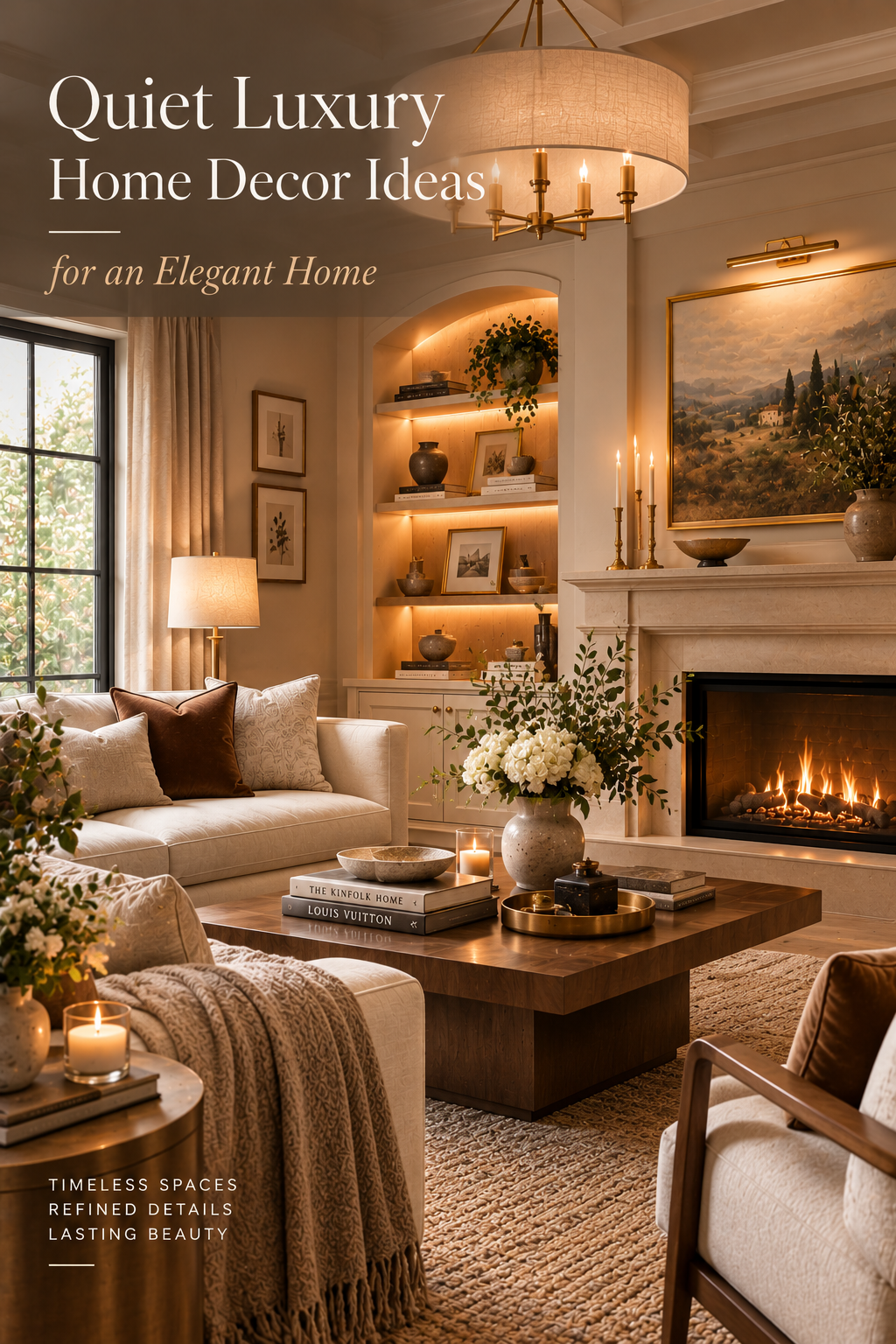
    Quiet luxury home decor is about creating a home that feels sophisticated, timeless, comfortable, and beautifully considered without looking overly decorated or obviously expensive. Instead of relying on flashy finishes, excessive ornamentation, or trendy statement pieces, quiet luxury focuses on quality materials, refined proportions, elegant details, natural textures, and a restrained color palette.
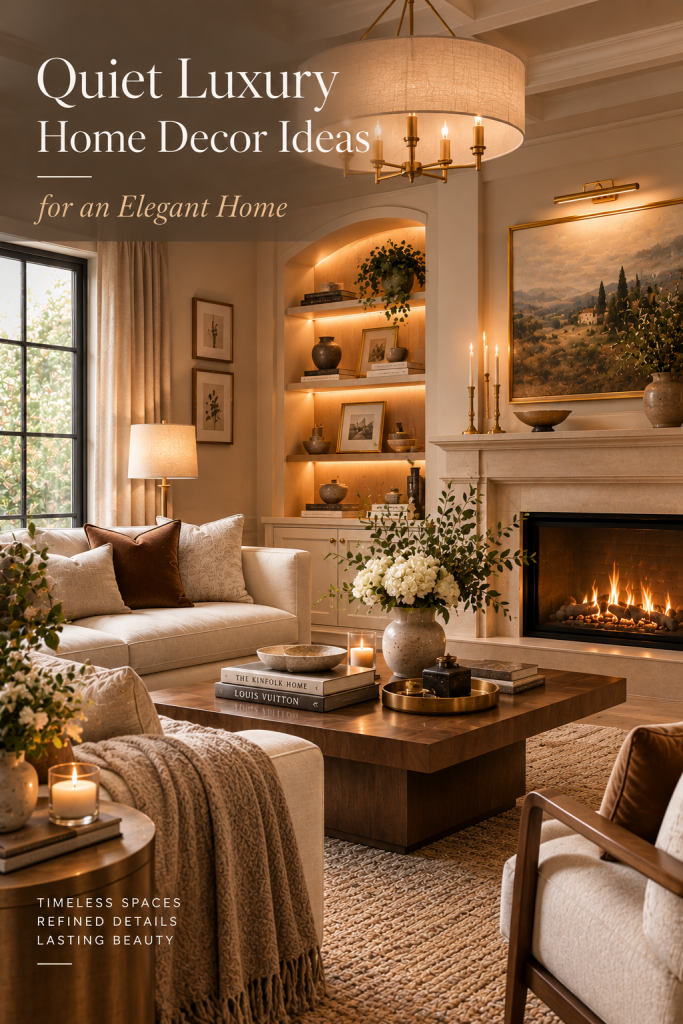
    The appeal of quiet luxury is that it does not need to announce itself. A beautifully upholstered sofa, a natural stone surface, a walnut console, an oversized linen curtain, or a carefully selected piece of artwork can communicate elegance more effectively than a room filled with expensive-looking accessories.

    The style is particularly attractive for homeowners who want their interiors to feel polished while remaining warm and livable. The goal is not to create a showroom. A quiet-luxury home should still feel comfortable enough for everyday life.

    Color is one of the easiest places to begin. Quiet luxury interiors typically use sophisticated neutrals such as warm white, ivory, cream, beige, taupe, mushroom, camel, soft brown, greige, and charcoal. These colors create a calm foundation that allows materials and proportions to become the focus.

    However, neutral does not mean boring. A room built entirely from one flat shade of beige can feel lifeless. Quiet luxury depends on subtle tonal variation. A creamy wall can sit beside an oatmeal sofa, a taupe rug, warm walnut furniture, and ivory curtains. Although the colors are similar, their different textures and undertones create depth.

    Materials are equally important. Natural stone, solid wood, linen, wool, leather, velvet, aged brass, ceramic, and glass can instantly make a room feel more refined. These materials do not need to be used everywhere. In fact, using fewer high-quality materials usually produces a more sophisticated result than combining too many finishes.

    Wood is particularly valuable because it introduces warmth. Walnut can give a room a rich, elegant appearance, while oak creates a lighter organic feeling. A beautiful wood console or coffee table can often do more for a room than a collection of decorative accessories.

    Lighting also has a major role in quiet luxury interiors. Harsh overhead lighting can flatten a sophisticated space. Instead, designers often use multiple light sources at different heights. Table lamps, floor lamps, wall sconces, pendants, concealed LEDs, and candlelight can create layers of illumination.

    Warm lighting is especially effective with cream, brown, beige, walnut, brass, and natural stone. In the evening, these materials reflect the light and create a soft atmosphere that feels luxurious without being dramatic.

    Furniture should be selected for both appearance and comfort. Quiet luxury does not mean buying furniture that looks impressive but is uncomfortable. Deep seating, quality upholstery, generous proportions, and timeless silhouettes are more valuable than unusual shapes that will quickly become dated.

    One of the most important principles is restraint.

    A quiet-luxury room might contain a beautiful sofa, coffee table, rug, artwork, lamp, and a few carefully selected accessories. Each object has enough space around it to be appreciated.

    This is different from minimalist design because quiet luxury can be layered and visually rich. Books, textiles, artwork, ceramics, flowers, and decorative objects can all be used. The difference is that they are carefully edited.

    Another important element is symmetry and balance. Matching lamps on a console, paired nightstands, balanced artwork, or a centered dining pendant can create an immediate feeling of order. You do not need every room to be perfectly symmetrical, but balanced compositions often make interiors feel more expensive.

    Architectural details can also contribute significantly to the look. Crown molding, wall paneling, wainscoting, arched doorways, built-in cabinetry, detailed trim, and substantial doors can create character. Even if your home does not have original architectural details, some can be introduced through relatively simple upgrades.

    Curtains are another overlooked detail. Cheap-looking window treatments can make an otherwise beautiful room feel unfinished. Floor-length linen or linen-look curtains, mounted close to the ceiling and allowed to fall generously to the floor, can create a much more polished appearance.

    The same principle applies to rugs. A rug should be large enough to connect furniture rather than appearing like a small island floating in the middle of the room. Natural wool, subtle vintage-inspired patterns, and textured neutral rugs work particularly well.

    Accessories should be selected slowly. Instead of buying dozens of decorative objects at once, look for pieces with interesting shapes, materials, or craftsmanship. A handmade ceramic bowl can be more impactful than five generic ornaments.

    Fresh flowers and greenery can also bring quiet luxury to a room. Choose simple arrangements rather than oversized bouquets. Olive branches, eucalyptus, seasonal branches, white flowers, or leafy stems can look elegant in a sculptural vessel.

    Artwork is another opportunity to create personality. Quiet luxury does not require famous artwork or expensive originals. The key is choosing pieces that suit the room’s proportions and palette. Large-scale artwork often creates a stronger impact than many tiny frames.

    The style can also be adapted to different decorating preferences. You can combine quiet luxury with modern interiors, traditional interiors, transitional design, organic modern style, European-inspired decor, or contemporary spaces.

    For a modern home, focus on clean furniture, natural stone, warm wood, and restrained accessories.

    For a traditional home, introduce paneling, classic silhouettes, aged brass, tailored upholstery, and elegant artwork.

    For an organic version, incorporate linen, travertine, oak, handmade ceramics, woven textures, and earthy colors.

    The most important thing is consistency.

    Rather than purchasing individual pieces because they look luxurious on their own, think about how everything works together. The goal is to create a visual story throughout the home.

    You should also avoid confusing quiet luxury with perfection. A beautiful home can still contain children’s belongings, books, everyday objects, and signs of life. The style becomes successful when those practical elements are organized rather than completely hidden.

    Quiet luxury is ultimately about editing.

    Ask yourself whether an object contributes to the room. Does it provide function, comfort, texture, beauty, or meaning? If it does none of these things, it may not need to be there.

    The following ten ideas show how to bring this approach into different areas of the home while keeping the result elegant, warm, and practical.

    1. Create a Sophisticated Cream Living Room With Tailored Furniture
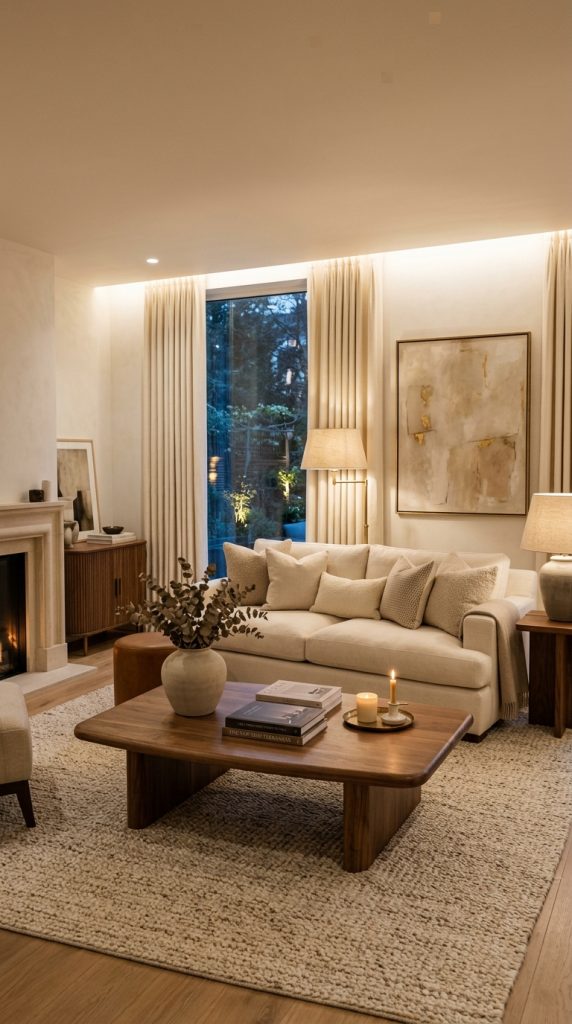
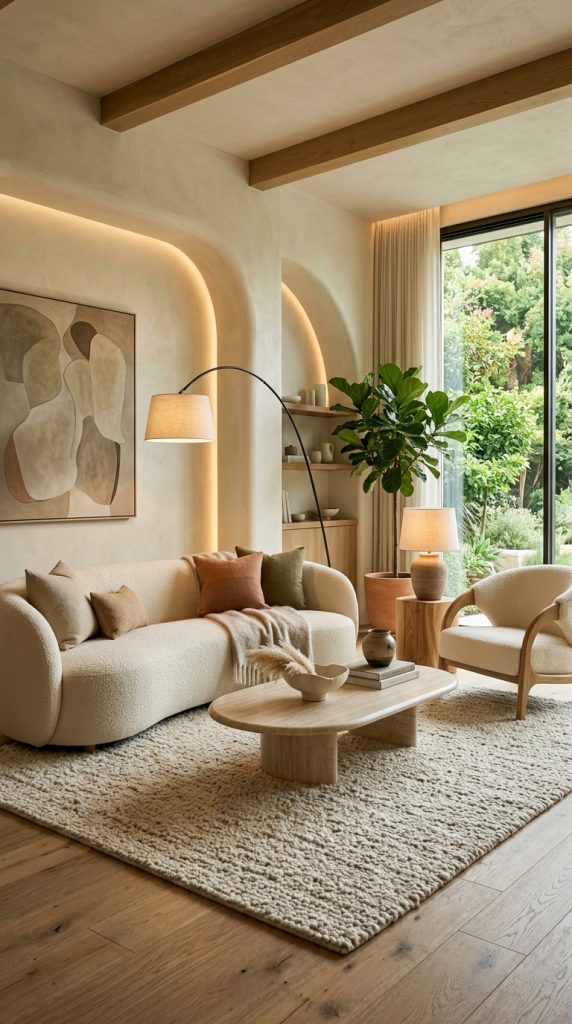
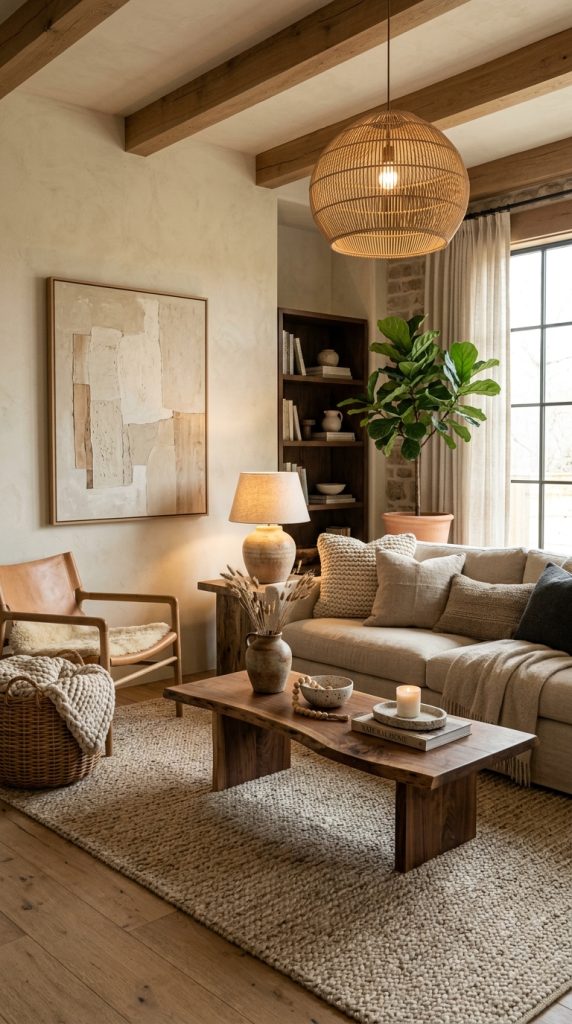
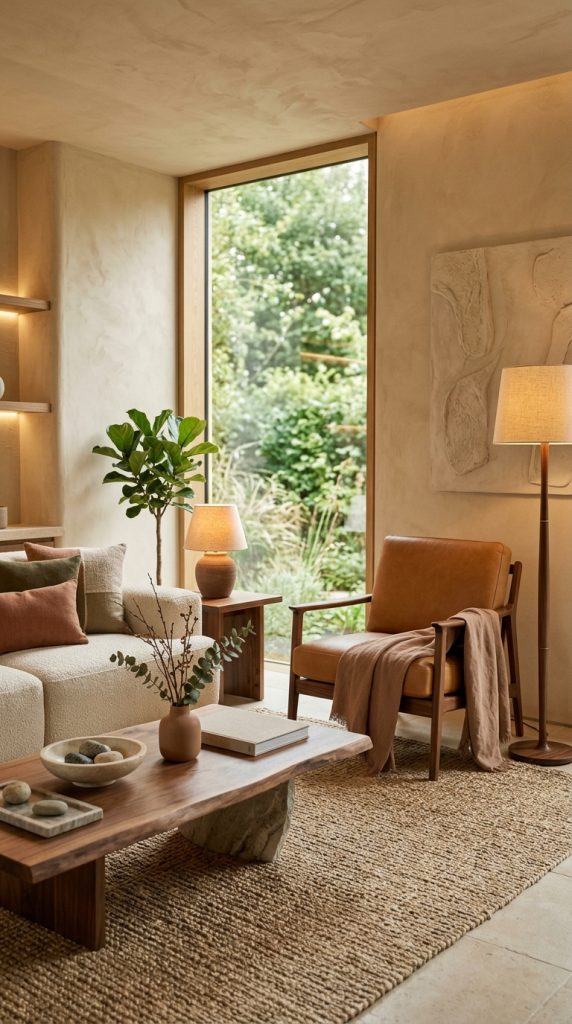
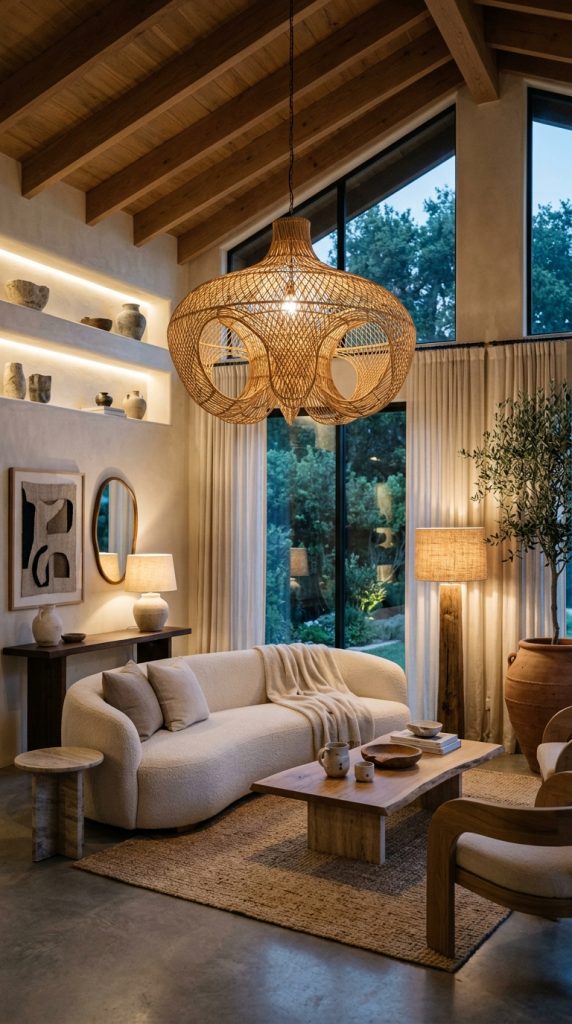
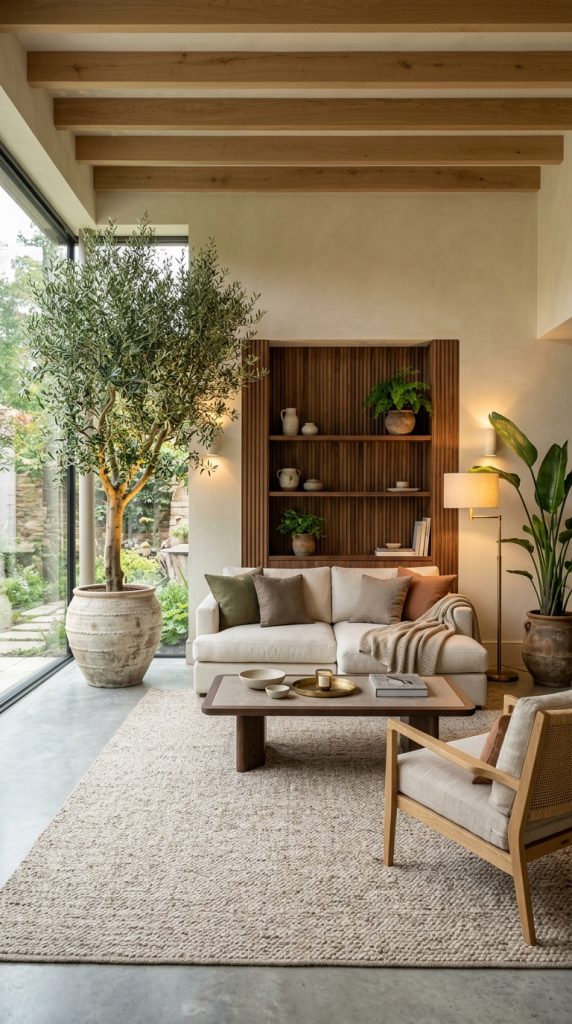
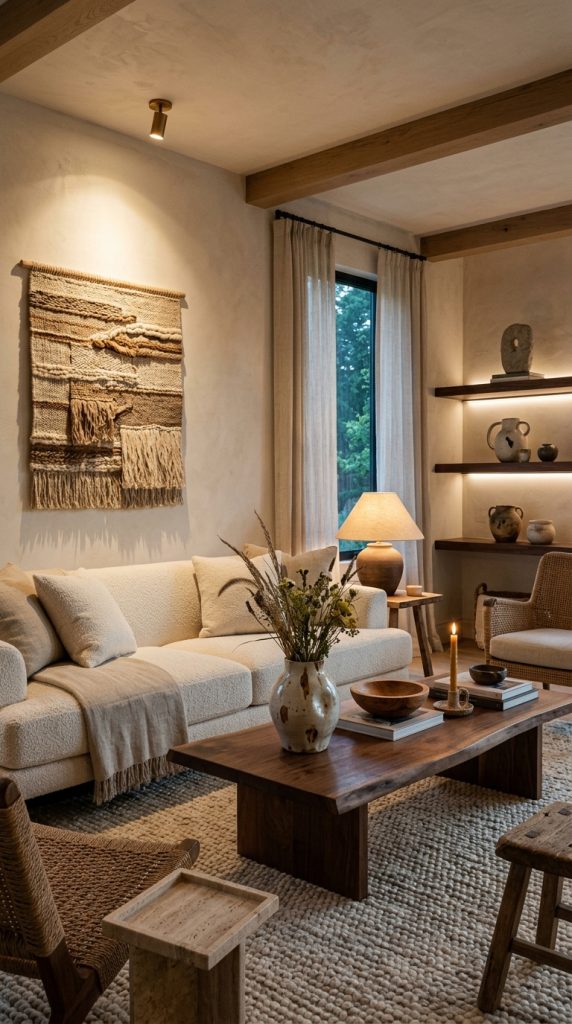
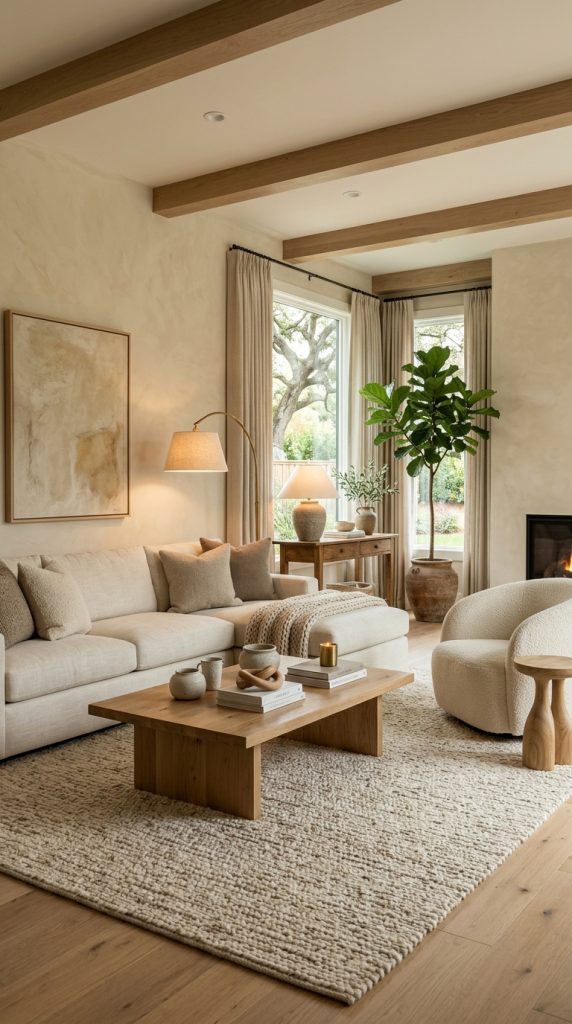
    The living room is one of the best spaces for introducing quiet luxury because it allows you to combine beautiful furniture, textiles, artwork, lighting, and accessories.

    Start with the sofa because it will usually be the largest visual element. Choose a generously proportioned sofa in cream, ivory, oatmeal, or warm beige. Look for tailored upholstery, substantial cushions, and a silhouette that feels timeless rather than heavily trend-driven.

    A sofa with rounded arms can create a softer contemporary appearance, while a straight-arm design can feel more architectural.

    Once the sofa is selected, introduce a large neutral rug. Wool is particularly effective because it feels luxurious underfoot while remaining understated.

    Choose a coffee table made from natural stone or warm wood. A travertine table can provide an organic luxury feeling, while walnut introduces depth and contrast.

    The coffee table should not become a display shelf. Instead, use one tray, a sculptural ceramic vessel, and perhaps a small stack of beautiful books.

    Materials and Items

    • Cream or ivory tailored sofa
    • Large wool or textured neutral rug
    • Walnut or natural stone coffee table
    • Linen cushions
    • Wool or cashmere-style throw
    • Large-scale artwork
    • Ceramic vase
    • Decorative books
    • Floor lamp
    • Table lamp
    • Linen curtains

    Step-by-Step

    Begin by establishing the seating arrangement.

    Position the sofa so it faces the main architectural or entertainment feature of the room.

    Place the rug beneath the sofa and accompanying seating so that the furniture feels connected.

    Add one substantial coffee table instead of several small tables.

    Introduce a warm wood side table to balance the stone or upholstered elements.

    Choose two or three cushions in slightly different neutral shades.

    Hang artwork at a comfortable viewing height.

    Add a floor lamp beside the sofa.

    Place a table lamp on a console or side table to create another level of illumination.

    Finish with a small number of accessories.

    The most important detail is spacing. Do not push every piece against the wall simply because the room is large. Give the furniture enough room to create a deliberate composition.

    How to Make It Look More Expensive

    Use fewer but larger accessories.

    A single oversized ceramic vase can look more sophisticated than a collection of tiny decorative objects.

    Choose curtains that reach the floor.

    Keep electrical cords hidden whenever possible.

    Select lamps with substantial bases and quality-looking shades.

    These small details can make the entire room feel more considered.

    2. Add Warm Walnut Furniture for Timeless Sophistication
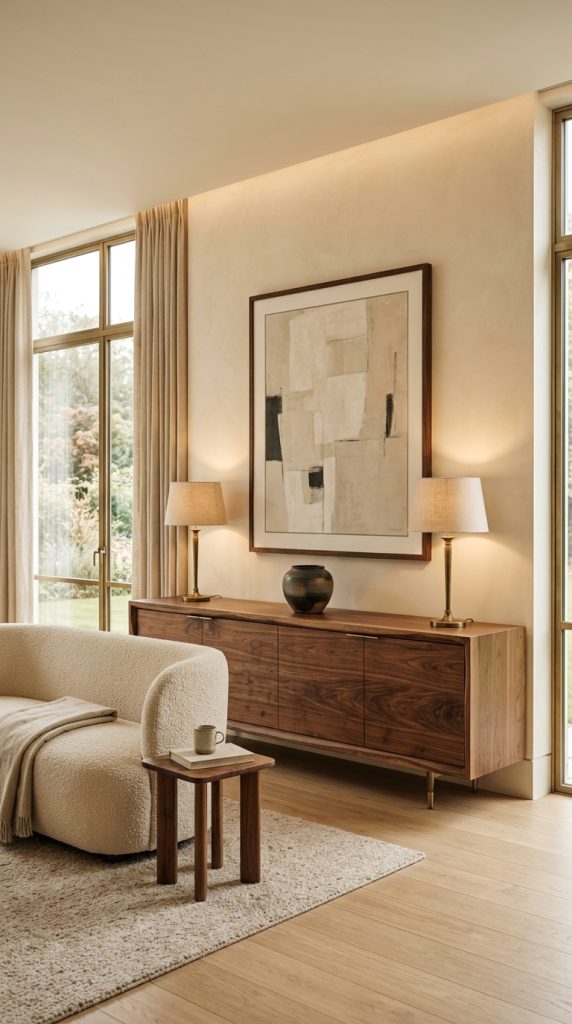
    Walnut is one of the easiest materials to introduce when you want a room to feel instantly richer.

    Its deep natural color works beautifully against cream, ivory, beige, and soft white.

    Instead of using walnut everywhere, choose one or two major pieces.

    A walnut console, media cabinet, dining table, or bedroom nightstand can become an anchor.

    For example, a long walnut console placed against a warm white wall can create an elegant focal point with very little decoration.

    Style it with two matching lamps, one large artwork, and a small central object.

    Materials and Items

    • Walnut console or cabinet
    • Cream wall color
    • Pair of elegant lamps
    • Large artwork
    • Ceramic bowl
    • Neutral rug
    • Linen furniture
    • Aged brass details

    Step-by-Step

    Choose one walnut piece with clean lines.

    Position it against a relatively quiet wall.

    Center the furniture visually within the space.

    If using lamps, select a balanced pair.

    Place artwork above the furniture.

    Keep the decorative styling low.

    Add one ceramic or stone object.

    Use warm lighting to highlight the walnut grain.

    Avoid combining too many competing wood tones.

    Why Walnut Works

    Walnut creates contrast without requiring bold color.

    The dark wood adds depth to neutral rooms while maintaining a timeless appearance.

    It also pairs beautifully with brass, cream upholstery, natural stone, and linen.

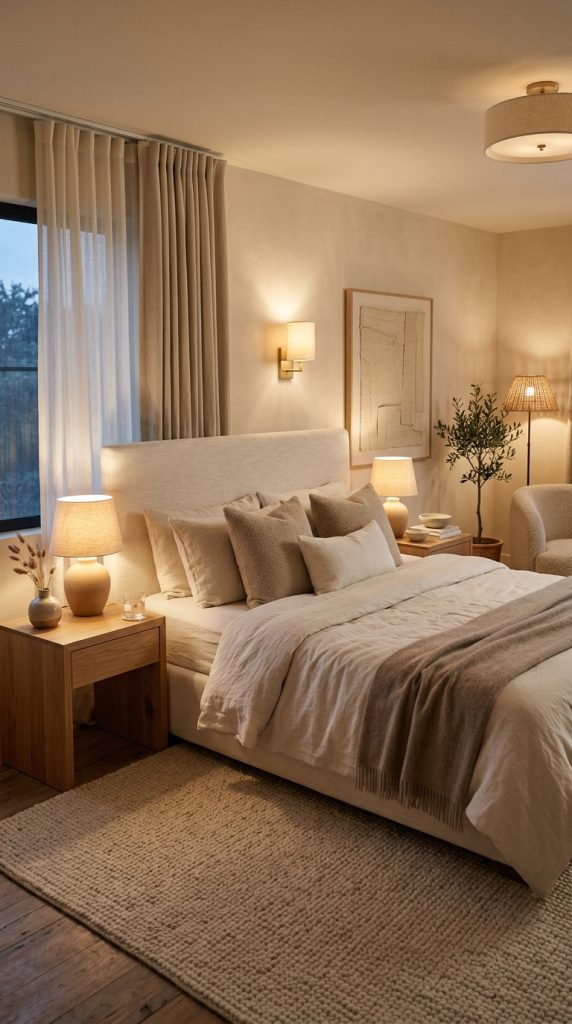
    3. Design a Luxury Bedroom With Hotel-Inspired Layering
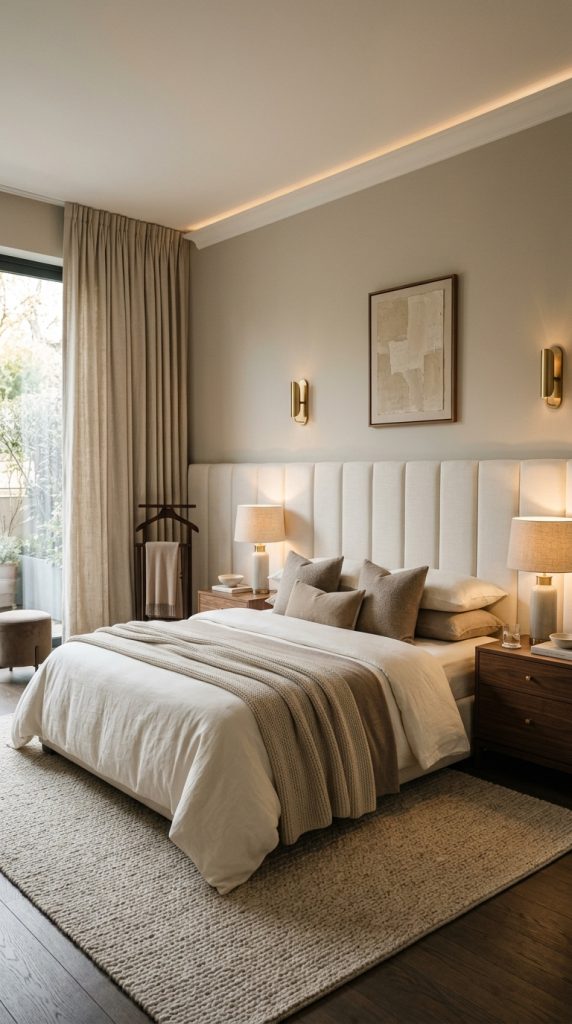
    A quiet-luxury bedroom should feel restful before it feels decorative.

    Start with the bed.

    Choose a substantial upholstered headboard in cream, beige, taupe, or soft gray-beige.

    An oversized headboard can create a strong architectural focal point without requiring a large amount of artwork.

    Use high-quality-looking bedding with multiple neutral layers.

    Start with ivory sheets, add a warm cream duvet, then introduce a taupe or oatmeal coverlet.

    Place a textured throw at the end of the bed.

    Avoid covering the entire bed with decorative pillows. A few well-selected cushions are enough.

    Materials and Items

    • Upholstered headboard
    • Ivory bedding
    • Cream duvet
    • Oatmeal coverlet
    • Textured throw
    • Matching nightstands
    • Table lamps
    • Linen curtains
    • Neutral rug
    • Minimal artwork
    • Ceramic accessories

    Step-by-Step

    Choose a large upholstered headboard.

    Center the bed carefully on the main wall.

    Place matching nightstands on both sides.

    Use identical or visually balanced lamps.

    Layer bedding from lightest to darkest neutral.

    Add one textured blanket.

    Use floor-length curtains.

    Place a soft rug beneath the bed if the room allows.

    Keep nightstand styling minimal.

    Lighting

    Warm bedside lamps are essential.

    Consider adding hidden LED lighting behind the headboard or beneath cabinetry for a subtle nighttime glow.

    Avoid relying entirely on bright ceiling lights.

    The bedroom should transition easily from daytime brightness to evening calm.

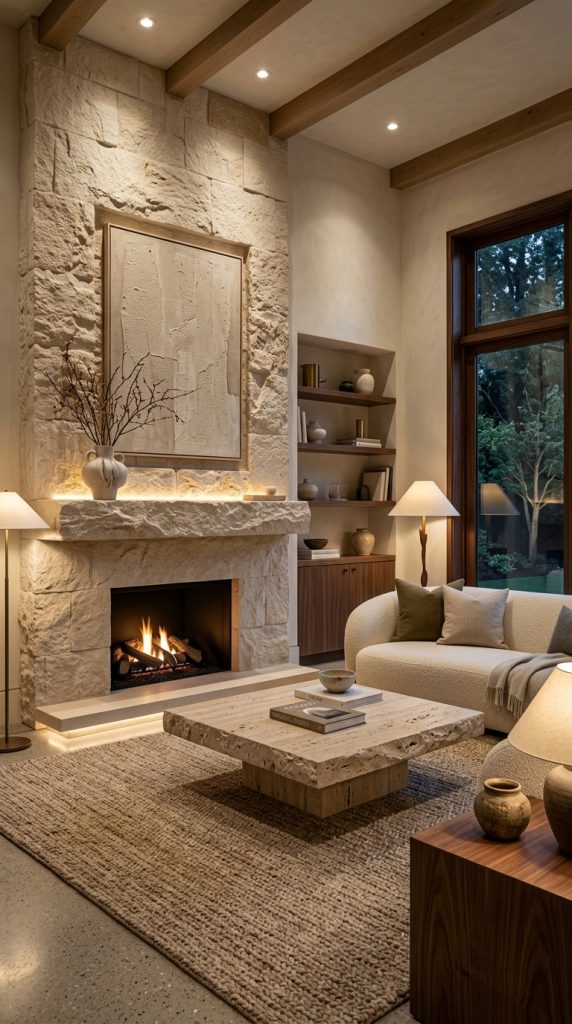
    4. Use Natural Stone to Create a High-End Focal Point
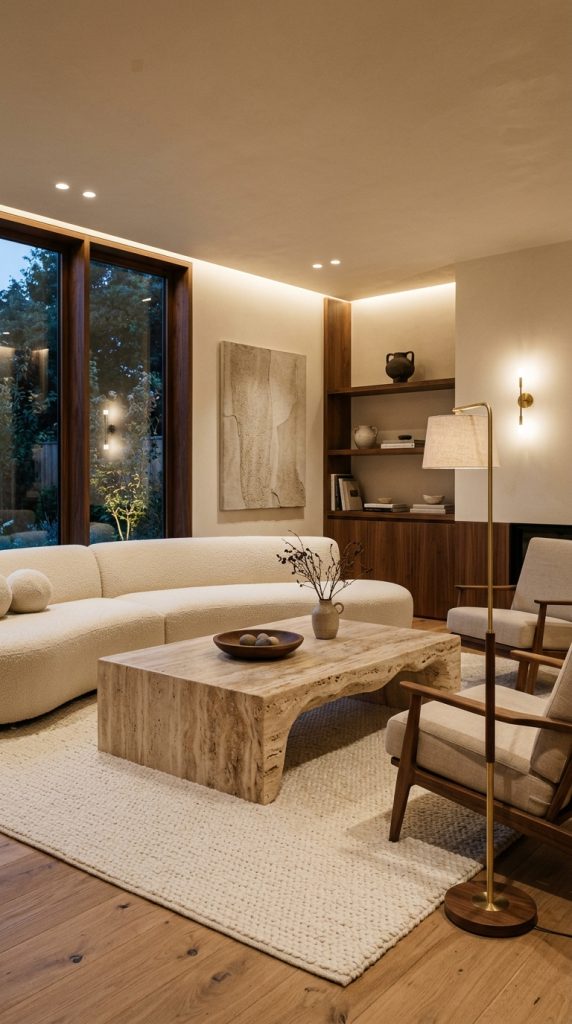
    Natural stone immediately communicates quality because of its texture, variation, and organic character.

    You do not need to cover an entire room in marble to create a luxurious appearance.

    A single stone surface can become the focal point.

    Consider a travertine coffee table, marble fireplace surround, limestone console, stone backsplash, or natural-stone bathroom vanity.

    Choose stone with subtle movement rather than extremely dramatic patterns if you want a timeless appearance.

    Cream, beige, warm white, and softly veined stones work particularly well.

    Materials and Items

    • Travertine or limestone
    • Light marble
    • Stone coffee table
    • Stone console
    • Warm wood
    • Cream upholstery
    • Neutral rug
    • Ceramic accessories
    • Warm lighting

    Step-by-Step

    Choose one architectural or furniture feature for stone.

    Select a finish appropriate for the room.

    Balance the stone with warm materials.

    If the stone is visually dramatic, simplify surrounding decor.

    Use warm lighting to reveal the natural texture.

    Add soft textiles nearby to prevent the space from feeling too hard.

    Styling Principle

    Stone should be allowed to breathe.

    Do not cover a beautiful stone surface with excessive accessories.

    Its natural variation is already decorative.

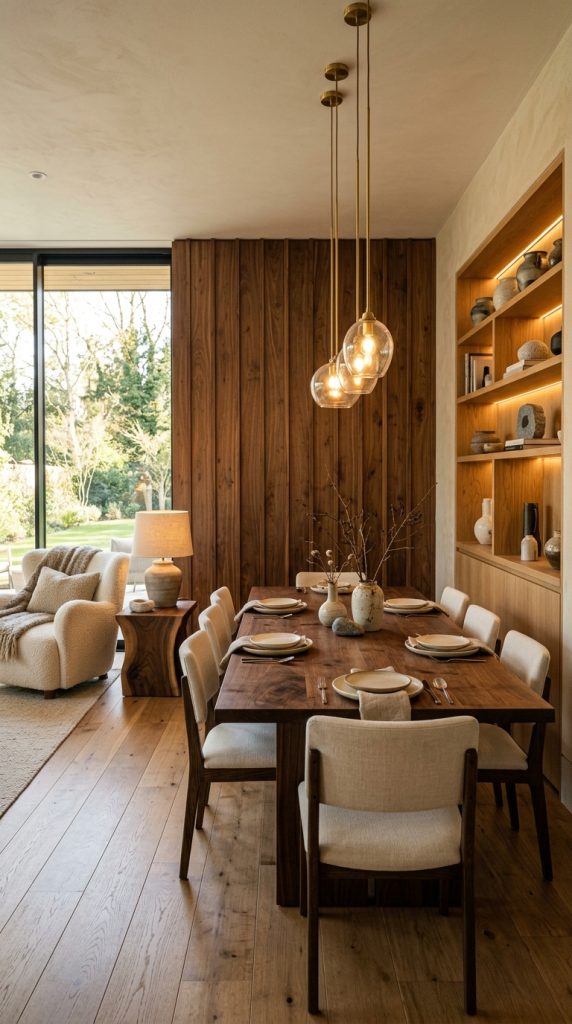
    5. Elevate the Dining Room With an Elegant Tablescape
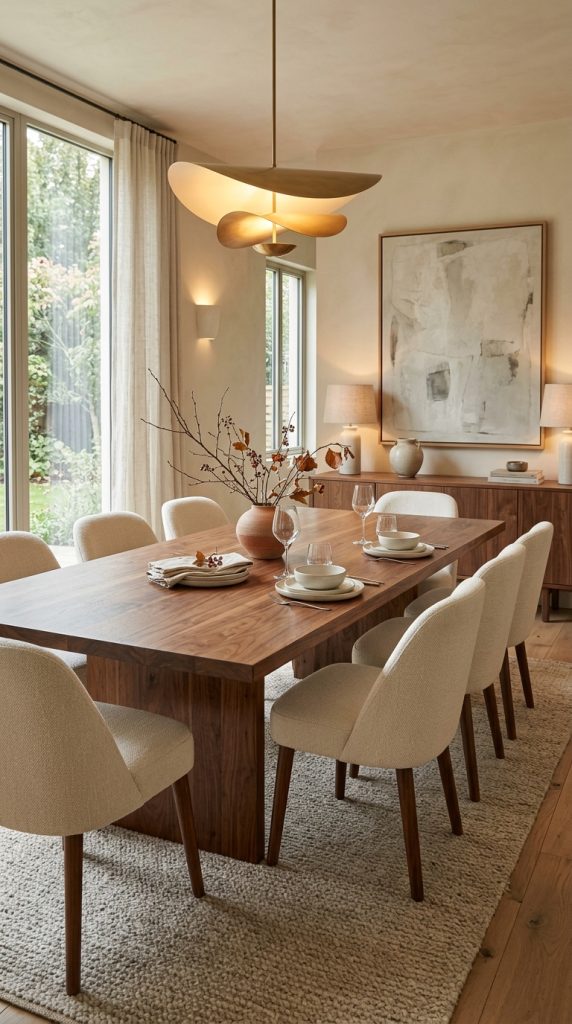
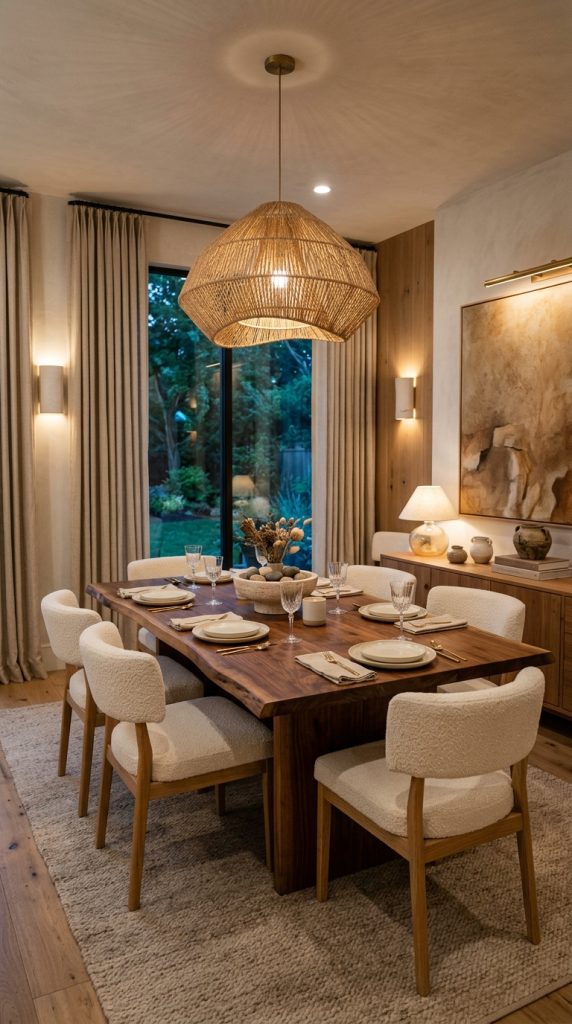
    A quiet-luxury dining room should feel sophisticated enough for entertaining but relaxed enough for everyday meals.

    Start with the dining table.

    Solid wood, stone, or a beautifully finished dark table can provide the foundation.

    Choose comfortable chairs with tailored upholstery.

    Above the table, install a sculptural chandelier or elegant pendant with warm illumination.

    The tablescape should remain understated.

    Instead of filling the table with decorative pieces, use one central arrangement.

    A low ceramic bowl filled with seasonal fruit can look beautiful.

    For a more formal occasion, use linen napkins, simple dinnerware, and subtle glassware.

    Materials and Items

    • Solid wood or stone dining table
    • Upholstered dining chairs
    • Sculptural pendant
    • Linen napkins
    • Neutral tableware
    • Handmade ceramic centerpiece
    • Glassware
    • Natural runner
    • Sideboard
    • Artwork

    Step-by-Step

    Center the table within the room.

    Leave generous walking space around it.

    Choose a chandelier that is proportional to the table.

    Place one central decorative element.

    Use natural linen rather than heavily patterned textiles.

    Coordinate dinnerware with the neutral palette.

    Keep the sideboard lightly styled.

    Add artwork to one wall.

    Quiet-Luxury Tablescape Tip

    Avoid making the table look permanently prepared for a formal event.

    A single beautiful vessel or bowl can be more elegant for everyday living.

    6. Create an Elegant Entryway With a Statement Console and Mirror
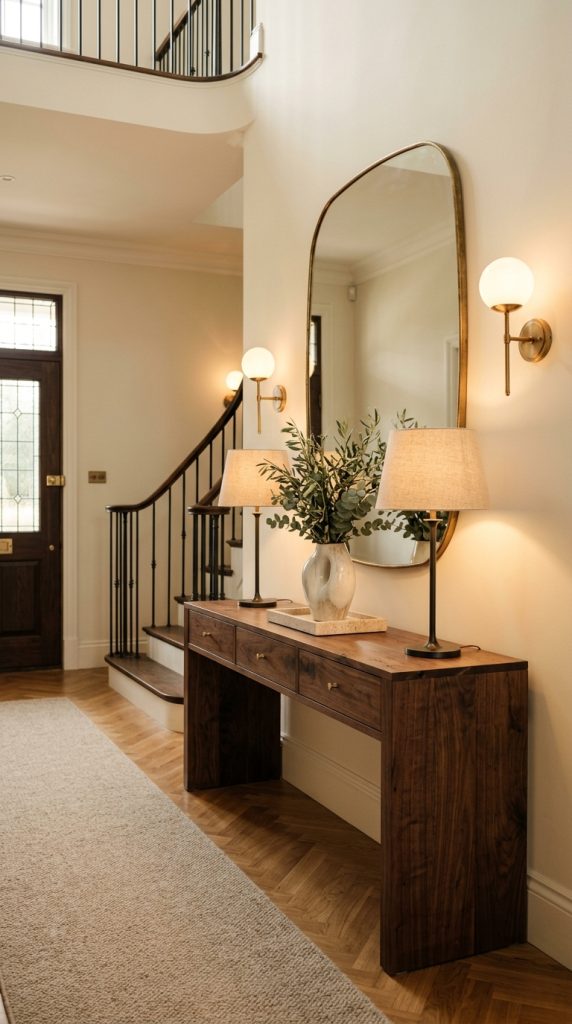
    The entryway establishes the mood for the entire home.

    A quiet-luxury entryway should feel organized, welcoming, and polished.

    Choose a console with a strong material presence.

    Walnut, oak, stone, or painted cabinetry can all work.

    Above the console, use a large mirror or artwork.

    A large mirror can make a smaller entryway feel more spacious while reflecting light.

    Style the console with restraint.

    A pair of lamps can create symmetry.

    Add one tray for practical items and one sculptural object.

    Materials and Items

    • Walnut or oak console
    • Large mirror
    • Pair of table lamps
    • Ceramic vase
    • Small tray
    • Fresh greenery
    • Neutral runner
    • Aged brass hardware

    Step-by-Step

    Choose a console appropriate to the hallway width.

    Center it against the main wall.

    Hang a large mirror above it.

    Use matching lamps if the room allows.

    Place a tray between them.

    Add one natural arrangement.

    Keep shoes and daily belongings concealed.

    Use a runner to soften the floor.

    Why It Works

    The arrangement combines symmetry, texture, functionality, and negative space.

    Those elements make the entryway feel intentional without requiring expensive decoration.

    7. Introduce Tailored Curtains and Upholstery for an Expensive Finish
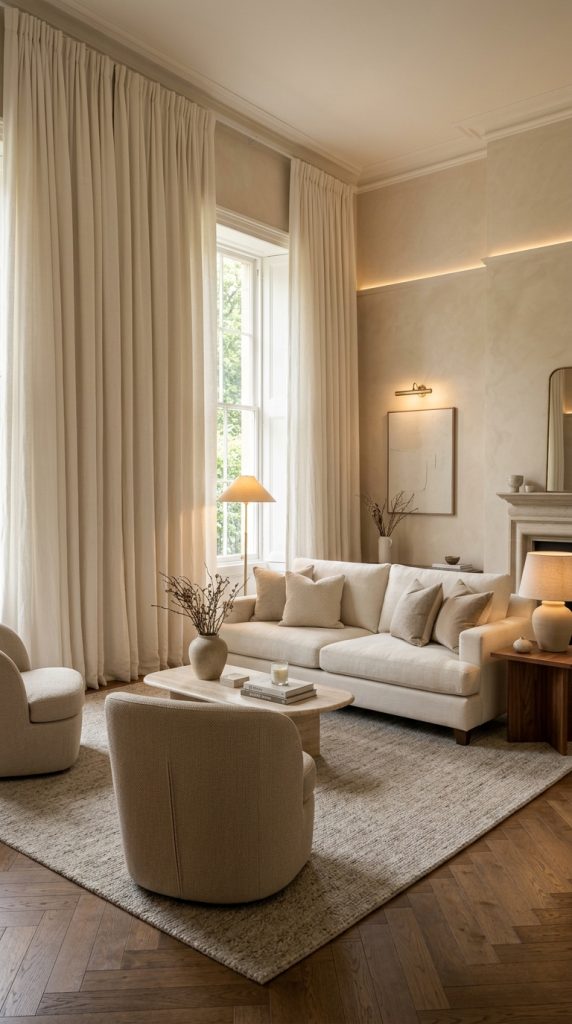
    Sometimes the biggest difference between an ordinary room and an elegant room is not the furniture but the soft furnishings.

    Curtains, upholstery, cushions, and rugs occupy a large visual area.

    Choose fabrics with natural-looking texture.

    Linen and linen-blend curtains are especially effective.

    Hang curtains higher than the actual window frame when possible.

    Allow them to extend close to the floor.

    For upholstery, choose fabrics that look substantial rather than thin or shiny.

    Materials and Items

    • Linen or linen-look curtains
    • Upholstered sofa
    • Wool rug
    • Linen cushions
    • Cotton bedding
    • Textured throw
    • Roman shades if appropriate

    Step-by-Step

    Measure the full window area.

    Install the curtain rod closer to the ceiling than the top of the window.

    Choose panels wide enough to create generous folds.

    Allow the fabric to fall elegantly toward the floor.

    Coordinate curtain tones with the walls.

    Use upholstery in complementary rather than identical shades.

    Add one or two textured cushions.

    The Expensive-Looking Detail

    Do not choose curtains that are too short.

    A beautifully proportioned curtain can make the ceiling appear taller and the entire room more architectural.

    This is a relatively simple change that can have a surprisingly large visual effect.

    8. Style Shelves With Curated Quiet-Luxury Accessories
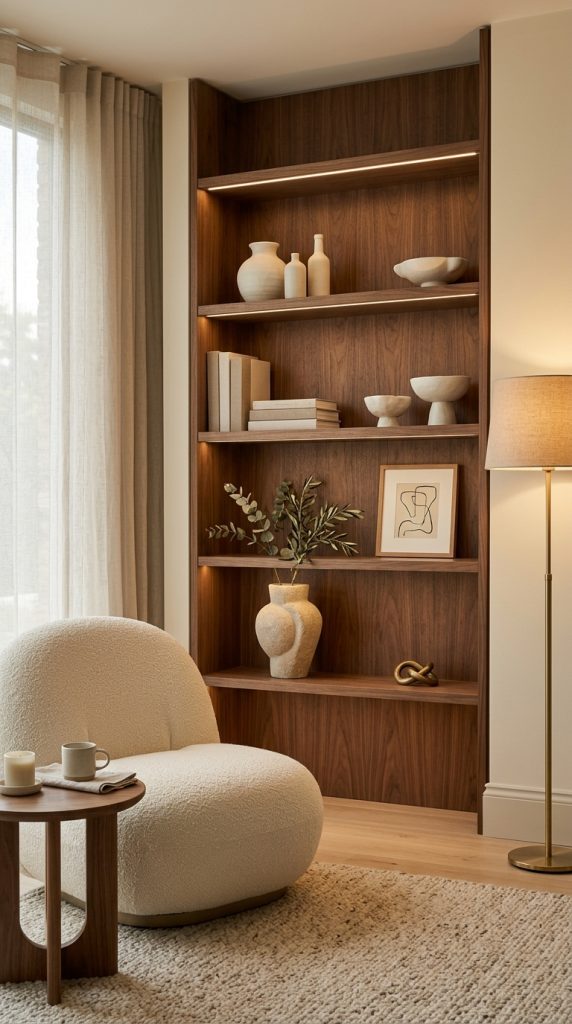
    Open shelves should never become a dumping ground.

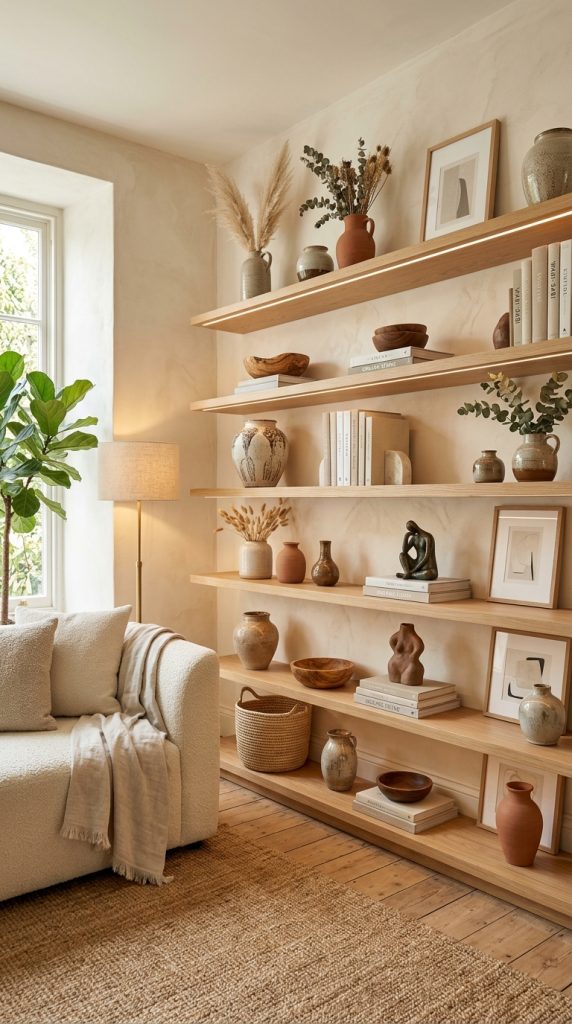
    In quiet-luxury interiors, shelves are better treated as curated compositions.

    Start with larger pieces.

    A sculptural ceramic vase, framed artwork, or substantial book stack can establish the visual structure.

    Then introduce smaller objects around them.

    Use similar materials throughout the shelving.

    Cream ceramics, aged brass, natural wood, glass, linen-bound books, and small stone objects work beautifully.

    Materials and Items

    • Natural wood shelving
    • Ceramic vases
    • Coffee-table books
    • Small framed artwork
    • Stone objects
    • Brass accessory
    • Glass vessel
    • Neutral decorative box
    • Small plant

    Step-by-Step

    Remove everything from the shelves.

    Choose a limited material palette.

    Place the largest pieces first.

    Create groups of two or three objects.

    Leave empty areas between groups.

    Vary the height of objects.

    Avoid placing identical pieces beside each other.

    Step back and assess the entire shelving unit.

    Remove anything that feels unnecessary.

    Styling Formula

    Think in terms of:

    Large object + books + small object + empty space.

    Then repeat the composition with variations.

    This creates rhythm without making the shelves look overly styled.

    9. Create a Quiet-Luxury Bathroom With Stone, Wood and Brass
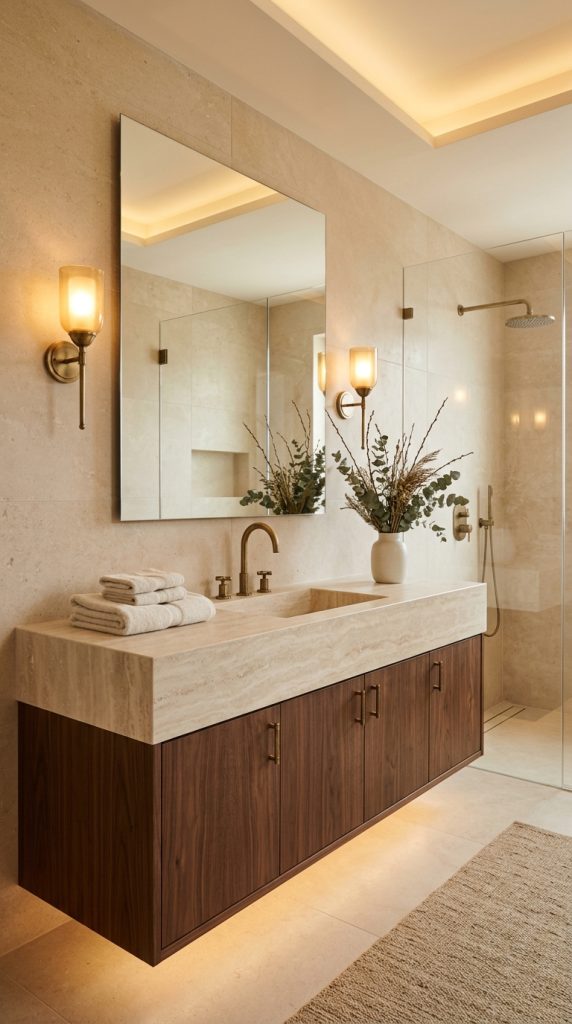
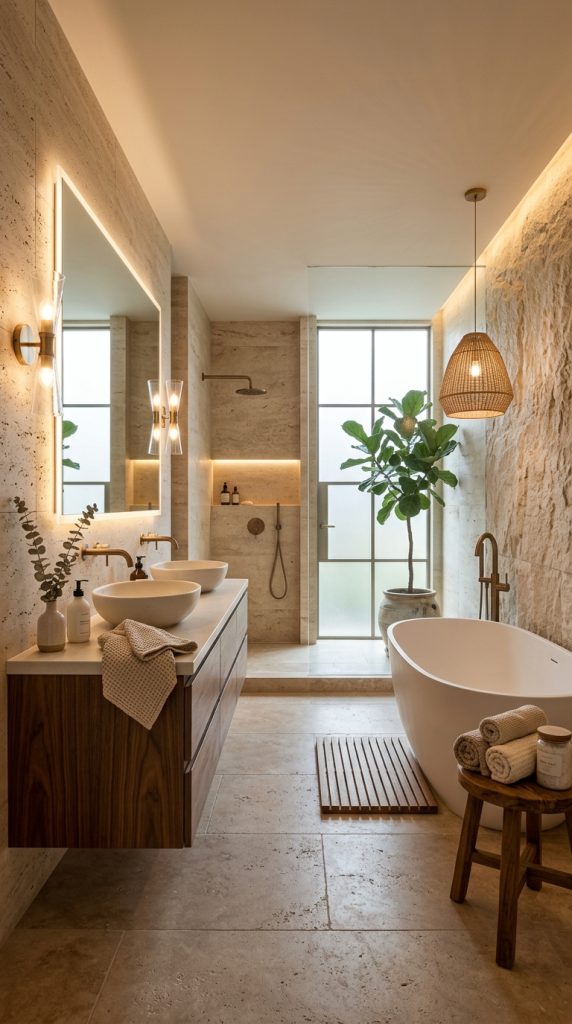
    The bathroom can become one of the most luxurious spaces in the home without requiring excessive decoration.

    Focus on materials.

    A warm stone vanity, cream tile, natural wood cabinetry, and aged brass hardware can create a sophisticated foundation.

    Choose large-format tiles where possible to reduce visual interruptions.

    A frameless glass shower can make the room feel more spacious.

    Use warm lighting around the mirror rather than relying only on ceiling fixtures.

    Materials and Items

    • Natural stone or stone-look vanity
    • Cream or beige tile
    • Warm wood cabinetry
    • Aged brass hardware
    • Frameless glass shower
    • Large mirror
    • Warm sconces
    • Linen towels
    • Ceramic vessel
    • Small natural arrangement

    Step-by-Step

    Choose a warm neutral tile.

    Use a consistent flooring and wall palette.

    Select a vanity with substantial visual weight.

    Choose one metal finish and repeat it.

    Install layered lighting around the mirror.

    Keep countertops mostly clear.

    Display only beautiful functional items.

    Use folded linen or cotton towels for softness.

    Luxury Without Clutter

    Instead of placing numerous bathroom accessories around the vanity, choose a beautiful soap dispenser, one ceramic container, and a small natural arrangement.

    The room should feel like a refined private spa rather than a storage area.

    10. Build a Cohesive Quiet-Luxury Home With a Signature Palette
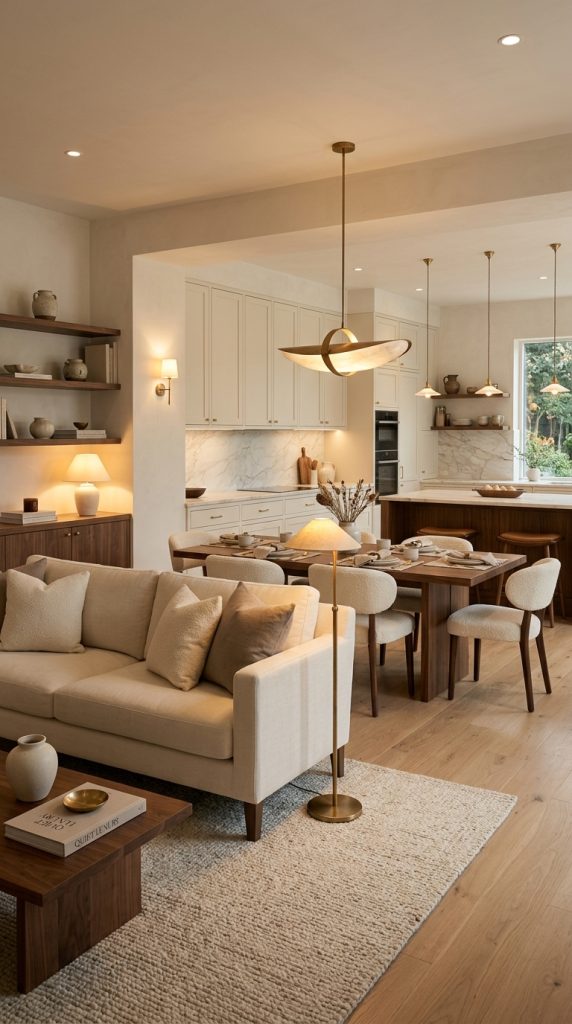
    The most sophisticated quiet-luxury homes usually feel connected from room to room.

    This does not mean every room should look exactly the same.

    Instead, repeat a few signature elements.

    For example, you might use:

    Warm white walls.

    Natural walnut furniture.

    Cream upholstery.

    Aged brass lighting.

    Natural stone.

    Linen textiles.

    Soft taupe accents.

    These materials can appear differently in every room while still creating continuity.

    Materials and Items

    • Warm white or cream paint
    • Walnut or oak
    • Natural stone
    • Linen
    • Wool
    • Ceramic
    • Aged brass
    • Neutral artwork
    • Warm lighting
    • Natural greenery

    Step-by-Step

    Choose three or four dominant colors.

    Select one primary wood tone.

    Choose one metal finish.

    Establish a consistent lighting temperature.

    Repeat similar textile textures.

    Use similar hardware styles throughout the home.

    Allow individual rooms to have different focal points.

    Keep the overall color transitions subtle.

    Example of a Cohesive Palette

    The living room could use cream, walnut, and brass.

    The kitchen could use cream, walnut, and stone.

    The bedroom could use ivory, taupe, walnut, and linen.

    The bathroom could use warm stone, cream, walnut, and brass.

    The entryway could combine the same walnut and brass with a beige runner.

    Nothing is identical, but everything belongs to the same visual family.

    How to Choose Quiet-Luxury Colors

    The easiest quiet-luxury palette begins with warm neutrals.

    Try combining:

    • Warm white
    • Ivory
    • Cream
    • Beige
    • Oatmeal
    • Taupe
    • Mushroom
    • Camel
    • Warm brown
    • Walnut
    • Soft charcoal

    You can introduce color, but it should usually feel intentional rather than overwhelming.

    Olive green, dusty blue, muted burgundy, chocolate brown, and deep charcoal can work beautifully as accents.

    The important thing is to avoid creating too many competing focal points.

    If you use a deep accent color, let it appear in only a few places.

    For example, a chocolate brown lounge chair can become a beautiful focal point against cream walls and a beige rug.

    How to Make Affordable Decor Look Like Quiet Luxury

    Quiet luxury does not require every item to be expensive.

    Focus on visual qualities rather than price tags.

    Choose simple silhouettes.

    Avoid excessive logos.

    Select materials that look natural.

    Use fewer decorative objects.

    Buy one good-looking lamp rather than several cheap-looking ones.

    Choose a large mirror with a substantial frame.

    Use floor-length curtains.

    Upgrade cabinet hardware.

    Replace overly shiny accessories with ceramic, stone, glass, wood, or aged metal.

    A room with inexpensive but carefully selected materials can look far more sophisticated than a room filled with expensive but unrelated pieces.

    Quiet Luxury Lighting Rules

    Lighting deserves special attention.

    Use at least three types of lighting whenever possible.

    Ambient lighting provides general illumination.

    Task lighting supports activities such as reading or cooking.

    Accent lighting highlights artwork, architectural features, shelves, or decorative objects.

    Choose warm bulbs for living spaces.

    Place lamps at different heights.

    Use dimmers where possible.

    Avoid making the ceiling fixture the only light source.

    In the evening, turn on several smaller lamps instead of relying on one extremely bright light.

    This creates the layered atmosphere associated with luxury hospitality spaces.

    How to Avoid Making Quiet Luxury Look Cold

    A common mistake is using too much beige without enough texture.

    If the room feels flat, do not immediately add more accessories.

    Instead, introduce tactile materials.

    Try:

    Linen curtains.

    Wool rugs.

    Boucle upholstery.

    Natural wood.

    Travertine.

    Handmade ceramics.

    Textured cushions.

    Soft throws.

    Woven baskets.

    These materials create visual richness without creating clutter.

    Plants and flowers can also help.

    Choose simple greenery with sculptural shapes rather than filling every surface with plants.

    The Difference Between Quiet Luxury and Overdecorating

    Quiet luxury depends on editing.

    Before adding an accessory, ask:

    Does it provide function?

    Does it add texture?

    Does it have sentimental meaning?

    Does it improve the composition?

    Does it complement the existing material palette?

    If the answer is no to all of these questions, the object probably does not need to be displayed.

    This does not mean your home should feel empty.

    It means the objects that remain should have enough space to be appreciated.

    Final Thoughts

    Quiet luxury home decor is less about purchasing expensive things and more about developing a sophisticated way of selecting, arranging, and editing what you already have.

    The most successful interiors use a restrained palette, natural materials, comfortable furniture, thoughtful proportions, layered lighting, and carefully selected accessories.

    Cream walls can provide a timeless foundation. Walnut can add depth. Natural stone can introduce organic elegance. Linen and wool can soften the room. Aged brass can provide subtle refinement. Beautiful lighting can transform everything in the evening.

    Most importantly, quiet luxury should feel livable.

    Your home should not feel like a showroom where nothing can be touched. It should feel comfortable, personal, and welcoming.

    Choose furniture that you can actually relax on. Use textiles that feel good. Display books that you enjoy reading. Keep meaningful objects rather than removing all personality. Organize practical belongings so they do not dominate the room.

    When every element is considered but not overdone, the result is naturally elegant.

    That is the real appeal of quiet luxury: the home feels beautiful without trying too hard.

    The best quiet-luxury interior does not immediately make visitors think about how much everything cost. Instead, they notice that the room feels balanced, comfortable, timeless, and remarkably well designed.

    That understated quality is what makes quiet luxury such a powerful approach for creating an elegant home that can remain beautiful for years rather than just looking fashionable for one season.
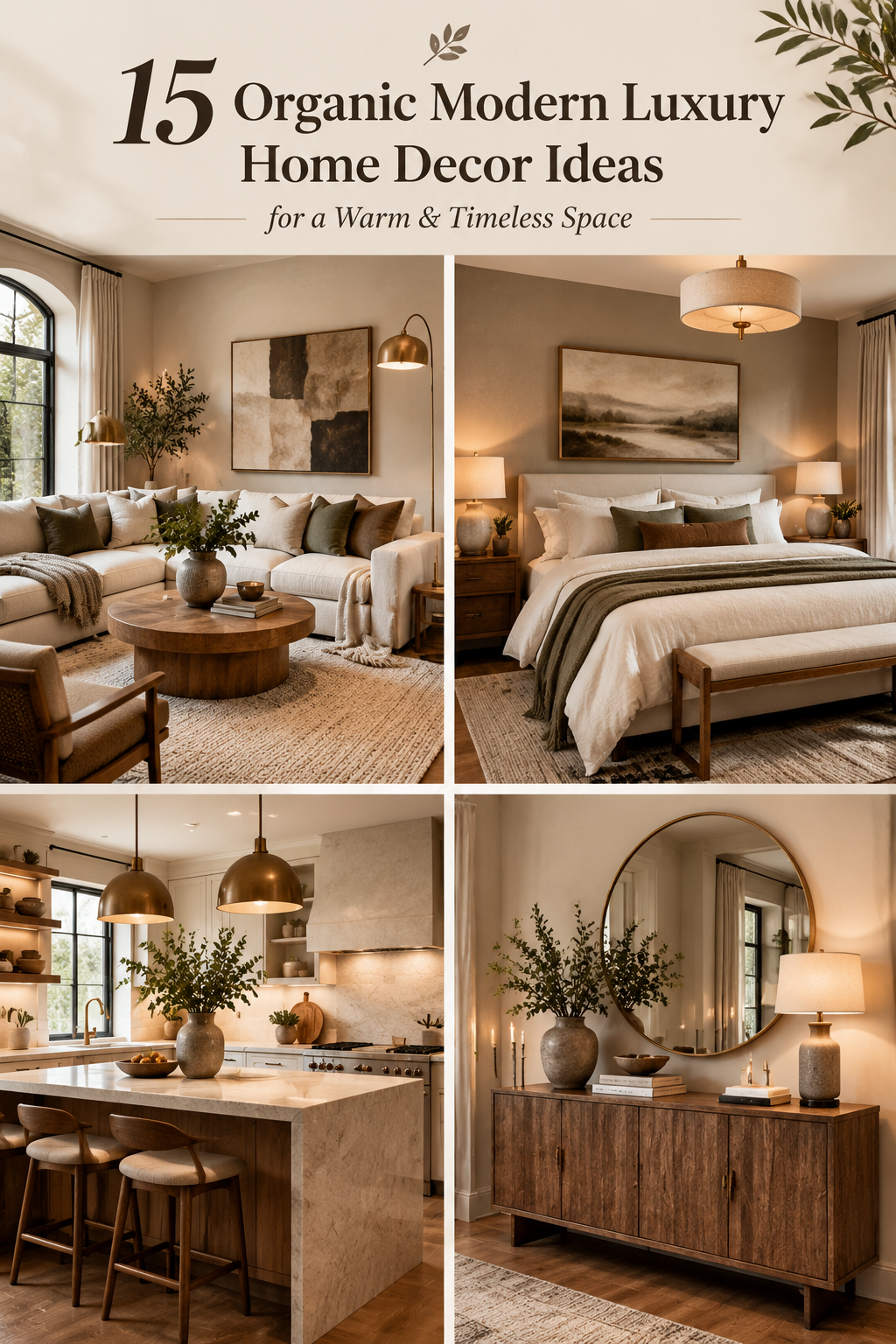
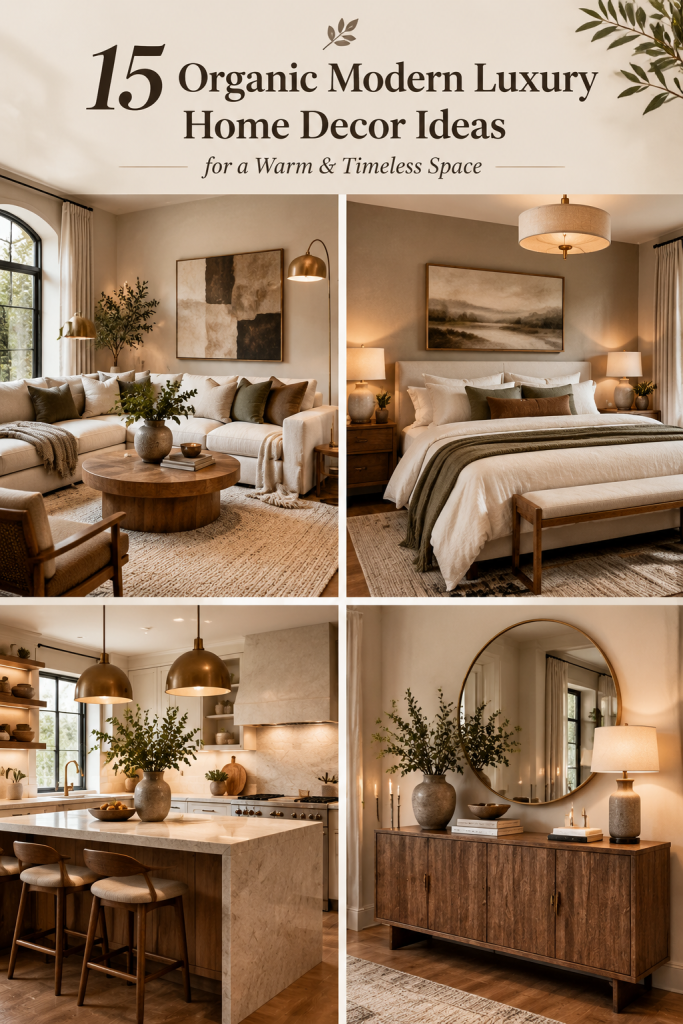
  • 15 Organic Modern Luxury Home Decor Ideas for a Warm & Timeless Space

    15 Organic Modern Luxury Home Decor Ideas for a Warm & Timeless Space

    Organic modern home decor has become one of the most desirable interior styles because it combines the simplicity of contemporary design with the warmth and character of natural elements. This style creates spaces that feel calm, sophisticated, comfortable, and connected to nature.

    Unlike traditional luxury interiors that often rely on heavy decoration, organic modern luxury focuses on thoughtful details, high-quality materials, and a balanced atmosphere. The beauty comes from the combination of soft neutral colors, natural textures, handcrafted pieces, clean architectural lines, and carefully selected furniture.

    The main purpose of organic modern design is to create a home that feels timeless rather than temporary. Trends may change, but natural wood, stone, linen, handmade ceramics, and earthy colors continue to create interiors that feel elegant for years.

    This style is perfect for homeowners who want a peaceful environment without sacrificing sophistication. It allows rooms to feel luxurious while still being comfortable enough for everyday living.

    The organic modern approach is built around a few important principles:

    Natural materials should feel authentic.

    Furniture should prioritize comfort and quality.

    Decor should be intentional instead of excessive.

    Colors should reflect nature.

    Spaces should have breathing room.

    Lighting should create warmth and atmosphere.

    Whether you are decorating a large home, a small apartment, or refreshing only one room, organic modern design can be adapted to your lifestyle.

    The following ideas explore different ways to bring this beautiful style into your home while creating a warm and timeless atmosphere.

    1. Create a Warm Neutral Living Room With Organic Modern Elegance

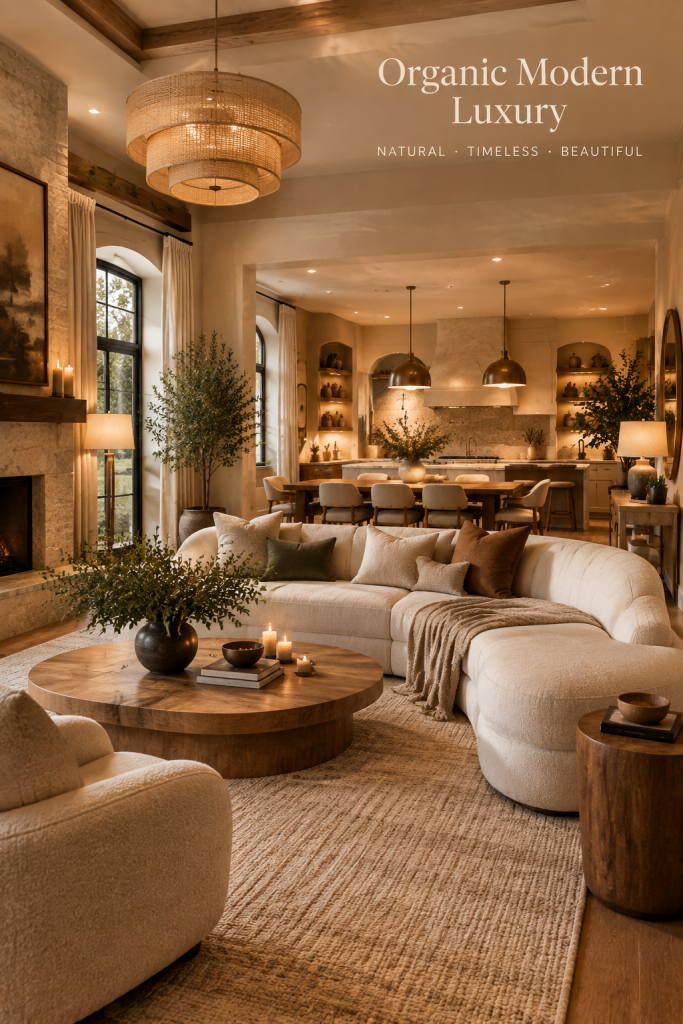
    The living room is often the heart of an organic modern home because it is where comfort, design, and daily life come together. A luxury organic modern living room does not need bold colors or excessive accessories. Instead, it creates impact through balance, texture, and carefully selected materials.

    Begin with a neutral foundation. Warm shades such as ivory, beige, soft taupe, sand, and creamy white create a peaceful background. These colors allow natural materials and furniture shapes to become the main focus.

    A neutral palette does not mean the room should feel boring. The secret is using different textures within similar tones.

    For example, a cream sofa can be paired with:

    • A woven rug
    • Linen cushions
    • A boucle chair
    • A wooden coffee table
    • Ceramic accessories

    Although the colors remain simple, the different surfaces create depth.

    Furniture selection is extremely important in organic modern interiors. Choose pieces that have clean shapes but still feel comfortable. Oversized sofas with soft curves are popular because they create a relaxed luxury feeling.

    A curved sofa or rounded armchair can soften the straight architectural lines often found in modern homes.

    The coffee table should act as a natural centerpiece. Instead of choosing something overly decorative, select a piece with beautiful material quality.

    A solid wood table introduces warmth.

    A travertine table adds natural stone texture.

    A sculptural stone table creates an artistic focal point.

    The goal is not to fill the room with furniture but to choose pieces that feel meaningful.

    Flooring also influences the overall mood. Natural oak floors, wide wood planks, or warm-toned flooring create the perfect foundation for organic modern styling.

    If changing flooring is not possible, a large natural fiber rug can introduce softness and warmth.

    Artwork should follow the same philosophy.

    Large abstract artwork with earthy shades works beautifully because it adds personality without creating visual noise.

    Handmade paintings, textured wall pieces, and minimalist photography can also complement the style.

    Avoid covering every wall. Organic modern interiors often use empty space as part of the design.

    A single statement artwork can sometimes create more luxury than multiple smaller decorations.

    Accessories should be selected carefully.

    Instead of many small objects, choose a few larger pieces:

    • A handcrafted ceramic vase
    • A sculptural bowl
    • A natural wood tray
    • A textured decorative object

    Each item should contribute something to the room.

    Plants can also enhance the organic feeling. However, the style usually works better with fewer larger plants rather than many small ones.

    A tall olive tree, sculptural indoor tree, or large leafy plant can add freshness while maintaining a clean appearance.

    Lighting plays an important role in making the room feel luxurious.

    Place lights at appropriate places, including floor lamps beside seating areas, table lamps on consoles, and soft accent lighting near artwork or architectural features.

    Warm lighting enhances wood, fabric, and natural materials, making the room feel inviting during the evening.

    The finished living room should feel effortless. Every element should work together to create a space that looks sophisticated but still feels comfortable enough for everyday moments.

    2. Add Rich Natural Wood Elements for Timeless Luxury

    Natural wood is one of the most recognizable elements of organic modern design because it brings warmth, texture, and a connection to nature.

    Unlike synthetic materials that can feel temporary, natural wood develops character over time. Its grain patterns, subtle variations, and organic imperfections create a sense of authenticity.

    The key to using wood in a luxury organic modern home is choosing pieces with quality craftsmanship rather than adding wood everywhere.

    A single beautiful wooden element can completely transform a room.

    A walnut dining table can become the gathering point of a dining area.

    A solid oak console can elevate an entryway.

    A wooden bed frame can create a peaceful bedroom atmosphere.

    A natural wood coffee table can anchor a living room.

    The tone of the wood influences the mood of the space.

    Light oak creates an airy Scandinavian-inspired feeling.

    Walnut introduces richness and sophistication.

    Teak creates warmth and durability.

    Dark wood adds elegance when balanced with lighter surroundings.

    One of the best combinations in organic modern interiors is warm wood with soft neutral fabrics.

    For example:

    A walnut table with cream chairs.

    An oak bed with linen bedding.

    A wooden console with stone accessories.

    These combinations create contrast while maintaining harmony.

    Wood can also be introduced through architectural features.

    Built-in shelving is a beautiful way to add both storage and character.

    A wooden accent wall can create a custom-designed appearance.

    Vertical wood panels can make ceilings appear taller.

    Wooden beams can add architectural interest to open spaces.

    In kitchens, natural wood cabinetry can soften modern surfaces such as marble, quartz, or stone countertops.

    Open wooden shelves can display handmade ceramics and natural objects while creating warmth.

    The finish of the wood is important.

    Organic modern interiors usually favor finishes that allow the natural beauty of the material to remain visible.

    Matte, brushed, or lightly finished wood often looks more timeless than highly glossy surfaces.

    Another important consideration is balance.

    Too much wood without contrast can make a room feel heavy.

    Balance wooden elements with lighter materials.

    Pair wood with:

    • Linen fabrics
    • Stone surfaces
    • Cream textiles
    • Soft neutral paint
    • Glass accents

    This creates a sophisticated layered appearance.

    Wood also works beautifully with handmade objects.

    A wooden surface styled with a ceramic vase, woven basket, or sculptural accessory feels collected and personal.

    Avoid making every wooden piece identical.

    Different wood tones can work together when they share similar warmth.

    Organic modern luxury is about creating a natural relationship between materials rather than making everything perfectly matched.

    The result is a home that feels grounded, elegant, and connected to nature.

    3. Design a Soft Linen-Focused Bedroom Retreat

    A bedroom should be more than visually attractive. It should create a feeling of comfort, relaxation, and escape. Organic modern design achieves this by focusing on natural fabrics, soft colors, and peaceful simplicity.

    Linen is one of the most important materials for this style because it combines luxury with a relaxed appearance.

    Unlike fabrics that look overly polished, linen has a natural texture that makes a room feel comfortable and lived-in.

    Start with the bedding because it creates the foundation of the bedroom.

    Choose soft colors inspired by nature:

    • Warm white
    • Ivory
    • Beige
    • Sand
    • Light taupe

    Instead of purchasing a perfectly matching bedding set, create layers.

    Combine different textures:

    A linen duvet.

    Cotton sheets.

    A knitted throw.

    Textured pillows.

    A wool blanket.

    These layers create visual richness without requiring bright colors.

    The bed frame also influences the atmosphere.

    Natural wood frames create warmth.

    Boucle upholstered beds add softness.

    Curved headboards introduce a gentle luxury feeling.

    A large upholstered headboard in cream or beige can become the main feature of the bedroom.

    Nightstands should remain simple and functional.

    Choose materials that support the organic feeling:

    • Wood
    • Stone
    • Ceramic
    • Natural finishes

    Keep accessories limited.

    A small lamp, a book, or a handmade object is often enough.

    Window treatments should enhance the softness of the room.

    Linen curtains are ideal because they filter sunlight beautifully and create a calm atmosphere.

    Avoid overly heavy or decorative curtains that compete with the peaceful feeling.

    A bedroom rug can add another layer of comfort.

    Natural wool rugs or textured neutral rugs create warmth underfoot and make the room feel complete.

    Lighting should support relaxation.

    including bedside lamps, subtle wall sconces, and soft ambient lighting that creates a peaceful evening mood.

    Avoid harsh overhead lighting whenever possible.

    Natural elements can be added through small details.

    A wooden bench at the end of the bed, a ceramic vase with branches, or a simple artwork piece can personalize the room.

    The goal is not to create a showroom bedroom.

    The goal is to create a space that feels beautiful, calming, and comfortable every day.

    4. Use Natural Stone Elements for a Sophisticated Organic Modern Look

    Natural stone is one of the most powerful materials for creating an organic modern luxury atmosphere because it adds a sense of permanence, texture, and timeless beauty. Unlike decorative trends that quickly become outdated, stone has been used in architecture and interiors for centuries because of its natural character.

    In organic modern homes, stone is not used only as a practical surface. It becomes an artistic element that adds visual interest and a connection to the earth.

    One of the most popular ways to introduce stone is through a statement surface.

    A large stone coffee table can become the centerpiece of a living room.

    A marble kitchen island can create a luxurious focal point.

    A limestone fireplace can add architectural warmth.

    A stone bathroom vanity can transform an ordinary space into a spa-like retreat.

    The beauty of natural stone comes from its individuality. Every piece has unique patterns, colors, and textures. This means the material itself becomes a form of decoration.

    For a warm organic modern look, choose stones with soft natural tones.

    Popular options include:

    • Travertine with warm beige variations
    • Limestone with subtle texture
    • Marble with gentle veining
    • Soapstone with a smooth matte appearance
    • Natural quartzite with earthy patterns

    These materials work beautifully with neutral interiors because they add character without overwhelming the space.

    A common mistake is using too many polished surfaces together. Organic modern luxury usually works better when materials have different finishes.

    For example:

    A smooth stone table can be balanced with a textured linen sofa.

    A polished countertop can be softened with wooden accessories.

    A stone fireplace can be paired with woven textiles.

    This contrast creates a more comfortable and layered environment.

    Bathrooms are another excellent place to incorporate natural stone.

    A stone shower wall, floating stone vanity, or textured stone flooring can create a relaxing spa-inspired atmosphere.

    The goal is not to make the bathroom feel cold or overly modern. Balance stone with warmer elements such as wood cabinetry, soft towels, and natural lighting.

    Stone accessories can also introduce the material in smaller ways.

    Consider:

    • Stone trays
    • Marble bowls
    • Ceramic pieces inspired by natural textures
    • Sculptural stone objects

    These details create a connection between different areas of the home.

    When using stone, allow the material to be appreciated. Avoid covering every surface with decorations.

    A beautiful stone surface often needs space around it to make an impact.

    Lighting is also important because it reveals the natural texture of stone, including accent lighting near fireplaces, under-cabinet lighting in kitchens, and soft illumination around bathroom surfaces.

    The shadows created by lighting can highlight the depth and natural variations of the material.

    Natural stone brings a sense of quiet luxury. It does not need bright colors or excessive decoration to attract attention. Its beauty comes from texture, craftsmanship, and authenticity.

    When combined with wood, linen, and warm neutral colors, stone becomes one of the strongest foundations of a timeless organic modern home.

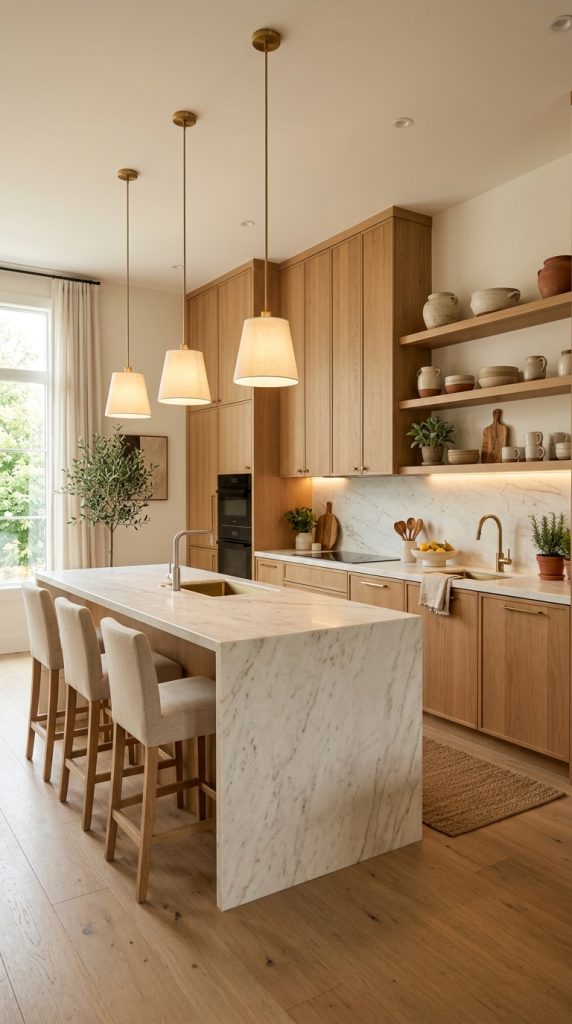
    5. Create a Minimal Yet Warm Organic Modern Kitchen

    The organic modern kitchen is a perfect example of how luxury and simplicity can exist together. Instead of focusing on excessive decoration, this style creates beauty through high-quality materials, thoughtful layouts, and functional design.

    A successful organic modern kitchen should feel clean but not sterile.

    The foundation often begins with natural colors and materials.

    Warm white cabinetry, oak finishes, stone countertops, and textured backsplashes create a welcoming environment.

    Unlike traditional luxury kitchens that may rely heavily on glossy finishes, organic modern kitchens usually prefer matte surfaces and natural textures.

    Cabinet design is especially important.

    Simple flat-panel cabinets create a contemporary appearance while allowing materials to become the main focus.

    Natural wood cabinetry can add warmth.

    Painted cabinets in soft neutral tones can create a calm atmosphere.

    A combination of wood and painted finishes can add visual balance.

    Countertops should feel durable and natural.

    Stone surfaces such as quartzite, marble, or textured quartz can provide elegance while maintaining a connection to organic materials.

    A kitchen island can become the central gathering point.

    Choose a design that combines function and beauty.

    A waterfall stone edge creates a modern statement.

    A wooden island introduces warmth.

    A contrasting island color can create architectural interest.

    Open shelving is another popular feature in organic modern kitchens.

    However, the styling should remain intentional.

    Instead of filling shelves with many items, display carefully selected pieces:

    • Handmade ceramics
    • Wooden bowls
    • Glass containers
    • Neutral pottery

    This creates a curated appearance.

    Hardware choices also influence the overall feeling.

    Brushed brass, aged bronze, matte black, and natural wood handles can complement organic materials beautifully.

    Lighting is another important design element.

    Pendant lights above an island can become sculptural features.

    Choose fixtures made from:

    • Woven materials
    • Glass
    • Metal with soft finishes
    • Natural fibers

    Place lights at appropriate places, including pendant lighting above work areas, under-cabinet illumination, and warm ambient lighting around dining zones.

    The dining area connected to the kitchen should continue the same design language.

    A wooden dining table, textured chairs, and simple decorative pieces create a seamless transition.

    Avoid overcrowding countertops.

    A few meaningful objects create more luxury than many random accessories.

    A ceramic bowl filled with seasonal fruit can add life.

    A wooden cutting board can provide warmth.

    A vase with branches can introduce natural shape.

    Organic modern kitchens are designed for real life.

    They should be beautiful but also practical.

    Every material should be chosen not only for appearance but also for how it supports daily activities.

    The result is a kitchen that feels sophisticated, peaceful, and timeless.

    6. Add Curved Furniture for a Softer Luxury Feel

    Curved furniture has become an important feature in organic modern interiors because it creates softness and movement within spaces that often contain clean architectural lines.

    Modern homes frequently include straight walls, rectangular windows, and structured layouts. Curved furniture introduces balance by adding gentle shapes that feel more natural and inviting.

    A curved sofa is one of the most effective ways to introduce this style.

    Unlike traditional straight sofas, curved designs encourage conversation and create a more relaxed seating arrangement.

    Choose fabrics that enhance the organic feeling:

    • Boucle
    • Linen
    • Soft cotton
    • Textured upholstery

    Neutral colors such as cream, beige, and warm gray allow the shape of the furniture to become the main feature.

    Rounded coffee tables are another excellent addition.

    A circular stone table, oval wooden table, or softly shaped table can break up the straight lines of a room.

    The combination of different shapes creates a more balanced composition.

    Curved chairs can also make a room feel more luxurious.

    A sculptural lounge chair in a corner can create a beautiful reading area.

    A rounded accent chair can soften a formal living room.

    In bedrooms, curved headboards create a relaxing focal point.

    A softly rounded upholstered headboard can make the bed feel more comfortable and elegant.

    The key to using curved furniture successfully is avoiding too many competing shapes.

    Choose one or two statement pieces and allow them to stand out.

    Pair curved furniture with simple architectural elements.

    For example:

    A curved sofa with a rectangular rug.

    A round coffee table with a linear bookshelf.

    A curved chair beside a straight console.

    This creates visual balance.

    Materials also matter.

    Organic modern interiors look best when curves are combined with natural materials.

    Examples include:

    A boucle curved sofa with a wooden table.

    A stone rounded coffee table with linen chairs.

    A wooden curved bench with textured cushions.

    These combinations create a warm and sophisticated feeling.

    Curved furniture also improves the flow of a room.

    Sharp corners can sometimes make spaces feel rigid. Rounded forms create a more relaxed movement throughout the home.

    Lighting can enhance these shapes.

    Place lights at appropriate places, such as floor lamps beside curved seating, pendant lights above rounded tables, and soft accent lighting that highlights sculptural furniture.

    The final result is a home that feels modern but approachable.

    Curved furniture adds elegance without making the space feel formal or uncomfortable.

    It creates the perfect balance between contemporary design and natural softness.

    7. Layer Natural Textures for Depth and Comfort

    Texture is one of the most important elements in organic modern design because it prevents neutral spaces from feeling flat.

    When a room uses mostly earthy colors, texture becomes the feature that creates visual interest.

    The secret is combining different materials that feel different both visually and physically.

    A smooth surface should be balanced with something rough.

    A soft fabric should be combined with a natural material.

    A polished element should be paired with something handmade.

    For example, a living room may include:

    A linen sofa.

    A wool rug.

    A wooden table.

    A woven basket.

    A ceramic vase.

    Each material contributes a different feeling.

    Textured rugs are especially valuable because they define spaces while adding comfort.

    Natural fiber rugs, wool rugs, and handwoven designs work beautifully with organic modern interiors.

    Choose subtle patterns or solid textures rather than overly decorative designs.

    Curtains also contribute significantly to texture.

    Linen curtains create softness and movement.

    They allow natural light to filter through while adding warmth.

    Pillows and throws provide another opportunity to introduce layers.

    Instead of choosing many decorative cushions with different patterns, combine different fabrics in similar tones.

    For example:

    A linen cushion.

    A knitted throw.

    A boucle pillow.

    A woven textile.

    The room becomes richer without becoming busy.

    Wall texture can also create a luxury effect.

    Consider:

    • Limewash finishes
    • Textured plaster
    • Natural stone surfaces
    • Wood panels

    These finishes create depth without requiring artwork.

    Handmade objects are another important part of organic modern styling.

    Mass-produced decorations often lack personality.

    A handmade ceramic bowl or imperfect vase adds character because it feels connected to craftsmanship.

    Natural fibers can also be introduced through accessories.

    Examples include:

    • Woven baskets
    • Rattan furniture
    • Jute details
    • Hemp textiles

    However, use them carefully.

    Too many woven elements can make the room feel more rustic than modern.

    The goal is balance.

    Lighting enhances texture by creating shadows and highlighting surfaces.

    Place lights at appropriate places, especially near textured walls, woven furniture, and decorative materials.

    Soft lighting can reveal details that disappear under harsh illumination.

    Texture is what gives organic modern interiors their comfortable luxury.

    It creates rooms that feel interesting even when the color palette remains simple.

    A well-layered space feels calm, rich, and naturally beautiful.

    8. Design an Organic Modern Dining Space With Timeless Character

    The dining area is where organic modern design can become especially meaningful because it represents gathering, connection, and everyday experiences.

    A luxury dining room does not need excessive decoration. The focus should be on creating a welcoming environment where materials, furniture, and lighting work together.

    The dining table is the main feature.

    A solid wood table is one of the strongest choices for this style because it provides warmth and natural character.

    Choose designs with visible grain and simple craftsmanship.

    Avoid overly complicated shapes.

    The beauty should come from the material itself.

    A stone dining table can create a more contemporary luxury feeling.

    Travertine, marble, or limestone tables add elegance while maintaining an organic appearance.

    Dining chairs should balance the table.

    Upholstered chairs can introduce softness.

    Wooden chairs create a more natural feeling.

    Woven chairs can add texture.

    Mixing materials often creates a more sophisticated look than using a complete matching set.

    A beautiful organic modern dining room might include:

    A walnut table.

    Cream upholstered chairs.

    A stone centerpiece.

    Soft linen curtains.

    A sculptural pendant light.

    This combination feels refined but comfortable.

    Lighting above the dining table deserves special attention.

    A statement pendant can become a piece of artwork.

    Choose designs with natural materials or interesting shapes.

    Examples:

    • Woven pendants
    • Sculptural glass fixtures
    • Soft metal designs
    • Handmade ceramic lighting

    Place lights at appropriate places, especially directly above the dining table and around nearby areas to create a warm atmosphere during evening meals.

    Table styling should remain simple.

    A large ceramic bowl, seasonal branches, or a natural stone centerpiece can be enough.

    Avoid filling the table permanently with decorations.

    The dining area should remain functional.

    Wall decor can include large artwork, textured panels, or simple natural elements.

    A single oversized piece often creates more impact than many small decorations.

    The goal of an organic modern dining room is not to impress guests with decoration.

    It is to create a space that feels welcoming, comfortable, and timeless.

    9. Use Warm Earth-Tone Colors to Create a Calm Organic Atmosphere

    Color is one of the strongest tools in organic modern design because it controls the emotional feeling of a room. While this style is often associated with neutral interiors, the beauty comes from using carefully chosen earth-inspired shades that add warmth and personality.

    Organic modern homes usually avoid extremely bright or artificial colors. Instead, they take inspiration from nature and use tones that feel calm, balanced, and timeless.

    Some of the most beautiful organic modern color combinations include:

    • Warm white with beige
    • Sand with caramel
    • Taupe with walnut brown
    • Clay with ivory
    • Olive green with natural wood
    • Soft gray with stone tones
    • Terracotta with cream

    These colors create a peaceful foundation while allowing furniture and materials to become the main focus.

    Warm neutrals are especially effective because they make spaces feel comfortable without limiting future decorating choices.

    For example, a living room with warm beige walls can easily adapt to different furniture styles. The same space can feel modern, traditional, or minimalist depending on the accessories added later.

    One of the best ways to use earth tones is through layering.

    Instead of choosing one color and repeating it everywhere, combine different shades that naturally work together.

    A bedroom could include:

    A warm ivory wall.

    A beige linen bed.

    A walnut nightstand.

    A clay-colored throw.

    A soft brown rug.

    Although each element is different, the overall feeling remains harmonious.

    Paint color selection is also important.

    Pure white can sometimes feel too sharp in organic modern spaces. Warmer whites with subtle beige or cream undertones create a softer appearance.

    For a more dramatic look, deeper earthy shades can be introduced.

    Examples include:

    • Charcoal gray walls
    • Deep olive cabinetry
    • Chocolate brown furniture
    • Muted terracotta accents

    These colors add richness while maintaining the connection to nature.

    Accent colors should be used thoughtfully.

    Instead of adding many different colors, choose one or two tones that complement the overall palette.

    A muted olive chair can add freshness.

    A rust-colored artwork can introduce warmth.

    A dark brown leather piece can create sophistication.

    The key is keeping the color story connected.

    Another beautiful aspect of earth tones is how they interact with natural light.

    Morning sunlight can make beige and cream shades feel soft and airy.

    Evening lighting can create a deeper, more intimate atmosphere.

    The same room can change throughout the day, which adds to its beauty.

    Decorative accessories are another opportunity to introduce color.

    Handmade ceramics, books, artwork, and textiles can bring subtle variations without overwhelming the room.

    Avoid choosing accessories only because they match. Organic modern spaces feel more authentic when items have individual character.

    A home should feel collected over time rather than perfectly arranged.

    Color psychology also plays an important role.

    Earth tones are often associated with comfort, stability, and relaxation. This makes them ideal for bedrooms, living rooms, and spaces where people want to feel calm.

    The purpose of organic modern color design is not to create a dramatic visual statement. It is to create an environment that feels naturally beautiful and emotionally comfortable.

    When earth-inspired colors are combined with quality materials and thoughtful furniture choices, they create interiors that remain elegant for many years.

    10. Add Statement Lighting With Natural Materials

    Lighting is not only a practical necessity in organic modern interiors; it is also an important design feature that can influence the entire personality of a room.

    A beautifully designed light fixture can work like a piece of artwork, adding shape, texture, and architectural interest.

    Organic modern lighting focuses on warmth and natural materials rather than overly bright or industrial fixtures.

    The goal is to create a comfortable atmosphere where every area of the home feels inviting.

    Pendant lighting is one of the most popular choices for this style.

    A large woven pendant above a dining table or kitchen island can immediately introduce an organic element.

    Materials such as:

    • Rattan
    • Bamboo
    • Woven fibers
    • Linen
    • Handmade ceramic

    create beautiful texture and visual interest.

    In living rooms, statement floor lamps can create elegant reading corners.

    Choose designs with natural finishes, curved shapes, or handcrafted details.

    A simple room can feel more luxurious when lighting has a sculptural quality.

    Wall sconces are another excellent addition.

    They can highlight artwork, architectural features, or specific areas without taking up floor space.

    In bedrooms, soft wall lighting creates a peaceful hotel-inspired atmosphere.

    The placement of lighting matters as much as the fixture itself.

    A room with only one ceiling light often feels flat because everything is illuminated equally.

    Organic modern interiors use layered lighting to create depth.

    Different lighting sources can serve different purposes:

    General lighting for overall visibility.

    Task lighting for specific activities.

    Accent lighting for atmosphere and highlighting features.

    Place lights at appropriate places, including beside sofas, above work surfaces, near artwork, around architectural details, and in cozy corners that need additional warmth.

    The color temperature of bulbs also affects the feeling of the room.

    Warm illumination enhances natural materials such as:

    • Wood
    • Stone
    • Linen
    • Leather
    • Woven textures

    It creates a softer evening environment compared with cool white lighting.

    Natural materials in lighting fixtures also help connect different areas of the home.

    For example, a woven pendant in the kitchen can relate to a rattan chair in the dining area or a wooden accessory in the living room.

    This creates visual continuity throughout the house.

    Lighting should also support the architecture of the room.

    Tall ceilings can benefit from large pendant fixtures.

    Small rooms may look better with compact wall lights and carefully positioned lamps.

    The goal is not to fill the room with lights but to create a balanced atmosphere.

    A luxury organic modern home feels beautiful because of the relationship between materials, colors, furniture, and lighting.

    The right lighting reveals the beauty of every other design choice.

    11. Style Open Shelving With Carefully Selected Organic Decor

    Open shelving is a beautiful feature in organic modern homes because it combines functionality with personal expression.

    However, successful shelving design requires balance. When shelves become crowded with too many objects, the peaceful feeling of organic modern style can disappear.

    The purpose of open shelving is not to display everything you own. It is to highlight meaningful pieces and create visual harmony.

    Start by choosing shelves made from natural materials.

    Wood shelves are especially effective because they introduce warmth and complement neutral interiors.

    Oak, walnut, and reclaimed wood can create beautiful contrast against light walls.

    The styling process should focus on balance.

    Instead of placing objects randomly, consider:

    Height variation.

    Material contrast.

    Negative space.

    Color harmony.

    A beautiful shelf might include:

    A handmade ceramic vase.

    A stack of neutral books.

    A wooden bowl.

    A small sculpture.

    A framed artwork.

    The arrangement should feel intentional but not overly perfect.

    Mixing different textures creates more interest.

    For example:

    Smooth ceramic beside rough wood.

    Glass beside woven materials.

    Stone objects beside soft textiles.

    These combinations create depth.

    Books are useful because they add personality and warmth.

    Choose books with covers that complement the roomโ€™s color palette.

    They can be stacked horizontally or arranged vertically.

    Artwork can also be included on shelves.

    Small framed prints leaning against the wall create a relaxed gallery effect.

    This approach feels more casual than traditional wall hanging.

    In kitchens, open shelving can display beautiful everyday items.

    Examples include:

    Handmade plates.

    Wooden cutting boards.

    Glass jars.

    Ceramic cups.

    The key is keeping useful objects visually appealing.

    Avoid turning shelves into storage areas filled with random items.

    Organic modern interiors value simplicity.

    Plants can be added carefully.

    A small trailing plant or sculptural branch arrangement can bring natural movement.

    However, too many plants may distract from the clean design.

    Shelves should also include empty space.

    Negative space allows important pieces to stand out and prevents the display from feeling crowded.

    A common mistake is filling every inch because empty areas may feel unfinished.

    In organic modern design, empty space is part of the beauty.

    It creates calmness and allows the eye to rest.

    Open shelving works best when it reflects the personality of the homeowner.

    The most beautiful displays are not expensive collections. They are thoughtful combinations of objects that tell a story.

    12. Bring Nature Indoors With Intentional Greenery

    Plants have always been connected with interior design, but organic modern homes approach greenery differently.

    Instead of creating an indoor jungle, this style focuses on carefully selected plants that enhance architecture and bring life into the space.

    The goal is quality rather than quantity.

    One large, beautifully shaped plant can often create more impact than many small plants scattered throughout the room.

    Choose plants with interesting forms.

    Popular choices include:

    • Olive trees
    • Fiddle leaf figs
    • Palm varieties
    • Snake plants
    • Large leafy tropical plants

    A sculptural plant can act as a living piece of artwork.

    Placement is important.

    A tall plant beside a window can soften empty corners.

    A small plant on a shelf can add freshness.

    A branch arrangement on a dining table can create seasonal beauty.

    The container also matters.

    Traditional plastic pots often do not match the organic modern aesthetic.

    Choose containers made from:

    • Ceramic
    • Stone
    • Terracotta
    • Concrete
    • Natural woven materials

    These materials connect the plant with the rest of the room.

    Greenery works especially well with natural materials.

    A wooden console with a ceramic planter.

    A stone table with a simple branch arrangement.

    A linen sofa beside a large leafy plant.

    These combinations create a natural relationship between elements.

    Dried plants can also be used.

    Dried branches, pampas grass, or preserved botanical arrangements can add texture without requiring constant maintenance.

    However, they should be used carefully because excessive dried decor can make a space feel outdated.

    The type of greenery should match the roomโ€™s atmosphere.

    A minimalist bedroom may need only one simple plant.

    A large living room may support a taller statement tree.

    A kitchen may benefit from herbs or small natural arrangements.

    Plants should not block movement or overcrowd surfaces.

    Organic modern design values openness and breathing space.

    Lighting also affects how greenery appears.

    Natural sunlight helps plants become part of the architecture.

    Soft evening lighting can highlight their shapes beautifully.

    Place lights at appropriate places, such as near large plants, beside architectural corners, or around decorative greenery to create depth.

    The purpose of greenery in organic modern homes is not simply decoration.

    Plants add softness, movement, and a connection to the natural world.

    They make the home feel more alive while maintaining the calm elegance of the style.

    13. Create a Luxury Organic Modern Bathroom Retreat

    The bathroom is one of the best spaces to apply organic modern design because it naturally connects with elements that create relaxation: water, stone, wood, and soft textures.

    A luxury organic modern bathroom should feel like a private spa rather than a purely functional area. The focus should be on creating a peaceful environment where materials, colors, and lighting work together to create comfort.

    Start with the foundation of the room. Natural-inspired surfaces immediately create a sophisticated atmosphere.

    Popular choices include:

    • Travertine-inspired tiles
    • Limestone textures
    • Natural stone countertops
    • Warm wood cabinetry
    • Matte ceramic finishes

    These materials create a timeless appearance because they are inspired by nature rather than short-term trends.

    The vanity area can become the main design feature.

    A floating wooden vanity adds warmth and makes the room feel more spacious.

    Natural oak, walnut, or teak finishes work beautifully with stone surfaces.

    Pairing wood with a stone countertop creates a balanced combination of softness and durability.

    The sink style can also influence the overall feeling.

    A stone vessel sink can create an artistic appearance.

    A simple ceramic sink can maintain a cleaner modern look.

    The goal is to select pieces that feel intentional rather than overly decorative.

    The shower area is another opportunity to introduce organic luxury.

    Large-format stone tiles can create a seamless appearance.

    A built-in shower niche can provide practical storage while maintaining a clean design.

    Add simple details such as:

    • Neutral-colored towels
    • Wooden bath accessories
    • Handmade soap dishes
    • Ceramic containers

    These small details support the overall style without creating clutter.

    The bathtub area can become a relaxing focal point.

    A freestanding tub surrounded by natural materials creates a high-end spa feeling.

    Adding a small wooden stool, a stone tray, or a simple plant can complete the atmosphere.

    Color choices should remain connected to nature.

    Beautiful bathroom palettes include:

    • Warm white with beige
    • Sand with natural wood
    • Soft gray with stone
    • Earthy brown with cream

    Avoid overly bright colors that compete with the peaceful mood.

    Mirrors also play an important role.

    A rounded mirror can soften the straight lines of a modern bathroom.

    Wood-framed mirrors add warmth.

    Backlit mirrors provide a subtle luxury effect.

    Lighting should create a relaxing environment.

    Place lights at appropriate places, including around mirrors, inside shower niches, near vanities, and in corners where soft illumination can highlight textures.

    Warm lighting works especially well because it enhances natural materials and creates a calming atmosphere.

    Storage should remain practical but visually simple.

    Hidden cabinets, built-in shelves, and organized drawers help maintain the clean appearance that defines organic modern interiors.

    The most successful organic modern bathrooms do not look overly decorated. They feel peaceful because every element has a purpose.

    By combining natural materials, soft colors, and thoughtful design, the bathroom becomes more than a functional space. It becomes a personal retreat within the home.

    14. Mix Handmade Decor With Contemporary Design

    One of the most beautiful characteristics of organic modern interiors is the combination of modern simplicity with handmade character.

    Contemporary furniture can sometimes feel too perfect or uniform. Handmade pieces introduce personality, warmth, and a sense of craftsmanship that makes a home feel unique.

    The purpose of handmade decor is not to fill the home with accessories. Instead, it is about choosing meaningful pieces that add authenticity.

    Ceramics are one of the easiest ways to introduce handmade beauty.

    A handcrafted ceramic vase on a console.

    A textured bowl on a coffee table.

    A collection of pottery displayed on shelves.

    These pieces bring natural imperfections that make the space feel more personal.

    Unlike mass-produced decorations, handmade objects often show small variations that make them special.

    Textiles are another important element.

    Handwoven blankets, artisan rugs, and natural fiber cushions can add depth and comfort.

    Look for pieces made from:

    • Linen
    • Wool
    • Cotton
    • Jute
    • Hemp

    These materials create softness while supporting the organic modern aesthetic.

    Wall decor can also include handmade elements.

    Examples include:

    • Textured fiber art
    • Hand-painted artwork
    • Sculptural wall pieces
    • Artisan prints

    These choices create a more collected feeling compared with generic decorations.

    Furniture can also include handcrafted details.

    A wooden bench made by artisans.

    A carved side table.

    A handmade dining chair.

    These pieces often become conversation starters because they carry a story.

    The key is balancing handmade elements with modern design.

    Too many rustic pieces can change the style completely.

    Organic modern interiors work because they combine different worlds:

    A modern sofa with a handmade ceramic table lamp.

    A contemporary kitchen with artisan pottery.

    A minimalist bedroom with a woven textile.

    This contrast creates sophistication.

    Handmade decor also allows homeowners to express personality.

    A beautiful home should not look like a showroom where everything appears untouched.

    It should reflect the people who live there.

    Choose pieces that have meaning, memories, or craftsmanship behind them.

    Another benefit of handmade items is their timeless quality.

    Trendy decorations may lose appeal after a few years, but well-crafted objects often become more valuable emotionally over time.

    Display handmade pieces with intention.

    A single beautiful object can have more impact than many decorative items.

    Give important pieces enough space so their details can be appreciated.

    Lighting can enhance handmade textures.

    Place lights at appropriate places, including accent lighting near artwork, shelf lighting for ceramics, and soft lamps that highlight handcrafted surfaces.

    The combination of contemporary structure and handmade warmth is what makes organic modern homes feel comfortable, elegant, and personal.

    15. Create a Complete Timeless Organic Modern Home Atmosphere

    The final step in creating an organic modern luxury home is understanding that the style is not about individual decorations. It is about creating harmony between every room.

    A truly successful organic modern home feels connected from one space to another.

    The living room, kitchen, bedroom, and bathroom should each have their own personality while still sharing the same design language.

    The foundation begins with consistency.

    This does not mean every room should look identical.

    Instead, repeat certain qualities throughout the home:

    • Natural materials
    • Calm colors
    • Comfortable furniture
    • Quality craftsmanship
    • Thoughtful lighting

    These elements create a sense of flow.

    For example, the warmth of wooden furniture in the living room can continue through kitchen cabinetry or bedroom details.

    The neutral tones used in one room can inspire the palette of another area.

    This creates a home that feels intentionally designed.

    One of the biggest differences between temporary trends and timeless interiors is quality.

    Organic modern luxury focuses on choosing fewer but better pieces.

    Instead of replacing furniture frequently, invest in items that can last for years.

    A beautiful wooden dining table.

    A comfortable linen sofa.

    A handcrafted ceramic collection.

    A high-quality rug.

    These pieces become part of the homeโ€™s story.

    Another important aspect is maintaining balance.

    Organic modern design should not feel empty or overly minimal.

    A home needs warmth and personality.

    Add meaningful items such as:

    • Family photographs
    • Travel memories
    • Favorite books
    • Personal artwork

    These details prevent the space from feeling like a magazine display.

    At the same time, avoid unnecessary clutter.

    Every object should contribute to the atmosphere.

    A peaceful home is created not only by what is added but also by what is removed.

    Storage plays an important role in maintaining this balance.

    Hidden storage solutions allow everyday items to remain organized while keeping the visual appearance calm.

    Lighting should support the entire home experience.

    Different rooms require different moods.

    The kitchen may need brighter functional lighting.

    The bedroom may require softer relaxing illumination.

    The living room may benefit from layered lighting for different activities.

    Place lights at appropriate places throughout the home to create comfort, highlight beautiful materials, and improve the overall atmosphere.

    Natural elements should also remain connected.

    Wood, stone, plants, and organic fabrics create a relationship between indoor spaces and the natural world.

    This connection is what makes organic modern design feel peaceful.

    The beauty of this style is that it does not depend on perfection.

    A small natural variation in wood.

    A handmade ceramic shape.

    A slightly uneven stone texture.

    These details create authenticity.

    The best organic modern homes feel relaxed because they are designed for real life.

    They welcome guests.

    They provide comfort.

    They support daily routines.

    They age beautifully.

    A timeless home is not created by following every design trend. It is created by understanding what materials, colors, and layouts make people feel comfortable and connected.

    Organic modern luxury achieves this balance by combining contemporary simplicity with natural warmth.

    The result is a home that feels elegant today, comfortable tomorrow, and beautiful for many years to come.

    Conclusion

    Organic modern luxury home decor is more than an interior design trend. It is a lifestyle approach focused on creating peaceful, meaningful, and comfortable spaces.

    By combining natural materials, warm colors, thoughtful furniture, handmade details, and carefully planned lighting, any home can achieve a timeless organic atmosphere.

    The most successful designs do not rely on excessive decoration. They focus on quality, balance, and emotional connection.

    Whether you introduce a few organic modern elements or redesign your entire home, the goal remains the same: create a space that feels warm, sophisticated, and naturally beautiful.

    A truly luxurious home is not only one that looks impressive. It is one that feels like a place where you can relax, recharge, and enjoy everyday moments.